
Chrámy Abu Simbel: Prohlídky, Vstupenky a Průvodce pro návštěvníky
O Chrámech Abu Simbel
Odhalení nadčasové majestátnosti chrámů Abu Simbel
Postavte se před kolosálními podobiznami Ramsese II. a složitými vyřezávanými detaily. Vytesané z pískovcových útesů nad klidným jezerem Nasser, chrámy Abu Simbel odhalují inženýrství a umění starověkého Egypta.
Dva vytesané svatyně čekají: Velký chrám, zasvěcený Ramsesovi II. s Ra-Horakhtym, Amunem a Ptah, a Malý chrám, ctící královnu Nefertari s Hathor. Každý prostor ukazuje ambice a oddanost jednoho z nejmocnějších faraonů v historii.
Návštěva zde se cítí jako krok zpět v čase, rámována moderním záchranným projektem, který uchoval toto mistrovské dílo pro svět.
Co dělá chrámy Abu Simbel výjimečnými?
Síla a účel
Rozměr a detail odlišují Abu Simbel. Vytesané během vlády Ramsese II. (c. 1264 př. n. l.), chrámy připomínají jeho vítězství v bitvě u Kadeše a nesmrtelně zachycují jeho obraz spolu s obrazem jeho královny, Nefertari. Jejich poloha ve starověké Nubii prohlašovala egyptskou moc a uctívala bohy.
Moderní záchrana
Se stavbou Asuánské přehrady čelil areál zatopení. V rámci úsilí vedeného UNESCO byl komplex rozřezán na tisíce číslovaných bloků, některé vážily až 30 tun, přemístěny o 65 metrů výše a 200 metrů zpět a znovu sestaveny během čtyř let. Tato záchrana je nyní součástí odkazu Abu Simbel, spojující starověké úspěchy s moderní ochranou.
Co vidět v Abu Simbel
Velký chrám Ramsese II.
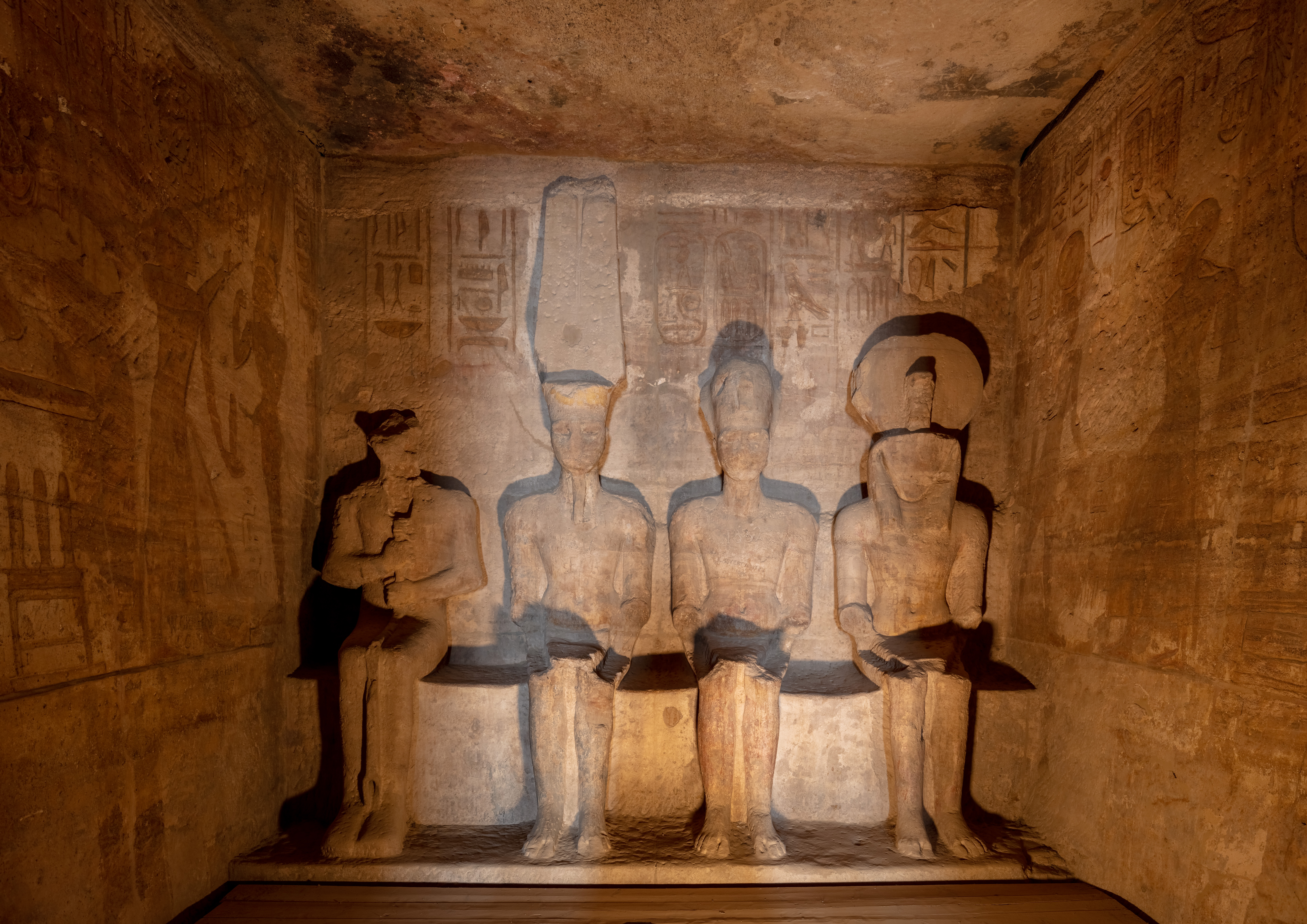
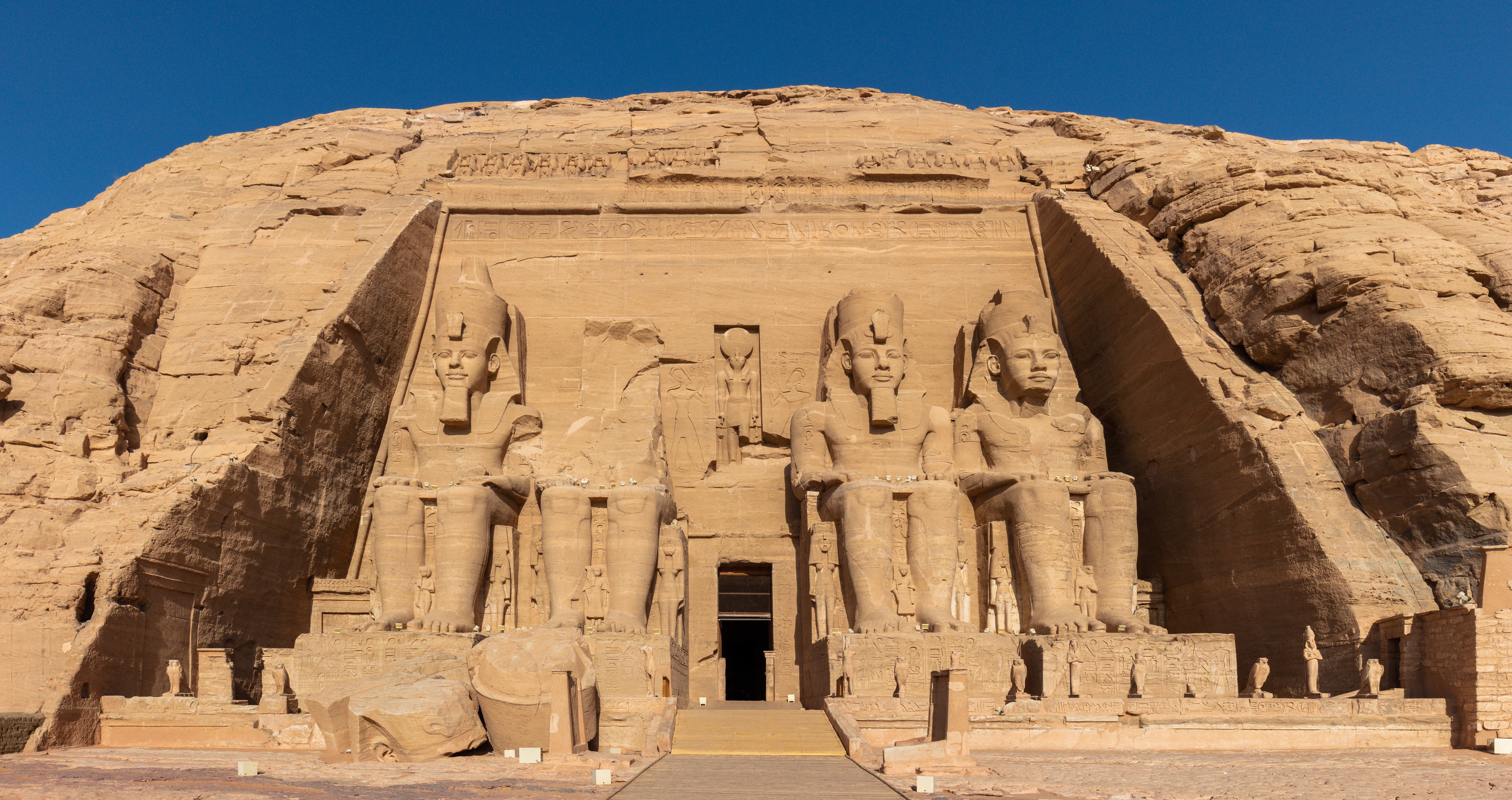
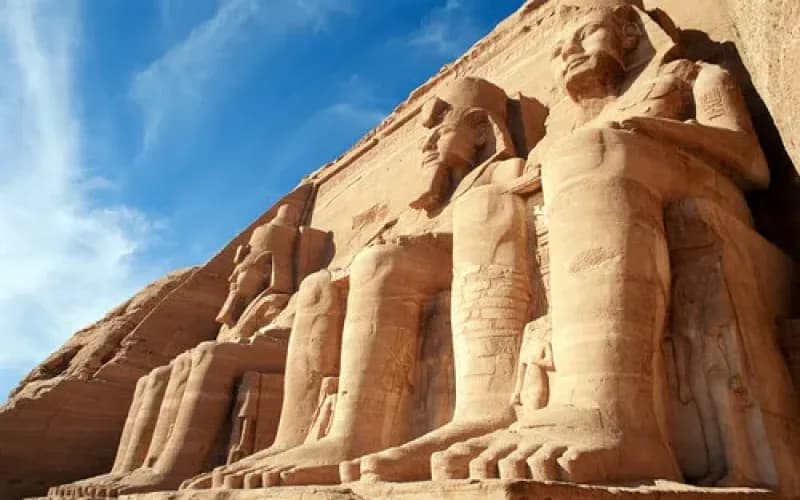
Čtyři sedící sochy Ramsese II., každá přes 20 metrů vysoká, dominují fasádě. Menší postavy jeho rodiny je lemují, všechny vytesané z útesu, aby vyzařovaly královskou moc.
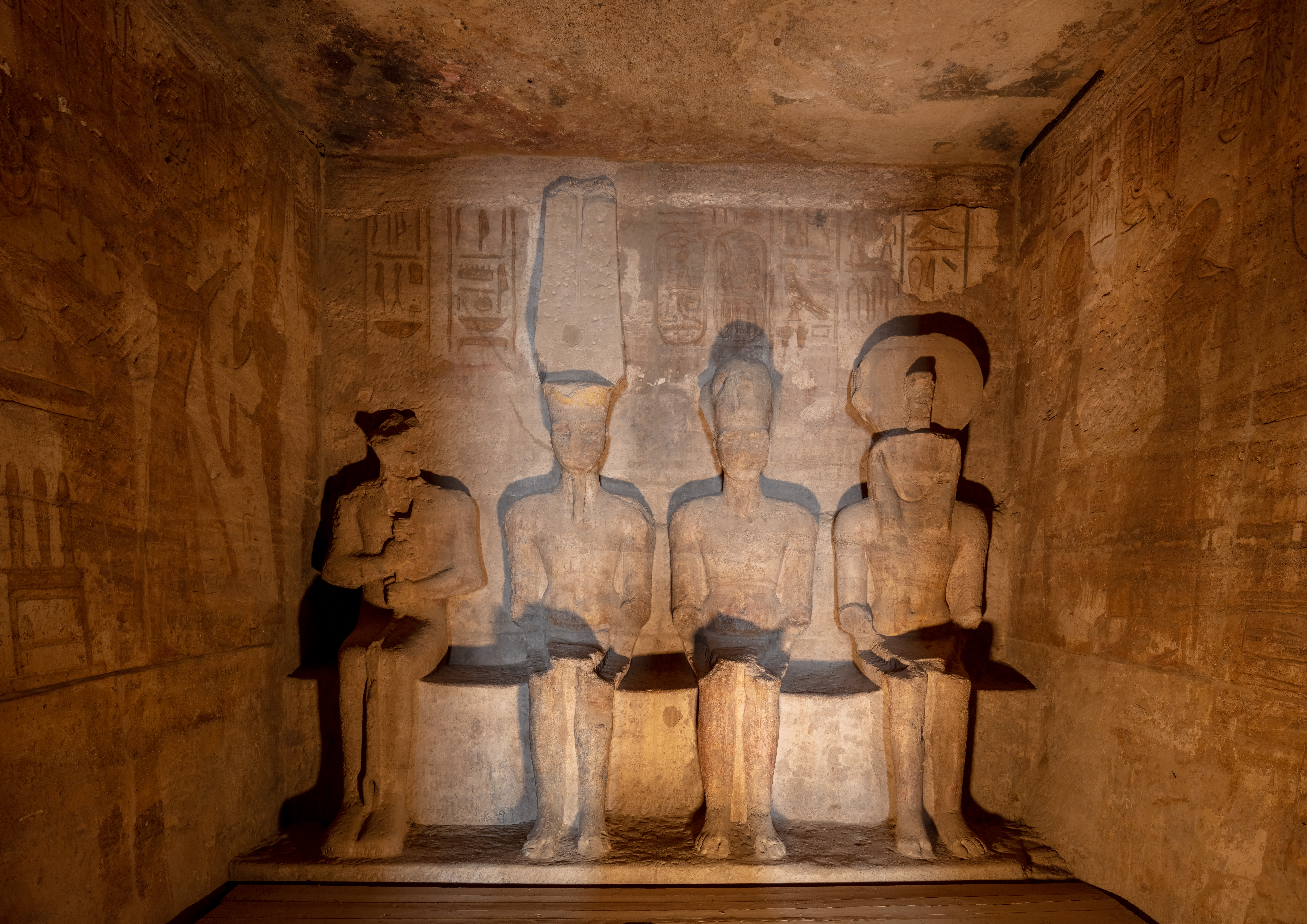
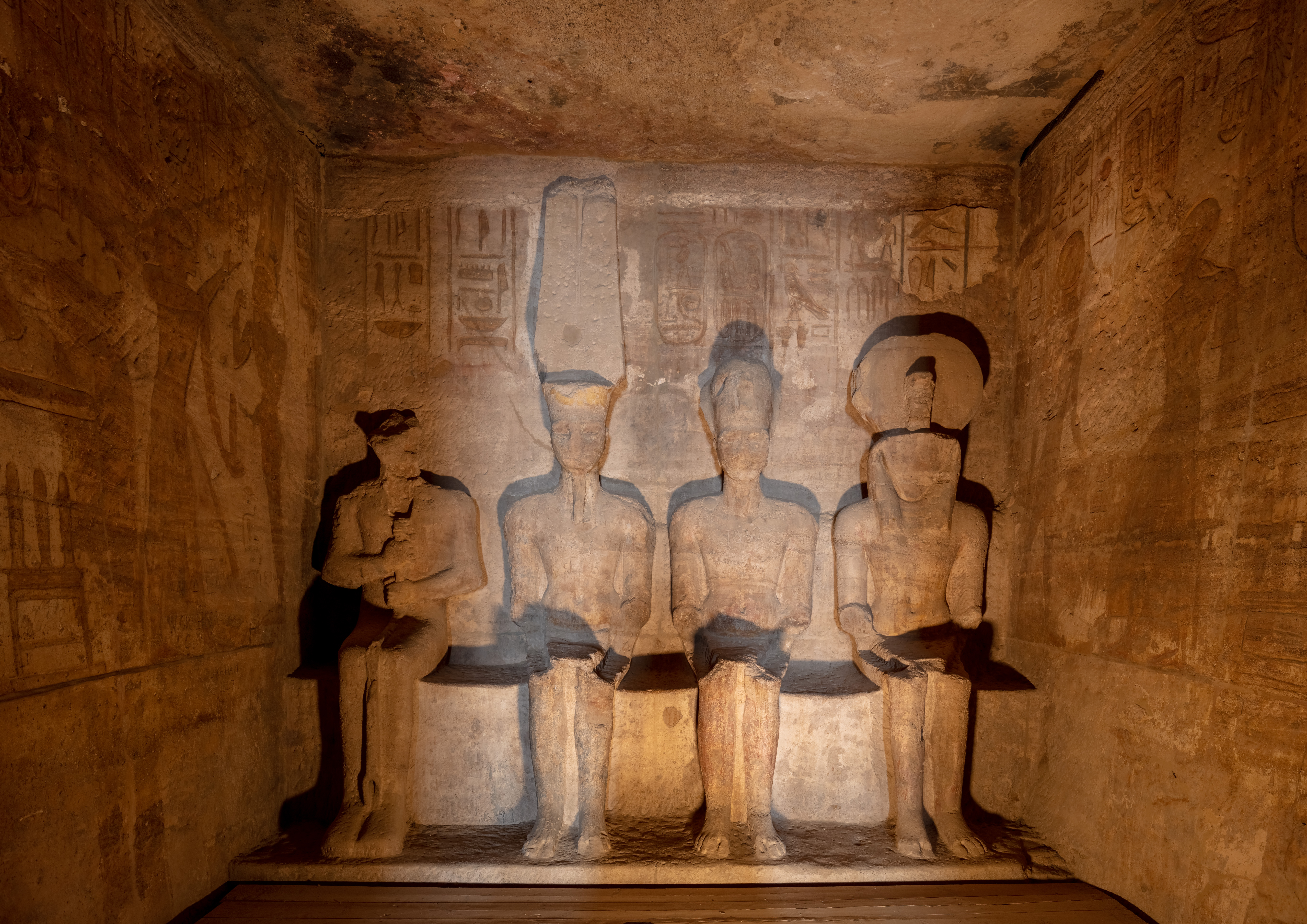
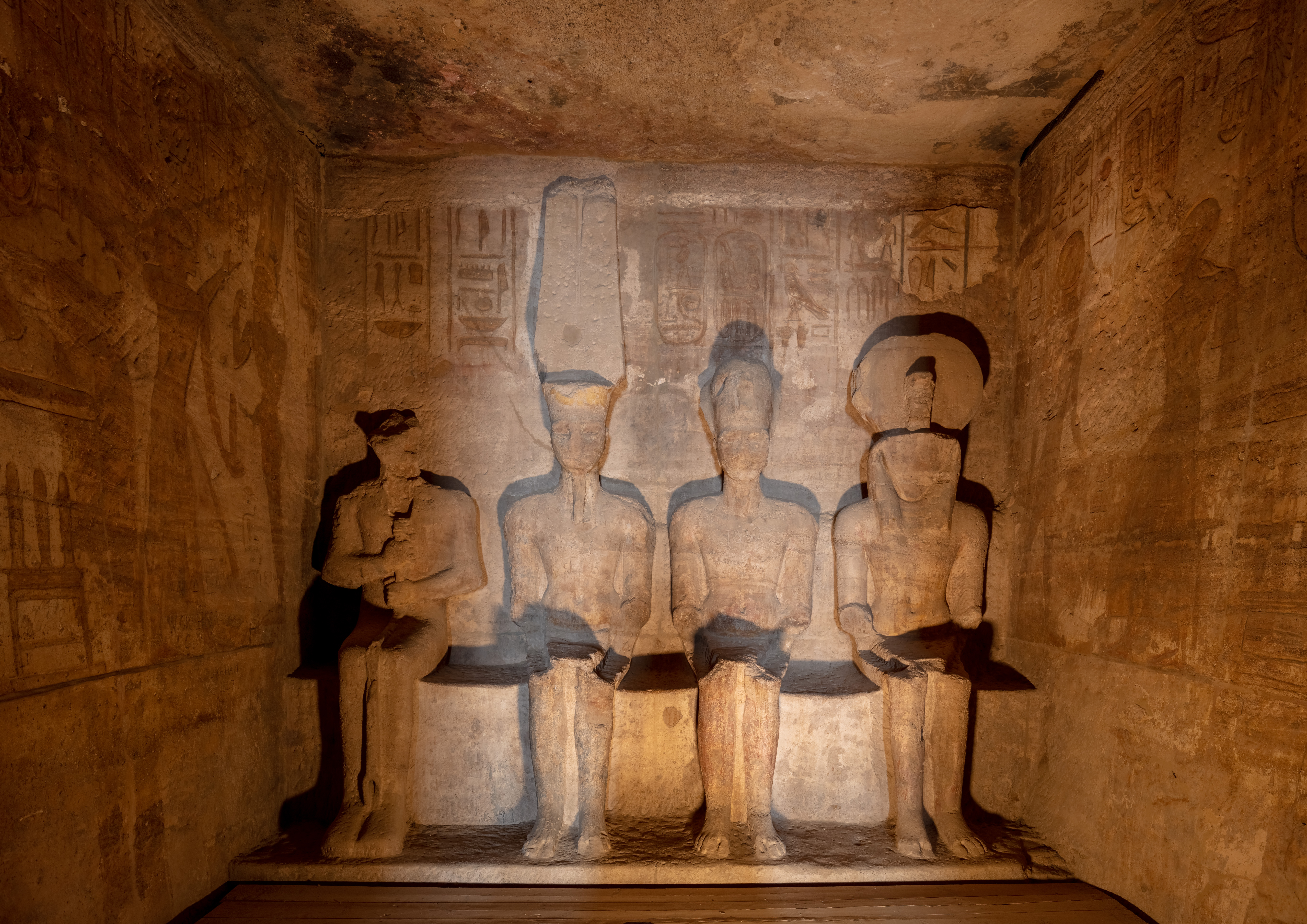
Uvnitř září hypostylové síně a komory s reliéfy vojenských triumfů, zejména bitvy u Kadeše, a scénami oddanosti bohům. V nejvnitřnější svatyni jsou sochy Ra-Horakhty, Amun, Ptah a Ramsese II. osvětlovány sluncem pouze dvakrát ročně.
Malý chrám Nefertari
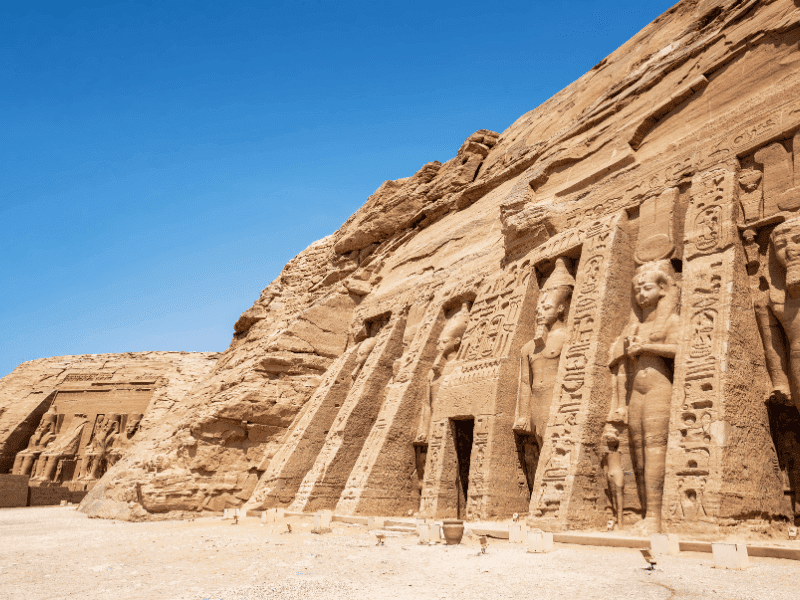
Blízko stojí Malý chrám, zasvěcený královně Nefertari a Hathor. Jeho fasáda obsahuje šest stojících kolosů - čtyři z Ramsese II. a dva z Nefertari - které jsou pozoruhodně stejné velikosti.
Uvnitř jemné vyřezávané detaily ukazují Nefertari v božských rolích vedle Hathor, zdůrazňující její krásu, zbožnost a postavení. Styl je elegantní a intimní, doplňující moc Velkého chrámu.
Jak navštívit Abu Simbel
- Doprava: Abu Simbel se nachází asi 230 kilometrů jihozápadně od Aswánu. Běžné možnosti zahrnují:
- Letadlem: Vezměte si ranní let z Aswánu (asi 30-45 minut) a vraťte se ve stejný den s dostatkem času na prozkoumání.
- Po silnici (konvoj): Připojte se k organizovanému autobusu nebo minivanu z Aswánu. Odjezdy jsou velmi brzy (kolem 3-4 ráno) a cesta trvá asi 3-4 hodiny každým směrem.
- Po Nilu: Některé delší luxusní plavby zahrnují výlet k Abu Simbel letem nebo silničním transferem z Aswánu.
- Vstupenky: Kupte si vstupenky na místě u vstupní brány; mějte s sebou egyptské libry.
- Čas potřebný: Naplánujte si 2-3 hodiny na prohlídku obou chrámů, obdivování fasád, prozkoumání interiérů a focení. Konvojové výlety obvykle umožňují stanovený časový rámec.
Nejlepší čas na návštěvu a tipy
Nejlepší čas na návštěvu je od října do dubna, kdy je počasí chladnější a prohlídky jsou pohodlnější. Léto (květen až září) může být extrémně horké.
Teploty často překračují 40°C (104°F) v létě, takže brzké ranní příjezdy jsou v této době roku nezbytné.
- Ranní ptáče: Přijďte s prvním letem nebo brzkým silničním konvojem, abyste se vyhnuli davům a polednímu horku.
- Hydratace: Mějte s sebou dostatek vody ve všech ročních obdobích.
- Ochrana před sluncem: Noste široký klobouk, sluneční brýle a opalovací krém s vysokým SPF; stín je omezený.
- Respektující oblečení: Skromné oblečení je vítáno.
- Fotografie: Fotografie jsou obecně povoleny; blesk je často zakázán. Zkontrolujte značení na místě.
- Místní průvodci: Místní egyptolog může obohatit vaše porozumění historii a symbolice.
Historický význam
Původ a účel
Chrámy Abu Simbel byly vytesány ze svahu hory během vlády faraona Ramsese II (přibližně 1264 př. n. l.). Oslavují jeho vítězství v bitvě u Kadeše a nesmrtelně zachycují jeho obraz vedle jeho královny Nefertari. Jejich umístění ve starověké Nubii potvrzovalo egyptskou nadvládu a sloužilo jako posvátná pocta bohům.
Přesun a záchrana
Po více než tři tisíciletí stály chrámy jako svědectví o ambicích a zbožnosti Ramsese II. S výstavbou Asuánské přehrady v 60. letech 20. století čelily ponoření pod stoupající vody jezera Nasser.
UNESCO vedlo globální úsilí o záchranu komplexu tím, že jej rozřezalo na tisíce bloků, z nichž některé vážily až 30 tun, a znovu je sestavilo 65 metrů výše a 200 metrů od pobřeží. Operace byla dokončena v roce 1968, trvala čtyři roky a stála přibližně 40 milionů amerických dolarů, čímž byly tyto památky zachovány pro budoucí generace.
Tours Visiting Chrámy Abu Simbel
Soukromé zážitky s egyptology, včetně vstupenek a transferů zařízených za vás.
Tato celodenní soukromá prohlídka zavádí cestovatele z Asuánu do chrámového komplexu Abu Simbel, odjíždí před svítáním, aby skupina dorazila na místo včas a…
Tato celodenní prohlídka navštěvuje chrámový komplex Abu Simbel z Aswanu pomocí sdílené dopravy, odjíždí v 3 hodiny ráno, aby cestovatelé dorazili na místo se…
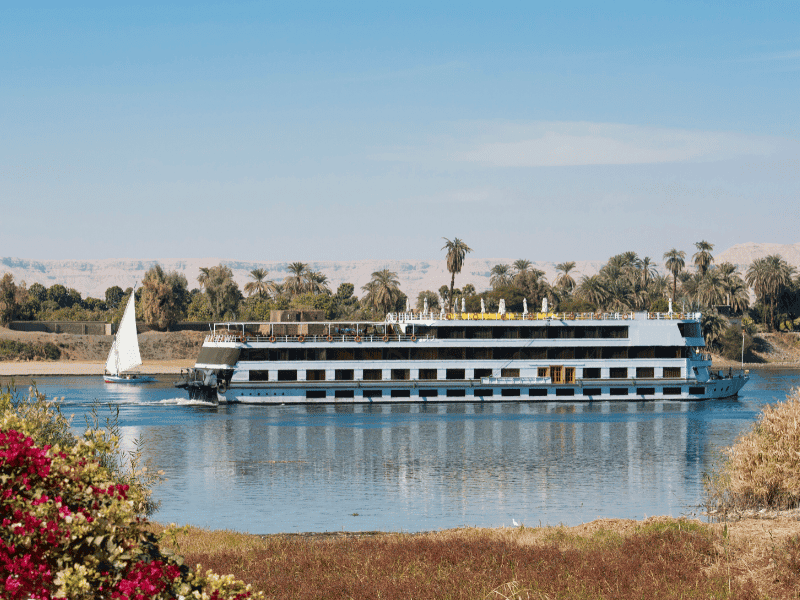
Tato 3- nebo 4-noční plavba po Nilu na palubě M/S Nile Dolphin pluje mezi Luxorem a Aswanem, zastavuje v Kom Ombo, Edfu a na významných místech Aswanu, s…

Tato 10denní malá skupinová cesta po Egyptě začíná v Káhiře a pokračuje plavbou po Nilu mezi Aswanem a Luxorem až k pobytu u Rudého moře v Hurghadě, kombinuje…
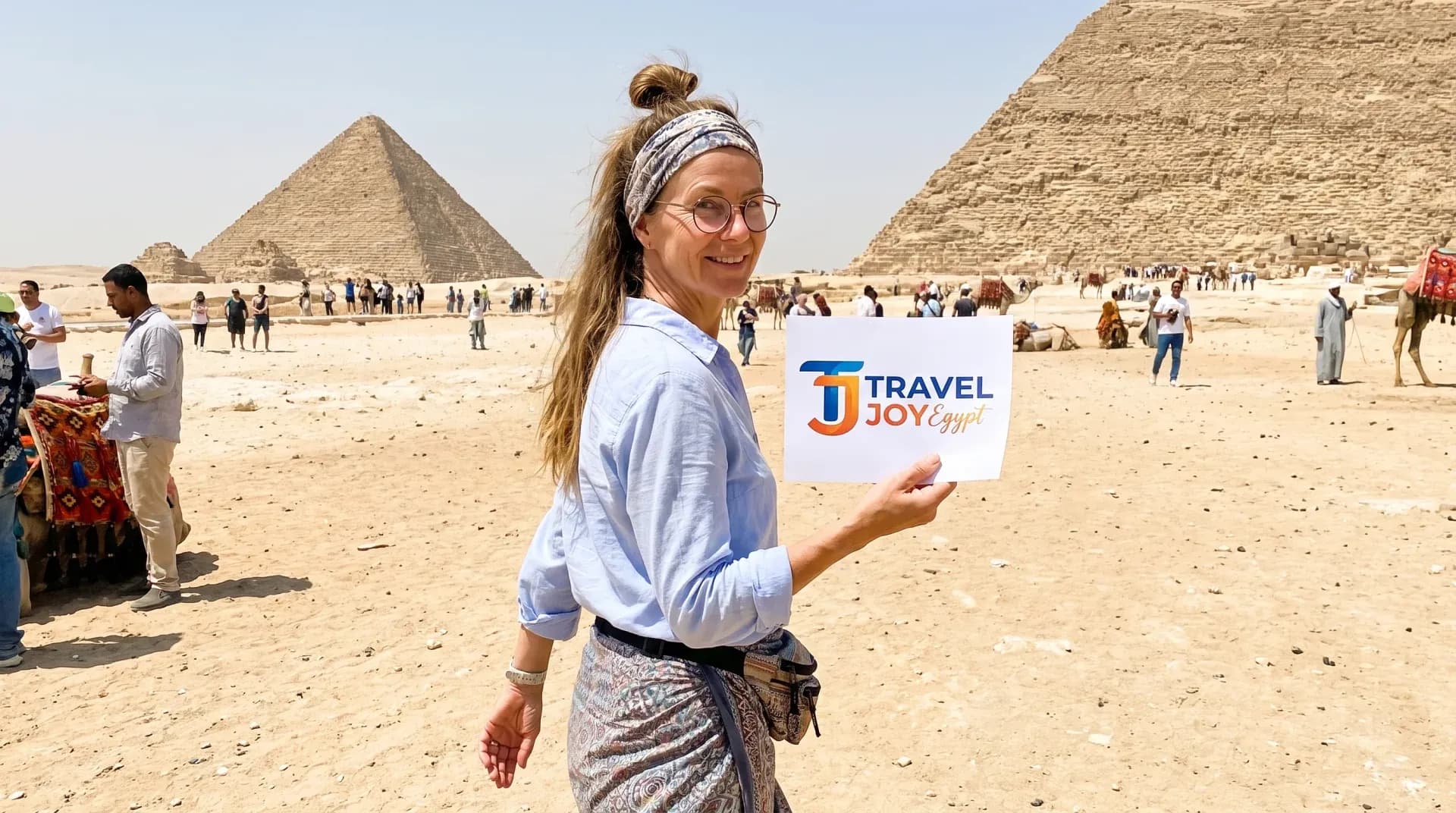
Tato 10denní organizovaná cesta, kterou po celou dobu vede průvodce Travel Joy Egypt Jessica, kombinuje místa v Káhiře a údolí Nilu v Egyptě s rozšířením do…
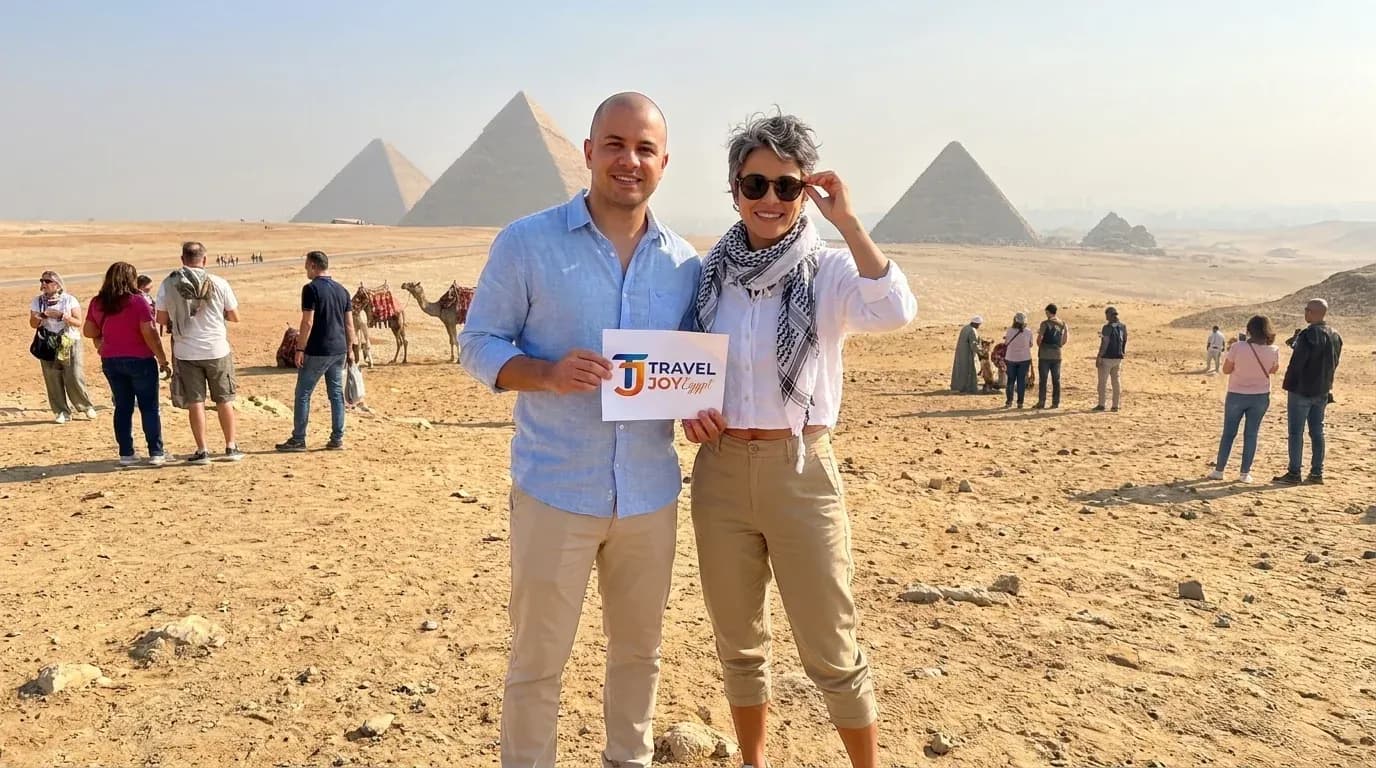
Tato 12denní luxusní cesta sleduje trasu z Káhiry přes méně navštěvovaná místa Středního Egypta do Luxoru a Asuánu, kombinující soukromý itinerář s luxusní…
Chrámy Abu Simbel — Často kladené otázky
Vše, co potřebujete vědět před návštěvou Chrámů Abu Simbel.
1Jak daleko jsou chrámy Abu Simbel od Asuánu?
2Co je to 'Sluneční festival' v Abu Simbel?
3Je možné navštívit Abu Simbel jako jednodenní výlet?
4Proč byly chrámy Abu Simbel přesunuty?
5Mohu fotografovat uvnitř chrámů?
Nejlepší atrakce v Asuán a Nubie
Egyptské zájezdy podle destinace
Prozkoumat egyptské zájezdy podle kategorie
- 1Egyptské turistické balíčky
- 2Egyptské denní výlety
- 3Námořní plavby po Nilu
- 4Cestování na míru
- 5Svatební cesty balíčky
- 6Rodinné balíčky
- 7Luxusní balíčky
- 8Soukromé balíčky
- 9Balíčky pro malé skupiny
- 10Balíčky s all-inclusive službami
- 11Last-Minute Egypt Tours
- 12Dahabiya plavby
- 13Egyptský průvodce po cestování
- 14Egyptské turistické balíčky z USA
- 15Egypt & Jordan Tour Packages