
Chrám Philae: Prohlídky, Vstupenky a Průvodce pro návštěvníky
O Chrámu Philae
Objevte chrám Philae: Perlu Nilu
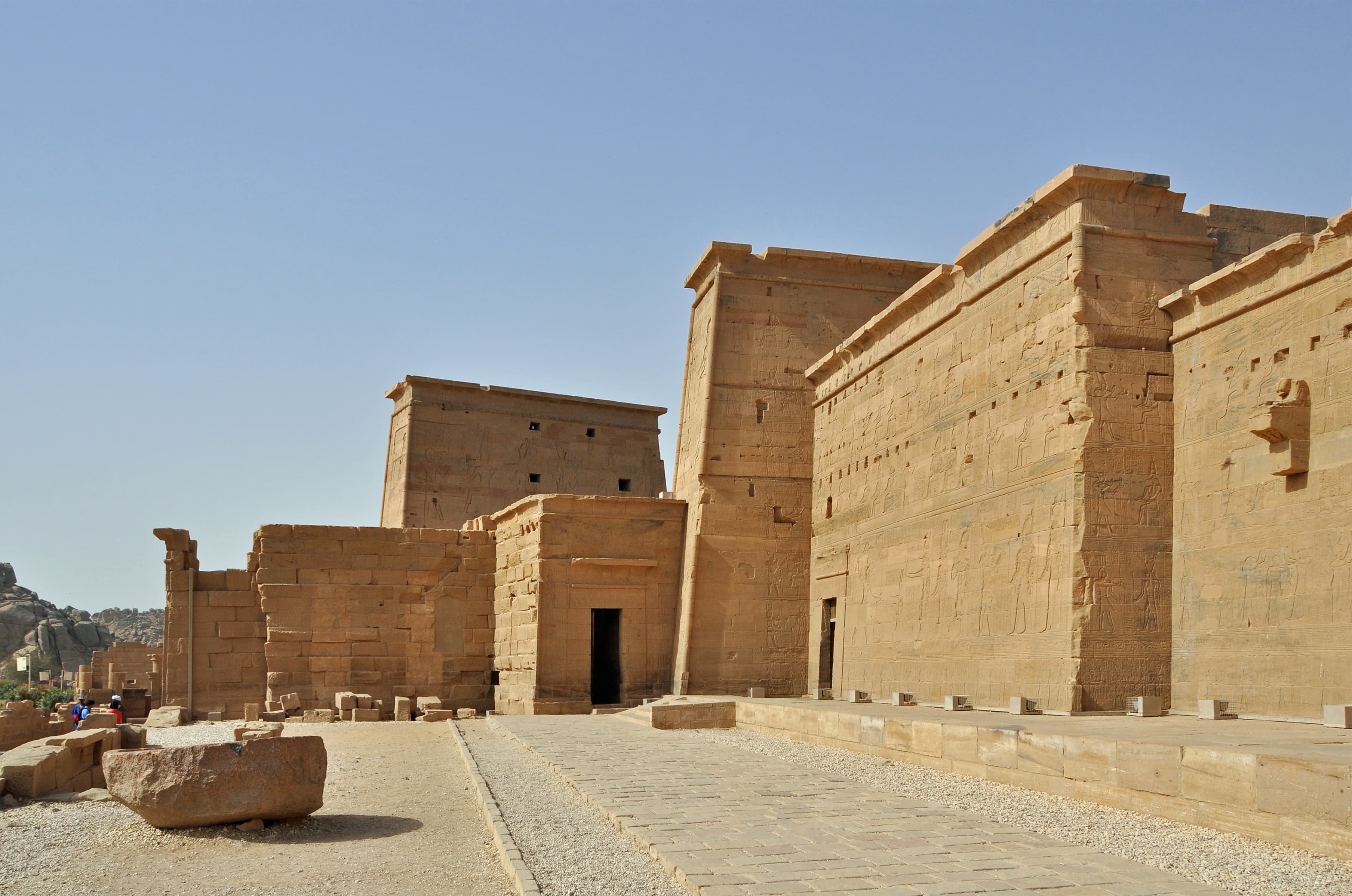
Vydejte se na nezapomenutelnou cestu k chrámu Philae, fascinující ostrovní svatyni zasvěcené uctívané bohyni Isis. Často označovaný jako 'Perla Nilu', tento architektonický zázrak stojí jako mocný symbol trvalé nubijské kultury a ohromující svědectví o vynalézavosti a hlubokém duchovním závazku starověkého Egypta. Chrám Philae, nyní majestátně situovaný na ostrově Agilkia, představuje triumf moderní ochrany, neboť prošel mimořádným přesunem.
Když stoupající vody z Asuánské přehrady ohrozily jeho existenci, tento nádherný komplex byl pečlivě rozebrán a znovu postaven, kámen po kameni, v monumentálním podniku vedeném UNESCO. To zajistilo přežití jednoho z nejexotičtějších řecko-římských chrámů v Egyptě pro budoucí generace.
Jak vaše motorová loď klouže po klidných vodách Nilu, grandiózní forma chrámu se postupně objevuje, jeho majestátní pylony a elegantní kolonády se rýsují proti ikonickému pozadí Nilu. Když vstoupíte na ostrov, okamžitě vás obklopí pocit starověkého úžasu. Složitá vyřezávaná díla a živé reliéfy, které zdobí každý povrch, vás vyzývají k prozkoumání, každé vypráví příběh o bozích, faraonech a nadčasové oddanosti.
Co dělá chrám Philae tak výjimečným?
Okouzlení chrámu Philae spočívá nejen v jeho ohromující kráse, ale také v jeho pozoruhodné historii a jedinečné ochraně. Je to místo, kde se starověké egyptské duchovní tradice setkaly s řecko-římskými architektonickými styly, což vytvořilo jedinečnou estetiku, která okouzlí každého návštěvníka. Samotný projekt přesunu chrámu je zázrakem lidského úsilí, svědectvím o globální spolupráci při ochraně kulturního dědictví.
Tento 'zachráněný' chrám nese hluboký příběh, symbolizující odolnost starověkých zázraků tváří v tvář modernímu rozvoji.
Navíc byl Philae jedním z posledních bastionů starověkého egyptského náboženství, proslulý tím, že hostil poslední známý hieroglyfický nápis, vytesaný v roce 394 n. l. To z něj činí klíčové místo pro pochopení soumraku faraonského uctívání a přechodu do pozdějších období. Jeho zasvěcení Isis, bohyni, jejíž kult se rozšířil daleko za hranice Egypta, dále upevňuje jeho význam jako poutního místa, které přitahovalo oddané z celého starověkého světa.
Velkolepost chrámu Isis
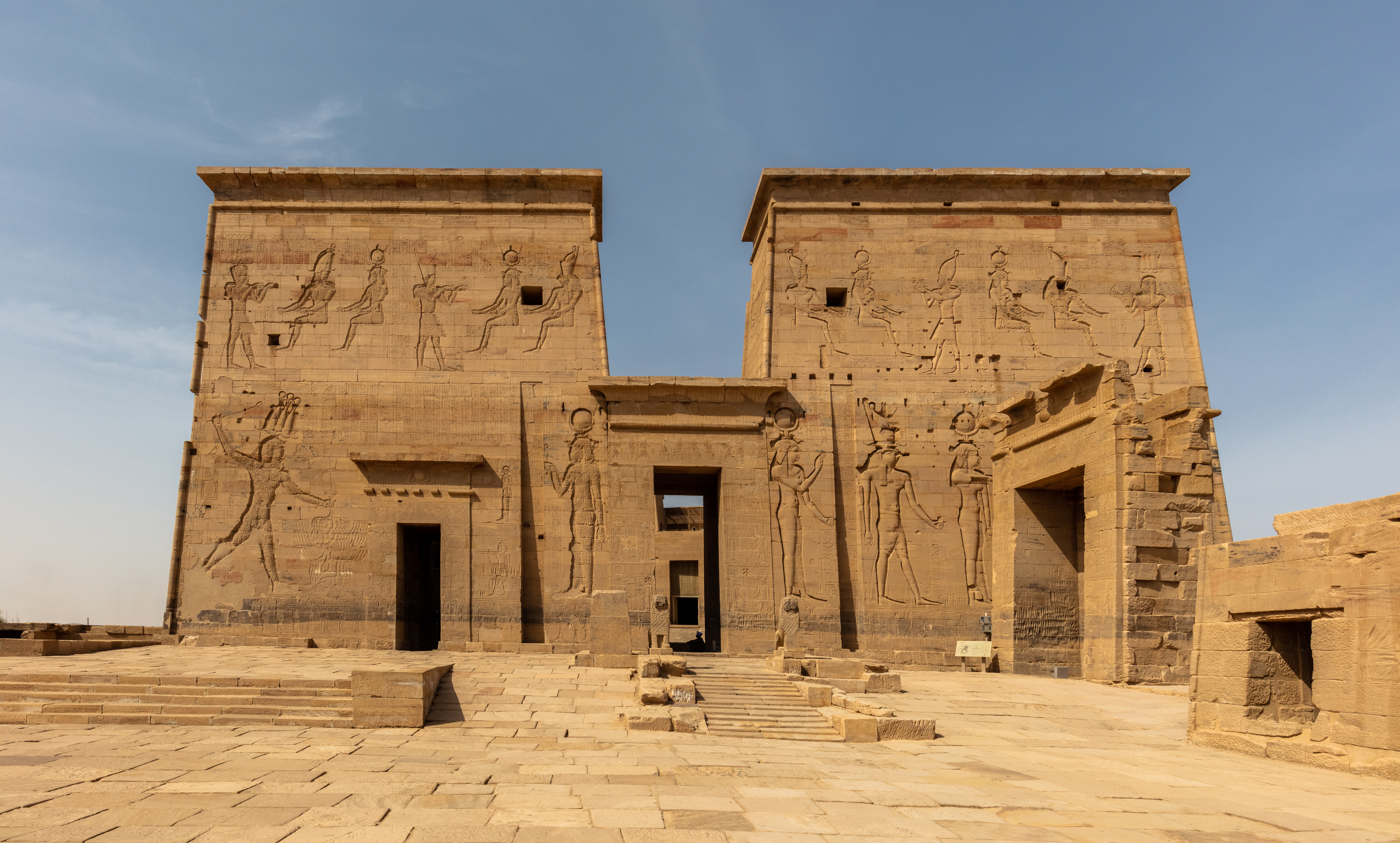
Centrální chrám Isis je bezpochyby mistrovským dílem celého komplexu. Když se přiblížíte, uvítá vás impozantní První pylón, monumentální brána zdobená živými zobrazeními faraonů, kteří se účastní tradičních obětních ceremonií k bohům. Tyto scény nejsou pouze dekorativní, ale vyjadřují hluboký náboženský a politický význam role vládce při udržování kosmického pořádku.
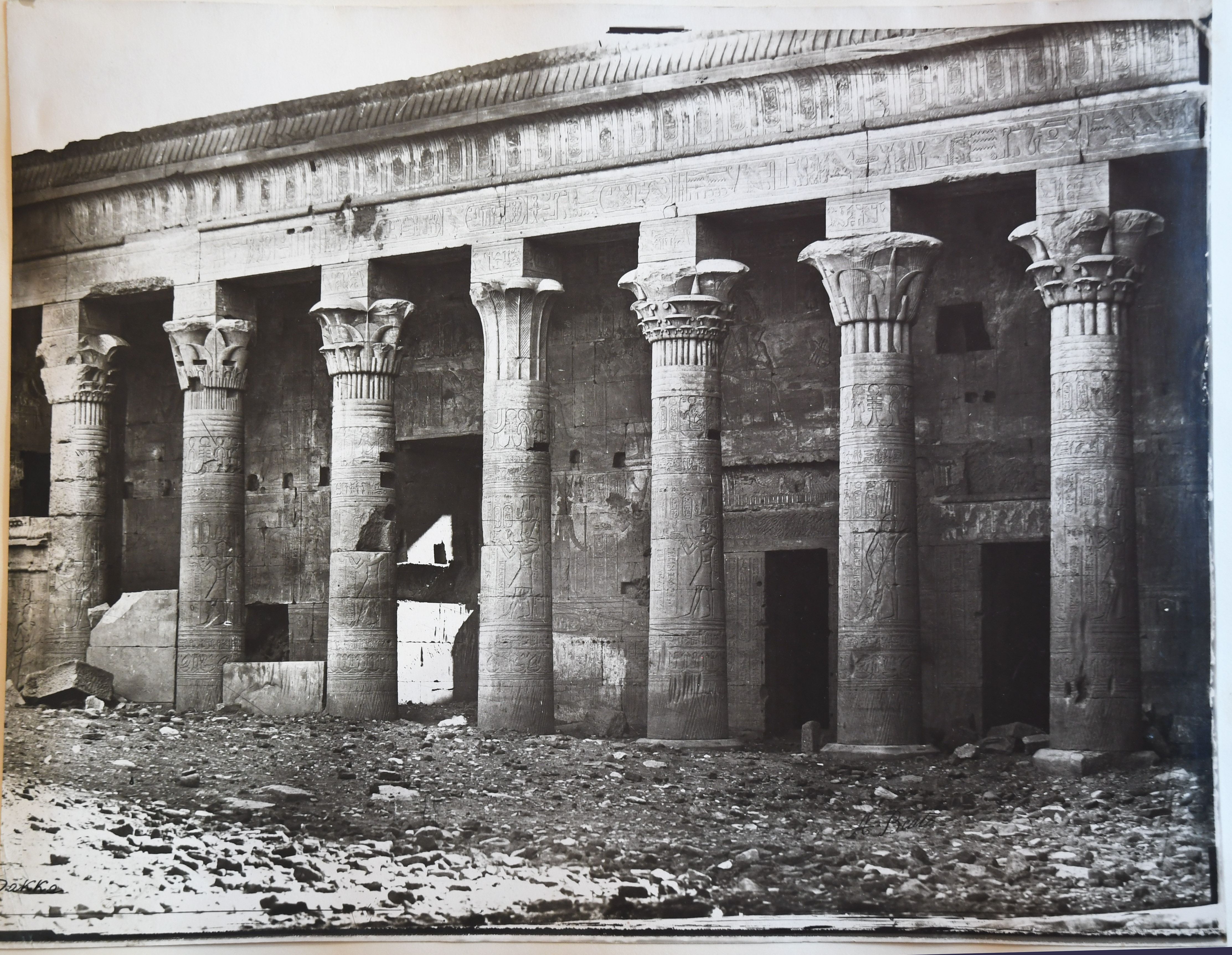
Procházejte se rozsáhlými sloupořadími, obdivujte obrovské rozměry a jemné umění. Zde, vysoké sloupy korunované různorodými květinovými hlavicemi vytvářejí ohromující výhled, který vede váš pohled směrem k vnitřním svatyním. Každý sloup, každá zeď, je plátnem podrobných reliéfů, zobrazujících mytologické příběhy, rituální úkony a božský panteon.
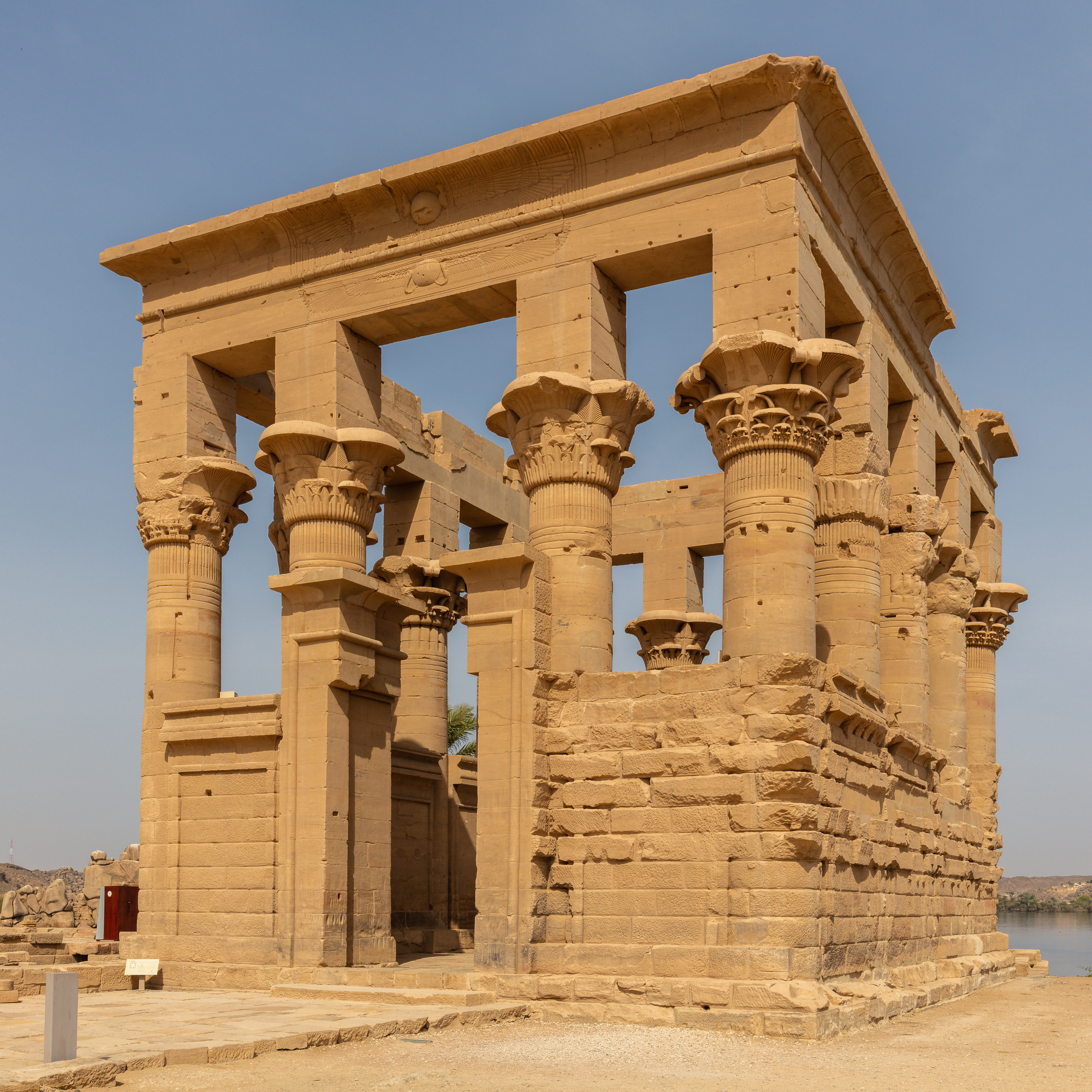
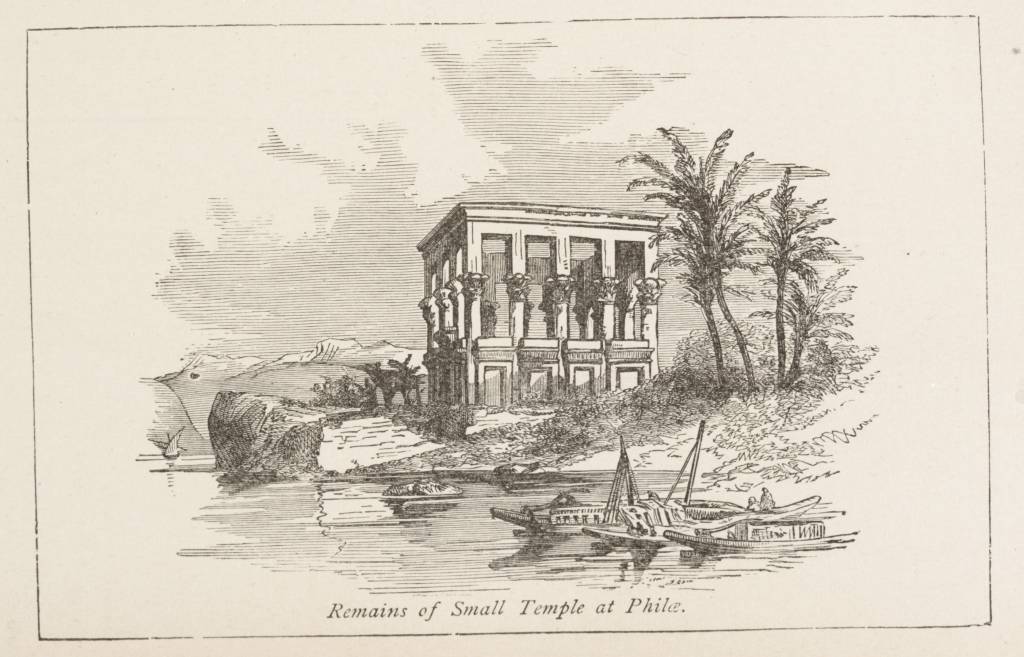
Hypostylová síň, se svým složitě vyřezávaným stropem a sloupy, nabízí pohled do posvátných prostor, kde starověcí kněží vykonávali své slavnostní povinnosti. Nezapomeňte na malý, ale významný Dům narození (Mammisi), který oslavuje božské narození Hora, a krásný Trajánův pavilon, nedokončenou, ale architektonicky působivou stavbu ideální pro zachycení nezapomenutelných fotografií.
Co vidět a zažít
- První pylón: Obdivujte kolosální reliéfy zobrazující Ptolemaia XII Neos Dionysa, jak poráží své nepřátele před Isis a dalšími božstvy.
- Hlavní chrám Isis: Prozkoumejte jeho různé síně, svatyně a komory, z nichž každá odhaluje vrstvy složitých vyřezávaných a náboženských symbolů.
- Trajánův pavilon: Obdivujte tuto elegantní, sloupořadí, která nabízí úchvatné výhledy a pohled na příspěvky z římské éry na tomto místě.
- Chrám Hathor: Objevte menší chrám zasvěcený bohyni Hathor, rozpoznatelný podle své charakteristické hlavice připomínající Hathorovu tvář.
- Dům narození (Mammisi): Zjistěte více o božském narození Hora prostřednictvím jeho podrobných reliéfů.
- Zvuková a světelná show: Zažijte chrám osvětlený v noci, doprovázený vyprávěním, které oživuje jeho historii a mýty. Tato večerní podívaná nabízí dramaticky odlišnou perspektivu na toto místo.
Jak navštívit chrám Philae
Dostat se tam
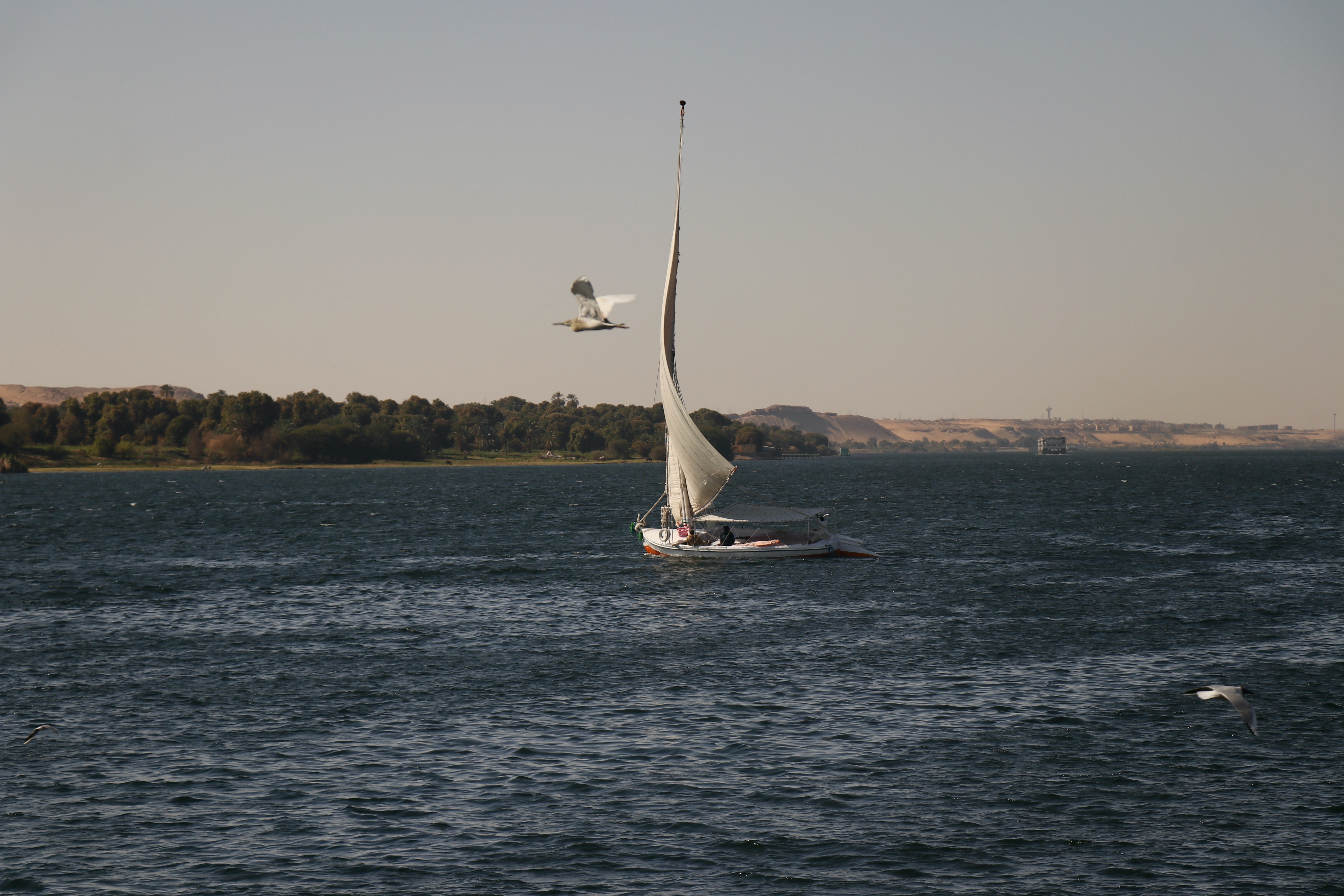
Chrám Philae je přístupný pouze lodí, což přidává na jeho mystice a kouzlu. Z Aswanu se dostanete taxíkem nebo místním minibusom k marině Chrámu Philae (často označované jako 'Přístav Vysoké hráze'). Odtud si pronajmete malou motorovou loď, abyste přešli na ostrov Agilkia. Krátká plavba sama o sobě je součástí zážitku, nabízí úchvatné výhledy na chrám, když se blížíte.
Vstupenky a vstup
Vstupenky na chrám Philae si můžete zakoupit v marině před naloděním na vaši loď. Za plavbu lodí se platí zvlášť, což se obvykle vyjednává přímo s lodníkem. Je doporučeno dohodnout se na zpátečním jízdném před odjezdem. Na zvukovou a světelnou show se vstupenky kupují zvlášť v marině večer.
Potřebný čas
Vyhraďte si alespoň 2 až 3 hodiny, abyste mohli plně prozkoumat chrám Philae v poklidném tempu. To zahrnuje cestu lodí, procházku po areálu a vstřebávání detailů jeho architektury a reliéfů. Pokud plánujete navštívit večerní zvukovou a světelnou show, počítejte s dalšími 1,5 hodinami.
Nejlepší doba k návštěvě a tipy
Nejlepší doba
Ideální doba k návštěvě chrámu Philae a Aswanu obecně je během chladnějších měsíců, od října do dubna. Počasí je příjemné a pohodlné pro prozkoumávání. Ranní hodiny jsou nejlepší, abyste se vyhnuli horku a větším davům, což nabízí nejklidnější zážitek a krásné světlo pro fotografování. Pozdní odpoledne jsou také malebná, když slunce začíná zapadat nad Nylem.
Tipy pro vaši návštěvu
- Noste pohodlnou obuv: Budete hodně chodit po nerovných površích.
- Ochrana před sluncem: Klobouk, sluneční brýle a opalovací krém s vysokým SPF jsou nezbytné, i v chladnějších měsících.
- Pijte dostatek vody: Mějte s sebou láhev s vodou, zejména během teplejších období.
- Vyjednávejte o lodi: Nebojte se vyjednávat o ceně motorového člunu na ostrov.
- Najměte si průvodce: Zvažte najmutí místního egyptologa u vchodu. Jejich poznatky mohou výrazně obohatit vaše porozumění a ocenění historie a symboliky chrámu.
- Fotografování: Chrám nabízí nespočet příležitostí k fotografování. Respektujte značky týkající se fotografování v konkrétních oblastech a buďte ohleduplní k ostatním návštěvníkům.
- Večerní zvuková a světelná show: Vysoce doporučeno pro magický zážitek, který nabízí zcela jinou perspektivu chrámu v noci.
Historický význam
Příběh dvou ostrovů: Od Philae po Agilkia
Narativ chrámu Philae je stejně dramatický a přesvědčivý jako jeho pozoruhodné přemístění. Původně se nacházel na ostrově nesoucím stejné jméno, Philae sloužil po tisíciletí jako posvátné místo, zejména uctívané jako klíčové centrum pro veneration bohyně Isis. Výstavba stávajícího chrámového komplexu začala během Ptolemaiovského období (přibližně 380-362 př. n. l.) a pokračovala do římské éry, čímž se stal jedním z posledních opěrných bodů starověké egyptské náboženské praxe.
Poslední opěrný bod starověké egyptské víry
Philae byla nezbytnou poutní destinací, přitahující oddané z celého starověkého světa. Na této posvátné půdě byla v roce 394 n. l. vytesána poslední známá hieroglyfická inskripce, následovaná poslední demotickou inskripcí v roce 452 n. l., což znamenalo závěr rozsáhlé psané tradice. Jeho konečné uzavření v roce 550 n. l., nařízené byzantským císařem Justiniánem, signalizovalo konečné potlačení pohanství v celém Egyptě.
Monumentální záchrana
Se stavbou Asuánské přehrady v 60. letech 20. století čelil chrám Philae bezprostřední hrozbě trvalého zatopení. V rámci mimořádné globální spolupráce vedené UNESCO byl celý komplex pečlivě rozebrán, blok po bloku, a s velkým úsilím znovu sestaven na vyvýšeném terénu nedalekého ostrova Agilkia mezi lety 1972 a 1980. Tento monumentální inženýrský a konzervační úspěch úspěšně zachoval jeden z nejcennějších kulturních pokladů Egypta pro budoucí generace, aby obdivovaly.
Prohlídky navštěvující Chrám Philae
Soukromé zážitky s egyptology, včetně vstupenek a transferů zařízených za vás.
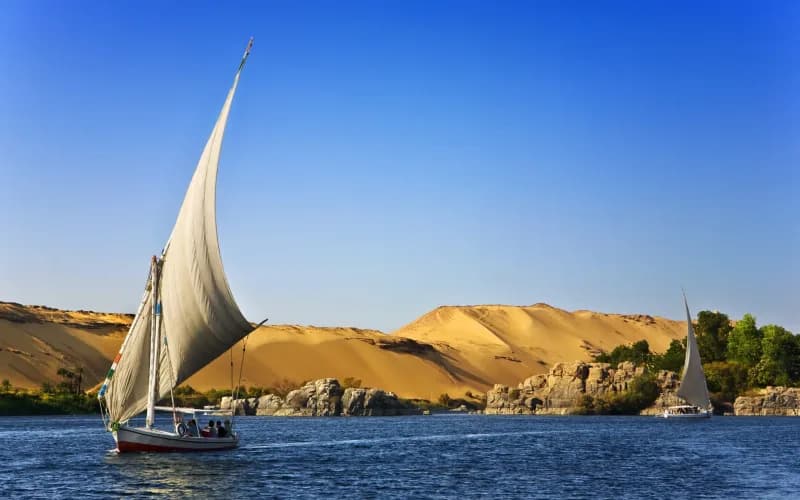
Tato celodenní soukromá prohlídka pokrývá tři základní místa v Asuánu: Asuánskou vysokou přehradu, chrám na ostrově Philae a nedokončený obelisk, přičemž je…
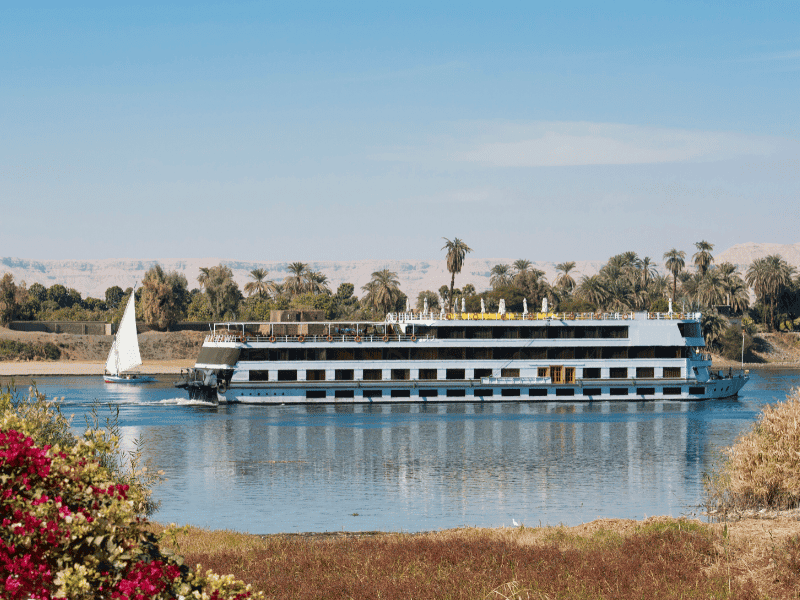
Tato 3- nebo 4-noční plavba po Nilu na palubě M/S Nile Dolphin pluje mezi Luxorem a Aswanem, zastavuje v Kom Ombo, Edfu a na významných místech Aswanu, s…

Tato 10denní malá skupinová cesta po Egyptě začíná v Káhiře a pokračuje plavbou po Nilu mezi Aswanem a Luxorem až k pobytu u Rudého moře v Hurghadě, kombinuje…

Tento 10denní luxusní balíček kombinuje Egypt a Jordánsko, tráví čas v Káhiře a na plavbě po Nilu mezi Aswanem a Luxorem, než poletí dále do Ammánu na…
Tato 10denní organizovaná cesta, kterou po celou dobu vede průvodce Travel Joy Egypt Jessica, kombinuje místa v Káhiře a údolí Nilu v Egyptě s rozšířením do…

Tato 12denní luxusní cesta sleduje trasu z Káhiry přes méně navštěvovaná místa Středního Egypta do Luxoru a Asuánu, kombinující soukromý itinerář s luxusní…
Chrám Philae — Často kladené otázky
Vše, co potřebujete vědět před návštěvou Chrámu Philae.
1Co je chrám Philae známý?
2Jak se dostanu k chrámu Philae?
3Jsou na chrámu Philae nějaké speciální akce?
4Co bych měl nosit při návštěvě chrámu Philae?
5Mohu fotit uvnitř chrámu Philae?
Nejlepší atrakce v Asuán a Nubie
Egyptské zájezdy podle destinace
Prozkoumat egyptské zájezdy podle kategorie
- 1Egyptské turistické balíčky
- 2Egyptské denní výlety
- 3Námořní plavby po Nilu
- 4Cestování na míru
- 5Svatební cesty balíčky
- 6Rodinné balíčky
- 7Luxusní balíčky
- 8Soukromé balíčky
- 9Balíčky pro malé skupiny
- 10Balíčky s all-inclusive službami
- 11Last-Minute Egypt Tours
- 12Dahabiya plavby
- 13Egyptský průvodce po cestování
- 14Egyptské turistické balíčky z USA
- 15Egypt & Jordan Tour Packages