
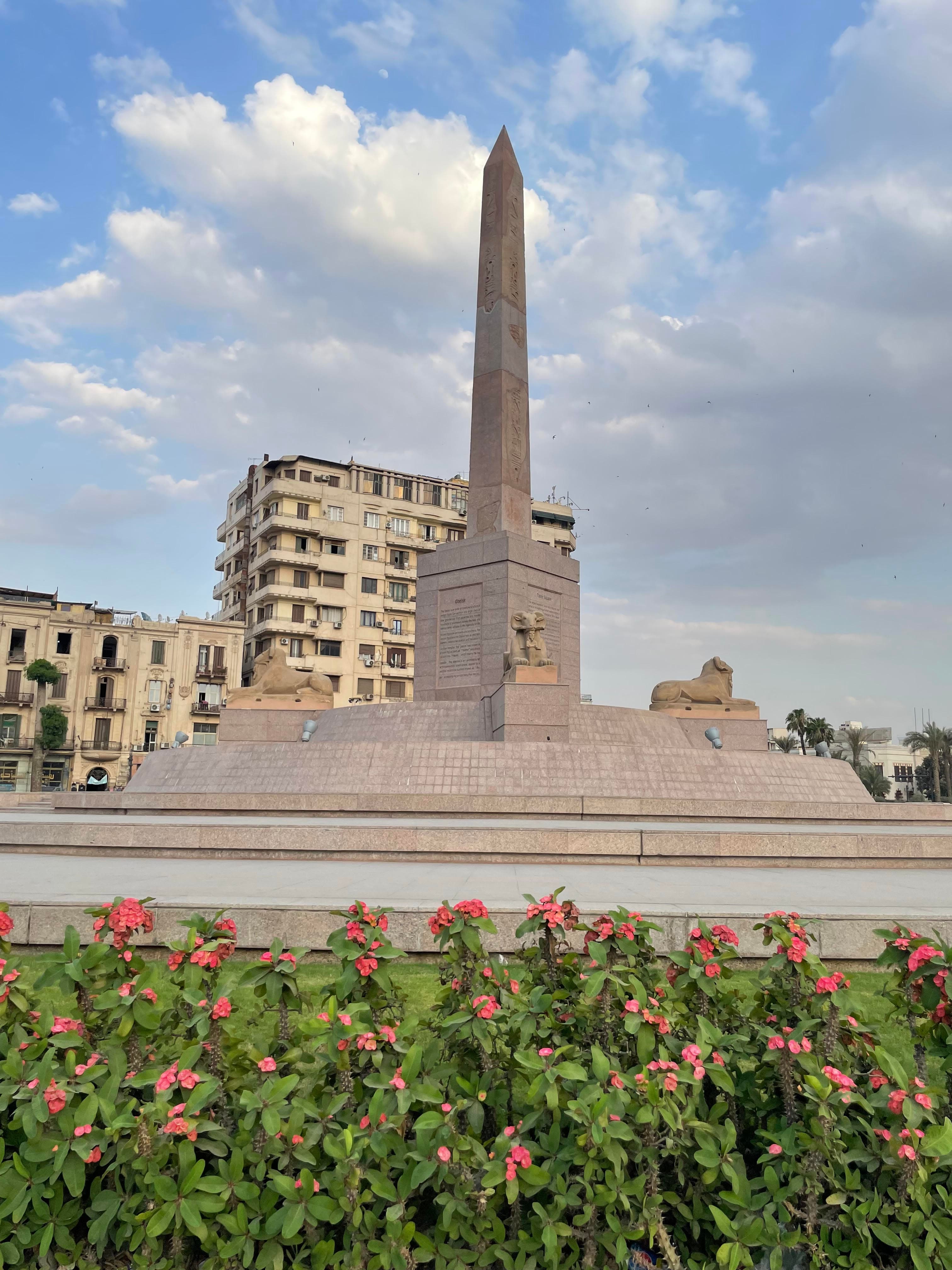

Die Vision: Khedive Ismails 'Paris am Nil'
Um das Downtown Kairo wirklich zu verstehen, müssen Sie die großen Träume eines Mannes begreifen: Khedive Ismail Pascha, der von 1863 bis 1879 regierte. Er wollte Ägypten modernisieren und erklärte berühmt: 'Mein Land liegt nicht mehr in Afrika; wir sind jetzt Teil Europas.'Der Katalysator: Der Suezkanal (1869)
Die Eröffnung des Suezkanals im Jahr 1869 war ein großes Ereignis. Ismail lud europäische Könige, darunter die französische Kaiserin Eugénie, zu den Feierlichkeiten ein. Er benötigte unbedingt eine Hauptstadt, die neben London oder Paris bestehen konnte, um seine Gäste zu beeindrucken.- 'Der Plan:' Er holte französische und italienische Architekten, um die Stadt neu zu gestalten, insbesondere das Gebiet westlich der alten islamischen Viertel.
- 'Das Design:' Inspiriert von Baron Haussmanns Umgestaltung von Paris, legten sie breite, radiale Boulevards, große öffentliche Plätze (genannt 'midans') und üppige Gärten an.
- 'Die Architektur:' Hier kamen die Stile der Belle Époque und des Neoklassizismus ins Spiel, die den charakteristischen europäischen Look schufen, der das Viertel bis heute prägt.
Die Kosten der Pracht
Ismails Vision, so atemberaubend sie auch war, hatte ihren Preis. Diese massiven Bauprojekte, kombiniert mit seinen verschwenderischen Ausgaben, führten zur Insolvenz der ägyptischen Staatskasse. Bis 1876 konnte Ägypten seine Schulden nicht mehr bezahlen, was direkt zur britischen Besetzung im Jahr 1882 führte. Es ist eine gewisse historische Ironie: Ismail baute das Downtown, um Ägyptens Unabhängigkeit zu zeigen, aber die Schulden daraus ebneten im Wesentlichen den Weg für die koloniale Herrschaft.Architektonische Schätze: Ein Spaziergang durch die Belle Époque
Das Downtown Kairo ist im Wesentlichen ein Freiluftmuseum, das der Architektur des späten 19. und frühen 20. Jahrhunderts gewidmet ist. Auch wenn viele Gebäude bessere Tage gesehen haben, strahlen die grundlegenden 'Knochen' des Viertels immer noch einen großartigen Stil aus.Tahrir-Platz: Das Zentrum von allem
Ursprünglich Ismailia-Platz genannt, ist der Tahrir-Platz unbestreitbar das geografische und symbolische Herz des modernen Ägypten. Er ist ein wichtiger Verkehrsknotenpunkt, beherbergt die Sadat-Metrostation und ist effektiv das Tor zum Nil.Das Ägyptische Museum: Großartig an seiner Nordseite thront das ikonische rosa neoklassizistische Gebäude, das 1902 eröffnet wurde, und ist unmöglich zu übersehen. Selbst mit dem neuen Großen Ägyptischen Museum in Giza hat das ursprüngliche Tahrir-Museum einen besonderen Platz im Herzen aller, da es eine massive Sammlung pharaonischer Antiquitäten beherbergt.
Revolutionärer Boden: 'Tahrir' bedeutet 'Befreiung.' Es erhielt seinen Namen nach der Revolution von 1919 gegen die britische Herrschaft und wurde während der Revolution von 1952, die die Monarchie beendete, erneut bestätigt. 2011 wurde es zum kraftvollen Epizentrum des Arabischen Frühlings, wo Millionen versammelt waren, um Veränderung zu fordern.
Möchten Sie Downtown Kairo: Entdecken Sie die moderne Seele Ägyptens erkunden?
Lassen Sie uns die perfekte private Reiseroute für Sie entwerfen. Von erfahrenen lokalen Guides bis hin zu maßgeschneiderten Plänen zeigen wir Ihnen das echte Ägypten.
Midan Talaat Harb
Wenn Tahrir das politische Herz repräsentiert, ist der Talaat-Harb-Platz definitiv die kommerzielle Seele. Nur einen kurzen Spaziergang von Tahrir entfernt, ist dieser geschäftige Kreisverkehr nach dem legendären ägyptischen Ökonomen benannt, der die Banque Misr gründete.Die Statue: In der Mitte steht eine Statue von Talaat Harb selbst.
Die Atmosphäre: Der Platz ist von prächtigen Gebäuden mit runden Fassaden umgeben, die historische Cafés, charmante Buchhandlungen und Schuhgeschäfte beherbergen. Es ist der perfekte Ort, um innezuhalten und die europäisch inspirierte Stadtplanung zu schätzen, mit Straßen, die sich wie Speichen von einem Rad ausbreiten.
Qasr el-Nil Straße
Dies ist eine Hauptader, die den Tahrir-Platz direkt mit dem wohlhabenderen Stadtteil Zamalek auf der anderen Seite des Nils verbindet. Ein Spaziergang entlang der Qasr el-Nil ist eine Reise durch verblassende Eleganz. Sie werden kunstvolle schmiedeeiserne Balkone, vintage Art Deco-Kinoschilder und große Eingänge zu dem entdecken, was einst die luxuriösesten Wohnungen Afrikas waren. Heute beherbergen die Erdgeschosse alles von internationalen Modemarken bis hin zu lokalen Fluggesellschaftsbüros.
Sieh es dir selbst an
Reisen, die die Orte in diesem Artikel besuchen.


Möchten Sie eine andere Route oder Länge? Wir gestalten es nach Ihren Wünschen.
Das Goldene Zeitalter: Cafés und Kultur
In der ersten Hälfte des 20. Jahrhunderts war das Downtown Kairo ein wahrhaft lebendiges, kosmopolitisches Zentrum. Seine Straßen wimmelten von Menschen griechischer, italienischer, jüdischer, armenischer und französischer Herkunft, die Seite an Seite mit Ägyptern lebten. Französisch war oft die gemeinsame Sprache, und die Kultur war ein faszinierendes Gewebe aus Ost und West.Die legendären Cafés
Die intellektuelle Energie des modernen Ägypten lebte größtenteils in den Kaffeehäusern des Downtown auf und blühte dort.- Café Riche (gegr. 1908): Nahe dem Talaat-Harb-Platz ist dies nicht nur ein Café; es ist eine Institution. Es war 1919 Hauptquartier für Revolutionäre. Der Nobelpreisträger Naguib Mahfouz hielt hier seine berühmten literarischen Salons ab. Der Legende nach wurde sogar die Revolution der Freien Offiziere von 1952 heimlich in seinem Hinterzimmer geplant. Heute können Sie immer noch umgeben von seinen reichen Holzpaneelen und schwarz-weißen Fotos ehemaliger Gäste sitzen.
- Groppi: Dies war einst das eleganteste Teegeschäft im gesamten Nahen Osten, berühmt für seine Schweizer Pralinen und Gebäck. Obwohl es derzeit renoviert wird und sein früherer Glanz etwas verblasst ist, bleibt das ikonische Groppi-Mosaik-Schild ein Wahrzeichen, das uns an eine Ära erinnert, als Kairo wirklich das 'Paris des Ostens' war.
- Café Horreya: Ein auffälliger Kontrast zu den elitäreren Orten, ist dieses hochdekorierte, leicht abgenutzte Café ein langjähriger Favorit für Künstler, Schriftsteller und Expats. Es ist eines der wenigen traditionellen Cafés, die Bier servieren, was es besonders abends zu einem lebhaften Ort macht.
Möchten Sie Downtown Kairo: Entdecken Sie die moderne Seele Ägyptens erkunden?
Lassen Sie uns die perfekte private Reiseroute für Sie entwerfen. Von erfahrenen lokalen Guides bis hin zu maßgeschneiderten Plänen zeigen wir Ihnen das echte Ägypten.
Kino und Kunst
Das Downtown war im Wesentlichen 'Hollywood am Nil.' Das Viertel ist mit historischen Kinos gespickt – einige sind am Verfallen, während andere, wie das Radio-Kino, wunderschön restauriert wurden. In den 1940er und 50er Jahren war Ägypten der drittgrößte Filmproduzent der Welt, und das Downtown war Gastgeber glanzvoller Premieren, oft besucht von Stars wie Omar Sharif und Umm Kulthum.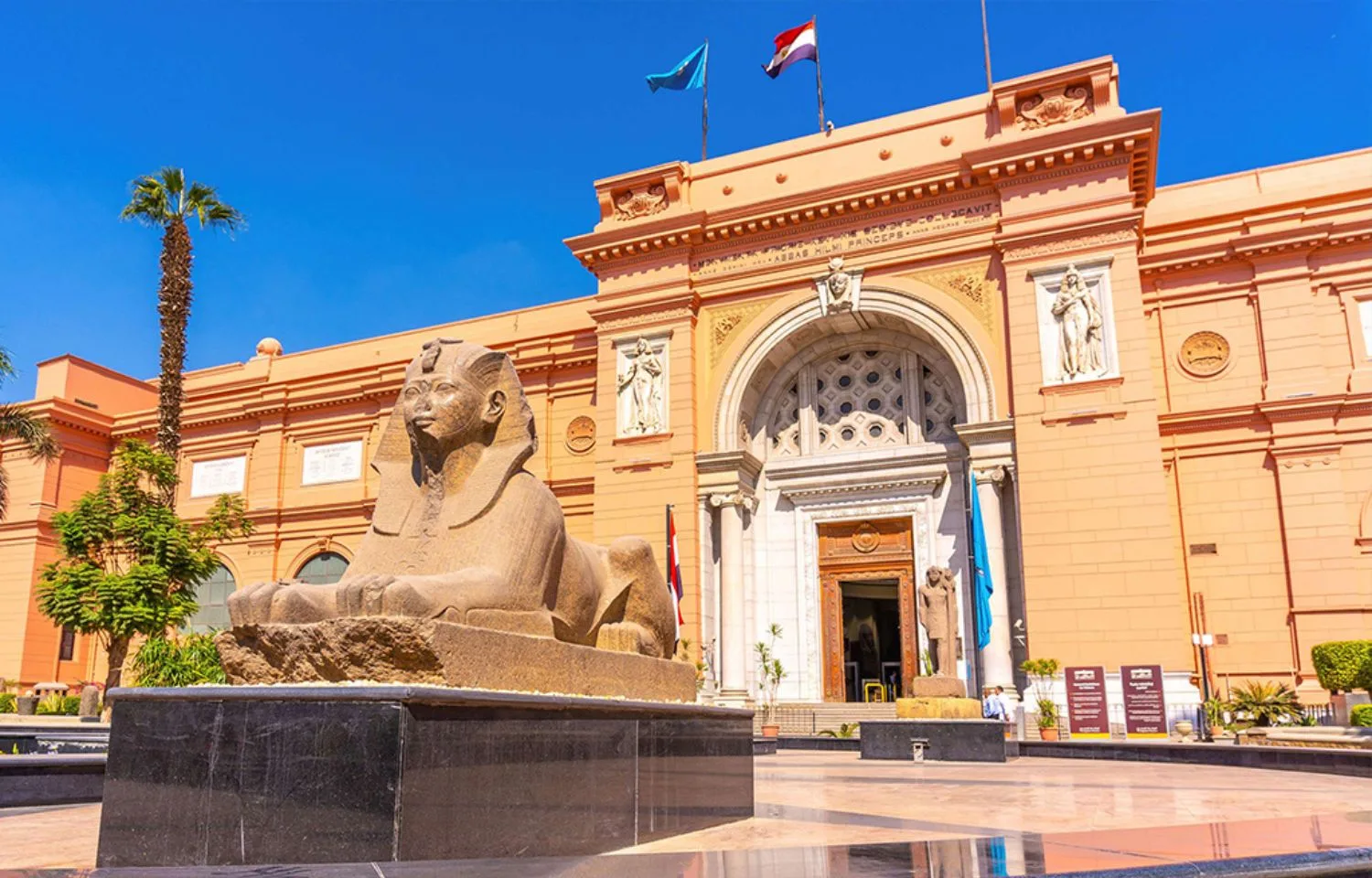
Das zeitgenössische Downtown: Einkaufen und Straßenleben
Heute ist das Downtown Kairo nicht mehr ausschließlich das Reich der Elite. Es ist eine wunderschön chaotische, demokratische Mischung aus sozialen Klassen. Die lebhaften kosmopolitischen Gemeinschaften verließen größtenteils nach der Revolution von 1952, und viele große Wohnungen wurden unterteilt oder in Büros umgewandelt. Dennoch sind aufregende Revitalisierungsmaßnahmen im Gange.Ein Einkaufs-Labyrinth
Mode: Die Straßen sind voll von Bekleidungsgeschäften, von gehobenen Boutiquen an den Hauptboulevards bis hin zu Schnäppchenläden, die in Nebenstraßen versteckt sind. Das Downtown ist besonders berühmt für seine Schuhgeschäfte – Sie finden endlose Reihen von Lederfußbekleidung, oft zu großartigen Preisen.
Bücher: Für Buchliebhaber ist das Downtown ein wahres Paradies. Die Madbouly Buchhandlung am Talaat-Harb-Platz ist legendär. Die jährliche Kairoer Internationale Buchmesse fand früher in der Nähe statt, und die Gegend hat immer noch eine hohe Konzentration an Schreibwarengeschäften und Buchhandlungen, die Titel in Arabisch, Englisch und Französisch verkaufen.
Die Essensszene
Das Downtown bietet wahrhaft authentische Aromen, die weit entfernt von typischen Hotelbuffets sind.Felfela: Eingeklemmt in einem Durchgang nur von der Talaat-Harb-Straße entfernt, ist dieses Restaurant berühmt für seine einzigartige Dekoration (denken Sie an Vögel, Pflanzen und viel Holz) und ihre ausgezeichneten, erschwinglichen ägyptischen Klassiker wie 'fuul' (Saubohnen) und 'ta’meya' (ägyptische Falafel).
Koshary Abu Tarek: Am Rand des Downtown gelegen, spezialisiert sich dieses mehrstöckige, neonbeleuchtete Etablissement auf nur ein Gericht: 'Koshary.' Diese herzhafte Mischung aus Reis, Nudeln, Linsen und scharfer Tomatensoße ist Ägyptens ultimatives Komfortessen.
Street Juice: Tun Sie sich selbst einen Gefallen und verpassen Sie nicht die frischen Saftstände. Für nur ein paar Pfund können Sie ein erfrischendes Glas frischen Zuckerrohrsaft ('asab') oder Mangosaft genießen, perfekt, um sich nach einem heißen Spaziergang wieder zu erfrischen.

Der Erhaltungs-Kampf: Verfall vs. Erneuerung
Downtown Kairo steht an einem Scheideweg. Seit Jahrzehnten bedeuteten veraltete Mietkontrollgesetze, dass Vermieter wenig Anreiz – oder Mittel – hatten, diese schönen Belle Époque-Gebäude zu erhalten, was zu weit verbreitetem Verfall führte. In letzter Zeit haben jedoch sowohl private Unternehmen als auch die Regierung begonnen, viele dieser denkmalgeschützten Gebäude zu kaufen und zu renovieren.- 'Die Debatte:' Diese Gentrifizierung ist nicht ohne Kontroversen. Während sie unbestreitbar die Architektur rettet (das 'Ismaili Kairo'-Projekt hat viele Fassaden wunderschön neu gestrichen), befürchten einige, dass sie die lokale Kultur und die Bewohner verdrängt, die Wust al-Balad seine einzigartige Seele verleihen.
- 'Das Ergebnis:' Überall werden Sie auffällige Kontraste sehen – ein frisch gestrichenes, strahlendes neoklassizistisches Gebäude steht direkt neben einem staubigen, bröckelnden Nachbarn. Es ist ein Stadtteil, der sich stark im Wandel befindet.
Wichtige Tipps für den Besuch von Downtown Kairo
Um das schöne Chaos von Wust al-Balad wie ein erfahrener Einheimischer zu navigieren, behalten Sie diese praktischen Tipps im Hinterkopf.1. Den Verkehr meistern
Seien wir ehrlich: Die Straße in Downtown Kairo zu überqueren, ist ein Abenteuer. Ampeln scheinen oft mehr wie sanfte Vorschläge als strenge Regeln zu sein. Die Strategie: Keine Panik und versuchen, nicht zu rennen. Der beste Weg ist, auf einen Einheimischen zu warten, der zu überqueren beginnt, und ihm zu folgen. Gehen Sie in einem gleichmäßigen, vorhersehbaren Tempo, damit die Fahrer Ihre Bewegungen antizipieren können. Und suchen Sie Blickkontakt – das hilft!2. Sicherheit und Schutz
Downtown ist im Allgemeinen recht sicher, mit einer spürbaren Polizeipräsenz. Taschendiebe: Seien Sie immer wachsam in überfüllten Bereichen, besonders in der Nähe von Straßenverkäufern. Alleinreisende Frauen: Downtown ist belebt und im Allgemeinen sicher, aber Sie könnten einige Blicke oder Anmachen erleben. Mit Entschlossenheit zu gehen, sich bescheiden zu kleiden und Kommentare einfach zu ignorieren, ist normalerweise der beste Ansatz. Betrügereien: Achten Sie auf übermäßig freundliche Fremde, die behaupten, in Ihrem Hotel zu arbeiten oder nur 'Englisch üben' wollen, um Sie in ein bestimmtes Geschäft (meist Parfüm oder Papyrus) zu führen. Ein höfliches, aber bestimmtes 'Nein, danke' wirkt Wunder.3. Beste Reisezeit
Morgens (Freitag): Freitagmorgen (bis etwa Mittag) ist bei weitem die ruhigste Zeit. Die Straßen sind wunderbar leer, was es perfekt für Fotografie und das Wertschätzen der Architektur ohne die übliche Kakophonie macht.
Abends (Donnerstag): Donnerstagabend läutet das ägyptische Wochenende ein. Downtown ist voll, laut und absolut elektrisierend. Besuchen Sie es dann, wenn Sie die rohe, lebendige Energie der Stadt in ihrer lebhaftesten Form wirklich erleben möchten.
Bereit, diesen Leitfaden in die Realität umzusetzen?
Unsere lokalen Experten können eine maßgeschneiderte Reiseroute basierend auf diesen Empfehlungen erstellen. Senden Sie uns einfach eine kurze Nachricht!
Über WhatsApp anpassen