

What Most Tourists See vs. What They Miss
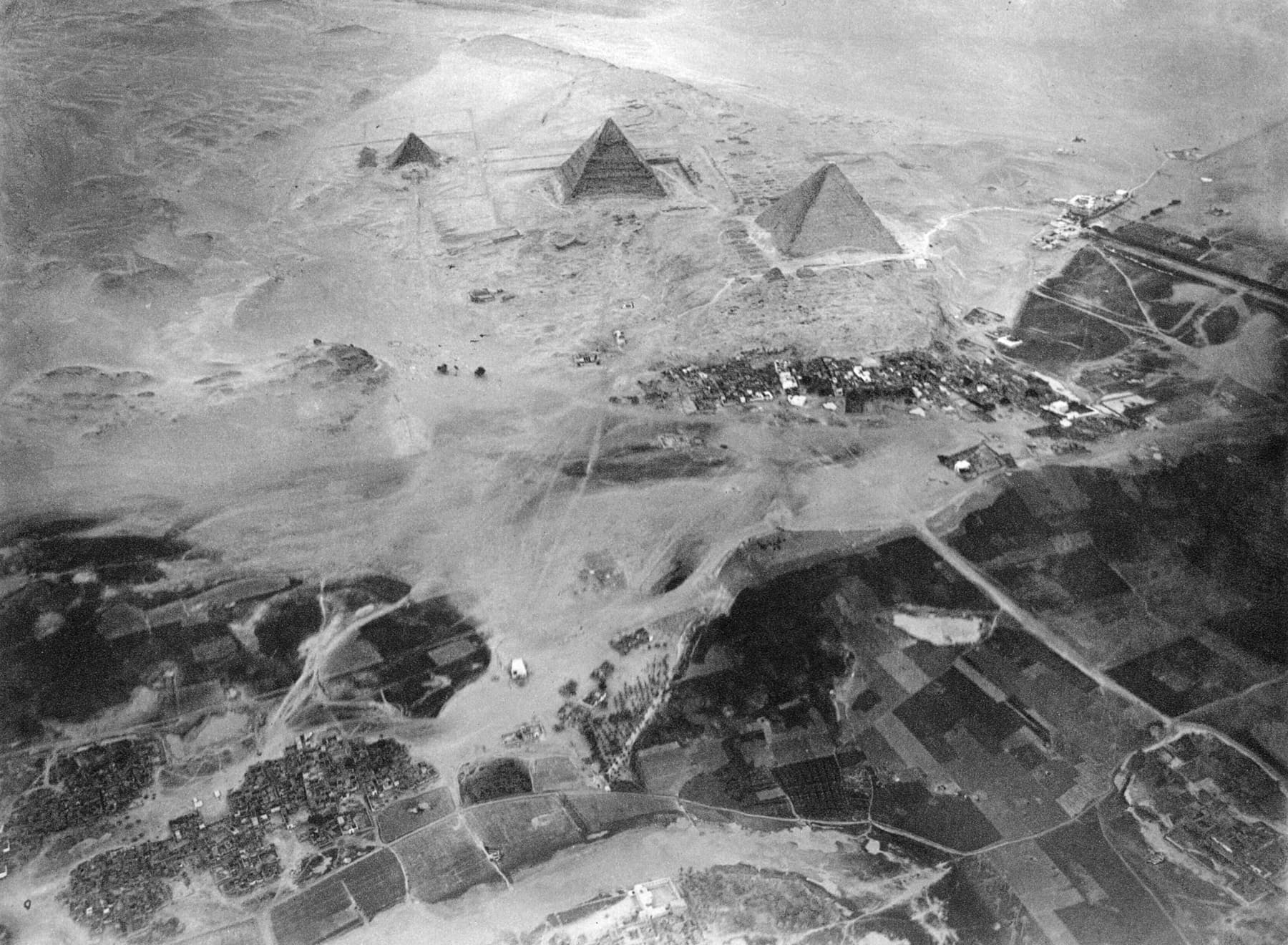
When you first arrive at Giza, it's easy to mistakenly think Khafre's pyramid is the tallest. It’s a clever bit of ancient architectural trickery! While Khufu's pyramid is actually a bit taller (138.5 meters to Khafre's 136.4 meters), Khafre's pyramid was built 10 meters higher up on the plateau. That, combined with some original limestone casing stones still clinging to its peak, creates a visual illusion that makes it seem to soar above the others.
Most visitors just take in the exterior, not realizing there are two different ways inside Khafre's pyramid. One entrance is set high up, 11.54 meters on the northern face, while another is right at ground level. Both lead to the same burial chamber, but they offer different journeys to get there.
Many remarkable features tucked away inside never make it onto the typical tourist itinerary:
- A single, impressive burial chamber, measuring 14.2 meters by 5 meters, carved right out of the bedrock.
- A granite sarcophagus, partially sunken into the floor, an incredible sight.
- A mysterious hall in the middle of the lower corridor, which some think might have been a treasury.
Even Khafre's Valley Temple, remarkably preserved, often gets overlooked. Picture this: it once held 52 life-sized statues of the king. The famous seated statue, showing Khafre with the Horus falcon guarding him from behind his head, is still its most iconic surviving piece.
And then there's the Great Sphinx – it has this special, undeniable link to Khafre's pyramid. This iconic guardian sits right beside the causeway that leads from the Valley Temple. It was carved specifically for Khafre, using limestone quarried during his temples' construction. Talk about a grand vision!
Inside the Pyramid: A Journey Through Hidden Chambers
Want to truly explore Khafre's pyramid? You'll need a separate ticket beyond your main Giza entry. Once inside, you're stepping into an ingeniously designed space, navigating dimly lit corridors that hum with history.
Two distinct descending passageways eventually converge into a single burial chamber. What's fascinating is that these passages are offset 12 meters east of the pyramid's centerline. Some experts speculate this might mean there were initial plans to extend the pyramid's base, potentially making Khafre's monument even bigger than his father's. Imagine that!
The burial chamber itself is massive, stretching 14.2 meters by 5 meters. What's truly impressive is that it was carved directly into the bedrock, then topped with a gabled limestone roof. Inside, perched in the floor, is a unique black granite sarcophagus. Its lid, still resting against the west wall, feels like a silent sentinel to time.
Near the main passages, you'll find a subsidiary chamber, about 34 feet by 10 feet. It likely served as a storage area for offerings and burial equipment, much like the Queen's Chamber in Khufu's pyramid. These spaces aren't just empty rooms; they whisper stories of rituals and provisions for the afterlife.
Modern science has started peeling back even more layers of mystery. Recent muon tomography scans have uncovered anomalies, intriguing 'light spots' that suggest unknown internal spaces or voids where no known passageways currently exist. This means the pyramid might still be guarding secrets from its construction over four millennia ago – secrets waiting for future generations to uncover.
Auxiliary Structures of the Khafre Complex
Beyond the main pyramid, Khafre's complex boasts other remarkable structures that many visitors unfortunately miss entirely. Head to the south side, and you'll find the faint outlines of a satellite pyramid – now just foundation traces and scattered blocks. This smaller pyramid had its own two descending passages, one leading to a niche that likely held ritualistic furniture.
To the east stands the complex's mortuary temple, a structure that truly set a new standard for its time. It was bigger and more intricate than earlier examples, pioneering all five standard elements that would become common: an entrance hall, a grand columned court, statue niches, storage chambers, and an inner sanctuary. The temple's sheer grandeur was amplified by over 50 life-sized statues of Khafre, all constructed with massive blocks, some weighing an astounding 400 tons.
Connecting this all is a 494.6-meter causeway that leads to the valley temple, which is, honestly, one of Egypt's best-preserved ancient structures. Its design is captivating, featuring T-shaped halls with polished granite pillars, alabaster floors, and exterior blocks weighing over 100 tons each. The temple's walls once showcased 23 statues of the pharaoh – a truly regal sight.
Not far from the mortuary temple, look for five boat pits carved into the rock. These served as symbolic vessels for Khafre's journey into the afterlife. And then there's the Sphinx Temple, resting on a terrace just below the Sphinx itself. Its unique dual-sanctuary design perfectly aligns with the sunrise and sunset, a testament to ancient Egyptian astronomical knowledge and religious symbolism. These often-overlooked elements reveal the incredible architectural brilliance and profound spiritual depth of the entire complex.
Want to explore The Pyramid of Khafre: Discovering Hidden Chambers Most Tourists Miss?
Let us design the perfect private itinerary for you. From expert local guides to seamless luxury cruises, we craft custom trips that show you the real Egypt.
Customize via WhatsAppThe Planning and Ingenuity of Khafre's Pyramid
The Pyramid of Khafre is so much more than just the second-largest structure on the Giza plateau. While tourists rightly admire its external grandeur, the hidden chambers and intricate passages inside tell a far richer story of ancient Egyptian engineering and belief. Most visitors never get to see the dual entrances, the impressive granite sarcophagus embedded directly in the burial chamber floor, or the mysterious subsidiary spaces once filled with offerings for the pharaoh's eternal life.
This complex truly stretches into an intricate network of structures that extend far beyond just the main pyramid. The sheer scale and meticulous preservation of the valley temple, which once showcased dozens of Khafre's life-sized statues, is astounding. The causeway, the symbolic boat pits, and even the smaller satellite pyramid all speak to the remarkable scope of ancient Egyptian architectural planning and their deep understanding of structure and symbolism.
Modern Exploration and Design Intuition
What's truly exciting is how modern science is still unlocking its secrets. Breakthroughs like muon tomography scanning hint at undiscovered chambers – potential voids still hidden within the pyramid's core, even after 4,000 years. These unexplored areas just wait for future technology to reveal their stories.
Remember that clever positioning? Building it 10 meters higher made it appear taller than its neighbor. That, combined with those stubborn original limestone casing stones still clinging to its peak, truly shows the incredible intuition and design brilliance behind these ancient structures.
Next time you're planning a trip to Giza, consider getting that separate ticket to step inside. Walking through the very same narrow passages that once led a pharaoh to his final resting place creates a natural, visceral connection to ancient Egypt that you simply can't get from just admiring the exterior. The Pyramid of Khafre truly deserves a deeper look beyond its impressive façade; you'll find hidden chambers and stories that most tourists never even dream of seeing.
Dominating the Giza plateau as its second tallest structure, the Pyramid of Khafre is a marvel. But behind that impressive exterior lie hidden chambers and secret passageways that most tourists never get to experience. These mysterious inner sanctums once housed the remains of Pharaoh Khafre, who reigned from 2558-2532 BC.
Today, this ancient wonder stands 136.4 meters (448 feet) tall, a slight reduction from its original 143.5 meters (471 feet), and it continues to captivate researchers and travelers. Supported by a massive base of 215.25 meters (706 feet), its estimated volume is a staggering 2,211,096 cubic meters. What sets Khafre's pyramid apart from its even larger neighbor is that it still retains some of its original outer casing stones at the very apex – a rare and precious glimpse into these monuments' former glory. This colossal Fourth Dynasty tomb, surprisingly, features a fairly simple interior layout compared to other pyramids. A single main burial chamber connects to a smaller subsidiary chamber via two passageways. But the complex is rich with architectural and historical treasures that casual visitors often miss, especially in its remarkably preserved valley temple. This piece aims to take you beyond the typical tourist routes, guiding you to discover the hidden chambers and forgotten spaces that make Khafre's Pyramid truly extraordinary.
Ready to turn this guide into reality?
Our local experts can create a custom itinerary based on these recommendations. Just send us a quick message!
Customize via WhatsApp