
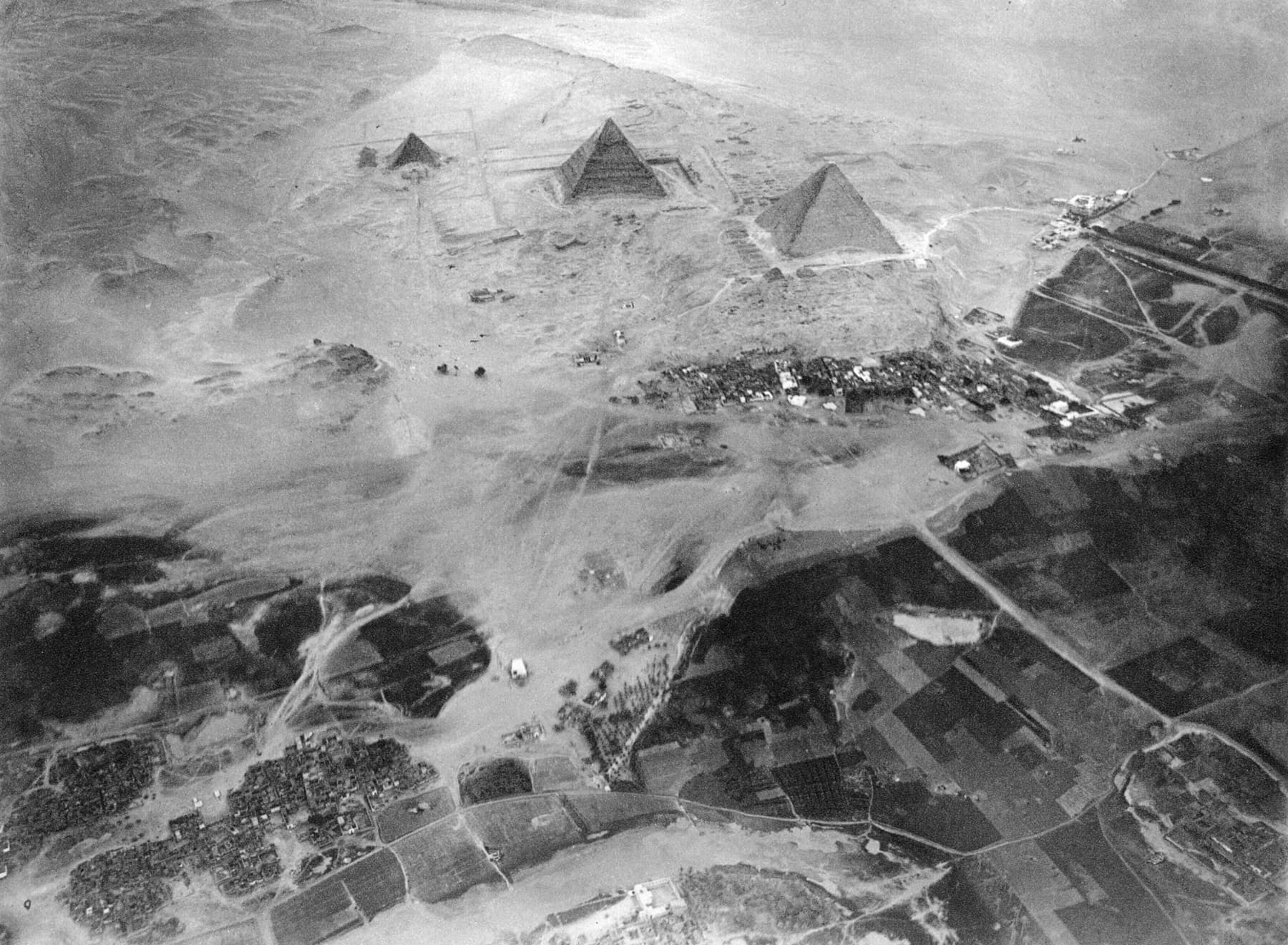

The Pyramid of Menkaure, the quietest of the three major pyramids at Giza, often feels overshadowed by its colossal neighbors. But don't let its size fool you – this place is still spilling unexpected secrets. Just recently, researchers have picked up on two hidden, air-filled spaces behind its outer walls. The pyramid originally stood at a respectable 65.5 meters (215 ft), now it's around 61 meters (200 ft), and honestly, it holds some of the most intriguing features you'll find in any Egyptian structure.
This monument is a marvel of architectural ingenuity with its 108.5-meter (356 ft) base and a steep incline of about 51°20'25''. What really catches your eye is the striking lower section, clad in distinctive pink granite, a stark contrast to the more common Tura limestone used on its upper part and found in the other Giza pyramids. Walk inside, and you'll find its chambers are surprisingly more complex than the others, with decorative panels and a unique room holding six large niches. Sure, thieves likely ransacked it during the First Intermediate Period, and Sultan Osman Bey had a failed go at destroying it in the 12th century. Yet, this ancient wonder still keeps so many secrets tucked away.
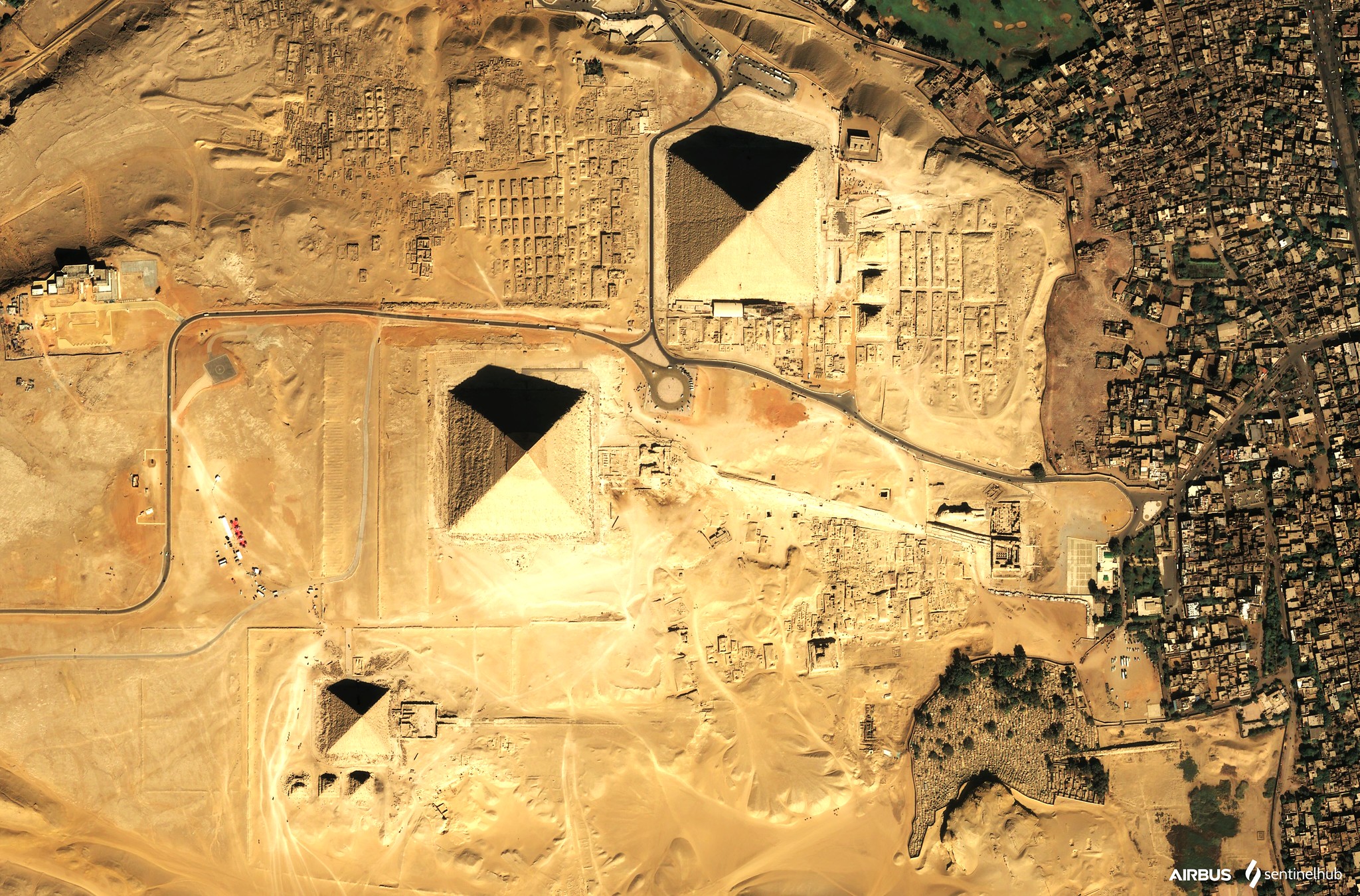 The Pyramid of Menkaure isn't just 'the small one'; it truly represents a fundamental shift in how Egyptians built pyramids. As the last major pyramid at the Giza complex, it showcases a unique blend of construction methods. It all starts with a super stable base, formed from massive limestone blocks laid in perfect horizontal courses, supporting the entire weight.
But the real showstopper is its outer shell. The bottom sixteen courses were originally covered in exquisite red granite, painstakingly hauled all the way from Aswan—hundreds of kilometers away! This decorative choice wasn't just for looks; it spoke volumes about Menkaure's desire to make his monument a standout, an individual statement among the giants, despite the immense effort and resources it demanded.
The Pyramid of Menkaure isn't just 'the small one'; it truly represents a fundamental shift in how Egyptians built pyramids. As the last major pyramid at the Giza complex, it showcases a unique blend of construction methods. It all starts with a super stable base, formed from massive limestone blocks laid in perfect horizontal courses, supporting the entire weight.
But the real showstopper is its outer shell. The bottom sixteen courses were originally covered in exquisite red granite, painstakingly hauled all the way from Aswan—hundreds of kilometers away! This decorative choice wasn't just for looks; it spoke volumes about Menkaure's desire to make his monument a standout, an individual statement among the giants, despite the immense effort and resources it demanded.
 Exploring the Pyramid of Menkaure has been a journey through incredible finds and heartbreaking losses. One of the biggest discoveries came in 1837 when British Colonel Howard Vyse uncovered a stunning basalt sarcophagus, intricately decorated and containing the bones of a young woman. This artifact was unlike anything else found in other pyramids, truly unique. Sadly, in 1838, while being shipped on the merchant vessel *Beatrice*, it vanished near Spain's coast, taking this priceless treasure to the depths of the Mediterranean. To this day, no one knows exactly where the wreck lies, making recovery efforts incredibly difficult. Even Robert Ballard, the legend who found the Titanic, couldn't get a search mission off the ground in 2008 due to political hurdles.
Architectural Innovation: A Shift in Pyramid Building
The Pyramid of Menkaure isn't just 'the small one'; it truly represents a fundamental shift in how Egyptians built pyramids. As the last major pyramid at the Giza complex, it showcases a unique blend of construction methods. It all starts with a super stable base, formed from massive limestone blocks laid in perfect horizontal courses, supporting the entire weight.
But the real showstopper is its outer shell. The bottom sixteen courses were originally covered in exquisite red granite, painstakingly hauled all the way from Aswan—hundreds of kilometers away! This decorative choice wasn't just for looks; it spoke volumes about Menkaure's desire to make his monument a standout, an individual statement among the giants, despite the immense effort and resources it demanded.
Spiritual Significance and Symbolic Design
At its heart, the pyramid's purpose was deeply spiritual: to provide an eternal home for the pharaoh's body and soul, a bedrock of ancient Egyptian belief. They truly saw the pyramid as a crucial link between earthly life and the afterlife. Its perfect geometric form, rising from a square base to a precise point, beautifully symbolizes the king's journey to join the gods among the stars.Interior Layout and Ritual Chambers
The pyramid's interior design matches its spiritual ambition with a surprisingly complex, maze-like layout of chambers. Unlike some of the simpler earlier pyramids, Menkaure's monument boasts several distinct passages and rooms, including the main burial chamber—which once held the king's sarcophagus. These additional chambers weren't just for show; they served important roles in the elaborate burial ceremonies and were meant to store the offerings and treasures the pharaoh would need in the afterlife. Even though it's smaller than its neighbors, the clever design and construction here scream importance. The builders paid incredible attention to detail, using the finest materials available. Menkaure's monument absolutely upheld the same religious principles and royal dignity as the larger pyramids, just on a more 'human' scale—perhaps a nod to changes in available resources or royal priorities during his era.Want to explore Pyramid of Menkaure: Secrets of Giza's Smallest Wonder?
Let us design the perfect private itinerary for you. From expert local guides to seamless luxury cruises, we craft custom trips that show you the real Egypt.
Customize via WhatsAppArchaeological Discoveries and the Lost Sarcophagus
Exploring the Pyramid of Menkaure has been a journey through incredible finds and heartbreaking losses. One of the biggest discoveries came in 1837 when British Colonel Howard Vyse uncovered a stunning basalt sarcophagus, intricately decorated and containing the bones of a young woman. This artifact was unlike anything else found in other pyramids, truly unique. Sadly, in 1838, while being shipped on the merchant vessel *Beatrice*, it vanished near Spain's coast, taking this priceless treasure to the depths of the Mediterranean. To this day, no one knows exactly where the wreck lies, making recovery efforts incredibly difficult. Even Robert Ballard, the legend who found the Titanic, couldn't get a search mission off the ground in 2008 due to political hurdles.
Evidence of Later Reuse and Modern Anomalies
Vyse did have better luck with another find: a wooden anthropoid coffin bearing Menkaure's name, which safely made its way to the British Museum. Scientific tests later dropped a bombshell: the coffin itself dated to 1212–846 BC (way after Menkaure), and the male body inside was from the early Islamic Period. This tells us that people accessed and reused the pyramid for burials much later in history. Today, the pyramid's interior still mesmerizes visitors. A descending passageway from the northern entrance leads you to a chamber adorned with decorative panels—a first for carved reliefs in a major pyramid since Djoser's. Head deeper, and you'll find an antechamber and an intriguing room with six niches, possibly meant for treasures or canopic jars. The main burial chamber itself is a masterpiece, boasting a beautifully finished vaulted ceiling and walls crafted from massive granite blocks. And get this: scientists recently found two air-filled anomalies right on the pyramid's eastern side using advanced imaging. This suggests there might just be an undiscovered second entrance! These voids have undeniably rekindled interest in the tantalizing, unexplored secrets this ancient structure still holds.Ready to turn this guide into reality?
Our local experts can create a custom itinerary based on these recommendations. Just send us a quick message!
Customize via WhatsApp