


The Mountain of Moses: Mount Sinai
Forget the sprawling cities and iconic pyramids for a moment. Head deep into the rugged, red desert of the Sinai, and you'll find Mount Sinai, known locally as Jabal Mousa. This isn't just any mountain; it's the legendary spot where, over 2,000 years ago, Moses encountered the divine and received the Ten Commandments. It's a place so profoundly sacred that it's revered by Christians, Muslims, and Jews alike, drawing pilgrims and travelers from every corner of the globe.
Where is Mount Sinai, Anyway?
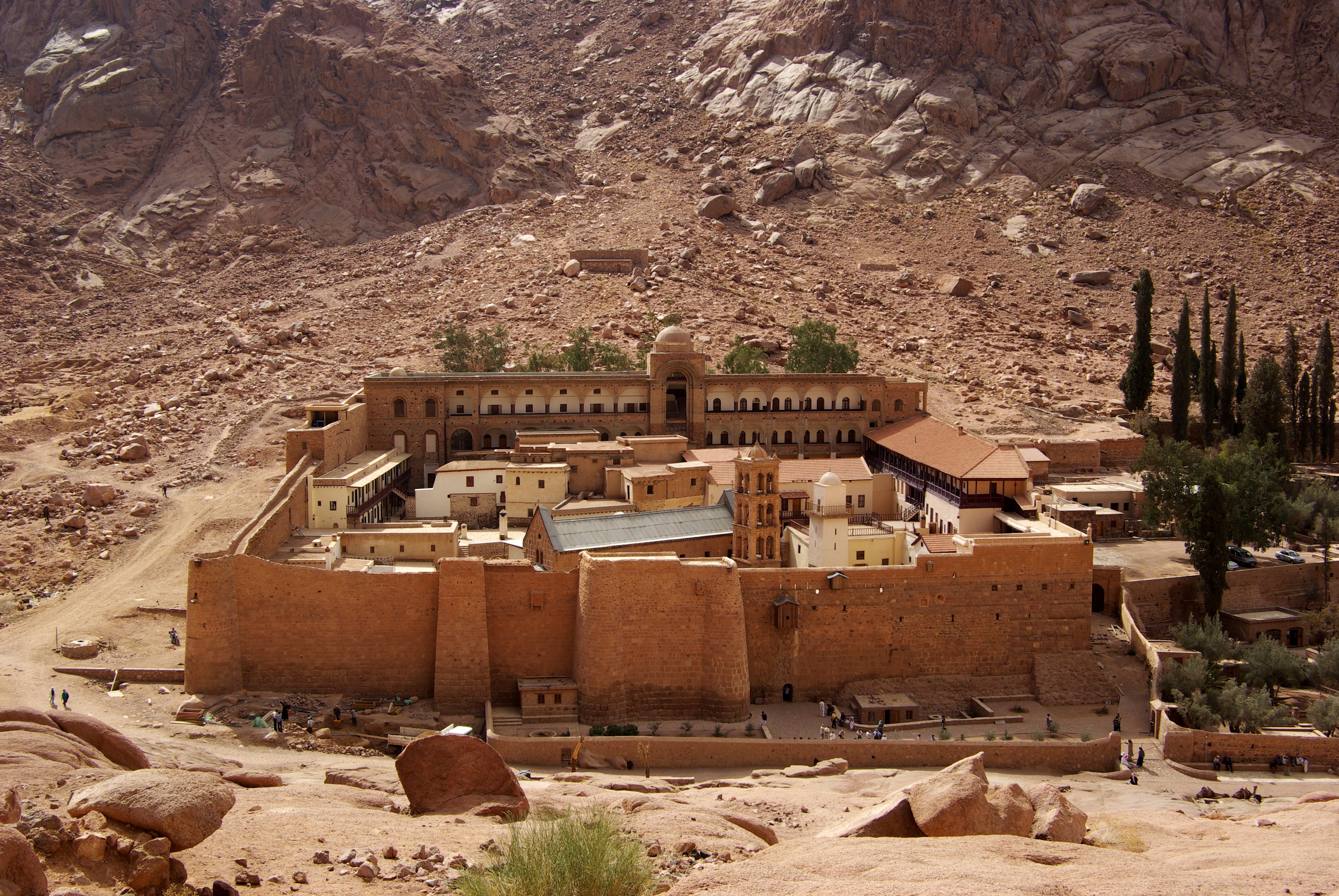
This majestic peak sits about 278 miles southeast of bustling Cairo, nestled in the quiet city of Saint Catherine, within the South Sinai governorate. It's right next to Mount Catherine, which is even taller. Mount Sinai offers breathtaking views, including the ancient walls of St. Catherine's Monastery below – an originally Greek Orthodox monastery, built between 548 and 565 AD, making it one of the oldest continually operating monasteries in the world. Imagine the history etched into those stones!
And How Tall Are We Talking?
Mount Sinai stands at a respectable 2,285 meters (about 7,497 feet) high. It's a climb that promises incredible views and a deep sense of accomplishment.
Mount Sinai's Deep-Rooted History
The story of Mount Sinai is intrinsically linked with Moses, the founder of Judaism. Born to a humble Hebrew slave family in Egypt, Moses entered a world where his people endured nearly 400 years of brutal servitude under the pharaohs, from about 1650-1250 BC.
Legend has it that an Egyptian priest once delivered a prophecy: a Hebrew child would rise to free his people. Fearing this, the Pharaoh ordered all newborn Hebrew boys to be drowned. To save her son, Moses's mother set him adrift in a basket on the Nile. He was discovered by the Pharaoh's daughter, brought into the royal family, and raised within the opulent, learned traditions of Egyptian royalty, even studying the esoteric and magical traditions of their mystery schools.
At 40, Moses uncovered his true Hebrew heritage. Disgusted by how his people were treated, he killed an Egyptian overseer and fled into exile in the vast, unforgiving Sinai desert.
For the next four decades, Moses became a shepherd. It was while grazing his flock on Mount Horeb that he encountered a burning bush – burning, yet strangely not consumed by its flames. From that fire, a voice spoke (Exodus 3:1-13), commanding Moses to lead his people out of bondage and return with them to this very mountain. This was his divine calling.
Moses would return to Mount Horeb, which is often identified with Mount Sinai, two more times to commune with God. The Holy Bible, Exodus 24:16-18, recounts: 'And the glory of the Lord abode upon mount Sinai, and the cloud covered it six days, and the seventh day God called unto Moses out of the midst of the cloud. And the appearance of the glory of the Lord was like devouring fire on the top of the mount in the eyes of the children of Israel. And Moses entered into the midst of the cloud and went up into the mount, and Moses was in the mount forty days and forty nights.'
During these 40 days and nights, Moses famously received the Ten Commandments. He also got detailed instructions for building a portable sanctuary, the Ark of the Covenant, designed to house these sacred tablets. Once the ark was complete, Moses and his people departed Mount Sinai, continuing their long journey toward the Promised Land.
Visiting Mount Sinai: What to Expect
Thousands of curious travelers make their way to Mount Sinai every year. Its stunning natural beauty, combined with its proximity to the Red Sea, often makes a visit here part of a larger trip. Many combine it with a tour of St. Catherine's Monastery or visit from popular resort towns like Dahab, Sharm El Sheikh, or even as a day trip from Cairo.
If you're keen to stay close to the mountain's foot, you'll find accommodation in the small village of St. Catherine. Just a heads up: temperatures can drop significantly, sometimes reaching as low as -1 degree Celsius (30°F) during the winter months (December through February). So, if you're planning a winter visit, pack some serious layers!
For the truly adventurous and those seeking a profound, soul-stirring experience, camping at the summit of Mount Sinai is an option. Imagine waking up to that view!
Want to explore Mount Sinai: Hike to Moses' Mountain in Egypt?
Let us design the perfect private itinerary for you. From expert local guides to seamless luxury cruises, we craft custom trips that show you the real Egypt.
Customize via WhatsAppHiking Mount Sinai: Your Ascent Options
This mountain, while historically significant, is also a fantastic hiking destination. It's surprisingly accessible and offers a powerful taste of the incredible high-mountain region of southern Sinai. You can trek on foot, or, for a more traditional experience, hire a local donkey or camel for part of the journey. While the hike is absolutely breathtaking, it does require a moderate level of fitness, given its 2,285-meter altitude.
Most hikers choose one of two well-established routes to the summit: the Camel Trail or the Steps of Repentance. Both trails converge about 300 meters (roughly 980 feet) below the peak at a spot known as Elijah's Basin. From there, everyone faces a final, steep ascent of 750 rocky, uneven steps to reach the very top. At the summit, you'll find a small chapel and a mosque, though both are typically locked.
Both the ascent and the summit itself offer absolutely spectacular panoramic views. You'll see plunging valleys, jagged mountain ranges stretching into the distance, and even the higher peak of Mount Catherine (Gebel Katarina) nearby.
The Camel Trail
This is often considered the easier and more gradual route to the top. You'll find the start of the Camel Trail by walking past the northern wall of St. Catherine's Monastery. It typically takes about two hours to ascend at a steady pace. The trail is wide, clear, and winds gently upwards via a series of switchbacks. While most people walk, you can hire a camel at the base, right behind the monastery, which will take you all the way to Elijah's Basin where the camel trail ends.
Along the way, you'll find various kiosks where you can pause for a much-needed break, grab some water, a warm tea or coffee, or a quick snack.
The Steps of Repentance
If you're up for a greater challenge, the Steps of Repentance offer a more taxing path from the monastery car park. This route begins at the southeastern corner of the monastery compound. The steps, famously laid by a monk as a form of penance, number around 3,000 to Elijah's Basin, followed by the final 750 to the summit. These steps are carved from rough rock, making them steep and uneven in many sections. They demand strong knees and careful foot placement. However, the reward is immense: the stunning mountain scenery along this route is truly something special, and the lower sections offer impressive, close-up views of the monastery itself.
For those who want to experience both, a popular strategy is to ascend via the Camel Trail and then descend using the Steps of Repentance. It's a great way to see different aspects of the mountain.
Wadi Al Arbain Trail: An Alternative Perspective
There's also an alternate route that climbs the neighboring Gebel Safsafa mountain, known as the Wadi Al Arbain Trail. This path is fantastic if you want to take in more historical sites. Starting from Wadi Al Arbain, located behind the small village of Al Milga, this trail takes you past the 6th-century Monastery of Forty Martyrs and the legendary Rock of Moses. This is said to be where Moses struck his staff, miraculously causing water to gush forth. You'll also spot some ancient hermit cells along the way. The Wadi Al Arbain Trail eventually connects with the main Mount Sinai trail near Elijah's Basin, offering a unique approach to this sacred peak.
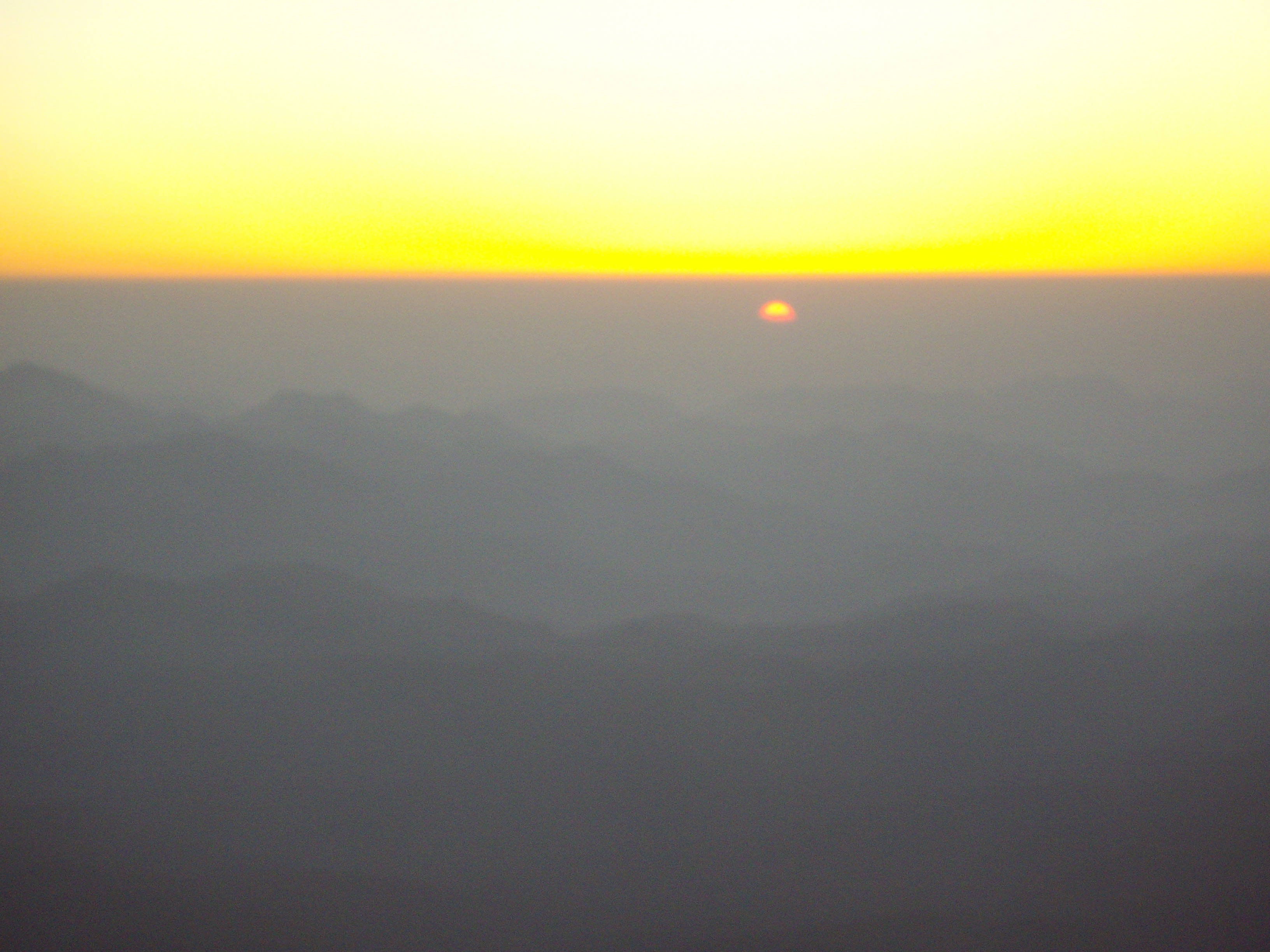
Whether you choose the Camel Trail's gentle ascent, the challenge of the Steps of Repentance, or the historical detour of Wadi Al Arbain, hiking to the top of Mount Sinai offers an unforgettable experience. The chance to witness an incredible sunrise or sunset from the summit, following in such ancient footsteps, is truly profound. Come explore this sacred place through one of our Egypt tours – it's an adventure for the books!
Ready to turn this guide into reality?
Our local experts can create a custom itinerary based on these recommendations. Just send us a quick message!
Customize via WhatsApp