
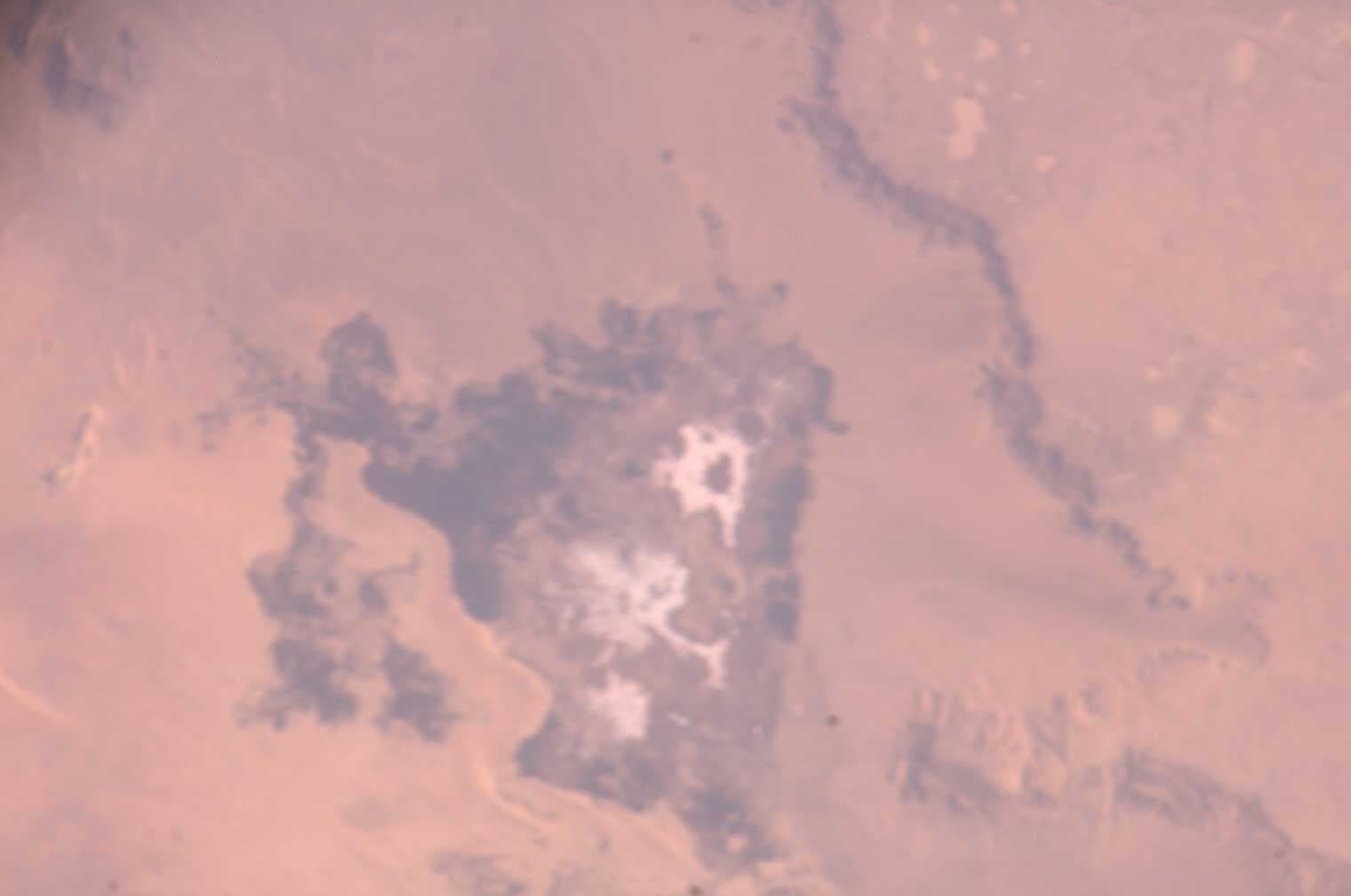

Bahariya Oasis is this incredible green haven, smack in the middle of Egypt's vast Western Desert. It's about 365 kilometers southwest of Cairo, and honestly, it feels like stepping into another world. Picture lush palm groves, sweet orchards, and natural hot springs popping up from the sand – it's a stark, beautiful contrast to the endless desert around it. While it's steeped in ancient history, today Bahariya truly shines as an adventure hub. This is where you launch those iconic desert safaris, spend nights camping under a million stars, and marvel at rock formations you've only seen in sci-fi movies. Its main town, Bawiti, offers a cozy base with all the essentials for travelers. It's a genuine mix of natural wonder, local culture, and thrill-seeking, making it a proper must-see if you're looking for something beyond the usual path.


Where Exactly is This Desert Gem?
Position in the Western Desert
Bahariya sits in a natural depression within Egypt's Western Desert, which some also call the Libyan Desert. Think of it as a huge dimple in the sand. It's roughly 365 km southwest of Cairo, about 180 km from the famous Farafra Oasis (which is basically the doorstep to the White Desert), and not too far from the Nile Valley itself – around 120 km. The oasis floor is actually 150 meters *below* sea level. Crazy, right? That deep pocket allows underground aquifers to feed the land, keeping it green and supporting a population of about 30,000 residents across towns like Bawiti (the main capital), El Qasr, Mandisha, and Zabu.The Climate: What to Expect
The weather here is classic desert – pretty extreme, but beautiful in its own way. * **Summer (May-September):** This is when it gets seriously hot, we're talking 40-45°C (104-113°F) during the day. Nights are warm too, around 25-30°C. Honestly, I'd generally suggest avoiding these months if you can help it for long desert expeditions. * **Winter (November-February):** Much more pleasant during the day, with temperatures around 18-25°C (64-77°F). But be warned, nights get *cold*, dropping to 5-10°C (41-50°F). You'll definitely want layers and a good sleeping bag if you're camping. * **Spring/Fall:** These are the golden seasons – ideal temperatures, usually 25-35°C during the day. * **Rainfall:** Don't expect much; it's a desert, after all. We get about 5-10mm annually, which is next to nothing. **My personal tip:** The sweet spot for visiting is October through April. The temperatures are just right for exploring without melting or freezing.
The Must-See Sights Around Bahariya
The Black Desert
Imagine driving along, and suddenly the landscape turns a deep, dramatic black. That's the Black Desert for you, sitting between Bahariya and Farafra. It's covered in hundreds of volcanic hills and iron-rich rocks. Millions of years ago, volcanic eruptions spewed lava and ash here, and now erosion has scattered those dark, rocky bits everywhere, creating this surreal, almost lunar landscape. **What makes it special:** * Cool volcanic cone shapes. * Unbeatable panoramic views from the hilltops – especially at sunrise or sunset. * Serious photo opportunities – the colors are just incredible. * A quick lesson in geology, seeing volcanic history up close. * A chance to camp out here, with the dark sky above, is pretty magical. **Time Needed:** It's usually a half-day stop, a perfect prelude to or finale after your White Desert safari.¿Quieres explorar Bahariya Oasis: Your Gateway to Egypt's Black and White Deserts?
Permítenos diseñar el itinerario privado perfecto para ti. Desde expertos guías locales hasta cruceros de lujo, creamos viajes a medida que te muestran el Egipto real.
Personalizar por WhatsAppThe White Desert (Sahara el Beyda)
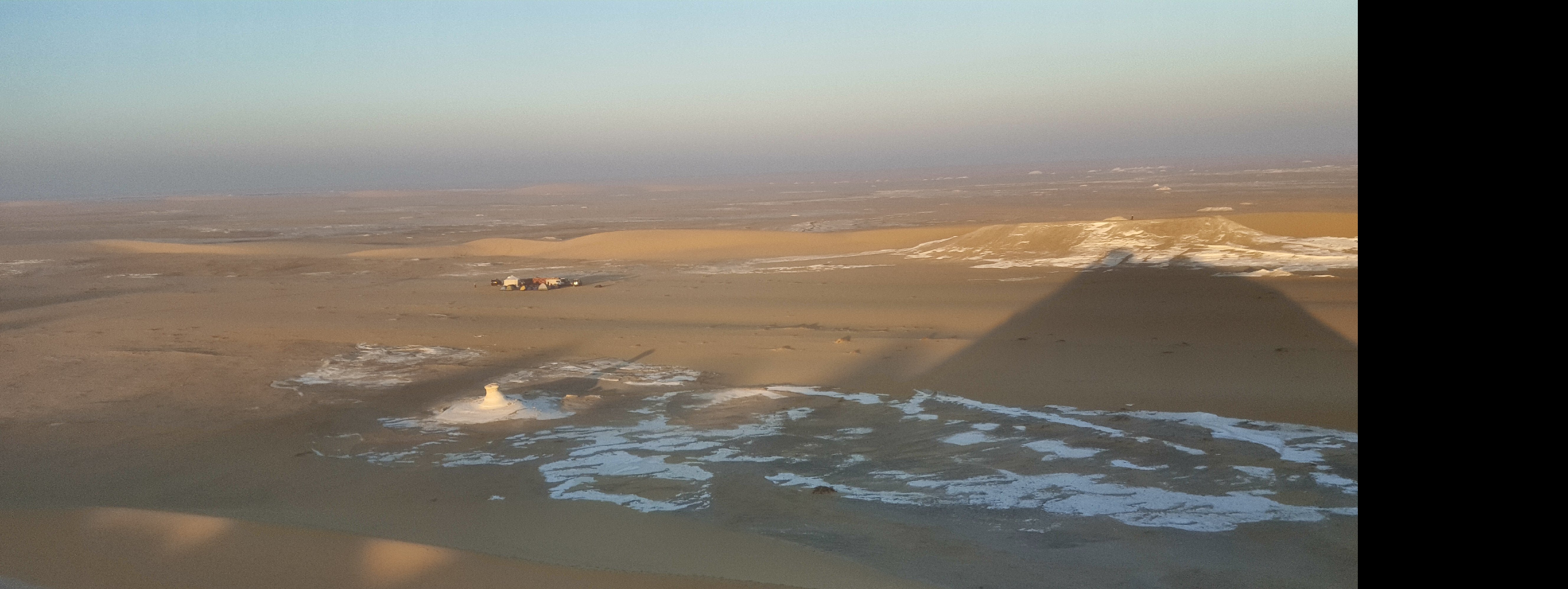
Okay, if the Black Desert is striking, the White Desert is just… out of this world. It's near Farafra Oasis, about 180 km from Bahariya, and honestly, it’s one of Egypt's most mind-blowing natural wonders. Think vast stretches of brilliant white rock formations, carved and sculpted by wind and sand over millennia. It looks like an alien planet or some kind of natural sculpture garden you can wander through. You'll see mushroom-shaped rocks, towering white pinnacles, and other bizarre shapes. **Key features you won't forget:** * Those incredible calcified chalk and limestone formations. * The famous 'Mushroom Rocks' – they really do look like giant mushrooms! * Keep an eye out for the 'Chicken and Mushroom' formation, it's a classic. * Crystal Mountain nearby is a sparkly detour. * Camping here is an experience you'll talk about for years – the stars are unbelievable. **How to get there:** You *have* to go with a 4x4 safari tour from Bahariya. Most people do 2-3 day trips to properly soak it all in.Crystal Mountain
As you're heading towards the White Desert, you'll pass Crystal Mountain, or Gebel al-Izzaz. It's not a huge mountain, really more of an exposed rock arch teeming with calcite crystals. When the sun hits it right, it sparkles like crazy. It’s a quick but fascinating geological stop and a great photo op on your desert safari.Bahariya's Soothing Hot Springs
After a long day bouncing around the desert, there's nothing quite like a warm soak. Bahariya Oasis is blessed with loads of natural hot springs, with temperatures ranging from a comfortable 30°C to a toasty 50°C (86-122°F). These springs, fed by those ancient underground aquifers, are pure bliss. **Some popular ones to check out:** * **Bir al-Ghaba:** This one's the most developed, with proper changing facilities and even some small pools. * **Bir al-Mattar:** A bit more rustic and authentic, if you prefer a less touristy feel. * **Bir al-Ramla:** Tucked away beautifully amongst palm trees. * **Roman Hot Spring:** This one even has a bit of history attached to it. **My advice:** Try to visit at sunset or in the evening. Soaking in the warm, mineral-rich waters under a blanket of desert stars is an experience you won't soon forget. Facilities range from basic to moderate, with changing rooms and sometimes a small café nearby.
Peeking into Bahariya's Ancient Past
¿Quieres explorar Bahariya Oasis: Your Gateway to Egypt's Black and White Deserts?
Permítenos diseñar el itinerario privado perfecto para ti. Desde expertos guías locales hasta cruceros de lujo, creamos viajes a medida que te muestran el Egipto real.
Personalizar por WhatsAppThe Valley of the Golden Mummies
This was a huge deal when it was discovered in 1996. We're talking an estimated 10,000 mummies from the Greco-Roman period (332 BC - 395 AD), all buried in family tombs. Many of them sport incredible gold-leaf decorations on their masks and wrappings. There's a really cool little museum in Bawiti where you can see some of these mummies and other artifacts up close. **Why it matters:** It's one of the largest Greco-Roman mummy discoveries ever found in Egypt. **Visit Time:** You'll want about 30-60 minutes in the museum.The Tombs of Bannentiu
Step back even further in time with these 26th Dynasty tombs (664-525 BC). They're absolutely stunning, featuring vibrant wall paintings that are still in excellent condition. These paintings show scenes of daily life, religious rituals, and funerary practices from Late Period Egypt. Carved into the hillsides, they offer a fascinating glimpse into what life and death were like way back then. **Don't miss:** * The incredible, colorful wall paintings. * The intricate hieroglyphic inscriptions. * The architectural details of the tombs. * The sheer historical context they provide. **Visit Time:** Plan for 30-45 minutes here.The Temple of Alexander the Great
This small, ruined temple was built during Alexander's relatively brief reign (332-323 BC). While it's not as grand as some other Egyptian temples, it's significant because it's one of the few monuments we can definitively connect to Alexander's time ruling Egypt. It blends Greek and Egyptian architectural styles in a unique way. **What to see:** Carved reliefs, hieroglyphic inscriptions, and the architectural remnants. **Visit Time:** About 20-30 minutes should do it.English Mountain (Gebel al-Ingleez)
This mountain got its name because British forces used it as a lookout point during WWI. Today, it offers some of the best panoramic views of Bawiti town, the surrounding palm groves, and the vast desert beyond. It’s also a prime spot for catching a breathtaking sunset. **What to do:** * Take a short hike to the summit (about 30-45 minutes). * Enjoy 360-degree views that stretch for miles. * Get some fantastic sunset photos. * Just soak in the beauty of the desert landscape. **Best Time:** Definitely late afternoon to experience the sunset.
The Ultimate Desert Safari Experience
White Desert Safari: What to Expect
This is often the highlight for many travelers, and for good reason. Most people opt for a 2-3 day trip to truly immerse themselves in the experience. **A typical 2-day itinerary:** **Day 1:** * You'll usually leave Bahariya in the morning. * First stop: The dramatic Black Desert. * A quick visit to Crystal Mountain. * Lunch is a picnic right there in the desert. * Arrive in the incredible White Desert in the afternoon. * Your Bedouin guides set up a comfortable camp. * Witness a spectacular desert sunset. * Enjoy an authentic Bedouin dinner, often cooked right in the sand. * Sleep under the clear, star-studded sky or in cozy tents. **Day 2:** * Wake up to a stunning White Desert sunrise. * Spend the morning exploring more of the unique formations. * Loads of time for photography. * Return to Bahariya, often via a different route for new views. * Maybe a relaxing soak in a hot spring. * Back in Bahariya by evening. **For extended 3-day trips:** You'll delve deeper into more remote desert areas, explore additional geological sites, and get even more off the beaten path. **What's usually included:** * 4x4 transportation with an experienced Bedouin guide/driver. * All your meals (and they're usually delicious, authentic Bedouin food). * Camping equipment (tents, mattresses, blankets). * Any necessary permits. **Pricing:** Expect to pay around $80-150 per person per day for group tours. Private trips will naturally be a bit more.What to Pack for Your Safari
Listen closely, this is important for your comfort in the desert: **Absolutely Essential:** * **Warm sleeping bag:** Evenings in winter can be surprisingly (and dangerously) cold. Don't skimp on this. * **Layered warm clothing:** Temperatures drop drastically at night, so bring plenty of layers you can add or remove. * **Sun protection:** A wide-brimmed hat, good sunglasses, high SPF sunscreen, and lip balm are non-negotiable. * **Closed-toe shoes:** You'll be walking on sand and uneven terrain. * **Headlamp/flashlight:** Essential for moving around camp after dark. * **Camera with extra batteries:** You'll be taking a lot of photos! * **Personal toiletries and medications:** Bring what you need. * **Reusable water bottle:** Stay hydrated! **Optional but Recommended:** Binoculars for spotting wildlife or birds, and a good book or some music for downtime.
Getting There & Practicalities
How to Reach Bahariya
**From Cairo by Bus:** * The Upper Egypt Bus Company runs daily services. * They depart from Cairo's Turgoman Station. * The journey takes about 4-5 hours. * It's quite affordable, typically 50-80 EGP. * I'd suggest taking a morning departure to arrive in daylight. **From Cairo by Private Car/Taxi:** * It's a straight 365 km drive on a paved highway. * You'll be there in about 4-4.5 hours. * You'll need to negotiate the rate, but expect something around 400-600 EGP one-way. * Many safari operators will just include Cairo pickup as part of their package, which is super convenient. **Organized Tours:** * This is often the most convenient way, as multi-day packages from Cairo usually include all your transportation. * Packages can range from $200-400+ depending on how long you go and what's included.Where to Stay in Bahariya
Bahariya has a range of options, from very basic to quite comfortable. **Hotels and Guesthouses:** * **Budget:** About $10-25 per night. These are generally basic guesthouses, sometimes with shared facilities. * **Mid-range:** $25-50 per night. You'll get private rooms, usually with air-conditioning. * **Upscale:** $50-100 per night. Look for eco-lodges that might offer swimming pools and more Western amenities. **A few popular choices:** * **Desert Safari Home:** Great for budget travelers, very helpful staff. * **Alpenblick Hotel:** A solid mid-range option with a pool and restaurant. * **White Desert Camp:** An eco-lodge offering a blend of comfort and desert charm. **Camping:** Most visitors will spend at least one night camping in the desert as part of their safari tour package.Food and Dining: What to Eat
Bawiti has a few restaurants serving up delicious Egyptian cuisine, and some even cater to tourists with international options. If you're on a safari, all your meals will be included – expect tasty, traditional Bedouin cooking like rice, chicken, vegetables, and flatbread often cooked right in the earth's sand. **Local Specialties to try:** * The incredibly fresh dates from the oasis palm trees. * Locally produced olives and olive oil. * Authentic traditional bread. * Don't leave without trying some Bedouin tea. **Budget:** For restaurant meals in town, expect to pay around 50-150 EGP.Keeping Safe in the Desert
While Bahariya is generally very safe, especially if you stick with reputable guides, a few things to keep in mind: **Desert Safety Essentials:** * **Never, ever explore the desert alone.** Always go with an experienced guide. * **Water, water, water:** Bring plenty – about 3-5 liters per person, per day, is a good rule of thumb. * **Let someone know your plans:** Inform someone outside your group of your itinerary. * **Consider a GPS device:** Especially if you're taking a long trek. * **Avoid the extreme summer heat:** It can be dangerous. * **Prepare for temperature swings:** Hot days, very cold nights – layers are key. **General Safety:** * Bahariya is a safe tourist destination, very welcoming. * Just use standard precautions with your valuables, like anywhere else in the world. * Be respectful of the local, conservative culture, especially in town. * For women, dressing modestly, especially in town, is a good idea.Ready to turn this guide into reality?
Our local experts can create a custom itinerary based on these recommendations. Just send us a quick message!
Customize via WhatsApp