
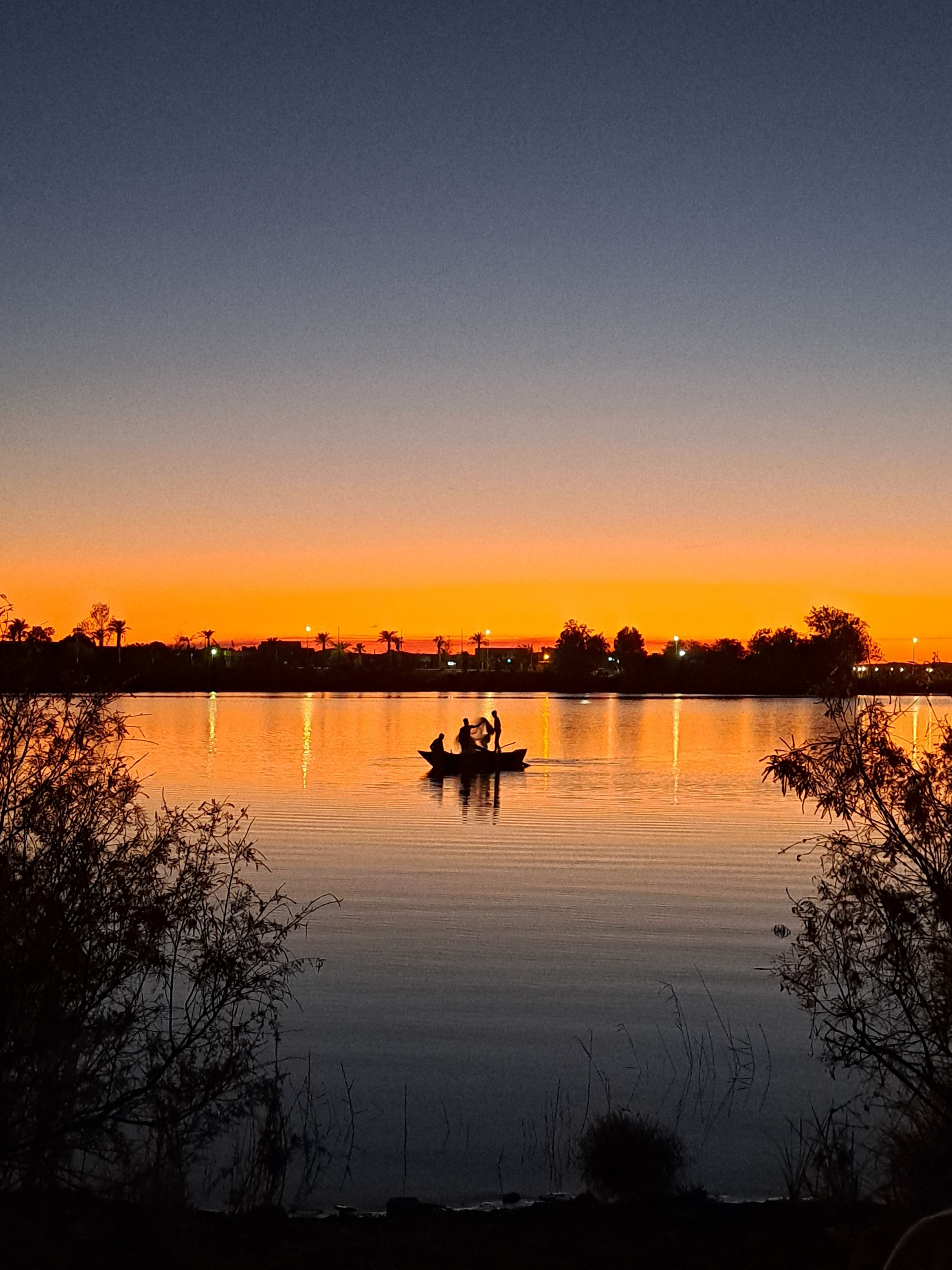

Lake Nasser, the biggest artificial lake on the globe, stretches a huge 310 miles and it's easily one of the best freshwater fishing spots anywhere. Picture this: giant Nile Perch, some of them tipping the scales at 50 to 200 pounds, and powerful Tiger Fish just waiting to give you a real fight. Seriously, it's become a bucket-list destination for anglers worldwide.
Nestled close to Aswan, this incredible lake is home to over 30 different fish species, not just for sport but also playing a huge role in Egypt's fishing industry, pulling in about 80,000 tons a year. But it's not just about the thrill of the catch; Lake Nasser also offers up breathtaking desert landscapes, fascinating wildlife, and a fishing adventure that feels uniquely, wonderfully Egyptian.
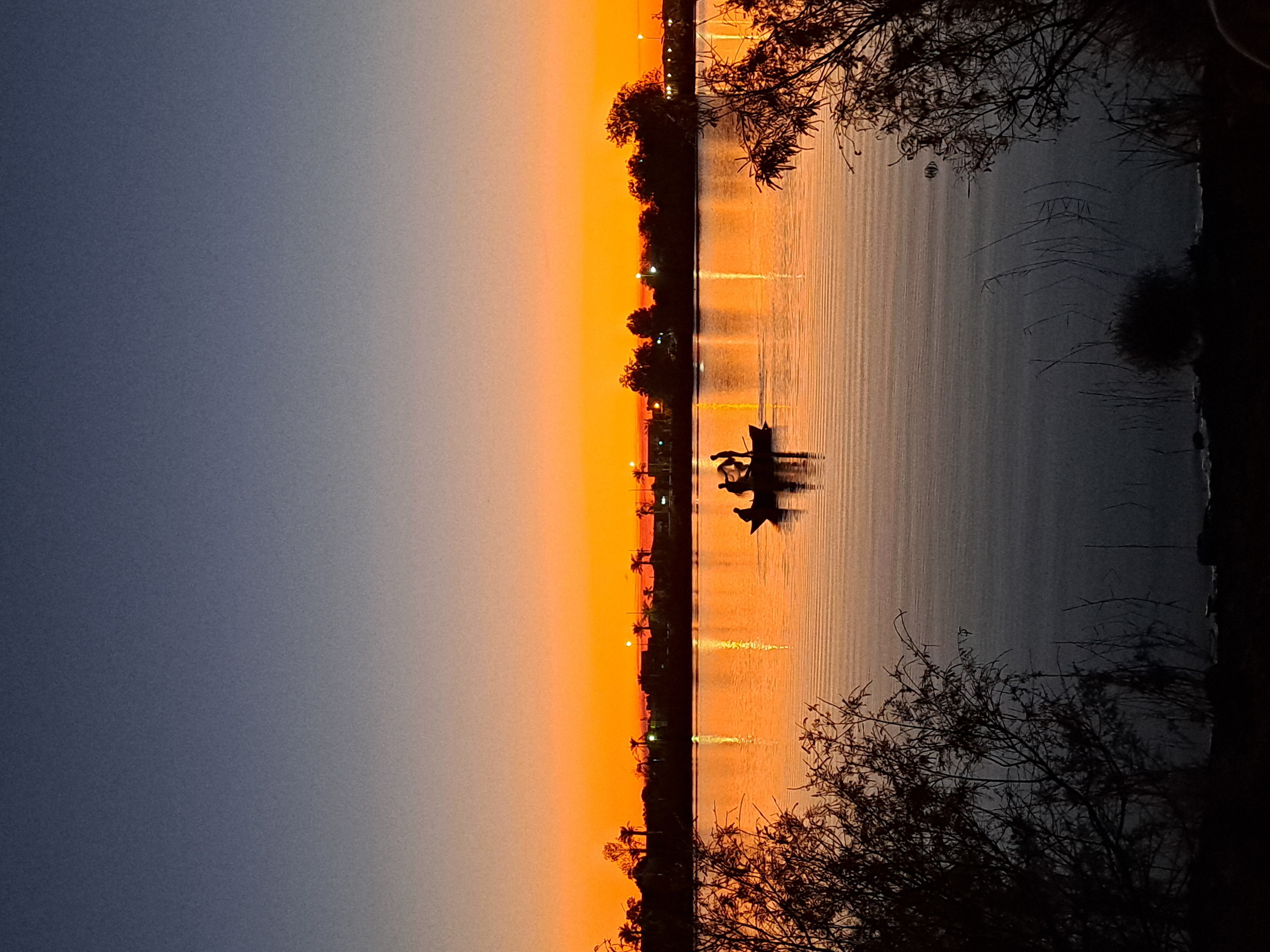
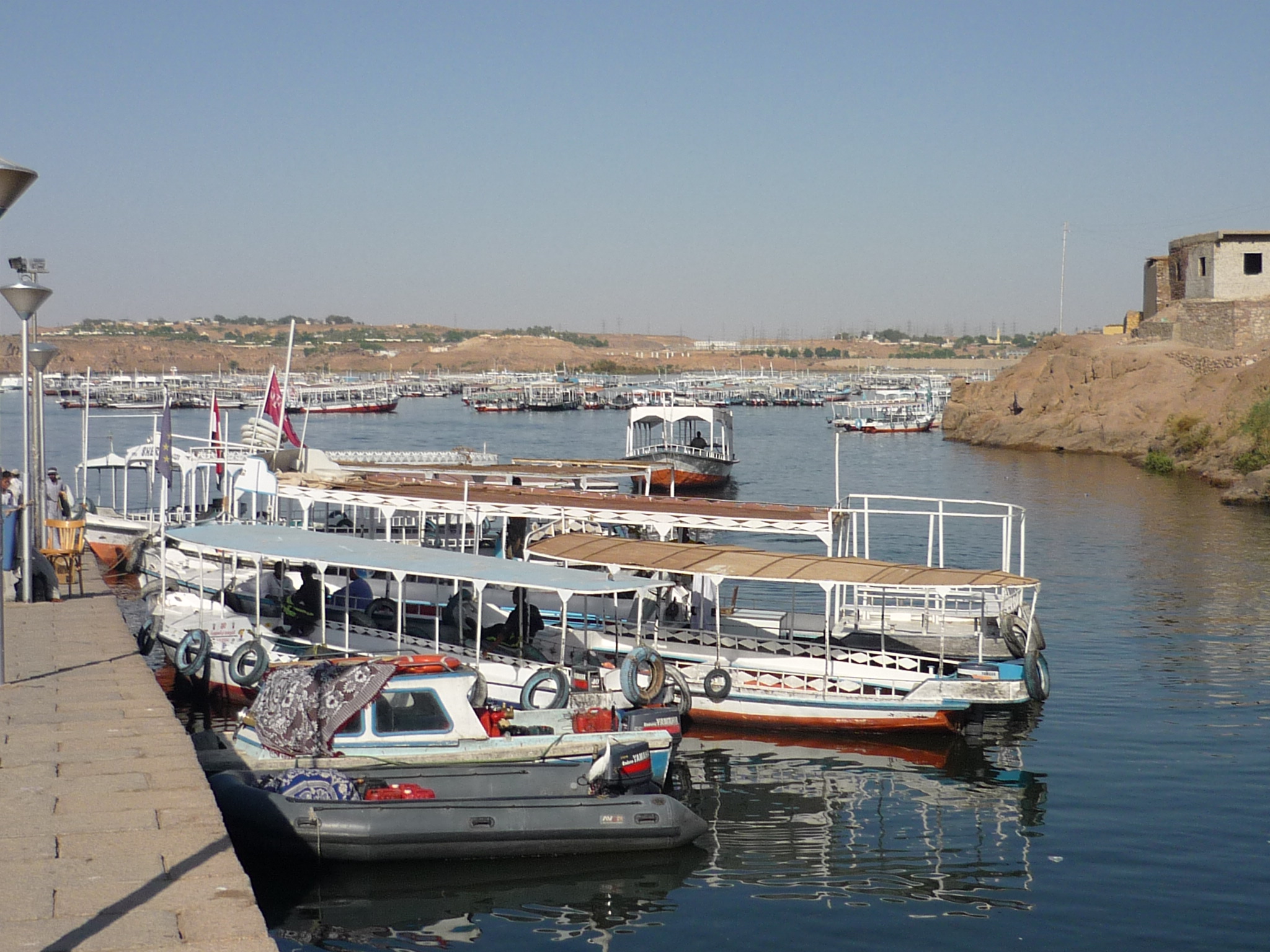

Lake Nasser: Location, History, and Geography
Lake Nasser, one of the world's truly massive man-made lakes, stretches an impressive 550 kilometers (that's about 340 miles) right between southern Egypt and northern Sudan. This enormous body of water covers roughly 1,550 square miles, plunging to depths of up to 600 feet in some spots. Most of it, 83% to be exact, belongs to Egypt, with the rest spilling into northern Sudan.Where is Lake Nasser located?
You'll find this vast reservoir in southeastern Egypt, holding back the Nile River for about 320 km (200 miles) in Egypt itself, and another 160 km (100 miles) upstream into Sudan. While Egyptians call the whole thing Lake Nasser, the Sudanese refer to their part as Lake Nubia. Getting there is straightforward: it's about a three-hour drive from Aswan, or you can catch direct flights from Cairo to Abu Simbel, which is practically on the lake's doorstep.How the Aswan High Dam created the lake
The story of Lake Nasser really kicks off in 1960 when President Gamal Abdel Nasser got the Aswan High Dam project going. This monumental undertaking took 11 years to finish, replacing the old, smaller Aswan Low Dam from 1902, which just wasn't cutting it anymore. The reservoir, with its mind-boggling capacity of 169 billion cubic meters, is key to controlling the Nile's seasonal floods. Plus, it's a major source for hydroelectric power and stores crucial water for agriculture. Of course, with the water rising, those ancient Egyptian temples at Abu Simbel needed a new home – fast. Engineers and archeologists teamed up in the 1960s, meticulously dismantling and rebuilding this historical treasure piece by piece, safely above the new waterline. It was an incredible feat of preservation.Why it's called Egypt's hidden fishing gem
Honestly, Lake Nasser has become a genuine fishing paradise. Many seasoned anglers consider it among the best freshwater fishing spots on Earth, especially if you're dreaming of those colossal Tiger Fish and Nile Perch. The lake is absolutely teeming with thirty-two different fish species, drawing fishing fanatics from every corner of the globe. Nile Perch, in particular, grow much, much bigger here than they ever would in rivers, with most fishermen at Lake Nasser routinely landing catches between 50 to 200 pounds. The lake truly remains a hidden treasure for adventurers and anyone chasing that record-breaking catch. It sees far fewer visitors than other popular fishing destinations worldwide, which only adds to its allure.
Fish Species You Can Catch in Lake Nasser
Lake Nasser really shines as an angler's dream, thanks to its amazing variety of fish. The lake's waters are home to somewhere between 32 and 34 different species, creating a vibrant ecosystem that hooks fishing enthusiasts globally.¿Quieres explorar Fishing in Lake Nasser: A Thrilling Angler's Paradise in Egypt?
Permítenos diseñar el itinerario privado perfecto para ti. Desde expertos guías locales hasta cruceros de lujo, creamos viajes a medida que te muestran el Egipto real.
Personalizar por WhatsAppNile Perch: The star of the lake
The Nile perch (Lates niloticus) is undeniably the king of Lake Nasser, the most coveted catch here. These absolute giants of freshwater predators can grow up to 2 meters long and weigh an astounding 200 kg. Lake Nasser's unique conditions help these immense fish reach record sizes, and anglers regularly pull in specimens that are a hefty 50-200 pounds. The lake's official record stands at 176 kg (392 lb), though local fishermen often spin tales of even bigger ones. This mysterious predator has deep roots in Egyptian culture; it was even mummified during Ramses II's era, around 1300 BC.Tiger Fish: Fast and fierce
Lake Nasser hosts two species of tiger fish in its waters. Hydrocynus forskalii is the most common and can grow to about 7 kg. These fierce predators are actually related to South American piranhas, sporting razor-sharp teeth that scream 'predator.' Tiger fish offer an exhilarating challenge on light tackle, with their incredible acrobatic jumps and powerful fighting spirit. Many anglers rank them among the most thrilling freshwater game fish because of their aggressive strikes and strong, fast runs.Tilapia, Catfish, and Moonfish
Tilapia makes up a massive 81% of Lake Nasser's commercial fish catch. Of these, Oreochromis niloticus leads by weight, accounting for 34%, with Sarotherodon galilaeus not far behind. The lake also supports 18 different catfish species, including the enormous Vundu (Heterobranchus longifilis) and Bagrus (Bagrus bayad). Local fishermen have reported these giants weighing over 100 pounds. And for something truly unique, the striking moonfish adds another layer to the lake's diverse fishing experience.Rare species and biodiversity highlights
Lake Nasser's ecosystem isn't just about the popular game fish. Originally, the lake was home to over 50 species from 15 families, though that number has shifted a bit since its creation. Several less-targeted but ecologically vital species belong to the Cyprinidae, Mormyridae, and Schilbeidae families. You'll generally find denser fish populations in the southern parts of the lake compared to the northern regions.
¿Quieres explorar Fishing in Lake Nasser: A Thrilling Angler's Paradise in Egypt?
Permítenos diseñar el itinerario privado perfecto para ti. Desde expertos guías locales hasta cruceros de lujo, creamos viajes a medida que te muestran el Egipto real.
Personalizar por WhatsAppFishing Techniques and Best Seasons
Anglers on Lake Nasser use a few tried-and-true techniques, adapting them through the year based on the season and what they're trying to catch. The safari-style fishing experience here is truly unique and you won't find anything quite like it elsewhere in the world.Trolling, spinning, and fly fishing explained
Trolling is hands-down the most effective way to land those monster Nile perch. This method lets anglers cover a lot of water using heavier gear, more so than other approaches. If you're looking for more hands-on action, casting artificial lures from boats or the shoreline through spinning and drift casting is the way to go. And for the ultimate test, fly fishing in shallow waters for Nile perch is a challenge many are taking on, though it's still pretty new and experimental here.Seasonal guide
The fishing calendar here pretty much splits into two main seasons: * **Summer Season (March-September):** During these months, Nile perch tend to hang out in shallower waters (around 10-20 feet deep), often following tilapia during their spawning. These conditions are just fantastic for shore fishing and fly-fishing, especially with shallow-running lures. * **Winter Season (October-February):** As the lake levels rise, the fish move into deeper waters. This is when the bigger fish start getting ready for their January/February spawning. Deep-running lures work best for trolling over those submerged promontories and islands.Fishing from boats vs. shore
Shore fishing usually demands a bit more skill, but it often leads to some seriously impressive catches, especially early mornings or during those relaxed lunch breaks back at camp. Boat fishing, on the other hand, happens from custom-built vessels that come fully equipped with fishfinders, extra fuel tanks, and spacious decks perfect for wrestling with a big catch.Hiring guides and safari packages
These fishing safari expeditions typically run for several days, with experienced Nubian guides leading 7–8 hours of daily trolling. The fishing boats usually accommodate 2–3 anglers, with support from larger 'mother ships' that have kitchens, bathrooms, and refrigeration. These local guides are invaluable; they'll steer you to the most productive spots and share all their insider knowledge, helping you land those monster fish. These adventures are a perfect addition to any Egypt tour for travelers looking for truly unique outdoor experiences.
Planning Your Fishing Trip to Lake Nasser
For a truly successful fishing expedition on Lake Nasser, you've got to plan it out. Getting all your ducks in a row beforehand will make your whole experience both rewarding and seriously enjoyable. Your planning needs to cover everything, from how you'll get there to packing the absolute right gear.How to get there: From Aswan to Abu Simbel
Aswan is generally your jumping-off point to reach Lake Nasser. You can hop on a direct flight to Abu Simbel from Aswan International Airport—there are usually two daily, and the flight takes about 40-45 minutes. Some travelers also enjoy the desert drive, which is an experience in itself. Most fishing safaris start with an overnight stay in Aswan before you head off to the lake bright and early the next morning.What to pack for a fishing safari
Having the right gear makes a huge difference in Lake Nasser's desert climate. Here's a quick rundown: * **Clothing:** Think lightweight, quick-drying shirts and pants (the zip-off kind are brilliant), a wide-brimmed hat to protect your neck, and non-slip boat shoes or sandals. * **Protection:** Definitely pack polarized sunglasses (maybe two pairs, just in case!), high-SPF sunscreen, and lip balm with sun protection. * **Fishing gear:** While safari packages generally include equipment, serious anglers might want to bring their personal favorite rods and reels. If you need to rent, it's usually around €180 for the week. * **Storage:** Waterproof bags are a must for electronics, and a solid backpack will hold your daily essentials.Accommodation and tour options
Most multi-day fishing safaris will have you staying on specialized vessels. For example, the 'Nubiana' has four twin-bed cabins with all the modern amenities, including 220V electrical outlets and shower facilities. Packages typically run for 5-7 days. You've got options like solo trips, father-son adventures (with a nice 15% discount for under-18s), and family packages. Prices generally start around €1,750 per angler, assuming four participants.Permits, safety, and local regulations
Good news here: most safari packages actually include your fishing permits, which cost about €50. Just remember, you'll need to submit passport copies 14 days before your departure. Lake Nasser operates under strict catch-and-release rules to protect its fish populations, though guides might keep smaller fish for meals. It's all about sustainable fishing here.Wildlife and birdwatching opportunities
Lake Nasser offers so much more than just fishing. This lake is a vital stopover for migratory birds and home to a fantastic array of resident species. If you're into birdwatching, you could spot cool African species like Pied Wagtails, Yellow-billed Storks, and the truly spectacular African Skimmer. The lake also provides refuge for one of the last remaining Nile crocodile populations. Keep an eye out—you might catch these ancient reptiles basking on distant shores.Cultural experiences: Nubian villages and temples
Adding a visit to Nubian villages brings a rich, cultural layer to your fishing trip. These vibrant communities showcase unique architecture and timeless traditions. The locals are incredibly welcoming, often greeting guests with tea or their refreshing hibiscus drink (Karkade), and their traditional 'Shamsi' bread. Foodies, take note: this bread is considered among the world's best. Plus, the area features ancient temples, famously moved during the lake's creation. The UNESCO-protected Abu Simbel stands out as an absolute masterpiece that draws visitors globally.Ready to turn this guide into reality?
Our local experts can create a custom itinerary based on these recommendations. Just send us a quick message!
Customize via WhatsApp