
Mosteiro de Santa Catarina: Tours, Ingressos & Guia do Visitante
Sobre o Mosteiro de Santa Catarina
Descobrindo o Mosteiro de Santa Catarina: Uma Jornada Através da Fé e do Tempo
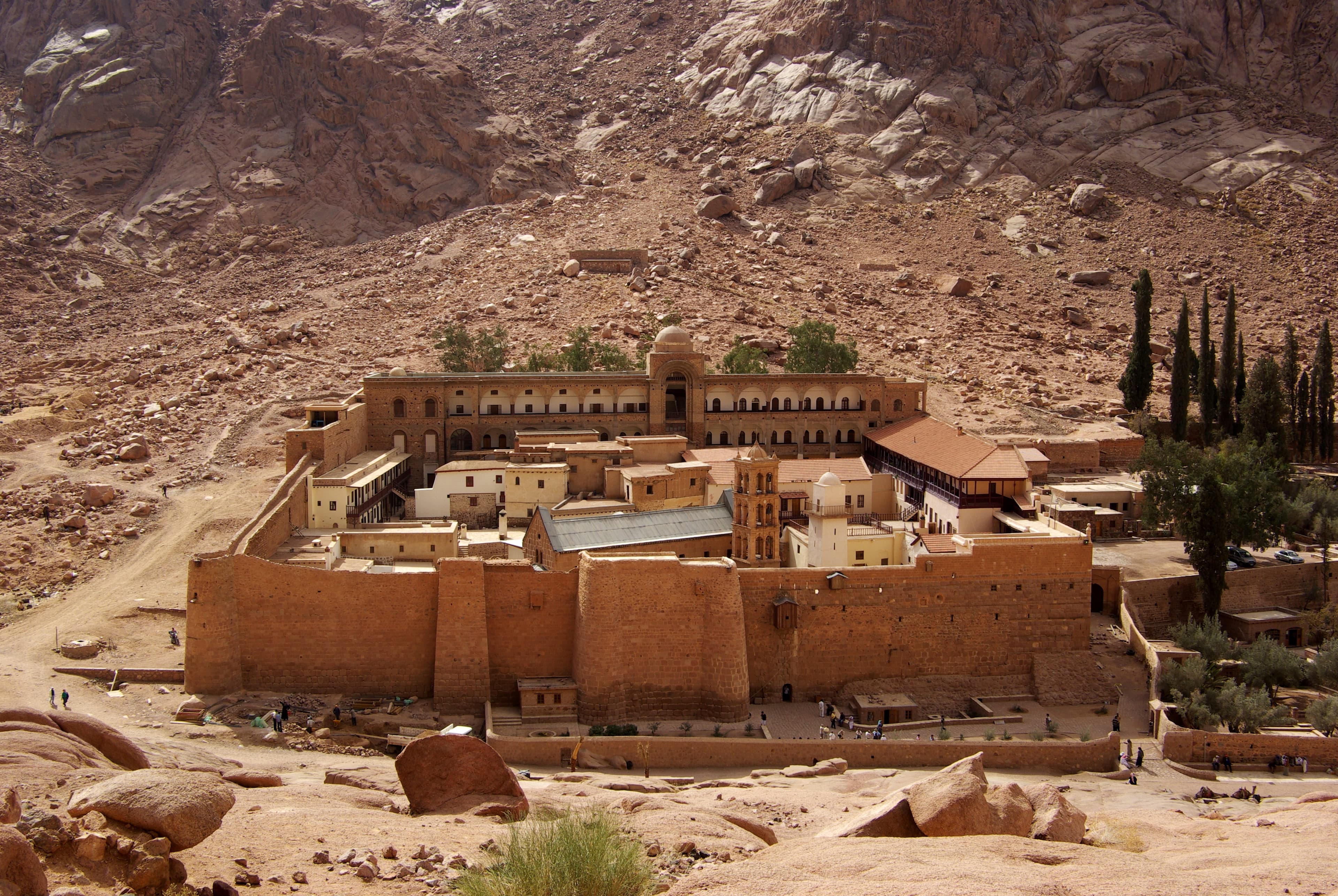
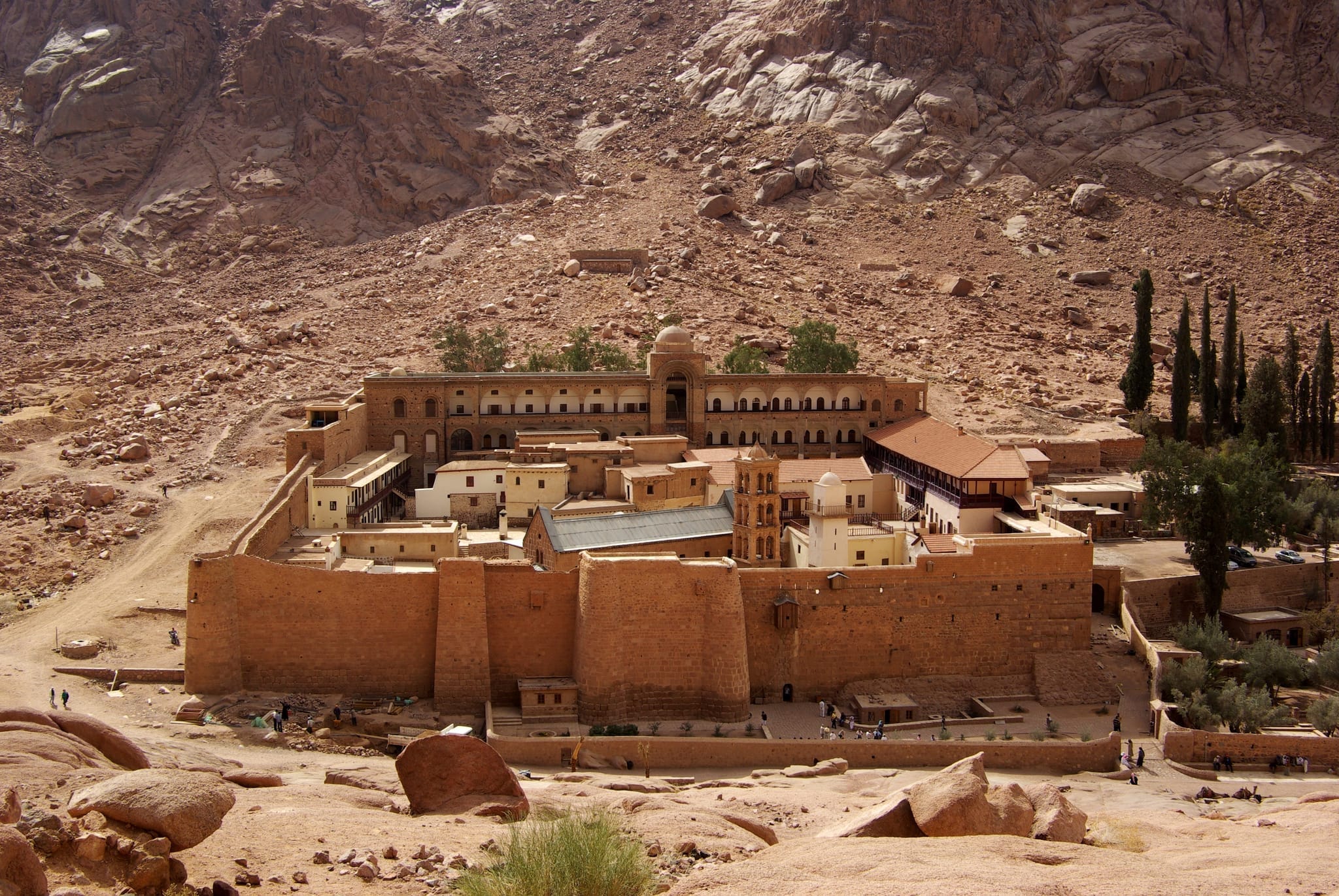
Aninhado dramaticamente ao pé do Monte Sinai, o Mosteiro de Santa Catarina se destaca como um extraordinário testemunho de fé duradoura e resiliência histórica. Este site do Patrimônio Mundial da UNESCO não é apenas uma estrutura antiga; é um dos mosteiros em funcionamento contínuo mais antigos do mundo, uma crônica viva da vida monástica que se estende por séculos.
Para aqueles que buscam uma profunda viagem pela história e espiritualidade, este santuário sereno oferece uma fuga notável dos agitados resorts que pontilham a costa do Mar Vermelho. Ao atravessar seus antigos limiares, você é convidado a descobrir um legado vibrante, onde cada pedra sussurra contos de devoção e busca acadêmica.
O que torna o Mosteiro de Santa Catarina especial?
O Mosteiro de Santa Catarina é uma confluência única de significado espiritual, maravilha arquitetônica e preservação histórica incomparável. Seu status como um site do Patrimônio Mundial da UNESCO sublinha seu valor universal, reconhecido por sua excepcional preservação da arquitetura bizantina e seu papel como um repositório crucial de manuscritos cristãos primitivos.
O que realmente o distingue é sua cadeia ininterrupta de vida monástica, persistindo através de milênios contra o pano de fundo do deserto rugoso do Sinai. A arquitetura estratégica e fortificada do mosteiro, construída em grande parte entre 548 e 565 d.C. sob a direção do imperador bizantino Justiniano I, foi instrumental na proteção contra incursões nômades, permitindo que seus tesouros e tradições inestimáveis florescessem intocados.
Um Bastião de Crença e Erudição
A narrativa do Mosteiro de Santa Catarina está profundamente entrelaçada com relatos bíblicos e a evolução do cristianismo primitivo. Suas origens remontam ao século IV d.C., quando uma modesta capela foi erguida ao redor do local acreditado como a Sarça Ardente. Ao longo dos séculos, o mosteiro permaneceu um farol de fé cristã e busca acadêmica, notavelmente suportando inúmeras convulsões históricas.
Sua posição isolada muitas vezes serviu como sua defesa mais eficaz, preservando-o do destino de muitos outros sites antigos. Essa resiliência duradoura permitiu que ele salvaguardasse uma coleção incomparável de artefatos, arte e textos, oferecendo um vislumbre íntimo do passado.
O que Ver no Mosteiro de Santa Catarina
Sua visita ao Mosteiro de Santa Catarina provavelmente começará na Basílica da Transfiguração, a principal igreja do mosteiro. Esta joia arquitetônica é um banquete para os sentidos, onde você pode admirar mosaicos bizantinos requintados que brilham com luz antiga, ícones veneráveis que retratam santos e cenas bíblicas, e uma palpável sensação de devoção que permeia todo o espaço. O interior ornamentado da basílica e a atmosfera profunda são verdadeiramente cativantes.
A Capela da Sarça Ardente
Um destaque para muitos visitantes é a reverenciada Capela da Sarça Ardente, amplamente acreditada como o local exato onde Moisés encontrou o divino. Embora o acesso direto à sarça original seja restrito para preservar sua santidade, você pode observar seus descendentes crescendo nas proximidades, absorvendo o peso espiritual deste local bíblico. A capela oferece uma conexão intimista única com um dos momentos mais cruciais da história monoteísta.
A Biblioteca do Mosteiro: Um Tesouro Mundial
Além de seu significado religioso imediato, o Mosteiro de Santa Catarina serve como um baú de tesouros de cultura e conhecimento. Ele abriga uma das coleções mais cruciais de manuscritos cristãos primitivos do mundo, superada apenas pelo Vaticano. Embora a biblioteca não esteja geralmente aberta ao público devido à fragilidade e imenso valor de seu conteúdo, sua existência destaca o papel profundo do mosteiro como guardião do patrimônio intelectual e espiritual.
Este arquivo extraordinário contém textos antigos em grego, árabe, siríaco, georgiano e outras línguas, oferecendo insights inestimáveis sobre o pensamento religioso, a história e a arte primitivos.
Como Visitar o Mosteiro de Santa Catarina
Como Chegar
O Mosteiro de Santa Catarina está situado no coração da Península do Sinai. A maioria dos visitantes chega por meio de passeios organizados a partir de populares resorts do Mar Vermelho, como Sharm El Sheikh ou Dahab. Esses passeios geralmente incluem transporte e um guia, tornando a jornada conveniente. Para viajantes independentes, táxis podem ser contratados, mas é aconselhável negociar a tarifa com antecedência. A viagem em si é cênica, serpenteando por dramáticas paisagens desérticas.
Ingressos e Entrada
Há uma taxa de entrada modesta para acessar o complexo do mosteiro. É aconselhável levar Libras Egípcias (EGP) para isso e para possíveis pequenas compras. A fotografia é geralmente permitida em áreas designadas, mas sempre seja respeitoso com os monges e outros fiéis.
Tempo Necessário
Reserve pelo menos 2-3 horas para explorar o mosteiro em um ritmo confortável. Isso lhe dará tempo suficiente para apreciar a Basílica, a Capela da Sarça Ardente e a atmosfera geral deste antigo local. Se você planeja escalar o Monte Sinai para o nascer ou pôr do sol, a visita ao mosteiro é frequentemente combinada com esta peregrinação desafiadora, mas recompensadora.
Melhor Época para Visitar & Dicas
A melhor época para visitar o Mosteiro de Santa Catarina é durante os meses mais frescos, de outubro a abril. Os meses de verão (maio a setembro) podem ser intensamente quentes, tornando a exploração menos confortável, especialmente se você planeja subir o Monte Sinai. Os dias da semana geralmente são menos lotados do que os finais de semana.
Dicas Essenciais:
- Vista-se Modestamente: Como um local religioso, espera-se que os visitantes se vistam modestamente. Isso significa cobrir os ombros e os joelhos. As mulheres devem estar preparadas para cobrir a cabeça também, especialmente ao entrar na igreja principal.
- Calçados Confortáveis: Use sapatos confortáveis para caminhar, pois haverá uma quantidade considerável de caminhada em superfícies irregulares.
- Água e Lanches: Embora possa haver instalações limitadas, é prudente levar sua própria água, especialmente durante os meses mais quentes.
- Conduta Respeitosa: Mantenha uma postura respeitosa durante toda a sua visita. Lembre-se de que este é um mosteiro ativo e um lugar sagrado.
- Chegada Antecipada: Chegar logo após a abertura pode ajudá-lo a evitar as maiores multidões, especialmente durante a alta temporada.
Significado Histórico
Um Bastião de Crença e Erudição
A narrativa do Mosteiro de Santa Catarina está profundamente entrelaçada com relatos bíblicos e a evolução do cristianismo primitivo. Suas origens remontam ao século IV d.C., quando uma modesta capela foi erguida ao redor do local da Sarça Ardente. No entanto, o mosteiro como o reconhecemos hoje foi amplamente construído no século VI, especificamente entre 548 e 565 d.C., sob a direção do Imperador Bizantino Justiniano I.
Sua arquitetura estratégica e fortificada foi crucial para a proteção contra incursões nômades no isolado deserto do Sinai.
Ao longo dos séculos, o mosteiro permaneceu um farol da fé cristã e da busca acadêmica, notavelmente resistindo a inúmeras convulsões históricas. Sua posição isolada muitas vezes serviu como sua defesa mais eficaz, permitindo-lhe preservar sua inestimável coleção de manuscritos, ícones e artefatos religiosos em grande parte intacta.
O mosteiro possui cartas de proteção únicas de figuras como o Profeta Muhammad, o Sultão Selim I e Napoleão, que atestam seu status duradouro e respeito ao longo de diversas eras e crenças. Foi designado como Patrimônio Mundial da UNESCO em 2002, reconhecendo seu valor universal excepcional como um monumento vivo ao monaquismo cristão primitivo e um repositório de patrimônio cultural.
Tours Visitando o Mosteiro de Santa Catarina
Experiências privadas guiadas por egiptólogos com ingressos e transfers organizados para você.
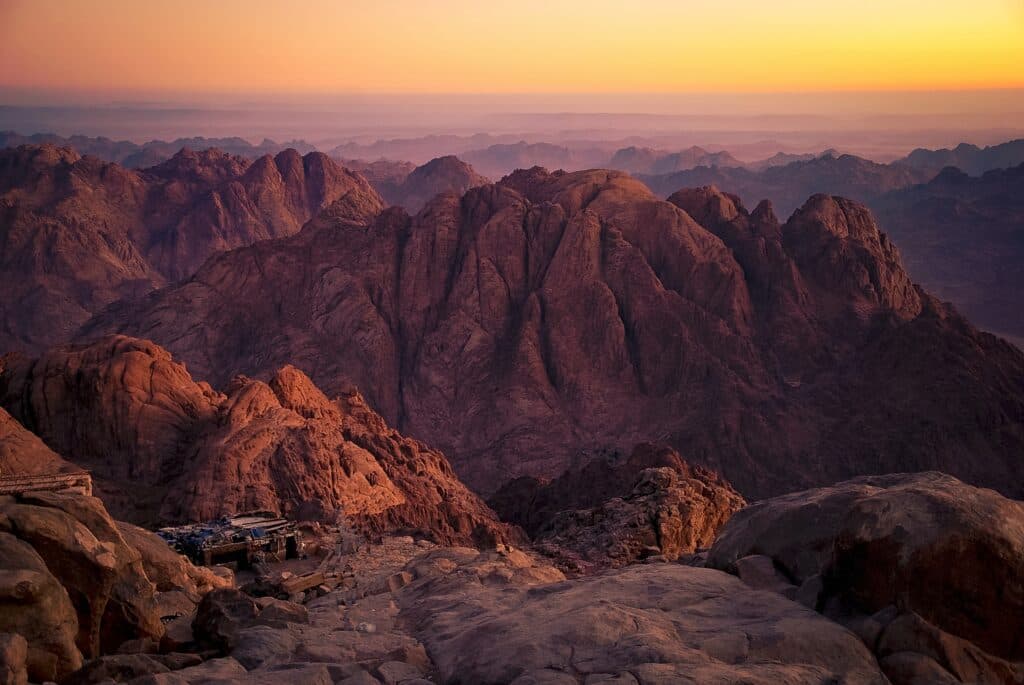
Este tour de trekking que vai da noite até a manhã leva os viajantes de Dahab ou Sharm El Sheikh para as montanhas da Península do Sinai para escalar o Monte…

Este tour de luxo de 14 dias combina o Cairo do Egito, o Vale do Nilo e a costa do Mar Vermelho com uma extensão na Jordânia em Amã, misturando monumentos…
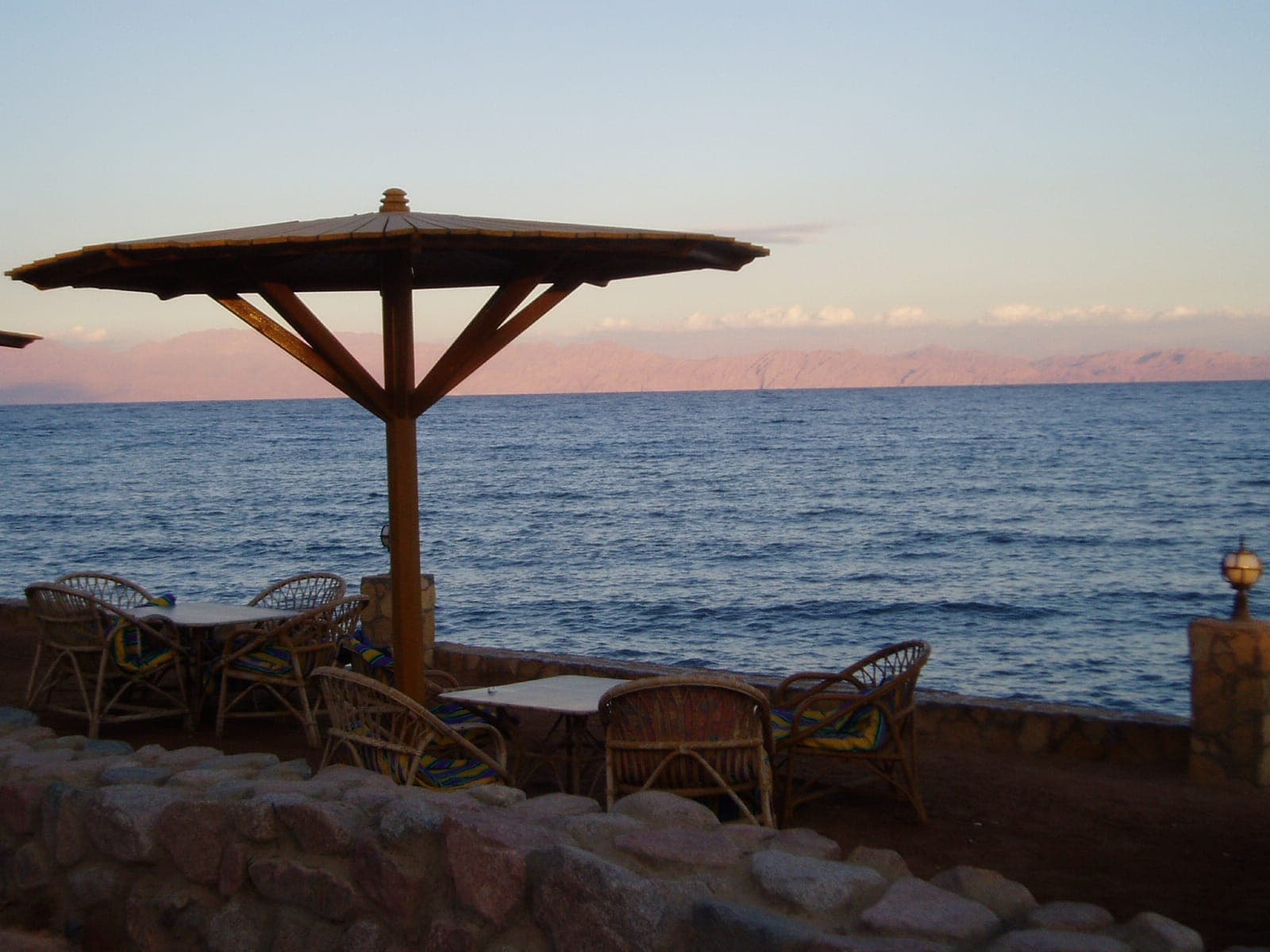
Embarque em uma viagem privada exclusiva saindo de Dahab, combinando a grandiosidade inspiradora das montanhas do deserto do Sinai com o vibrante mundo…

À medida que o sol do deserto se põe, projetando longas sombras sobre o Planalto de Gizé, seu guia egiptólogo especialista começa a desvendar os mistérios da…

Este tour de 11 dias traça a rota tradicional da fuga da Sagrada Família para o Egito, combinando locais faraônicos no Cairo e em Gizé com igrejas de…
Este tour de 12 dias combina os sítios antigos e reais do Cairo com a costa de Alexandria e uma estadia mais longa em Sharm El Sheikh, incluindo uma subida ao…
Mosteiro de Santa Catarina — Perguntas Frequentes
Tudo o que você precisa saber antes de visitar o Mosteiro de Santa Catarina.
1Onde está localizado o Mosteiro de Santa Catarina?
2Qual é o significado da Sarça Ardente?
3Posso ver os manuscritos antigos no monastério?
4O Mosteiro de Santa Catarina ainda é um mosteiro em funcionamento?
5O que devo vestir ao visitar o Mosteiro de Santa Catarina?
Principais atrações em Mar Vermelho
tours do Egito por destino
Navegue pelos passeios no Egito por categoria
- 1Pacotes de Tour pelo Egito
- 2Excursões de um dia no Egito
- 3Cruzeiros no Nilo
- 4Tours Sob Medida
- 5Pacotes de Lua de Mel
- 6Pacotes Familiares
- 7Pacotes de Luxo
- 8Pacotes Privados
- 9Pacotes para Pequenos Grupos
- 10Pacotes Tudo Incluído
- 11Excursões de Última Hora no Egito
- 12Cruzeiros Dahabiya
- 13Guia de Viagem do Egito
- 14Pacotes de Tour pelo Egito dos EUA
- 15Pacotes de Tour pelo Egito e Jordânia