
Katakomby Kom El Shoqafa: Tours, Tickets & Visitor Guide
About Katakomby Kom El Shoqafa
Cesta do podsvětí: Pohled do synkretické duše Alexandrie
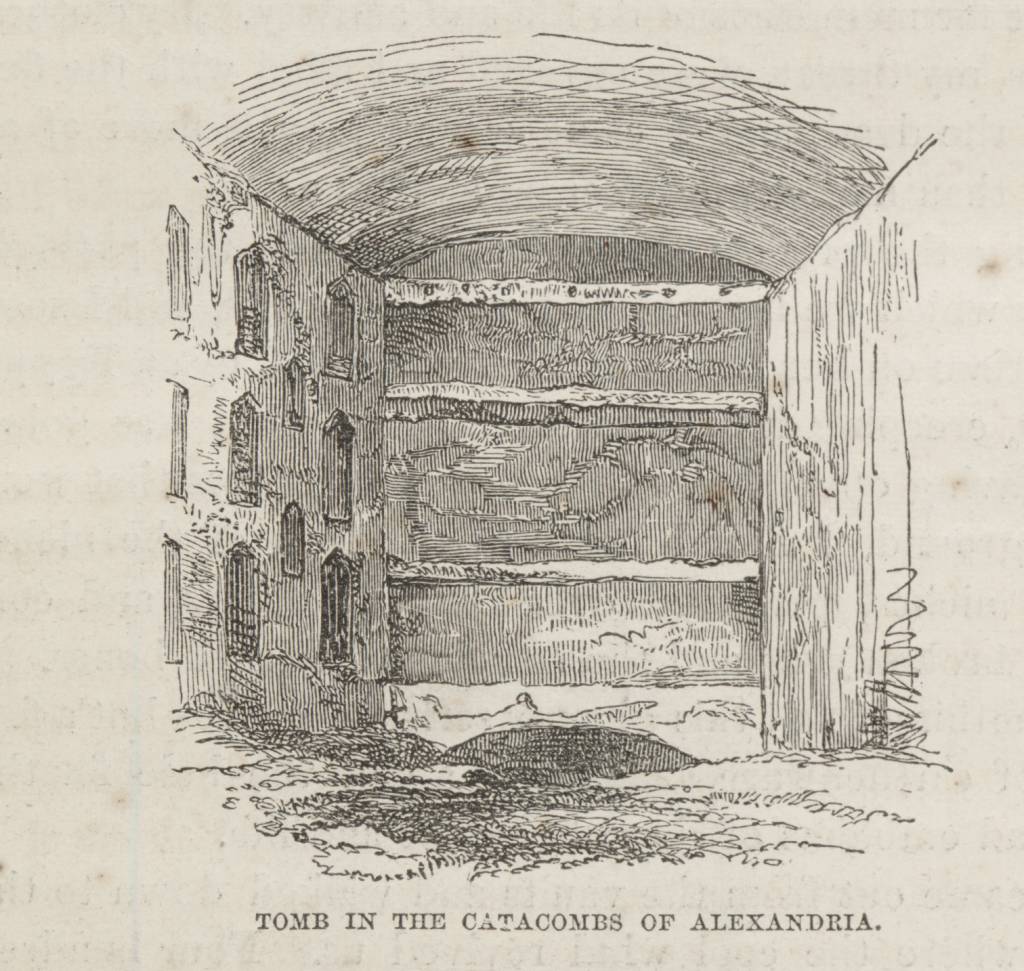
Sejděte pod rušné ulice Alexandrie do Katakomb Kom El Shoqafa, strašidelné podzemní nekropole. Často uváděné mezi Sedmi divy středověku, odhaluje vzácnou směs kultur. Když procházíte skalními chodbami, egyptské, řecké a římské styly se objevují vedle sebe.
Kom El Shoqafa znamená 'Hromada střepů', pojmenovaná podle fragmentů keramiky nalezených v okolí. Místo bylo odkryto v roce 1900, když osel spadl do přístupového šachty, což odhalilo jeden z hlavních nálezů Alexandrie. Postaveno od konce 1. do 4. století n. l., začalo jako soukromý rodinný hrob a rozrostlo se, aby hostilo mnoho pohřbů.
Jeho význam spočívá v živém záznamu kulturního spojení Alexandrie z římské éry. Založená Alexandrem Velikým a později pohlcena Římskou říší, město podporovalo umění a víry, které se spojily do jedinečné alexandrijské identity.
Co dělá Katakomby Kom El Shoqafa výjimečnými?
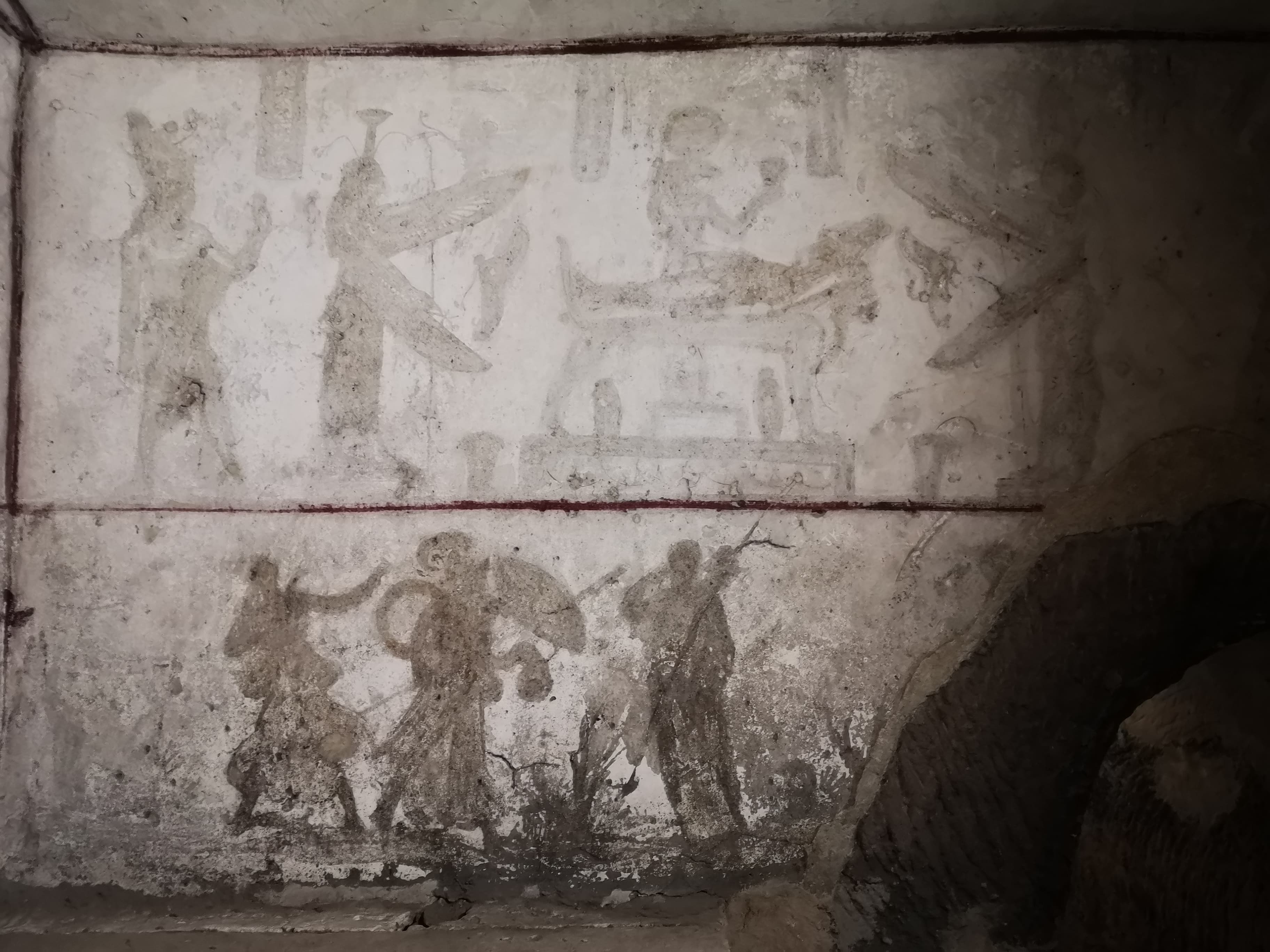
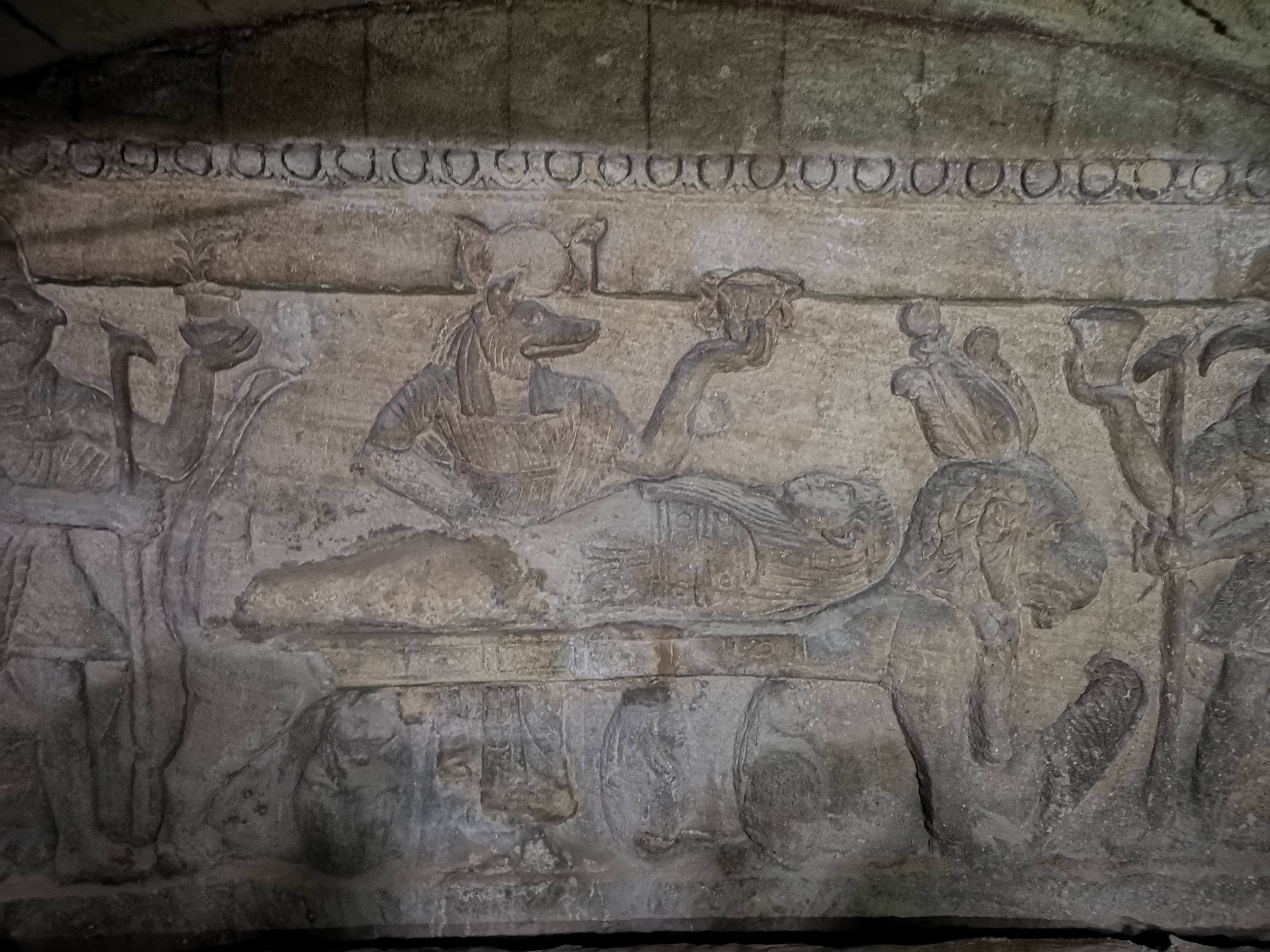
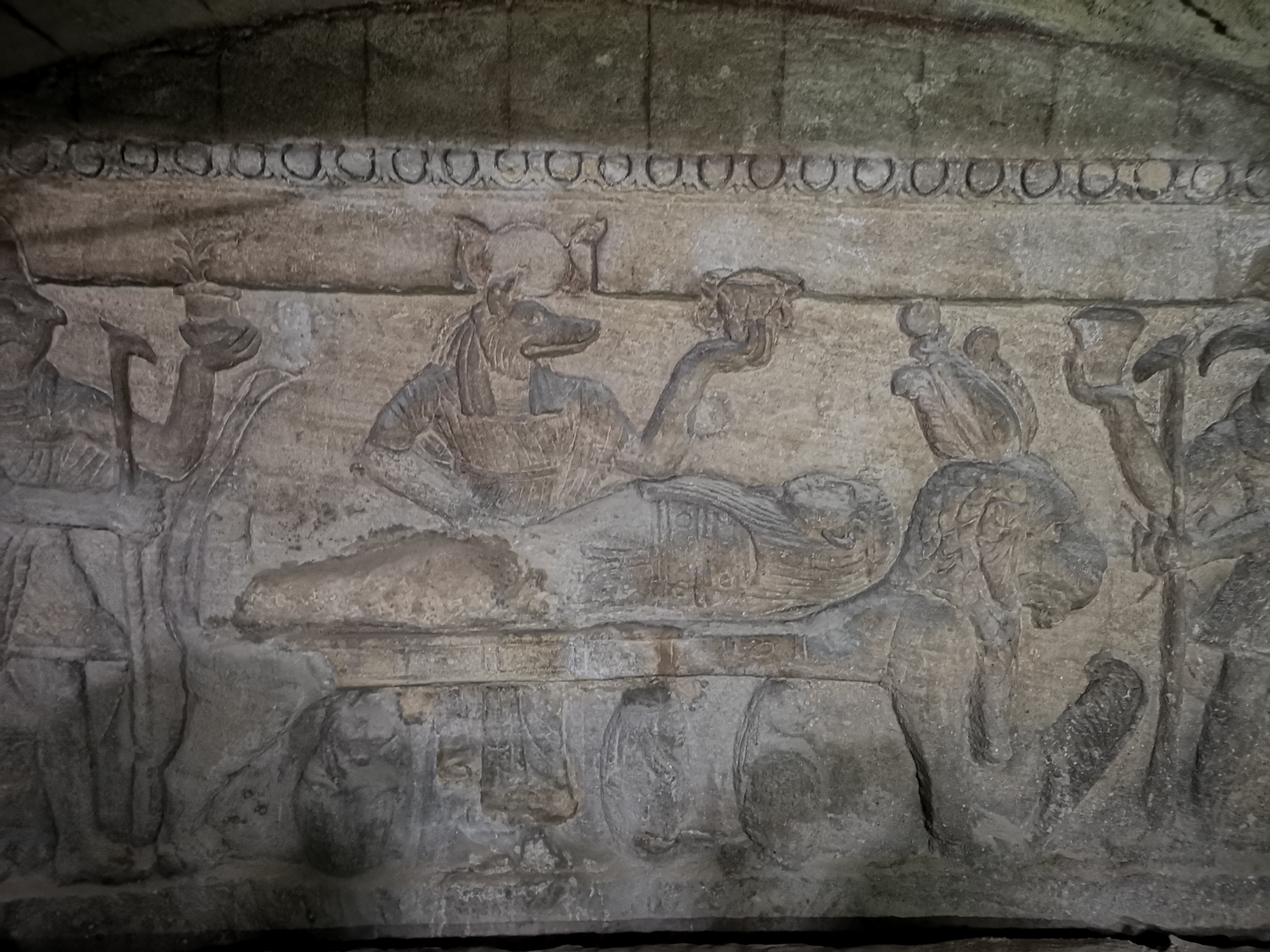
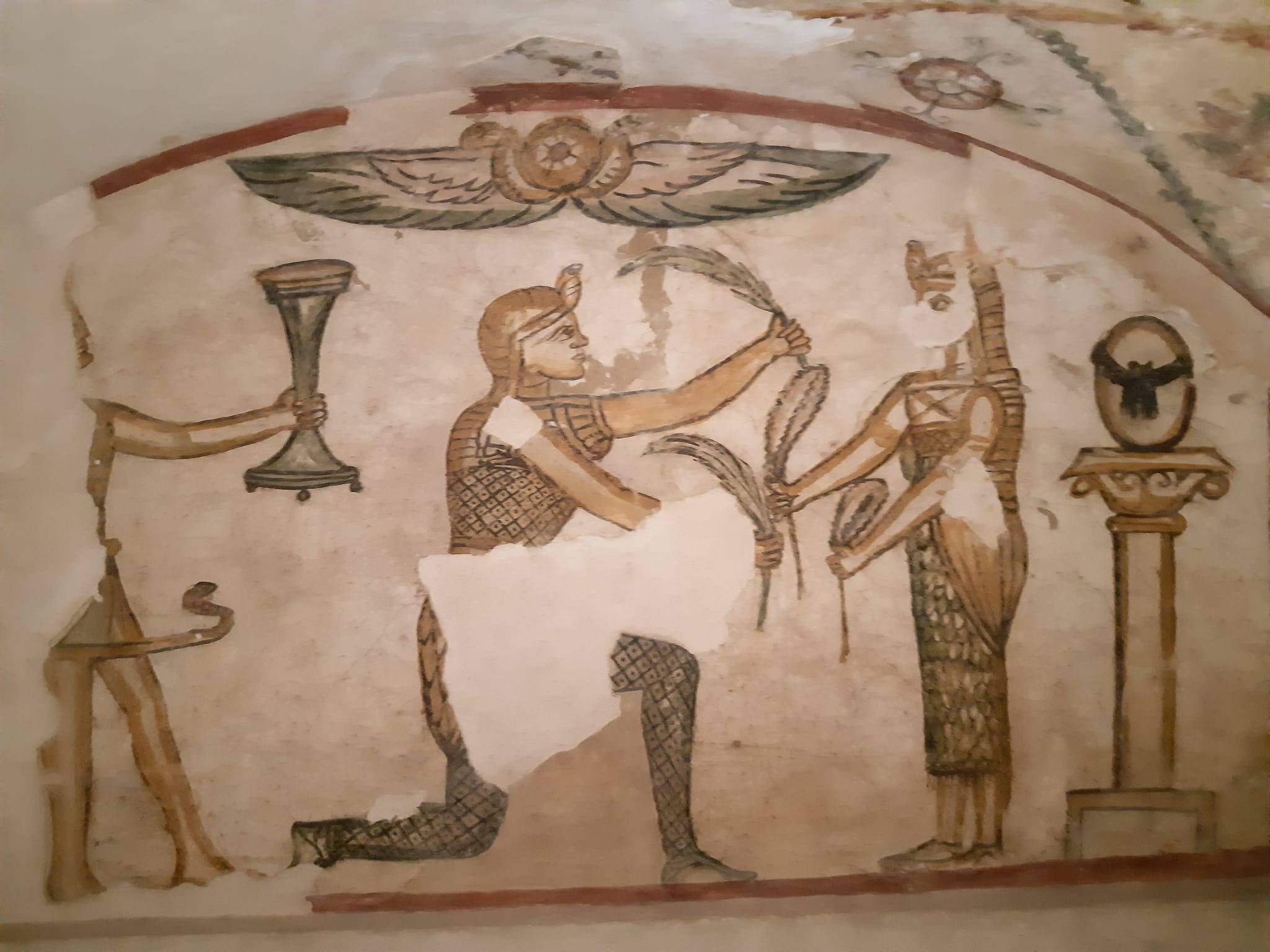
Kom El Shoqafa předvádí neobvyklou harmonii egyptských, řeckých a římských myšlenek. Místo toho, aby jedna tradice dominovala, umění mísí ikony a motivy na každém kroku. Představte si Sobeka a Anubise v římském legionářském oblečení; reliéfy a architektura opakují tento odvážný mix, což dělá místo jedinečně alexandrijské.
Svědectví o starověkých vírách
Bohaté vyřezávání a pečlivé uspořádání odráží hluboké víry o posmrtném životě. Rodiny zde ctí mrtvé, připravují je na cestu dolů. Co začalo jako hrob jedné rodiny, se rozrostlo do širší nekropole, jak se tyto synkretické rituály šířily.
Co vidět: Prozkoumání hloubek
Sejděte třemi úrovněmi vytesanými do pevné skály, z nichž každá odhaluje nové detaily tohoto podzemního světa.
- Vstupní oblast a točité schodiště: Začněte na širokém točitém schodišti, impozantním díle starověkého inženýrství, které vás zavede do komplexu.
- Triklinium: Na prvním patře se Triklinium nachází kamenné lavice pro pohřební hostiny, kde rodiny oslavovaly odchod s hostinami a rituály.
- Hlavní pohřební komora: Hlouběji uvnitř hlavní pohřební komora vystavuje dvě velké sochy Sobeka a Anubise oblečené jako římské legie. Složitě vyřezávané niky a sarkofágy obklopují místnost, což je nejjasnější prohlášení o kulturní fúzi místa.
- Sál Caracally: Pozdější přídavek pojmenovaný po císaři Caracallovi, tato oblast se věří, že obsahovala pozůstatky koní, čímž se rozšířil rozsah pohřbů.
- Podzemní chodby a loculi: Boční chodby vycházejí z hlavních komor a jsou zarovnány s loculi (police jako výklenky) pro těla, což ukazuje na měřítko místa.
Jak navštívit Kom El Shoqafa
Doprava:
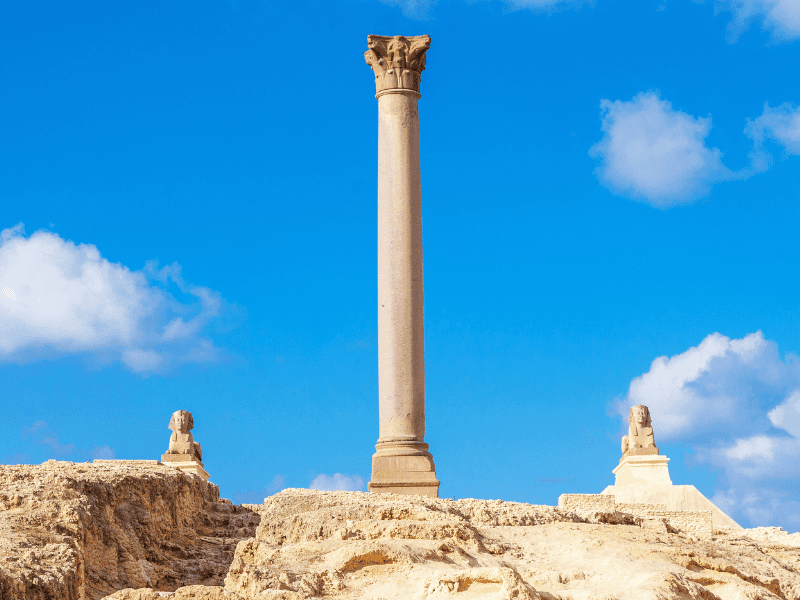
Katakomby Kom El Shoqafa se nacházejí v okrese Karmouz v Alexandrii, kousek od Pompejova sloupu. Jsou snadno dostupné taxíkem nebo sdílenou jízdou odkudkoli ve městě. Mnoho místních zájezdů zahrnuje toto místo jako klíčovou zastávku.
Vstupenky a vstup:
Kupte si vstupenky u vchodu. Přijďte brzy, abyste se vyhnuli davům, zejména v hlavní sezóně. Může být účtován další poplatek za přinášení fotoaparátů dovnitř; zeptejte se na pokladně.
Potřebný čas:
Plánujte 1,5 až 2 hodiny na prozkoumání tří úrovní a ocenění detailů. Umožněte si čas na sestup a výstup po točitém schodišti.
Nejlepší čas na návštěvu a tipy
Navštivte od října do dubna pro mírné a příjemné počasí. Léto může být horké a vlhké, což může učinit podzemní prozkoumávání méně pohodlným.
- Noste pohodlnou obuv: Očekávejte chůzi a výstup po schodech.
- Oblékejte se skromně: I když to není aktivní náboženské místo, skromný oděv je v historických místech v Egyptě respektující.
- Přineste vodu: Zůstaňte hydratovaní, zejména mimo chladnější měsíce.
- Zvažte průvodce: Místní průvodce může vysvětlit ikonografii a kontext, oživit synkretické umění.
- Fotografie: Zkontrolujte aktuální pravidla při vstupu. Fotografie bez blesku mohou být povoleny v některých oblastech; jiné mohou mít omezení.
Historical Significance
Kronika objevů a kulturní syntézy
Kom El Shoqafa znamená 'Hromada střepů', což odkazuje na fragmenty keramiky nalezené v okolí. V roce 1900 spadl osel do přístupového šachty a náhodou odhalil lokalitu, což vyvolalo jedno z hlavních objevů Alexandrie. Postavený od konce 1. do 4. století n. l., komplex začal jako soukromá rodinná hrobka a rozšířil se, aby hostil další pohřby.
Jeho význam spočívá v tom, jak jasně zaznamenává kulturní mix alexandrijské doby římské. Založený Alexandrem Velikým a později pohlcený Římskou říší, město spojovalo helénistické proudy s trvalými egyptskými tradicemi. Rané pohřby ukazují silnější římský vliv, zatímco pozdější práce přijímají více egyptské ikonografie, reinterpretované skrze grécko-římský objektiv. Tato směs osvětluje kosmopolitní společnost a pomáhá definovat starověkou alexandrijskou identitu.
Tours Visiting Katakomby Kom El Shoqafa
Private, Egyptologist-guided experiences with tickets and transfers handled for you.

Tento 12hodinový denní výlet z Káhiry vezme cestovatele na vzdělávací cestu historií ve středomořském pobřežním městě Alexandrii. Hosté prozkoumají některá z…
Tato 13denní kulturní cesta po Egyptě zavede cestovatele přes Káhiru, Alexandrii, Luxor a Asuán. Navštívíte některá z nejznámějších egyptských míst, včetně…

Tento nádherný 14denní zájezd nabízí nezapomenutelné dobrodružství napříč Egyptem s některými z nejznámějších starověkých míst. Hosté prozkoumají největší…
Tento 15denní úžasný zájezd navštíví nejlepší egyptské destinace Káhiru, Gízu, Alexandrii, Asuán, Abú Simbel, Kom Ombo, Edfu, Luxor a Hurghada. Cestovatelé…

Tato 3denní prohlídka vám umožní zažít bohatou historii a ikonická místa starověkého Egypta prostřednictvím návštěv některých z nejvýznamnějších památek Káhiry…

Tato komplexní čtyřdenní prohlídka Káhiry ukazuje starověké divy města, od ikonických pyramid a Sfingy až po obrovské poklady Velkého egyptského muzea. Hosté…
Katakomby Kom El Shoqafa — Frequently Asked Questions
Everything you need to know before visiting Katakomby Kom El Shoqafa.