
Elefantínský ostrov: Tours, Tickets & Visitor Guide
About Elefantínský ostrov
Objevování Elephantine Island: Cesta časem v Aswanu
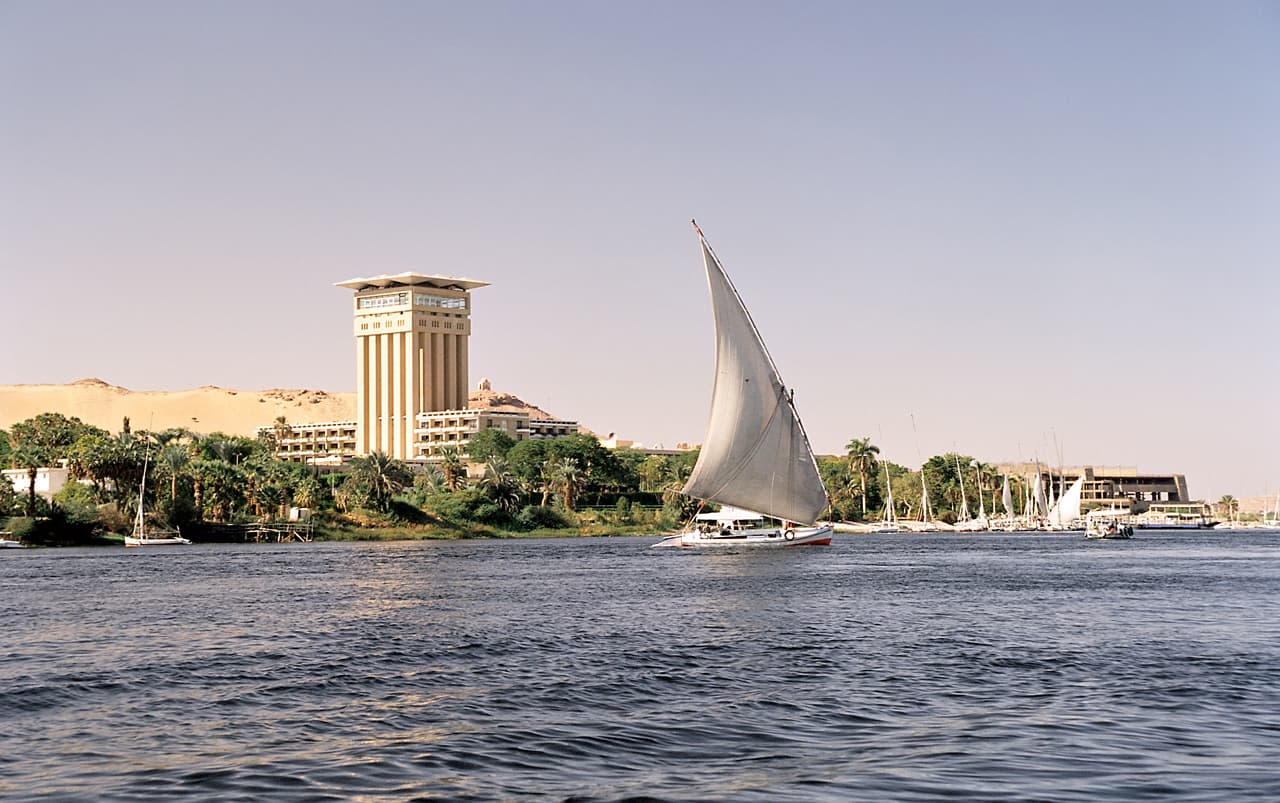
Cestujte zpět v čase na Elephantine Island, ráji na Nilu v Aswanu. Ostrov spojuje starobylé zázraky, živé nubijské dědictví a široké výhledy na řeku.
Vystupte ze své feluky nebo motorového člunu a pocítíte kouzlo ostrova. Prozkoumejte pozůstatky starověkého Yebu, jednoho z nejdéle nepřetržitě obydlených míst v Egyptě.
Procházejte chrámem Khnuma, boha stvoření s beraní hlavou, a podívejte se na pozoruhodně zachovalý nilometr. Tento starověký měřič sledoval každoroční povodně Nilu, které byly zásadní pro zemědělství.
Navštivte Aswanské muzeum, uvnitř bývalého sídla Sira Williama Willcockse, inženýra za prvním Aswanským jezem. Jeho sbírky z ostrova a Nubie osvěcují tisíciletí historie.
Nad rámec archeologie Elephantine hostí nubijské osady Siou a Koti. Očekávejte živě malované domy, vřelou pohostinnost a jemné rytmy místního života.
Elephantine Island je víc než historické místo; je to živá tapisérie tkaná ze starobylých kamenů, živé kultury a nadčasového toku Nilu.
Co dělá Elephantine Island výjimečným?
Jako starověké Yebu byl ostrov strategickou výspě a kultovním centrem zasvěceným Khnumovi. Jeho historie sahá tisíciletí zpět, což z něj činí jedno z nejdéle nepřetržitě obydlených míst v Egyptě.
Jméno může pocházet z jeho tvaru připomínajícího sloní kly nebo z obchodu s slonovinou. Jako jižní brána Egypta kontroloval důležité trasy s Nubii a dál.
Khnum, bůh stvoření s beraní hlavou spojený s povodněmi Nilu, zde dominoval uctívání. Chrámy mu vzdávaly hold, stejně jako jeho družce Satis a jejich dceři Anuket, čímž vznikla 'Elephantinská triáda'.
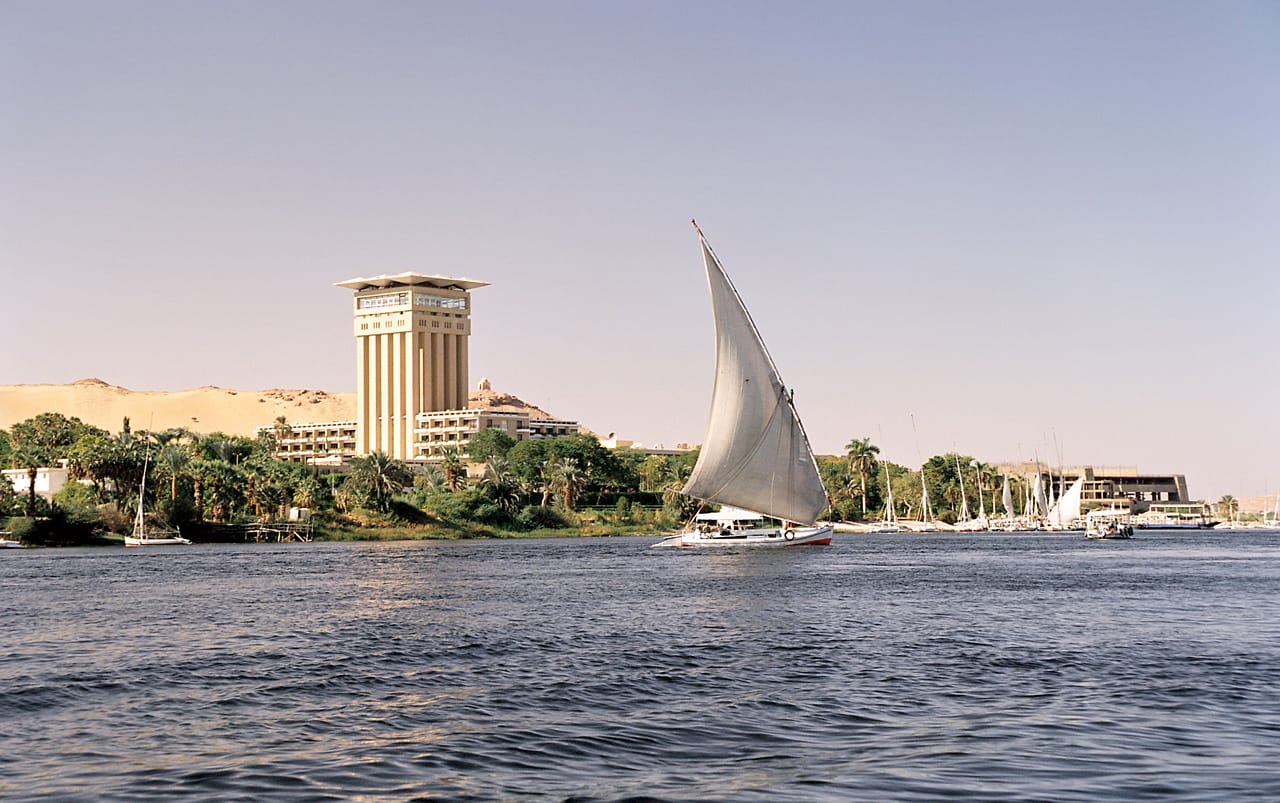
Dnes barevné nubijské vesnice sdílejí ostrov s monumentálními ruinami. Vzhled Aswanu rámují bujné zahrady, skalní výchozy a panoramata Nilu.

Objevování Elephantine Island: Co vidět
Starověké zázraky: Chrámy, Nilometr a Ruiny
- Chrám Khnuma: Prozkoumejte zbytky hlavního chrámu zasvěceného bohu stvoření s beraní hlavou. Ačkoli je mnoho v ruinách, měřítko a význam jsou jasné.
- Nilometr: Uvidíte toto zachovalé zařízení používané k měření každoročních povodní Nilu, které je klíčové pro zemědělství a zdanění. Na ostrově jsou ve skutečnosti dva nilometry, přičemž starší pochází z římských dob.
- Ruiny Yebu: Procházejte se po vrstevnatém archeologickém nalezišti a pozorujte pozůstatky z faraonského až římského období.
Muzeum v Asuánu
Umístěné v bývalém sídle Sira Williama Willcockse, inženýra odpovědného za první Asuánskou přehradu, je Muzeum v Asuánu pokladem artefaktů.
Objevte předměty nalezené na Elephantine a v celé Nubii, od prehistorických nástrojů po grecko-římské sochy a nubijskou keramiku.

Nubijské vesnice: Siou a Koti
Vstupte do kouzelných nubijských vesnic Siou a Koti, kde život plyne poklidným tempem mezi živě malovanými, vzorovanými domy.
Potkejte přátelské místní obyvatele, vychutnejte si mátový čaj a procházejte malými obchody nabízejícími řemeslné výrobky, koření a suvenýry.

Jak navštívit Elephantine Island
Doprava: Na ostrov se dostanete krátkou trajektovou plavbou, felukou nebo motorovým člunem z Asuánské Corniche. Veřejný trajekt, který často odjíždí z blízkosti Muzea v Asuánu na pevnině, je nejhospodárnější možností. Soukromé motorové čluny nebo feluky si můžete pronajmout pro personalizovanou, malebnou plavbu kolem ostrova.
Vstupenky: Obvykle je zde vstupné na archeologické naleziště a Muzeum v Asuánu. Vstupenky kupte na vstupu do archeologického parku.
Čas potřebný: Vyhraďte si alespoň 3-4 hodiny na prohlídku ruin, návštěvu muzea a procházku vesnicí. Pro hlubší zážitek s jídlem nebo delším časem ve vesnici plánujte půldenní nebo delší návštěvu.
Nejlepší doba k návštěvě a tipy
Nejlepší doba: Chladnější měsíce od října do dubna jsou ideální pro procházky a objevování. V létě (květen až září) může být extrémně horko; navštivte brzy ráno nebo pozdě odpoledne.
Tipy pro návštěvníky:
- Nosí pohodlnou obuv: Očekávejte nerovný terén v archeologické oblasti.
- Udržujte hydrataci: Mějte s sebou dostatek vody, zejména v teplejších měsících.
- Ochrana před sluncem: Klobouk, sluneční brýle a opalovací krém jsou nezbytné.
- Respektujte místní kulturu: Oblečte se skromně a před fotografováním lidí se zeptejte na povolení.
- Vyjednávání: Slušně vyjednávejte při nákupu suvenýrů ve vesnicích.
- Hotovost: Přineste si malé bankovky egyptské libry na trajekty, malé nákupy a spropitné; některá místa nemusí přijímat karty.
Historical Significance
Starověký Yebu: Strategická Pohraniční Základna
Sloní ostrov, známý jako Yebu ve starověkém Egyptě, byl pohraničním městem a centrem uctívání. Jeho název může odrážet tvar sloního klu nebo jeho roli v obchodu s slonovinou.
Po tisíciletí chránil jižní bránu Egypta a kontroloval obchodní trasy s Núbií a dále.
Centrum Kultu Khnuma
Ostrov se zaměřoval na uctívání Khnuma, boha stvoření s beraní hlavou, který byl považován za toho, kdo ovládá zdroj každoročního záplavového období Nilu. Důkazy o jeho kultu sahají do raného dynastického období.
Chrámy a svatyně uctívaly Khnuma, jeho družku Satis a jejich dceru Anuket, čímž vytvořily 'Sloní triádu'.
Živá Kronika
V průběhu faraonského, římského a islámského období zůstal Sloní ostrov důležitou osadou. Jeho nilometry, některé z římských dob, odhalují, jak kritické měření záplav bylo pro Egypt.
Dnes starověké ruiny koexistují s živými núbijskými komunitami, které zachovávají nepřetržitý příběh života na Nilu.
Tours Visiting Elefantínský ostrov
Private, Egyptologist-guided experiences with tickets and transfers handled for you.
Vydejte se na jedinečnou cestu srdcem starověkého Egypta navrženou pro náročné cestovatele. Tento pečlivě vytvořený 10denní luxusní soukromý zájezd od Travel…
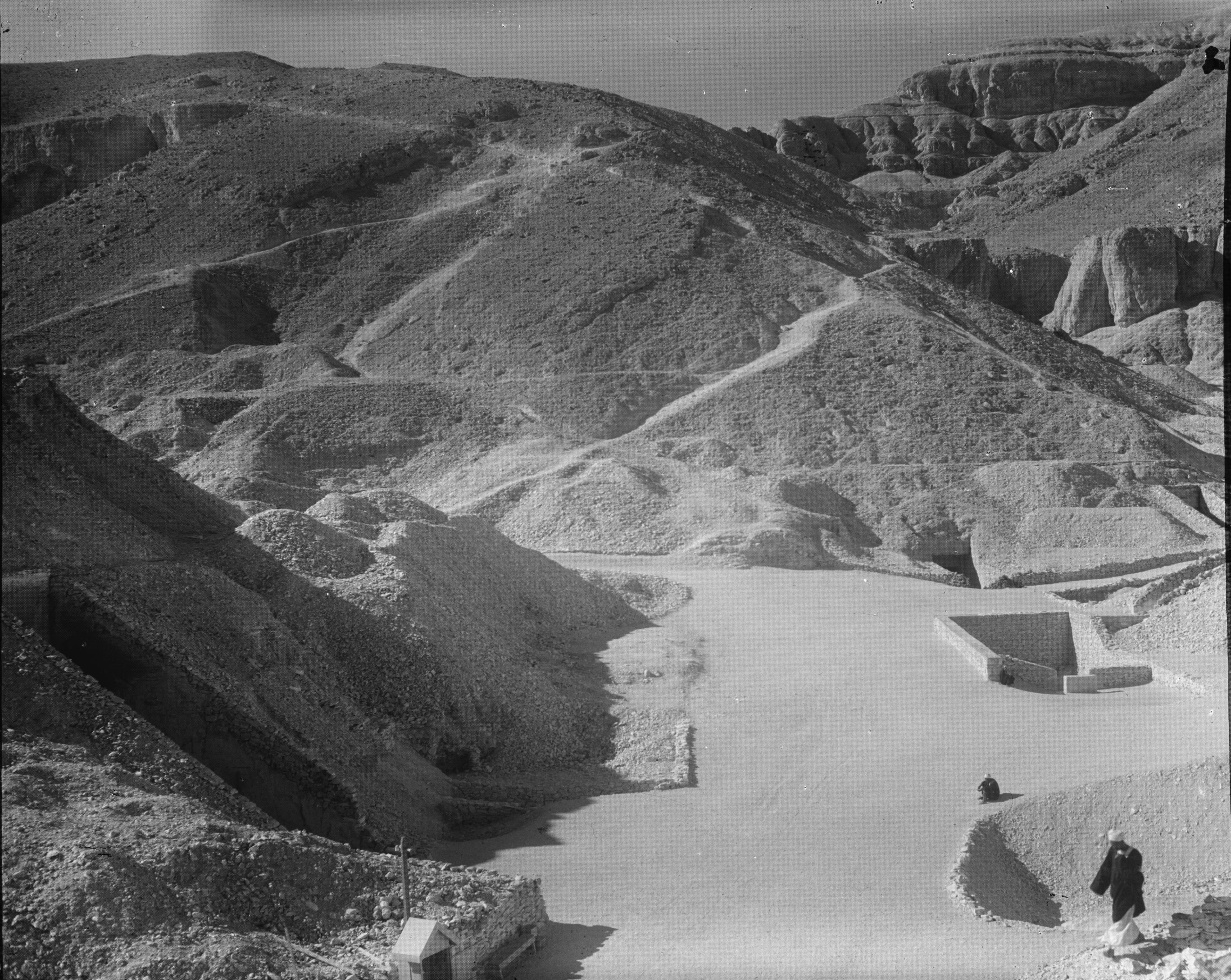
Vydejte se na jedinečnou cestu srdcem starověkého Egypta, pečlivě vytvořenou pro náročné cestovatele. Tato expedice „Luxury Private“ od Travel Joy Egypt nabízí…
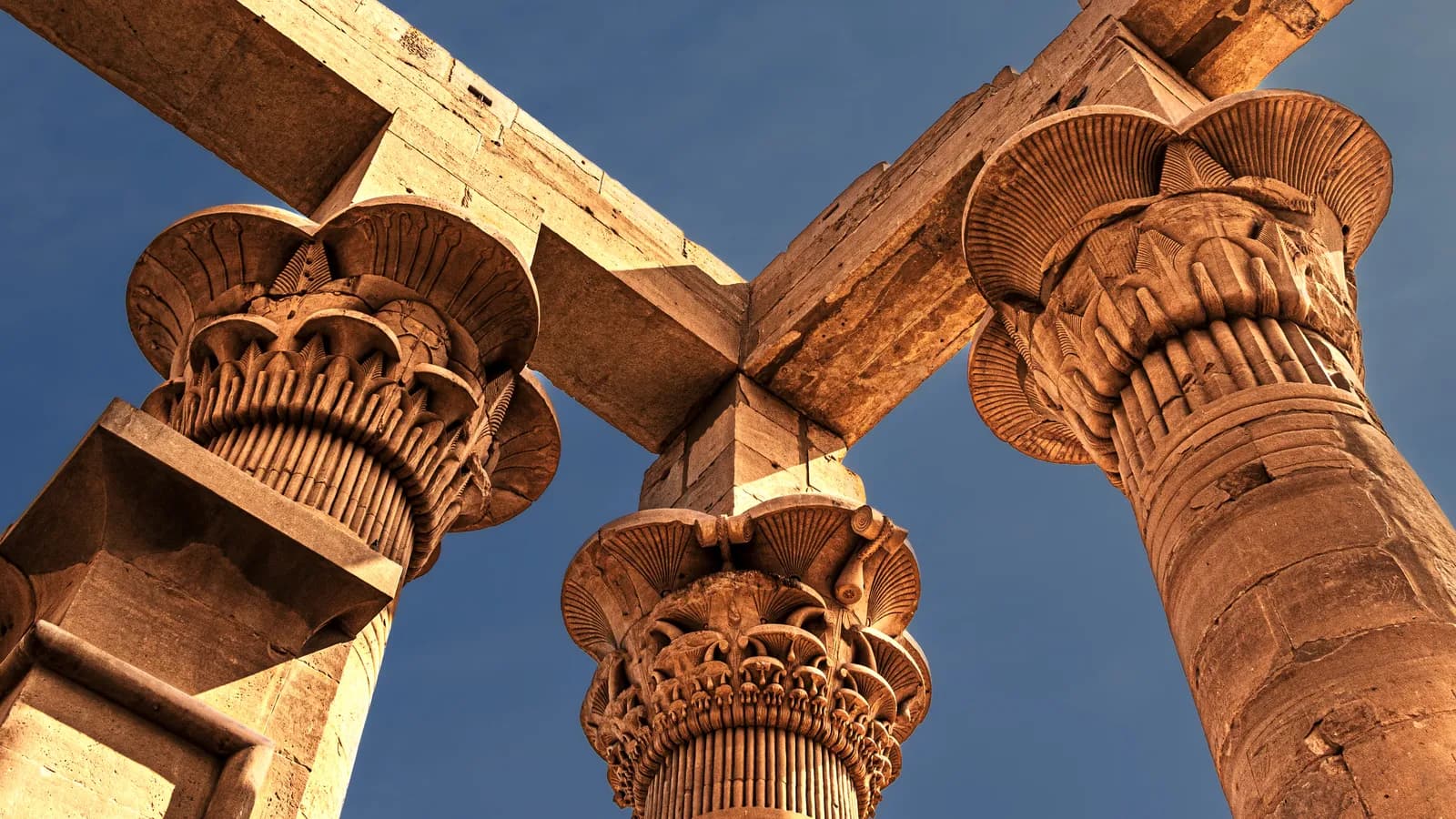
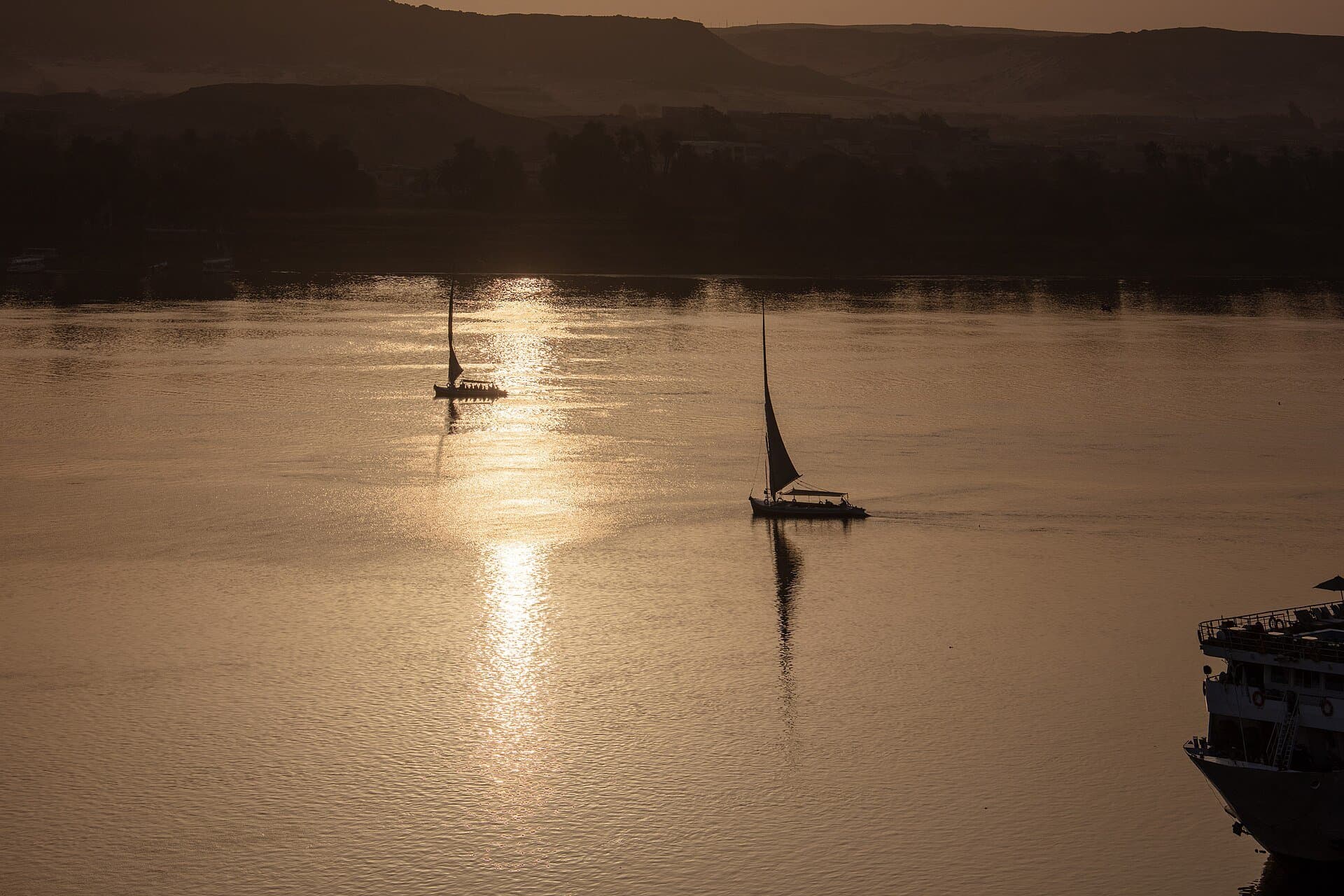
Poslední paprsky slunce, ohnivě oranžové, líbají chrám Kom Ombo, zatímco naše felucca klouže z Aswanu. Tato večerní plavba 'Felucca pod hvězdami' odhaluje…

Věděli jste, že obelisk Hatshepsut, který nyní hrdě stojí v chrámu Karnak, byl původně určen pro místo podél Nilu v Aswanu? Dnes můžete klouzat kolem samotných…
Elefantínský ostrov — Frequently Asked Questions
Everything you need to know before visiting Elefantínský ostrov.