
Khan el-Khalili bazar: Tours, Tickets & Visitor Guide
About Khan el-Khalili bazar
O Khan el-Khalili Bazaar: Trvalá tapisérie obchodu a kultury v Káhiře
Ponořte se do spletitého káhirského tržiště, kde vůně koření, záře luceren a nádherné řemeslné výrobky evokují nadčasové kouzlo Arabské noci. Khan el-Khalili Bazaar přesahuje pouhou nákupní destinaci; je živým, dýchajícím důkazem trvalého obchodního ducha Káhiry a hlubokého kulturního bohatství. Až budete procházet jeho historickými vchody, připravte se na strhující smyslový zážitek. Vzduch je bohatý na vůni exotického koření, čerstvě uvařené kávy a voňavé vodní dýmky.
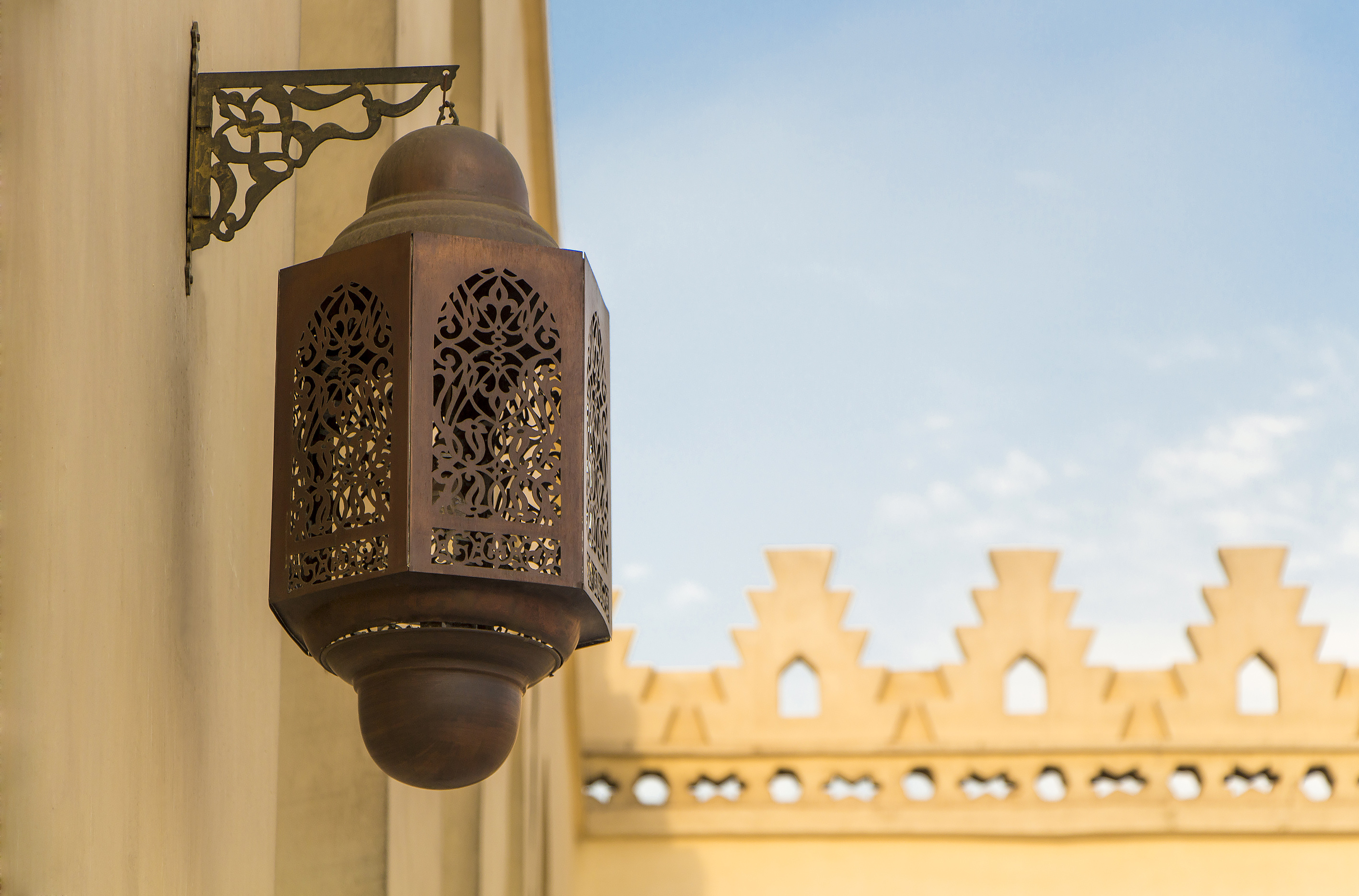
Sluneční světlo proniká přes jemnou mříž, osvětlující stánky přetékající třpytivými šperky, ručně tepaným měděným nádobím, zářivými textiliemi a pečlivě zpracovaným koženým zbožím. Tento živý trh nabízí jedinečnou příležitost spojit se přímo s egyptskými řemeslníky a obchodníky. Pozorujte stříbrníky, kteří přesně tvarují drahé kovy, mědikovce, kteří vytvářejí složité vzory, a kaligrafy, kteří vytvářejí umělecká díla na míru.
Za hlavními tepnami vedou úzké stezky do skrytých dílen a tradičních kaváren (ahwas), kde se místní scházejí u silné turecké kávy a živé konverzace. Objevíte vše od autentických suvenýrů po jedinečné poklady, a to vše při nasáknutí atmosféry, která okouzluje návštěvníky po staletí.

Khan el-Khalili je víc než jen trh; je to živý, historický ekosystém, který se přizpůsoboval a prosperoval více než 600 let. Jeho trvalá přitažlivost spočívá v jeho schopnosti nabídnout skutečný kousek tradičního egyptského života spolu s neuvěřitelnou řadou zboží. Bazar mistrně spojuje minulost a současnost, kde se prastaré obchodní praktiky snoubí s moderním obchodem. Jeho jedinečný charakter je definován:
- Smyslové přetížení (tím nejlepším způsobem): Kaleidoskop pohledů, zvuků a pachů je opravdu nezapomenutelný. Volání prodejců, cinkání kovu o kov, mumlání konverzací a nesčetné množství vůní vytváří pohlcující prostředí, které se nepodobá žádnému jinému.
- Autentické řemeslné zpracování: Na rozdíl od sériově vyráběných předmětů je většina toho, co najdete v Khan el-Khalili, ručně vyráběna. To poskytuje příležitost k nákupu jedinečných, vysoce kvalitních předmětů přímo od řemeslníků, kteří je vytvářejí, což zajišťuje kus skutečného egyptského umění.
- Historický význam: Počátky bazaru sahají do éry mamlúků, konkrétně do roku 1382 n. l., kdy Emir Djaharks el-Khalili zadal stavbu významného místa pro cestovatele Caranas a obchodníků. dřívější Fátimský hřbitov. Tato původní struktura sloužila jako zásadní obchodní uzel, usnadňovala výměnu zboží mezi Egyptem, Asií a Afrikou, čímž se oblast stala životně důležitým obchodním centrem. Pod osmanskou nadvládou zažil bazar značnou expanzi a přestavbu, čímž se upevnila jeho role obchodního srdce Káhiry.
- Kulturní ponoření: Je to místo, kde můžete posedět v tradiční kavárně, popíjet mátový čaj a sledovat svět, jak to dělají Egypťané po generace. Je to interaktivní zážitek, který podporuje zapojení místních obyvatel a hlubší pochopení káhirské sociální struktury.
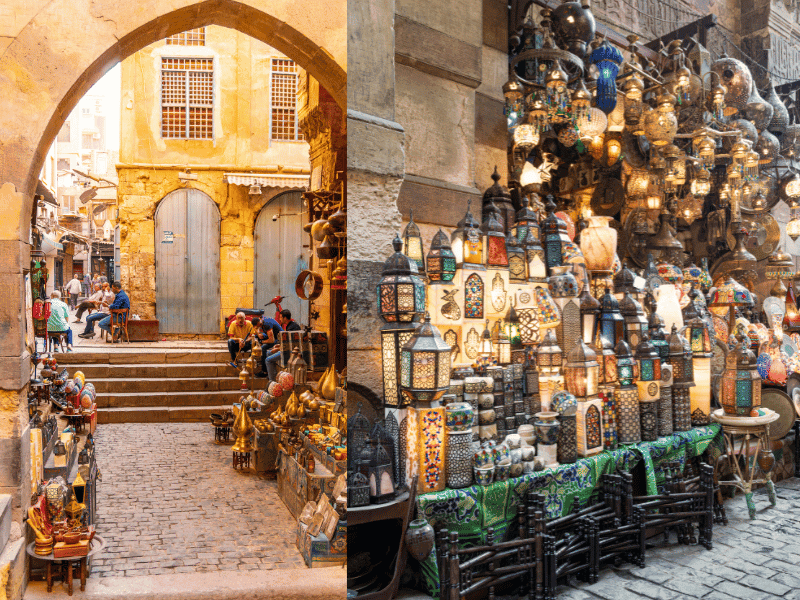
nepochybně Co čerpat, co dělat. Khan el-Khalili nabízí mnohem více:- Prozkoumejte labyrintové uličky: Projděte se úzkými křivolakými uličkami, přičemž každá zatáčka odhaluje nové objevy. Najdete zde specializované sekce věnované zlatu, koření, textilu a dalším.
- Navštivte kavárnu El-Fishawy: Jedna z nejstarších a nejznámějších kaváren v Káhiře, El-Fishawy (známá také jako „Café of Mirrors“) slouží svým zákazníkům již více než 200 let. Je to perfektní místo k odpočinku, vychutnání si tradičního egyptského piva a nasávání atmosféry.
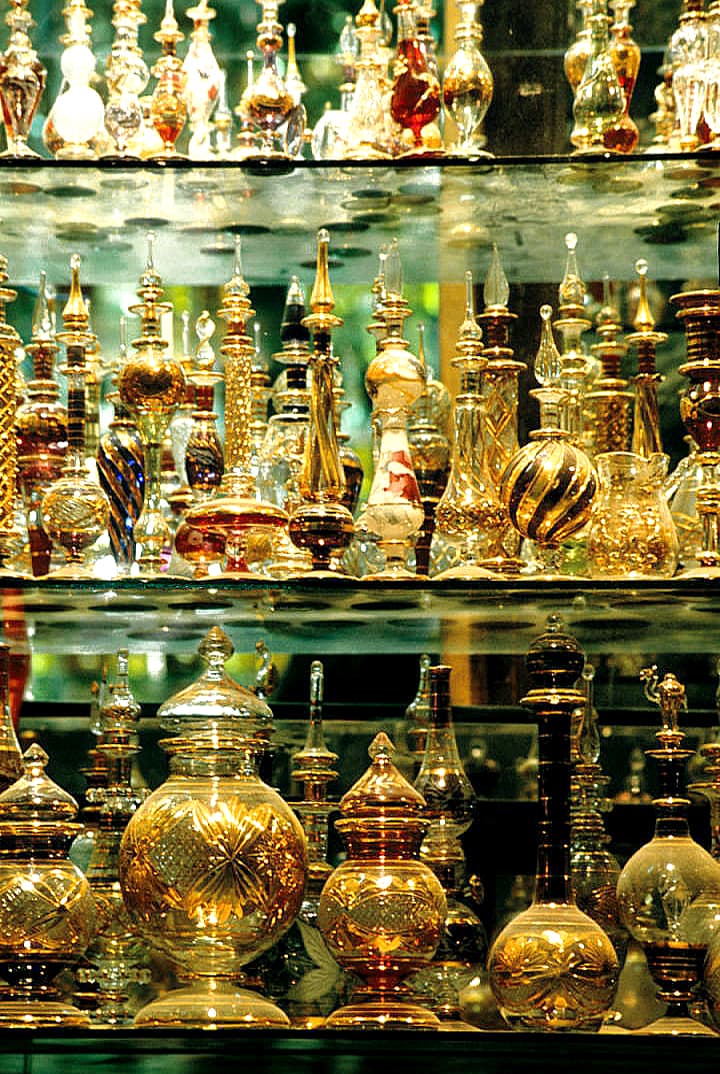
- Nakupujte poklady: Od nádherných šperků a tradičního měděného zboží po živé kostýmy na břišní tance, ručně foukané sklo, umění z papyru, zakázkové parfémy a složitě vyřezávané dřevěné krabice – rozmanitost je nekonečná. Nezapomeňte si procvičit své vyjednávací schopnosti!
- Pozorujte řemeslníky při práci: Mnoho obchodů funguje také jako dílny, kde můžete sledovat řemeslníky při jejich řemeslech – stříbrníci, mědikovci, kožedělníci a kaligrafové hrdě předvádějí své dovednosti.
- Objevte mešity a Madrasas, což znamená, že jste jen bazilika islámu, což znamená, že Cairo je jen historickým islámem. daleko od architektonických zázraků, jako je mešita Al-Hussein a mešita Al-Azhar, a přidá vaší návštěvě důležitý kulturní rozměr.

Jak se tam dostat:
- Prozkoumejte labyrintové uličky: Projděte se úzkými křivolakými uličkami, přičemž každá zatáčka odhaluje nové objevy. Najdete zde specializované sekce věnované zlatu, koření, textilu a dalším.
- Navštivte kavárnu El-Fishawy: Jedna z nejstarších a nejznámějších kaváren v Káhiře, El-Fishawy (známá také jako „Café of Mirrors“) slouží svým zákazníkům již více než 200 let. Je to perfektní místo k odpočinku, vychutnání si tradičního egyptského piva a nasávání atmosféry.
- Nakupujte poklady: Od nádherných šperků a tradičního měděného zboží po živé kostýmy na břišní tance, ručně foukané sklo, umění z papyru, zakázkové parfémy a složitě vyřezávané dřevěné krabice – rozmanitost je nekonečná. Nezapomeňte si procvičit své vyjednávací schopnosti!
- Pozorujte řemeslníky při práci: Mnoho obchodů funguje také jako dílny, kde můžete sledovat řemeslníky při jejich řemeslech – stříbrníci, mědikovci, kožedělníci a kaligrafové hrdě předvádějí své dovednosti.
- Objevte mešity a Madrasas, což znamená, že jste jen bazilika islámu, což znamená, že Cairo je jen historickým islámem. daleko od architektonických zázraků, jako je mešita Al-Hussein a mešita Al-Azhar, a přidá vaší návštěvě důležitý kulturní rozměr.
Jak se tam dostat:
Khan el-Khalili se nachází v srdci islámské Káhiry a je snadno dostupný:
- Aplikace pro taxi/jízdu: Toto je často nejpohodlnější možnost. Jednoduše řekněte svému řidiči 'Khan el-Khalili' nebo 'Hussein Mosque'. Domluvte se na ceně předem nebo použijte taxík/aplikaci s měřením.
- Metro: Nejbližší stanice metra je Attaba Square. Odtud je to k bazaru svižnou 15–20 minutovou procházkou nebo krátkou jízdou taxíkem.
- Autobus: V blízkosti oblasti prochází mnoho místních autobusových linek, ale navigace po nich může být pro návštěvníky, kteří je poprvé navštíví, náročná.
Vstupenky a vstup:
Do samotného Bazaar Khanili se neplatí žádné vstupné. Jednoduše vejdete dovnitř a začnete objevovat. Jednotlivé obchody a kavárny si za své zboží a služby samozřejmě účtují poplatky.
Potřebný čas:
Abyste Khan el-Khalili skutečně zažili, doporučujeme vyhradit si alespoň 3–4 hodiny. To poskytuje dostatek času na procházení, vyjednávání, vychutnávání si kávy a možná i návštěvu blízké mešity. Pokud jste vášniví zákazníci, můžete strávit klidně půl dne nebo více.

Nejlepší čas na návštěvu a tipy pro příjemný zážitek
Nejlepší čas:
- Pracovní dny: I když je vždy rušno, všední dny bývají o něco méně přeplněné než víkendy (v Egyptě pátek a sobota).
Tipy:
- Slevujte s úctou: Smlouvání se očekává a je součástí zábavy! Začněte tím, že nabídnete zhruba polovinu požadované ceny a zdvořile vyjednávejte. Buďte připraveni odejít, pokud se nemůžete dohodnout na spravedlivé ceně – často vám prodejce zavolá.
- Oblečte se skromně: I když to není striktně vyžadováno, doporučuje se oblékat se uctivě (zakrytá ramena a kolena), zvláště když se budete nacházet v těsné blízkosti náboženských míst.
- Zůstaňte hydratovaní:Káhirská voda může být teplá. Pozor na svůj majetek: Jako na každém rušném tržišti může dojít ke kapesním krádežím. Buďte si vědomi svého okolí.
- Přijměte chaos: Khan el-Khalili je živé, někdy ohromující místo. Jděte s otevřenou myslí, smyslem pro dobrodružství a vychutnejte si jedinečnou energii.
- Vyzkoušejte místní lahůdky: Nenechte si ujít ochutnávku tradičních egyptských sladkostí nebo pouličního jídla od renomovaných prodejců.

Návštěva Khan el-Khalili je nezapomenutelnou cestou do srdce káhirského obchodního a kulturního dědictví. Je to místo, kde historie našeptává z každého kamene a kde se nadále daří duchu obchodu a řemesla a nabízí skutečně autentické egyptské dobrodružství.
Historical Significance
Trvalé dědictví Khan el-Khalili
Historie Khan el-Khalili je stejně bohatá a mnohostranná jako rozmanité zboží, které nabízí. Jeho počátky sahají do mamlúcké éry, konkrétně do roku 1382 n. l., kdy Emir Djaharks el-Khalili, vysoce postavený úředník pod vedením sultána Barquqa, zadal stavbu rozsáhlého karavanseraje (hostinec u cesty pro cestovatele a obchodníky) na místě dřívějšího hřbitova Fatimid. Tato původní struktura sloužila jako zásadní obchodní uzel, který usnadňoval výměnu zboží mezi Egyptem, Asií a Afrikou.
- Základy 14. století: Původní karavanserai, známý jako „chán“, poskytoval ubytování obchodníkům a bezpečné úložiště pro jejich zboží, čímž se tato oblast stala životně důležitým obchodním centrem. bazar zaznamenal výrazný růst, přibyly nové ulice, obchody a kavárny. Stala se základní složkou káhirské ekonomiky a přitahovala obchodníky z celé Osmanské říše i mimo ni.
- Trvalé tradice: Navzdory průběhu staletí a četným politickým posunům si Khan el-Khalili udržel svou základní roli jako tržiště. Mnohá z řemesel, která se zde dnes provozují, jako je měditečenství, výroba šperků a míchání koření, se věrně dědí po generace řemeslníků.
- Kulturní význam: Kromě své komerční funkce je bazar již dlouho kulturním a společenským tavicím kotlíkem, místem, kde se sdílejí příběhy, uzavírají dohody a může být skutečně pulzujícím pulzem Káhiry. Zůstává dynamickým důkazem nepřetržité historie Káhiry jako globálního obchodního centra.
Tours Visiting Khan el-Khalili bazar
Private, Egyptologist-guided experiences with tickets and transfers handled for you.
Tato podmanivá 12hodinová prohlídka Káhiry slibuje obohacující cestu starodávnými divy města i moderními požitky. Hosté budou osobně doprovázeni k ikonickým…

Travel Joy Egypt nabízí jednodenní výlet z Port Sokhna pro návštěvníky, aby objevili staroegyptskou historii a kulturu v Káhiře přes její slavné pyramidy,…

Travel Joy Egypt zve hosty výletních plaveb, aby strávili nezapomenutelný den prozkoumáváním ikonických míst v Káhiře, včetně rozsáhlého pyramidového komplexu…
Tato malá skupinová prohlídka Egypta vezme cestovatele na archeologické dobrodružství, aby prozkoumali nejbohatší místa podél údolí řeky Nilu. Od pyramid v…

Travel Joy Egypt nabízí vzrušující 10denní turné zahrnující Egypt a nejznámější místa Jordánska. Prohlídka začíná v Káhiře návštěvou pyramid, Egyptského muzea…

Připojte se k Jessice na 10denním dobrodružství srdcem starověkých civilizací. Prozkoumejte majestátní pyramidy v Gíze, plavte se po řece Nil a žasněte nad…
Khan el-Khalili bazar — Frequently Asked Questions
Everything you need to know before visiting Khan el-Khalili bazar.