
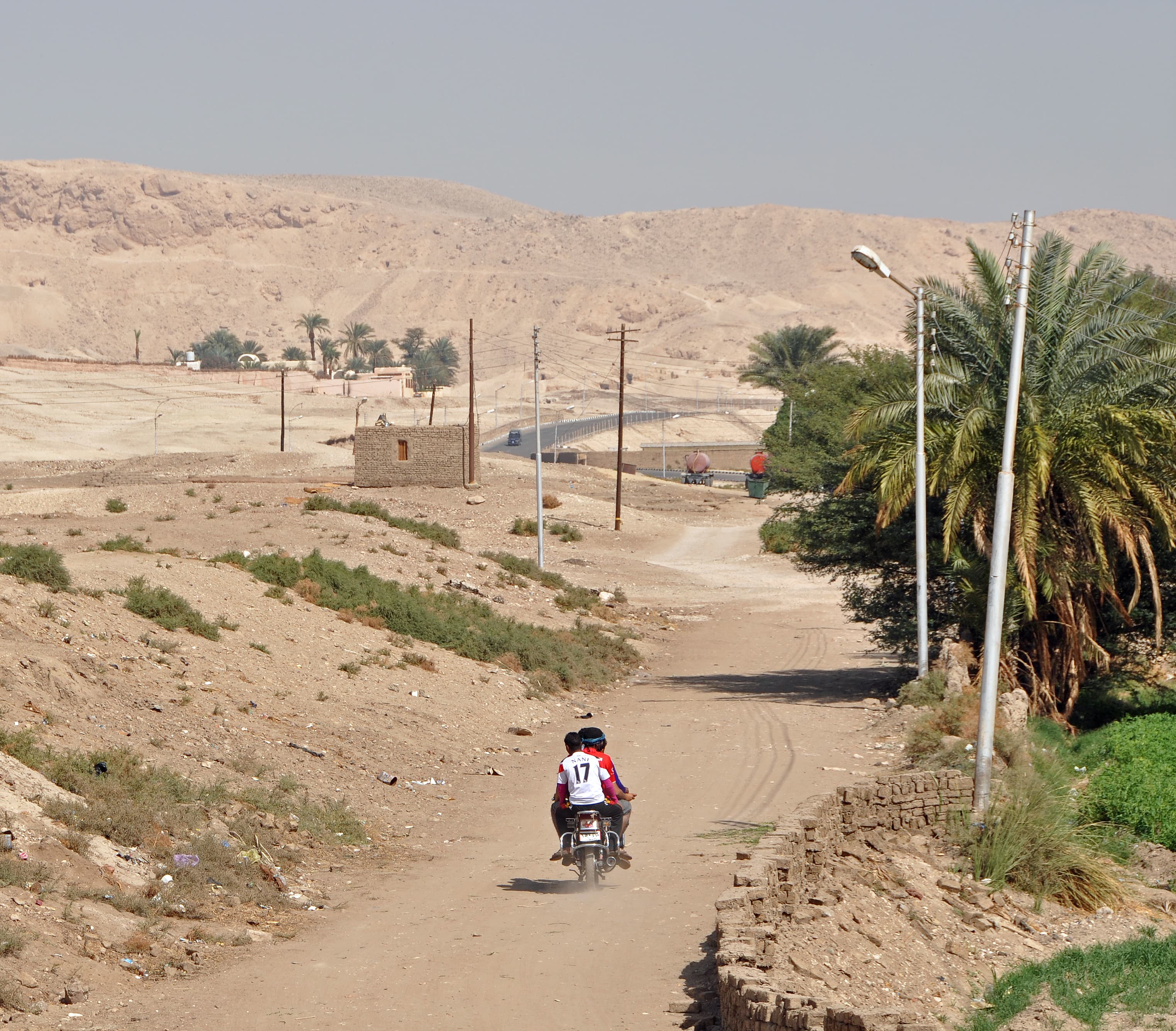
About Medinet Habu
Cesta časem v Medinet Habu
Vstupte do světa, kde starověké barvy stále září pozoruhodnou živostí a historie je vytesána s dechberoucími detaily na kolosálních kamenných stěnách. Medinet Habu, monumentální pohřební chrám Ramsese III., je skrytý klenot na západním břehu Luxoru, často zastíněný svými slavnějšími protějšky, přesto však nabízí bezkonkurenční pohled na velkolepost a výzvy Nového království.
Na rozdíl od mnoha známých historických míst si Medinet Habu zachovává pozoruhodný stupeň své původní živé barevnosti, což poskytuje náhled na uměleckou zdatnost své doby, kterou jen málo jiných míst může překonat. Když se budete procházet jeho rozsáhlými nádvořími a velkolepými hypostylovými sály, ocitnete se ponořeni do vyprávění vytesaného do kamene, živé kroniky, která podrobně popisuje nejen božské spojení a náboženské obřady faraona, ale také tvrdé reality jeho vlády.
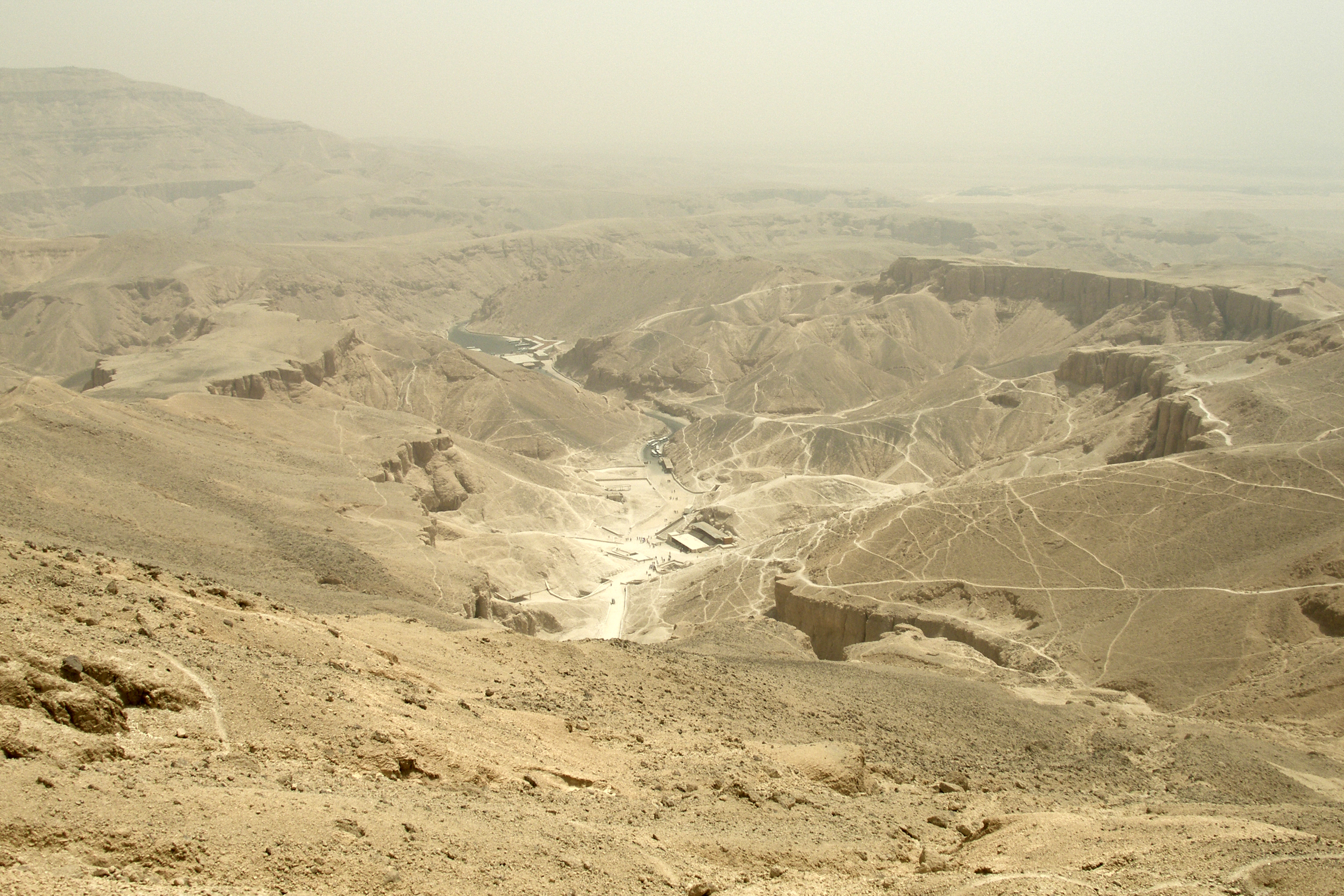
Co dělá Medinet Habu výjimečným?
Medinet Habu je víc než jen chrám; byl navržen Ramsesem III. (c. 1186–1155 př. n. l.) jako opevněný palác a administrativní centrum, odrážející bouřlivé období pozdního Nového království. Jeho strategická poloha a impozantní obranné zdi vypovídají o vnějších hrozbách a vnitřních konfliktech, které definovaly jeho vládu. Ramses III. záměrně modeloval svůj chrám po Ramesseu, pohřebním chrámu Ramsese II., s cílem replikovat velkolepost svého význačného předchůdce a zajistit si své místo v historii.
Tato ambice je patrná v každém pečlivě vyřezávaném reliéfu a vznešeném sloupu.
Stěny chrámu slouží jako primární zdroj pro pochopení vlády Ramsese III., zejména jeho vojenských tažení proti tajemným mořským národům, Libyjcům a dalším protivníkům. Připravte se být okouzleni úchvatnými reliéfy, které ilustrují tyto triumfy, zejména dramatické námořní bitvy proti mořským národům – klíčová událost v historii starověkého Egypta, zachycená s dechberoucí precizností a silou.
Kromě bitevních scén odhalte složité zobrazení každodenní existence, od zemědělských činností a obětování božstvům až po rušné aktivity uvnitř královského palácového komplexu, který kdysi zahrnoval chrámové pozemky. Medinet Habu je svědectvím jak umělecké dovednosti, tak strategické vynalézavosti starověkého Egypta.
Co vidět v Medinet Habu
První pylón a nádvoří
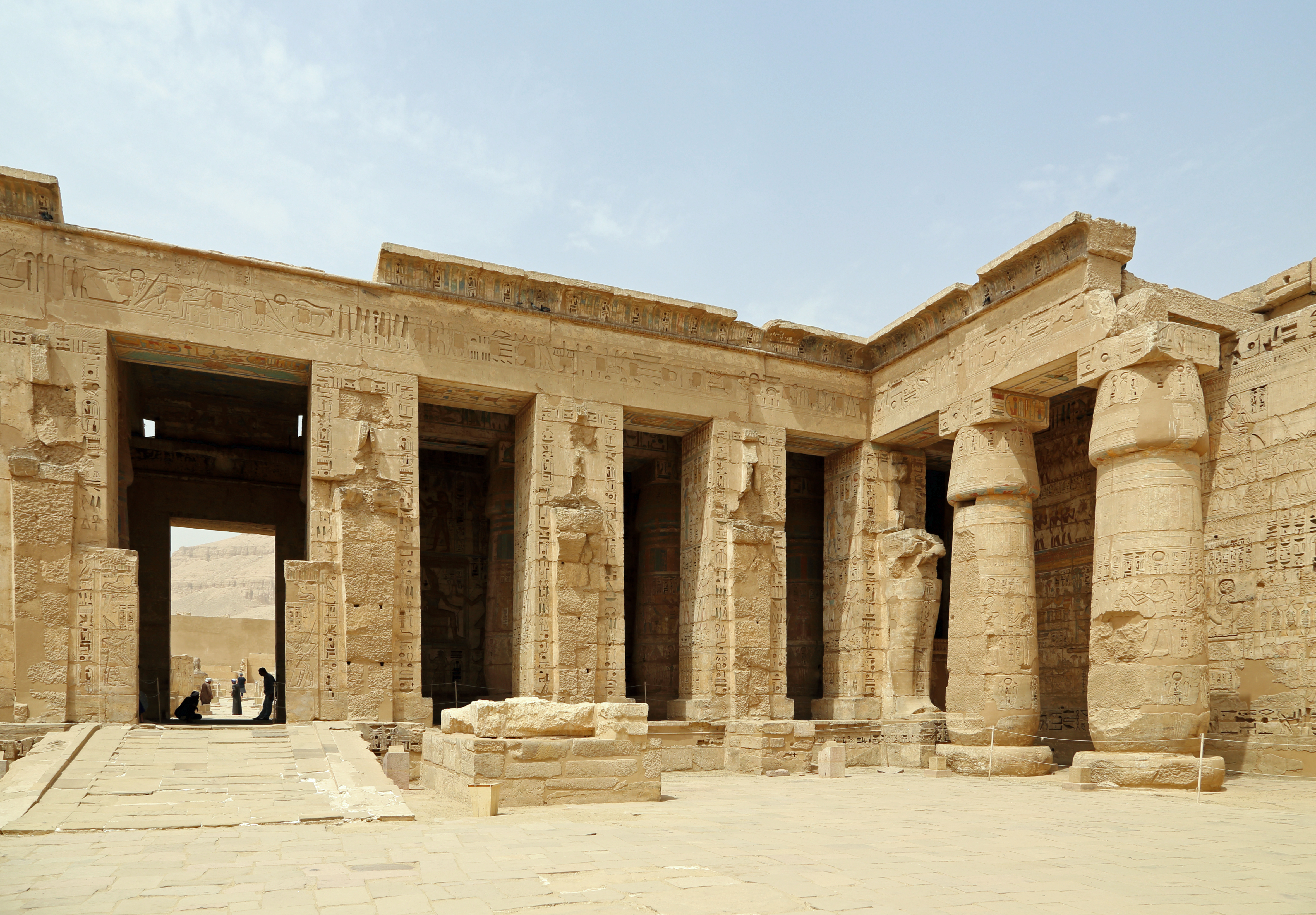
Vaše cesta začíná u impozantního Prvního pylónu, masivní brány zdobené scénami Ramsese III, jak poráží své nepřátele. Za ním se nachází První nádvoří, kde vás ohromí dobře zachované barvy na kolosálních sochách a reliéfech. Toto nádvoří zobrazuje faraonovy vítězství a jeho vztah s bohy, čímž nastavuje scénu pro vyprávění chrámu.
Královský palác a Vysoká brána
Na jih od prvního nádvoří můžete prozkoumat zbytky komplexu královského paláce. Vysoká brána, nebo Palác pavilonu, je obzvlášť jedinečná, připomínající syrskou migdolovou pevnost. Její horní patra, ačkoliv většinou zničená, by sloužila jako osobní rezidence faraona, nabízející fascinující pohled do královského života uvnitř opevněného chrámu.
Druhé nádvoří a hypostylové sály
Pokračováním skrze Druhý pylón vstoupíte do Druhého nádvoří, které se vyznačuje živějšími reliéfy a zbytky kolosálních osiridských soch. Za tímto nádvořím se nachází Velký hypostylový sál, ačkoliv poškozený zemětřeseními a těžbou kamene, stále vyzařuje obrovské měřítko. Menší hypostylové sály a svatyně hlouběji uvnitř chrámu odhalují složité scény náboženských rituálů, obětí a božské komunikace faraona.
Reliéfy bitev
Snad nejznámějšími prvky Medinet Habu jsou podrobné reliéfy bitev. Na vnějších zdech, zejména na severní stěně, můžete vidět dramatické zobrazení střetů Ramsese III s mořskými národy. Tyto dynamické scény, včetně námořních bitev a pozemních střetů, poskytují neocenitelné historické a umělecké pohledy na jeden z nejzáhadnějších konfliktů starověku.
Jak navštívit Medinet Habu
- Doprava: Medinet Habu se nachází na západním břehu Luxoru. Snadno se k němu dostanete pronájmem taxi nebo jako součástí organizovaného zájezdu, který obvykle zahrnuje i další místa na západním břehu, jako je Údolí králů a královen. Trajektky pravidelně přejíždějí Níl z východního břehu a odtud jsou taxi snadno dostupná.
- Vstupenky: Vstupenky se kupují u vstupní brány na místo. Je doporučeno zkontrolovat aktuální ceny před vaší návštěvou, ale obvykle jsou velmi rozumné.
- Čas potřebný: Vyhraďte si alespoň 2-3 hodiny, abyste plně ocenili Medinet Habu. Jeho rozsáhlé uspořádání a obrovské množství detailů na jeho stěnách si zaslouží důkladné prozkoumání. Mnoho návštěvníků zde tráví více času, okouzleni barvami a příběhy.
Nejlepší čas na návštěvu a tipy
- Nejlepší čas: Chladnější měsíce od října do dubna jsou ideální pro návštěvu Luxoru. Během těchto měsíců jsou teploty mnohem příjemnější pro prozkoumávání venkovních míst. Příjezd brzy ráno, krátce po otevření, nebo později odpoledne vám umožní vyhnout se polednímu horku a větším davům.
- Co si vzít: Noste pohodlnou obuv na chůzi, klobouk, sluneční brýle a opalovací krém s vysokým SPF. Vezměte si dostatek vody, zejména během teplejších měsíců, protože budete hodně chodit na slunci.
- Fotografie: Fotografování je obecně povoleno, ale vždy zkontrolujte aktuální předpisy při vstupu. Živé barvy uvnitř jsou skutečně spektakulární, takže se ujistěte, že váš fotoaparát je připraven!
- Věnujte se detailům: Nespěchejte skrze Medinet Habu. Věnujte čas zkoumání složitých detailů reliéfů. Příběhy, které vyprávějí, jsou hluboké a nabízejí jedinečný pohled do života a doby Ramsese III.
- Zvažte průvodce: Znalý egyptolog může oživit příběhy Medinet Habu, podrobně vysvětlit hieroglyfy a historický kontext, což vaši návštěvu učiní ještě obohacující.
Historical Significance
Pevnost a dědictví
Stavba Medinet Habu začala za vlády Ramsese III. (asi 1186–1155 př. n. l.), který ji chápal nejen jako svůj zádušní chrám, ale také jako opevněný palác a administrativní centrum. Jeho strategická poloha a impozantní obranné zdi zdůrazňují bouřlivé období pozdní Nové říše, charakterizované vnějšími hrozbami a vnitřními konflikty.
Ramses III záměrně vymodeloval svůj chrám podle Ramessea, zádušního chrámu Ramsese II, s cílem napodobit vznešenost svého význačného předchůdce a zajistit si své vlastní místo v historii.
- Ramses III's panství: Chrám slouží jako primární zdroj pro pochopení vlády Ramsese III, zejména jeho vojenských tažení proti mořským národům, Libyvers ostatním lidem adligy. Význam: Kromě svých vojenských vyobrazení fungoval Medinet Habu jako významné kultovní centrum boha Amona s posvátným jezerem a kaplemi zasvěcenými různým božstvům.
- Využití po Nové říši: Po úpadku Nové říše zůstal chrámový komplex obydlen, s částmi přeměněnými na koptské křesťanské osídlení, které za sebou zanechalo výrazné architektonické a ArliaeArliae. Objevy: Rozsáhlé vykopávky v průběhu 19. a 20. století prováděné různými týmy, včetně Orientálního institutu Chicagské univerzity, odhalily plný rozsah a význam chrámu.
Tours Visiting Medinet Habu
Private, Egyptologist-guided experiences with tickets and transfers handled for you.

Velká pyramida v Gíze, monumentální inženýrský výkon, který na této cestě uvidíte, původně měřila přes 480 stop. Během jedenácti dnů vás průvodci Travel Joy…
Zatímco moderní život pulzuje napříč Nilem v Luxoru, Západní břeh šeptá příběhy z minulých milénií, což je ostrý a dojemný kontrast, který na této denní…
Potopte se do tisícileté velkoleposti Luxoru s naším pečlivě sestaveným 3denním objevováním. Cestujte hluboko do srdce starověkých Théb, odhalující královské…

Zatímco moderní Luxor pulsuje životem, hned naproti Nilu odpočívá město mrtvých v hlubokém tichu, což je pozoruhodná dualita, kterou prozkoumáme během čtyř…
Medinet Habu — Frequently Asked Questions
Everything you need to know before visiting Medinet Habu.