
Chrám Hatšepsut: Prohlídky, Vstupenky a Průvodce pro návštěvníky
O Chrámu Hatšepsut
Objevte chrám Hatshepsut: Důkaz o ženské faraoně starověkého Egypta
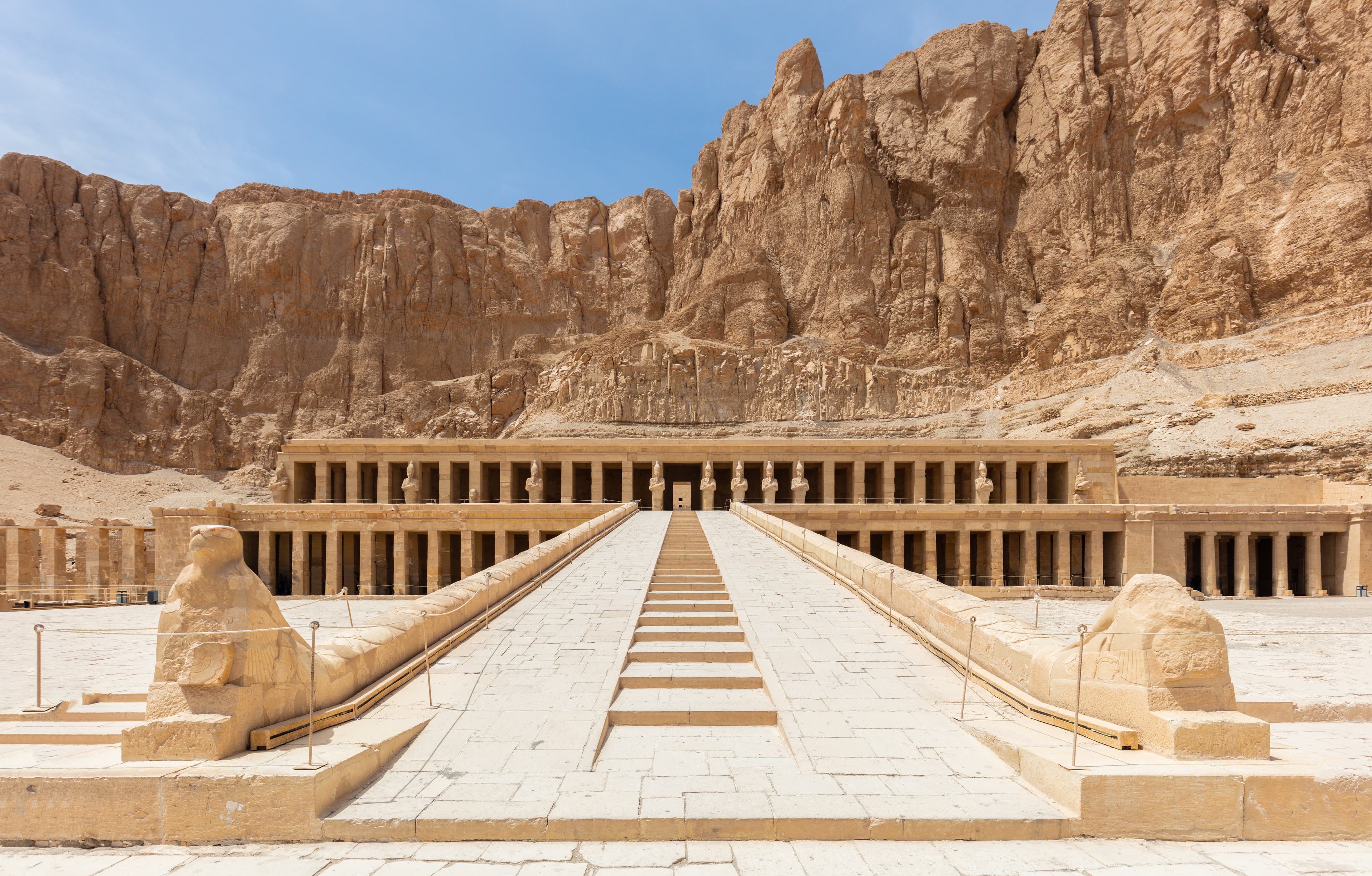
Vydejte se na fascinující cestu k pohřebnímu chrámu, který ctí mocnou ženskou faraonku Egypta, Hatshepsut, ohromující architektonický zázrak zasazený proti dramatickým útesům Deir el-Bahari. Návštěva chrámu Hatshepsut nabízí bezkonkurenční setkání se starověkým uměním a představuje trvalou poctu jedné z nejvýjimečnějších vládců Egypta.
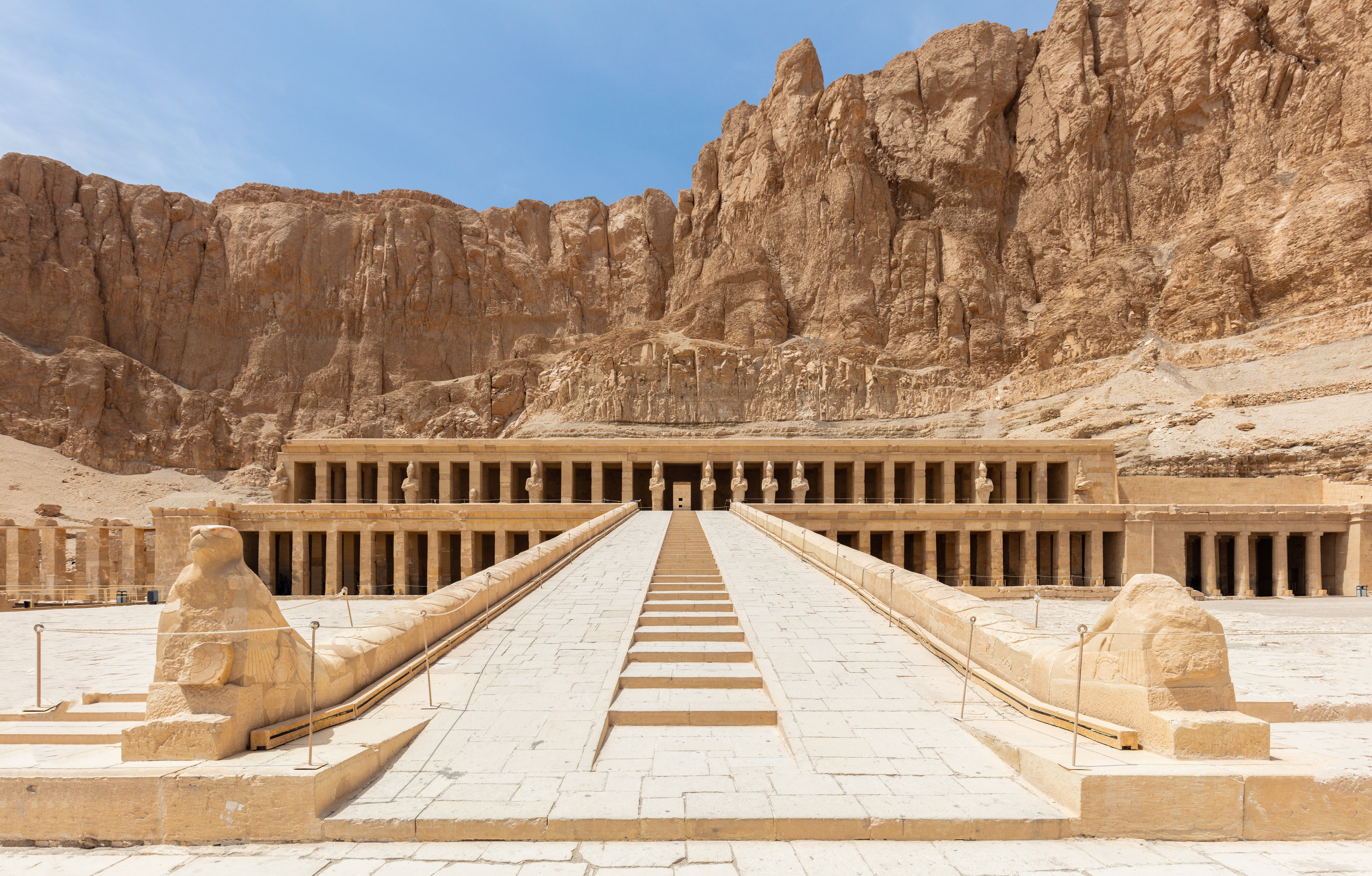
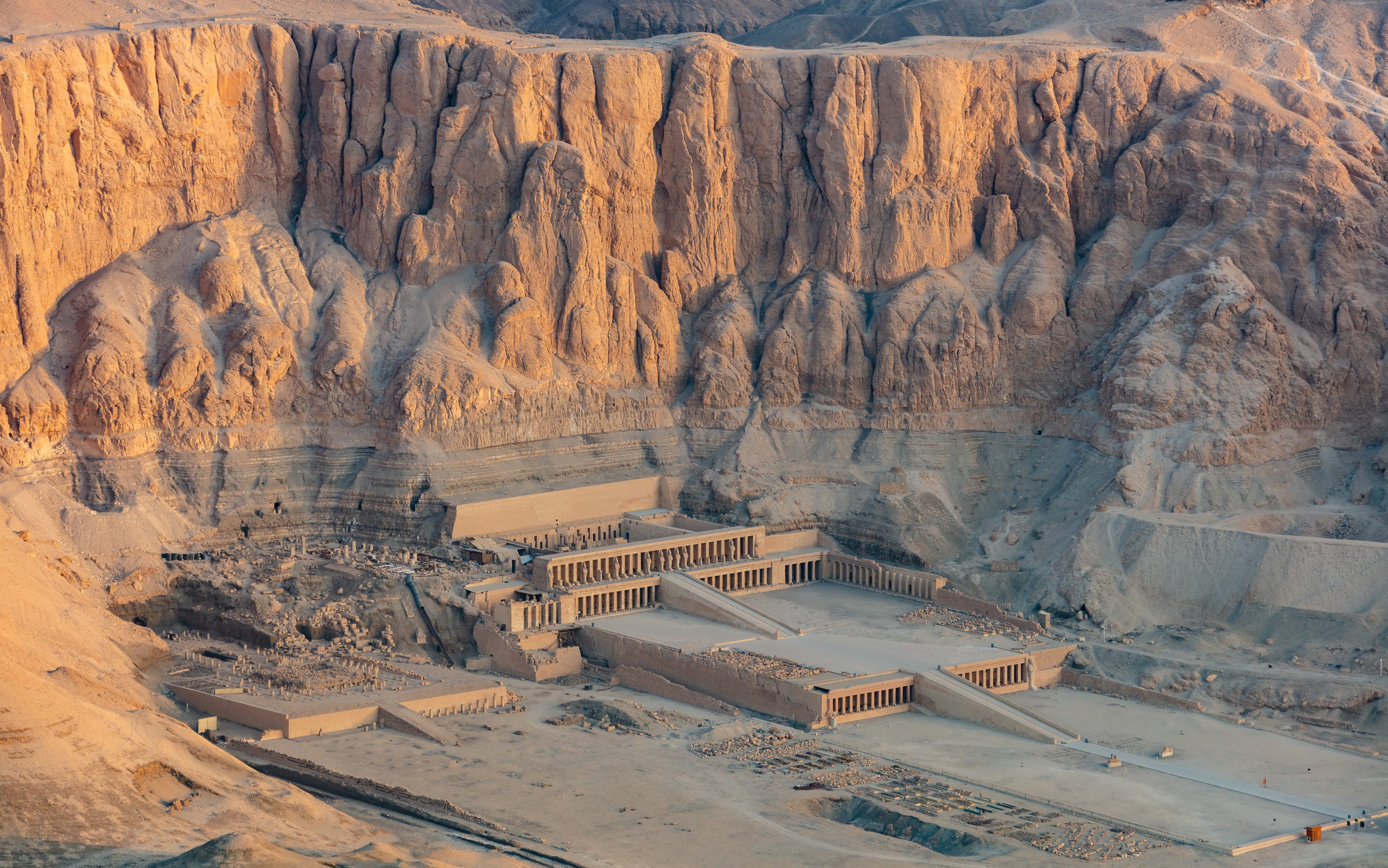
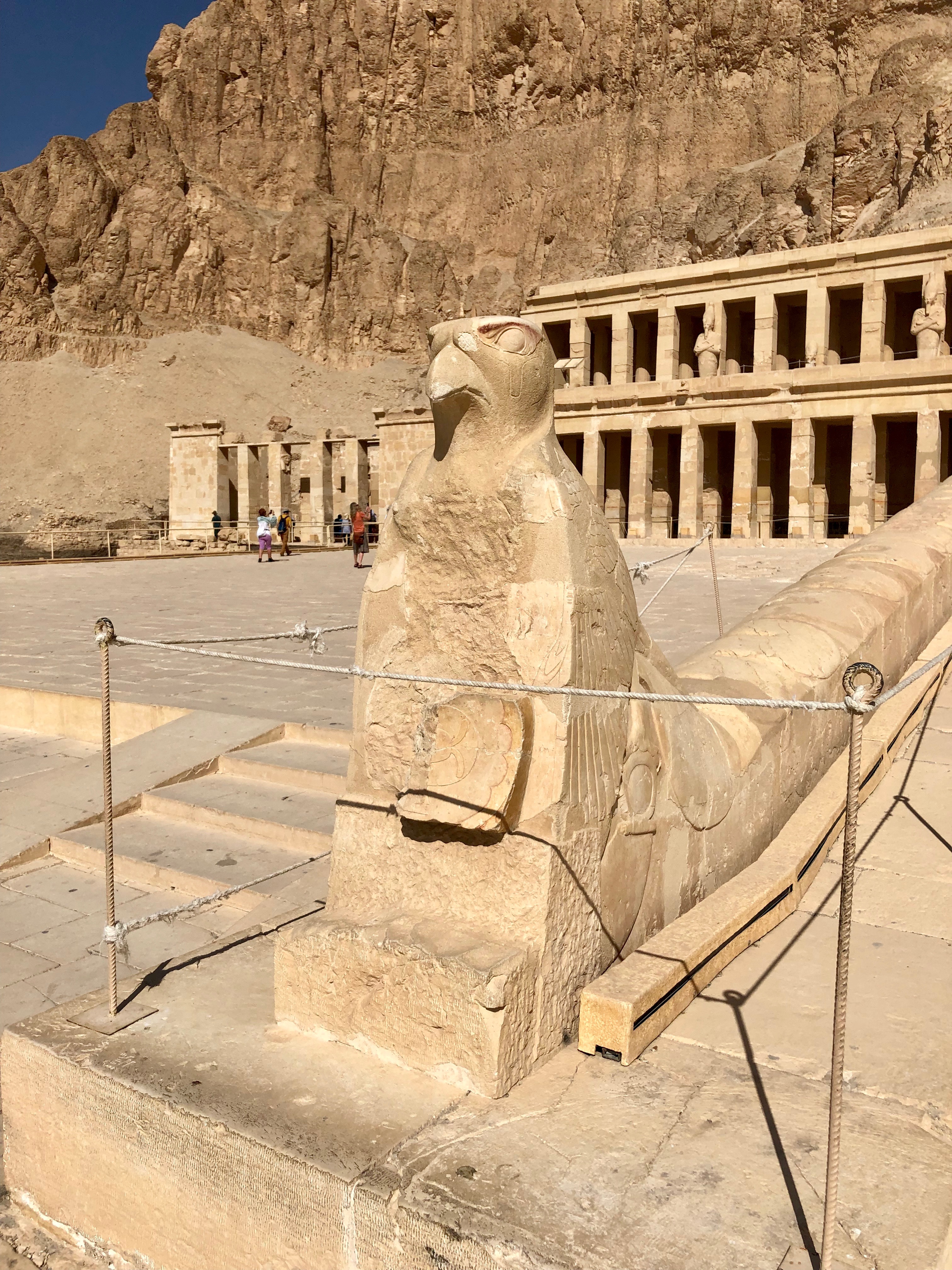
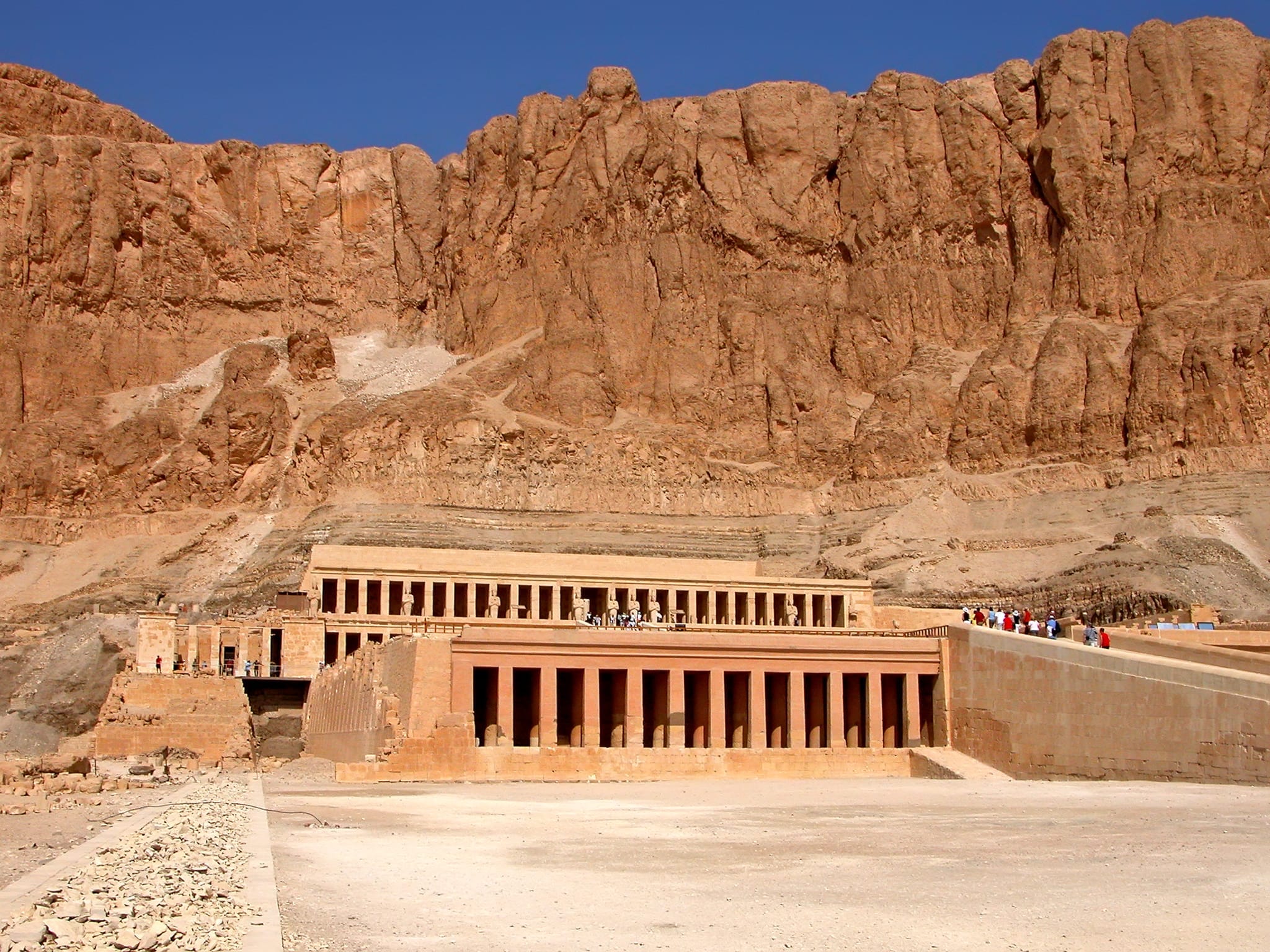
Když se přiblížíte, obdivujte tři majestátní terasy chrámu, propojené dlouhými rampami, které se elegantně zvedají z pouštní krajiny a poskytují výrazný kontrast k drsným thébským horám v pozadí. Tento revoluční design, jasný odklon od konvenčních chrámů s pylony a nádvořími, je široce připisován Hatshepsutově brilantnímu hlavnímu architektovi, Senenmutovi.
Prozkoumejte rozsáhlou první terasu, kdysi zdobenou bujnými zahradami a živými stromy, která vede k druhé terase. Zde obdivujte složitě vyřezávané reliéfy Puntské kolonády, které živě ilustrují Hatshepsutovu proslulou expedici do bájné země Punt – klíčovou obchodní misi, která přinesla cenné exotické zboží, jako je kadidlo, myrha a živé stromy. Vedle toho Kolonáda narození chronologicky zachycuje její božské narození a potvrzuje její legitimitu jako faraonky.
Tento pohřební chrám, který objednala faraonka Hatshepsut během 18. dynastie (přibližně 1479–1458 př. n. l.), byl koncipován nejen jako místo pro její kult po smrti, ale také jako velké prohlášení o její vládě a božském právu vládnout. Jeho charakteristická terasovitá forma, pečlivě vytesaná do přírodní skály, představovala odvážnou architektonickou inovaci, která ho odlišovala od ostatních chrámů Nového království.
Hatshepsutova vláda byla charakterizována širokým blahobytem a ambiciózními stavebními projekty, které byly poznamenány rozsáhlými obchodními expedicemi a rozkvětem uměleckého vyjádření. Chrám fungoval jako mocné prohlášení o její legitimity.
Co dělá chrám Hatshepsut výjimečným?
Chrám Hatshepsut je jedinečnou památkou ve starověké egyptské architektuře a historii z několika přesvědčivých důvodů:
- Revoluční architektura: Její terasovitý design, vytesaný přímo do vápencových útesů, byl v té době revoluční a dramaticky se lišil od typických uspořádání chrámů s pylony a nádvořími. Tento inovativní přístup, přisuzovaný jejímu hlavnímu architektovi Senenmutovi, vytvořil harmonickou kombinaci přírodní krajiny a monumentální struktury.
- Pocta ženské faraonce: Je to pohřební chrám jedné z nejúspěšnějších a nejmocnějších ženských vládců starého Egypta, faraonky Hatshepsut. Její příběh o vzestupu k moci a jejím prosperujícím panování je vytesán do samotných kamenů tohoto nádherného komplexu.
- Bohatá narativní reliefy: Stěny chrámu jsou zdobeny neuvěřitelně detailními a dobře zachovalými reliéfy, které slouží jako historické dokumenty. Zobrazují významné události jejího panování, včetně slavné expedice do Punt a vyprávění o jejím božském narození, což bylo klíčové pro legitimizaci její vlády.
- Symbol odolnosti: I přes pokusy vymazat její paměť z historie po její smrti chrám přežil, což nám umožnilo poskládat dohromady mimořádný život a úspěchy této pozoruhodné ženy.
Co vidět v Djeser-Djeseru (Svatyně svatyní)
Vaše cesta chrámem Hatshepsut je cestou jejím odkazem:
Velké terasy a rampy
Po příjezdu se jasně ukáže obrovská velikost chrámu. Tři hlavní terasy majestátně vystupují z pouštního dna, propojené dlouhými, jemnými rampami, které byly kdysi lemovány sfingami a stromy. Každá terasa nabízí jinou perspektivu a odhaluje nové detaily účelu chrámu.
První terasa
Tato rozsáhlá dolní úroveň, ačkoli dnes převážně otevřená, byla kdysi živou zahradou s exotickými stromy a rostlinami, vedoucí návštěvníky k impozantní struktuře nad nimi. Představte si živé barvy a bujnou zeleň, které by přivítaly starověké oddané.
Druhá terasa: Punt a kolonnády narození
Vydejte se na druhou terasu, kde se nachází některé z nejznámějších reliéfů. Punt Colonnade poskytuje fascinující vizuální záznam Hatshepsutovy obchodní expedice do mytické země Punt, ukazující bohatství, které přivezla zpět, včetně myrhy, kadidla a dokonce živých stromů. Vedle ní Birth Colonnade podrobně popisuje příběh jejího božského početí a narození, mocný nástroj používaný k upevnění její legitimity jako faraonky.
Svatyně Amun-Re
Pokračujte dále do chrámu a najdete svatyně zasvěcené Amun-Re, patronu bohu Théby, a Hathor, bohyni plodnosti a radosti. Vnitřní svatyně jsou vytesány do skalní stěny, nabízející chladnější, intimnější atmosféru pro zamyšlení a uctívání.
Jak navštívit chrám Hatshepsut
- Doprava: Chrám Hatshepsut se nachází na západním břehu Luxoru, konkrétně v oblasti Deir el-Bahari. Můžete se tam dostat taxíkem z východního břehu Luxoru, nebo jako součást organizované prohlídky. Mnoho návštěvníků to kombinuje s dalšími místy na západním břehu, jako je Údolí králů a Medinet Habu.
- Vstupenky: Vstupenky se kupují u vchodu na místo. Je doporučeno mít egyptské libry na platbu, i když kreditní karty mohou být akceptovány na větších pokladnách. Zkontrolujte aktuální ceny před vaší návštěvou.
- Čas potřebný: Vyhraďte si alespoň 1,5 až 2 hodiny na důkladné prozkoumání chrámu, ocenění reliéfů a nasátí atmosféry. Pokud máte zvláštní zájem o hieroglyfy a historii, možná budete potřebovat více času.
Nejlepší čas na návštěvu a tipy
- Ráno nebo pozdní odpoledne: Luxor může být extrémně horký, zejména během letních měsíců (květen-září). Návštěva brzy ráno (přesně když se otevírá) nebo pozdě odpoledne vám umožní vyhnout se nejtvrdšímu slunci a větším davům.
- Oblékněte si pohodlné boty: Budete hodně chodit po nerovných površích a rampách.
- Ochrana proti slunci: Klobouk, sluneční brýle a opalovací krém s vysokým SPF jsou nezbytné, protože na terasách je málo stínu.
- Přineste si vodu: Zůstaňte hydratovaní! Mohou být prodejci, ale je nejlepší si přinést vlastní vodu.
- Zvažte průvodce: Znalý egyptolog může oživit reliéfy a historii Hatshepsut, nabízející poznatky, které byste jinak mohli přehlédnout.
Historický význam
Mezník architektonické vize a následného vymazání
Tento zádušní chrám, původně známý jako Djeser-Djeseru ("Svatý svatých", nikoli pouze jako místo pro její kult, byl zřízen faraonkou Hatšepsut během 18. dynastie (asi 1479–1458 př. n. l.). vládnout a božské právo vládnout. Jeho výrazná terasovitá forma, pečlivě vytesaná do přírodní skalní stěny, představovala odvážnou architektonickou inovaci, která jej odlišovala od ostatních chrámů Nové říše.
Hatšepsutino panování a trvalé dědictví
- Hatšepsutina vláda se vyznačovala rozsáhlou prosperitou a ambiciózními stavebními projekty, které se vyznačovaly rozsáhlými obchodními expedicemi a silným projevem chrámu. legitimitu, využívající propracované reliéfy k zobrazení jejího božského narození a úspěšných podniků.
- Po jejím odchodu a za vlády jejího nevlastního syna Thutmose III byla zahájena záměrná kampaň za její systematické odstranění z historických záznamů. Její obrazy, kartuše a dokonce i některé části chrámu byly úmyslně znehodnoceny nebo zničeny, což pravděpodobně upevnilo nárok Thutmose III. na trůn a znovu potvrdilo tradiční mužskou faraonskou posloupnost.
- Navzdory těmto společným snahám jí odolná struktura chrámu a případné znovuobjevení jejího jména zajistily její místo jako jedné z nejvlivnějších egyptských vládců.
Prohlídky navštěvující Chrám Hatšepsut
Soukromé zážitky s egyptology, včetně vstupenek a transferů zařízených za vás.
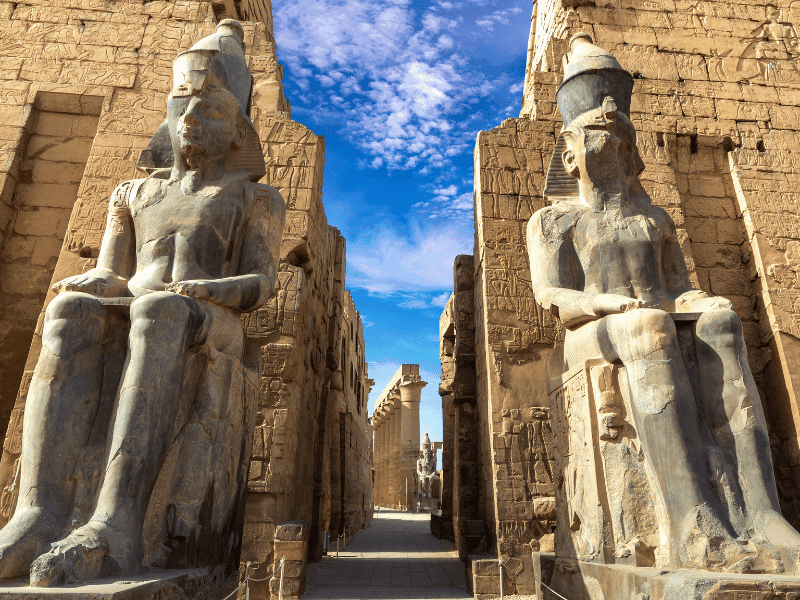
This full-day Luxor tour allows one to experience the rich heritage of ancient Egypt through its magnificent archaeological sites. Hosté se ponoří do…
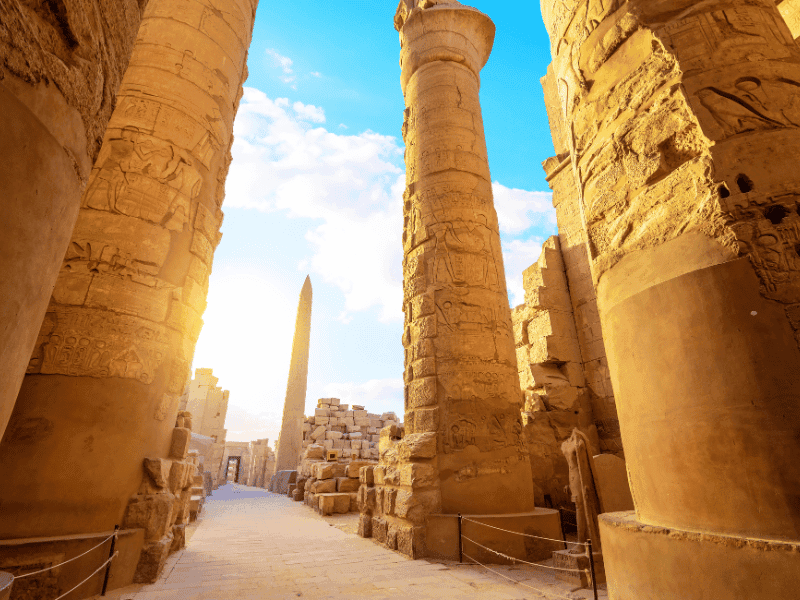
Tato celodenní prohlídka přepravuje cestovatele z Káhiry do Luxoru a zpět během jednoho dne, zahrnující Údolí králů, pohřební chrám Hatshepsut, Kolosy v…

Tato 10denní malá skupinová cesta po Egyptě začíná v Káhiře a pokračuje plavbou po Nilu mezi Aswanem a Luxorem až k pobytu u Rudého moře v Hurghadě, kombinuje…
Tato 10denní organizovaná cesta, kterou po celou dobu vede průvodce Travel Joy Egypt Jessica, kombinuje místa v Káhiře a údolí Nilu v Egyptě s rozšířením do…

Tato 12denní luxusní cesta sleduje trasu z Káhiry přes méně navštěvovaná místa Středního Egypta do Luxoru a Asuánu, kombinující soukromý itinerář s luxusní…
Tato 13denní kulturní cesta pokrývá Káhiru, Alexandrii, Luxor a Asuán, kombinuje hotelové prohlídky na severu s týdenní plavbou po Nilu skrze chrámy a hrobky…
Chrám Hatšepsut — Často kladené otázky
Vše, co potřebujete vědět před návštěvou Chrámu Hatšepsut.
Nejlepší atrakce v Luxor
Egyptské zájezdy podle destinace
Prozkoumat egyptské zájezdy podle kategorie
- 1Egyptské turistické balíčky
- 2Egyptské denní výlety
- 3Námořní plavby po Nilu
- 4Cestování na míru
- 5Svatební cesty balíčky
- 6Rodinné balíčky
- 7Luxusní balíčky
- 8Soukromé balíčky
- 9Balíčky pro malé skupiny
- 10Balíčky s all-inclusive službami
- 11Last-Minute Egypt Tours
- 12Dahabiya plavby
- 13Egyptský průvodce po cestování
- 14Egyptské turistické balíčky z USA
- 15Egypt & Jordan Tour Packages