

Al-Muizz-Straße: Touren, Tickets & Besucherführer
Über die Al-Muizz-Straße
Entdecken Sie die Al-Muizz-Straße: Kairo's zeitloses Gewebe aus Geschichte und Leben
Betreten Sie ein lebendiges Museum entlang der Al-Muizz-Straße, dem pulsierenden Herzen des islamischen Kairos und einem UNESCO-Weltkulturerbe. Diese geschichtsträchtige Straße bietet einen klaren Einblick in ein Jahrtausend ägyptischer Erbes.
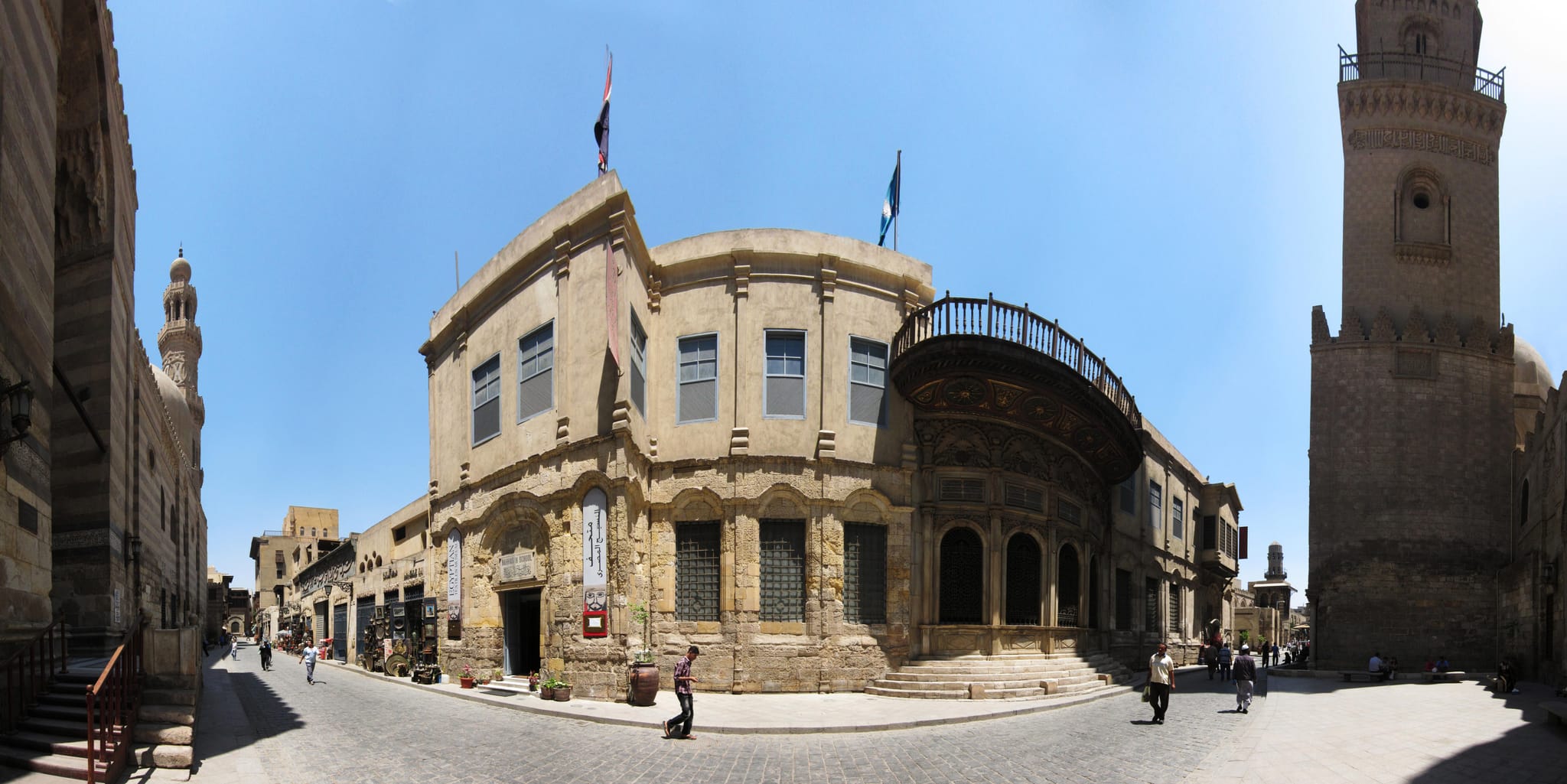
Die Fußgängerzone erstreckt sich über etwa einen Kilometer und weist die höchste Dichte an mittelalterlichen islamischen architektonischen Wundern auf dem Planeten auf. Während Sie gehen, passieren Sie Moscheen, Madrasas (religiöse Akademien), Krankenhäuser, Paläste und Sabil-Kuttabs (öffentliche Brunnen mit über ihnen befindlichen Koranschulen).
Jedes Wahrzeichen erzählt eine Geschichte, von den filigranen Steinmetzarbeiten des Sultan-Qalawun-Komplexes bis zum hoch aufragenden Minarett der Moschee von Sultan Barquq. Jeder Schritt lädt zu einem tieferen Blick in Kairos reiche Vergangenheit ein.
Strassenleben und Handwerk
Die Straße summt vor Aktivität. Handwerksbetriebe praktizieren noch immer alte Handwerke, während Kupferschmiede rhythmische Muster in Metall schlagen.
Gewürzhändler häufen duftende Mischungen in lebhaften Farben, und Verkäufer rufen Passanten zu. Das tägliche Leben entfaltet sich vor der Kulisse von geschnitztem Stein und schattigen Gassen.
Werfen Sie einen Blick auf zarte Mashrabiya (verzierte Holzscreen) an historischen Häusern. Treten Sie in ein Caravanserai (Khan) ein, um sich den Handel vorzustellen, der einst in seinen Wänden pulsierte. Al-Muizz ist nicht nur erhaltene Architektur; es ist lebendiges Kairo.

Was die Al-Muizz-Straße besonders macht
Al-Muizz verbindet tiefe Geschichte mit dem Alltag. Es ist kein statisches Relikt, sondern ein belebter Raum, in dem Vergangenheit und Gegenwart aufeinandertreffen.
Ihr UNESCO-Status hebt ihre unvergleichliche Sammlung mittelalterlicher islamischer Architektur und Stadtgestaltung hervor. Der begehbare Maßstab lädt zu genauen Blicken auf Fassaden, Innenhöfe und Seitengassen ein.
Die Straße ist mit dem Fatimidischen Kalifat verbunden. Benannt nach Al-Mu'izz li-Din Allah, dem vierten Fatimidischen Kalifen, der Kairo im Jahr 969 n. Chr. gründete, diente sie als Hauptarterie und zeremonielle Route der Stadt. Jahrhunderte lang erlebte sie große Prozessionen und Ereignisse, die das politische, wirtschaftliche und religiöse Leben des mittelalterlichen Kairos prägten.
Ein Jahrtausend architektonischer Pracht
Geboren in der Fatimidischen Ära (969-1171 n. Chr.), war die Straße von Palästen und Verwaltungsgebäuden gesäumt. In der Ayyubidischen Ära (1171-1250 n. Chr.) befestigten Saladin und seine Nachfolger Kairo und verschönerten die Route weiter.
Ein Großteil ihrer Pracht bleibt erhalten. Stile von der frühen Islamischen bis zur Mamluk- und Osmanischen Zeit stehen nebeneinander und offenbaren die Entwicklung islamischer Kunst und Architektur in einem begehbaren Abschnitt.

Was man an der Al-Muizz-Straße sehen kann
Ihr Spaziergang wird bedeutende Monumente und intime Details offenbaren. Höhepunkte sind:
- Sultan-Qalawun-Komplex: Ein atemberaubendes Meisterwerk der mamlukischen Architektur, dieser Komplex umfasst eine Moschee, eine Madrasa und ein Mausoleum, das für seine filigranen Stuck- und Marmordekorationen bekannt ist.
- Moschee von Sultan Barquq: Eine weitere beeindruckende mamlukische Struktur mit einem grandiosen Eingang und einem hohen Minarett, das die Skyline dominiert.
- Khan el-Khalili Basar: Obwohl technisch angrenzend, ist dieser berühmte Souk eine wesentliche Erweiterung Ihres Al-Muizz-Erlebnisses und bietet alles von Gewürzen und Schmuck bis hin zu Souvenirs und traditionellem Kunsthandwerk.
- Bayt Al-Suhaymi: Ein wunderschön erhaltenes Haus aus der osmanischen Zeit, das die traditionelle ägyptische Wohnarchitektur zeigt, komplett mit Innenhöfen und Mashrabiya.
- Sabil-Kuttab von Abd al-Rahman Katkhuda: Ein herausragendes Beispiel eines Sabil-Kuttab, diese öffentlichen Brunnen mit Koran-Schulen darüber waren wichtige Bürgerstrukturen im mittelalterlichen Kairo.
- Al-Azhar-Moschee und Universität: Eine der ältesten kontinuierlich betriebenen Universitäten der Welt und ein zentrales Zentrum islamischen Lernens, ihre historische Bedeutung ist enorm.
- Al-Hakim-Moschee: Eine große Moschee aus der Fatimiden-Zeit, bemerkenswert für ihren monumentalen Eingang und ihre robuste Architektur.
Über die Hauptsehenswürdigkeiten hinaus, halten Sie inne für die kleinen Momente: Handwerker bei der Arbeit, der Duft von Gewürzen und die Energie des Marktes. Das tägliche Leben belebt eine einzigartige historische Bühne.

Wie man die Al-Muizz-Straße besucht
Anreise
Die Al-Muizz-Straße liegt im Herzen des islamischen Kairos und ist leicht zu erreichen. Taxis und Fahrgemeinschafts-Apps sind einfache Optionen, oder nehmen Sie die Metro zur Station Bab El-Shaariya in der Nähe des nördlichen Endes.
Da die Straße für Fußgänger gesperrt ist, erkunden Sie sie zu Fuß und planen Sie ein entspanntes Tempo.
Tickets und Eintritt
Der Eintritt zur Al-Muizz-Straße ist kostenlos. Wichtige Gebäude wie der Sultan-Qalawun-Komplex, die Moschee von Sultan Barquq und Bayt Al-Suhaymi erheben moderate Eintrittsgebühren, also bringen Sie kleine ägyptische Pfundscheine mit.
Einige Stätten bieten möglicherweise Kombitickets an. Fragen Sie an der ersten wichtigen Stätte, die Sie besuchen.
Benötigte Zeit
Planen Sie mindestens einen halben Tag ein, und einen ganzen Tag, wenn Sie können. Ein zügiger Rundgang dauert zwei bis drei Stunden.
Um mehrere Monumente zu besichtigen, in Geschäften zu stöbern und für Fotos zu verweilen, lassen Sie mehr Zeit. Verlangsamen Sie und genießen Sie die Details.
Planen Sie Pausen für ägyptischen Tee oder eine einfache Mahlzeit an einem lokalen Ort. Kurze Pausen bereichern das Erlebnis.
Beste Reisezeit & Tipps
Beste Reisezeit
Die angenehmsten Monate sind Oktober bis April. Die Temperaturen eignen sich für lange Spaziergänge und Erkundungen im Freien.
Vermeiden Sie die heiße Sommerzeit (Juni bis August). Wochentage sind in der Regel ruhiger als Wochenenden (Freitag und Samstag in Ägypten).
Nützliche Tipps für Ihren Besuch
- Modest kleiden: Beim Besuch von Moscheen und religiösen Stätten sollten sowohl Männer als auch Frauen bescheiden gekleidet sein und Schultern und Knie bedecken. Frauen sollten auch ein Kopftuch mitbringen, um ihre Haare beim Betreten von Moscheen zu bedecken.
- Bequeme Schuhe: Sie werden viel auf unebenen Oberflächen laufen, daher sind bequeme Schuhe unerlässlich.
- Feilschen: Wenn Sie planen, im Khan el-Khalili oder an anderen Marktständen einzukaufen, ist Feilschen erwartet und Teil des Erlebnisses.
- Hydriert bleiben: Tragen Sie Wasser mit sich, besonders an wärmeren Tagen.
- Seien Sie sich Ihrer Umgebung bewusst: Obwohl es im Allgemeinen sicher ist, achten Sie in überfüllten Bereichen auf Ihre Wertsachen.
- Genießen Sie das Erlebnis: Die Al-Muizz-Straße ist eine sensorische Überflutung auf die bestmögliche Weise. Seien Sie offen für Interaktionen mit Einheimischen, probieren Sie lokale Speisen und tauchen Sie wirklich in dieses einzigartige historische Umfeld ein.
Historische Bedeutung
Ein Jahrtausend des Glanzes
Die Al-Muizz-Straße, offiziell benannt zu Ehren von Al-Mu'izz li-Din Allah, dem vierten Fatimidenkalifen, der Kairo im Jahr 969 n. Chr. gründete, begann als die Hauptarterie der fatimidischen Hauptstadt.
Über Jahrhunderte diente sie als feierliche Route für Kalifen und Sultane und erlebte große Prozessionen und entscheidende Ereignisse. Ihre Lage machte sie zum Zentrum des politischen, wirtschaftlichen und religiösen Lebens im mittelalterlichen Kairo.
- Fatimidische Ära (969-1171 n. Chr.): Die Straße verankerte die neue Stadt, flankiert von königlichen Palästen und Verwaltungsgebäuden.
- Ayyubidische Ära (1171-1250 n. Chr.): Saladin und seine Nachfolger befestigten Kairo und schmückten die Straße weiter, obwohl viele ursprüngliche fatimidische Architektur später ersetzt wurde.
- Mamluk-Ära (1250-1517 n. Chr.): In dieser Zeit erlebte die Architektur ihren größten Aufschwung und verwandelte Al-Muizz in die 'Straße der Moscheen und Madrasas'. Komplexe wie der Sultan-Qalawun-Komplex und die Moschee-Madrasa von Sultan Barquq zeigen die Meisterschaft der Mamluken.
- Osmanische und Khedivale Epochen: Neue Gebäude erschienen und die Straße behielt ihre Bedeutung, auch wenn einige Bereiche vor großen Erhaltungsmaßnahmen im späten 20. Jahrhundert zurückgingen.
Touren zur Al-Muizz-Straße
Private, von Ägyptologen geführte Erlebnisse mit Tickets und Transfers, die für Sie organisiert werden.
Diese 13-tägige Kulturreise umfasst Kairo, Alexandria, Luxor und Aswan und kombiniert hotelbasiertes Sightseeing im Norden mit einer einwöchigen Nilkreuzfahrt…
Diese 15-tägige Luxustour ist eine der längsten Reiserouten von Travel Joy Egypt und umfasst Kairo, Alexandria, eine Nilkreuzfahrt durch Assuan, Abu Simbel,…
Diese 10-tägige Gruppenreise verläuft von Kairo nach Luxor mit einem Inlandsflug und endet mit mehreren Tagen an der Küste des Roten Meeres in Hurghada, wobei…
Diese 11-tägige Tour bietet eine umfassende Reiseroute rund um Kairo, Alexandria, Luxor und Assuan und fügt die heiligen Tempel von Dendera und Abydos zur…
Diese 11-tägige Tour nutzt Inlandsflüge und eine Nilkreuzfahrt, um Kairo, Hurghada, Luxor und Assuan in einem durchgehenden Kreis durch Ägypten zu verbinden.…
Diese 12-tägige Tour kombiniert einen tiefen Einblick in Kairo und die Tempel Oberägyptens mit einer Reihe von Tagen am Roten Meer und in der Wüste in…
Al-Muizz-Straße — Häufig gestellte Fragen
Alles, was Sie wissen müssen, bevor Sie die Al-Muizz-Straße besuchen.
1Was ist die Al-Muizz-Straße?
2Was sind die Sehenswürdigkeiten, die man in der Al-Muizz-Straße unbedingt sehen muss?
3Ist die Al-Muizz-Straße sicher zu besuchen?
4Wie sollte ich mich kleiden, wenn ich die Al-Muizz-Straße besuche?
5Kann ich Souvenirs in der Al-Muizz-Straße kaufen?
Top-Attraktionen in Kairo & Gizeh
Ägypten Touren nach Zielort
Durchsuchen Sie Ägypten-Touren nach Kategorie
- 1Ägypten Reisepakete
- 2Ägypten Tagesausflüge
- 3Nilkreuzfahrten
- 4Maßgeschneiderte Touren
- 5Honeymoon-Pakete
- 6Familienpakete
- 7Luxuspakete
- 8Private Pakete
- 9Kleingruppen-Pakete
- 10All-Inclusive-Pakete
- 11Last-Minute Ägypten Touren
- 12Dahabiya-Kreuzfahrten
- 13Ägypten Reiseführer
- 14Ägypten Reiseangebote aus den USA
- 15Ägypten & Jordanien Reisepakete