
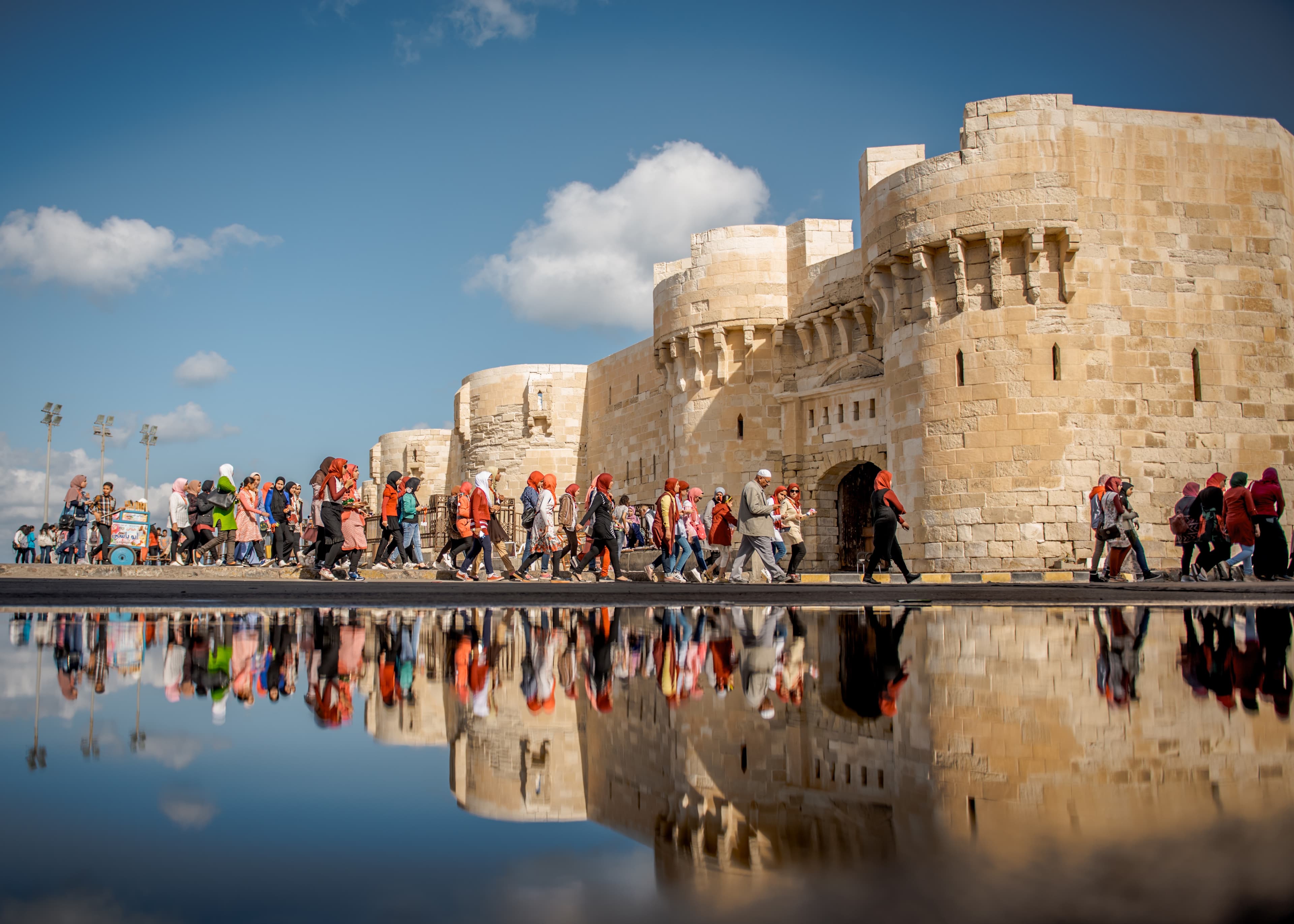
Qaitbay-Zitadelle: Touren, Tickets & Besucherleitfaden
Über die Qaitbay-Zitadelle
Die Entdeckung der Qaitbay-Zitadelle: Alexandrias beständiger Wächter
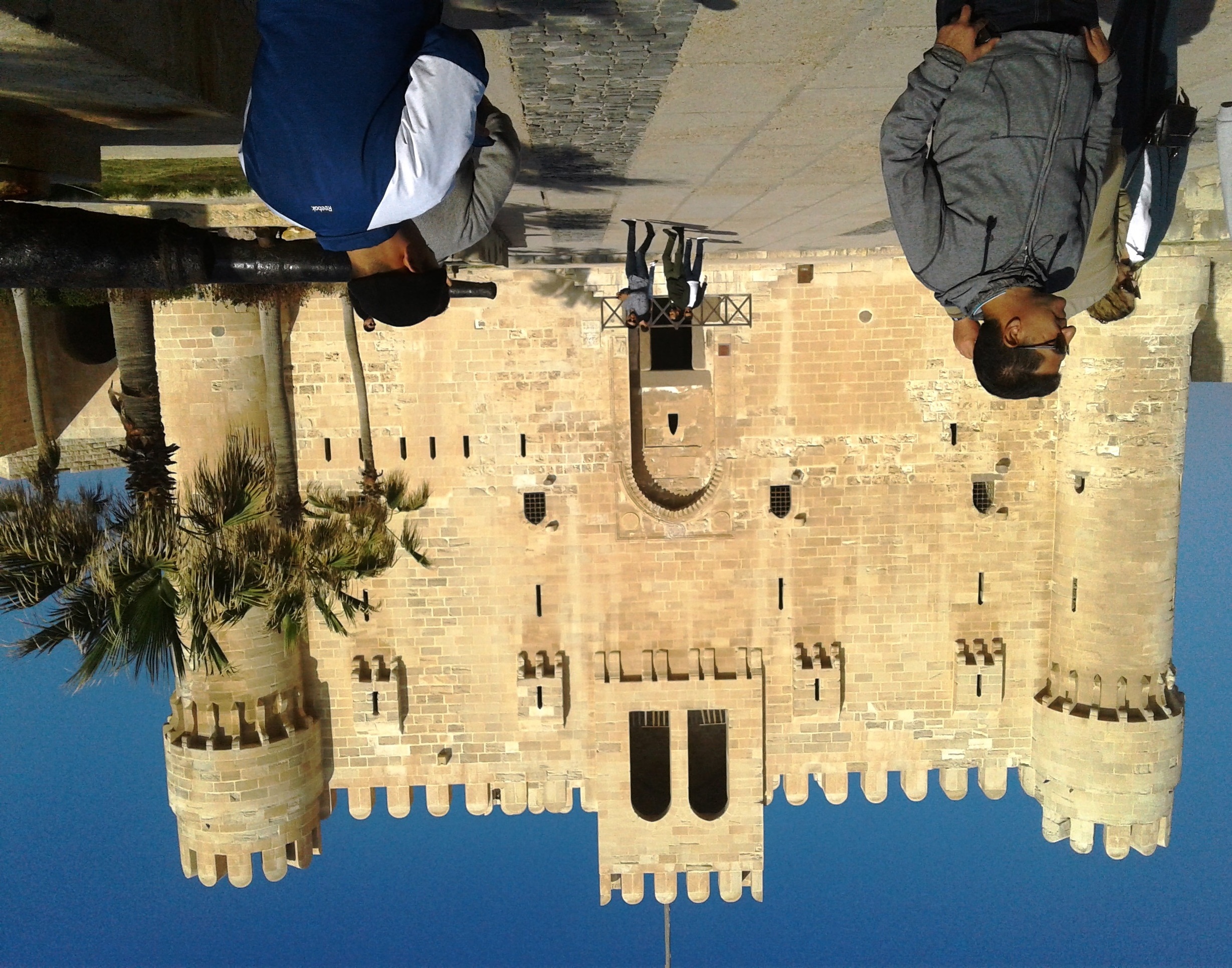
Majestätisch gelegen, wo der ikonische Pharos-Leuchtturm einst die antike Welt erleuchtete, bietet die Qaitbay-Zitadelle aus dem 15. Jahrhundert unvergleichliche mediterrane Panoramen und eine tiefgreifende Reise in Alexandrias maritime Vergangenheit.
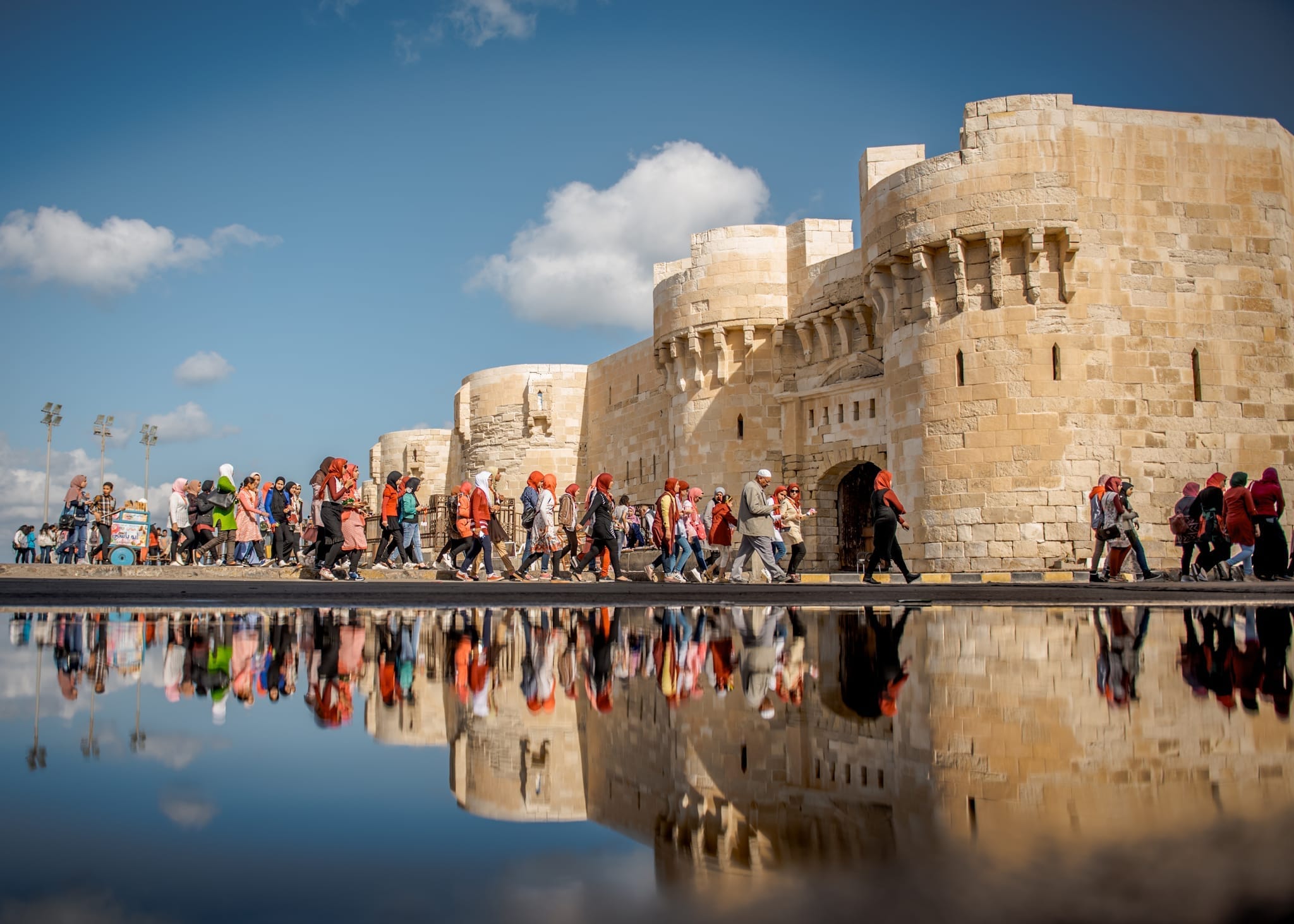
Offiziell als Zitadelle von Qaitbay bezeichnet, übersteigt dieses architektonische Wunder ein bloßes historisches Wahrzeichen; es ist ein kraftvolles Zeugnis für Alexandrias anhaltende strategische Bedeutung und verspricht ein fesselndes Erlebnis für jeden Besucher. Wenn Sie sich nähern, erheben sich die gewaltigen Steinmauern dramatisch aus den azurblauen Gewässern und deuten auf Jahrhunderte defensiver Fähigkeiten hin.
Innerhalb seiner Mauern navigieren Sie durch ein fesselndes Labyrinth aus Kammern, Durchgängen und Wachtürmen, von denen jeder eine einzigartige Perspektive offenbart. Tauchen Sie ein in den Haupthof, einst ein geschäftiger Mittelpunkt täglicher Aktivitäten, und stellen Sie sich die Soldaten und Seeleute vor, die einst über diesen Boden schritten.
Steigen Sie zu den oberen Wehrgängen auf, um atemberaubende, ununterbrochene Ausblicke auf das Mittelmeer zu entdecken, das sich unendlich bis zum Horizont erstreckt. Von diesem erhöhten Aussichtspunkt wird Alexandrias Küstenschönheit und ihre tief verwurzelte Verbindung zum Meer wirklich lebendig. Die Zitadelle beherbergt auch ein intimes maritimes Museum, das Artefakte zeigt, die Alexandrias maritime Erbe erzählen.
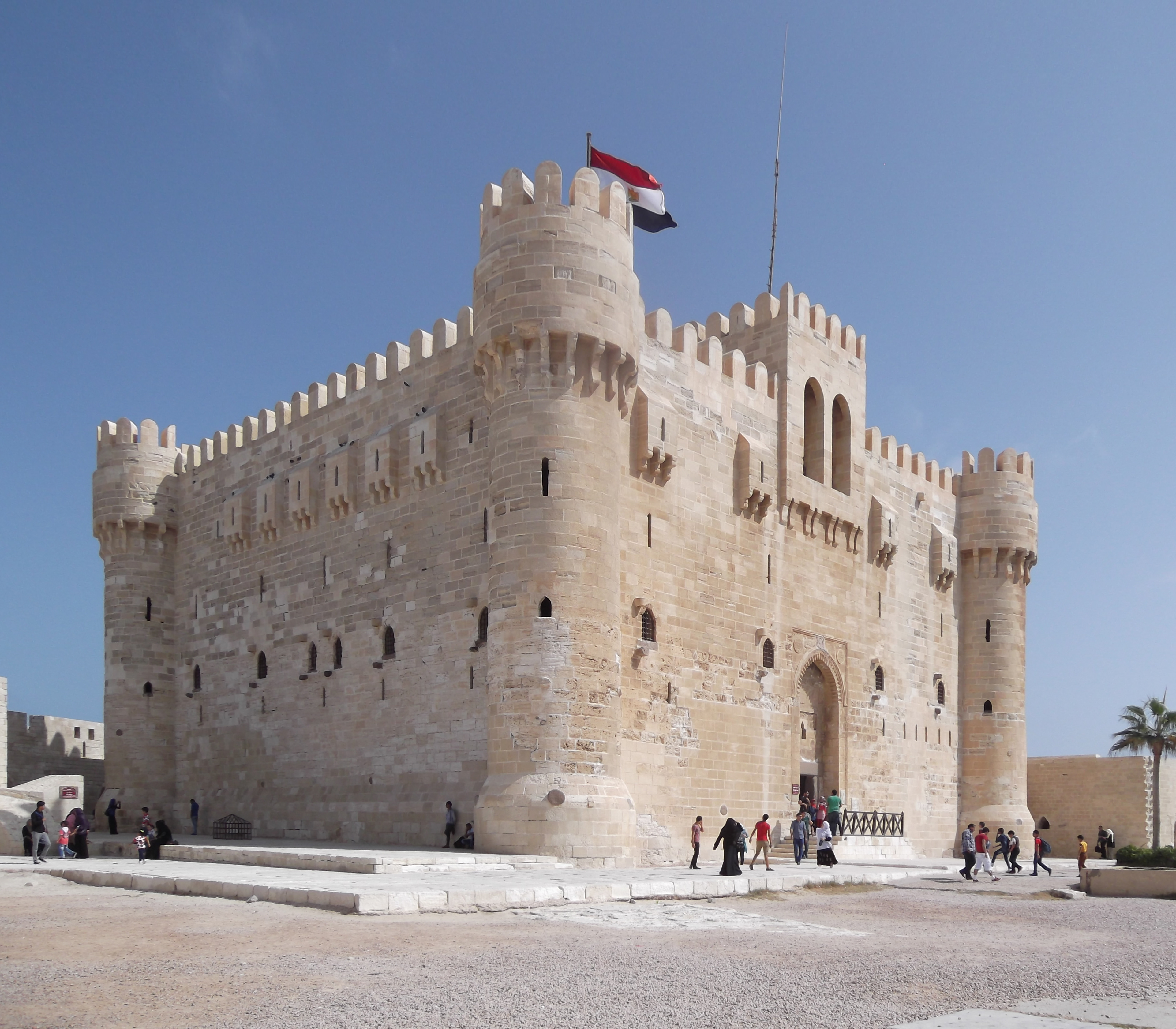
Vom Leuchtturm zur Festung: Ein Erbe der Verteidigung
Die Geschichte der Qaitbay-Zitadelle beginnt nicht mit ihrem Bau, sondern mit dem legendären Bauwerk, das sie ablöste: dem Pharos-Leuchtturm von Alexandria. Anerkannt als eines der sieben Weltwunder der Antike, stand dieser prächtige Leuchtturm über 1.500 Jahre lang und leitete Schiffe in den geschäftigen Hafen von Alexandria. Nach einer Reihe verheerender seismischer Ereignisse, insbesondere im 14. Jahrhundert, fiel der Leuchtturm schließlich in Ruinen. Im Jahr 1477 n.
Chr. initiierte Sultan Al-Ashraf Sayf al-Din Qa'it Bay, der sich der kritischen strategischen Bedeutung des Hafens von Alexandria bewusst war, den Bau einer neuen Verteidigungsanlage direkt auf den Fundamenten des abgerissenen Leuchtturms. Unter Verwendung einiger der geretteten Steine und Materialien aus dem antiken Wunder wurde die neue Zitadelle nicht nur als formidable Verteidigung gegen ausländische Eindringlinge entworfen, sondern auch als kraftvolles Symbol der mamlukischen Autorität.
Im Laufe ihrer langen Geschichte hat die Zitadelle verschiedene Transformationen und Restaurierungen durchlaufen und diente unterschiedlichen Zwecken, von einem Gefängnis bis zu einem Küstenschutzposten, wobei jede Schicht zu ihrem reichen Geflecht von Geschichten beiträgt. Ihre strategische Bedeutung setzte sich bis in die moderne Zeit fort und spielte sogar während der britischen Besetzung Ägyptens eine Rolle.
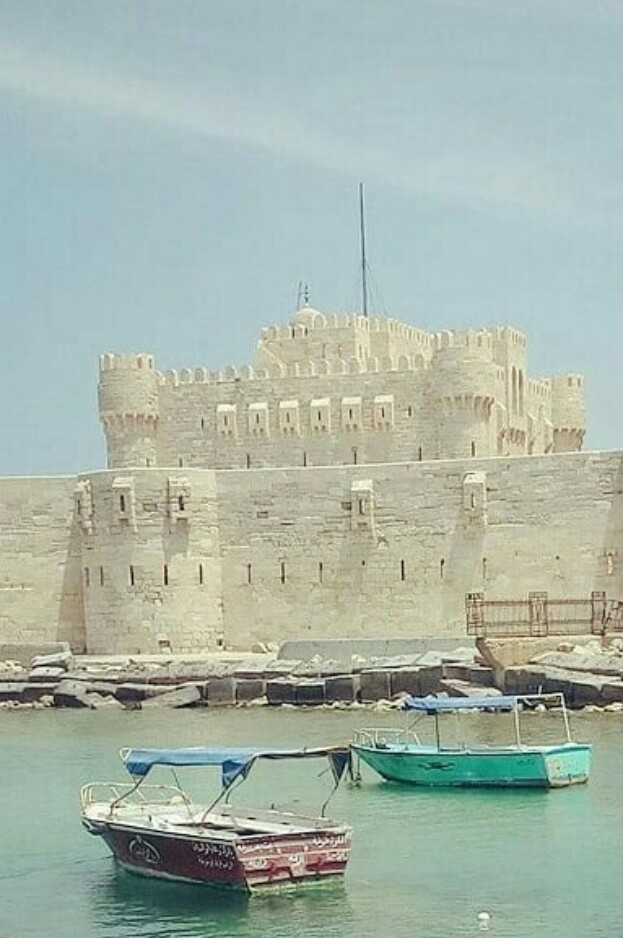
Was macht die Qaitbay-Zitadelle besonders?
- Historische Bedeutung: Erbaut auf den Fundamenten des Pharos-Leuchtturms, eines der sieben Weltwunder der Antike, bietet einen direkten Bezug zur Antike.
- Atemberaubende Ausblicke: Unvergleichliche Panoramablicke auf das Mittelmeer und die Küste Alexandrias von ihren Wehrgängen.
- Architektonische Pracht: Ein bemerkenswertes Beispiel für die militärische Architektur der Mamluken des 15. Jahrhunderts, das fortschrittliche Verteidigungsdesigns zeigt.
- Maritimes Museum: Beherbergt eine interessante Sammlung maritimer Artefakte, die Einblicke in die maritime Geschichte Ägyptens geben.
- Strategische Lage: Ihre Position an der Spitze des östlichen Hafens unterstreicht die anhaltende Bedeutung Alexandrias als Hafenstadt.
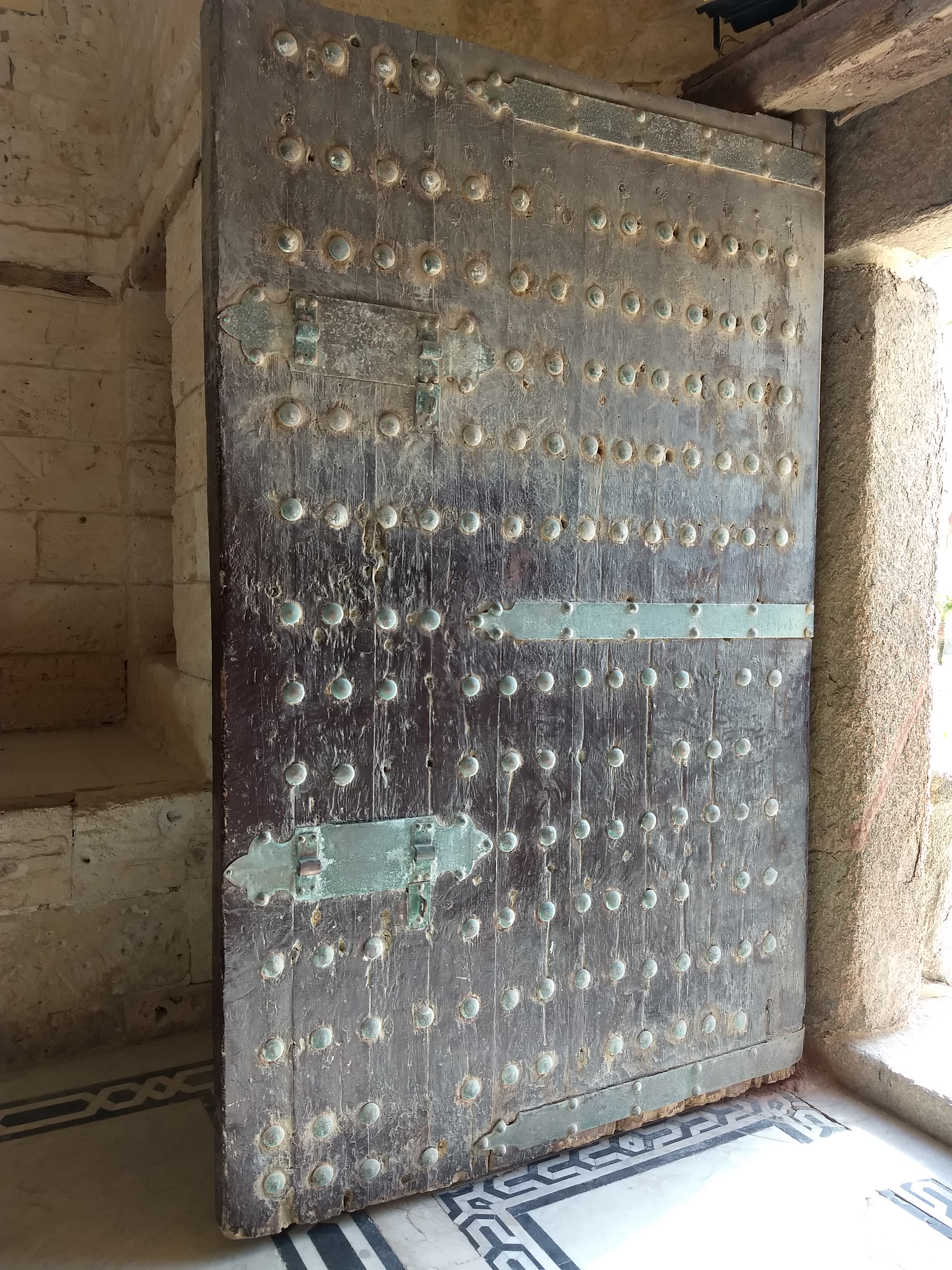
Was man in der Qaitbay-Zitadelle sehen kann
Der zentrale Bergfried
Das Herz der Zitadelle ist ihr beeindruckender dreigeschossiger zentraler Bergfried, erbaut aus massiven Steinblöcken. Erforschen Sie die verschiedenen Räume, einschließlich der Haupthalle, die einst für offizielle Versammlungen genutzt wurde, und der kleineren Kammern, die als Wohnräume für Soldaten dienten. Beachten Sie die filigranen Details der Mamlukenarchitektur, einschließlich dekorativer Motive und robuster Befestigungen.
Die Wehrgänge und Wachtürme
Steigen Sie zu den oberen Ebenen auf und gehen Sie entlang der Wehrgänge. Von hier aus können Sie das strategische Design der Festung wirklich schätzen. Blicken Sie durch die Schießscharten und stellen Sie sich Bogenschützen vor, die die Stadt verteidigen. Die Wachtürme bieten die weitreichendsten Ausblicke, perfekt für atemberaubende Fotos vom Meer und der Stadt.
Die Innenhöfe und Durchgänge
Schlendern Sie durch die geräumigen Innenhöfe, in denen Soldaten einst drillten und das tägliche Leben stattfand. Entdecken Sie versteckte Durchgänge und Treppenhäuser, die verschiedene Teile der Zitadelle verbinden und ein Gefühl von Erkundung und Abenteuer schaffen.
Das Maritime Museum
Das kleine, aber informative maritime Museum, das sich innerhalb der Zitadelle befindet, zeigt eine faszinierende Sammlung maritimer Artefakte, darunter antike Navigationsinstrumente, Schiffsmodelle und Überreste aus verschiedenen Seeschlachten. Es bietet ein tieferes Verständnis für die Rolle Alexandrias als wichtiger Hafen und Seemacht im Laufe der Geschichte.
Wie man die Qaitbay-Zitadelle besucht
Anreise
Die Qaitbay-Zitadelle befindet sich günstig am westlichen Ende der Corniche in Alexandria. Sie ist leicht mit dem Taxi, Fahrdiensten oder lokalen Bussen von überall in der Stadt zu erreichen. Viele organisierte Stadttouren beinhalten ebenfalls einen Halt an der Zitadelle.
Tickets und Eintritt
Tickets werden am Eingang zur Zitadelle gekauft. Es gibt separate Gebühren für ägyptische Staatsbürger, arabische Besucher und ausländische Besucher. Es ist ratsam, kleine ägyptische Pfund für den Komfort mitzuführen, obwohl Kartenzahlungen möglicherweise akzeptiert werden. Fotografie ist im Allgemeinen erlaubt, aber überprüfen Sie immer auf spezifische Einschränkungen beim Eintritt.
Benötigte Zeit
Planen Sie ungefähr 1,5 bis 2,5 Stunden ein, um die Zitadelle vollständig zu erkunden. Dies umfasst Zeit zum Bewundern der Architektur, zum Besteigen der Wehrgänge für Ausblicke und zum Besuch des maritimen Museums. Wenn Sie gerne fotografieren oder einfach die Atmosphäre genießen möchten, sollten Sie etwas mehr Zeit einplanen.
Beste Reisezeit & Tipps
- Morgens oder spät am Nachmittag: Die besten Zeiten für einen Besuch sind früh am Morgen, kurz nach der Öffnung, oder spät am Nachmittag, vor der Schließung. Das Licht ist weicher für die Fotografie, und die Menschenmengen sind in der Regel kleiner. Dies vermeidet auch die harte Mittagssonne, insbesondere in den Sommermonaten.
- Bequeme Schuhe: Sie werden eine beträchtliche Menge an Gehen und Treppensteigen auf unebenen Flächen machen, daher sind bequeme Schuhe unerlässlich.
- Sonnenschutz: Alexandria kann sehr sonnig sein. Bringen Sie einen Hut, Sonnenbrille und Sonnencreme mit, insbesondere in den wärmeren Monaten.
- Hydriert bleiben: Tragen Sie eine Flasche Wasser mit, insbesondere wenn Sie im Sommer besuchen.
- Seien Sie sich der Verkäufer bewusst: Wie an vielen beliebten Touristenorten können Sie auf lokale Verkäufer treffen. Ein höfliches 'nein, danke' ist normalerweise ausreichend, wenn Sie nicht interessiert sind.
- Genießen Sie die Ausblicke: Eilen Sie nicht; nehmen Sie sich Zeit, um die unglaublichen Ausblicke von den oberen Ebenen wirklich zu schätzen. Sie sind zweifellos das Highlight des Besuchs.
Historische Bedeutung
Von Leuchtturm zu Festung: Ein Erbe der Verteidigung
Die Geschichte der Qaitbay-Zitadelle beginnt nicht mit ihrem Bau, sondern mit dem legendären Bauwerk, das sie ablöste: dem Pharos-Leuchtturm von Alexandria. Anerkannt als eines der sieben Weltwunder der Antike, stand dieser prächtige Leuchtturm über 1.500 Jahre lang und leitete Schiffe in den geschäftigen Hafen von Alexandria. Nach einer Reihe verheerender seismischer Ereignisse, insbesondere im 14. Jahrhundert, fiel der Leuchtturm schließlich in Ruinen.
Im Jahr 1477 n. Chr. initiierte Sultan Al-Ashraf Sayf al-Din Qa'it Bay, sich der strategischen Bedeutung des Hafens von Alexandria bewusst, den Bau einer neuen Verteidigungsanlage direkt auf den Fundamenten des abgerissenen Leuchtturms. Unter Einbeziehung einiger der geretteten Steine und Materialien aus dem antiken Wunder wurde die Zitadelle 1480 n. Chr. fertiggestellt.
Ihr Hauptziel war es, Alexandria vor der drohenden Gefahr einer osmanischen Invasion zu schützen, ein bedeutendes Anliegen während der späten Mamluk-Zeit.
- Im Laufe ihrer Existenz diente die Zitadelle als vitaler Verteidigungsposten und unterzog sich verschiedenen Verbesserungen und Modifikationen durch nachfolgende Herrscher, darunter Muhammad Ali Pascha im 19. Jahrhundert.
- Heute steht sie als kraftvolles Symbol für den unvergänglichen Geist Alexandrias und seine unzertrennliche Verbindung zum Meer, ein physisches Abbild von Jahrhunderten maritimer Geschichte.
Touren zur Besichtigung der Qaitbay-Zitadelle
Private, von Ägyptologen geführte Erlebnisse mit Tickets und Transfers, die für Sie organisiert werden.

Diese Ganztagestour führt von Kairo nach Alexandria, um fünf der archäologischen Wahrzeichen der Stadt in einem einzigen geführten Rundgang abzudecken: das…

Dieser ganztägige Landausflug führt Kreuzfahrtpassagiere zu den Sehenswürdigkeiten Alexandriens direkt vom Hafen aus und umfasst Pompeys Säule, die Katakomben…

Diese 12-stündige tägliche Tour ab Kairo nimmt Reisende mit auf eine lehrreiche Reise durch die Geschichte der Mittelmeerküstenstadt Alexandria. Die Gäste…

Diese 13-tägige Kulturreise umfasst Kairo, Alexandria, Luxor und Aswan und kombiniert hotelbasiertes Sightseeing im Norden mit einer einwöchigen Nilkreuzfahrt…

Diese 14-tägige Tour umfasst Kairo, einen Aufenthalt am Roten Meer in Hurghada und eine Nilkreuzfahrt durch Luxor und Assuan, die antike Monumente mit Strand-…

Dieses 2-tägige Paket führt Reisende in Ägyptens zwei größte Städte ein, wobei der erste Tag im Gizeh-Pyramidenkomplex und in den Museen von Kairo und der…
Qaitbay-Zitadelle — Häufig gestellte Fragen
Alles, was Sie wissen müssen, bevor Sie die Qaitbay-Zitadelle besuchen.
1Was ist die Qaitbay-Zitadelle?
2Was kann ich in der Zitadelle sehen und tun?
3Ist die Qaitbay-Zitadelle für alle Besucher zugänglich?
4Wie viel Zeit sollte ich für einen Besuch der Qaitbay-Zitadelle einplanen?
5Gibt es Einrichtungen oder Annehmlichkeiten in der Zitadelle?
Top-Attraktionen in Alexandria
Ägypten Touren nach Zielort
Durchsuchen Sie Ägypten-Touren nach Kategorie
- 1Ägypten Reisepakete
- 2Ägypten Tagesausflüge
- 3Nilkreuzfahrten
- 4Maßgeschneiderte Touren
- 5Honeymoon-Pakete
- 6Familienpakete
- 7Luxuspakete
- 8Private Pakete
- 9Kleingruppen-Pakete
- 10All-Inclusive-Pakete
- 11Last-Minute Ägypten Touren
- 12Dahabiya-Kreuzfahrten
- 13Ägypten Reiseführer
- 14Ägypten Reiseangebote aus den USA
- 15Ägypten & Jordanien Reisepakete