
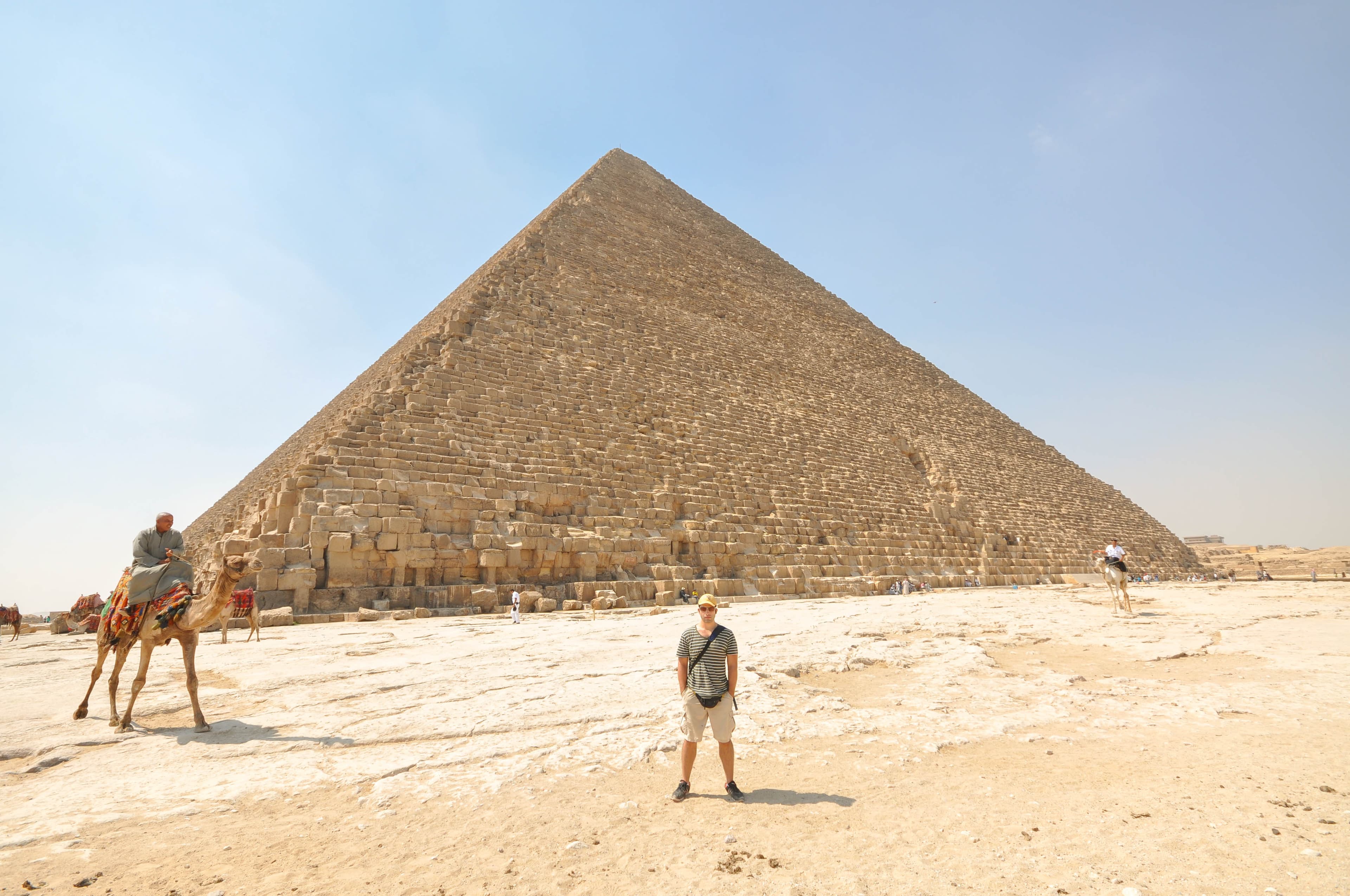

Die Pyramide von Khufu, oder die Große Pyramide, wie viele sie nennen, ist nicht nur eine antike Struktur; sie ist eine kolossale Aussage. Hoch oben auf dem Gizeh-Plateau stehend, dominiert sie vollständig die Landschaft, ein wahres Wunder antiker Ingenieurskunst und reiner menschlicher Willenskraft. Über 3.800 Jahre lang war dieser massive Steinhügel, der um 2600 v. Chr. nach etwa 26 Jahren intensiver Arbeit fertiggestellt wurde, die höchste von Menschenhand geschaffene Struktur auf der Erde. Ursprünglich ragte sie 146,6 Meter (481 Fuß) hoch – nur übertroffen in der Höhe von dem Turm der alten St. Paul's Cathedral in London, und das war erst 1221 n. Chr.!
Egal, wie Sie es nennen – die Große Pyramide oder die Pyramide des Cheops – dieses antike Wunder ist verblüffend. Stellen Sie sich vor: etwa 2,3 Millionen massive Steinblöcke, die zusammen etwa 6 Millionen Tonnen wiegen. Ihre Basis erstreckt sich beeindruckende 230,3 Meter (755,6 Fuß) auf jeder Seite, was ein Gesamtvolumen von etwa 2,6 Millionen Kubikmetern ergibt. Was mich wirklich fasziniert, ist die Präzision, die dabei beteiligt war; die vier Seiten unterscheiden sich nur um 4,4 cm (1¾ Zoll). Denken Sie darüber nach, wie sie das ohne moderne Werkzeuge oder Technologie erreicht haben! Es ist eine außergewöhnliche Demonstration von Geschick und Entschlossenheit. Wir werden untersuchen, wie dieses älteste erhaltene Wunder der antiken Welt entstanden ist, von seinen Anfängen über sein komplexes Design bis hin zu seinem geheimnisvollen Herzen.
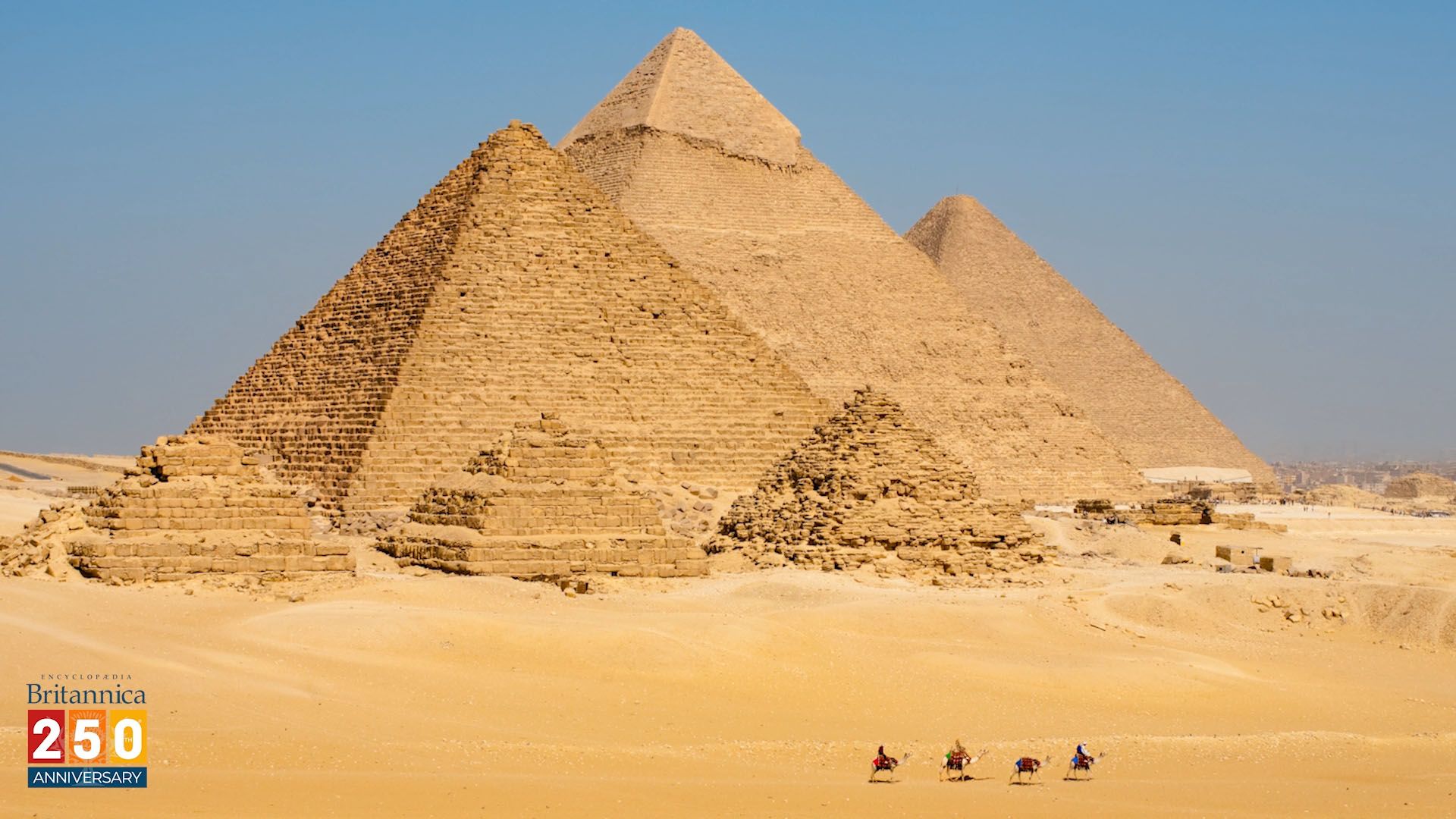 Khufu, der Sohn von Snefru und Königin Hetepheres, war der zweite König der vierten Dynastie Ägyptens und regierte von etwa 2589 bis 2566 v. Chr. Die Griechen kannten ihn als Cheops, und er ist der Pharao, der das in Auftrag gab, was das älteste erhaltene Wunder der antiken Welt werden sollte. Sein voller Name, 'Khnum-Khufu', bedeutet wörtlich 'Khnum schützt mich' und ehrt die ramshörnige Gottheit der Fruchtbarkeit und des Wassers.
Die alten Ägypter nannten es jedoch nicht die Pyramide von Khufu. Sie nannten diese prächtige Struktur 'Akhet Khufu', was 'Horizont von Khufu' übersetzt. Dieser Name hatte eine immense Bedeutung; es war nicht nur ein Grab, sondern Khufus ultimatives Tor zum Paradies, seine spirituelle Startrampe. Sie bauten es auf dem höchsten Punkt des Gizeh-Plateaus, nicht nur aus Pracht, sondern um seine Sichtbarkeit aus großen Entfernungen zu gewährleisten, ein Leuchtfeuer, das Erde und Himmel verbindet.Sein Hauptzweck war natürlich das königliche Grab von Khufu. Die ägyptischen Bestattungssitten waren komplex und erfüllten vier wesentliche Funktionen: die Unterbringung des Körpers des Pharaos, die Symbolisierung seiner enormen Macht, die Aufrechterhaltung seines höchsten sozialen Status selbst im Tod und die Bereitstellung eines heiligen Raumes für Opfergaben, um seine ewige Reise zu sichern. Während der griechische Historiker Herodot Khufu als strengen Herrscher darstellte, zeigen ägyptische Aufzeichnungen ihn oft als weisen, effektiven Führer. Sein Begräbnis-Kult gewann tatsächlich bis in die römische Zeit erheblich an Popularität und Stärke. Die nahezu perfekte Ausrichtung der Pyramide zu den Himmelsrichtungen und ihre ursprüngliche schimmernde weiße Kalksteinverkleidung verbanden sie tief mit dem Sonnengott Re und fassten die ägyptischen Überzeugungen über Leben, Tod und die göttliche Natur ihrer Könige perfekt zusammen.
Khufu, der Sohn von Snefru und Königin Hetepheres, war der zweite König der vierten Dynastie Ägyptens und regierte von etwa 2589 bis 2566 v. Chr. Die Griechen kannten ihn als Cheops, und er ist der Pharao, der das in Auftrag gab, was das älteste erhaltene Wunder der antiken Welt werden sollte. Sein voller Name, 'Khnum-Khufu', bedeutet wörtlich 'Khnum schützt mich' und ehrt die ramshörnige Gottheit der Fruchtbarkeit und des Wassers.
Die alten Ägypter nannten es jedoch nicht die Pyramide von Khufu. Sie nannten diese prächtige Struktur 'Akhet Khufu', was 'Horizont von Khufu' übersetzt. Dieser Name hatte eine immense Bedeutung; es war nicht nur ein Grab, sondern Khufus ultimatives Tor zum Paradies, seine spirituelle Startrampe. Sie bauten es auf dem höchsten Punkt des Gizeh-Plateaus, nicht nur aus Pracht, sondern um seine Sichtbarkeit aus großen Entfernungen zu gewährleisten, ein Leuchtfeuer, das Erde und Himmel verbindet.Sein Hauptzweck war natürlich das königliche Grab von Khufu. Die ägyptischen Bestattungssitten waren komplex und erfüllten vier wesentliche Funktionen: die Unterbringung des Körpers des Pharaos, die Symbolisierung seiner enormen Macht, die Aufrechterhaltung seines höchsten sozialen Status selbst im Tod und die Bereitstellung eines heiligen Raumes für Opfergaben, um seine ewige Reise zu sichern. Während der griechische Historiker Herodot Khufu als strengen Herrscher darstellte, zeigen ägyptische Aufzeichnungen ihn oft als weisen, effektiven Führer. Sein Begräbnis-Kult gewann tatsächlich bis in die römische Zeit erheblich an Popularität und Stärke. Die nahezu perfekte Ausrichtung der Pyramide zu den Himmelsrichtungen und ihre ursprüngliche schimmernde weiße Kalksteinverkleidung verbanden sie tief mit dem Sonnengott Re und fassten die ägyptischen Überzeugungen über Leben, Tod und die göttliche Natur ihrer Könige perfekt zusammen.
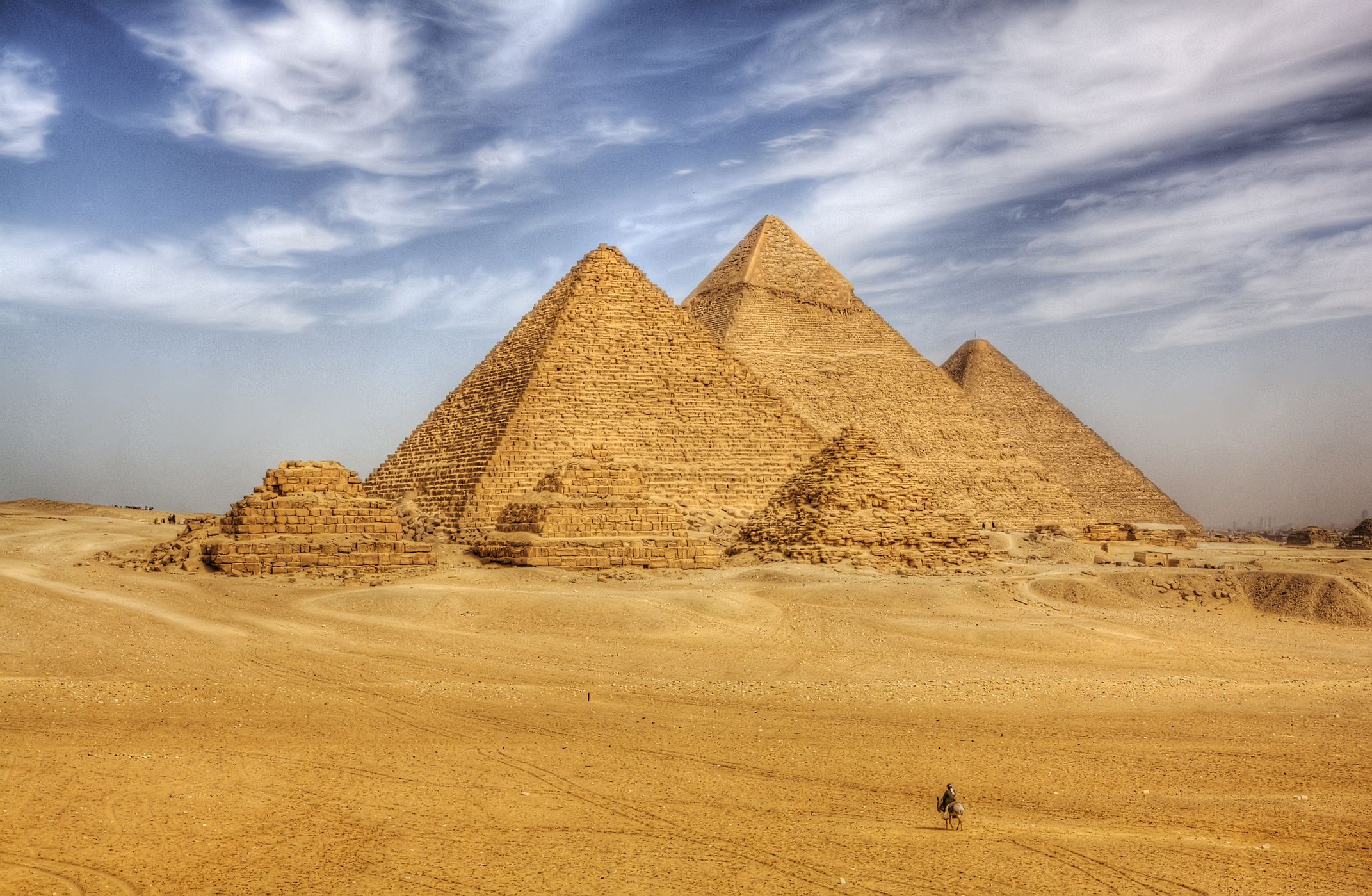 Etwas so Massives wie die Pyramide von Khufu zu bauen, war kein Laune; es erforderte obsessive Planung jedes einzelnen Materials, jedes Arbeiters und jedes Designdetails. Das Hauptbaumaterial war lokaler Kalkstein, der direkt auf dem Giza-Plateau abgebaut wurde. Für die schillernde äußere Verkleidung brachten sie feinen weißen Kalkstein aus den Tura-Brüchen, etwa 13-17 Kilometer entfernt. Die wertvollsten Teile – die Königskammer, einige wichtige Durchgänge und der Sarkophag des Pharaos – wurden aus Granit gefertigt, der speziell aus Aswan, unglaubliche 934 Kilometer flussaufwärts entlang des Nils, transportiert wurde. Denken Sie nur an diese Reise!
Vergessen Sie den Mythos von 100.000 Sklaven, von dem Herodot sprach. Die moderne Archäologie erzählt eine viel nuanciertere Geschichte. Die Kernarbeitskraft bestand aus etwa 4.000 hochqualifizierten Arbeitern, wahren Handwerkern, die Stein sorgfältig abbauten, Materialien transportierten und die Maurerarbeiten ausführten. Neben ihnen waren etwa 16.000 bis 20.000 Hilfsarbeiter beschäftigt, die alles von der Werkzeugherstellung bis zur Bereitstellung von Lebensmitteln und Vorräten übernahmen. Diese Arbeiter waren nicht versklavt; sie wurden bezahlt, oft in täglichen Rationen, die zehn Laibe Brot und Bier – eine wertvolle Ware damals – beinhalteten.Baugruppen waren mit militärischer Präzision strukturiert und in eine klare Hierarchie organisiert. Zwei Hauptabteilungen teilten sich wiederum in kleinere Gruppen von jeweils etwa 200 Männern. DNA-Beweise haben sogar gezeigt, dass diese Arbeiter aus allen Ecken Ägyptens stammten, was dies zu einem wahrhaft nationalen Unterfangen machte, das zweifellos Einheit im ganzen Land förderte. Sie schafften es, Steine mit einem Gewicht von 2,5 Tonnen oder mehr zu bewegen, indem sie sie auf Schlitten legten und dann den Sand darunter befeuchteten. Dieser clevere Trick reduzierte die Reibung um erstaunliche 50 Prozent! Der Nil und ein ausgeklügeltes Netzwerk künstlicher Wasserwege waren ihre Autobahnen für den Transport dieser kolossalen Blöcke. Die Genauigkeit, die sie erreichten, ist wirklich verblüffend – die Seiten der Pyramide sind genau nach Norden ausgerichtet, mit einer Abweichung von nur 2'28'.
Wer hat das alles vollbracht? Khufus Wesir und Neffe, ein Mann namens Hemiunu, wird als der Hauptarchitekt dieses monumentalen Unterfangens angesehen.
Etwas so Massives wie die Pyramide von Khufu zu bauen, war kein Laune; es erforderte obsessive Planung jedes einzelnen Materials, jedes Arbeiters und jedes Designdetails. Das Hauptbaumaterial war lokaler Kalkstein, der direkt auf dem Giza-Plateau abgebaut wurde. Für die schillernde äußere Verkleidung brachten sie feinen weißen Kalkstein aus den Tura-Brüchen, etwa 13-17 Kilometer entfernt. Die wertvollsten Teile – die Königskammer, einige wichtige Durchgänge und der Sarkophag des Pharaos – wurden aus Granit gefertigt, der speziell aus Aswan, unglaubliche 934 Kilometer flussaufwärts entlang des Nils, transportiert wurde. Denken Sie nur an diese Reise!
Vergessen Sie den Mythos von 100.000 Sklaven, von dem Herodot sprach. Die moderne Archäologie erzählt eine viel nuanciertere Geschichte. Die Kernarbeitskraft bestand aus etwa 4.000 hochqualifizierten Arbeitern, wahren Handwerkern, die Stein sorgfältig abbauten, Materialien transportierten und die Maurerarbeiten ausführten. Neben ihnen waren etwa 16.000 bis 20.000 Hilfsarbeiter beschäftigt, die alles von der Werkzeugherstellung bis zur Bereitstellung von Lebensmitteln und Vorräten übernahmen. Diese Arbeiter waren nicht versklavt; sie wurden bezahlt, oft in täglichen Rationen, die zehn Laibe Brot und Bier – eine wertvolle Ware damals – beinhalteten.Baugruppen waren mit militärischer Präzision strukturiert und in eine klare Hierarchie organisiert. Zwei Hauptabteilungen teilten sich wiederum in kleinere Gruppen von jeweils etwa 200 Männern. DNA-Beweise haben sogar gezeigt, dass diese Arbeiter aus allen Ecken Ägyptens stammten, was dies zu einem wahrhaft nationalen Unterfangen machte, das zweifellos Einheit im ganzen Land förderte. Sie schafften es, Steine mit einem Gewicht von 2,5 Tonnen oder mehr zu bewegen, indem sie sie auf Schlitten legten und dann den Sand darunter befeuchteten. Dieser clevere Trick reduzierte die Reibung um erstaunliche 50 Prozent! Der Nil und ein ausgeklügeltes Netzwerk künstlicher Wasserwege waren ihre Autobahnen für den Transport dieser kolossalen Blöcke. Die Genauigkeit, die sie erreichten, ist wirklich verblüffend – die Seiten der Pyramide sind genau nach Norden ausgerichtet, mit einer Abweichung von nur 2'28'.
Wer hat das alles vollbracht? Khufus Wesir und Neffe, ein Mann namens Hemiunu, wird als der Hauptarchitekt dieses monumentalen Unterfangens angesehen.
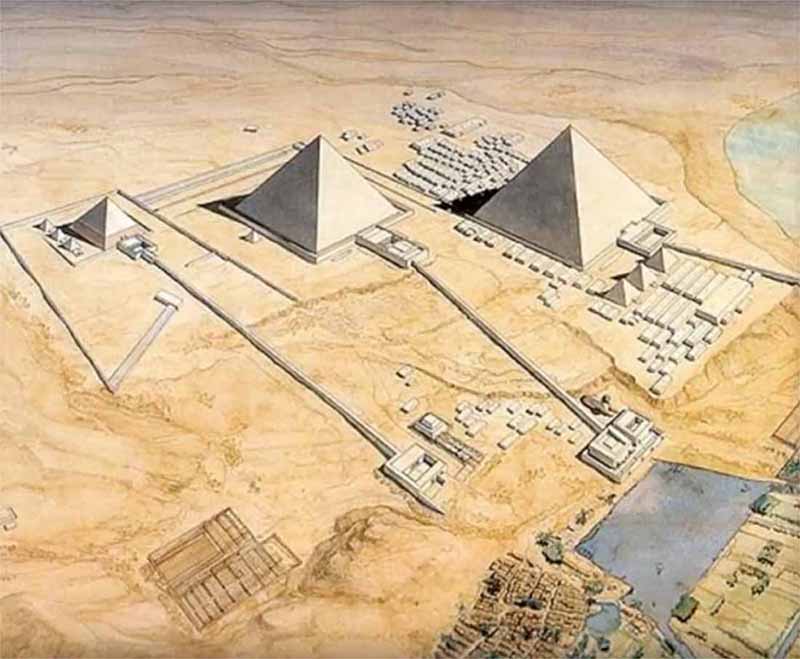 Die Pyramide von Khufu ist nicht nur eine monumentale Struktur; sie ist ein lebendiges Zeugnis für die schiere Genialität und grenzenlose Ambition der alten Ägypter. Seit 4.500 Jahren fesseln ihre bemerkenswerte Präzision, unglaubliche Größe und beständige Präsenz Wissenschaftler, Entdecker und Reisende gleichermaßen. Etwas so Massives, so Perfektes zu bauen, ohne unsere modernen Werkzeuge oder Technologien, spricht Bände über die außergewöhnlichen Fähigkeiten dieser alten Architekten und Arbeiter.
Der Mann hinter dem Denkmal: Pharao Khufu
Khufu, der Sohn von Snefru und Königin Hetepheres, war der zweite König der vierten Dynastie Ägyptens und regierte von etwa 2589 bis 2566 v. Chr. Die Griechen kannten ihn als Cheops, und er ist der Pharao, der das in Auftrag gab, was das älteste erhaltene Wunder der antiken Welt werden sollte. Sein voller Name, 'Khnum-Khufu', bedeutet wörtlich 'Khnum schützt mich' und ehrt die ramshörnige Gottheit der Fruchtbarkeit und des Wassers.
Die alten Ägypter nannten es jedoch nicht die Pyramide von Khufu. Sie nannten diese prächtige Struktur 'Akhet Khufu', was 'Horizont von Khufu' übersetzt. Dieser Name hatte eine immense Bedeutung; es war nicht nur ein Grab, sondern Khufus ultimatives Tor zum Paradies, seine spirituelle Startrampe. Sie bauten es auf dem höchsten Punkt des Gizeh-Plateaus, nicht nur aus Pracht, sondern um seine Sichtbarkeit aus großen Entfernungen zu gewährleisten, ein Leuchtfeuer, das Erde und Himmel verbindet.Sein Hauptzweck war natürlich das königliche Grab von Khufu. Die ägyptischen Bestattungssitten waren komplex und erfüllten vier wesentliche Funktionen: die Unterbringung des Körpers des Pharaos, die Symbolisierung seiner enormen Macht, die Aufrechterhaltung seines höchsten sozialen Status selbst im Tod und die Bereitstellung eines heiligen Raumes für Opfergaben, um seine ewige Reise zu sichern. Während der griechische Historiker Herodot Khufu als strengen Herrscher darstellte, zeigen ägyptische Aufzeichnungen ihn oft als weisen, effektiven Führer. Sein Begräbnis-Kult gewann tatsächlich bis in die römische Zeit erheblich an Popularität und Stärke. Die nahezu perfekte Ausrichtung der Pyramide zu den Himmelsrichtungen und ihre ursprüngliche schimmernde weiße Kalksteinverkleidung verbanden sie tief mit dem Sonnengott Re und fassten die ägyptischen Überzeugungen über Leben, Tod und die göttliche Natur ihrer Könige perfekt zusammen.
Für die Ewigkeit gebaut: Materialien, Arbeit und Design
Etwas so Massives wie die Pyramide von Khufu zu bauen, war kein Laune; es erforderte obsessive Planung jedes einzelnen Materials, jedes Arbeiters und jedes Designdetails. Das Hauptbaumaterial war lokaler Kalkstein, der direkt auf dem Giza-Plateau abgebaut wurde. Für die schillernde äußere Verkleidung brachten sie feinen weißen Kalkstein aus den Tura-Brüchen, etwa 13-17 Kilometer entfernt. Die wertvollsten Teile – die Königskammer, einige wichtige Durchgänge und der Sarkophag des Pharaos – wurden aus Granit gefertigt, der speziell aus Aswan, unglaubliche 934 Kilometer flussaufwärts entlang des Nils, transportiert wurde. Denken Sie nur an diese Reise!
Vergessen Sie den Mythos von 100.000 Sklaven, von dem Herodot sprach. Die moderne Archäologie erzählt eine viel nuanciertere Geschichte. Die Kernarbeitskraft bestand aus etwa 4.000 hochqualifizierten Arbeitern, wahren Handwerkern, die Stein sorgfältig abbauten, Materialien transportierten und die Maurerarbeiten ausführten. Neben ihnen waren etwa 16.000 bis 20.000 Hilfsarbeiter beschäftigt, die alles von der Werkzeugherstellung bis zur Bereitstellung von Lebensmitteln und Vorräten übernahmen. Diese Arbeiter waren nicht versklavt; sie wurden bezahlt, oft in täglichen Rationen, die zehn Laibe Brot und Bier – eine wertvolle Ware damals – beinhalteten.Baugruppen waren mit militärischer Präzision strukturiert und in eine klare Hierarchie organisiert. Zwei Hauptabteilungen teilten sich wiederum in kleinere Gruppen von jeweils etwa 200 Männern. DNA-Beweise haben sogar gezeigt, dass diese Arbeiter aus allen Ecken Ägyptens stammten, was dies zu einem wahrhaft nationalen Unterfangen machte, das zweifellos Einheit im ganzen Land förderte. Sie schafften es, Steine mit einem Gewicht von 2,5 Tonnen oder mehr zu bewegen, indem sie sie auf Schlitten legten und dann den Sand darunter befeuchteten. Dieser clevere Trick reduzierte die Reibung um erstaunliche 50 Prozent! Der Nil und ein ausgeklügeltes Netzwerk künstlicher Wasserwege waren ihre Autobahnen für den Transport dieser kolossalen Blöcke. Die Genauigkeit, die sie erreichten, ist wirklich verblüffend – die Seiten der Pyramide sind genau nach Norden ausgerichtet, mit einer Abweichung von nur 2'28'.
Wer hat das alles vollbracht? Khufus Wesir und Neffe, ein Mann namens Hemiunu, wird als der Hauptarchitekt dieses monumentalen Unterfangens angesehen.
Im Inneren der Pyramide: Kammern, Durchgänge und anhaltende Geheimnisse
Khufus Pyramide ist nicht nur eine imposante Außenansicht; sie verbirgt ein komplexes Netzwerk von Durchgängen und Kammern im Inneren, das auch heute noch Archäologen rätseln lässt. Dieses Monument hebt sich von einfacheren Pyramiden ab, weil es drei Hauptkammern hat, die alle durch ein kompliziertes System von Korridoren verbunden sind. Wenn man sie heute betritt, kann man den ursprünglichen Eingang (jetzt versiegelt) nicht nutzen. Stattdessen betreten die Besucher typischerweise durch 'Al-Mamuns erzwungenen Tunnel', der im 9. Jahrhundert n. Chr. gehauen wurde. Das erste, was man trifft, ist ein absteigender Durchgang, der zu einer unfertigen unterirdischen Kammer führt, die buchstäblich in das Grundgestein selbst gehauen ist.Die Große Galerie und die Königlichen Kammern
Die Große Galerie ist ohne Zweifel das spektakulärste Innerelement der Pyramide. Dieses antike Ingenieurwunder ist ein beeindruckender aufsteigender Durchgang, der 46,71 Meter lang ist. Seine Granitwände und die prächtige gewölbte Decke erreichen eine Höhe von 8,74 Metern und schaffen einen fast kathedralenähnlichen Raum. Dieser beeindruckende Korridor verbindet sich schließlich mit dem etwas irreführend als 'Kammer der Königin' bezeichneten Raum und kulminiert letztendlich im Herzen der Pyramide: der 'Kammer des Königs', die vollständig aus rosafarbenem Granit gebaut ist, der bis aus Aswan herbeigeschafft wurde.Geheimnisvolle Schächte und der Granitsarkophag
In der Kammer des Königs, genau in der Mitte platziert, befindet sich ein leerer Granitsarkophag. Zwei schmale 'Luftschächte' führen von dieser Kammer direkt zur Außenseite der Pyramide. Interessanterweise hat die Kammer der Königin ebenfalls zwei ähnliche Schächte, aber diese hören unerwartet auf, bevor sie jemals die Außenseite erreichen. Sie sind eine rätselhafte architektonische Wahl.Möchten Sie Pyramide von Khufu: Das älteste Wunder der Antike erkunden?
Lassen Sie uns die perfekte private Reiseroute für Sie entwerfen. Von erfahrenen lokalen Guides bis hin zu maßgeschneiderten Plänen zeigen wir Ihnen das echte Ägypten.
Über WhatsApp anpassenEntdeckungen durch moderne Technologie
Selbst nach Jahrtausenden enthüllt diese Pyramide weiterhin Geheimnisse, hauptsächlich dank moderner Technologie. Im Jahr 2016 verwendeten Wissenschaftler die Myon-Radiographie, um ein riesiges, zuvor unbekanntes Vakuum zu entdecken, das sich mindestens 30 Meter lang erstreckt und sich direkt über der Großen Galerie befindet. Kürzlich, im Jahr 2022, identifizierten Forscher eine korridorförmige Struktur, die hinter dem nördlichen Eingang verborgen ist. Es erinnert daran, dass selbst die am meisten untersuchten Stätten noch mehr zu erzählen haben.Bauingenieurwesen: Die Entlastungskammern
Vielleicht ist eines der brillantesten architektonischen Merkmale die Reihe von fünf 'Entlastungskammern', die sich direkt über der Königskammer befinden. Diese waren nicht dekorativ; sie waren ein genialer Ingenieurkunstwerk, das entworfen wurde, um das immense Gewicht des Steins *über* der Königskammer zu verteilen und zu verhindern, dass sie unter der kolossalen Last zusammenbricht.Pyramide von Khufu: Ein ewiges Zeugnis des Genies
Die Pyramide von Khufu ist nicht nur eine monumentale Struktur; sie ist ein lebendiges Zeugnis für die schiere Genialität und grenzenlose Ambition der alten Ägypter. Seit 4.500 Jahren fesseln ihre bemerkenswerte Präzision, unglaubliche Größe und beständige Präsenz Wissenschaftler, Entdecker und Reisende gleichermaßen. Etwas so Massives, so Perfektes zu bauen, ohne unsere modernen Werkzeuge oder Technologien, spricht Bände über die außergewöhnlichen Fähigkeiten dieser alten Architekten und Arbeiter.
Der spirituelle Zweck von 'Akhet Khufu'
Selbst mit begrenzten historischen Aufzeichnungen über seine Herrschaft erzählt uns diese Pyramide so viel über Pharao Khufu. Sie war nie nur ein Grab; sie war sein ultimatives Tor zum Jenseits. Ihr Name, 'Akhet Khufu' – 'Horizont von Khufu' – erfasste wunderschön ihre tiefgreifende spirituelle Rolle als Verbindung zwischen den Welten, ein unübersehbares Wahrzeichen, das die Landschaft des alten Ägypten dominierte.Möchten Sie Pyramide von Khufu: Das älteste Wunder der Antike erkunden?
Lassen Sie uns die perfekte private Reiseroute für Sie entwerfen. Von erfahrenen lokalen Guides bis hin zu maßgeschneiderten Plänen zeigen wir Ihnen das echte Ägypten.
Über WhatsApp anpassenDie Arbeitskräfte und nationale Zusammenarbeit
Es ist wichtig zu erinnern, dass dieses Wunder von geschickten, bezahlten Arbeitern und nicht von Sklaven erbaut wurde. Es war ein nationales Projekt von unglaublicher Organisation, bei dem Teams kolossale Steinblöcke über weite Strecken bewegten. Dieser gemeinsame Aufwand drehte sich nicht nur um den Bau eines Grabes; er vereinte Menschen aus allen Teilen Ägyptens und erreichte Ingenieurleistungen, die für Tausende von Jahren unerreicht blieben.Architektonische Symbolik und ungelöste Geheimnisse
Blicken Sie hinein, und das innere Design der Pyramide entfaltet sich mit faszinierenden Merkmalen: ihr Netzwerk aus komplizierten Durchgängen, die prächtige Große Galerie und jene Kammern, die so viele Geheimnisse bergen. Jedes einzelne architektonische Element hatte eine spezifische Rolle innerhalb der ägyptischen Bestattungstraditionen und zeigte gleichzeitig brillante Ingenieurskunst. Selbst heute bleiben Fragen zu Elementen wie den unvollendeten Kammern und den merkwürdig stoppenden Schächten bestehen.Das Beständige Erbe des ältesten Wunders
Mit neuer Technologie enthüllt dieses antike Wunder ständig frische Geheimnisse. Jüngste Entdeckungen versteckter Hohlräume und zuvor unbekannter Korridore erinnern uns daran, dass die Pyramide selbst nach Jahrhunderten intensiver Studien immer noch einige ihrer tiefsten Geheimnisse bewahrt. Das älteste Wunder der Welt – es ist mehr als nur ein Ort; es ist eine tiefgreifende Verbindung zu unserer fernen Vergangenheit, eine bewegende Erinnerung an die außergewöhnlichen Fähigkeiten unserer Vorfahren.Bereit, diesen Leitfaden in die Realität umzusetzen?
Unsere lokalen Experten können eine maßgeschneiderte Reiseroute basierend auf diesen Empfehlungen erstellen. Senden Sie uns einfach eine kurze Nachricht!
Über WhatsApp anpassen