
Ras Mohammed Nationalpark: Tours, Tickets & Visitor Guide
About Ras Mohammed Nationalpark
Entdecken Sie das Juwel des Roten Meeres: Ras-Mohammed-Nationalpark
Tauchen Sie ein in das unberührte Wasserwunderland des Ras-Mohammed-Nationalparks, Ägyptens wichtigstes Reiseziel zum Schnorcheln und Tauchen. Strategisch günstig am südlichen Ende der Sinai-Halbinsel gelegen, wo der Golf von Suez in den Golf von Aqaba mündet, bietet dieses Schutzgebiet eine beispiellose Gelegenheit, die reiche Artenvielfalt des Roten Meeres zu erleben.
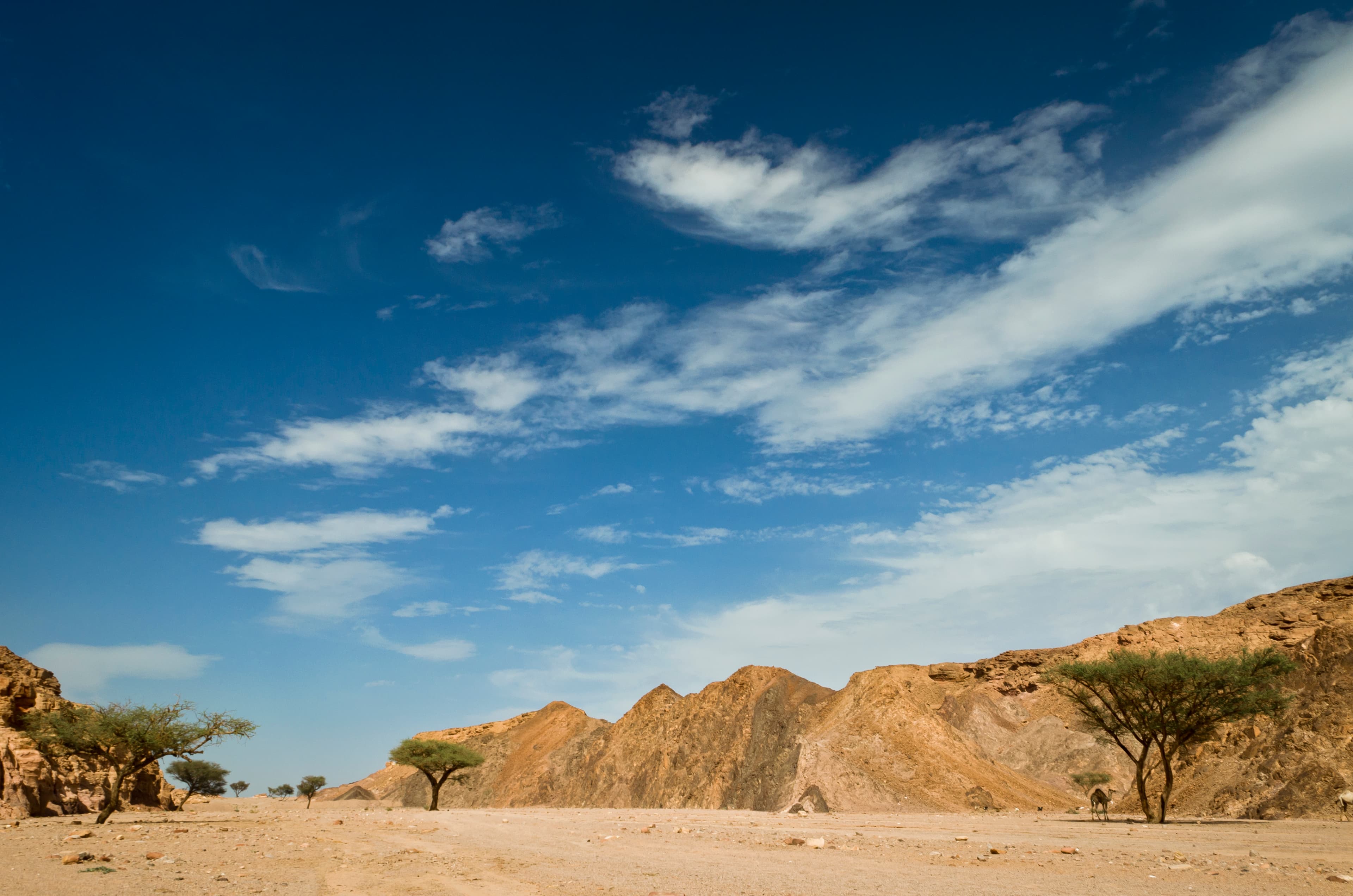
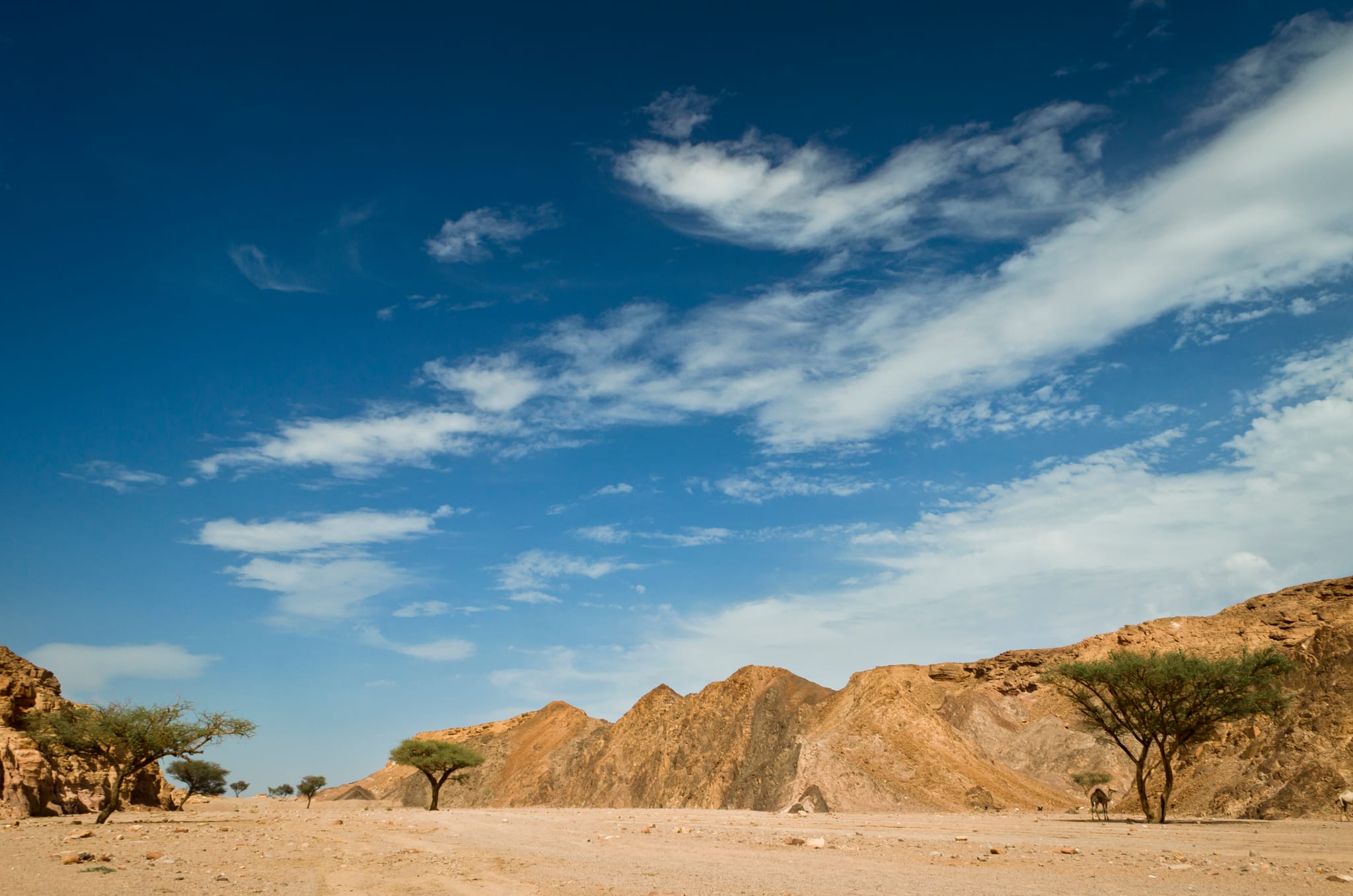
Oberhalb des azurblauen Wassers wird das zerklüftete Wüstengelände des Parks von uralten Mangrovenwäldern, markanten versteinerten Korallenformationen und Salzsümpfen durchzogen und bildet einen dramatischen visuellen Kontrast zur lebendigen Unterwasserwelt.
Bereiten Sie sich auf ein Abenteuer vor, das über das Gewöhnliche hinausgeht und bei dem ein pulsierendes Meeresleben auf eine faszinierende Wüstenlandschaft trifft, und das alles unter der wachsamen Aufsicht engagierter Naturschutzbemühungen.
Was macht den Nationalpark Ras Mohammed so besonders?
Der Nationalpark Ras Mohammed zeichnet sich als Leuchtturm von ökologischer Bedeutung aus, vor allem aufgrund seiner einzigartigen geografischen Lage. Durch die Konvergenz des Golfs von Suez und des Golfs von Aqaba entstehen nährstoffreiche Strömungen, die eine außergewöhnliche Artenvielfalt im Meer hervorbringen, die praktisch nirgendwo sonst zu finden ist.
Dieser Zusammenfluss beherbergt eine erstaunliche Vielfalt an Meereslebewesen, von mikroskopisch kleinem Plankton bis hin zu majestätischen Riffhaien, was ihn zu einem Traumziel für Meeresliebhaber macht. Darüber hinaus gilt der Park als Ägyptens erster Nationalpark, der 1983 ausgewiesen wurde.
Diese entscheidende Entscheidung markierte einen bedeutenden Schritt im Engagement des Landes für den Umweltschutz und schützte seine unschätzbaren Korallenriffe, vielfältigen Meereslebewesen und charakteristischen Wüstenökosysteme vor Überfischung und unkontrollierter Entwicklung. Die indigenen Beduinengemeinschaften haben in der Vergangenheit das empfindliche Gleichgewicht dieser Umgebung verstanden und verehrt.
Ihr Wissen der Vorfahren erkannte implizit die einzigartige ökologische Bedeutung des Gebiets an, lange bevor es offiziell geschützt wurde.
Was es zu sehen und zu tun gibt
Der Reiz von Ras Mohammed reicht weit über seine schimmernde Oberfläche hinaus. Hier ist ein detaillierter Blick auf die Wunder, die Sie erwarten:
Unterwasserwunder: Schnorchel- und Tauchparadies
- Shark Reef und Yolanda Reef: Diese weltberühmten Tauchplätze sind für ihre kaleidoskopischen Weich- und Hartkorallen bekannt, die lebendige Unterwassergärten schaffen. Taucher können damit rechnen, auf große Schwärme von Barrakudas und Schnappern zu stoßen, und gelegentlich werden aufregende Riffhaie gesichtet, die in ihrem natürlichen Lebensraum patrouillieren. Die schiere Dichte und Vielfalt des Meereslebens hier ist atemberaubend.
- Gedeihende Ökosysteme: Schnorchler werden in den flacheren Bereichen ebenso faszinierende Erlebnisse entdecken. Durch den mühelosen Zugang zu blühenden Ökosystemen direkt unter der Wasseroberfläche können selbst unerfahrene Schwimmer eine lebendige Welt voller farbenfroher Fische, komplizierter Korallenformationen und anderer faszinierender Meereslebewesen erleben. Die Klarheit des Wassers ermöglicht eine außergewöhnliche Sicht und macht jeden Moment zu einem unvergesslichen Erlebnis.
Terrestrische Attraktionen: Jenseits des Blauen
- Alte Mangrovenwälder: Diese widerstandsfähigen Bäume sind ein seltener Anblick in einer Wüstenumgebung und spielen eine entscheidende Rolle im Ökosystem, indem sie jungen Fischen Brutstätten bieten und die Küste stabilisieren. Die Erkundung dieser einzigartigen Wälder bietet einen Einblick in die Anpassungsfähigkeit der Natur.
- Beeindruckende versteinerte Korallenformationen: Wagen Sie sich ins Landesinnere, um Zeuge alter Korallenriffe zu werden, die durch geologische Kräfte emporgehoben wurden und heute als markante, beeindruckende Felsformationen in der Wüste stehen. Diese stellen eine greifbare Verbindung zur tiefen geologischen Geschichte des Parks her.
- Salzsümpfe: Diese speziellen Lebensräume beherbergen ein einzigartiges Pflanzen- und Tierleben, das an hohe Salzkonzentrationen angepasst ist, und verleihen der Landschaft des Parks eine weitere Schicht ökologischer Vielfalt.
- Der mystische „Zaubersee“: Dieses hypersaline Binnengewässer ist nicht nur optisch atemberaubend, sondern auch für seine therapeutischen Eigenschaften bekannt. Sein hoher Salzgehalt ermöglicht ein müheloses Schweben und bietet ein einzigartiges und entspannendes Erlebnis inmitten der Wüstenlandschaft.
So besuchen Sie den Nationalpark Ras Mohammed
Der Zugang zu diesem Naturwunder ist unkompliziert und sorgt für ein reibungsloses und angenehmes Erlebnis für alle Besucher.
- Anreise: Der Nationalpark Ras Mohammed ist von Scharm El-Scheich aus, dem Haupttor, leicht zu erreichen. Reiseveranstalter in Sharm El Sheikh bieten verschiedene Ausflüge an, darunter Tagesausflüge mit dem Boot zum Tauchen und Schnorcheln oder Überlandtouren mit Jeep oder Bus für diejenigen, die die Sehenswürdigkeiten auf der Erde erkunden möchten. Für unabhängige Reisen können auch Taxis gemietet werden.
- Tickets: Für den Eintritt in den Park ist eine Eintrittsgebühr erforderlich, was zu seinen laufenden Naturschutzbemühungen beiträgt. Die Gebühren für den Land- und Seezugang variieren, daher ist es ratsam, die aktuellen Tarife bei Ihrem Reiseveranstalter oder am Parkeingang zu erfragen.
- Benötigte Zeit: Um die vielfältigen Angebote von Ras Mohammed wirklich genießen zu können, wird ein ganzer Tag empfohlen. Tauch- und Schnorchelausflüge dauern in der Regel vom Morgen bis zum späten Nachmittag, während Landtouren von einem halben bis zu einem ganzen Tag dauern können, abhängig von der Anzahl der Orte, die Sie erkunden möchten.
Beste Reisezeit und Tipps
Um Ihr Erlebnis zu maximieren, beachten Sie die folgenden Ratschläge:
- Beste Reisezeit: Die kühleren Monate von Oktober bis Mai bieten im Allgemeinen das angenehmste Wetter sowohl für Landausflüge als auch für Wasseraktivitäten. Die Wassertemperaturen sind angenehm und die Wüstenhitze ist weniger intensiv. Die Sommer (Juni bis September) können sehr heiß sein, was für manche eine Herausforderung sein kann, insbesondere für Erkundungen an Land, obwohl das warme Wasser immer noch zum Tauchen einlädt.
- Das Wichtigste zum Mitbringen: Packen Sie immer Sonnencreme, einen Hut, eine Sonnenbrille und viel Wasser ein, unabhängig von der Jahreszeit. Wenn Sie schwimmen oder schnorcheln möchten, bringen Sie bei Bedarf Ihre eigene Ausrüstung mit. In der Regel besteht jedoch auch die Möglichkeit, diese auszuleihen. Um die atemberaubende Unterwasserwelt einzufangen, wird dringend eine wasserdichte Kamera empfohlen.
- Respektieren Sie die Umwelt: Da es sich um einen geschützten Nationalpark handelt, werden Besucher aufgefordert, sich an Umweltrichtlinien zu halten. Berühren oder stören Sie keine Meereslebewesen, Korallenriffe oder Landformationen. Nehmen Sie Ihren gesamten Müll mit und vermeiden Sie es, Tiere zu füttern. Ihre Zusammenarbeit trägt dazu bei, dieses wertvolle Ökosystem für zukünftige Generationen zu bewahren.
Historical Significance
Entstehung und anfängliche Anerkennung
Die besondere ökologische Bedeutung von Ras Mohammed wurde lange vor seinem formellen Schutz anerkannt. Die einzigartige geografische Lage des Gebiets am Zusammenfluss zweier Golfe erzeugt nährstoffreiche Strömungen, die eine außergewöhnliche Artenvielfalt im Meer fördern. Indigene Beduinengemeinschaften haben das empfindliche Gleichgewicht dieser Umwelt schon immer verstanden und geschätzt.
Einrichtung als Nationalpark
Im Jahr 1983 wurde Ras Mohammed offiziell zum ersten Nationalpark Ägyptens erklärt. Diese entscheidende Entscheidung markierte einen bedeutenden Schritt im Engagement des Landes für den Umweltschutz.
Ziel der Auszeichnung war es, die unschätzbar wertvollen Korallenriffe, das vielfältige Meeresleben und die besonderen Wüstenökosysteme vor Überfischung, unkontrollierter Entwicklung und Verschmutzung zu schützen und ihre Erhaltung für wissenschaftliche Studien und künftige Generationen sicherzustellen.
Dauerhafte Bedeutung
Seit seiner Gründung hat sich der Ras-Mohammed-Nationalpark zu einem weltweiten Vorbild für Meeresschutzgebiete entwickelt. Das laufende Management legt Wert darauf, den Tourismus mit Naturschutzbemühungen in Einklang zu bringen, Besucher über die entscheidende Bedeutung des Schutzes der Meeresumwelt aufzuklären und Forschungen durchzuführen, um die komplexen Ökosysteme besser zu verstehen und zu schützen. Der Park ist ein Beweis für das Engagement Ägyptens für die Erhaltung seines Naturerbes.
Tours Visiting Ras Mohammed Nationalpark
Private, Egyptologist-guided experiences with tickets and transfers handled for you.
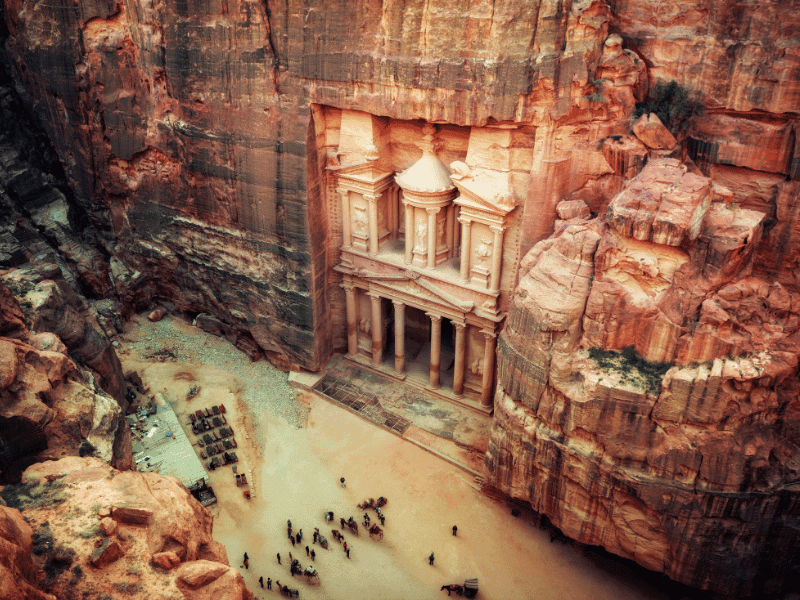
Diese 14-tägige Tour zu den Höhepunkten Ägyptens und Jordaniens bietet Touristen ein außergewöhnliches Erlebnis bei der Erkundung der besten Sehenswürdigkeiten…
Ras Mohammed Nationalpark — Frequently Asked Questions
Everything you need to know before visiting Ras Mohammed Nationalpark.