
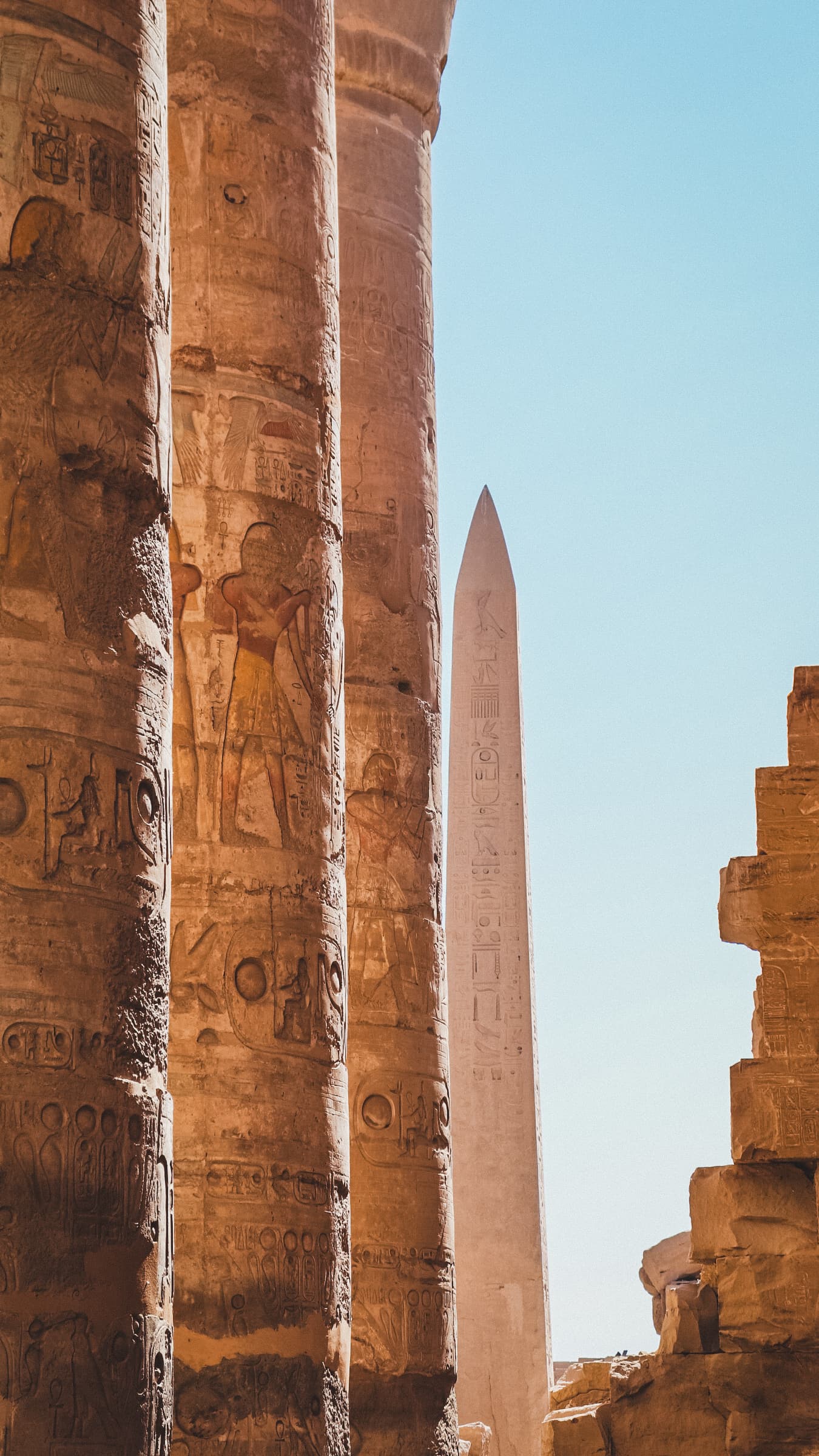

UNESCO Status, Preservation, and Modern Restoration
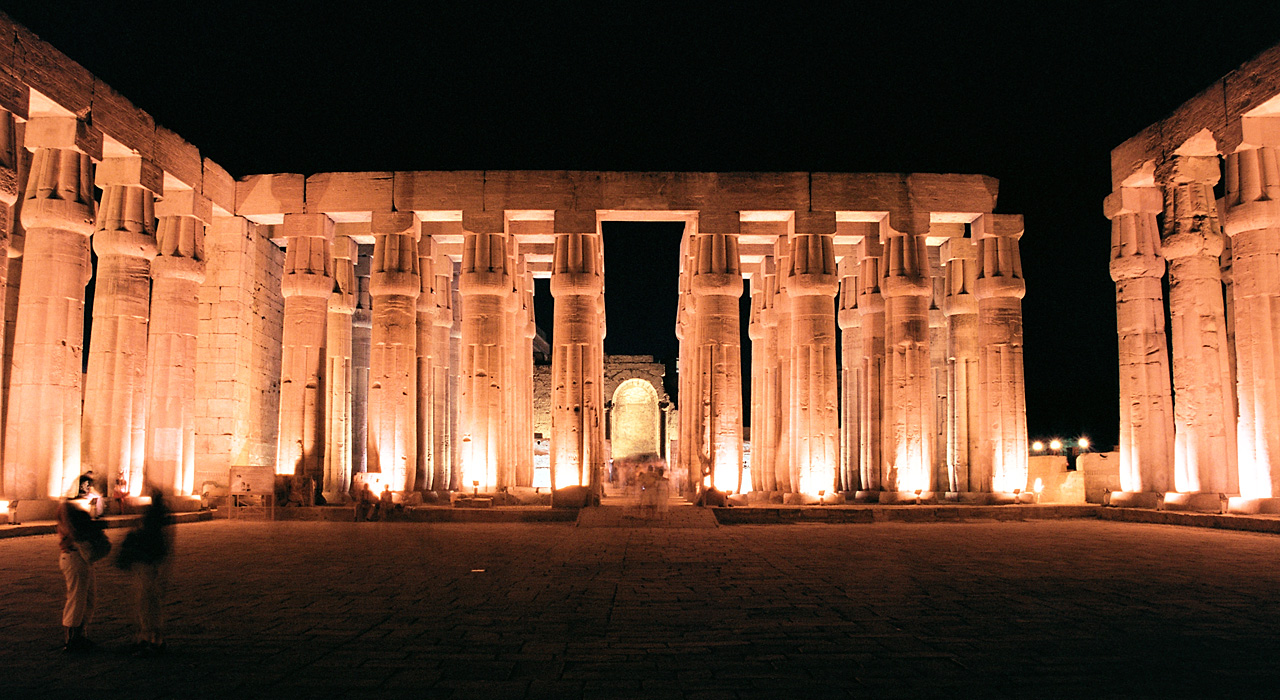
Luxor Temple, along with the rest of ancient Thebes, earned its spot on the UNESCO World Heritage Site list in 1979. This isn't just a fancy title; it's a global agreement that this place is incredibly valuable and deserves every effort to keep it thriving for future generations.
Excavation and Restoration Efforts
It's hard to imagine, but much of Luxor Temple was buried for centuries. A French Egyptologist, Gaston Maspero, really kicked off the major excavations in the late 19th century, digging out huge sections that were hidden under local homes, shops, and general debris. Today, the work continues, blending traditional archaeological care with some pretty cool modern tech:
- Damaged reliefs aren't just left to crumble; they're meticulously cleaned and restored.
- Fallen columns? They're carefully reassembled, standing tall once more.
- Over a thousand stone blocks have been systematically stabilized to prevent further decay.
- Cutting-edge 3D scanning and digital mapping are used to document the most fragile inscriptions, ensuring their memory lives on even if the stone itself eventually fades.
These efforts mean that when you visit, you're experiencing a place that's actively being cared for, not just passively observed.
Luxor Temple is one of those places where ancient Egypt feels wonderfully alive. Set right in the heart of modern Luxor on the East Bank of the Nile, this extraordinary temple has witnessed royal coronations, grand festivals, Roman legions, Christian worship, and Islamic traditions—all under the same sky. With more than 3,400 years of history carved into its walls, Luxor Temple remains one of the most accessible and captivating ancient sites in Egypt.
Unlike many temples built mainly for worshipping specific gods, Luxor Temple was dedicated to something deeper: the renewal of kingship and the celebration of divine rebirth. It was here, during the annual Opet Festival, that pharaohs underwent symbolic purification and reconnected with the gods of Thebes. Today, the temple stands as a living journey through layers of history—pharaonic, Roman, Christian, and Islamic—woven together in one extraordinary monument. This complete guide walks through everything travelers need to know about Luxor Temple: its location, history, architecture, cultural significance, and the highlights you shouldn't miss.
Where Is Luxor Temple Located?
Luxor Temple sits in the very center of modern Luxor city on the East Bank of the Nile River in Upper Egypt. Unlike remote desert temples, this one rises right beside busy streets, popping up near hotels, cozy cafés, the Corniche, and vibrant local markets, making it incredibly easy to reach for any visitor.
A Temple at the Heart of Ancient Thebes
In ancient times, Luxor wasn't called Luxor; it was Thebes, the illustrious capital of Egypt during its most powerful dynasties. The temple’s ancient name, Ipet-resyt, translates to 'Southern Sanctuary,' perfectly reflecting its role as the southern counterpart to the colossal Karnak Temple Complex further north.
A Riverside Monument with Perfect Alignment
The temple stands perfectly parallel to the Nile. It wasn't an accident; its builders deliberately positioned it to reflect a deep harmony between the life-giving river, the bustling city, and the sacred processions that once flowed through its gates. Even today, standing at its entrance, you can still feel that profound connection between the temple and the Nile’s timeless path.
Want to explore Luxor Temple: A Timeless Journey Through Egypt's Heart?
Let us design the perfect private itinerary for you. From expert local guides to seamless luxury cruises, we craft custom trips that show you the real Egypt.
Customize via WhatsAppConnected to Karnak by the Avenue of Sphinxes
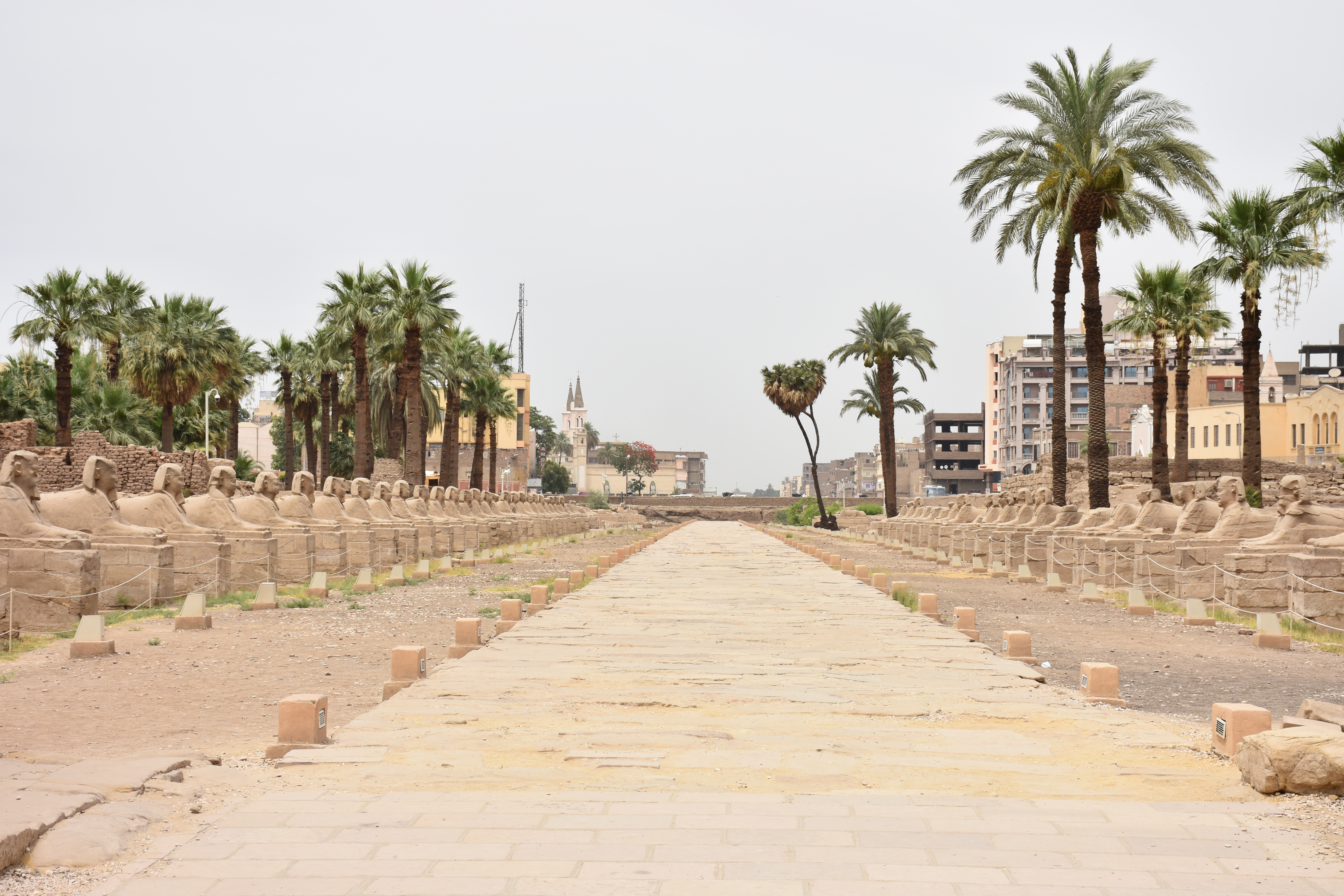
One of Luxor Temple’s most remarkable features is its direct link to Karnak Temple via the Avenue of Sphinxes. This monumental ceremonial road stretches 2.7 kilometers, lined with hundreds of sphinx statues. These aren't all the same; you'll spot three distinct styles:
- Human-headed sphinxes
- Ram-headed sphinxes, dating back to Tutankhamun's reign
- Full ram statues, commissioned by Amenhotep III
This grand avenue wasn't just decorative. It was vital during the Opet Festival, when priests carried the sacred barques (boat-shaped shrines) of Amun, Mut, and Khonsu from Karnak to Luxor Temple, performing rituals of renewal and divine union.
Who Built Luxor Temple and When?
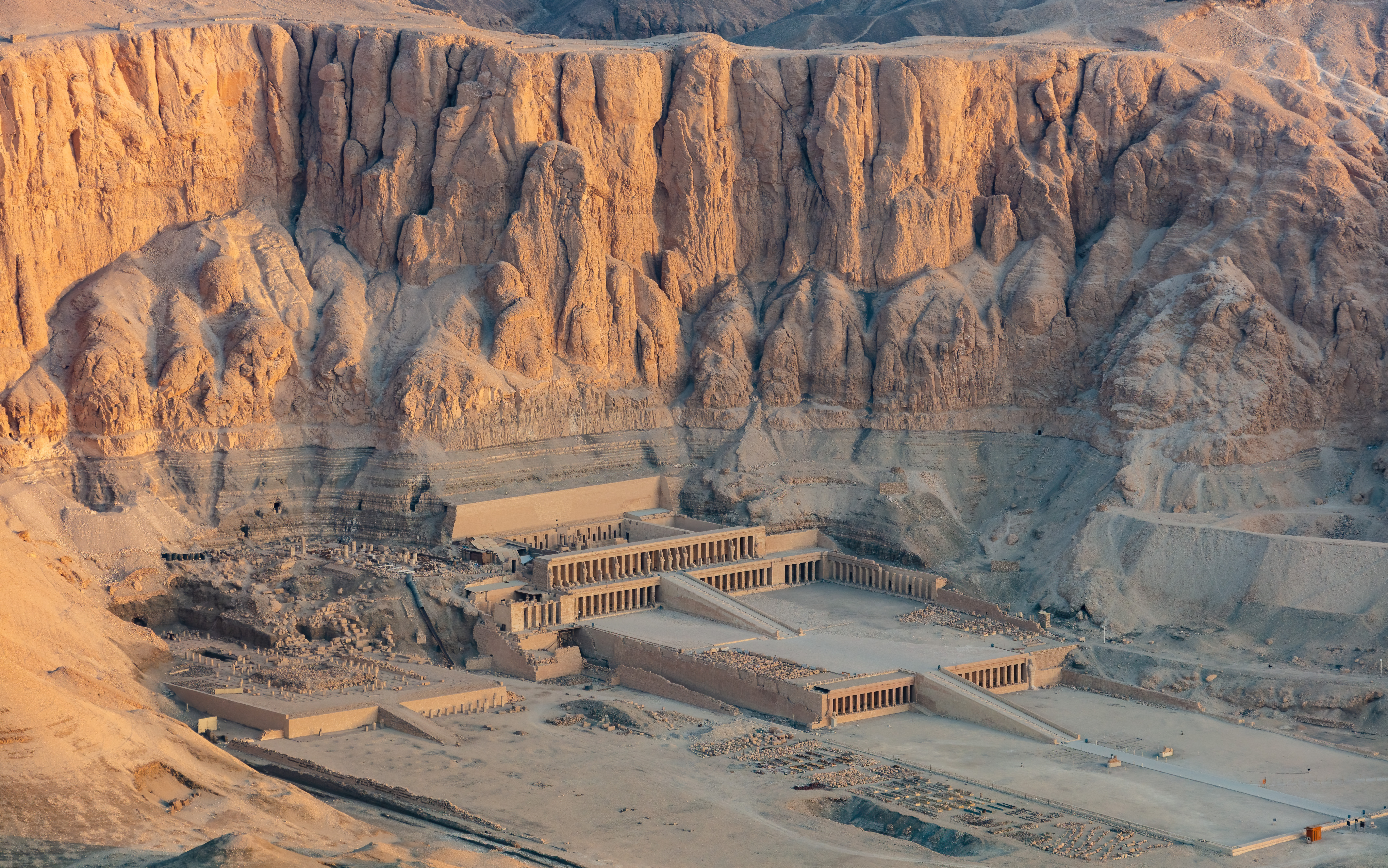
The story of Luxor Temple spans centuries. It wasn’t the singular vision of one ruler but an evolving masterpiece crafted by several powerful pharaohs—and later, by Roman and Islamic builders who left their own marks.
Amenhotep III: The Founder
Construction kicked off around 1400 BCE under Amenhotep III of the 18th Dynasty. He laid the foundation, building the main sanctuary, inner chambers, and a substantial courtyard. His architects smartly sourced Nubian sandstone from Gebel el-Silsila, which gives the temple its signature warm, golden hue.
Tutankhamun and Horemheb: Finishing and Decorating
The boy-king Tutankhamun and his successor Horemheb stepped in to complete many of Amenhotep III’s structures. They weren't just finishing touches; they added intricate carvings, reliefs, and decorations—especially compelling scenes from the Opet Festival, bringing the temple's purpose to life.
Want to explore Luxor Temple: A Timeless Journey Through Egypt's Heart?
Let us design the perfect private itinerary for you. From expert local guides to seamless luxury cruises, we craft custom trips that show you the real Egypt.
Customize via WhatsAppRamses II: The Great Expander
About a century later, Ramses II, ever the grand builder, dramatically enlarged the temple. He added:
- A massive, imposing entrance pylon.
- Colossal statues of himself, asserting his divine authority.
- Two striking pink granite obelisks (one remains proudly standing; its twin now graces Paris).
- A huge, open-air courtyard brimming with columns and statues, creating an unforgettable sense of scale.
Roman Influence
When the Romans took over Egypt, they cleverly repurposed parts of the temple, transforming them into a legionary fortress and an administrative hub. They even added frescoes inside certain chambers—rare, beautiful examples of Roman art that have somehow survived within this Egyptian context.
Christian and Islamic Layers
Centuries continued to layer upon the temple:
- A Coptic church was built right inside the complex, showing early Christian influence.
- Then, in the 13th century, the Abu Haggag Mosque was constructed directly *above* the ancient temple floor—and remarkably, it's still an active, vibrant place of worship today.
This incredible layering makes Luxor Temple truly unique; it's one of the only ancient monuments in Egypt that still encompasses an active, living religious site.
What Is Luxor Temple Made Of?
The majority of the temple is fashioned from Nubian sandstone. This durable, warm-colored stone was perfect for constructing towering columns and intricate carved reliefs. For stronger elements like obelisks and select statues, pink granite, black granite, and quartzite were specifically chosen for their strength and symbolic meaning. If you look closely, you can still find traces of paint clinging to some carvings, a vivid reminder that this temple wasn't always bare stone; it once glowed with vibrant colors.
What to See at Luxor Temple
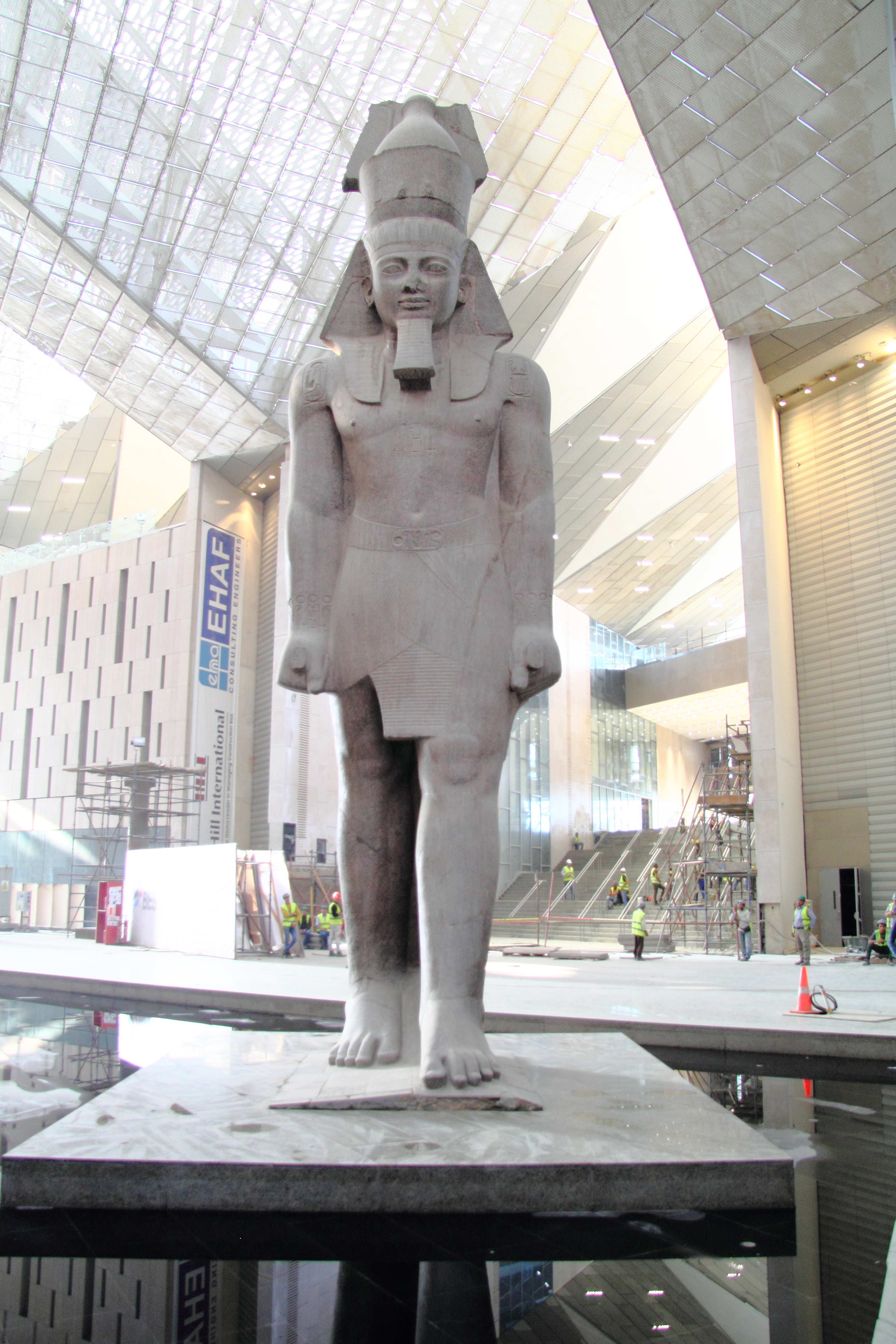
Every corner of Luxor Temple has a story to tell, a whisper from the past, but a few highlights really demand your attention.
1. The First Pylon of Ramses II
This dramatic, imposing gateway is adorned with vivid scenes depicting Ramses II’s celebrated battles. Flanking the entrance are gigantic seated statues of the pharaoh, portraying him as both a formidable political and divine leader. You'll notice only one original obelisk remains; its twin was a grand gift to France in the 19th century.
2. The Court of Ramses II
Beyond the pylon, you step into a grand courtyard. This space is intricately lined with papyrus-bundle columns, numerous statues, small shrines, and altars. Many of the statues here depict Ramses II in various divine forms, clearly showcasing his immense influence over the temple's design and purpose.
3. The Great Colonnade of Amenhotep III
This iconic passageway is truly breathtaking. It features 14 enormous papyrus-bundle columns, each soaring nearly 19 meters high. The walls are covered with incredibly detailed scenes from the Opet Festival—you can almost hear the drummers, see the performers, and witness the priests celebrating the renewal of the pharaoh’s divine power.
4. The Great Court of Amenhotep III
A beautifully symmetric courtyard awaits, featuring orderly rows of columns and walls richly carved with ancient tales. This spacious area was vital for various ceremonies and is an excellent spot to truly appreciate the precision and artistry of New Kingdom architecture.
5. The Inner Sanctuary and Barque Shrines
At the temple's very core lies the sacred barque shrine of Amun. Interestingly, Alexander the Great himself financed part of its reconstruction during his rule, leaving behind inscriptions in the traditional pharaonic style. Nearby, you'll find Amenhotep III’s 'birth room,' which vividly illustrates his divine origin—a captivating depiction of the moment the god Amun touched the queen’s hand.
6. Abu Haggag Mosque
Still active today, this 13th-century mosque was built right on top of ancient temple columns. Its annual Moulid festival is a vibrant affair, with lively processions and celebrations that curiously echo the ancient Opet rituals, connecting past and present.
7. The Restored Avenue of Sphinxes
Recently reopened to the public, this magnificent ceremonial road now fully connects Luxor Temple to Karnak Temple. Along its length, you'll find six barque stations, which were used during those grand festival processions of old.
Visiting Luxor Temple Today
One of the absolute best things about Luxor Temple is how easily accessible and inviting it is. It's open both day and night, offering two completely different yet equally magical atmospheres.
- Opening Hours
Generally: 6:00 AM – 10:00 PM (Trust me, the night visits, when it's all lit up, are a highly recommended, almost otherworldly experience.)
- Tickets
Tickets are conveniently available right at the entrance. Many tours will combine Luxor Temple with the immense Karnak Temple, and some even offer the incredible chance to walk a portion of the newly restored Avenue of Sphinxes between them.
- Tips for the Best Experience
- Wear comfortable shoes—you'll be doing a lot of exploring on uneven ground.
- Always bring water, especially if you're visiting during the warmer months.
- Aim to visit early in the morning or later in the evening to avoid the biggest crowds and the midday heat.
- Consider combining your visit with a trip to the Luxor Museum or a relaxing stroll along the Nile Corniche.
- Best Time to Visit
The cooler months from October to April offer ideal temperatures for exploring. However, summer evenings at the temple, illuminated against the dark sky, are also incredibly pleasant and atmospheric.
Why Luxor Temple Still Matters
Luxor Temple is so much more than just an ancient monument—it's a continuous, living story of human creativity, unwavering faith, and evolving identity. It beautifully reflects:
- The sheer grandeur and visionary architecture of the New Kingdom.
- The profound power and intricate nature of ancient rituals.
- The lasting influence of Roman occupation.
- The enduring strength of Coptic and Islamic traditions that still thrive within its bounds.
- The vital connection between ancient heritage and modern Luxor’s bustling economy.
It remains a powerful symbol of how civilizations layer themselves over time, always building upon the past while simultaneously creating something new. For travelers, Luxor Temple is easily one of Egypt’s most unforgettable sites—a place where you can genuinely walk through history, reach out and touch ancient stones, and stand exactly where pharaohs once celebrated their divine rebirth. It’s an experience that truly connects you to the heart of ancient Egypt.
Ready to turn this guide into reality?
Our local experts can create a custom itinerary based on these recommendations. Just send us a quick message!
Customize via WhatsApp