

You know, when folks talk about Luxor's West Bank, they often jump straight to the Valley of the Kings or Hatshepsut's Temple. And don't get me wrong, those are breathtaking. But if you ask a local, someone who's seen it all, they'll often point you toward a place that really captures the essence of ancient Egypt, in a way that feels… different. That place is Medinet Habu.
It's one of those spots that just takes your breath away with how well-preserved it is. The sheer scale, the vibrant colors, those intricate details – it's all still there. This wasn't just any temple; it was the mortuary temple for Pharaoh Ramses III, a seriously powerful king from the 20th Dynasty. For anyone keen to dig a little deeper into Egypt's past, beyond the usual postcard views, Medinet Habu is an absolute must-see. It's got everything: jaw-dropping architecture, incredible art, deep religious significance, and even some gripping military history, all in one spot. And here's the kicker: it's often significantly less crowded than other major sites. That means you get to really soak it all in, enjoy a peaceful, immersive experience. Honestly, it's one of Luxor's true hidden treasures.
 Think of Medinet Habu as a sprawling archaeological canvas. It's not just one building; it's a whole complex, wrapped up in these seriously thick, fortified walls. Inside, you'll find:
* The Mortuary Temple of Ramses III, the centerpiece.
* Smaller chapels that actually predate Ramses III's main temple.
* Administrative buildings that kept the whole place running.
* Sections of a royal palace!
* And those amazing, ancient mudbrick walls that enclose everything.
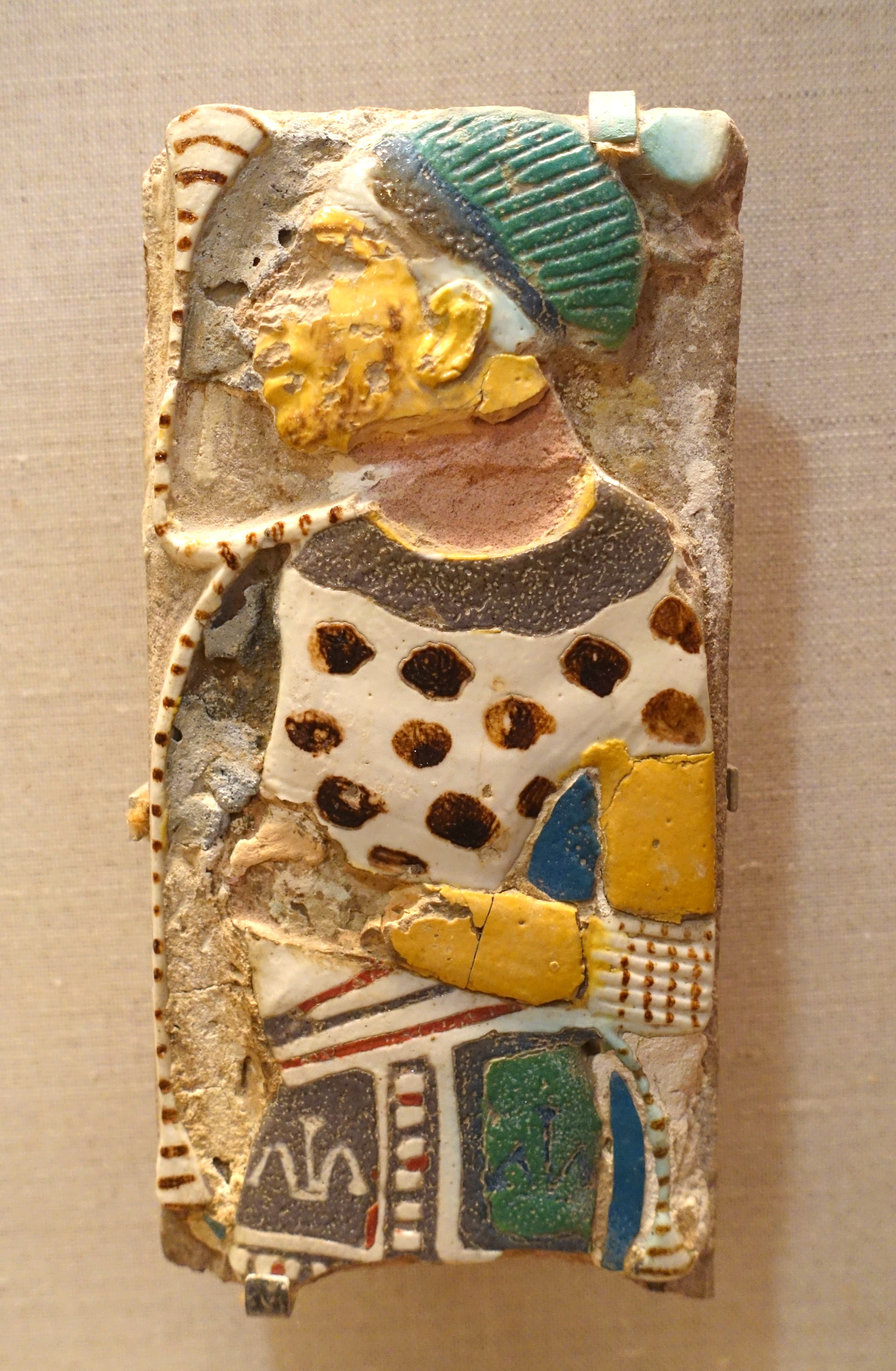
The name 'Medinet Habu' itself comes from the Coptic word 'Habu,' which refers to the ancient city that once thrived here. But to the ancient Egyptians, it was 'Djanet,' a sacred place tied directly to the god Amun. What truly sets Medinet Habu apart is its remarkable state of preservation. The walls still gleam with original colors, depicting hyper-detailed battle scenes and hieroglyphs that practically scream Ramses III's entire reign to historians. It's like a time capsule.
Think of Medinet Habu as a sprawling archaeological canvas. It's not just one building; it's a whole complex, wrapped up in these seriously thick, fortified walls. Inside, you'll find:
* The Mortuary Temple of Ramses III, the centerpiece.
* Smaller chapels that actually predate Ramses III's main temple.
* Administrative buildings that kept the whole place running.
* Sections of a royal palace!
* And those amazing, ancient mudbrick walls that enclose everything.
The name 'Medinet Habu' itself comes from the Coptic word 'Habu,' which refers to the ancient city that once thrived here. But to the ancient Egyptians, it was 'Djanet,' a sacred place tied directly to the god Amun. What truly sets Medinet Habu apart is its remarkable state of preservation. The walls still gleam with original colors, depicting hyper-detailed battle scenes and hieroglyphs that practically scream Ramses III's entire reign to historians. It's like a time capsule.
 The main man behind Medinet Habu was Pharaoh Ramses III (reigned 1186–1155 BCE). He was quite the strong ruler, known for fending off foreign invasions, including those mysterious 'Sea Peoples.' He actually took a page out of Ramses II's book, modeling his temple after the magnificent Ramesseum. But of course, being Ramses III, he had to make it bigger, better, with grander walls, fresh reliefs, and even his own royal palace rooms.
Now, while Ramses III is the star here, the complex does have bits and pieces from earlier times, including structures from Hatshepsut, Thutmose III, and even the later Ptolemaic era. It's this layered history that makes Medinet Habu such a captivating place; you can literally see different epochs of Egyptian civilization all woven together.
The main man behind Medinet Habu was Pharaoh Ramses III (reigned 1186–1155 BCE). He was quite the strong ruler, known for fending off foreign invasions, including those mysterious 'Sea Peoples.' He actually took a page out of Ramses II's book, modeling his temple after the magnificent Ramesseum. But of course, being Ramses III, he had to make it bigger, better, with grander walls, fresh reliefs, and even his own royal palace rooms.
Now, while Ramses III is the star here, the complex does have bits and pieces from earlier times, including structures from Hatshepsut, Thutmose III, and even the later Ptolemaic era. It's this layered history that makes Medinet Habu such a captivating place; you can literally see different epochs of Egyptian civilization all woven together.
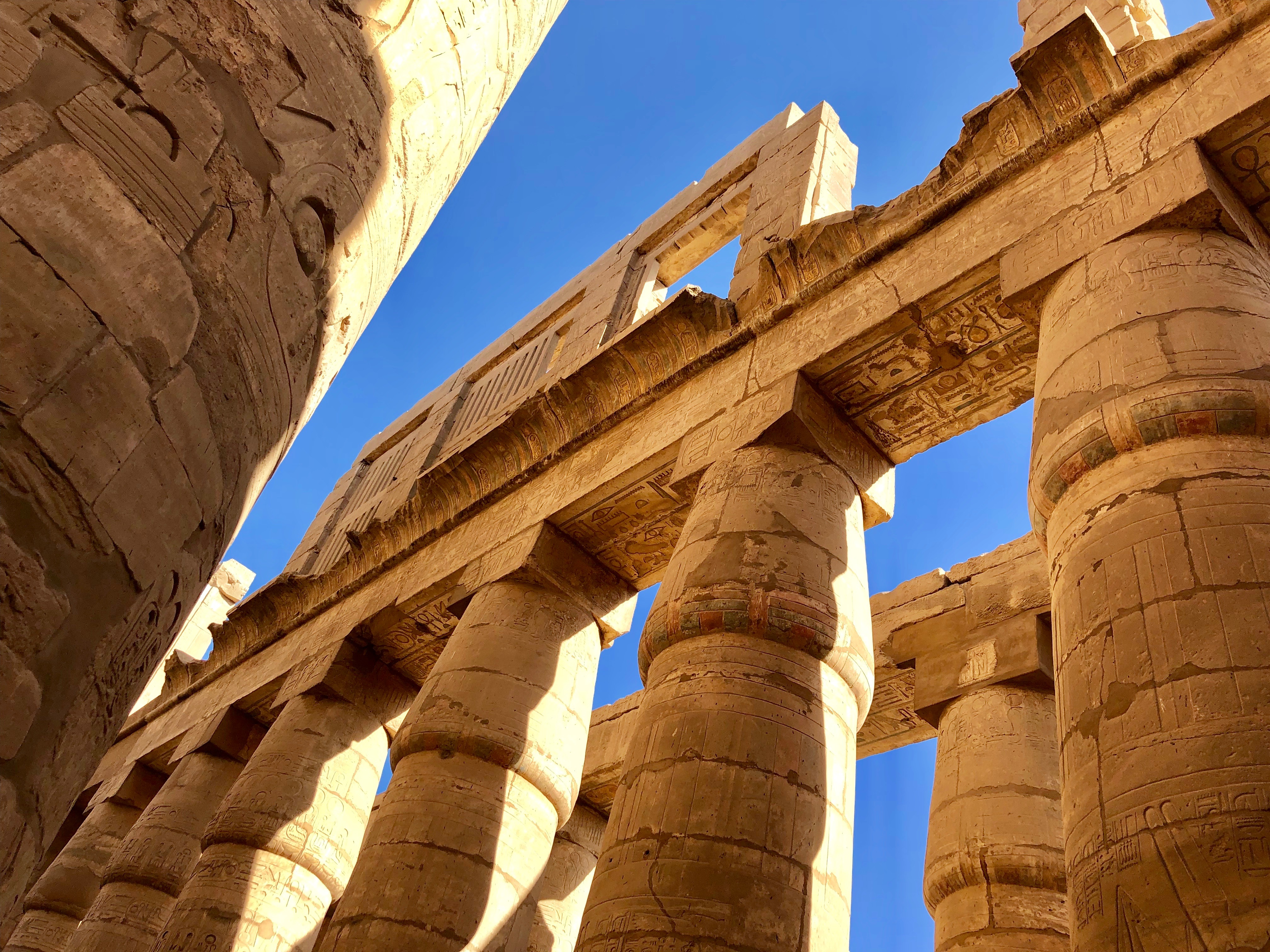 Look, Medinet Habu isn't just another archaeological site; it's one of Luxor's most extraordinary. With those towering walls, the explosion of colorful reliefs, that grand entrance gate, and the impossibly well-preserved palace, it paints an incredibly vivid picture of life, power, and faith during Ramses III's reign. For anyone traveling to Egypt who truly wants to dive into its rich history, Medinet Habu offers an experience that's both tranquil and deeply informative, often away from the busiest tourist crowds. It's a place where ancient art, tales of war, grand religious ceremonies, and royal architecture all converge, creating one of the most unforgettable stops on Luxor's Theban West Bank.
So, What Exactly *is* Medinet Habu?
Think of Medinet Habu as a sprawling archaeological canvas. It's not just one building; it's a whole complex, wrapped up in these seriously thick, fortified walls. Inside, you'll find:
* The Mortuary Temple of Ramses III, the centerpiece.
* Smaller chapels that actually predate Ramses III's main temple.
* Administrative buildings that kept the whole place running.
* Sections of a royal palace!
* And those amazing, ancient mudbrick walls that enclose everything.
The name 'Medinet Habu' itself comes from the Coptic word 'Habu,' which refers to the ancient city that once thrived here. But to the ancient Egyptians, it was 'Djanet,' a sacred place tied directly to the god Amun. What truly sets Medinet Habu apart is its remarkable state of preservation. The walls still gleam with original colors, depicting hyper-detailed battle scenes and hieroglyphs that practically scream Ramses III's entire reign to historians. It's like a time capsule.
Where in Luxor is This Gem Located?
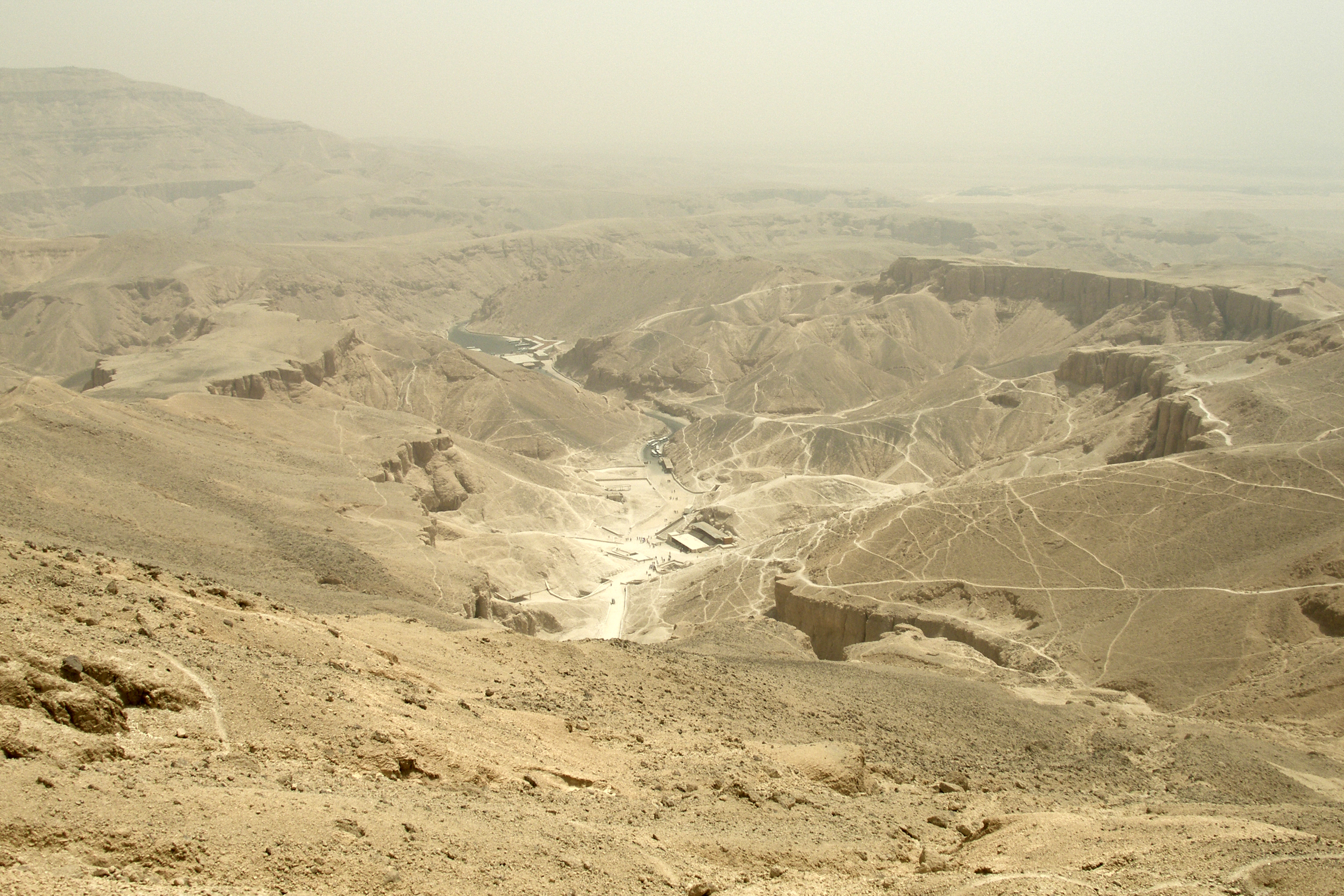
Head over to the west bank of the Nile in Luxor, and you'll find it nestled among a fantastic cluster of archaeological sites. It's right there, a stone's throw from: * The Valley of the Queens * Deir Al Medinah (the Workers' Village) * Hatshepsut's Temple * The Ramesseum This placement on the west bank wasn't accidental, by the way. Ancient Egyptians believed the west was the realm of the dead, making it the perfect, most respectful spot for mortuary temples.Who Had the Vision to Build Medinet Habu?
The main man behind Medinet Habu was Pharaoh Ramses III (reigned 1186–1155 BCE). He was quite the strong ruler, known for fending off foreign invasions, including those mysterious 'Sea Peoples.' He actually took a page out of Ramses II's book, modeling his temple after the magnificent Ramesseum. But of course, being Ramses III, he had to make it bigger, better, with grander walls, fresh reliefs, and even his own royal palace rooms.
Now, while Ramses III is the star here, the complex does have bits and pieces from earlier times, including structures from Hatshepsut, Thutmose III, and even the later Ptolemaic era. It's this layered history that makes Medinet Habu such a captivating place; you can literally see different epochs of Egyptian civilization all woven together.
Let's Talk Design: What's Inside Medinet Habu?
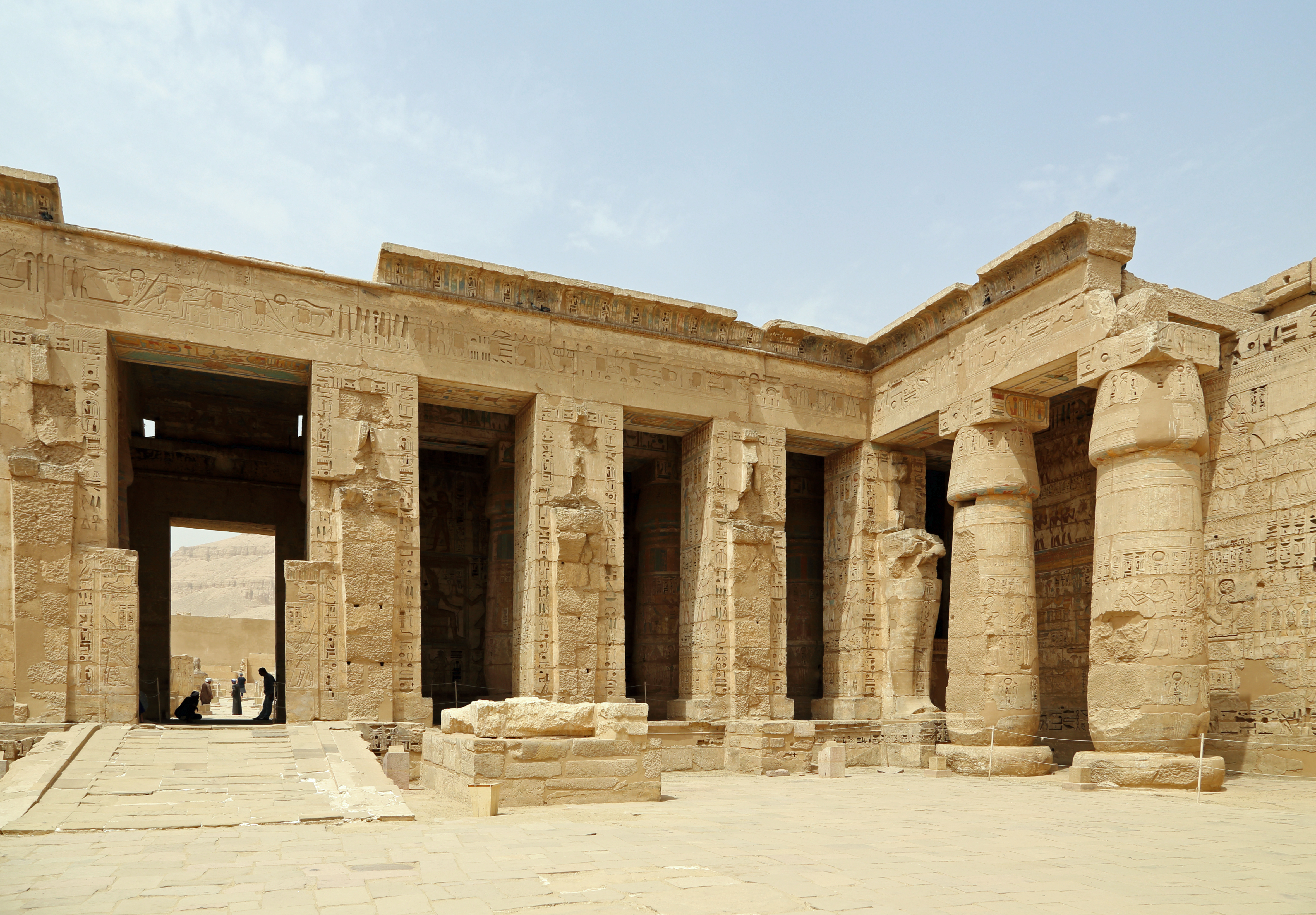
This temple complex truly is massive, sprawling over more than 66,000 square meters. Those fortified walls? They're not just for show; they give the whole place the imposing appearance of an ancient royal fortress. Here's a quick tour of what you'll encounter: 1. **The High Gate (Massive Entrance):** This isn't just a gate; it's practically a small fortress itself. * Flanked by imposing towers. * Features guardrooms. * Even had windows that might have been used for royal announcements or ceremonies. This unique 'Syrian Migdol' style gate hints at Egypt's connections with other cultures during the New Kingdom. 2. **The First Courtyard:** Step through the gate and you're in a vast, open courtyard lined with columns. Look closely, and you'll spot statues of Ramses III wearing the double crown of Egypt. There are also chapels here, dedicated to Amun. 3. **The Second Courtyard:** This is where the magic really happens for color lovers. The painted columns and scenes of religious rituals in this area are simply incredible. Seriously, the colors here are some of the brightest and best-preserved you'll find anywhere in Luxor. 4. **Hypostyle Halls:** These halls are packed with monumental columns, all intricately decorated with hieroglyphs and images of gods and pharaohs. Imagine, the ceilings once depicted stunning astronomical scenes. 5. **The Inner Sanctuary:** This was the holiest section, dedicated to the Theban triad – Amun, Mut, and Khonsu. This is where the priests would have performed their daily rites and offerings. 6. **The Royal Palace of Ramses III:** What sets Medinet Habu apart is that it has a beautifully preserved palace attached right to the temple. Ramses III actually used this palace for festivals and official ceremonies. * You can still see the 'Windows of Appearance' where the king might have shown himself to his subjects. * Areas that likely served as throne rooms. * Even residential chambers. This is incredibly rare – one of the only surviving examples of a New Kingdom royal palace directly connected to a temple. 7. **Exterior Walls with Battle Scenes:** The outer walls are like an ancient graphic novel, depicting some of the most detailed military reliefs in all of Egypt. * Witness epic battles against the infamous Sea Peoples. * See Egyptian soldiers marching in perfect formation. * Observe the counting of captives after battle. * And, of course, the king himself, Ramses III, triumphantly smiting his enemies. These reliefs are invaluable; they're essentially a historical document of Egypt's military might in the 12th century BCE.
The Epic Battle Scenes of Ramses III
Medinet Habu truly earns its fame through these extensive war reliefs. The scenes showing Ramses III's triumph over the Sea Peoples aren't just art; they're the primary historical accounts we have of this significant threat to ancient Egypt. It's like watching history unfold on stone. Among the most striking details of these battle scenes are: * Chariots tearing through enemy lines, a whirlwind of motion. * Archers, bows drawn, unleashing volleys of arrows. * Naval battles on the Nile, ships clashing. * The somber presentation of prisoners to the triumphant king. * Jubilant Egyptian celebrations following victory. These images aren't just decorative; they were propaganda, showcasing Ramses III's strength and leadership to all. They also provide historians with a treasure trove of information on the weaponry, attire, and military tactics of the era.Want to explore Medinet Habu: Ramses III's Hidden Jewel on Luxor's West Bank?
Let us design the perfect private itinerary for you. From expert local guides to seamless luxury cruises, we craft custom trips that show you the real Egypt.
Customize via WhatsAppThe Deep Religious Significance of Medinet Habu
Despite all the glorious military art, it's crucial to remember that Medinet Habu was first and foremost a religious site. Its primary dedication was to Amun-Ra, the chief deity of Thebes. Priests would conduct daily rituals here – offerings of food, incense, and prayers – all to uphold divine order. The temple also played a massive role in important festivals, like: * The Beautiful Feast of the Valley. * New Year's celebrations. * And various coronation and jubilee rituals. These ceremonies weren't just religious; they were political, reaffirming the pharaoh's divine connection and authority.
Cool Facts That Make Medinet Habu a Must-See
Here are a few lesser-known tidbits about this incredible site: 1. It houses the longest known hieroglyphic inscription detailing a military victory. Talk about bragging rights! 2. The colors on these temple walls have stubbornly held on for over 3,000 years. It's mind-boggling. 3. Ramses III's palace here is one of the very few surviving royal palaces from the New Kingdom period. A real rarity! 4. Close by, there was once a bustling village called Jema, which was continuously inhabited for centuries. 5. Studying this site has been crucial for archaeologists in understanding the political decline that eventually gripped the New Kingdom.
Seriously, Why Should You Visit Medinet Habu?
I can't stress this enough: Medinet Habu is hands down one of the most rewarding archaeological sites you can visit in Luxor. Travelers constantly tell me it's a wonderfully peaceful place, with architecture that will knock your socks off and colors that feel practically fresh, almost untouched by time. Here are my top reasons to include Medinet Habu in your Egypt itinerary: * **It's remarkably preserved:** Arguably one of the best-preserved temples in all of Egypt, right up there with the best. * **Vivid colors:** The hues and intricate carvings are often brighter and clearer here than at many other sites – it's like seeing them through ancient eyes. * **No crowds:** Seriously, this place is usually much quieter, letting you explore in comfort and contemplation. * **A rich tapestry:** You get history, art, religion, *and* architecture, all rolled into one incredible package. * **Photographer's paradise:** The light, the colors, the sheer grandeur – it offers fantastic photo opportunities. * **Two for one:** You get to explore both a temple *and* a royal palace in a single visit. If you're looking to forge a deeper, more personal connection with ancient Egypt, beyond just ticking off boxes, then Medinet Habu is absolutely perfect.A Few Travel Tips for Your Visit
**When's the best time to go?** * Early morning or late afternoon, especially if you're visiting in the summer. The cooler temperatures are a blessing, and the lighting is just gorgeous for photos. Trust me on this one. **What should you bring?** * **Comfortable shoes:** You'll be doing a fair bit of walking. * **Sunscreen and a hat:** Essential under the Egyptian sun. * **Water:** Stay hydrated, always. **Planning your day:** * Many tours wisely combine Medinet Habu with other West Bank highlights. Consider grouping it with the Valley of the Queens, Deir Al Medinah, Hatshepsut's Temple, or the Ramesseum. It makes for a perfectly rounded day of exploration.
Look, Medinet Habu isn't just another archaeological site; it's one of Luxor's most extraordinary. With those towering walls, the explosion of colorful reliefs, that grand entrance gate, and the impossibly well-preserved palace, it paints an incredibly vivid picture of life, power, and faith during Ramses III's reign. For anyone traveling to Egypt who truly wants to dive into its rich history, Medinet Habu offers an experience that's both tranquil and deeply informative, often away from the busiest tourist crowds. It's a place where ancient art, tales of war, grand religious ceremonies, and royal architecture all converge, creating one of the most unforgettable stops on Luxor's Theban West Bank.Ready to turn this guide into reality?
Our local experts can create a custom itinerary based on these recommendations. Just send us a quick message!
Customize via WhatsApp