
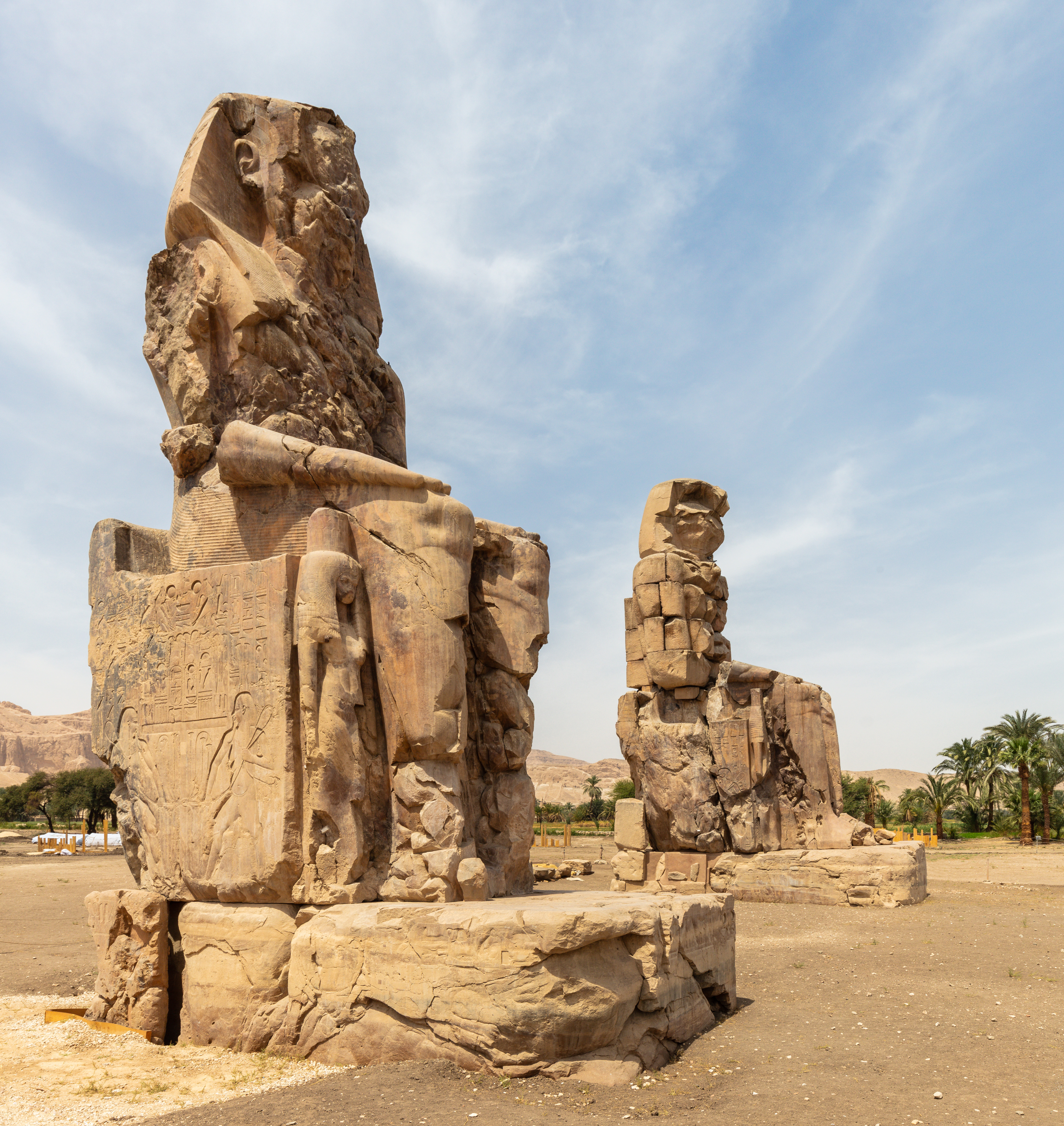

You know those iconic images of massive, seated pharaohs guarding something ancient? In Luxor, that's the Colossi of Memnon. These two immense stone statues, standing proudly on Luxor's west bank, aren't just big rocks; they're the last defiant remnants of one of ancient Egypt's most magnificent temples. Built over 3,400 years ago, they once heralded the entrance to Pharaoh Amenhotep III's mortuary temple. While the temple itself has mostly vanished into history, these silent guardians still command attention, drawing an endless stream of visitors from around the globe. They're a powerful, enduring symbol of ancient Egyptian artistry, engineering, and royal ambition. Seriously, if you're exploring Luxor's Theban Necropolis, you've got to stop here.
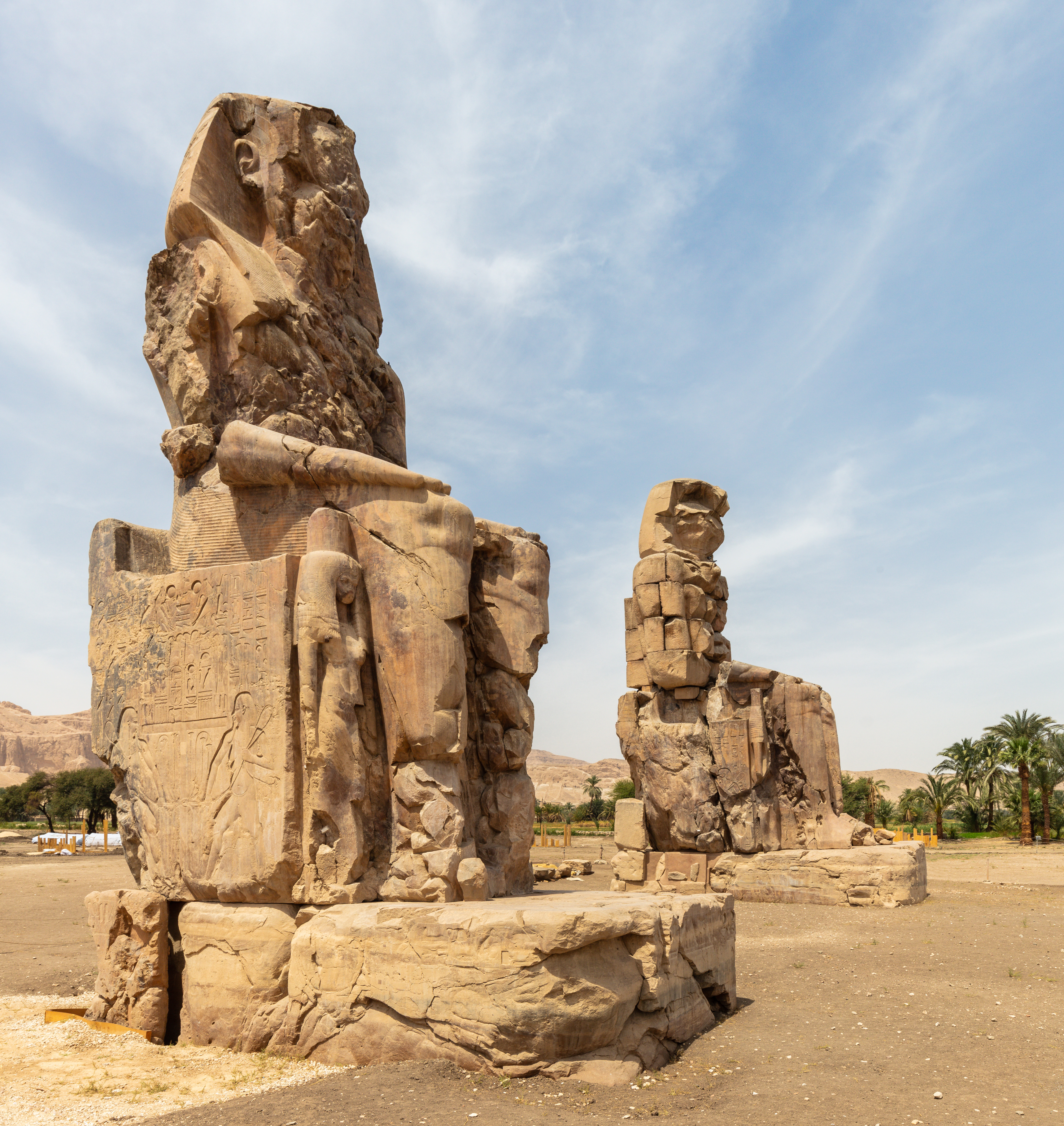
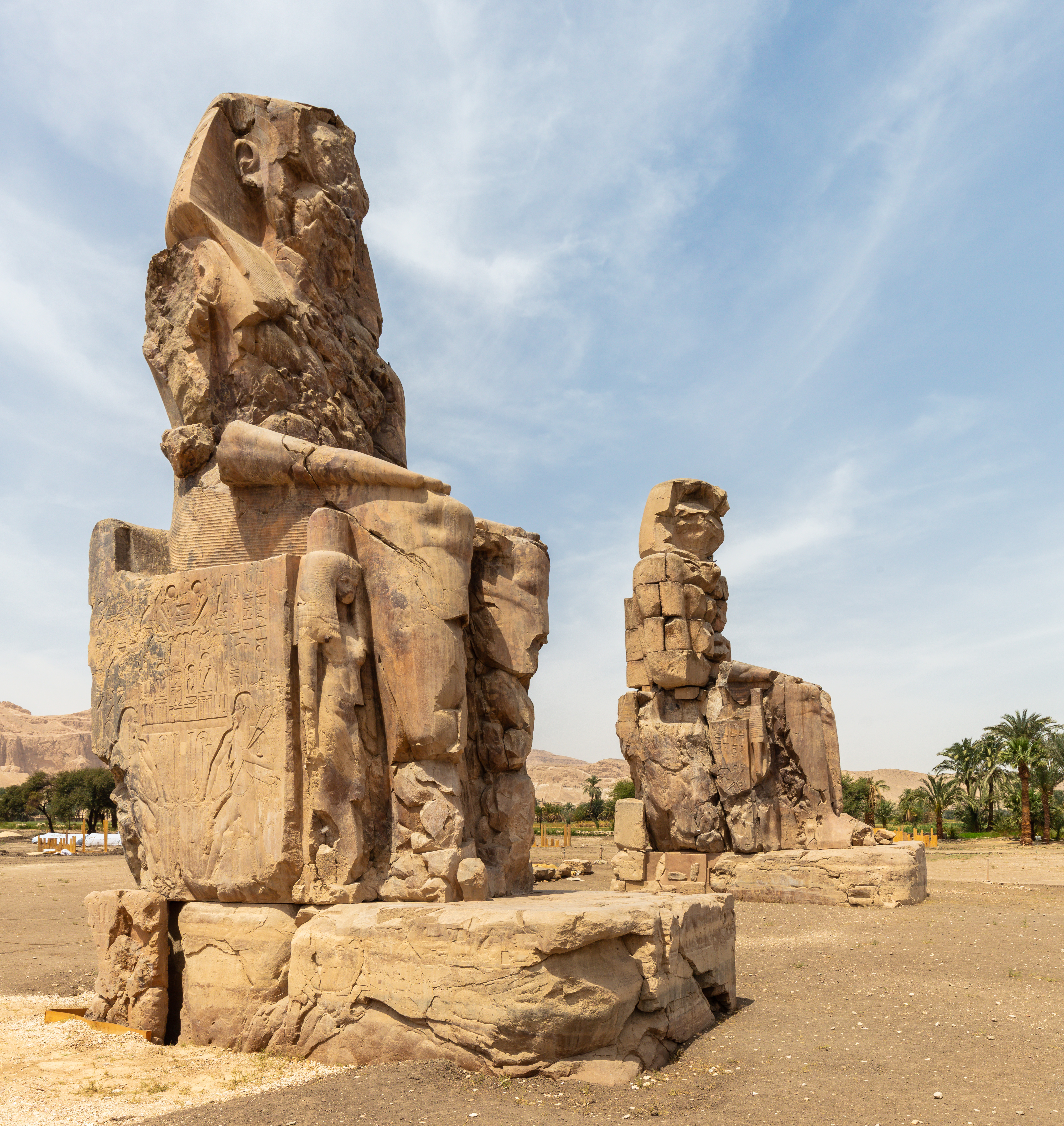
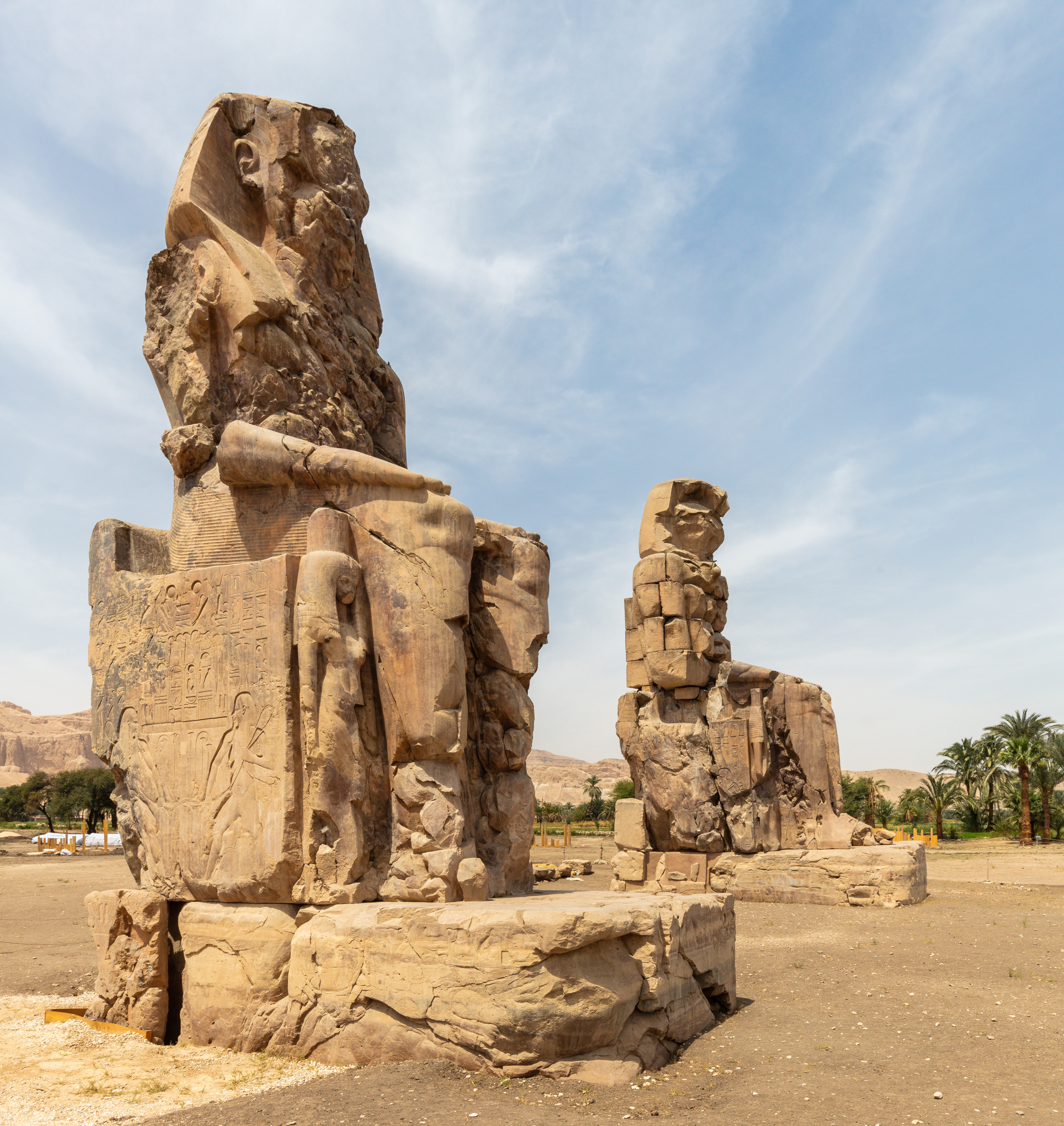 The Colossi of Memnon are so much more than just giant statues. They're compelling symbols of ancient Egyptian power, unparalleled engineering, and captivating legends. Standing vigil over the Theban landscape for thousands of years, they continue to enthrall travelers with their sheer scale, the intricate details, and the incredible stories they embody. For anyone visiting Luxor, taking a moment to stand before these monuments is truly essential. Whether you catch them at sunrise, incorporate them into a West Bank tour, or just glimpse them from a passing car, the Colossi offer an unforgettable window into the majesty of ancient Egypt and the enduring legacy of Pharaoh Amenhotep III.
The Colossi of Memnon: What's the Story?
The Colossi of Memnon are essentially two enormous, seated portraits of Pharaoh Amenhotep III. He ruled during what many consider a golden age—a period of prosperity, peace, and some truly stunning artistic innovation. These statues were originally the grand entry point to his sprawling mortuary temple, a structure so vast the ancient Egyptians themselves called it the 'Temple of Millions of Years.' Today, they stand alone in the fields, imposing figures that whisper tales of Egypt's incredible architectural past.Quick Facts About These Giants:
- **Height:** Just shy of 18 meters (about 59 feet)—that's like a five-story building!
- **Weight:** Each tips the scales at a staggering 720 tons.
- **Material:** Carved from quartzite sandstone, hauled all the way from quarries near modern-day Cairo. Imagine that logistics feat over three millennia ago.
- **Built:** Around 1350 BCE.
Why 'Memnon'? A Tale of Greeks and Humming Stones
Here's a fun bit of trivia: the name 'Memnon' doesn't come from ancient Egypt at all; it's a Greek import. In Greek mythology, Memnon was a legendary hero, King of Ethiopia, and son of Eos, the goddess of dawn. So, what's he got to do with these Egyptian giants? Well, after a massive earthquake in 27 BCE, the northern statue developed a significant crack. For nearly two centuries afterward, every sunrise, it made a mysterious singing or whistling sound. Greek travelers, being the storytellers they were, interpreted this sound as Memnon greeting his mother, the goddess of dawn. And just like that, these Egyptian pharaohs got a Greek name and became world-famous as the 'Colossi of Memnon.'Where Exactly Are They?
These colossal figures are situated on Luxor's west bank, right on the edge of the desert. They're conveniently positioned near a whole host of world-renowned archaeological sites, making them an essential first (or last) stop on any West Bank itinerary. Think of them as the gatekeepers to:- The Valley of the Kings
- The Temple of Hatshepsut
- Medinet Habu
- The Ramesseum
- Deir El-Medina (the ancient Workers' Village)
Who Commissioned These Bad Boys?
Pharaoh Amenhotep III (who reigned from 1390–1352 BCE) was the man behind these statues. He was a truly powerful king, celebrated for his diplomatic prowess, his immense wealth, and his absolute passion for large-scale construction. His mortuary temple, which the Colossi guarded, was once one of the largest in all of Egypt, possibly even surpassing parts of Karnak Temple in sheer scale. Amenhotep III wasn't shy about showcasing his power and divine authority. These gigantic sculptures were meant to project his presence and importance, depicting him seated on a throne, adorned with the royal headdress and the sacred beard of a pharaoh.
Want to explore Colossi of Memnon: Luxor's Ancient Guardians?
Let us design the perfect private itinerary for you. From expert local guides to seamless luxury cruises, we craft custom trips that show you the real Egypt.
Customize via WhatsAppLooking Closer: Architecture and Artistry
From a distance, the Colossi might look a bit plain, but get up close, and you'll appreciate the intricate details. Each statue tells a story:- The pharaoh sits majestically on a royal throne.
- His hands rest calmly on his knees, conveying a sense of eternal peace.
- His facial expression is detached, timeless.
- You'll spot carvings of Nile gods, symbolic plants, and protective figures.
The Side Stories: Royal Family Carvings
Peeking at the sides of the statues, you'll find smaller, equally significant carvings:- Queen Tiye, Amenhotep III's influential and beloved wife.
- Mutemwiya, his mother.
- Symbols representing the unified lands of Upper and Lower Egypt.
Behind the Colossi: A Lost Temple
Imagine this: behind where the statues stand now, there was once one of ancient Egypt's largest temples, sprawling over 350,000 square meters. The unfortunate truth is that it was built on a floodplain, which, over centuries, led to much of its destruction and collapse. Still, what a place it must have been:- Grand pylons marking entrances.
- Expansive colonnaded courts.
- Massive open courtyards.
- Even artificial lakes!
- And hundreds upon hundreds of statues.
The 'Singing' Colossus: An Ancient Enigma
This is truly one of the most captivating stories associated with these statues. That earthquake in 27 BCE fundamentally changed the northern statue, leading to a phenomenon that entranced the ancient world for nearly two centuries. Every morning, with the rising sun, a strange sound would emanate from it.Want to explore Colossi of Memnon: Luxor's Ancient Guardians?
Let us design the perfect private itinerary for you. From expert local guides to seamless luxury cruises, we craft custom trips that show you the real Egypt.
Customize via WhatsAppWhat Did It Sound Like?
Accounts vary, but generally described it as:- A gentle, musical hum.
- A faint whistle.
- A soft, melancholic singing tone.
- A distinct ringing or vibration.
What Was the Science Behind It?
Modern theories suggest the sound was likely caused by natural physical processes:- The rapid temperature change at sunrise.
- Moisture evaporating from within the stone.
- The quartzite expanding as it warmed.
- Wind whistling through the newly formed cracks.
Why These Statues Matter: Historical Significance
Beyond their sheer scale and curious history, the Colossi of Memnon hold deep cultural and historical value. They embody:- The immense **power and influence of Amenhotep III**.
- The distinctive **artistic style of the 18th Dynasty**.
- The sheer **engineering brilliance of ancient Egypt**.
- Early **international connections** between Egypt, Greece, and Rome.
- One of history's **earliest documented 'tourist attractions.'**
Should You Visit? Absolutely.
The Colossi of Memnon are an indispensable stop on any Luxor itinerary. They're easy to access, free to visit, and offer fantastic photo opportunities. Plus, they perfectly set the mood for exploring the rest of the West Bank.Top Reasons to Make the Stop:
- **Photo Ops Galore:** Perfect for capturing the magic of sunrise or simply stunning morning light.
- **Prime Location:** Right on the route to all the major West Bank sites.
- **Free Entry:** You can literally just pull over and take them in.
- **Rich History:** Dive into their fascinating legends and real history.
- **Impressive Scale:** Their size and craftsmanship will genuinely awe you.
- **Less Crowded:** Usually a quick, peaceful stop compared to other sites.
What You'll See Today
Today, the Colossi stand serenely amidst agricultural fields, under vast open skies. You can walk right up to them, examine their details, and read the informative panels that explain their story. Even without its grand temple, the site feels alive with history. And remember, excavations continue, often revealing new fragments, statues, and insights into the former grandeur.Visiting Tips for Travelers:
- **When to Go:** Early morning is ideal for soft light and fewer people. Late afternoon offers beautiful, warm golden tones.
- **What to Bring:** Comfortable walking shoes are a must for Luxor in general. Sun protection (hat, sunscreen) is key, and don't forget your camera and a bottle of water.
- **How Long to Stay:** Most people spend 10-20 minutes, snapping photos and taking it all in. If you're a history buff, you might linger longer.
Easy Itinerary Combos:
Since they're roadside, the Colossi of Memnon combine effortlessly with other West Bank highlights like:- The Valley of the Kings
- Hatshepsut's Temple
- Medinet Habu
- The Ramesseum
- Deir El-Medina
- Even Howard Carter's House
More Cool Facts About the Colossi
- The stone they're made from traveled about 700 kilometers from quarries near Cairo. Think about that transportation challenge!
- Each statue weighs roughly the same as 120 adult African elephants.
- Those ancient Greek inscriptions from tourists are still visible on the northern statue—a direct connection to history.
- The 'singing' phenomenon made this spot one of the *Seven Wonders of the Roman World*.
- These statues were the gateway to what was arguably the largest temple ever constructed in Egypt.
- Archaeologists are still actively working here, continuing to uncover more statues and pieces of this incredible puzzle.
The Colossi of Memnon are so much more than just giant statues. They're compelling symbols of ancient Egyptian power, unparalleled engineering, and captivating legends. Standing vigil over the Theban landscape for thousands of years, they continue to enthrall travelers with their sheer scale, the intricate details, and the incredible stories they embody. For anyone visiting Luxor, taking a moment to stand before these monuments is truly essential. Whether you catch them at sunrise, incorporate them into a West Bank tour, or just glimpse them from a passing car, the Colossi offer an unforgettable window into the majesty of ancient Egypt and the enduring legacy of Pharaoh Amenhotep III.Ready to turn this guide into reality?
Our local experts can create a custom itinerary based on these recommendations. Just send us a quick message!
Customize via WhatsApp