
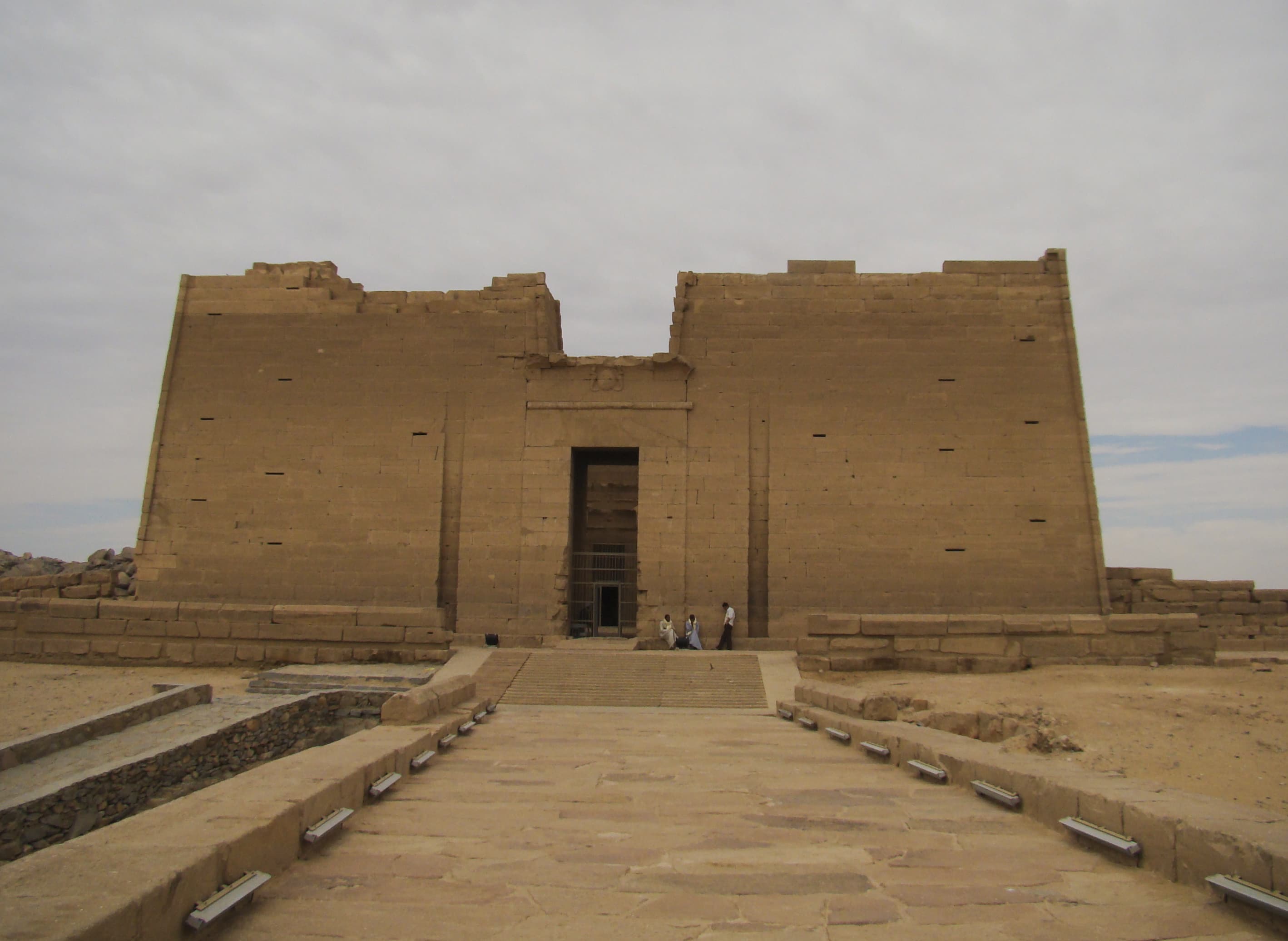

Picture Egypt's most imposing free-standing temple, a colossal Nubian monument that somehow still manages to fly under the radar for many visitors who flock to more famous sites. Honestly, Kalabsha Temple demands your attention through its sheer scale alone. Its original home at Bab al-Kalabsha, about 50 kilometers south of Aswan, held a structure stretching 76 meters long and 22 meters wide. And you know what's wild? Its preservation quality absolutely defies its millennia-old origins.
Emperor Augustus commissioned this architectural wonder around 30 BC during Rome's early days governing Egypt. It was a sacred space dedicated to Mandulis, the revered Nubian sun god, alongside other Egyptian deities. But Kalabsha's most captivating chapter, for me, doesn't even really unfold in antiquity; it's in modern times. Engineers and archaeologists truly pulled off one of history's most ambitious rescue operations, methodically dissecting the entire temple into 13,000 precisely numbered blocks before painstakingly reconstructing it, stone by stone, at its current lakeside spot. This was all part of UNESCO's monumental effort to save Nubian treasures threatened by the rising waters of Lake Nasser. This extraordinary salvation story earned the temple its spot on the UNESCO World Heritage List back in 1979, cementing its status as both an ancient masterpiece and a modern miracle.
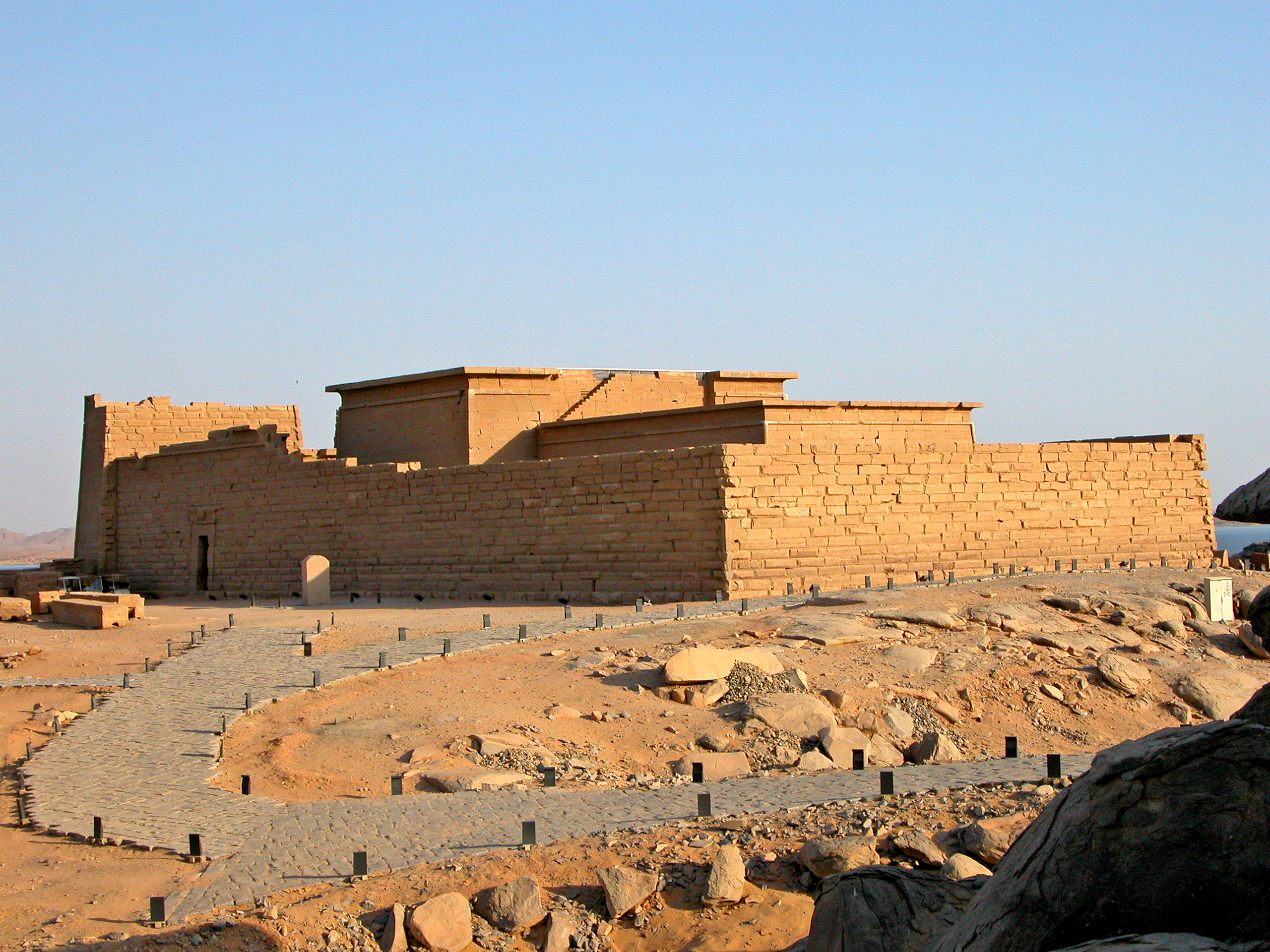 Kalabsha Temple emerges from the early Roman period in Egypt as this truly remarkable fusion of architectural traditions and cultural influences. It really established itself as one of Nubia's most consequential religious monuments through centuries of continuous worship and expansion.
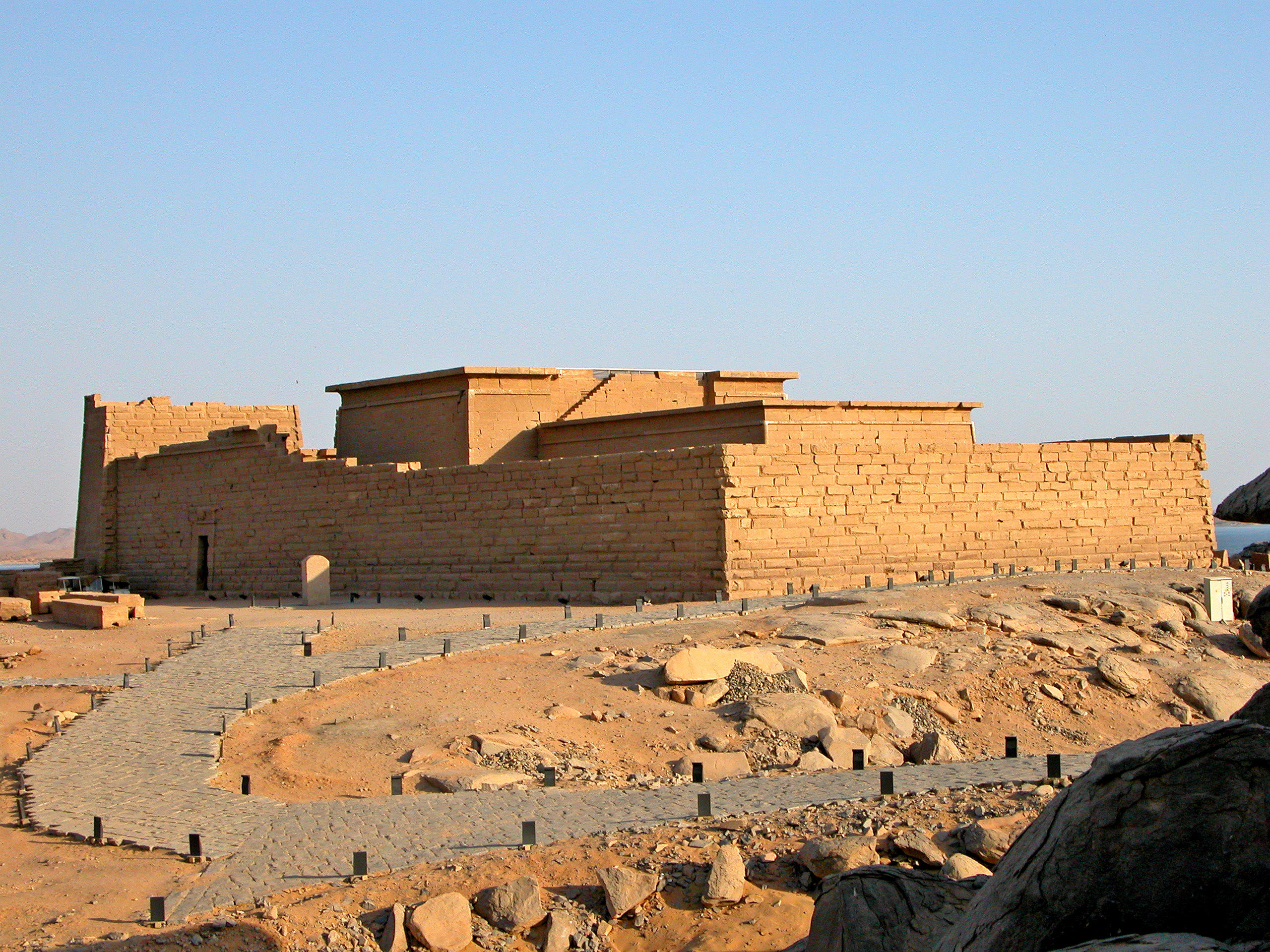 Archaeology rarely witnesses such dramatic, race-against-time scenarios, but Kalabsha Temple's survival story truly reads like a thrilling rescue operation where international cooperation triumphed over seemingly impossible odds. The temple that captivates visitors today owes its very existence to one of the most ambitious cultural preservation projects ever undertaken.
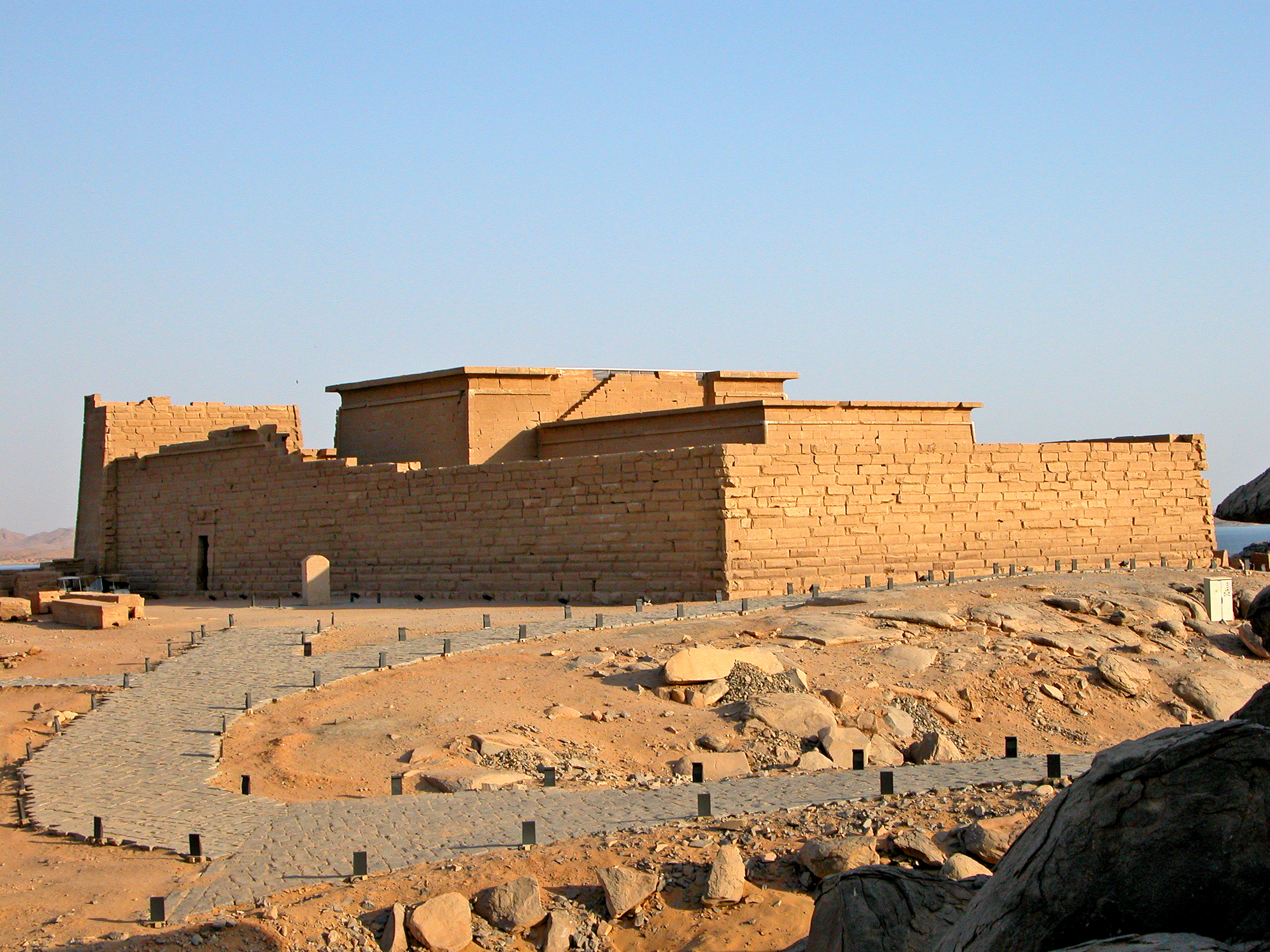 Reaching this remarkable monument definitely requires a bit of strategic planning, but trust me, the reward far exceeds the effort involved. Few ancient sites offer such pristine access to Roman-era architecture without the usual crush of tourist crowds you'd find at Egypt's more celebrated destinations.
The Origins of Kalabsha Temple
Kalabsha Temple emerges from the early Roman period in Egypt as this truly remarkable fusion of architectural traditions and cultural influences. It really established itself as one of Nubia's most consequential religious monuments through centuries of continuous worship and expansion.
Built During the Roman Era Under Emperor Augustus
Rome's architectural ambitions in Egypt really took concrete form around 30 BC when Emperor Augustus, fresh from establishing Roman rule in the region, kicked off construction of this massive temple. Augustus, as Egypt's first Roman ruler, saw Kalabsha as a statement of imperial power, but one that was skillfully blended with local religious traditions. There's an intriguing detail that archaeological investigations reveal: despite its grand conception, the temple actually remained perpetually unfinished throughout Augustus's reign. But construction activity didn't stop there; it persisted through subsequent imperial dynasties. Emperor Vespasian (69-79 AD) even orchestrated significant architectural additions that expanded the temple's footprint and religious function. Stone inscriptions found within the temple chambers tell a story of enduring spiritual relevance – dated carvings span from Vespasian's era right through to about 248-249 AD, documenting nearly three centuries of active religious practice. These records really show us how Kalabsha maintained its sacred status long after its initial Roman founders had passed into history.Dedicated to the Nubian Sun God Mandulis
Mandulis—sometimes called Merul—was the primary god worshipped within Kalabsha's sacred precinct, and he was the distinctly Nubian version of a solar deity. The religious consciousness of Lower Nubia really elevated this god to extraordinary significance. He's typically portrayed as a human figure crowned with elaborate, solar-disk headdresses that just scream his mastery over celestial forces. But religious practice at Kalabsha wasn't just about Mandulis. Isis and Osiris also held devotional space within the temple complex, creating a multifaceted spiritual center that accommodated diverse divine relationships. Historical records suggest Mandulis embodied dual aspects within Nubian belief systems – solar authority intertwined with fertility powers, reflecting the agricultural rhythms that truly governed Nubian life.Constructed Over an Earlier Sanctuary of Amenhotep II
Archaeological investigations beneath Kalabsha's Roman foundations actually reveal a much older sacred narrative. Excavations confirm that Roman builders put their temple right on top of an existing sanctuary from Egypt's illustrious 18th dynasty. This earlier structure dates all the way back to Pharaoh Amenhotep II's reign around 1400 BC, establishing nearly fifteen centuries of continuous religious significance right at this precise spot. This kind of architectural layering really demonstrates how sacred geography transcends political transitions and cultural shifts. Roman architects showed remarkable sensitivity to existing traditions, incorporating established Egyptian design principles while also introducing their own distinctive imperial touches. The result is just a unique cultural bridge – a monument where ancient pharaonic spirituality merged seamlessly with Roman imperial ambitions, creating something entirely unprecedented in the ancient world.Architectural Marvels of Kalabsha
Ancient engineering truly reaches extraordinary heights within Kalabsha's walls. Here, Egyptian tradition meets Roman innovation in a spectacular fusion of architectural mastery. These towering dimensions—76 meters lengthwise and 22 meters wide—make it Lower Nubia's most imposing free-standing temple. It's quite a sight.Want to explore Kalabsha Temple: A Roman-Era Gem Rescued from the Nile?
Let us design the perfect private itinerary for you. From expert local guides to seamless luxury cruises, we craft custom trips that show you the real Egypt.
Customize via WhatsAppThe Grand Pylon and Colonnaded Court
A majestic stone causeway literally beckons visitors from Lake Nasser's shores toward the temple's impressive first pylon. This colossal gateway soars approximately 14 meters skyward, its 9.70-meter entrance portal adorned with solar disk inscriptions and elaborate royal offering scenes. The architectural intrigue starts right away. The pylon deliberately sits a bit askew from the temple's central axis, creating this unexpected trapezoid-shaped courtyard that really challenges conventional temple design. Step beyond this threshold and you'll encounter a generous court encircled by colonnades spanning three sides. Each portico displays composite columns bearing sophisticated decorative elements. Twin staircases flank the courtyard's ends, ascending to the pylon's upper reaches where curious visitors can glimpse the temple's masterful structural planning.Intricate Reliefs and Hieroglyphs
Stone surfaces throughout Kalabsha reveal exquisite carvings depicting divine figures and ceremonial tableaux. These relief sculptures capture both Egyptian deities and Roman emperors engaged in worship, creating a wonderful visual testimony to this era's vibrant cultural synthesis. Among the most remarkable examples is a delicate carving of Horus emerging from papyrus reeds on the inner curtain wall – it's truly beautiful. Wall decorations within the hypostyle hall present sacrifice and worship scenes honoring Min, Chnu, and Mandulis. One column even bears a particularly intriguing feature—a rare Meroitic inscription that continues to puzzle modern scholars. It's like a little mystery waiting to be fully deciphered.The Hypostyle Hall and Sanctuary Chambers
Past the courtyard, you'll find the hypostyle hall, which was originally conceived with twelve supporting columns, though only eight survive today. These remaining pillars showcase capitals adorned with elaborate floral designs, a true testament to the period's artistic sophistication. At the temple's sacred heart, you'll find a three-chambered sanctuary, encompassing both the Hall of the Ennead and the Offering Hall. This is where Mandulis's divine statue once stood, serving as the focal point for centuries of worship.Staircase to the Rooftop and Panoramic Views
Hidden within one of the sanctuary chambers, a narrow staircase winds its way up to the temple roof. And let me tell you, it reveals breathtaking vistas across Lake Nasser, the towering High Dam, and endless desert expanses. This elevated vantage point offers not just architectural appreciation of the temple's layout but also spectacular photographic opportunities that draw modern explorers to this truly remarkable site.Want to explore Kalabsha Temple: A Roman-Era Gem Rescued from the Nile?
Let us design the perfect private itinerary for you. From expert local guides to seamless luxury cruises, we craft custom trips that show you the real Egypt.
Customize via WhatsAppThe Great Relocation: Saving Kalabsha from the Nile
Archaeology rarely witnesses such dramatic, race-against-time scenarios, but Kalabsha Temple's survival story truly reads like a thrilling rescue operation where international cooperation triumphed over seemingly impossible odds. The temple that captivates visitors today owes its very existence to one of the most ambitious cultural preservation projects ever undertaken.
Threat From the Aswan High Dam and Lake Nasser
Egypt's decision in 1954 to build the Aswan High Dam was a real watershed moment for the nation's industrial future—but it was also a looming death sentence for countless ancient treasures. This colossal engineering project, which took from 1960 to 1971 to build, was going to create Lake Nasser, an artificial sea stretching from Aswan deep into Sudan, ultimately swallowing the entire Upper Nile Valley under its waters. The math was stark: Kalabsha Temple, along with dozens of other monuments, faced submersion under 50 meters of rising lake water. Time was genuinely running out for these irreplaceable witnesses to human civilization.UNESCO's International Campaign to Save Nubian Monuments
Recognizing the potential cultural catastrophe looming over Nubia, Egyptian and Sudanese authorities sent out an urgent appeal to UNESCO in 1959. The response was unprecedented: UNESCO's Director-General launched the International Campaign to Save the Monuments of Nubia the very next year, mobilizing resources from all corners of the globe. This extraordinary rescue mission excavated hundreds of archaeological sites, salvaged thousands of artifacts, and orchestrated the relocation of entire temples to safer ground. When the campaign wrapped up on March 10, 1980, UNESCO declared it "a complete and spectacular success," a true testament to what international determination could achieve. Recognition followed swiftly—the saved monuments, from Abu Simbel to Philae, earned UNESCO World Heritage status in 1979.Germany's Role and the Gift of the Kalabsha Gate
West Germany actually emerged as an unlikely hero in Kalabsha's salvation story. German authorities volunteered early in the campaign to take on the responsibility for dismantling and reconstructing the entire temple complex. This commitment wasn't random, either; Germany's deep Egyptological roots traced back to scholars like Franz Christian Gau, who had documented Kalabsha as far back as 1819. Egypt's gratitude took tangible form in 1971 when officials gifted one of Kalabsha's gates to Germany. Since 1977, this ancient portal has graced Berlin's Egyptian Museum in Charlottenburg. Future plans even envision its transfer to serve as the grand entrance to Berlin's Pergamon Museum's fourth wing – imagine that!Reconstruction at New Kalabsha Near Aswan
The actual relocation was executed with surgical precision over more than two years, each stone block meticulously cataloged and transported. Today's visitors will find the reconstructed temple on New Kalabsha Island, positioned 15 kilometers south of Aswan, right in the shadow of the High Dam. This island sanctuary now shelters multiple rescued Nubian treasures, including the Temple of Beit el-Wali, the Temple of Gerf Hussein, and the elegant Kiosk of Qertassi. The sheer scale of it all defies imagination—twenty thousand tons of ancient stone found new homes during this preservation marathon, ensuring these cultural treasures would inspire future generations rather than rest forever beneath Lake Nasser's depths.Planning Your Visit to Kalabsha Egypt
Reaching this remarkable monument definitely requires a bit of strategic planning, but trust me, the reward far exceeds the effort involved. Few ancient sites offer such pristine access to Roman-era architecture without the usual crush of tourist crowds you'd find at Egypt's more celebrated destinations.
How to Get There: Boat, Car, or Tour
There are several ways to get to Kalabsha Temple, which is located about 16 kilometers from Aswan, near the imposing Aswan High Dam on Lake Nasser's shores. Here are your options:- Maritime approach: Motorboats depart from the jetty right next to the High Dam, where local fishermen are your skilled navigators. Be ready to negotiate, but expect to pay around 100-150 EGP for an hour-long exploration – a real bargain considering the exclusive access to this archaeological gem.
- Overland journey: Taxi drivers from Aswan can take you on the 40-minute drive for approximately 4.583 KWD. If you're on a budget, some adventurous travelers combine microbuses with a bit of strategic hitchhiking, though that definitely requires patience and some local know-how.
- Guided expeditions: Tour operators out of Aswan offer structured visits ranging from 60-135 USD per person, with pricing depending on your group size and what's included.
Best Time to Visit and Weather Tips
October through March is truly the ideal time to visit. This is when Egypt's intense heat finally moderates to much more comfortable temperatures for exploring. Early morning hours and late afternoon periods also offer superior photographic lighting while keeping the atmospheric conditions pleasant. Weekday visits usually mean quieter encounters with this ancient marvel, giving you more space to really appreciate its architectural details.What to Wear and Bring
Egypt's climate and cultural sensitivities mean you should prepare thoughtfully:- Appropriate attire: Lightweight, loose-fitting garments that cover your shoulders and knees show proper respect and keep you comfortable. Sturdy walking shoes are absolutely essential for navigating those ancient stone surfaces.
- Essential equipment: High-SPF sunscreen, good protective eyewear, a wide-brimmed hat, plenty of water, and your camera gear.
- Required documentation: Your passport or certified copies are a must, as security checkpoints operate throughout this sensitive border region.
Nearby Attractions: Philae, Abu Simbel, Nubian Museum
With a little strategic itinerary planning, you can easily encompass multiple Nubian treasures:- Philae Temple: Another rescued monument, easily accessible via boat.
- Abu Simbel: Ramses II's colossal statues truly command attention at this also-relocated wonder.
- Nubian Museum: This 1997 institution houses thousands of artifacts rescued from Lake Nasser's rising waters.
Photography and Site Etiquette
Photographic regulations can vary across Egyptian archaeological sites. Some spots allow flash-free photography, while others have complete restrictions. Your local guides on Egypt tours will have the most current information regarding regulations, so definitely consult them before you whip out your camera. Trust me on this one. Respectful behavior means taking off your shoes where indicated, keeping conversation levels low, and absolutely avoiding physical contact with ancient carvings or relief work. Supporting local communities through responsible tourism practices and proper waste management also reflects well on all international visitors to this precious cultural site. We want to be good guests, after all.Ready to turn this guide into reality?
Our local experts can create a custom itinerary based on these recommendations. Just send us a quick message!
Customize via WhatsApp