
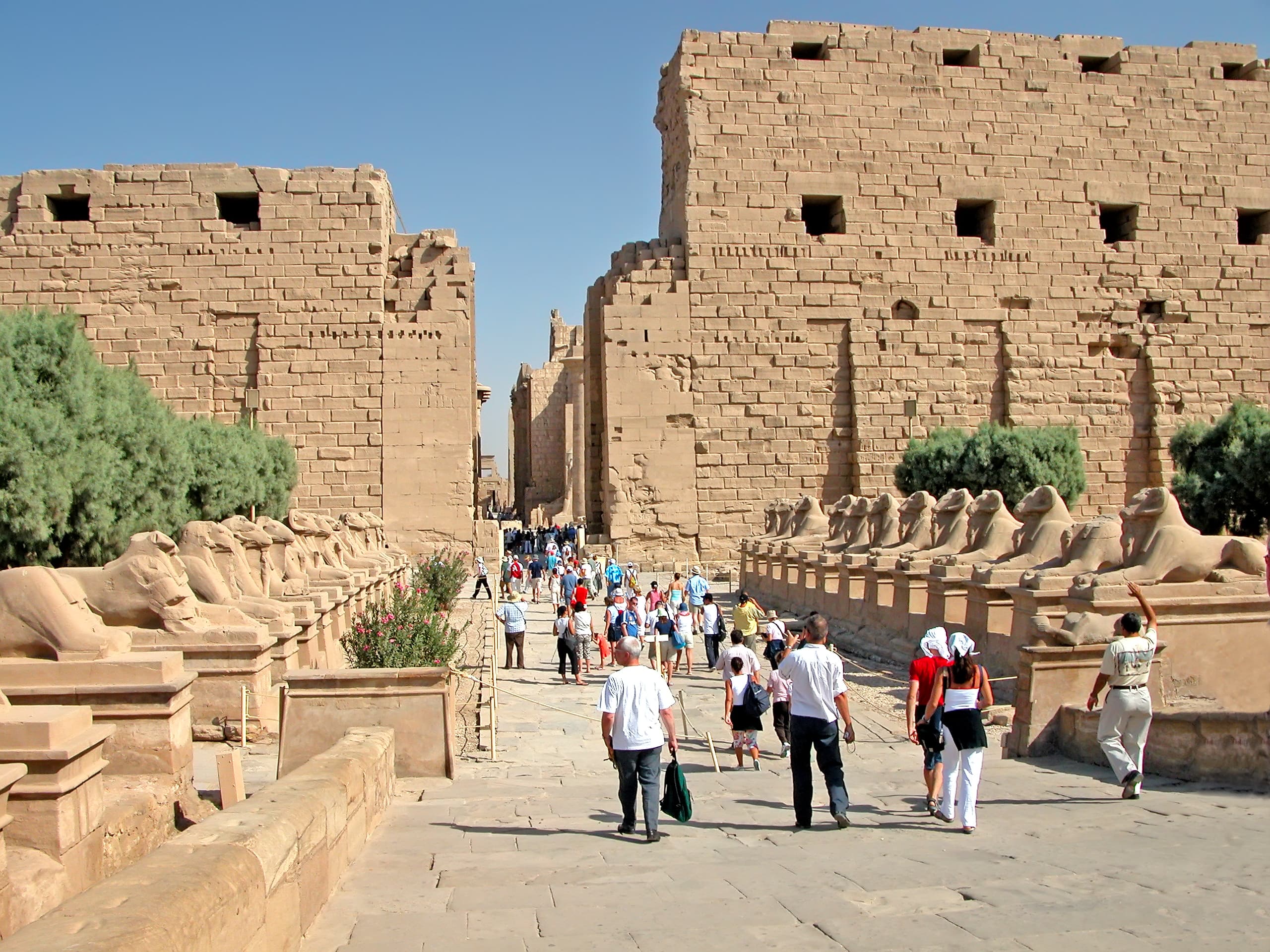

When you're in Luxor, you're standing in a city brimming with ancient secrets, and at its core lies the truly monumental Karnak Temple. This isn't just a temple; it's practically an open-air city, a spiritual hub that grew and changed over more than two millennia. Sitting proudly on the Nile's east bank, Karnak was the beating heart of religious life in ancient Egypt, primarily dedicated to the Theban Triad: Amun, Mut, and Khonsu. What always strikes me about Karnak isn't just its sheer size, but how deeply it reflects the evolving story of Egypt—its politics, its religious beliefs, and its art across so many dynasties. Every column, every inscribed wall, every sacred space here whispers tales of immense power, profound devotion, and the ancient Egyptians' unbreakable connection to the divine.
The Karnak Temple Complex: A City of Gods
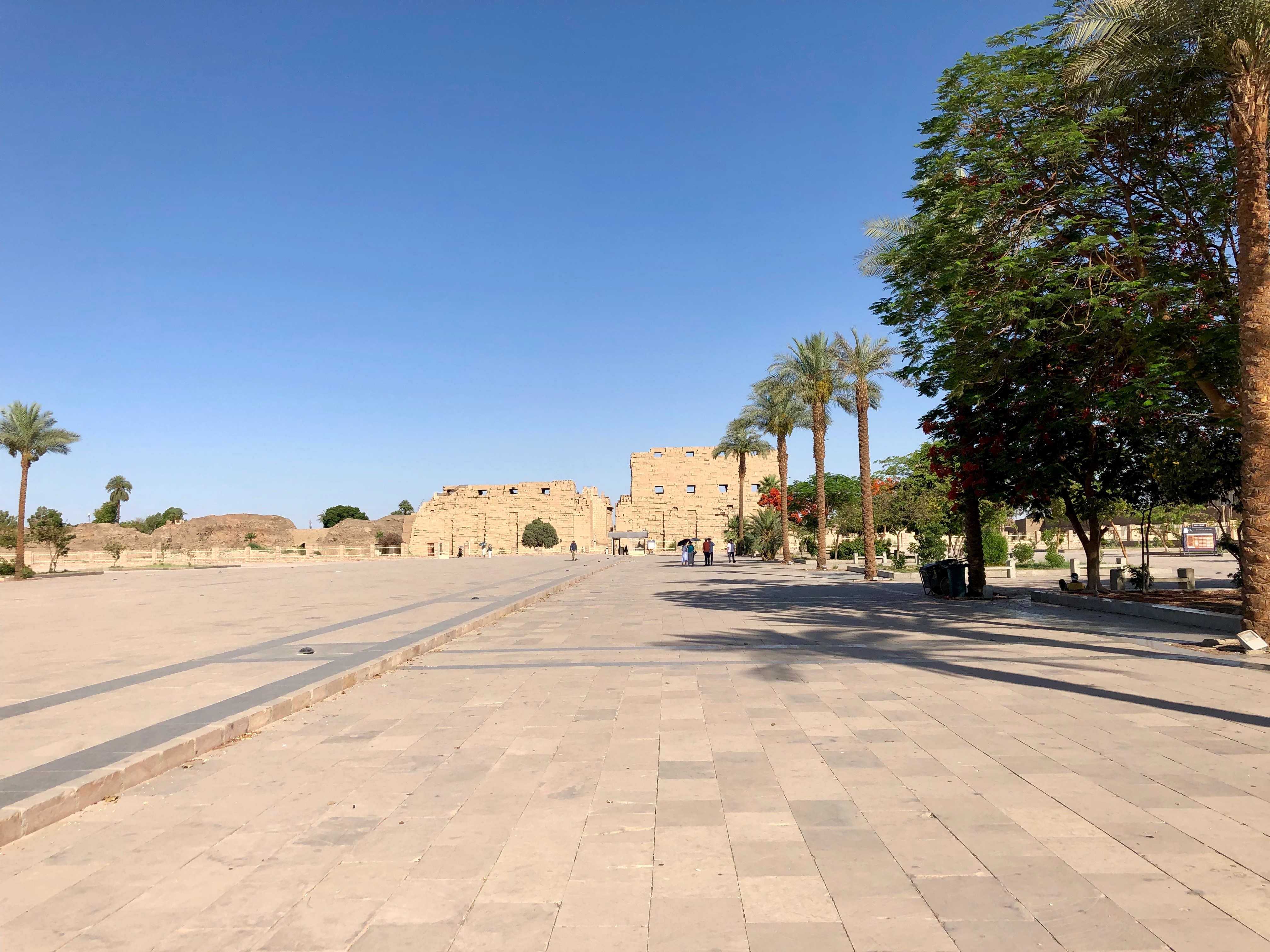
To call Karnak a 'temple' is a bit misleading. It's really a massive, sprawling collection of interconnected temples, sanctuaries, courtyards, grand pylons, and ceremonial areas covering over 200 acres. Think of it more as an entire religious city. That's why its ancient Arabic name, 'Karnak,' actually means 'fortified village.' Over centuries, practically every significant pharaoh left their personal mark here, transforming it into a live-action historical record carved directly into stone. You see layers of construction from different eras, distinct architectural styles, and evolving religious ideas all laid out before you. Unlike many other ancient sites that were built, used, and then left behind, Karnak kept growing, layer upon layer, generation after generation. It's a truly unique testament to continuous sacred development.
When Was Karnak Temple Built?
The construction at Karnak started around 2055 BC, way back in the early Middle Kingdom. And it didn't stop there; additions and renovations continued until about 100 AD, well into the Roman period. For over two thousand years, different rulers added new pylons, courtyards, halls, chapels, and statues. The most significant growth spurt happened during the New Kingdom when Thebes (modern-day Luxor) became Egypt's capital and its primary religious center. While it began as a cult center for Amun-Ra, it truly blossomed into the spiritual heart of the entire nation. The ancient Egyptians themselves called it 'The Most Select of Places' because they genuinely believed it was the very spot where the gods chose to connect with the earthly realm.
Where Exactly is the Temple of Karnak?
Karnak Temple calls Luxor Governorate home, comfortably settled on the Nile River's east bank in southern Egypt. You'll find it about 3 kilometers north of the equally famous Luxor Temple, and the two are connected by the recently restored and reopened Avenue of Sphinxes—a truly grand processional road. Karnak's prime location makes it an absolute must-see for anyone exploring Luxor's incredible ancient sites, especially if you're keen on understanding ancient worship practices, impressive architecture, and royal history.
The Sacred Triad: Amun, Mut, and Khonsu
These three deities formed the core of Karnak's purpose. Here's a quick rundown of who they were:
Amun
Amun (you'll also see it as Amon, Ammon, or Amen) was Egypt's god of air and the sky. During the New Kingdom, he fused with the sun god Ra, creating Amun-Ra, the supreme solar deity. Karnak was his main cult center, becoming the undisputed heart of his worship throughout all of Egypt.
Mut
Mut was the divine wife of Amun and a powerful mother goddess in ancient Egypt. Her name simply means 'mother.' She represented fertility, protection, and royal motherhood. There's even a separate precinct within the Karnak complex solely dedicated to her worship.
Khonsu
Khonsu was the moon god and the divine son of Amun and Mut. His role was tied to healing, the passage of time, and lunar cycles. His temple, nestled within the Karnak complex, is one of its more beautiful—and later—structures.
The Profound Importance of Karnak Temple
During the New Kingdom, Karnak was so much more than just a place of worship. It was Egypt's very core—religiously, politically, and economically. It served many vital functions:
- It was the country's main religious center.
- It housed the royal treasury.
- It functioned as a major administrative hub.
- It provided a grand stage for royal ceremonies and pronouncements.
- It was the seat of immense priestly power.
The priests of Amun, believe it or not, sometimes grew so powerful that they could rival the authority of the pharaohs themselves! Beyond its spiritual role, the temple also symbolized Egypt's stability and continuity. Every single ruler expanded Karnak, not just out of piety, but to legitimize their own reign and explicitly demonstrate their devotion to the gods. Today, it proudly stands as the largest surviving religious complex in the world and one of the most priceless legacies among Luxor's ancient temples.
Want to explore Karnak Temple: Your Essential Guide to Luxor's Heart?
Let us design the perfect private itinerary for you. From expert local guides to seamless luxury cruises, we craft custom trips that show you the real Egypt.
Customize via WhatsAppMust-See Areas within Karnak
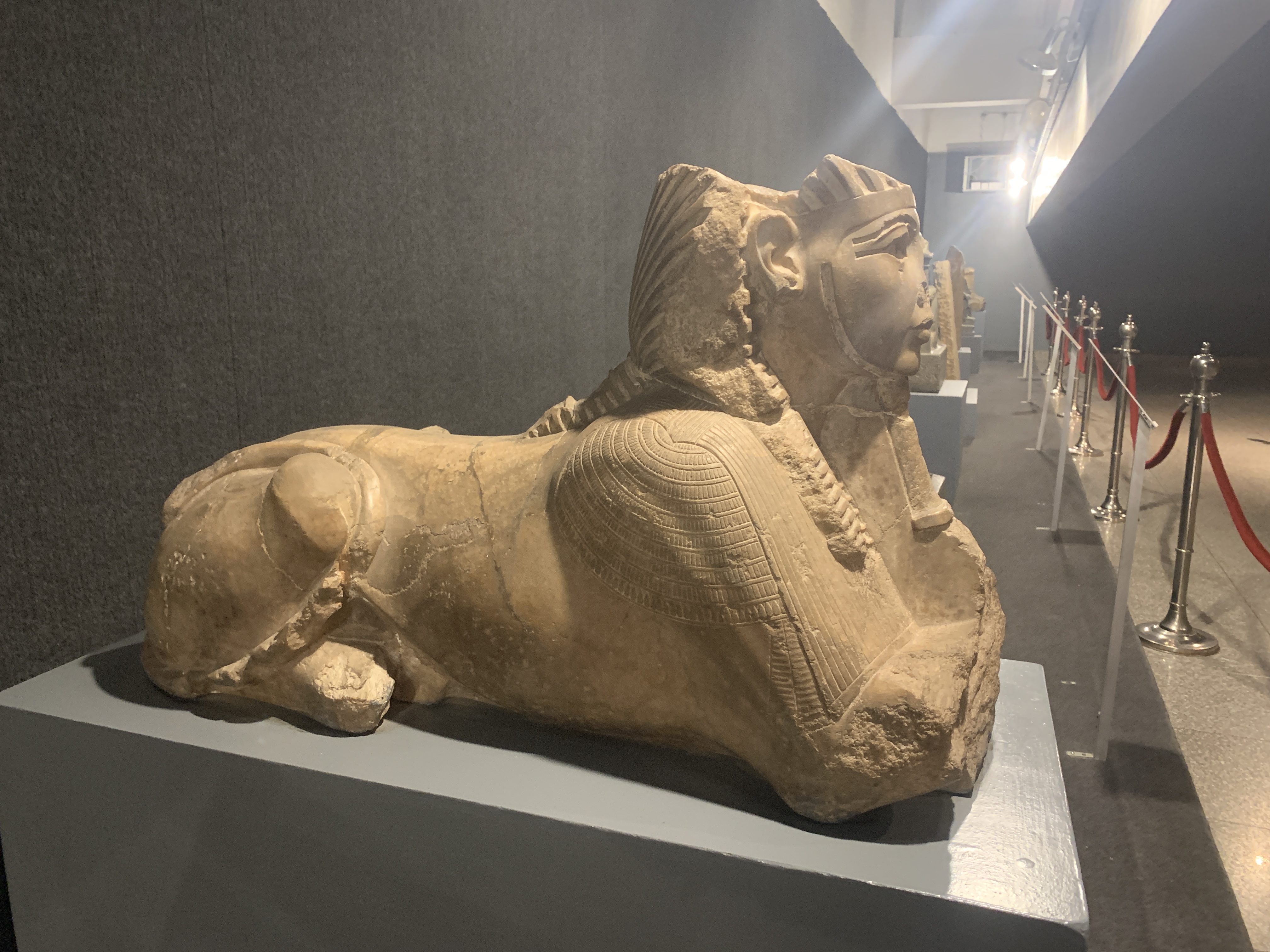
Wadjet Hall
Pharaoh Thutmose I built Wadjet Hall near the main sanctuary, between the fourth and fifth pylons. Its primary use was for crucial royal rituals, like the Heb-Sed Festival. This festival, a ceremonial renewal of the king's power after 30 years on the throne, was held every few years thereafter. It was here that the pharaoh would demonstrate his vigor and fitness to continue ruling, symbolically reaffirming his divine connection with Karnak's gods.
The Great Hypostyle Hall
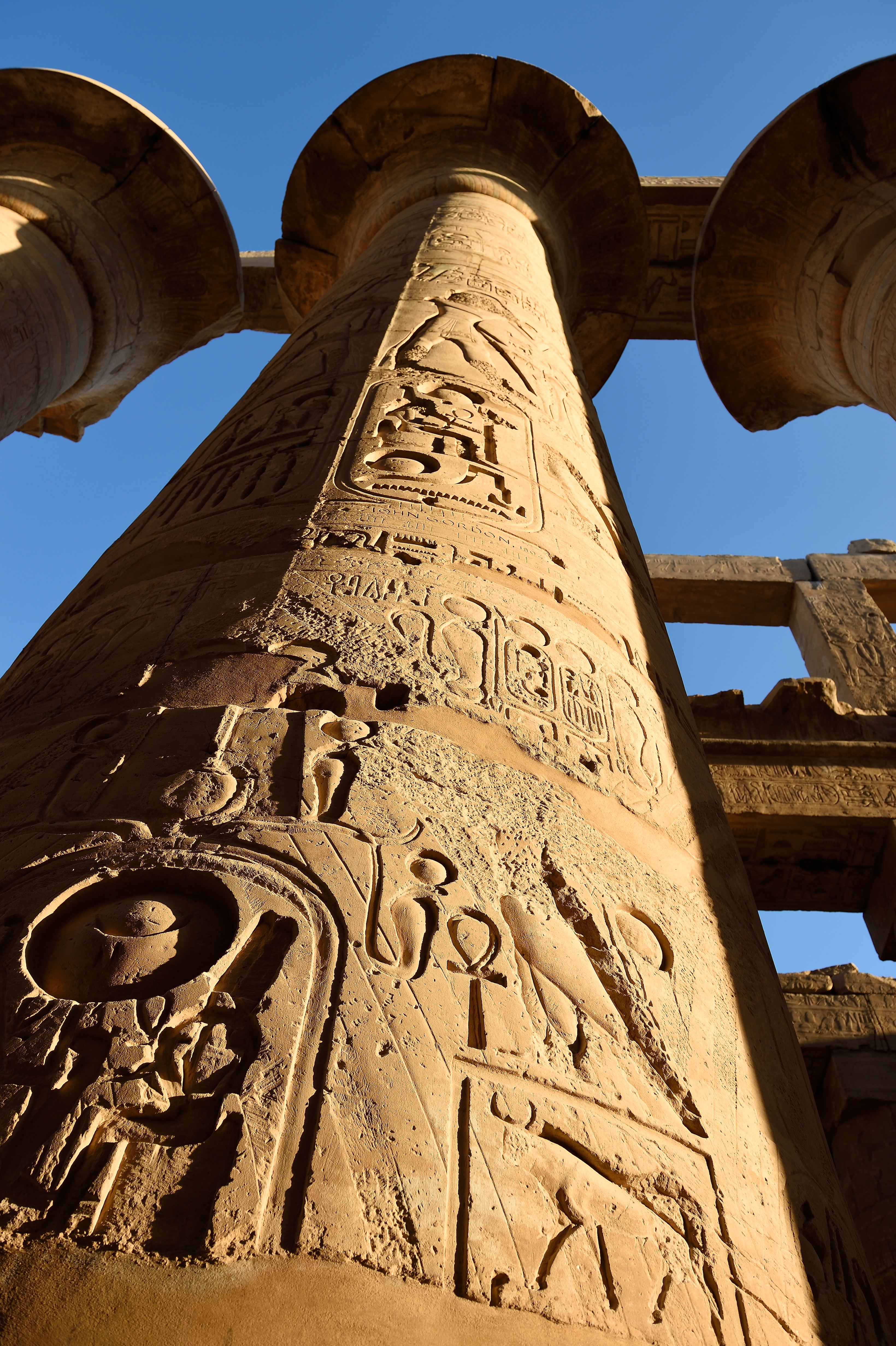
Frankly, the Great Hypostyle Hall is one of the most jaw-dropping architectural feats from the ancient world. Started mainly by Seti I and finished by Ramesses II, this colossal hall measures roughly 103 by 52 meters and dominates the complex. Imagine:
- 134 massive sandstone columns towering around you.
- 12 central columns, each more than 21 meters (70 feet) high.
- Side columns still impressively tall at about 12 meters (40 feet).
The walls and columns are absolutely covered in detailed scenes depicting religious rituals and military victories, giving us invaluable glimpses into ancient royal ideology. It was cleverly designed as a transition space, moving you from the more public outer areas into the most sacred inner sanctuary—a physical journey from worldly chaos to divine order.
Karnak's Pylons
The complex is guarded by 10 colossal pylons, each added by a different pharaoh to literally stamp their contribution onto the temple. These monumental gateways:
- Served as grand ceremonial entry points.
- Symbolized the dividing line, the horizon, between the human world and the sacred divine realm.
- Were richly adorned with dramatic battle scenes and profound religious imagery.
At Karnak, six of these pylons face towards the Nile, while another four stretch south along the processional route, which was used for major religious festivals.
Want to explore Karnak Temple: Your Essential Guide to Luxor's Heart?
Let us design the perfect private itinerary for you. From expert local guides to seamless luxury cruises, we craft custom trips that show you the real Egypt.
Customize via WhatsAppIntriguing Facts About Karnak Temple
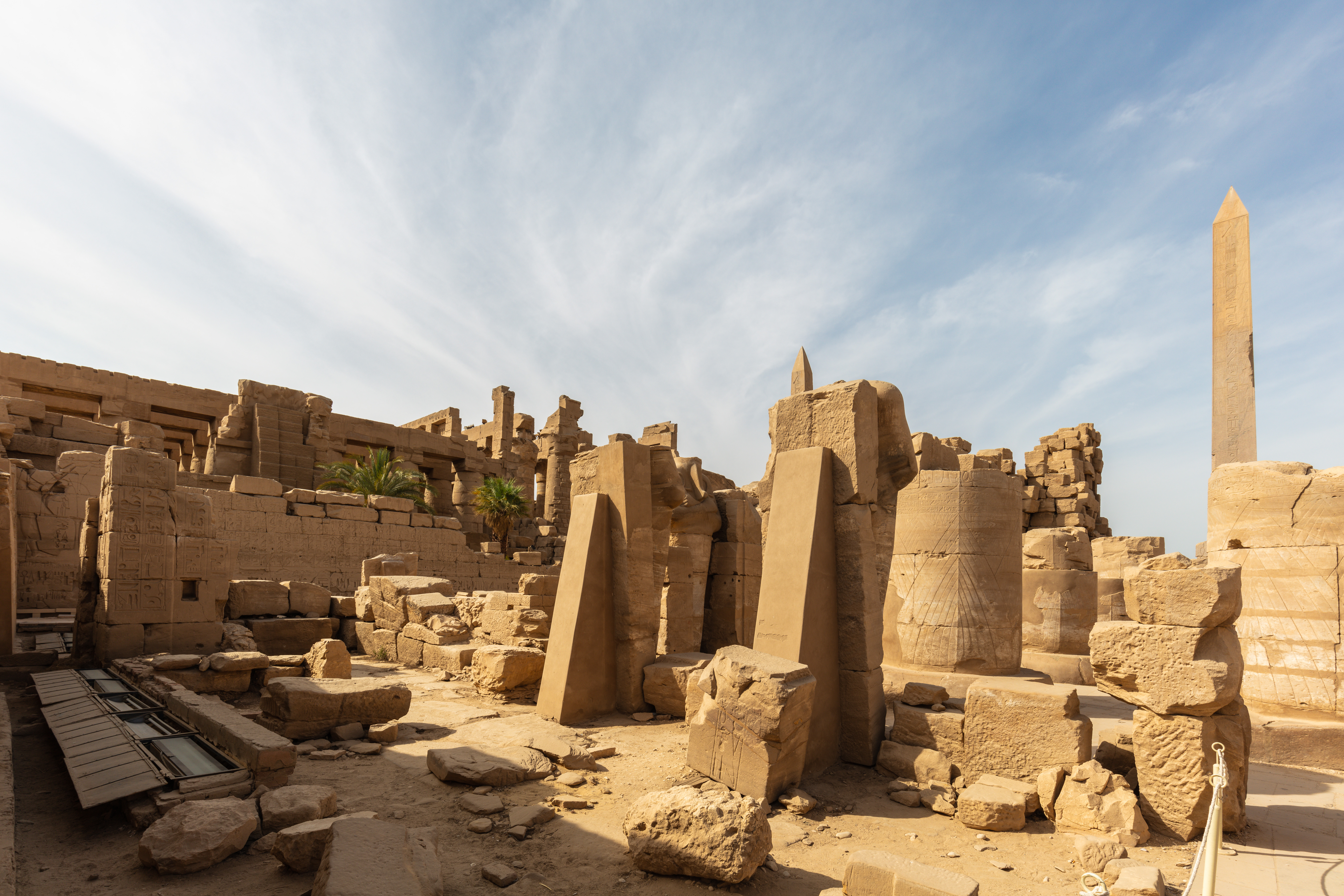
- Karnak truly is the largest religious complex ever constructed by humans.
- The Great Hypostyle Hall alone spans over 54,000 square feet—that's colossal!
- At its peak, more than 80,000 priests, workers, and attendants served the cult of Amun-Ra here.
- There were once over 5,000 statues standing within the complex, now mostly gone.
- Parts of the temple were meticulously aligned with astronomical events, like the crucial winter solstice.
- Even today, it consistently ranks as one of the most visited ancient temples globally.
Highlights You Can't Miss at Karnak Temple
- The awe-inspiring Great Hypostyle Hall, with its dense forest of towering columns.
- The Sacred Lake, once used for purification rituals by the priests.
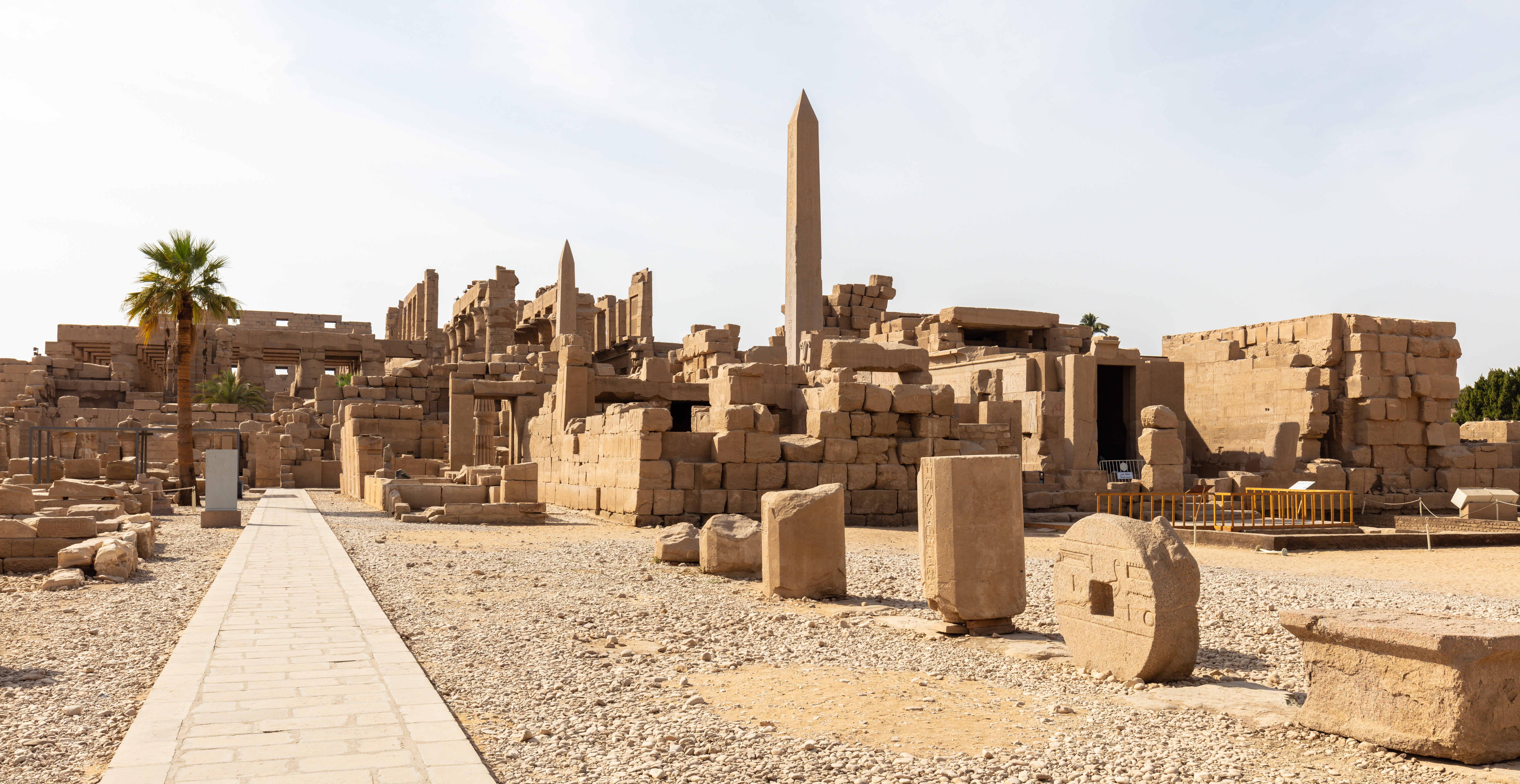
- The magnificent Obelisks of Queen Hatshepsut and Thutmose I, piercing the sky.
- The colossal statues of Ramesses II, demonstrating his immense power.
- The massive First Pylon, your dramatic entrance into history.
- The entire open-air museum feel, letting you wander through millennia.
- The impressive scale of the Amun Ra temple complex itself.
- The captivating Sound and Light Show that brings the history to life at night.
- The recently restored Avenue of Sphinxes, linking Karnak directly to Luxor Temple.
Visiting the Karnak Temple Complex: Your Guide
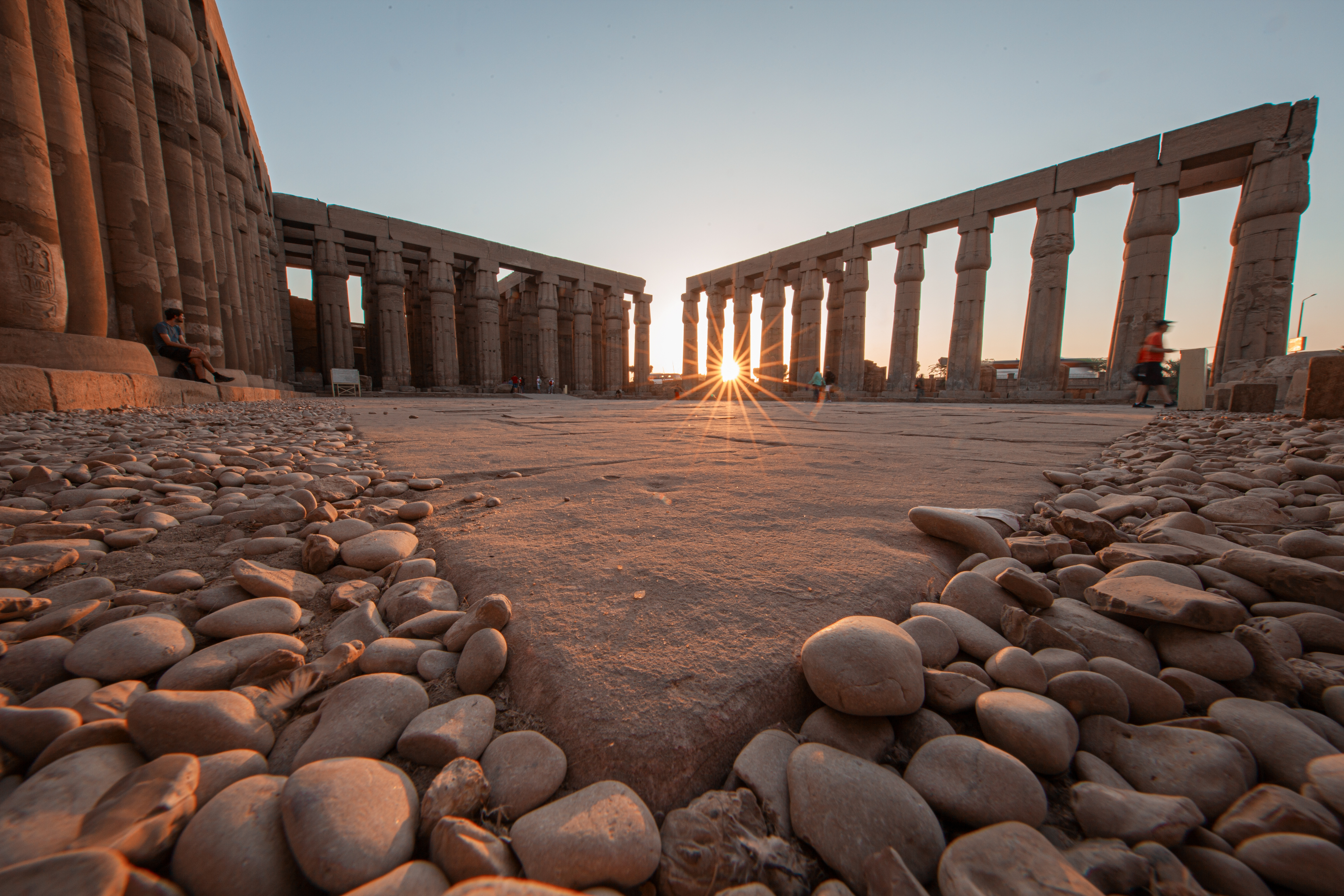
The Karnak complex is traditionally divided into three main precincts:
- The Precinct of Amun-Ra (this is where most visitors focus).
- The Precinct of Mut.
- The Precinct of Montu.
For most travelers, the Precinct of Amun-Ra is truly the star. It holds the most famous monuments and forms the very core of the Amun Ra temple complex. Walking through this area is like stepping directly into ancient Egyptian history. The sheer scale is overwhelming—from columns that seem to touch the sky, to vast open courtyards and tranquil sacred lakes. You'll need several hours to properly soak it all in. Many guided tours conveniently combine Karnak with other major Luxor ancient temples, giving you a complete and unforgettable experience of Luxor's East Bank.
Karnak Temple Visiting Hours
Generally, Karnak Temple is open:
- 6:00 AM to 5:30 PM (during winter months)
- 6:00 AM to 6:30 PM (during summer months)
Just a heads up: hours can sometimes shift with the seasons, public holidays, or for special events. Also, remember that the enchanting Sound and Light Show happens in the evening, with different language options, so check timings if you plan to experience that too.
How to Make the Most of Your Karnak Visit: Travel Tips from an Insider
To truly get the best out of your time at Karnak, here are a few suggestions:
- Go Early: Seriously, hit it right after opening. You'll beat both the intense heat and the biggest tour crowds.
- Hire a Guide: An Egyptologist guide isn't just nice to have; they're essential for truly unlocking the deep historical context here.
- Walk Comfortably: Wear proper walking shoes. This complex is HUGE.
- Stay Hydrated & Protected: Bring plenty of water, sunscreen, and a good hat, especially if you're visiting in summer.
- Allow Time: Plan for at least 2–3 hours for a standard visit. If you love photography, history, or just soaking in the atmosphere, budget 4 hours or even more.
- Double-Check Hours: Always confirm the Karnak Temple visiting hours before you head out.
- Consider the Evening Show: The Sound & Light Show is a unique way to experience the temple's grandeur after dark and is highly recommended for history buffs.
- Combine & Conquer: Match your Karnak visit with Luxor Temple and possibly the Valley of the Kings to get a comprehensive experience of Luxor's ancient wonders.
Ready to explore this incredible open-air museum? Let Travel Joy Egypt help you plan an unforgettable journey through the heart of ancient Luxor on one of our tailored Egypt tours.
Ready to turn this guide into reality?
Our local experts can create a custom itinerary based on these recommendations. Just send us a quick message!
Customize via WhatsApp