


Qaitbay Citadel – Alexandria's Historic Fortress
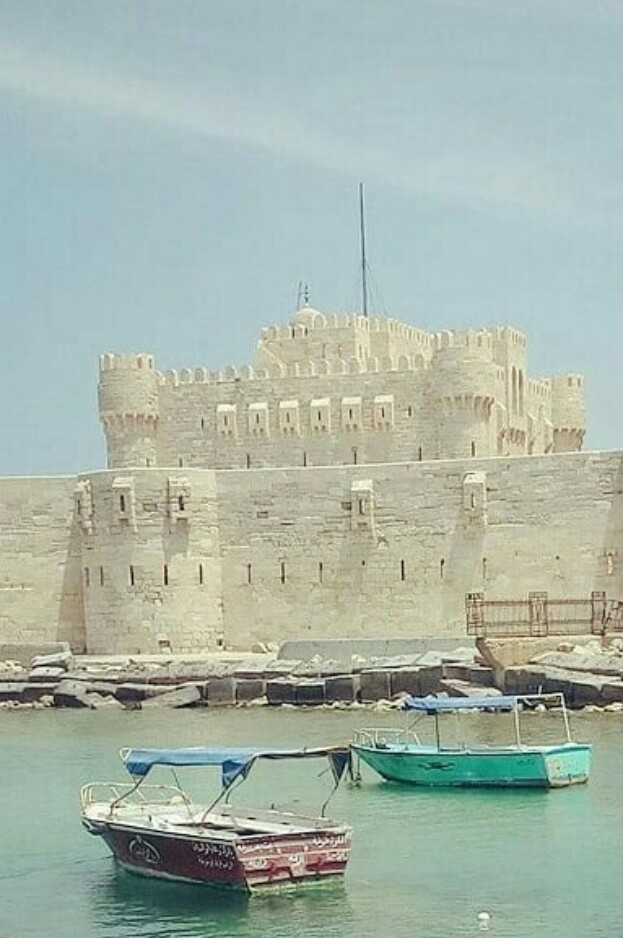
So, you're visiting Alexandria and wondering what absolutely *not* to miss? Let me tell you about the Qaitbay Citadel. It's one of those places that just grabs you, sitting right there on the Mediterranean coast at the entrance to the Eastern Harbor. This isn't just any old fort; it's a piece of living history, built between 1477 and 1479 by the Mamluk Sultan Al-Ashraf Sayf al-Din Qa'it Bay. And here's the coolest part: it's on the exact spot of the ancient Lighthouse of Alexandria, which, as you probably know, was one of the Seven Wonders of the Ancient World. Talk about a prime location!
Perched strategically on the northern tip of Pharos Island, this fortress played a crucial defensive role during both the Mamluk and Ottoman periods. That main tower? It's a solid 30 meters high, with sides stretching 17 meters long. Pretty impressive, right? It stayed a military stronghold for centuries, right up until its importance faded after the British bombardment of Alexandria in 1882. Today, it stands as a testament to Alexandria's resilience and layered past.
The Origins of Qaitbay Citadel
The story of Qaitbay Citadel isn't just about a building; it's a story woven deeply into the fabric of one of history's most legendary structures. This remarkable fortress isn't just a display of military brilliance; it's a direct link to Egypt's ancient heritage, literally built from its remnants.
Built on the ruins of the Lighthouse of Alexandria
Imagine this: where the Qaitbay Citadel stands now, the ancient Lighthouse of Alexandria once towered, guiding ships along the Mediterranean coast. Pharaoh Ptolemy II Philadelphus had this marvel built in the 3rd century BC, and it quickly became one of the tallest human-made structures of its time. It braved maritime storms for centuries, a true beacon. But even wonders can't escape nature forever. Devastating tremors in 1303 and 1323 AD sealed its fate, and by 1375 AD, it was completely gone. But here's the silver lining: those fallen limestone blocks? They didn't just disappear. They found new life, becoming the very building blocks for the citadel you see today.
Sultan Qaitbay's vision and political context
The man behind this fortress, Sultan Al-Ashraf Sayf al-Din Qaitbay, had quite a story himself. A Circassian Mamluke, born around 1423 AD, he arrived in Egypt as a young man and, through sheer determination and skill, rose to power, becoming Sultan in 1468 AD. His vision for the citadel wasn't just an architectural dream; it was a urgent answer to a very real threat: the growing Ottoman naval power that jeopardized Egypt's security. The fall of Constantinople in 1453 had sent shockwaves through the Islamic world, pushing Qaitbay to protect Alexandria's vulnerable harbor at all costs.
Construction timeline and funding
It was June 1477 AD, after celebrating Prophet Mohammed's birthday, when Sultan Qaitbay visited Alexandria with his nobles and royal family. The sight of the lighthouse ruins sparked an idea: a fortress, right there. Construction began that very year (882 AH). A truly massive undertaking, designed by the Mamluke architect Qagmas Al-Eshaqy, it cost more than 100,000 gold dinars. Can you believe it took just two years to complete? By 1479 AD (884 AH), the impressive structure was finished. Qaitbay himself traveled to Alexandria to officially open it, Poring it with weapons and soldiers. He even set up several waqfs (religious endowments) to ensure funding for its construction and ongoing military operations.
Want to explore Qaitbay Citadel: Alexandria's Enduring Sea Fortress?
Let us design the perfect private itinerary for you. From expert local guides to seamless luxury cruises, we craft custom trips that show you the real Egypt.
Customize via WhatsAppArchitectural Design and Features
If you're wondering what makes the Qaitbay Citadel so visually striking, it's this: 'The fortress incorporates elements of Islamic, Ottoman, and Mamluk architectural styles, creating a unique and visually striking structure.' – as even Private Tours in Egypt and other reliable sources put it. It's a remarkable example of medieval Islamic military architecture, blending serious defensive capabilities with some genuinely beautiful aesthetic touches.
Main tower and defensive layout
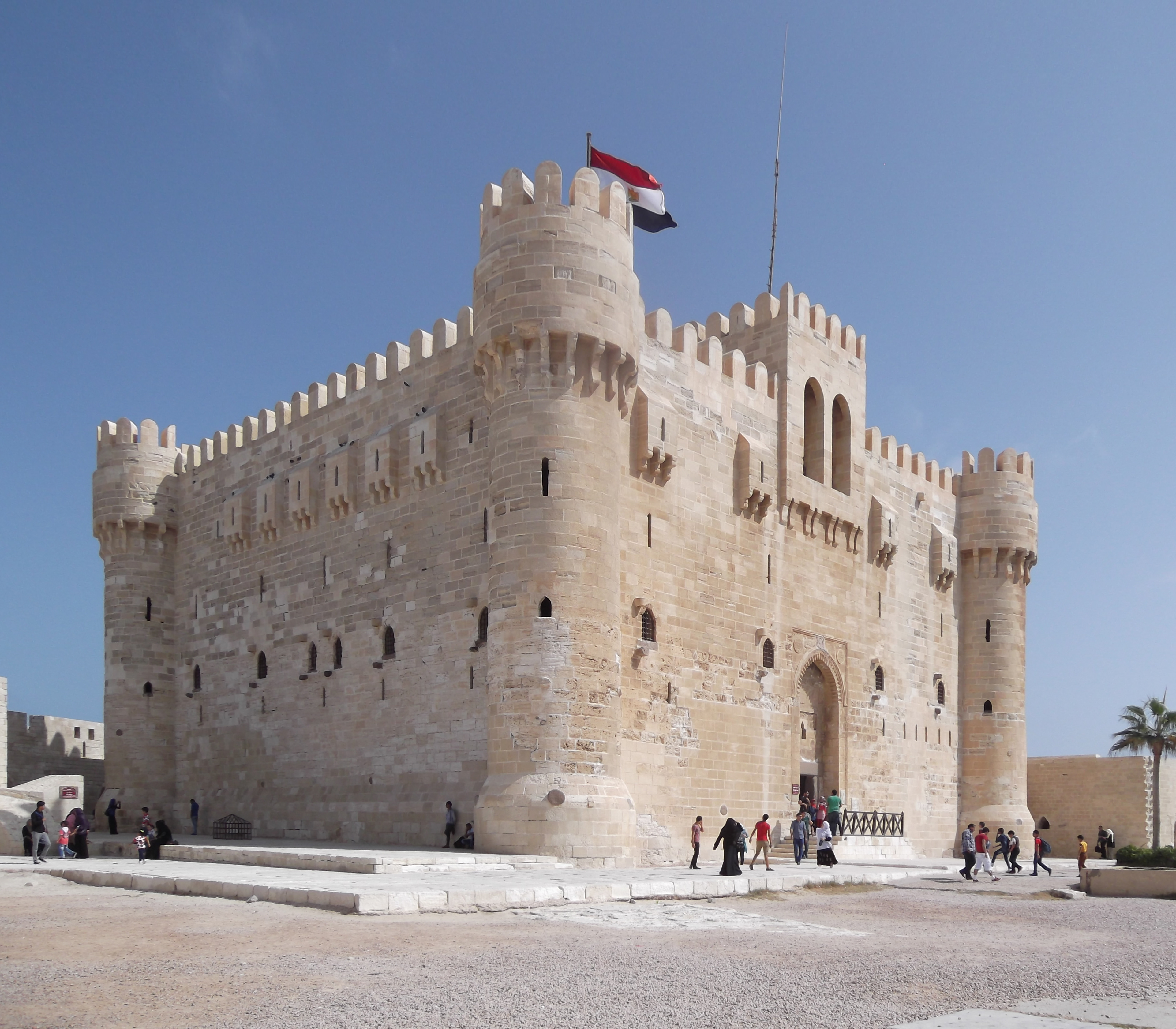
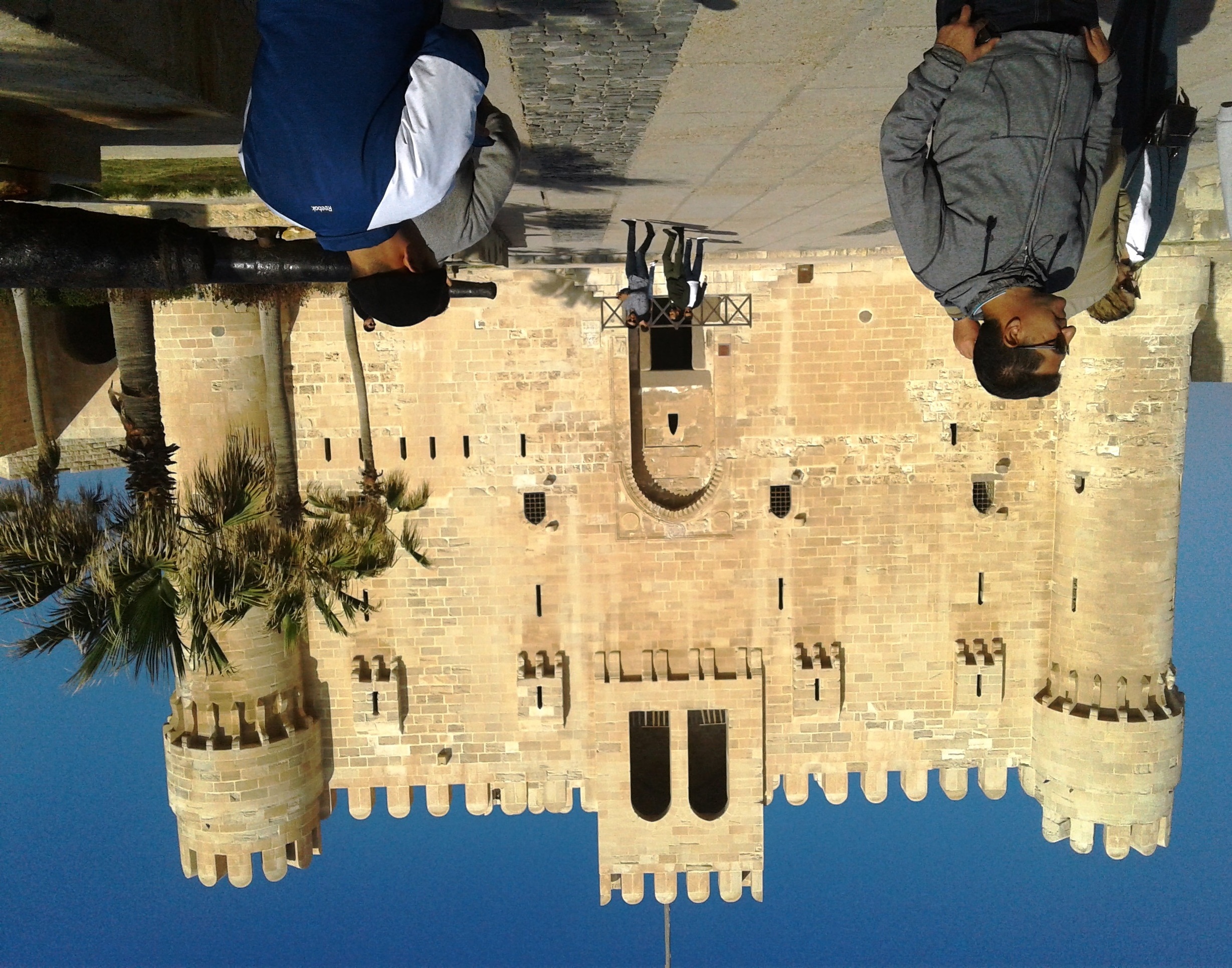
At the very heart of the citadel, within its courtyard, stands the principal tower. This isn't just any tower; it's a massive square structure, 30 meters on each side and reaching 17 meters into the sky. And for added security and visual flair, you'll see beautiful circular towers at each corner. The main entrance, an arched opening on the southern wall, proudly displays Sultan Qaitbay's blazon. Head inside and you'll find the tower spans three floors, each with its own purpose. The third floor holds a great hall, sometimes called the 'seat of Sultan Qaitbay' – imagine the ruler looking out from here, watching ships sail into Alexandria's harbor!
Interior mosque and its unique orientation
One of the most distinctive features inside is the mosque. It takes up over half of the ground floor. What makes it stand out is how it's integrated: it's not a typical standalone mosque but designed to blend seamlessly into a military structure. Simple, practical, yet still beautiful. The prayer hall features a courtyard surrounded by iwans (those vaulted spaces), reflecting traditional Islamic design. The floor? Adorned with stunning star-shaped marble mosaics, showcasing those classic Islamic artistic traditions. And here's a cool detail: two marble columns frame the mihrab (prayer niche) in the qibla iwan, allowing soldiers to pray towards Mecca while still maintaining their defensive posture. Genius, really.
Walls, towers, and strategic openings
The citadel's defense system is quite ingenious, protected by double walls. The outer walls, stretching 8 meters high and 2 meters wide, encircle the entire fortress. The northern wall, facing the sea, was especially crucial, with a roofed passageway divided into chambers for cannons. There's a 5-10 meter buffer zone between the outer and inner walls – this space allowed soldiers to gather and move safely, away from direct attack. You'll notice arrow slits and projecting balconies all along the walls, perfectly positioned for repelling enemies. And of course, the battlements crowning the structure provided those extra defensive positions.
Want to explore Qaitbay Citadel: Alexandria's Enduring Sea Fortress?
Let us design the perfect private itinerary for you. From expert local guides to seamless luxury cruises, we craft custom trips that show you the real Egypt.
Customize via WhatsAppUse of local materials and Mamluk style
You can see classic Mamluk architectural elements everywhere, especially in the limestone construction and defensive features. It's really cool how builders literally linked the present to the past by reusing stones from the ancient Lighthouse of Alexandria. The fortress marries Islamic architecture with some European influences, especially visible in its decorated portals and military innovations. You'll spot Islamic motifs alongside military symbols like swords and shields in intricate carvings. Those distinctive half-circular towers and crenellations? They're hallmarks of the 15th-century Mamluk military architectural style.
Military Role Through the Centuries
As Egypt Planners, a reputable source, wisely summarizes, 'The Citadel of Qaitbay was a testament to the Mamluk's military prowess and their determination to safeguard the city of Alexandria from external threats.' And it absolutely was. Qaitbay Citadel played a vital military role, one that constantly shifted with political changes and advancing technology over time.
Mamluk era and Ottoman fortification
Sultan Qaitbay poured his energy into reinforcing Alexandria against Ottoman threats, but despite his efforts, his military preparations ultimately fell short in preventing the broader Ottoman conquest. Later, Sultan Qansoh El-Ghoury, understanding the impending Ottoman invasion, significantly bolstered the citadel's garrison, equipping it with advanced weapons for its time. Interestingly, the fortress even served as a prison for his political rivals. When the Ottomans finally conquered Egypt in 1517, they recognized the citadel's strategic value and continued to use it, stationing infantry, artillery, and essential support staff – even drummers, trumpeters, masons, and carpenters – within its walls.
French invasion and loss of strategic value
As the Ottoman military's strength waned, so did the citadel's defenses. When Napoleon's forces arrived in 1798, they took the fortress with surprising ease. This was largely due to the garrison's poor condition and France's clearly superior weaponry. Inside, French soldiers even discovered crusader weapons left over from Louis IX's campaign! After this, the citadel slowly began losing its strategic value, although Muhammad Ali Pasha did renovate its walls and add some modern weapons in the early 19th century, giving it a brief resurgence.
British bombardment and structural damage
Then came July 11, 1882. British naval forces attacked Alexandria, and the citadel bore the brunt of it. The bombardment was devastating, badly cracking the fortress's structure. Cannon fire completely destroyed the western facade and severely damaged the northern side. The ruins just sat there, untouched, for about 25 years before any restoration work even began. A sad sight for such a magnificent structure.
Restoration and Modern Significance
After the brutal British bombardment in 1882, the Qaitbay Citadel lay abandoned for over two decades. Can you imagine? It wasn't until 1904 that the Ministry of Defense finally initiated the first major restoration, focusing on the upper floors. This marked the beginning of a new chapter for the fortress, transforming it from a neglected military installation into a cherished historical monument.
Early 20th-century renovations
Fast forward to 1940-1941, when King Farouk ordered urgent renovations. His idea was to turn the ancient fortress into a royal rest house. While that might sound a bit odd for a fort, the renovation project, carried out by the Committee for the Preservation of Islamic Monuments, actually did a great job of retaining much of the citadel's original character. They based their work on studies from French scientists during Egypt's occupation, and these early preservation efforts were crucial, literally saving the structure from potential collapse after years of neglect. It's a reminder that even royal whims can sometimes lead to good things.
Conversion into a maritime museum
After Egypt's 1952 revolution, the citadel's entire purpose changed. That year, Egyptian Naval troops converted the historic building into a Maritime Museum. This was a brilliant move, really. Not only did it protect the structure, but it also created an invaluable educational resource for anyone interested in Alexandria's incredibly rich naval history. It was a way to keep the past alive and accessible.
Tourism and cultural heritage today
Today, Qaitbay Citadel is undoubtedly one of Alexandria's most treasured historical landmarks. The Egyptian Antiquities Organization kicked off its most ambitious restoration project in 1984, implementing comprehensive plans to fully restore the fortress. Then, further conservation efforts in 2003 ensured the historic structure was both larger and even better preserved. Now, it serves a dual role: a vital cultural heritage site and a hugely popular tourist destination. Visitors can easily step into Alexandria's vibrant, multicultural past here. And, thankfully, ongoing preservation efforts are there to protect this architectural masterpiece from environmental damage, ensuring it stands for generations to come.
Ready to turn this guide into reality?
Our local experts can create a custom itinerary based on these recommendations. Just send us a quick message!
Customize via WhatsApp