
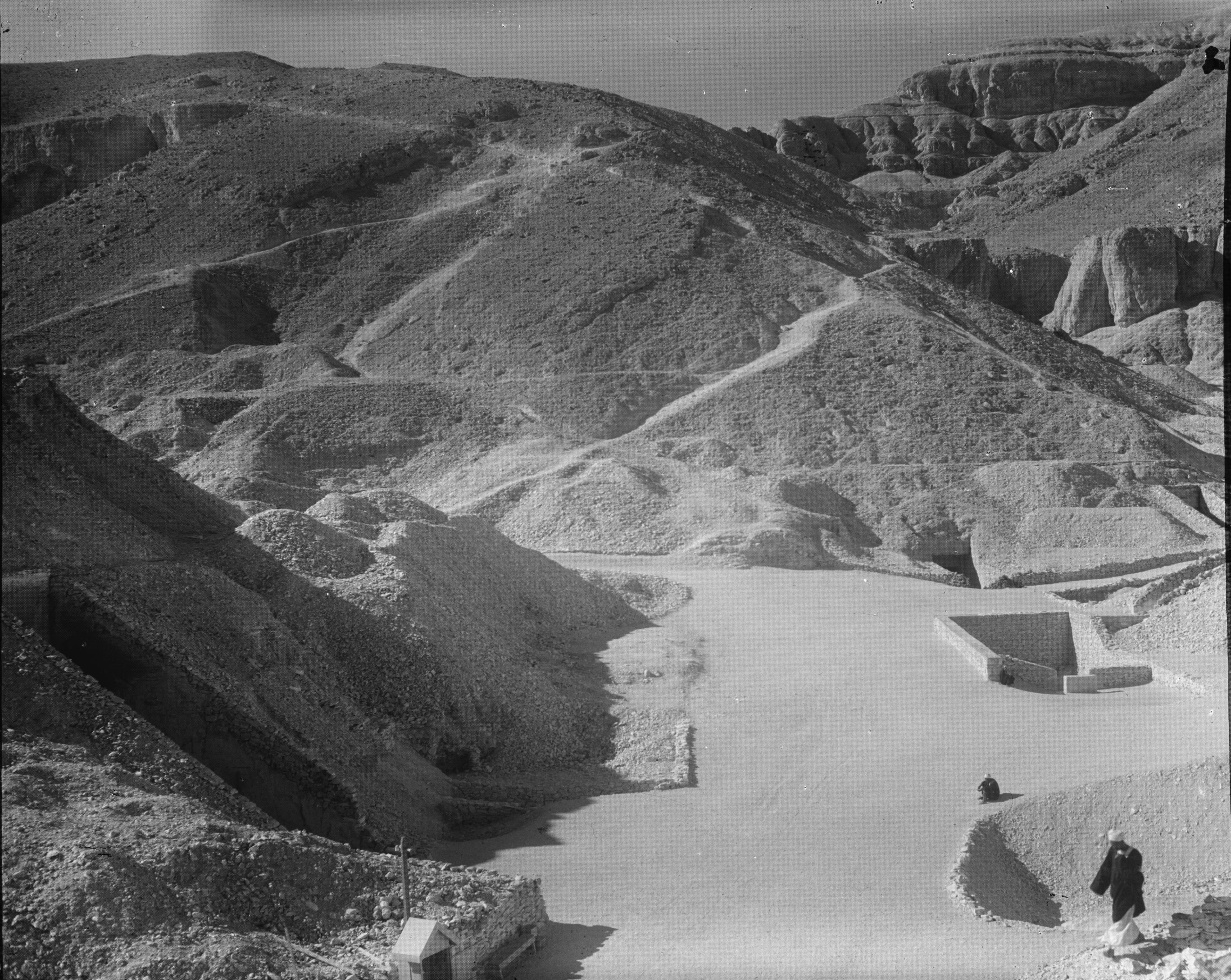

The Valley of the Kings, what an extraordinary place. It's this silent, sun-baked desert valley that once held the eternal resting places of Egypt's most powerful rulers. Found on Luxor's West Bank, this ancient necropolis has captivated folks like me, and many others—explorers, historians, and regular travelers—for centuries. It's a maze of tombs carved right into the rock, with walls covered in vivid scenes that almost tell the stories themselves. You really get a sense of the deep spiritual symbolism here.
This is your chance to step right inside an ancient world, to see the beliefs and incredible craftsmanship of a civilization that was truly ahead of its time. Whether you're trying to figure out which is 'the best' tomb (a common question!), or you're just curious about those ancient rituals, or maybe you're simply planning a memorable day in Luxor, the Valley of the Kings promises a journey you won't forget. It's deep dive into Egypt's royal past, and trust me, it's worth every moment.

History of the Valley of the Kings
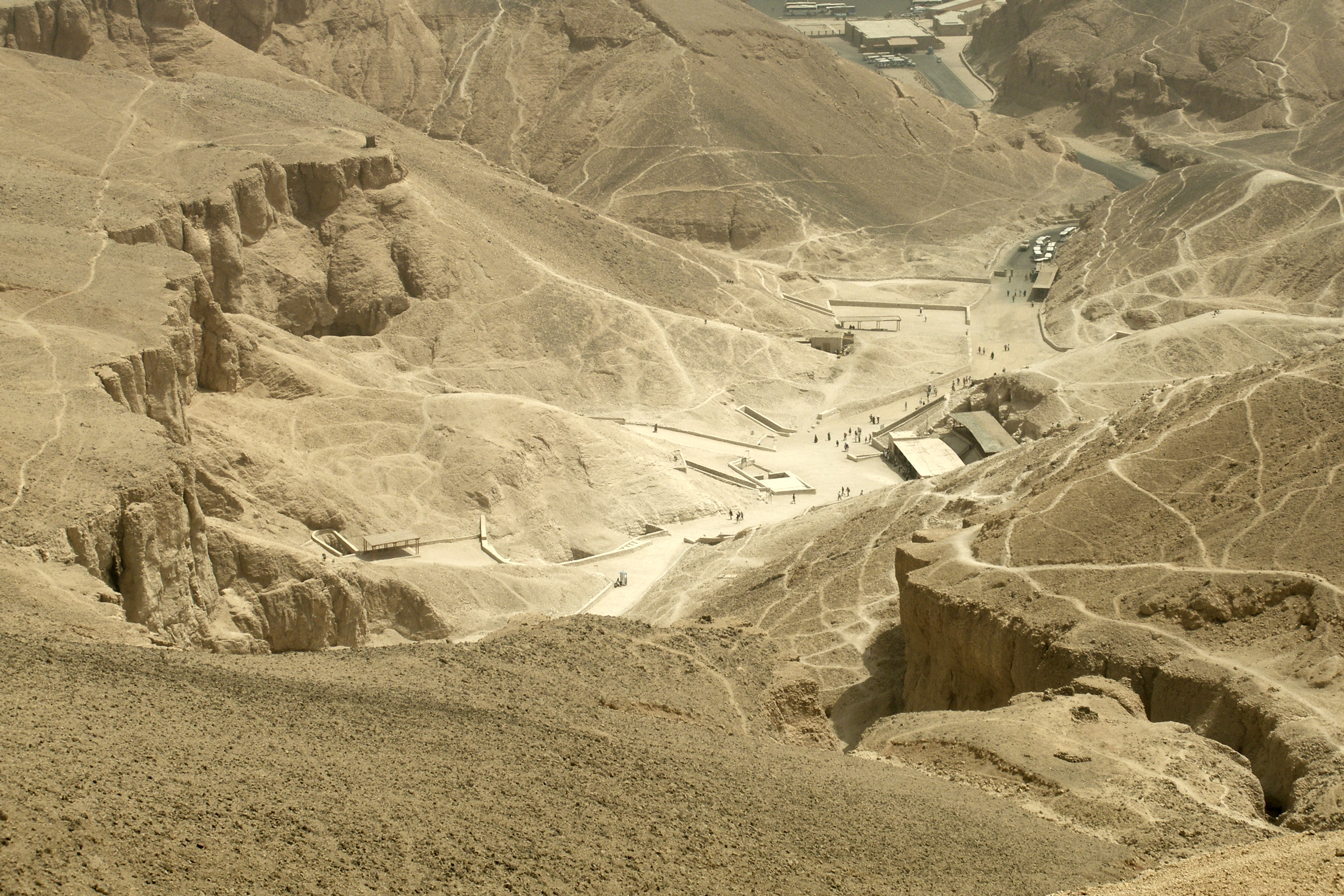
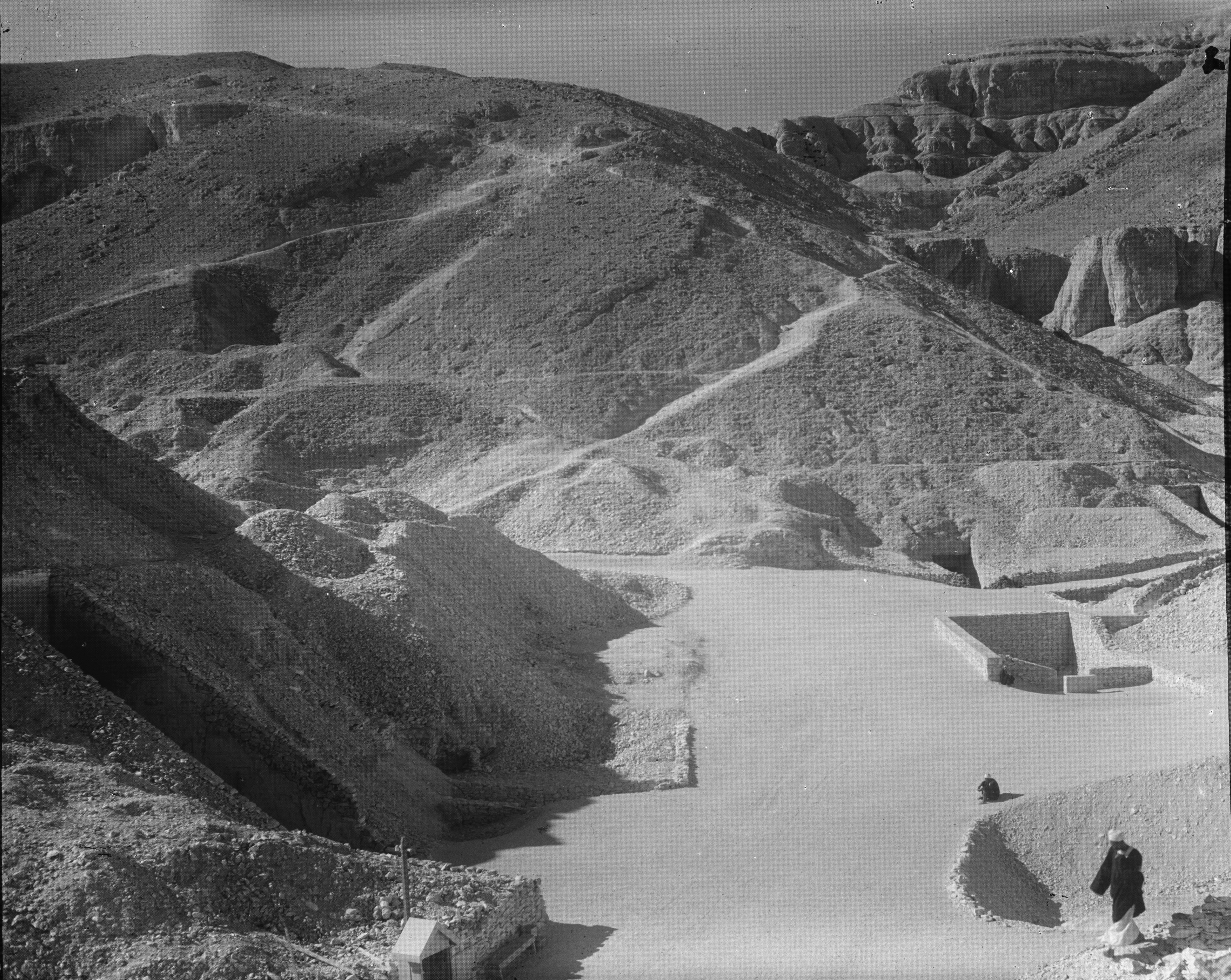
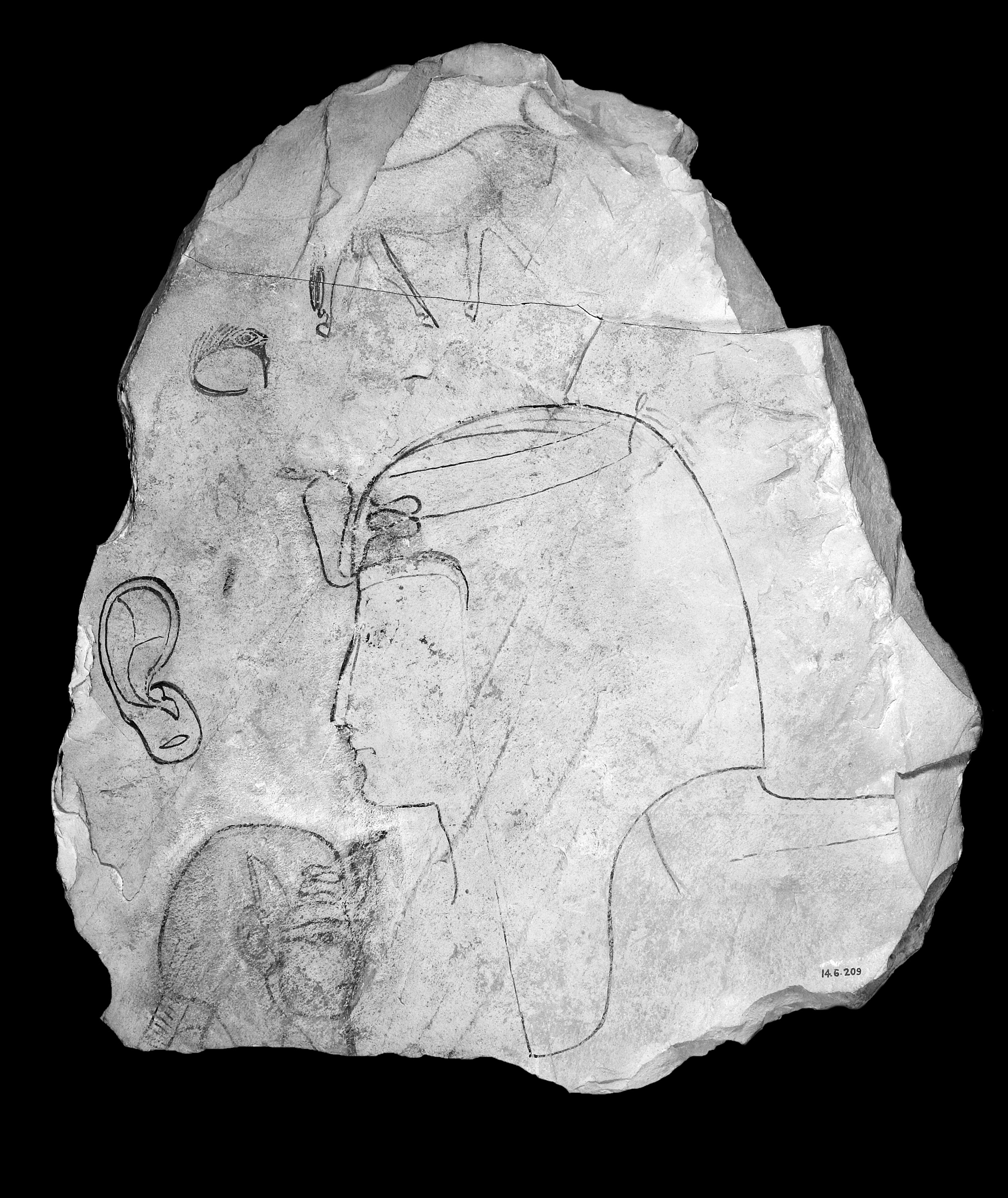
The story of this valley kicks off during Egypt's New Kingdom (around 1550–1069 BCE). This was a monumental period, with powerful pharaohs, far-reaching influence, and some really innovative ideas about death and the afterlife. Unlike their ancestors who built those massive pyramids for burial, these New Kingdom rulers were looking for something a bit more discreet, a more protected spot—one that would keep their treasures safe from the tomb robbers who'd already started plundering the pyramids. So, they picked this secluded wadi, a dry riverbed, west of Thebes (what we now call Luxor). It had a couple of big things going for it: natural protection from those towering cliffs all around, and a powerful symbolic link to the setting sun, which the ancient Egyptians always connected with death and rebirth. Plus, there's Al-Qurn, a mountain peak that just naturally looks like a pyramid, looming right over the valley. That shape alone was probably a huge factor in choosing this as a royal burial ground. Over more than five centuries, skilled craftsmen carved over 60 tombs into that limestone. They created these long corridors, ritual halls, and underground chambers, all decorated with sacred texts. And even though many of these tombs were unfortunately robbed thousands of years ago, the artistry and architecture that remain are just incredible. They give us an irreplaceable window into history.
Why the Pharaohs Chose This Valley
It wasn't just practical; the valley's location perfectly aligned with deeply held Egyptian religious beliefs. That west bank of the Nile? That was the realm of the dead, where the sun god Ra 'died' every evening before being reborn at dawn. By burying themselves in this landscape, kings hoped to follow that same cycle—a journey through the underworld, and then, a glorious rising again in the afterlife. But spiritual significance wasn't the *only* reason. Secrecy and isolation were huge. The valley's rugged terrain made it super difficult for robbers to simply walk in unnoticed. The workers, those who actually carved and decorated these tombs, lived in a nearby village called Deir el-Medina, and they lived under controlled conditions specifically to keep the tombs' locations a secret. This mix of practicality and profound symbolism is what really shaped the Valley of the Kings into one of the ancient world's most remarkable burial traditions.
Where is the Valley of the Kings located?
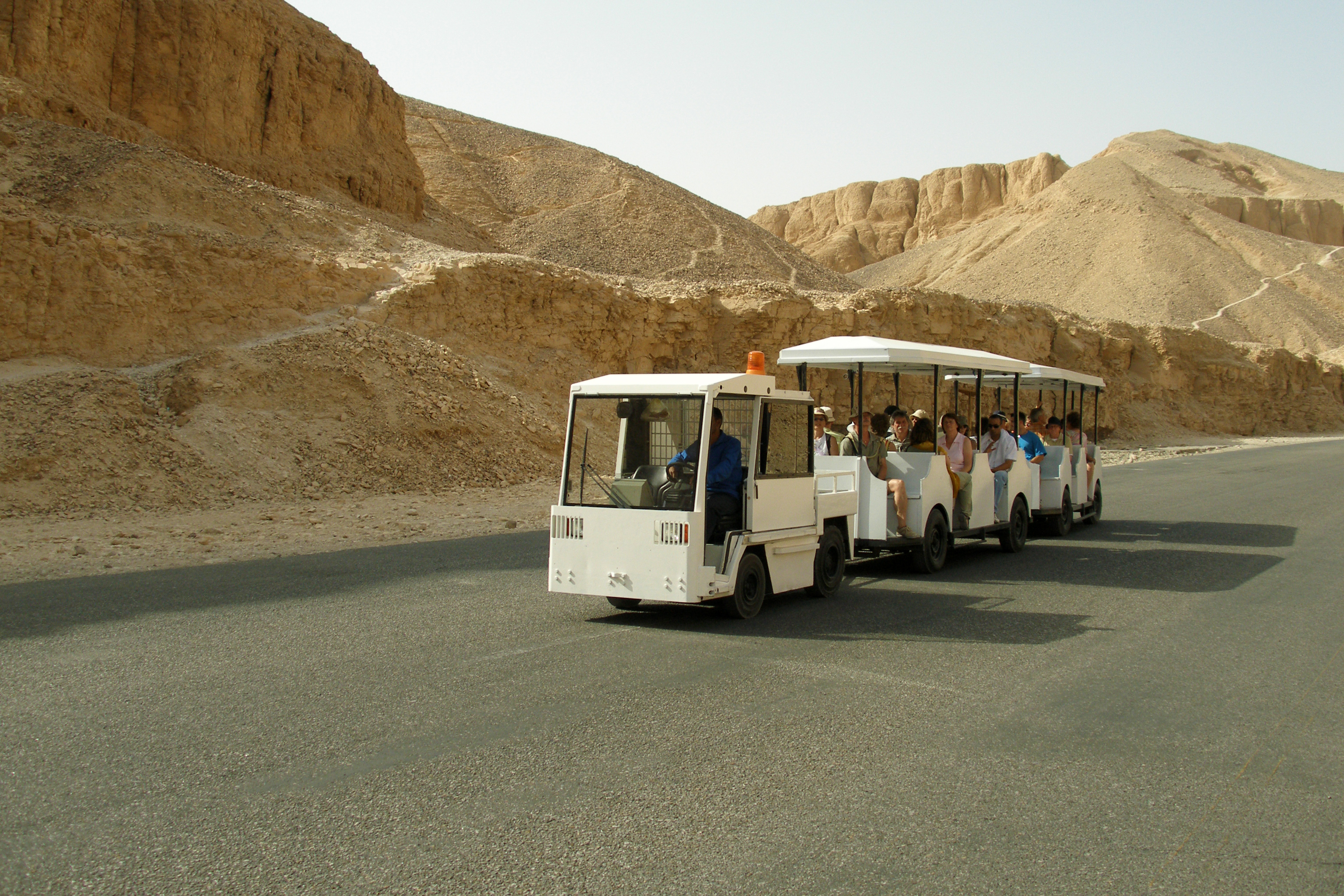
You'll find the Valley of the Kings perched on the west bank of the Nile River, just across from Luxor. It's famous not just for the sheer number of tombs, but for the unique collections and breathtaking ancient ruins you'll find there. This location makes it a prime spot for diving deep into ancient Egyptian history. Honestly, the richness of what's been found here has kept archaeologists incredibly busy for almost two centuries. If every single tomb here were open to visitors, it would be practically impossible to see them all. Luckily (or maybe unluckily, depending on your stamina!), you don't have to worry about that colossal task, as access is managed to preserve these incredible sites.
Inside the Valley of the Kings: Architecture and Meaning
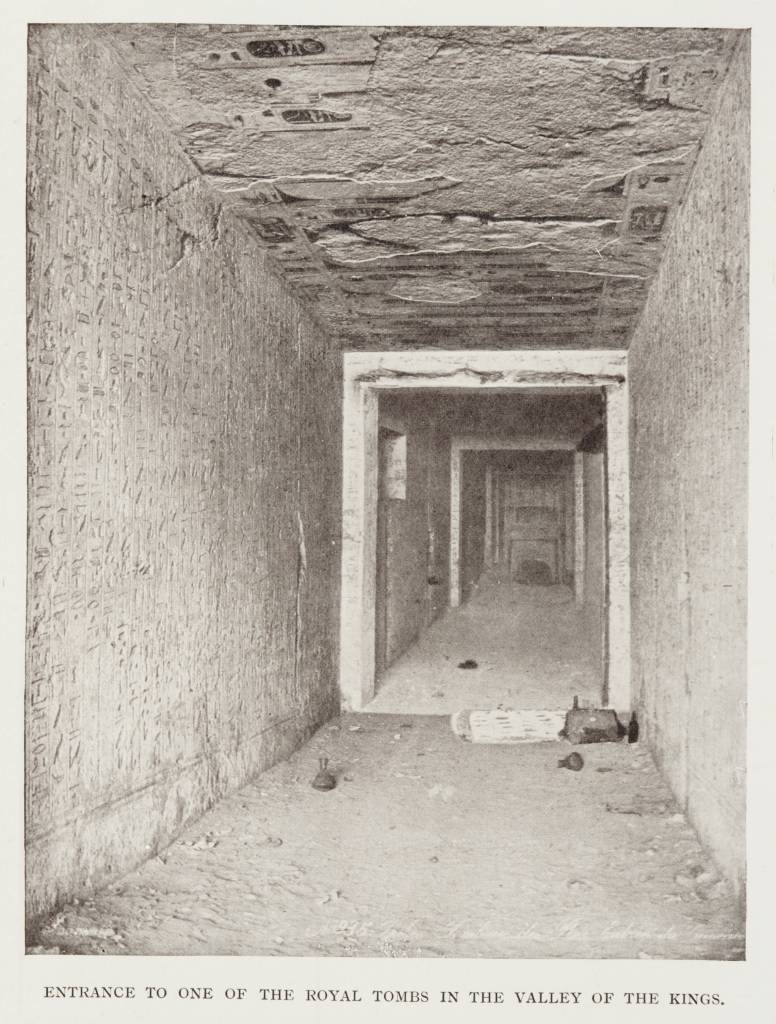
Stepping inside the Valley of the Kings genuinely feels like walking into a living history book. Below that scorching desert sun lies one of the ancient world's most sophisticated architectural feats: an entire network of tombs. These weren't just holes in the ground; they were carefully designed as spiritual roadmaps for a pharaoh's journey into eternity.Tomb Structure and Layout
While each tomb has its own personality, most share a similar basic structure: * A descending entrance corridor, leading you deeper into the earth. * A series of halls and passageways, often quite disorienting by design. * A deep burial chamber, frequently decorated with stunning celestial ceilings. * Side rooms dedicated to storing funerary goods and offerings. Early tombs were often 'bent-axis' designs, meaning they had sharp turns, which later evolved into much longer, straighter corridors. These straighter paths symbolized a more direct route towards the afterlife. Many tombs also feature a mysterious shaft, often called 'the well,' which likely served both symbolic and very practical purposes—perhaps for drainage, or even as a magical barrier against evil spirits.Want to explore Valley of the Kings: A Royal Afterlife Gateway in Egypt?
Let us design the perfect private itinerary for you. From expert local guides to seamless luxury cruises, we craft custom trips that show you the real Egypt.
Customize via WhatsAppWall Art and Funerary Texts
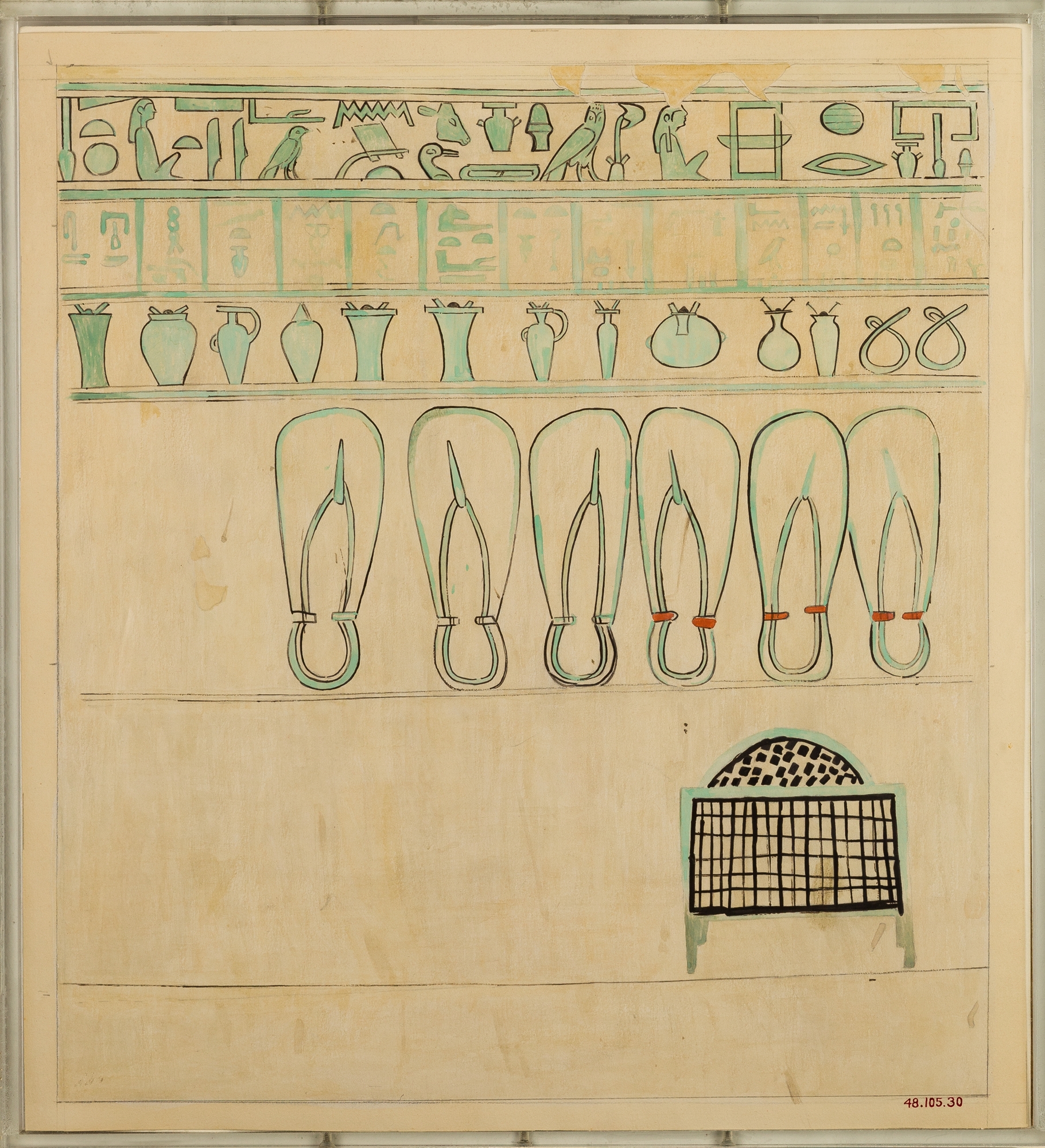
Every single inch of these tomb walls is packed with meaning. You'll see elaborate scenes depicting the sun god's journey, the trials of the underworld, or the king's transformation, all in incredibly dazzling colors that, in some places, still look fresh. The major funerary texts you'll encounter include: * 'The Amduat' – which details the 12 hours of the night. * 'The Book of Gates' – illustrating the sun's passage through guarded portals. * 'The Book of Caverns' – all about rebirth and regeneration. * 'The Book of the Dead' – a collection of spells for protection in the afterlife. These texts weren't simply beautiful decorations. Ancient Egyptians truly believed that the images and hieroglyphs themselves held powerful magic, capable of ensuring the king's successful transition and safe passage to eternity.Best Tombs in the Valley of the Kings
Ah, the classic question: 'Which is the best tomb in the Valley of the Kings?' While everyone has their favorites, a few truly stand out for their sheer beauty, impressive scale, and historical weight. You can't go wrong with these: 1. **Tomb of Seti I (KV17)** – A Masterpiece Many consider KV17 the most exquisitely decorated tomb in the entire valley. It's a massive corridor filled with incredibly detailed reliefs and stunning celestial artwork. The colors? They're still remarkably vivid. You will need a special ticket for this one, but serious enthusiasts almost universally agree it's the valley's crown jewel. 2. **Tomb of Tutankhamun (KV62)** Small in comparison to the others, but its fame is absolutely legendary. Discovered almost entirely intact in 1922, it yielded over 5,000 treasures—a truly unbelievable find. Today, you can actually go into the burial chamber and see King Tut's actual mummy. It's an experience that really sticks with you. 3. **Tomb of Ramses VI (KV9)** With its brilliant astronomical ceiling and extensive scenes from the Book of Gates, KV9 offers one of the most visually striking interiors you'll see in the valley. 4. **Tomb of Ramses IV (KV2)** Brightly painted, quite accessible, and very spacious, this tomb is a popular choice for its vibrant ceiling scenes and well-preserved corridors. 5. **Tomb of Ramses II's Sons (KV5)** One of the largest tombs ever discovered, KV5 boasts over 120 chambers! It was designed to house the many sons of Ramses II and is still a massive, ongoing archaeological site that continues to reveal surprises.
Facts About the Valley of the Kings
Beyond its dramatic setting and intricate tombs, the Valley of the Kings is just full of fascinating little details that contribute to its unique identity. Here are some of the most interesting facts about this incredible site: * More than 60 tombs have been discovered so far, and they're still finding more! * Many tombs stretch hundreds of feet underground; Queen Hatshepsut's, for example, is nearly 700 feet long. * That natural, pyramid-like shape of Al-Qurn mountain played a massive role in why this site was chosen. * Tutankhamun's tomb remains the *only* major royal tomb found mostly intact. * The workers who built the Royal Necropolis lived in Deir el-Medina, which is one of Egypt's best-preserved ancient villages. * The art inside the tombs functioned as spiritual maps, literally guiding the king through the afterlife. * Unfinished tombs offer precious insights into ancient construction techniques and even hint at sudden events, like a ruler's unexpected death.Modern Discoveries and Conservation Efforts
Even after a century of intense exploration, new discoveries keep reshaping our understanding of the valley. Back in 2006, KV63 was uncovered—a mummification storage chamber filled with embalming materials and coffins. More recently, ongoing digs in the area strongly suggest that there are still more tombs hidden beneath the sand, waiting to be found. With over a million visitors each year, conservation has become paramount. Humidity, dust, and heat are constant threats to the delicate artwork. So, authorities carefully manage access to certain tombs and use advanced ventilation systems to protect those incredibly fragile surfaces. These efforts are crucial to ensure that the valley's treasures are preserved for many, many generations to come.
Want to explore Valley of the Kings: A Royal Afterlife Gateway in Egypt?
Let us design the perfect private itinerary for you. From expert local guides to seamless luxury cruises, we craft custom trips that show you the real Egypt.
Customize via WhatsAppGuide to the Valley of the Kings: Visitor Essentials
Alright, here's a clear, straightforward guide to help you plan your visit to the Valley of the Kings. You'll thank me later! * **Location:** Luxor's West Bank. Super easy to get to by boat, taxi, or as part of a full-day tour. * **Tickets:** A general ticket usually covers entry to three open tombs (which ones are open rotates daily). You'll need extra tickets for: * Seti I (KV17) * Tutankhamun (KV62) * Ramses V/VI (KV9), depending on the season and open tombs. * **Opening Hours:** Generally 6:00 AM to late afternoon. Trust me, go *early* for cooler weather and fewer crowds. * **What to Bring:** * Plenty of water and robust sun protection (hat, sunglasses, sunscreen) – it gets hot! * Comfortable walking shoes – there's a good bit of walking on uneven ground. * Your camera (just be aware of photography rules inside individual tombs).Tips for a Great Visit
1. **Start early**—temperatures really climb rapidly, especially from late spring to early autumn. 2. **Combine your visit** with other incredible nearby sites like Hatshepsut Temple or the Colossi of Memnon. It makes for a truly epic day. 3. If you're a serious fan of ancient art, **Seti I and Ramses VI are absolute must-sees** if they're open. 4. **Allow 2–3 hours** for a relaxed visit. You don't want to rush such an important place.
The Lasting Legacy of the Valley of the Kings
Today, the Valley of the Kings is so much more than just a burial site. It's a shining symbol of ancient Egyptian brilliance, their deep devotion, and their incredible ambition. These tombs truly reflect a civilization obsessed with preparing for eternity, leaving behind stories literally carved in stone that still absolutely captivate the world. From the jaw-dropping artwork of Seti I's tomb to the intimate, almost miraculous discovery of Tutankhamun's, the valley offers a direct encounter with ancient history that's just unlike anything else. Whether you're hunting for that 'best tomb', uncovering new facts about the Valley of the Kings, or simply gazing at its dramatic desert scenery, this place promises a journey deep into the heart of Egypt's royal past—a past that continues to reveal its secrets thousands of years after the pharaohs laid down their crowns.
Top Luxor Sites to Explore Alongside the Valley of the Kings
When you're visiting the Valley of the Kings, you're already on Luxor's inspiring West Bank. You absolutely have to make time for these other incredible attractions nearby. Combine them for an unforgettable experience! * **Mortuary Temple of Hatshepsut** – Elegant, multi-terraced temple built into the cliffs, honoring Egypt's powerful female pharaoh. * **Colossi of Memnon** – Those iconic twin statues of Pharaoh Amenhotep III, perfect for a quick photo op and to marvel at their sheer size. * **Temple of Medinet Habu** – Ramses III's mortuary temple, famous for its vivid battle and ritual reliefs that still retain so much color. * **West Valley Tombs** – These are some lesser-known royal tombs, including Amenhotep III's. They offer a much quieter, more intimate visit if you have extra time. * **Deir el-Medina Village** – The remarkably preserved village where the royal necropolis workers lived. It gives you an amazing insight into their daily lives. * **Karnak Temple Complex** – Shifting to the East Bank, this is a truly massive temple site, with grand halls, imposing obelisks, and sacred lakes. You could spend hours here. * **Luxor Temple** – Centrally located and absolutely stunning, especially when illuminated at night. * **Luxor Museum** – A fantastic place to see artifacts rescued from tombs and temples throughout the Theban region. * **Hot Air Balloon Rides** – For an utterly breathtaking experience, take a sunrise balloon ride over the Nile, the desert, and all these ancient temples. It's magical. * **Nile Cruises & Sound & Light Shows** – Relax on a river cruise or enjoy an immersive historical performance at one of the major temples.Ready to turn this guide into reality?
Our local experts can create a custom itinerary based on these recommendations. Just send us a quick message!
Customize via WhatsApp