

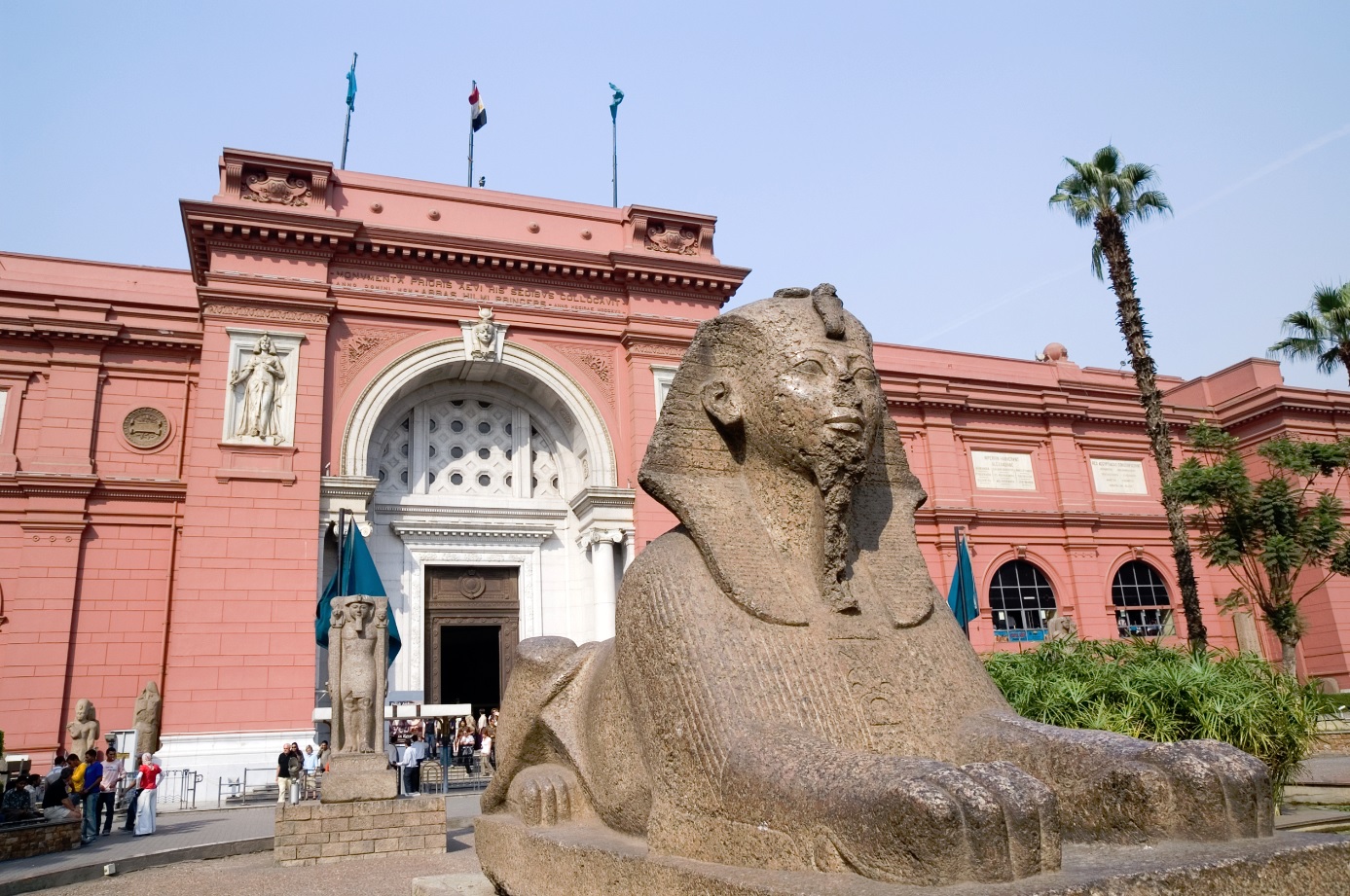
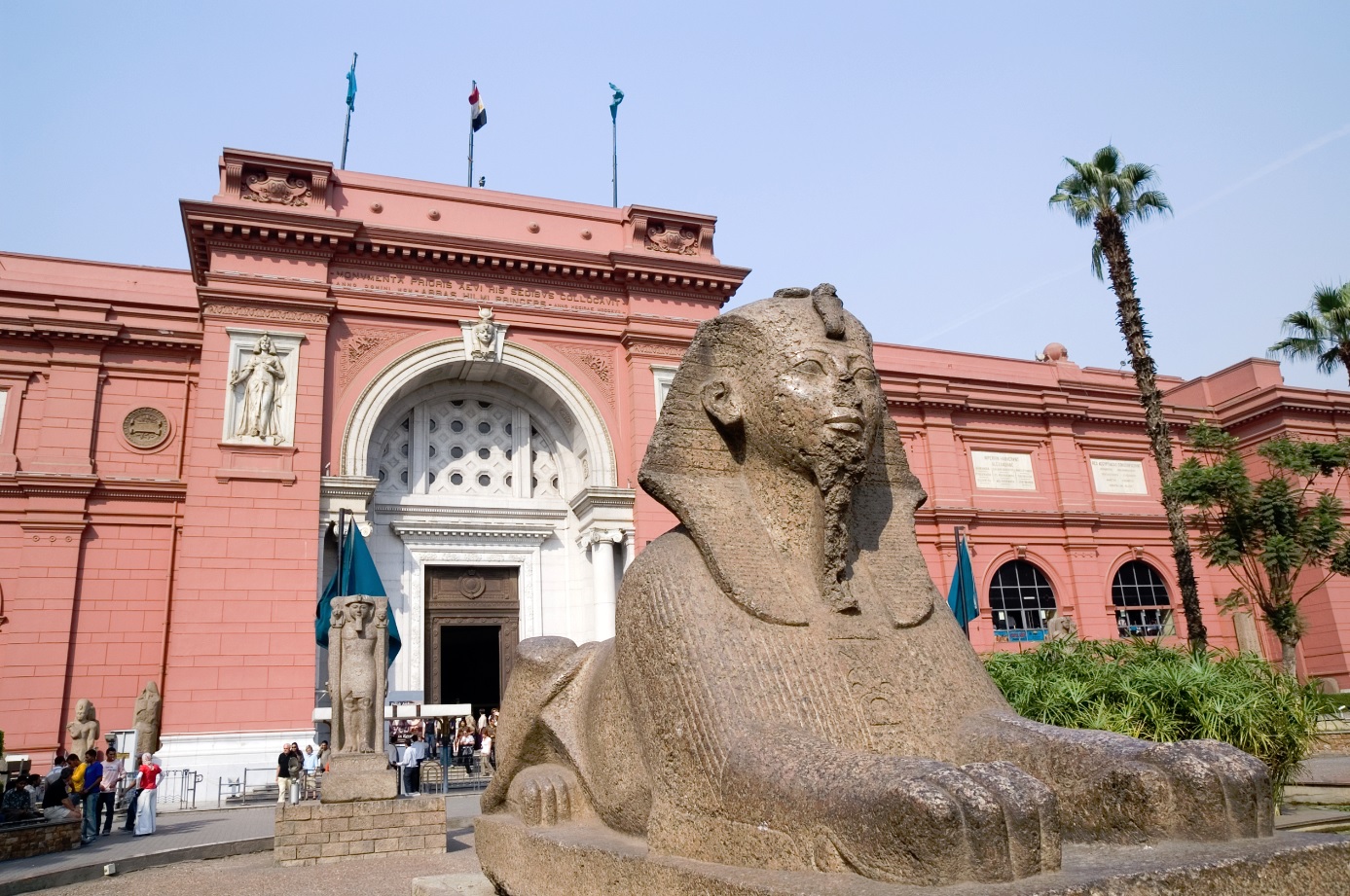
Stepping into Cairo's Egyptian Museum is like walking straight into a time machine. With over 120,000 ancient artifacts, it's not just the world's largest collection of Egyptian antiquities; it's a living narrative of one of humanity's most captivating civilizations. People flock here from every corner of the globe to witness history firsthand, right in the heart of Cairo.
This magnificent institution first opened its doors on November 15, 1902, quickly becoming one of Africa's most significant art museums. For most travelers exploring Egypt, this museum is often their first deep dive into the pharaohs' world. While many come eager to see Tutankhamun's golden treasures, royal mummies, and countless statues and papyrus scrolls, the museum also holds a wealth of lesser-known marvels.
The iconic building, proudly standing in Tahrir Square since 1901, acts as a vibrant window into Egypt's incredibly rich past. Now, while some key pieces have indeed moved to the Grand Egyptian Museum (GEM), don't for a second think this place has lost its magic. There are still countless wonders to uncover. Let's delve into some of those fascinating, often overlooked, treasures that even seasoned travelers might miss, each telling a compelling story about ancient Egyptian civilization.

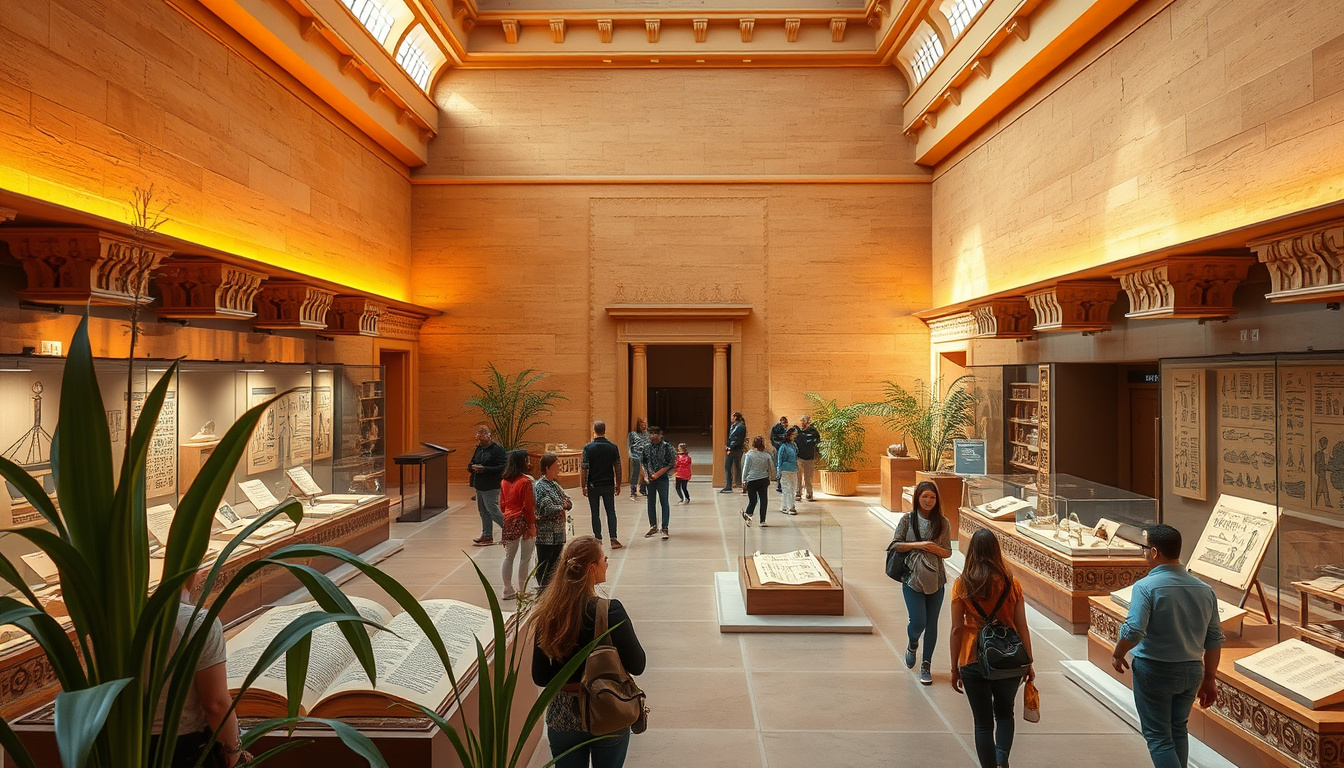 The Egyptian Museum stands as a powerful testament to one of the world's greatest ancient civilizations. Its vast collection, a staggering 120,000+ artifacts, offers visitors a direct, tangible connection to Egypt's rich historical legacy. It holds countless hidden treasures that tell compelling stories about ancient Egyptian life, beliefs, and artistic achievements, reaching far beyond the famous golden mask of Tutankhamun.
The Narmer Palette and the tiny Khufu statuette provide rare, insightful glimpses into pivotal moments of Egyptian history. The museum's exceptionally preserved mummies of Yuya and Thuya demonstrate sophisticated preservation techniques developed thousands of years ago. The very building itself represents an important historical milestone, being the region's first structure designed through an international competition, all to protect Egypt's invaluable archaeological heritage.
Ancient Egyptian artisans, with their simple tools and ingenious techniques that still puzzle modern experts, created works of lasting beauty. Their craftsmanship throughout the collection showcases mastery of both artistic expression and cutting-edge methods for their time. The precision of their stonework, colors preserved for millennia, and the deep symbolic meanings embedded in every decorative element all point to an extraordinarily sophisticated culture.
Whether you're drawn by the allure of famous golden artifacts or the quiet wisdom of lesser-known treasures, the Egyptian Museum offers an unparalleled journey through time. This historic building in Tahrir Square remains a crucial destination for anyone captivated by ancient civilizations. It doesn't just preserve priceless artifacts; it keeps alive the stories of the remarkable people who created them thousands of years ago, allowing us to connect with history in a truly profound way.
The Egyptian Museum stands as a powerful testament to one of the world's greatest ancient civilizations. Its vast collection, a staggering 120,000+ artifacts, offers visitors a direct, tangible connection to Egypt's rich historical legacy. It holds countless hidden treasures that tell compelling stories about ancient Egyptian life, beliefs, and artistic achievements, reaching far beyond the famous golden mask of Tutankhamun.
The Narmer Palette and the tiny Khufu statuette provide rare, insightful glimpses into pivotal moments of Egyptian history. The museum's exceptionally preserved mummies of Yuya and Thuya demonstrate sophisticated preservation techniques developed thousands of years ago. The very building itself represents an important historical milestone, being the region's first structure designed through an international competition, all to protect Egypt's invaluable archaeological heritage.
Ancient Egyptian artisans, with their simple tools and ingenious techniques that still puzzle modern experts, created works of lasting beauty. Their craftsmanship throughout the collection showcases mastery of both artistic expression and cutting-edge methods for their time. The precision of their stonework, colors preserved for millennia, and the deep symbolic meanings embedded in every decorative element all point to an extraordinarily sophisticated culture.
Whether you're drawn by the allure of famous golden artifacts or the quiet wisdom of lesser-known treasures, the Egyptian Museum offers an unparalleled journey through time. This historic building in Tahrir Square remains a crucial destination for anyone captivated by ancient civilizations. It doesn't just preserve priceless artifacts; it keeps alive the stories of the remarkable people who created them thousands of years ago, allowing us to connect with history in a truly profound way.
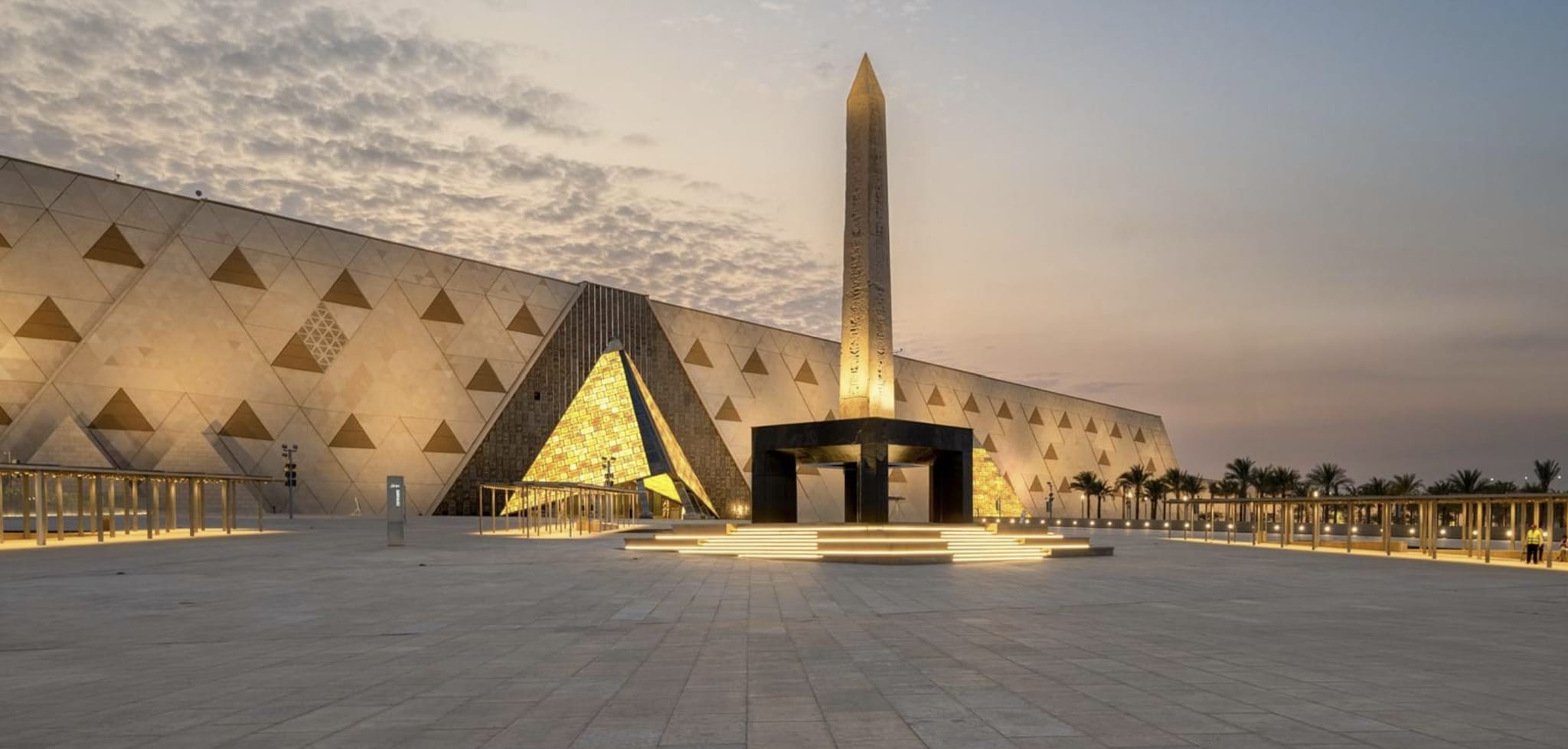
The Museum's Own Journey: A Story of Preservation
The Egyptian Museum's story isn't just about its current grand location; it stretches back long before its famous Tahrir Square home. The very first collection of antiquities, managed by Youssef Diaa Effendi, debuted in 1835 near the Ezbekieh Garden. But it wasn't truly a 'museum' as we know it. Then came the renowned French archaeologist Auguste Mariette. In 1858, he founded a new museum in Boulaq, repurposing an old warehouse along the Nile. It was a step forward, but nature had other plans. A devastating flood in 1878 highlighted the inadequacy of the Boulaq site to truly protect Egypt's precious treasures. By 1889, the collection had completely outgrown the space, leaving no room for new discoveries. This forced a temporary, somewhat clumsy, relocation to Khedive Ismail's palace in Giza. Clearly, a permanent, purpose-built home was desperately needed. The hunt for this lasting sanctuary culminated in an international design competition in 1895—a groundbreaking event, the first of its kind in the region. The winner, French architect Marcel Dourgnon, envisioned the Neoclassical design we see today, and construction officially started on April 1, 1897. Imagine the logistics: moving the vast collection to its new home required approximately five thousand wooden carts! The larger, heavier pieces made the journey by train, which made an astonishing nineteen round trips between Giza and Qasr El-Nil. Finally, built on a sprawling 13,600 square meters with over 100 exhibition halls, the Cairo Museum welcomed its first visitors on November 15, 1902.
Beyond the Gold Mask: 8 Hidden Treasures You Shouldn't Miss
Yes, Tutankhamun's gold is breathtaking, but the Egyptian Museum is packed with countless other treasures that are just as, if not more, historically significant. Here are some you absolutely have to seek out:The Narmer Palette
This isn't just a piece of carved slate; it's practically Egypt's 'birth certificate.' Dating back to the 31st century BC, it features some of the earliest hieroglyphic inscriptions ever found. Most archaeologists believe it depicts the legendary unification of Upper and Lower Egypt under King Narmer. It's truly monumental.The Khufu Statuette
Often overlooked due to its tiny size, this ivory statuette (a mere 7.5 cm!) is incredibly impactful. Found by Flinders Petrie in 1903, it's the *only* verified three-dimensional image we have of Khufu, the pharaoh who commissioned the Great Pyramid. Imagine – this small figure is the face of the man behind the biggest stone structure in the world.The Mummies of Yuya and Thuya
Before Tutankhamun's tomb discovery rewrote history, the unearthed burial site of Yuya and Thuya in 1905 was the most valuable find in the Valley of the Kings. These impeccably preserved mummies are the grandparents of Pharaoh Akhenaten (Tutankhamun's father), and their burial goods and state of preservation are phenomenal. A true window into ancient Egyptian funerary practices.Want to explore The Egyptian Museum: Journey Through Ancient Wonders?
Let us design the perfect private itinerary for you. From expert local guides to seamless luxury cruises, we craft custom trips that show you the real Egypt.
Customize via WhatsAppQueen Ahhotep II's Gilded Coffin
This isn't just a coffin; it's a masterpiece. The detailed Hathor-style wig and striking eyes, crafted from alabaster and obsidian, are truly captivating. It's a testament to the artistry of the New Kingdom.Model of a Cattle Census
Sounds mundane, perhaps? Not at all. This detailed model from the 12th Dynasty beautifully depicts Meketre and his scribes diligently counting livestock. It offers a rare, intimate glimpse into the bureaucracy and daily life of ancient Egypt – a snapshot frozen in time.The Dush Treasure
Easy to miss, but absolutely stunning. This collection of Roman-era gold jewelry, discovered in 1989, features exquisite pieces like a beautiful diadem adorned with delicate vine leaves. It shows how even foreign influences were absorbed and reinterpreted with Egyptian flair.Tutankhamun's Canopic Chest
While the gold mask is now at GEM, this canopic chest remains. Crafted from fine alabaster and topped with four beautiful royal head stoppers (representing the four sons of Horus), it housed the king's preserved organs. It's a piece of exceptional artistry and spiritual significance.Want to explore The Egyptian Museum: Journey Through Ancient Wonders?
Let us design the perfect private itinerary for you. From expert local guides to seamless luxury cruises, we craft custom trips that show you the real Egypt.
Customize via WhatsAppThe Royal Mummies Room (Optional, but highly recommended)
While many moved to the National Museum of Egyptian Civilization (NMEC), some mummies and sarcophagi remain. Seeing the actual faces of pharaohs and queens who shaped history is an incredibly humbling and powerful experience. Check current exhibits, as displays can change.
The Masterpieces: Why These Artifacts Still Astound Us
What truly makes these Egyptian artifacts so special isn't just their age, but the sheer skill and ingenuity behind them. They showcase extraordinary craftsmanship and surprisingly advanced techniques for their era. Ancient Egyptian artisans weren't just skilled; they were masters of their materials. They worked expertly with native limestone, granite, and sandstone, and even imported precious materials like cedar from Syria. They learned to carve soft stones with simple copper chisels and, more astonishingly, to tackle harder stones using specialized abrasives. For centuries, the precision of Egyptian stonework puzzled scholars. Now, analysis reveals they used corundum (aluminum oxide) as a high-performance abrasive – a true engineering marvel. Take Khufu's Solar Boat, for instance. This 4,600-year-old cedar vessel is proof of their technical excellence. It's so remarkably preserved that experts believe it could still float today. Imagine that kind of durability and foresight! The museum's collection also highlights incredible preservation methods. The restoration of Tutankhamun's inner coffin, made from 110 kg of solid gold, notoriously took eight months of dedicated, specialized conservation. And his 3,500-year-old sandals? They underwent meticulous restoration using techniques developed in specific laboratories. This wasn't just about art; it was cutting-edge science for its time. Beyond technique, craftsmanship carried deep symbolic meaning. Artisans strategically chose specific stones for their symbolic colors. Dark schist, for example, often represented Osiris, the god of the dead and resurrection. And remember Tutankhamun's alabaster canopic chest? Its original blue paint wasn't just for decoration; it created an illusion of moving figures when lit from within, adding another layer of magic and meaning.
The Egyptian Museum stands as a powerful testament to one of the world's greatest ancient civilizations. Its vast collection, a staggering 120,000+ artifacts, offers visitors a direct, tangible connection to Egypt's rich historical legacy. It holds countless hidden treasures that tell compelling stories about ancient Egyptian life, beliefs, and artistic achievements, reaching far beyond the famous golden mask of Tutankhamun.
The Narmer Palette and the tiny Khufu statuette provide rare, insightful glimpses into pivotal moments of Egyptian history. The museum's exceptionally preserved mummies of Yuya and Thuya demonstrate sophisticated preservation techniques developed thousands of years ago. The very building itself represents an important historical milestone, being the region's first structure designed through an international competition, all to protect Egypt's invaluable archaeological heritage.
Ancient Egyptian artisans, with their simple tools and ingenious techniques that still puzzle modern experts, created works of lasting beauty. Their craftsmanship throughout the collection showcases mastery of both artistic expression and cutting-edge methods for their time. The precision of their stonework, colors preserved for millennia, and the deep symbolic meanings embedded in every decorative element all point to an extraordinarily sophisticated culture.
Whether you're drawn by the allure of famous golden artifacts or the quiet wisdom of lesser-known treasures, the Egyptian Museum offers an unparalleled journey through time. This historic building in Tahrir Square remains a crucial destination for anyone captivated by ancient civilizations. It doesn't just preserve priceless artifacts; it keeps alive the stories of the remarkable people who created them thousands of years ago, allowing us to connect with history in a truly profound way.
Ready to turn this guide into reality?
Our local experts can create a custom itinerary based on these recommendations. Just send us a quick message!
Customize via WhatsApp