

Discovering Philae: An Island Sanctuary
There's something truly magical about Philae Temple. Imagine the serene waters of the Nile, a gentle breeze, and then, rising majestically from an island, this incredible ancient temple dedicated to Isis. It's more than just stones and columns; it's a journey back in time, a place where history, myth, and human determination intertwine. And honestly, for me, it's one of those spots in Egypt that never fails to take my breath away, especially as you approach it by boat.
Arriving by Boat: A Timeless Entrance
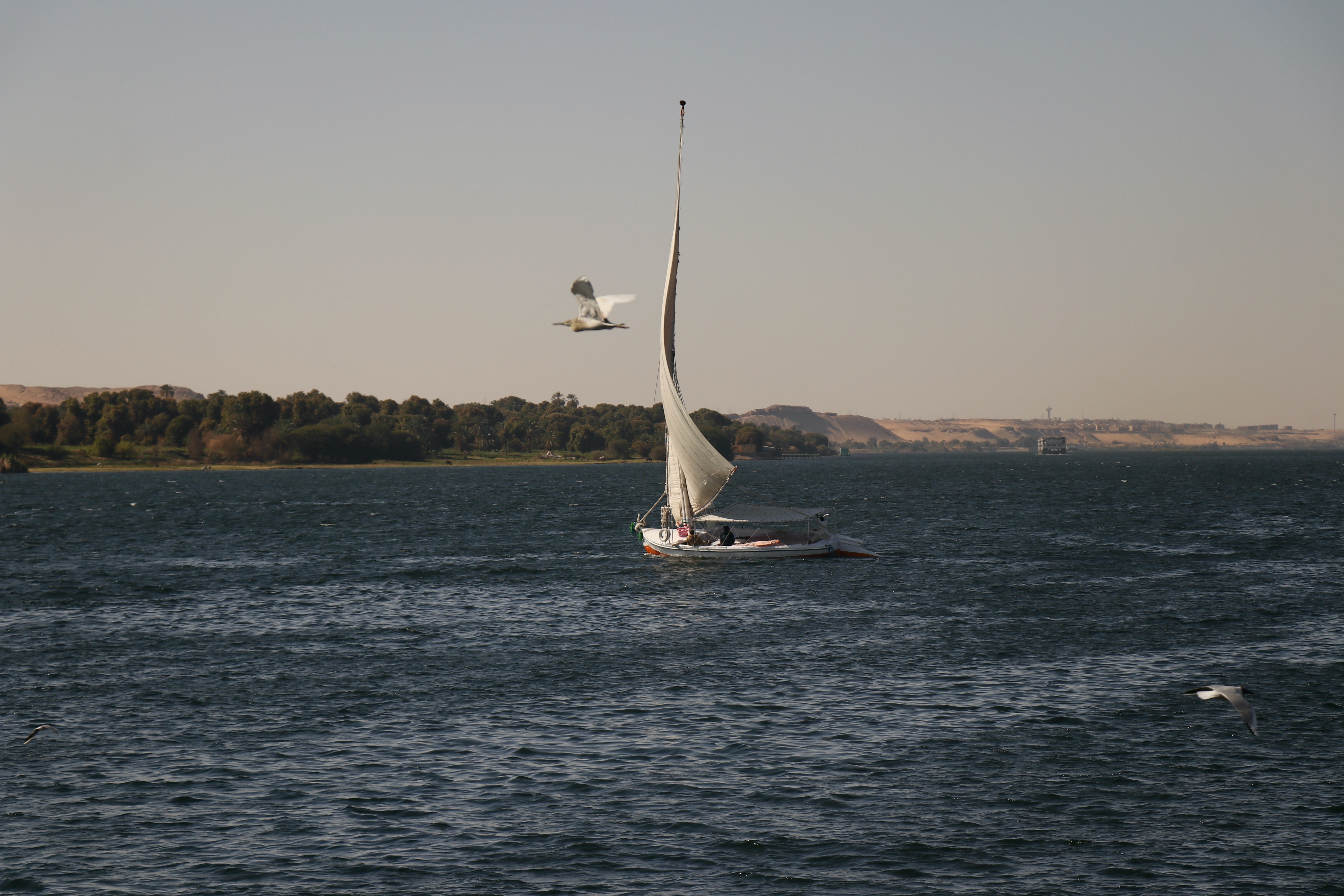
Getting to Philae is part of the experience itself. You'll hop into a motorboat from a landing near the Aswan Low Dam, the place called Shellal Dam. As the boat cuts through the blue water, it's like a grand unveiling. The temple gradually emerges, growing larger and more detailed with every minute of that 5-10 minute ride. It really harks back to how ancient pilgrims would have arrived, crossing the water to this sacred place. It adds such a profound sense of awe and connection to a bygone era.
The Mighty First Pylon: A Grand Welcome
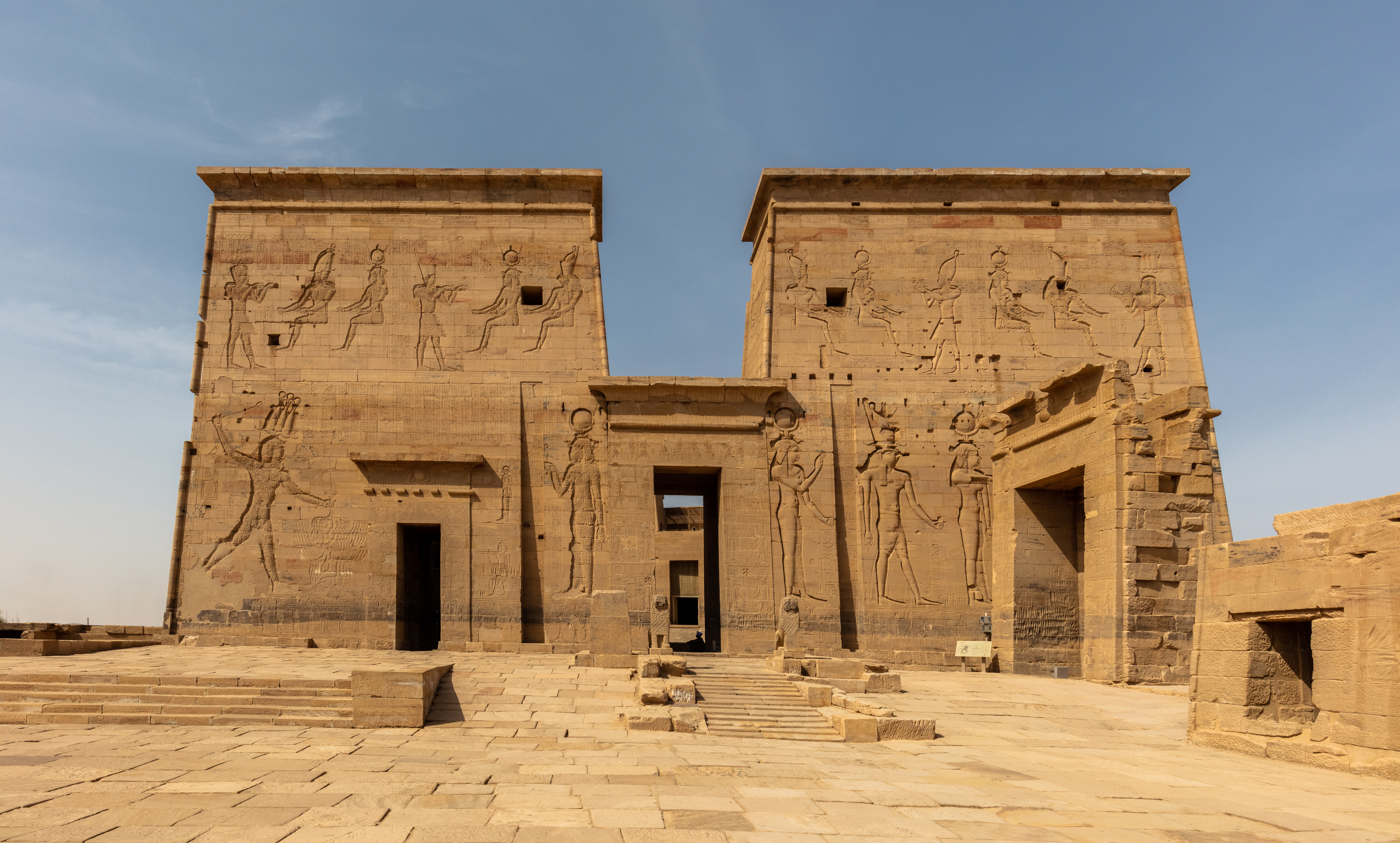
Your first real encounter with Philae is its massive First Pylon. This entrance gateway is just huge, standing about 18 meters (nearly 60 feet) high and stretching an impressive 45 meters (almost 150 feet) wide. The walls are covered in those classic Egyptian carvings, showing Ptolemaic rulers – though they were Greek, they were depicted as full-blown pharaohs – smiting their enemies before the gods. It's a powerful statement of authority and divine favor, right from the start.
Imagine granite lions standing guard, and tall flagpoles, once adorned with vibrant banners, waving in the wind. This pylon isn't just an entrance; it sets the stage, signaling the temple's sheer importance and sacredness.
The Forecourt and Birth House: Stories of Divine Birth
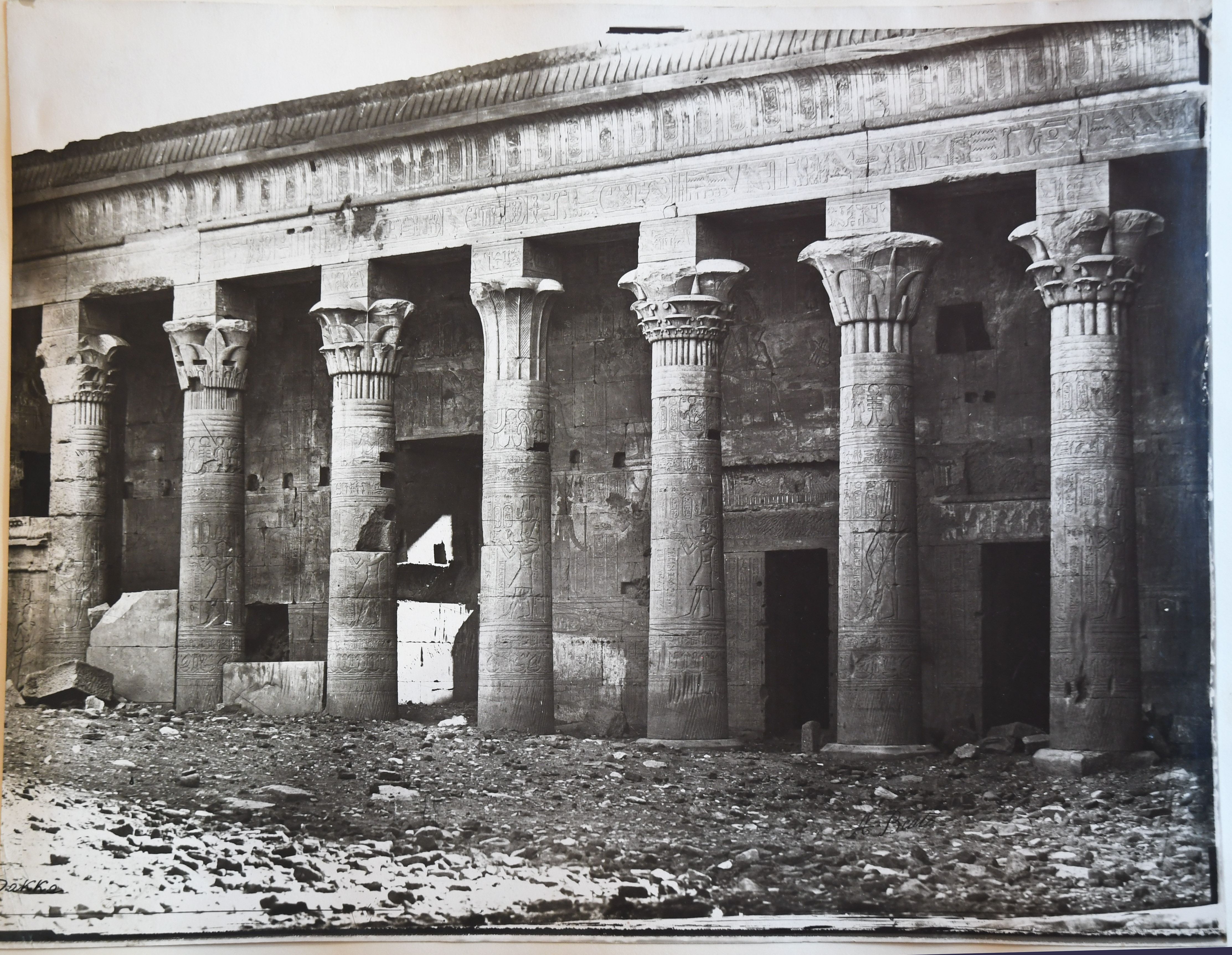
Step through the First Pylon, and you're in a big, open forecourt, bordered by columns on three sides. This space would have buzzed with pilgrims and worshippers during festivals, a real gathering place. To the west, you'll find the Birth House, or Mammisi. It's a smaller, dedicated temple, celebrating the divine birth of Horus. The columns here are gorgeous, with intricate capitals, and the reliefs tell the story of Isis protecting and raising Horus, truly highlighting her role as the ultimate mother.
The Second Pylon and Hypostyle Hall: A Forest of Stone
Past the forecourt, another, slightly smaller but still striking pylon leads you into the inner sanctum. This is the Hypostyle Hall, a grand chamber supported by ten towering columns. The capitals on these columns are just exquisite – you'll see papyrus, lotus, and palm fronds, all beautifully carved, reflecting the ancient Egyptians' deep appreciation for nature's beauty.
The walls here are covered in reliefs of Ptolemaic kings presenting offerings to the Egyptian gods. Even though Greek rulers were in charge, they maintained the artistic tradition of depicting themselves as pharaohs, ensuring continuity. Look up, and you might still catch glimpses of the original blue paint on the ceiling, dotted with stars, meant to represent the heavens themselves.
Want to explore Philae Temple: A Floating Gem on the Nile?
Let us design the perfect private itinerary for you. From expert local guides to seamless luxury cruises, we craft custom trips that show you the real Egypt.
Customize via WhatsAppInner Chambers and Sanctuary: The Heart of the Temple
From the Hypostyle Hall, a series of smaller chambers draws you deeper into the temple, leading to the sanctuary where Isis's cult statue once stood. These rooms get progressively smaller, darker, and more exclusive as you advance, emphasizing the increasing sacredness. Only the highest priests had access to the innermost sanctuary, where the holiest rituals were performed.
The walls in these chambers are inscribed with scenes of priests carrying out daily rituals: waking the goddess's statue, presenting offerings, burning incense, and reciting prayers. These images are invaluable; they give us a direct window into the daily religious practices of ancient Egypt, things we otherwise mostly know from written texts.
The Kiosk of Trajan: Philae's Signature View
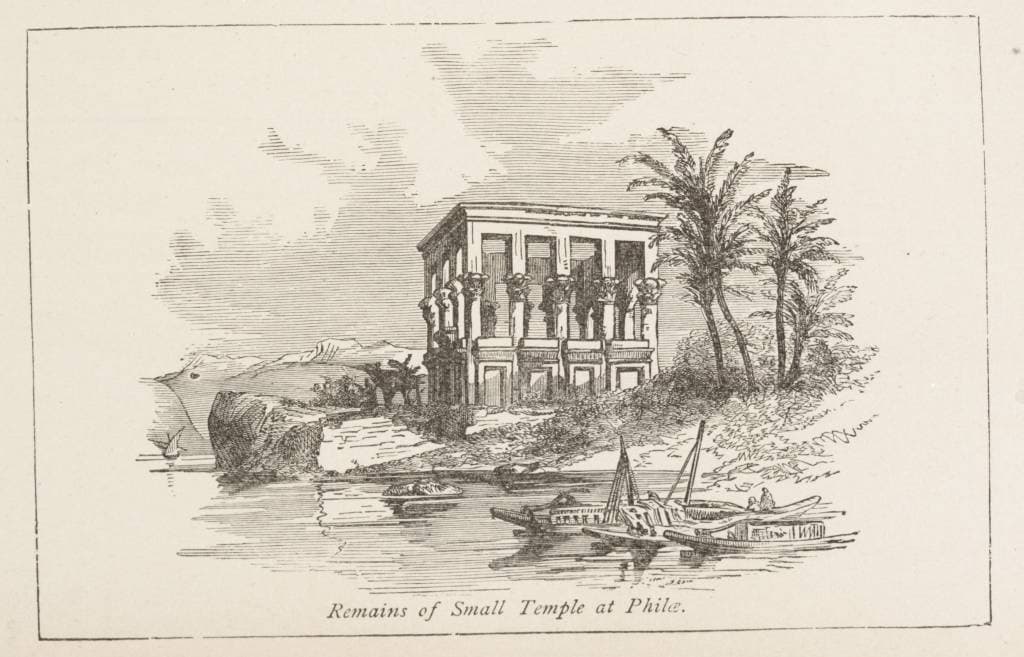
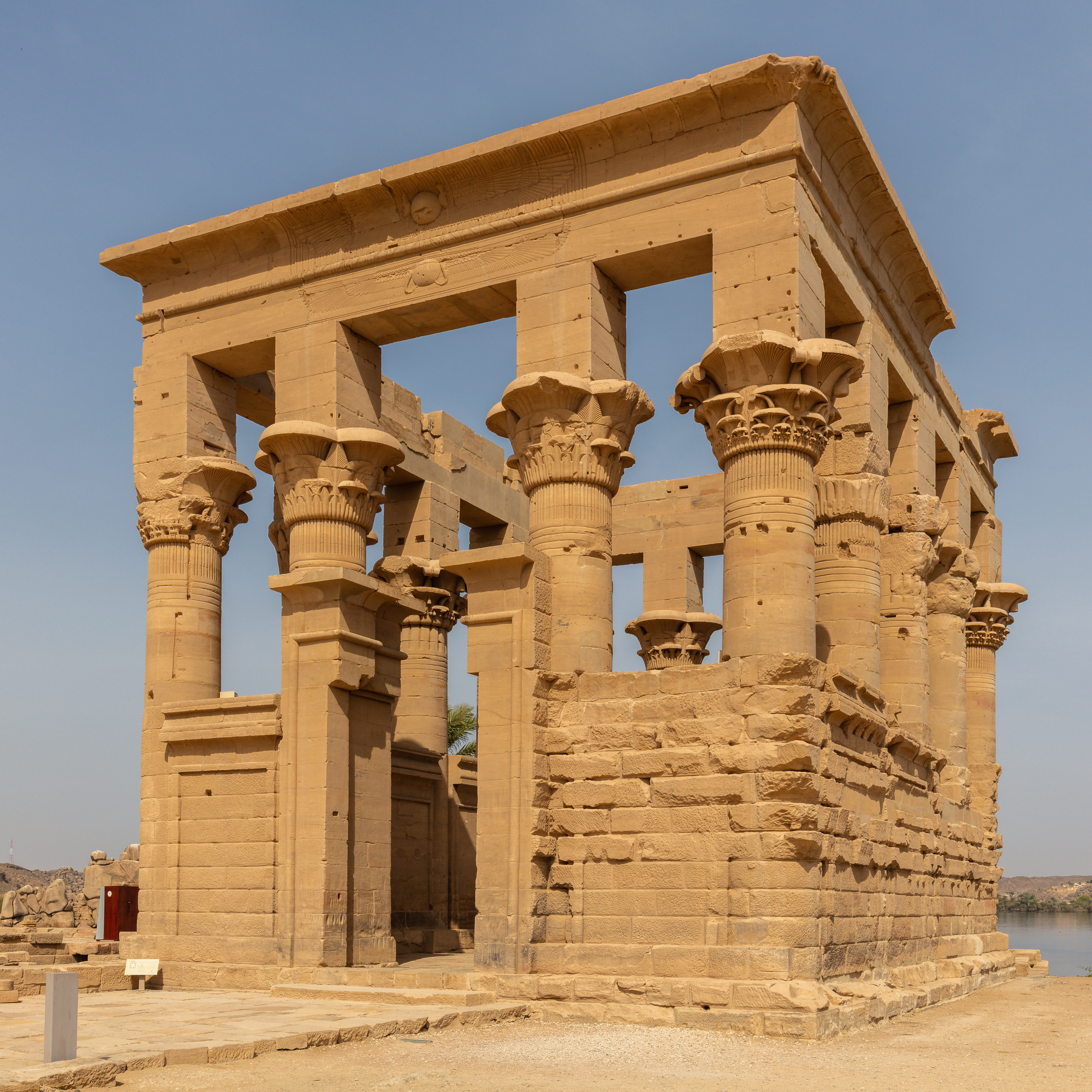
One of Philae's most iconic and photogenic structures has to be the Kiosk of Trajan, standing proudly on the eastern edge of the complex. This elegant pavilion, with its 14 columns and stunning floral capitals supporting a partial roof, was built during the time of Roman Emperor Trajan (98-117 AD). It was likely a ceremonial landing point, a place where the goddess's sacred boat would dock during grand festival processions.
Its open, airy design and its dramatic position make it a favorite for photographers, and for good reason! It's a beautiful example of how Greco-Roman aesthetics blended seamlessly with ancient Egyptian architectural forms, creating something both classical and deeply spiritual.
The Great Escape: UNESCO's Daring Rescue
The Rising Threat: Water, Water Everywhere
Philae's original location between the Old Aswan Dam and the Aswan High Dam became a real problem as the 20th century progressed. After the Old Aswan Dam was built in 1902 and then raised twice more, Philae Temple spent much of the year submerged. I mean, water sometimes came halfway up the columns! Tourists would actually take boats through the partially flooded temple. It was picturesque, yes, but destructive, with aquatic plants growing right on the ancient stones.
Then came the Aswan High Dam in the 1960s, and it was clear: Lake Nasser was going to swallow Philae whole, permanently. Thankfully, UNESCO stepped in, launching an incredible international campaign to save it.
Want to explore Philae Temple: A Floating Gem on the Nile?
Let us design the perfect private itinerary for you. From expert local guides to seamless luxury cruises, we craft custom trips that show you the real Egypt.
Customize via WhatsAppMoving Mountains (and Temples!): The Relocation Project
From 1972 to 1980, engineers pulled off what seemed like an impossible feat: relocating Philae. It was a massive undertaking, involving:
- Cofferdam Construction: They literally built a temporary dam around the original Philae Island, then pumped out the water to create a dry working area. Imagine that scale of engineering!
- Dismantling Piece by Piece: Workers meticulously took apart the entire temple complex, cutting it into about 40,000 numbered blocks. Every single block was photographed and drawn in detail to ensure a perfect reconstruction.
- Preparing a New Home: They chose Agilkia Island, a bit higher and safe from the impending floods, as the new site. They even reshaped Agilkia's surface to mimic Philae's original topography, creating an environment that felt as close as possible to the original.
- Reconstruction: The temple was then rebuilt, block by block, on Agilkia, its original layout precisely R. Joints were carefully filled and surfaces treated so well, that it's nearly impossible to tell it was moved.
- Green Touches: They even added gardens, pathways, and other landscaping features to Agilkia to complete the illusion.
The project was a roaring success. Today, when you visit, you genuinely feel like you're seeing the ancient Philae Temple in its original home. Most people would never guess the whole thing is a modern-day marvel of relocation.
Planning Your Visit to Philae Temple
Essential Details for Travelers
- Where It Is: On Agilkia Island, about 8 kilometers south of Aswan. Your boat will depart from the Shellal Dam landing, near the Aswan Low Dam.
- Getting There: You absolutely have to take a motorboat from the Shellal Dam landing. The ride is quick, maybe 5-10 minutes. Good news: boat fees are usually included if you're on a tour or sometimes even in your entrance ticket. Boats run constantly during operating hours.
- When to Go: Generally, the temple is open from 7:00 AM to 5:00 PM in winter, and 7:00 AM to 6:00 PM in summer. If you're interested in the Sound and Light Show, it usually runs most evenings, but check schedules as times can vary.
- Cost: There's a reasonable entrance fee for international tourists (around 140 EGP, but expect this to change). The Sound and Light Show needs a separate ticket.
- How Long You'll Need: Plan for about 1.5-2 hours to truly explore the temple, and that includes your boat rides. If you want to catch the Sound and Light Show, add another 45 minutes to that.
What to Pack for Philae
Sun protection is non-negotiable here: a good hat, plenty of sunscreen, and sunglasses are a must. Bring water – seriously, stay hydrated! Comfortable walking shoes are key, and of course, your camera. For daytime visits, wear light clothing, but if you're staying for the evening Sound and Light Show, remember that desert nights can get chilly, so pack a warmer layer.
Combining Philae with Other Aswan Gems
Philae fits perfectly into a day exploring other Aswan highlights:
- Aswan High Dam: Just 15 minutes away, this modern feat of engineering is exactly why Philae had to move!
- Unfinished Obelisk: About 20 minutes from Philae, a fascinating look into ancient Egyptian stone-working techniques.
- Nubian Museum: Around 25 minutes from Philae, this museum is a fantastic place to learn about Nubian culture and the incredible UNESCO rescue missions.
- Abu Simbel: This is a big one, about 3 hours south. While technically possible to combine with Philae in a single day, I really wouldn't recommend it. It's incredibly rushed, and both sites deserve your full attention. Better to give Abu Simbel its own dedicated day.
Most Aswan tours package Philae, the High Dam, and the Unfinished Obelisk into a convenient half-day trip, which is a great way to see them all efficiently.
Philae Temple is truly one of Egypt's most enchanting ancient sites, perched gracefully on Agilkia Island near Aswan and dedicated to the legendary goddess Isis. Built primarily during the Ptolemaic Period with later Roman touches, it was one of the very last active centers of ancient Egyptian religion, holding out until the 6th century AD. When the Aswan dams threatened to submerge it forever, UNESCO launched an extraordinary rescue, relocating the entire complex to its current island home. Today, Philae continues to mesmerize visitors with its elegant architecture, beautifully preserved reliefs, stunning island setting, and that unforgettable Sound and Light Show.
The Goddess Isis & Philae's Sacred Role
Isis: The Heart of Egyptian Faith
Isis, oh, Isis. She wasn't just a goddess; she was the heart of ancient Egyptian devotion, a deity whose influence stretched far beyond Egypt's borders, inspiring worship throughout the Greco-Roman world. For Egyptians, she was the ultimate mother, the fiercely devoted wife, a powerful magician, guardian of the dead, and the very embodiment of feminine strength and profound wisdom.
Mythologically, she was married to Osiris, the god of the afterlife, and mother to Horus, the falcon god. When Osiris met his tragic end at the hands of his jealous brother, Set, it was Isis who bravely scoured Egypt, gathering his scattered body parts. With her immense magical powers, she resurrected him long enough to conceive Horus. She then nurtured and protected Horus in secret until he was old enough to avenge his father and claim the throne of Egypt. This epic tale cemented her status as the perfect wife and mother, a potent sorceress, and an unwavering protector.
Her cult really took off during the Ptolemaic Period, fostered by the Greek rulers of Egypt. By Roman times, temples to Isis were everywhere – Greece, Italy, Spain, Britain, you name it. Her universal appeal as a protector, healer, and source of profound wisdom attracted followers from every walk of life and culture.
Philae's Unique Sacred Status
Ancient Egyptians actually believed Philae Island (they called it Pilak) was one of the places where Osiris was buried, which made it incredibly sacred to Isis, who constantly mourned her lost husband. This reverence turned the island into a major pilgrimage site. Devotees flocked from all corners of Egypt and the Mediterranean, coming to worship at Isis's main temple and participate in the annual festivals celebrating her.
The Philae temple complex was the epicenter of Isis worship throughout the Ptolemaic and Roman periods. Pilgrims sought healing, blessings, protection, and divine wisdom. Priests maintained elaborate rituals, staged sacred dramas reenacting Osiris's death and resurrection, and managed the temple's vast holdings across the region.
A Timeline of Construction
While the existing temple complex mainly dates from the Ptolemaic Period, there's evidence suggesting even older shrines on Philae, going back to the 25th Dynasty (around 690 BC). The major building phases include:
- Ptolemaic Period (305-30 BC): This is when the main temple of Isis, the Birth House (Mammisi), and the First and Second Pylons, along with most of the core structures, were built. The Ptolemaic pharaohs, despite being Greek in culture, cleverly presented themselves as traditional Egyptian rulers, upholding ancient religious practices.
- Roman Period (30 BC - 395 AD): Roman emperors continued to add to the complex. The iconic Kiosk of Trajan was built during this time, along with more decorations and modifications. The Romans understood that maintaining Egyptian religious traditions was crucial for securing the loyalty of their subjects.
- Christian Period (4th-6th centuries AD): As Christianity spread through Egypt, some parts of the temple were repurposed as churches, with Christian symbols carved right over the ancient reliefs. Philae Temple actually remained one of the very last functioning ancient Egyptian temples, finally closing its doors around 550 AD under Emperor Justinian. It really was the last bastion of ancient Egyptian religion.
Ready to turn this guide into reality?
Our local experts can create a custom itinerary based on these recommendations. Just send us a quick message!
Customize via WhatsApp