
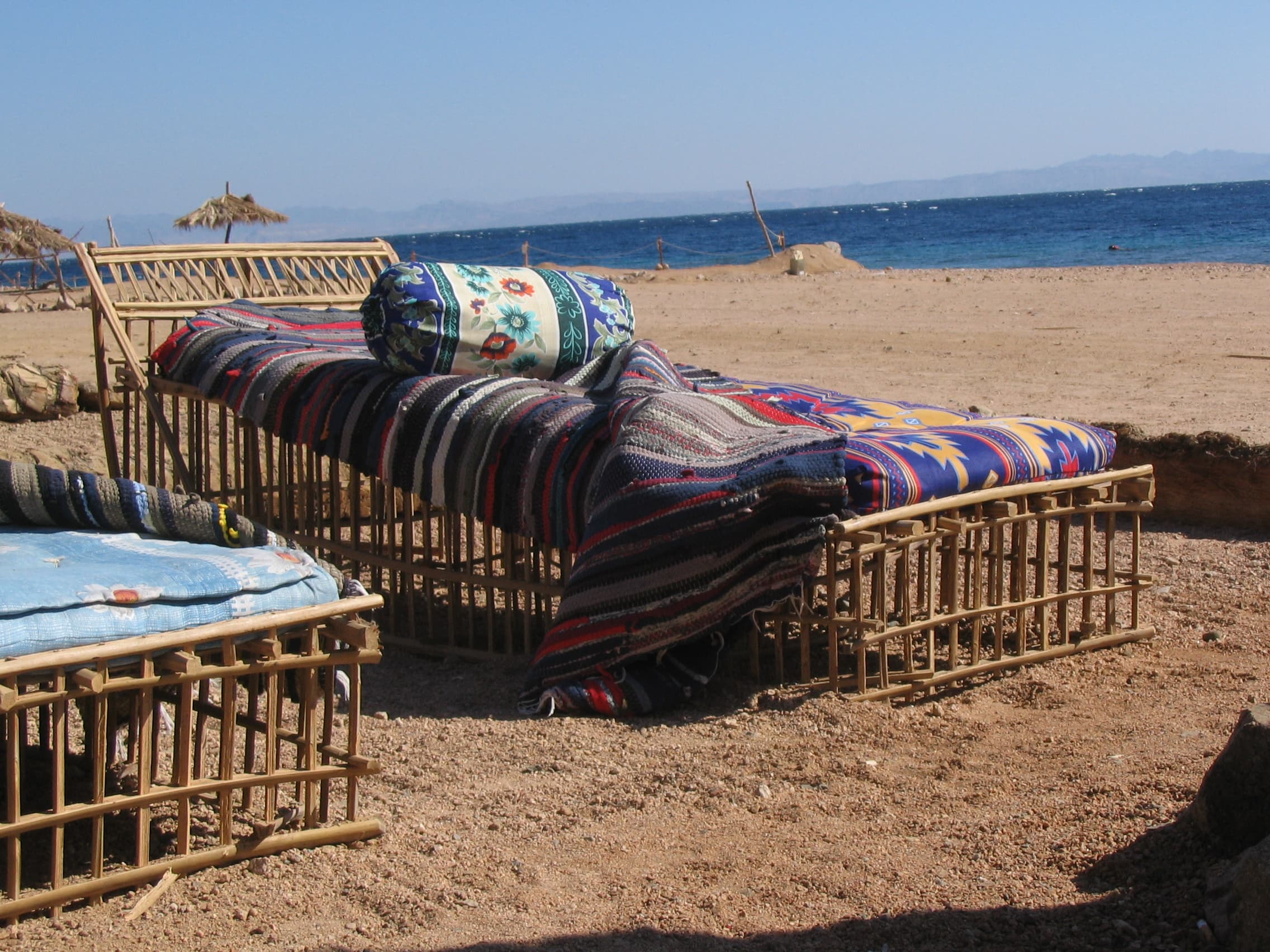

Dahab en Egipto: Donde el Desierto Beso el Mar
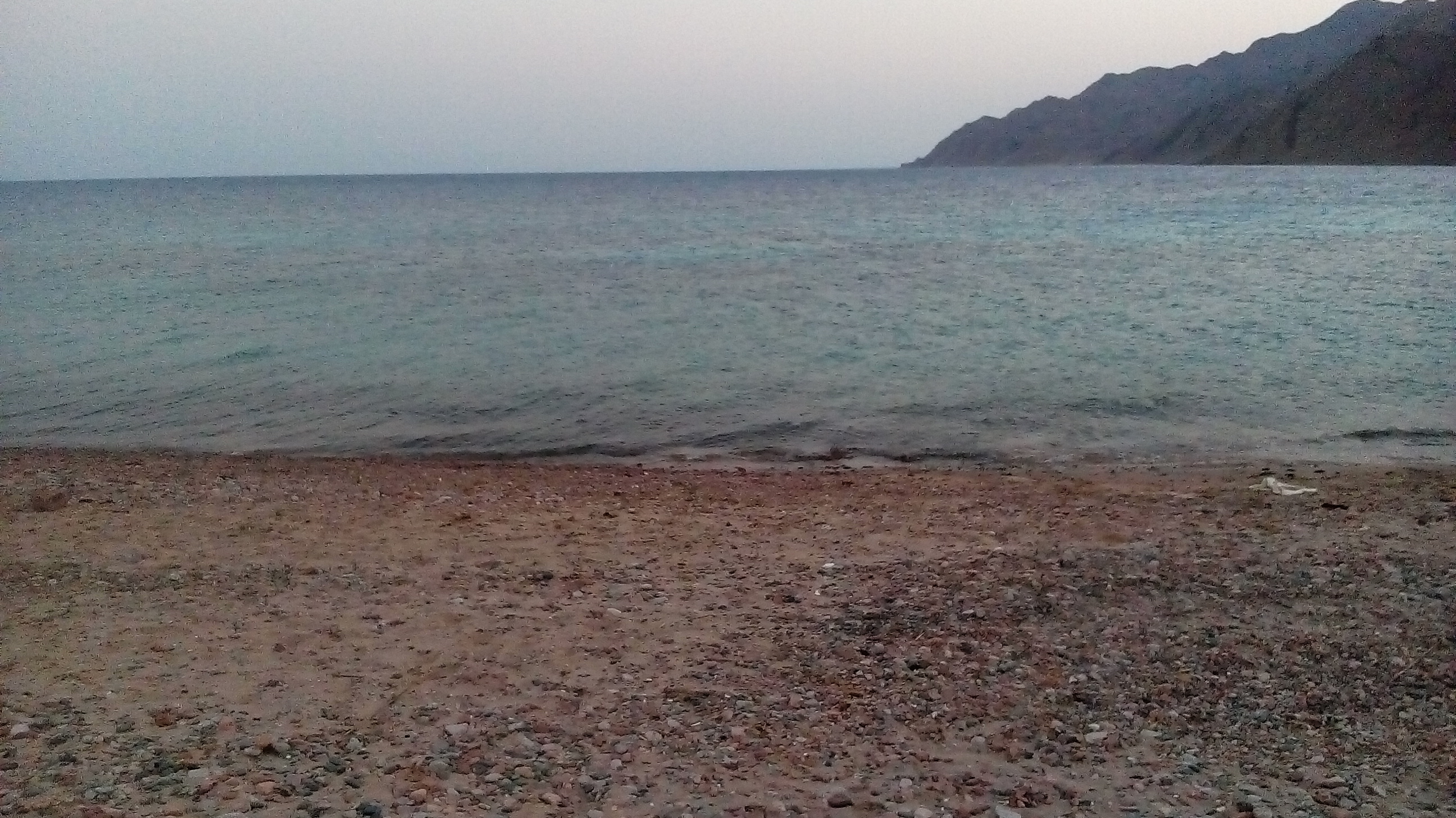 Dahab realmente se encuentra en un lugar privilegiado en la Península del Sinaí de Egipto, mirando hacia el Golfo de Aqaba. Está a unos 80 kilómetros al noreste del bullicioso Sharm el-Sheikh, pero se siente a un mundo de distancia en términos de ritmo y atmósfera.
¿Dónde Está Exactamente Dahab?
Dirígete a 28.509134° N de latitud y 34.513634° E de longitud, y llegarás a Dahab. Es un área bastante sustancial, que abarca más de 1,130 kilómetros cuadrados, y se encuentra a unos 87 kilómetros de la ciudad de Nuweiba. Lo que siempre me impresiona son esas majestuosas montañas que simplemente emergen de la costa, creando esta estrecha y dramática franja de tierra entre el terreno áspero y rugoso y el deslumbrante y claro Mar Rojo. Es pura magia. Como mencioné, la ciudad se divide naturalmente en tres zonas distintas que ofrecen diferentes experiencias: * **Masbat:** Aquí es donde encontrarás la auténtica aldea beduina de Asalah, dándote un verdadero sabor de la vida local. * **Mashraba:** Extendiendo hacia el sur desde Masbat, esta área es animada y a menudo bulliciosa con visitantes. * **Medina:** Escondida en la región suroeste, ofreciendo otra rebanada única de la vida en Dahab. Cada rincón de Dahab añade su propia personalidad a este lugar increíblemente encantador.Un Vistazo al Pasado de Dahab
La historia de Dahab no es solo reciente; se remonta a más de 3,000 años. La península del Sinaí, donde se encuentra, ha sido testigo de momentos bíblicos a lo largo de la historia. El nombre 'Dahab' significa 'oro' en árabe, lo que insinúa sutilmente su pasado como un animado puesto de comercio. En el siglo I a.C., los navegantes nabateos establecieron un puesto avanzado crucial aquí. Se volvió vital para el comercio, con caravanas moviendo bienes preciosos a través del Golfo de Aqaba. Incluso lo llamaron 'Dizahab' entonces, que significa 'el área de abundancia'. Arqueólogos, excavando entre 1990 y 1993, se toparon con un faro dentro de un gran fuerte con cimientos bizantinos en la colina de El Mshraba, a solo 5 kilómetros al norte de la ciudad. Bastante genial, ¿verdad? A lo largo de los siglos, esta tierra vio a muchos gobernantes: árabes, romanos, europeos, franceses, turcos y británicos. Después de la Guerra de los Seis Días en 1967, Israel ocupó el Sinaí y renombró a Dahab como Di-Zahav, pero Egipto finalmente recuperó el control bajo el tratado de paz Egipto-Israel de 1982. Esta antigua aldea de pescadores beduinos, salpicada de palmeras, ha pasado de ser un refugio hippie en los años 60 a un moderno centro turístico en los años 90. Lo increíble es cómo ha logrado mantener tanto de su cultura beduina, especialmente en el área norte de Assala. Es una hermosa mezcla de lo antiguo y lo nuevo.Dahab: Por qué todos se están enamorando de este lugar
Dahab se ha transformado verdaderamente de una tranquila aldea beduina en un imán para viajeros de todos los rincones del mundo. Este paraíso costero ofrece una mezcla fantástica de emocionantes deportes acuáticos, increíble belleza natural y experiencias culturales genuinamente auténticas.Deportes acuáticos y aventuras a montones
Las aguas cristalinas de Dahab, en mi opinión, lo convierten en uno de los mejores lugares para bucear en el mundo. El Blue Hole, un sumidero submarino natural que se sumerge más de 120 metros de profundidad, es absolutamente legendario. Los buceadores recreativos, los buceadores libres y los snorkelistas acuden aquí para explorar sus dramáticas paredes verticales, repletas de vibrantes arrecifes de coral. Es una experiencia que no olvidarás. Pero no es solo el Blue Hole. Dahab cuenta con otros fantásticos sitios de buceo como Lighthouse Reef, Eel Garden y el Canyon. Los buceadores elogian el coral saludable, la abundante vida marina y la increíble visibilidad. Estas condiciones son perfectas para todos, desde principiantes absolutos hasta profesionales experimentados. Más allá del buceo, la zona es un gran punto caliente para el windsurf y el kitesurf. Las altas montañas del Sinaí, que abrazan el estrecho Golfo de Aqaba, crean vientos constantes que atraen a los entusiastas de los deportes acuáticos durante todo el año. Verás a los windsurfistas prácticamente volando sobre el agua de marzo a octubre, mientras que los kitesurfistas dominan de diciembre a febrero. ¡Es un espectáculo para ver! Y si prefieres la tierra firme, aún hay mucho para hacer que te suba la adrenalina. Prueba la escalada en roca en las ásperas montañas de granito, embarca en un paseo en camello por el desierto, o recorre uno de los muchos senderos de senderismo. La subida al amanecer del Monte Sinaí, una de las montañas más sagradas del mundo, es una experiencia que muchos visitantes consideran imprescindible. Además, puedes probar el paddle-boarding, el kayak, el quad biking y el mountain biking. En serio, no te aburrirás aquí.¿Quieres explorar Dahab: la joya del Mar Rojo de Egipto para la aventura y la relajación?
Permítenos diseñar el itinerario privado perfecto para ti. Desde expertos guías locales hasta cruceros de lujo, creamos viajes a medida que te muestran el Egipto real.
Tours en Dahab y SinaíPaquetes de Viaje a EgiptoCruceros por el Nilo
Abrazando la Cultura Local y la Vida Beduina
El patrimonio beduino está profundamente entrelazado en el tejido de Dahab. La tribu local Mezzaina, que históricamente se movía entre las montañas en invierno y la costa en verano, ha visto cómo sus vidas nómadas han cambiado con el auge del turismo, pero muchas de sus tradiciones siguen muy vivas. La vestimenta tradicional es una parte importante de la cultura beduina. Las mujeres llevan 'abayas'—prendas de manga larga—con pañuelos en la cabeza que a menudo solo muestran sus ojos. Los hombres prefieren 'jalabeyas', que son largas túnicas blancas, acompañadas de pañuelos en la cabeza. Es un hermoso espectáculo ver esto. La carrera anual de camellos en enero es un verdadero punto culminante, trayendo una descarga de emoción a los valles. Las tribus de toda la península envían a sus corredores más rápidos, con espectadores siguiendo en coches – ¡es toda una escena! La victoria de la tribu Mezzaina en 2023 causó grandes celebraciones, mostrando cuánto significa esto para la comunidad. Y luego está la comida, que cuenta su propia historia de la vida beduina. 'Mendi' es un manjar especial—cabra cocinada lentamente bajo tierra y servida con arroz y una ensalada fresca. Muchos visitantes buscan comidas beduinas auténticas, a menudo servidas en un entorno tradicional con un fuego crepitante y música en vivo. Es una experiencia que realmente te conecta con el corazón de Dahab.Velo por ti mismo
Viajes que visitan los lugares en este artículo.

¿Quieres una ruta o longitud diferente? La construiremos a tu alrededor.
La Impactante Geografía y Maravillas Naturales de Dahab
 El paisaje de Dahab es simplemente impresionante. Obtienes este dramático contraste entre las montañas escarpadas y las aguas increíblemente claras del Golfo de Aqaba. Este refugio costero, ubicado en el borde sureste de la península del Sinaí, realmente muestra cuán diversa puede ser la naturaleza.
Sueños del Desierto y Riquezas Ocultas
Esas montañas doradas que se alzan sobre Dahab crean un telón de fondo tan dramático contra el vívido mar azul. Gargantas y valles estrechos se abren paso a través de rocas basales precámbricas antiguas, principalmente granito, con salpicaduras de roca volcánica y gabros. ¡Es un paraíso para los geólogos! Dahab no se trata solo de belleza; tiene un valor geológico significativo con sus preciosos depósitos minerales. Hablamos de rutilo, circón, monacita, leucoxeno y sí, ¡incluso oro! Estos recursos están anidados en rocas neoproterozoicas como el esquisto. Estudios recientes incluso han demostrado que los sedimentos de los arroyos de Dahab están cargados de minerales pesados, con óxidos de Fe-Ti constituyendo una buena parte, a veces hasta un 25.94%. Además, las áreas alrededor de Umm Zureik y Al-Kid, cerca de Dahab, revelan altas concentraciones de plomo y zinc. Así que, no solo es bonito; prácticamente brilla con tesoros naturales.Clima: Sol y Invierno Suave
Dahab tiene lo que se llama un clima desértico cálido (clasificación de Köppen: BWh), lo que significa que puedes esperar mucho sol. En verano, las temperaturas diurnas pueden fácilmente superar los 35°C, con julio a menudo alcanzando un promedio cálido de 34.9°C. El invierno, afortunadamente, trae un clima mucho más suave, con temperaturas diurnas que oscilan cómodamente entre 20-25°C. ¿Lluvia? Es un evento raro aquí, con la precipitación anual apenas alcanzando los 9mm. Enero suele ver la mayor cantidad, alrededor de 7mm, mientras que los meses de verano son completamente secos. ¡Perfecto para disfrutar del sol! Obtendrás aproximadamente 3,959 horas de sol cada año – ¡habla de días brillantes! Los niveles de humedad se mantienen bastante moderados, desde un seco 29.83% en junio hasta un ligeramente más húmedo 44.37% en enero. La mayoría de los visitantes encuentran que la primavera y el otoño son las estaciones más cómodas, ofreciendo temperaturas maravillosamente agradables y casi sin lluvia. Ideal para explorar, realmente.¿Quieres explorar Dahab: la joya del Mar Rojo de Egipto para la aventura y la relajación?
Permítenos diseñar el itinerario privado perfecto para ti. Desde expertos guías locales hasta cruceros de lujo, creamos viajes a medida que te muestran el Egipto real.
Tours en Dahab y SinaíPaquetes de Viaje a EgiptoCruceros por el Nilo
Dahab Moderno: Una Mezcla de Tradición y Nueva Vitalidad
 Dahab ha evolucionado verdaderamente de sus humildes comienzos como un pueblo pesquero a una comunidad animada con vecindarios realmente distintos. La ciudad logra encontrar este equilibrio casi perfecto: desarrollándose y creciendo sin perder su increíble encanto relajado. Eso es precisamente lo que la convierte en un lugar tan atractivo para los turistas y, cada vez más, para los nómadas digitales también.
Navegando por los Encantadores Vecindarios de Dahab
Cada área de Dahab ofrece su propia vibra única: * **El Área del Faro:** Este es prácticamente el corazón de la ciudad, bullicioso con restaurantes, tiendas y centros de buceo. Siempre hay algo sucediendo. * **Assala:** Al norte, Assala es donde encontrarás muchas de las tradiciones beduinas preservadas y algunos alojamientos realmente económicos. Se siente más local y auténtico. * **Mashraba:** Al sur de Assala, Mashraba atrae tanto a visitantes egipcios como israelíes, con sus tiendas de souvenirs y muchas opciones de comida asequible. * **El Área de la Laguna:** En el suroeste, este lugar es fantástico para los amantes de los deportes acuáticos, especialmente el kitesurf y el windsurf. * **Jardín de Anguilas:** Para un ambiente de playa más tranquilo y sereno, Jardín de Anguilas es tu lugar. También ha habido grandes proyectos de infraestructura, respaldados por el Banco Islámico de Desarrollo. Estos incluyen mejoras en los sitios de buceo, iniciativas para el transporte ecológico, energía solar para edificios públicos y mejoras en El Assala. Aquí se trata de un crecimiento sostenible.Economía y la Población en Evolución
Mientras que los datos recientes sitúan la población de Dahab en alrededor de 3,169, algunos sugieren que podría estar más cerca de 15,000. Es una comunidad bastante joven, con una edad media de 25.2 años, y los hombres superan ligeramente a las mujeres. La población ha crecido de manera constante, aumentando un 56.5% entre 1975 y 2015, y un 19.2% de 2000 a 2015, promediando un aumento de aproximadamente 1.2% anual. ¡Es un lugar vibrante y en crecimiento! Dahab se ha convertido indudablemente en un favorito entre los nómadas digitales y los trabajadores remotos. ¡Sus ingresos en el extranjero se estiran mucho más aquí! Los costos de vida son muy asequibles; puedes conseguir un apartamento de una habitación por entre 5,000–10,000 EGP ($200–370) al mes. El turismo sigue siendo el principal motor de la economía, y muchos visitantes incluyen cuidadosamente a Dahab en sus itinerarios de Tours por Egipto porque ofrece una mezcla perfecta de aventura y relajación. Además, los proyectos de desarrollo en curso están constantemente buscando atraer más inversión y crear aún más oportunidades para la enérgica y joven población de la ciudad.¿Listo para convertir esta guía en realidad?
Nuestros expertos locales pueden crear un itinerario personalizado basado en estas recomendaciones. ¡Solo envíanos un mensaje rápido!
Personaliza a través de WhatsApp