
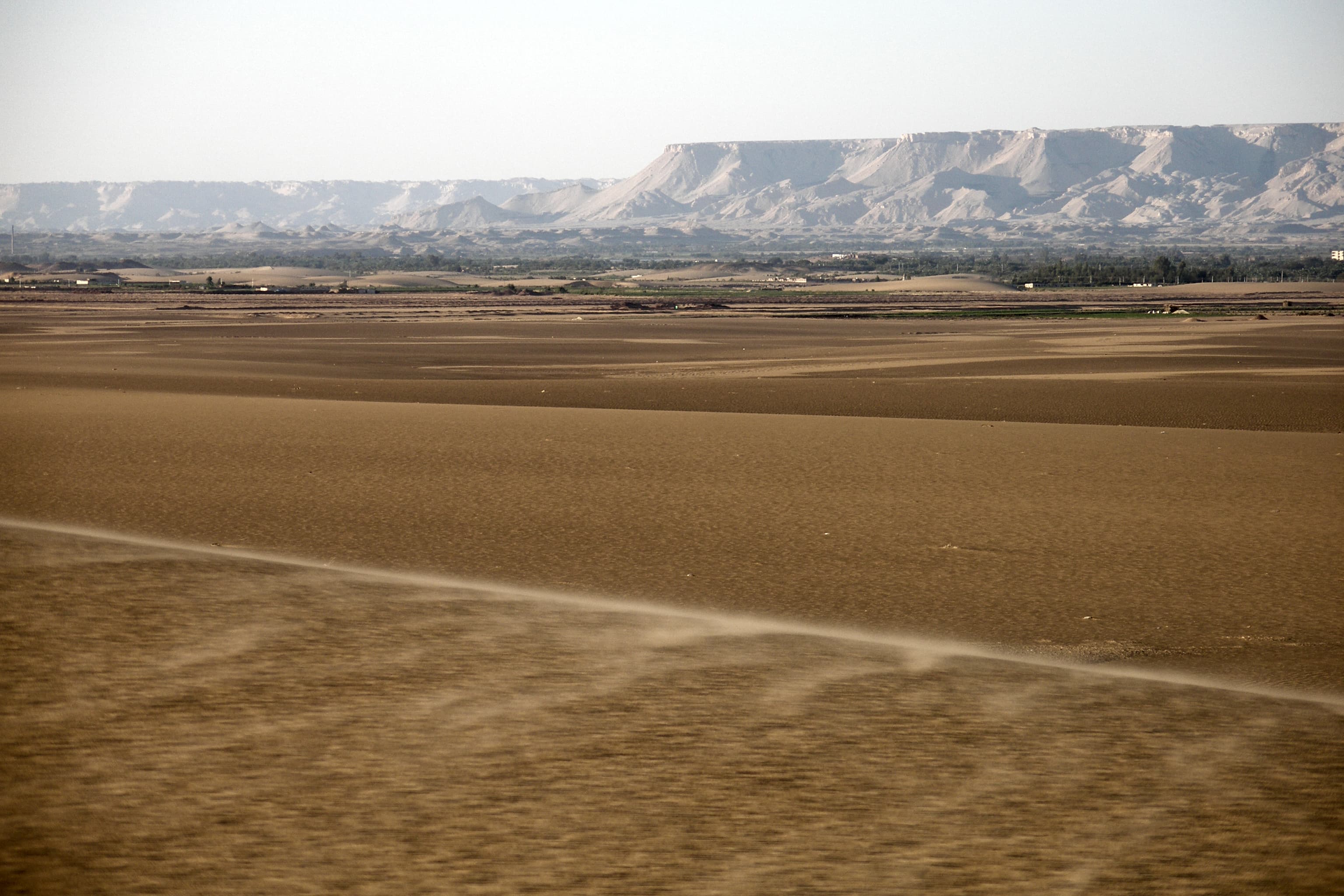

Oasis de Dakhla, una verdadera maravilla, se encuentra en el vasto Desierto Occidental de Egipto, a unos 350 km del abrazo familiar del río Nilo. Está cómodamente anidada entre las igualmente cautivadoras oasis de Farafra y Kharga, extendiéndose aproximadamente 80 km de este a oeste y 25 km de norte a sur. Durante miles de años, la vida ha prosperado obstinadamente y bellamente aquí, incluso contra el a menudo duro telón de fondo del desierto. Imagina antiguas tribus nómadas, haciendo de esta región su hogar durante el Pleistoceno, cuando el Sahara era un lugar mucho más húmedo y verde.
La era faraónica realmente puso a Dakhla en el mapa alrededor del 2550 a.C., estableciendo una ruta comercial vital que la conectaba con oasis vecinos y, crucialmente, con el propio Valle del Nilo. Situada en la Gobernación del Valle Nuevo, a unos 120 km al oeste de Kharga, la elevación de Dakhla asciende suavemente de 100 a 400 metros sobre el nivel del mar. Este lugar fue conocido como el-Wah, o el 'Oasis Interior', y durante milenios, sirvió con orgullo como el granero del antiguo Egipto.
La región no es solo un gran asentamiento; es un tapiz de comunidades esparcidas a lo largo de una cadena de oasis más pequeños. Mut (históricamente Mothis), Al-Qasr y Qalamoun son los principales centros, cada uno con su propia historia. La UNESCO, reconociendo su notable belleza y patrimonio, añadió a Dakhla a su Lista Tentativa. Es asombroso pensar que este impresionante lugar permaneció en gran medida aislado del resto del mundo hasta la década de 1980, cuando finalmente se abrió la carretera del Gran Bucle del Desierto.
¿Qué Hace que el Oasis de Dakhla Sea Tan Especial?
Dakhla no es solo otra parada en el desierto; realmente se destaca. Es un lugar donde vastas extensiones de vibrante verde desafían la desolación arenosa, donde antiguas ruinas cuentan historias de épocas pasadas, y donde las comunidades han dominado el arte de vivir en armonía con este desafiante entorno. Como uno de los oasis más grandes de Egipto, es un refugio fértil, sustentando múltiples comunidades con su increíblemente rica tierra agrícola. El suelo del oasis es famoso por su fertilidad, produciendo deliciosos dátiles, aceitunas y una riqueza de otros cultivos que forman la columna vertebral de su agricultura. Pero Dakhla ofrece más que solo sustento; también alberga aguas termales terapéuticas como Bir Tarfawi y Bir Al-Gebel. Estas no son solo para riego; son imanes para visitantes que buscan sus famosas propiedades curativas: ¡un spa natural en medio del desierto! Arqueológicamente, Dakhla es un tesoro, repleto de descubrimientos de innumerables dinastías y culturas. Encontrarás Deir El Hagar, un impresionante templo romano dedicado a la Triada Tebana, un verdadero testimonio del pasado estratificado del oasis. Luego está Mashru'a Minyat Ibn Khassib, una hermosa aldea islámica bien conservada, y las Tumbas de Bashendi, que ofrecen un vistazo a las costumbres funerarias islámicas y otomanas tempranas. Cada sitio revela otra capa de la increíble historia de Dakhla.Pero Dakhla no se trata solo de piedras antiguas; su cultura viva es una rica mezcla de tradiciones beduinas y prácticas agrícolas profundamente arraigadas. La gente aquí mantiene una conexión profunda con su tierra, expresada a través de costumbres y festivales tradicionales que dan forma rítmica a la vida diaria. Toma las casas en el-Qasr, por ejemplo: sus dinteles de acacia llevan inscripciones que datan de 1518. ¡Es una lección de historia viva y respirante, que muestra cuán profunda es la herencia de esta joya del desierto!¿Quieres explorar Dakhla Oasis: Una Joya Natural en el Desierto Occidental de Egipto?
Permítenos diseñar el itinerario privado perfecto para ti. Desde expertos guías locales hasta cruceros de lujo, creamos viajes a medida que te muestran el Egipto real.
Tours por Siwa y el DesiertoPaquetes de Viaje a EgiptoCruceros por el Nilo
Velo por ti mismo
Viajes que visitan los lugares en este artículo.

10 Días / 9 Noches
Honeymoon
Desde2,902 €
Explorar¿Quieres una ruta o longitud diferente? La construiremos a tu alrededor.
Cómo se Formó el Oasis de Dakhla
Los cazadores-recolectores nómadas fueron los primeros colonos aquí, llegando al Oasis de Dakhla hace unos 12,000 años. El paisaje en sí ha sido una fuerza dinámica, cambiando drásticamente a medida que las condiciones ambientales cambiaron a lo largo de los milenios. Créelo o no, esta región fue una vez parte de un enorme sistema de lagos, repleto de elefantes, antílopes y búfalos que vagaban libres. Un punto de inflexión significativo ocurrió hace unos 6,000 años, cuando el Sahara se volvió gradualmente más seco, obligando al oasis a adaptarse y transformarse. Las excavaciones arqueológicas han descubierto evidencia de actividades de pastoreo temprano de alrededor de 7000 BP, un período en el que la lluvia era más generosa. Más tarde, la cultura Bashendi emergió después de 6500 BP, introduciendo el pastoreo de ganado y cabras en la zona. Para el tercer milenio a.C., el pueblo nómada Sheikh Muftah llamó a este lugar hogar, precediendo el establecimiento de una capital regional en Ain Asil cerca de Balat. Es una historia de constante evolución y adaptación. Dakhla realmente alcanzó su apogeo durante el período grecorromano. El magnífico templo de Deir el-Hagar, una dedicación a Amun-Ra, Mut y Khonsu, fue construido durante el reinado del emperador Nerón (54-67 d.C.), mostrando la grandeza de la era. Siglos después, en el siglo XII, los reyes ayubíes construyeron la ciudad islámica fortificada de Al-Qasr justo sobre esos cimientos romanos, fusionando historias en un paisaje urbano único. Sir Archibald Edmonstone se convirtió en el primer europeo en pisar Dakhla en 1819, un momento histórico que abrió el oasis al descubrimiento exterior. Herbert Winlock inició la investigación arqueológica estructurada en 1908. Excavaciones más recientes incluso han desenterrado cinco tumbas de ladrillo de barro en Bir esh-Shaghala, de casi 2000 años de antigüedad. Estos descubrimientos en curso nos recuerdan constantemente el desarrollo cultural continuo y vibrante dentro de este notable refugio del desierto.Experimentando la Rica Cultura de Dakhla
La cultura de Dakhla ofrece a los visitantes nada menos que un auténtico y sin filtros sabor de la vida tradicional del desierto egipcio. Dirígete al pueblo islámico medieval de Al-Qasr, a solo 20 km al norte de Mut, y pasea por sus estrechas calles. Verás casas antiguas con puertas de madera de acacia intrincadamente talladas, cada una contando una historia silenciosa. El minarete de 21 metros de altura de la mezquita Sheikh Nasr El-Din domina orgullosamente el centro del pueblo, un hermoso hito que data del período ayubí. La vida local aquí también gira en torno a las aguas termales terapéuticas. Bir el Gebel, a unos 25 kilómetros al norte de Mut, es especialmente cautivador con sus aguas a 50°C y vistas impresionantes a través de las dunas. Los lugareños creen firmemente que estas aguas ricas en minerales pueden aliviar el reumatismo y las afecciones cutáneas, un remedio natural perfeccionado por el tiempo. Cuando se trata de comida, Dakhla realmente muestra los sabores tradicionales egipcios. No te pierdas el restaurante Said Shihad, famoso por su shish kebab perfectamente asado servido con papas en una abundante salsa de tomate. Y para aquellos con un diente dulce, Fateer Al Wadi atrae con sus irresistibles delicias recién horneadas. El pueblo de Bashindi es otro punto destacado, manteniendo diligentemente vivas las tradiciones artesanales. Este proyecto comunitario crea empleos para casi todos los residentes, transformando lana cruda en impresionantes kilims y alfombras. Es una historia de éxito conmovedora, convirtiendo la habilidad local en hermosos y complejos textiles. Para sumergirte verdaderamente, abraza las costumbres locales. Viste modestamente, siempre pide permiso antes de tomar fotos de los residentes, quítate los zapatos al entrar en casas o mezquitas, y, lo más importante, aceptar una taza de té cuando se ofrezca es un gesto maravilloso y respetuoso que seguramente será apreciado.¿Listo para convertir esta guía en realidad?
Nuestros expertos locales pueden crear un itinerario personalizado basado en estas recomendaciones. ¡Solo envíanos un mensaje rápido!
Personaliza a través de WhatsApp