

Por qué Luxor importa (¡y mucho!)
Tebas Antigua: Corazón de un Imperio
Oh, durante unos buenos 500 años durante el Nuevo Reino de Egipto (eso es aproximadamente 1550-1077 a.C.), Tebas no era solo *una* capital; era *la* capital. El mismo corazón del imperio, su pulso religioso. Piénsalo: ¡esta fue la edad de oro de Egipto! Faraones como la formidable Hatshepsut, el estratégico Tutmosis III, el opulento Amenhotep III, el enigmático Akhenatón, el joven Tutankamón, y el grandioso Ramsés II – todos gobernaron un imperio que se extendía desde la polvorienta Siria hasta el soleado Sudán. Tebas se hinchó de riqueza. El tributo fluía de cada tierra conquistada. El oro brillaba, extraído de Nubia. La población de la ciudad explotó, alcanzando cientos de miles. Templos magníficos, esos colosales testimonios de fe y poder, surgieron a lo largo de las orillas del Nilo. Incluso el Valle de los Reyes, ese desierto silencioso lleno de secretos reales, se convirtió en el lugar de descanso final para estos gobernantes. En su apogeo, Tebas era fácilmente una de las ciudades más poderosas y absolutamente impresionantes del mundo antiguo, incluso haciendo que Menfis pareciera pequeña en pura grandeza. Incluso después de que el poder político eventualmente se trasladara a otras capitales, Tebas nunca perdió su gravitas espiritual. Siguió siendo el indiscutible corazón religioso de Egipto. El dios Amón, venerado en el colosal Templo de Karnak, se elevó para convertirse en la deidad suprema de Egipto. Y déjame decirte, ¿sus sacerdotes? Acumularon una riqueza e influencia verdaderamente asombrosas, a veces incluso rivalizando con los mismos faraones.Las Riquezas Arqueológicas
Honestamente, intentar entender el antiguo Egipto sin pasar tiempo en Luxor es como intentar entender el océano desde una taza de té. Simplemente no funciona. Los monumentos aquí abarcan siglos de civilización faraónica, ofreciendo una impresionante línea de tiempo de evolución artística y arquitectónica. En el Valle de los Reyes, encontrarás algunas de las pinturas de tumbas más impresionantes que el antiguo Egipto haya producido. ¿El Templo de Karnak? Es un testimonio de las ambiciones de innumerables faraones a lo largo de dos milenios. ¿Y esas tumbas más pequeñas y más íntimas de los nobles? Ofrecen vislumbres increíblemente personales de la vida cotidiana. Lo verdaderamente notable es cuán bien han sobrevivido los monumentos de Luxor. A diferencia de tantos sitios antiguos que fueron destruidos, construidos sobre ellos, o simplemente se desvanecieron, los tesoros de Luxor permanecieron notablemente intactos. El abrazo seco del desierto preservó esas vívidas pinturas murales, intrincadas inscripciones y poderosas estructuras. Y afortunadamente, nuestra ciudad moderna no tragó completamente a la antigua Tebas. El trabajo arqueológico continuo y dedicado desde el siglo XIX ha devuelto a la vida estos tesoros, estableciendo a Luxor como *el* destino principal para comprender verdaderamente la civilización egipcia antigua.
Banco Este: Donde la Vida Prosperó
Complejo del Templo de Karnak
Oh, Karnak. No es solo un templo; es todo un universo. Este es el edificio religioso más grande jamás construido por manos humanas, extendiéndose sobre unas asombrosas 100 hectáreas (¡eso son 247 acres!). Para comenzar a comprenderlo verdaderamente, necesitarás varias horas; honestamente, hay demasiada maravilla para absorber en una sola visita breve. ¿Su historia? Comenzó alrededor del 2000 a.C., y la construcción continuó esencialmente durante más de dos *mil* años. ¡Imagina eso! Casi cada faraón, cuando asumía el trono, se sentía obligado a agregar algo aquí: un nuevo templo, un orgulloso pilar, una grandiosa columnata, un obelisco altísimo. El resultado es un verdadero palimpsesto complejo de la historia arquitectónica egipcia, con cada capa revelando períodos y estilos distintos, una historia contada en piedra. La Gran Sala Hipóstila, para mí, es la obra maestra absoluta de Karnak. Imagina 134 columnas masivas, dispuestas en 16 filas, con la más alta alcanzando unos asombrosos 21 metros (69 pies). Al caminar entre ellas, te golpea una sensación casi abrumadora de asombro. Una vez estaban vibrante pintadas, y toda la sala estaba techada, creando un espacio místico, parecido a un bosque, donde la luz filtrada jugaba con las sombras. Los relieves que cubren estas columnas y paredes representan a faraones haciendo devociones a los dioses, celebrando victorias militares y realizando ceremonias sagradas; es una narrativa épica y silenciosa.Luego está el Lago Sagrado. Esta gran piscina rectangular era donde los sacerdotes realizaban purificaciones rituales. Hoy en día, es un lugar maravillosamente sereno, perfecto para tomarte un momento tranquilo para ti mismo en medio de la inmensidad del complejo. Otros aspectos destacados que no te puedes perder incluyen la impresionante Avenida de las Esfinges (que, tras una reciente restauración, conecta bellamente Karnak con el Templo de Luxor), el Salón del Festival construido por Tutmosis III, la elegante Capilla Blanca de Senusret I, y numerosos obeliscos (uno de ellos aún en pie a 29 metros, ¡pesando 328 toneladas!) junto a innumerables templos y santuarios más pequeños, cada uno con su propia historia. ¿Y para un toque de magia? El Espectáculo de Sonido y Luz por la noche ilumina Karnak mientras narra su historia. Aunque tiene un toque algo turístico, la atmósfera nocturna es verdaderamente mágica, y ver esas columnas dramáticamente iluminadas es simplemente espectacular. **Consejos Prácticos:** ¡Sé un madrugador! Visita entre las 6-7 AM cuando se abren las puertas para escapar del calor y de las multitudes más grandes. Siempre lleva agua, un sombrero y protector solar. Planifica al menos 3-4 horas. Un guía conocedor es invaluable aquí: dará vida al diseño y la historia del complejo. La fotografía está permitida, solo no uses flash en interiores. Espera una tarifa de entrada de alrededor de 400 EGP para visitantes extranjeros.¿Quieres explorar Luxor Egipto: Descubre las Maravillas Antiguas (Guía de un Local)?
Permítenos diseñar el itinerario privado perfecto para ti. Desde expertos guías locales hasta cruceros de lujo, creamos viajes a medida que te muestran el Egipto real.
Tours en LuxorPaquetes de Viaje a EgiptoCruceros por el Nilo
Templo de Luxor
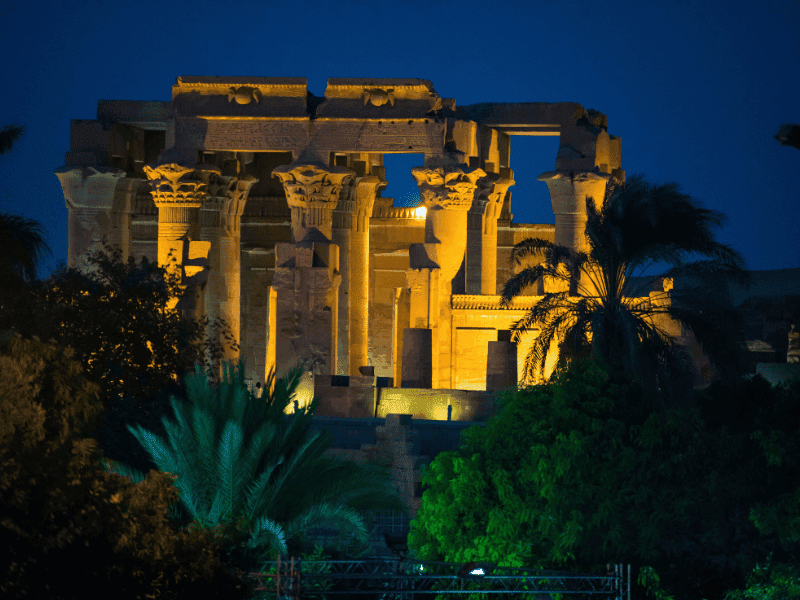
A diferencia de la escala abrumadora de Karnak, el Templo de Luxor se siente un poco más manejable, un poco más íntimo, pero no es absolutamente menos espectacular. Fue construido principalmente por Amenhotep III y más tarde por Ramsés II (del siglo XIV-XIII a.C.), y dedicado a la Trinidad Tebana – Amón, Mut y Jonsu – pero también significativamente, a la rejuvenecimiento de la realeza misma. La entrada está precedida por un masivo pilón construido por Ramsés II, adornado con grandiosos colosos sentados del faraón. Originalmente, dos obeliscos imponentes flanqueaban esta entrada, pero hoy en día, solo queda uno (el otro, bastante controvertido, se encuentra en la Place de la Concorde de París, un 'regalo' del siglo XIX que aún hace suspirar a algunos de nosotros). Entra en el Patio de Ramsés II, rodeado por filas dobles de columnas rematadas con elegantes capiteles de papiro, y encontrarás aún más estatuas colosales de Ramsés II. El juego de luz y sombra aquí es particularmente impresionante, especialmente en la tarde. Luego está la Columnata de Amenhotep III, un grandioso camino procesional flanqueado por 14 columnas con capiteles de papiro, cada una alcanzando 16 metros de altura. Las paredes aquí representan el vibrante Festival de Opet, una celebración anual donde las estatuas de la Trinidad Tebana viajaban desde Karnak hasta el Templo de Luxor. Una característica realmente única que notarás es una mezquita en funcionamiento, construida justo encima del templo en el siglo XIII d.C. Esta inusual yuxtaposición de la arquitectura islámica y la antigua egipcia ilustra bellamente la continua importancia religiosa de Luxor a lo largo de los milenios.**Visitas Nocturnas:** El Templo de Luxor es absolutamente impresionante cuando está iluminado por la noche. La iluminación crea efectos dramáticos, y las temperaturas más frescas de la noche hacen que la exploración sea mucho más cómoda. El templo permanece abierto hasta las 10 PM. **Consejos Prácticos:** Permite de 1.5 a 2 horas. Está convenientemente ubicado en el centro de la ciudad de Luxor, por lo que caminar desde muchos hoteles es fácil. La tarifa de entrada es de aproximadamente 260 EGP. Se permite la fotografía sin flash. Honestamente, considera visitar dos veces: una durante el día y otra por la noche, para dos experiencias completamente diferentes y igualmente mágicas.Museo de Luxor y Museo de Momificación
Este excelente museo moderno alberga una colección maravillosamente curada de artefactos desenterrados de los diversos monumentos de Luxor. Puede ser más pequeño que algunos, pero está bellamente organizado, con exhibiciones iluminadas de manera reflexiva y explicaciones claras tanto en inglés como en árabe. Los aspectos destacados incluyen magníficas estatuas encontradas en la 'cachette' del Templo de Luxor (una cámara oculta donde los sacerdotes enterraron estatuas dañadas), joyería exquisita e incluso momias, incluida Ahmose I. También en la orilla este, el Museo de Momificación ofrece una visión especializada y fascinante de los procesos de momificación del antiguo Egipto, completa con momias reales, las herramientas utilizadas y los materiales involucrados. Ambos museos proporcionan un contexto invaluable para comprender verdaderamente los sitios monumentales que has visto.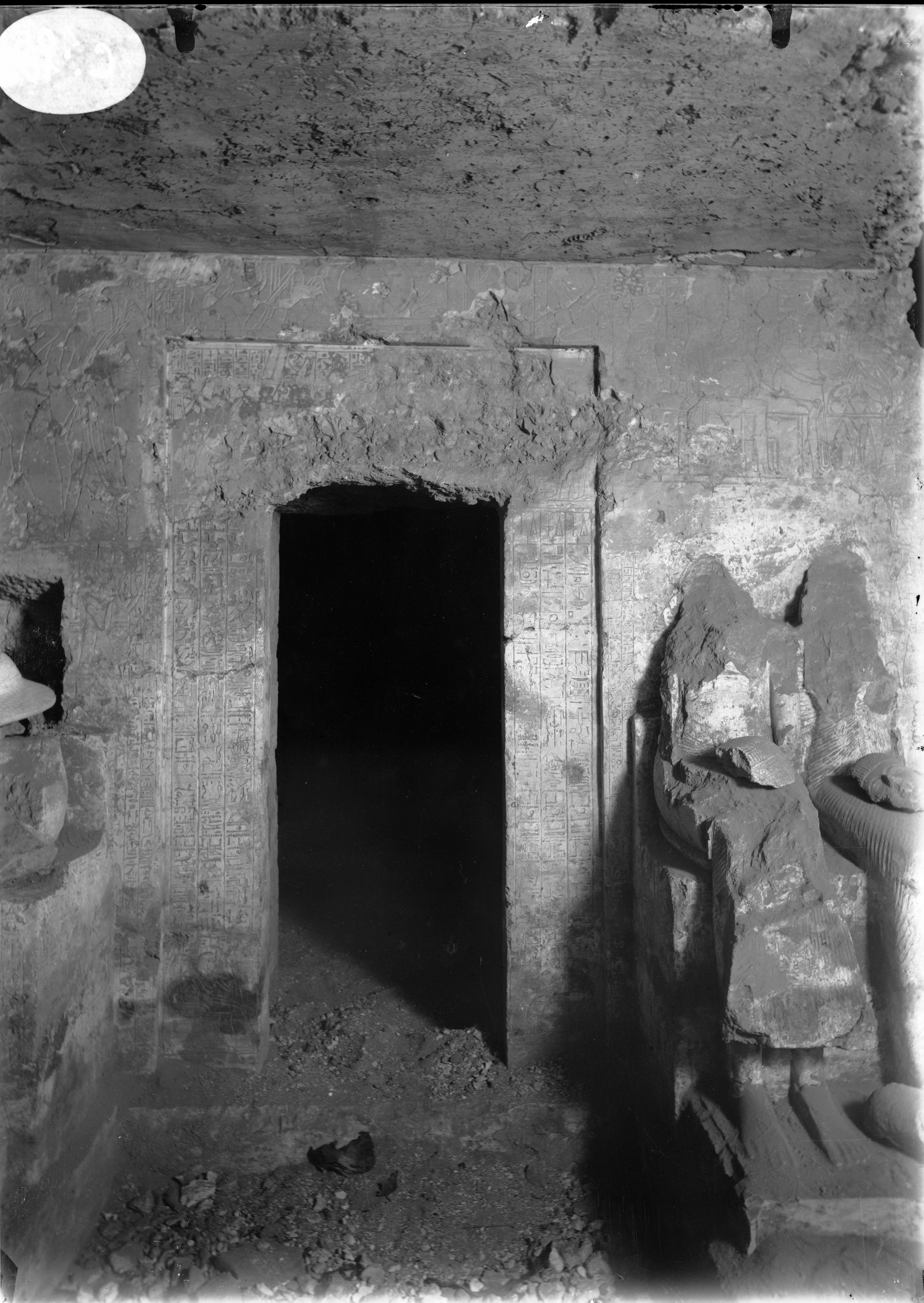
Velo por ti mismo
Viajes que visitan los lugares en este artículo.

¿Quieres una ruta o longitud diferente? La construiremos a tu alrededor.
Orilla Oeste: El Reino de la Eternidad
Valle de los Reyes
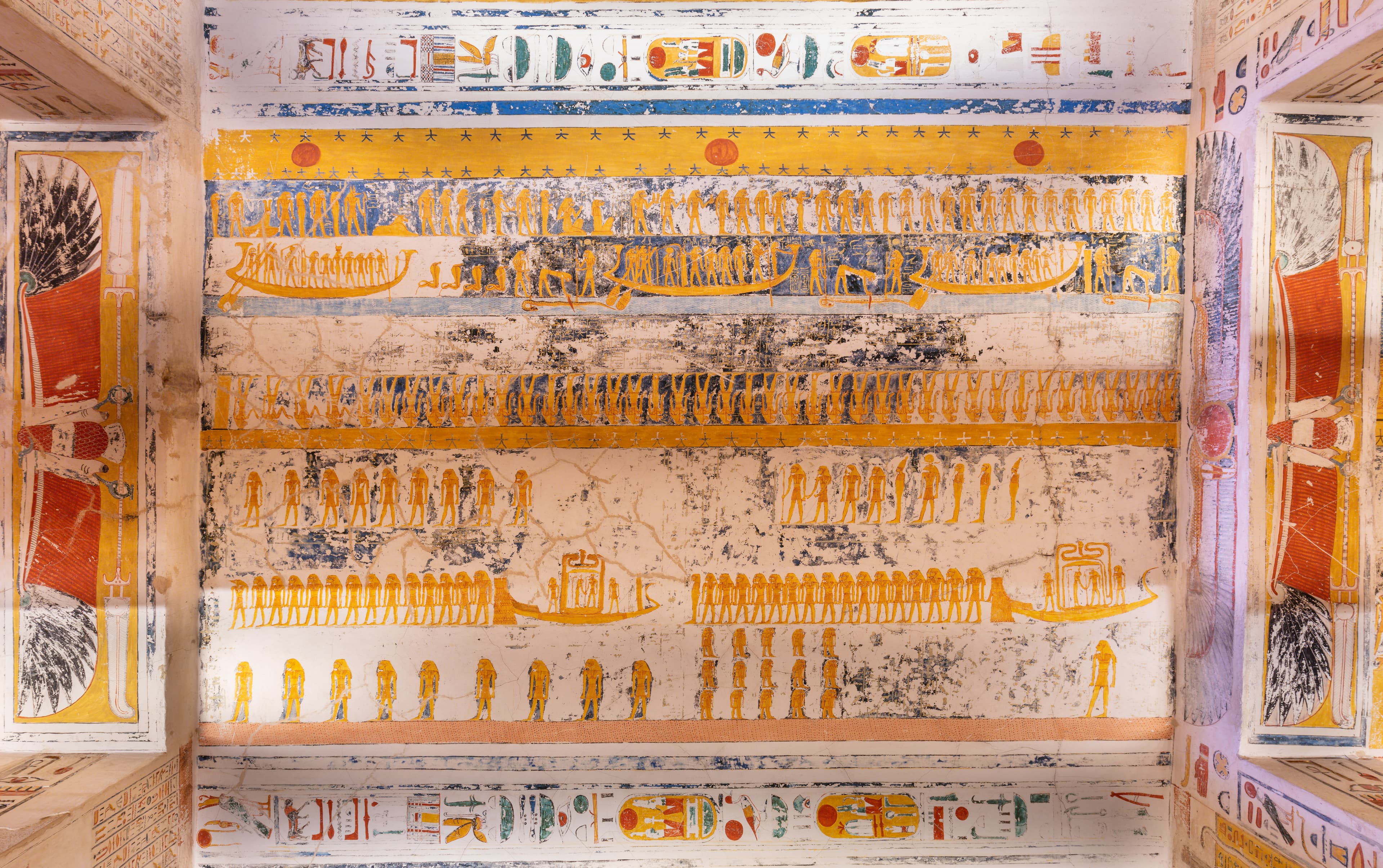
Bienvenido a la necrópolis real, grabada en la montaña tebana, que alberga más de 60 tumbas – sí, incluyendo la famosa de Tutankamón. Este valle fue elegido por su aislamiento natural (¡mucho más fácil de proteger contra esos molestos ladrones de tumbas!) y porque su distintiva cima en forma de pirámide, Al-Qurn, ecoaba bellamente la forma sagrada de la pirámide para los antiguos egipcios. Tu entrada estándar generalmente incluye acceso a tres tumbas de una selección rotativa (algunas tumbas están cerradas periódicamente para conservación esencial, ¡algo bueno!). Las tumbas en sí varían en tamaño, la artesanía de su decoración y su estado de conservación, pero cada una ofrece notables pinturas murales que representan vívidamente el complejo viaje del faraón a través de la otra vida. **Tumbas Notables (con un boleto estándar):** * **Ramsés IV (KV2):** Espera largos y impresionantes corredores adornados con pinturas fantásticamente conservadas. * **Ramsés IX (KV6):** Mira hacia arriba y admira el colorido techo astronómico, una verdadera maravilla. * **Merenptah (KV8):** Esta es una tumba profunda con muchas cámaras, una verdadera exploración. * **Ramsés III (KV11):** Mantén un ojo en las interesantes cámaras laterales que ilustran escenas de la vida diaria. **Tumbas de Boleto Especial (vale la pena el gasto extra para algunos!):** * **Tutankamón (KV62):** Esta requiere un boleto separado (alrededor de 400 EGP). Aunque pequeña, su fama es inmensa, alberga la momia del faraón y su cámara funeraria decorada. Recuerda, la mayoría de los deslumbrantes tesoros de Tut se mantienen a salvo en el Museo Egipcio de El Cairo. * **Seti I (KV17):** Esto exige un boleto separado, bastante caro (alrededor de 1,400 EGP). Pero para los amantes del arte y la historia, a menudo se considera la tumba más larga y exquisitamente decorada de todo el valle, con un trabajo en relieve fenomenal y colores que aún brillan con vida. **Consejos Prácticos:** Llega a las puertas temprano – apertura a las 6 AM – para evitar tanto el intenso calor del desierto como las multitudes. El valle en sí ofrece prácticamente ninguna sombra, así que lleva mucha agua, un sombrero y protector solar fuerte. La fotografía dentro de las tumbas está estrictamente prohibida, y se hace cumplir. Un pequeño tren turístico puede llevarte desde la entrada hasta el área de las tumbas (es opcional, pero ahorra algo de caminata). Presupuesta de 2 a 3 horas para tu visita. La entrada base es de 400 EGP, más esos cargos extra por tumbas especiales.¿Quieres explorar Luxor Egipto: Descubre las Maravillas Antiguas (Guía de un Local)?
Permítenos diseñar el itinerario privado perfecto para ti. Desde expertos guías locales hasta cruceros de lujo, creamos viajes a medida que te muestran el Egipto real.
Tours en LuxorPaquetes de Viaje a EgiptoCruceros por el Nilo
Valle de las Reinas
Esta necrópolis es más pequeña y generalmente recibe menos visitantes que el Valle de los Reyes, albergando las tumbas de reinas y niños reales. El verdadero espectáculo aquí es la **Tumba de Nefertari (QV66)**, la esposa principal de Ramsés II. Su tumba contiene algunas de las pinturas más finas del antiguo Egipto: piensa en colores vibrantes, figuras increíblemente gráciles y un detalle exquisito que realmente te dejará sin aliento. Debido a los cruciales esfuerzos de conservación, el número de visitantes está muy estrictamente limitado, y las entradas son bastante caras (alrededor de 1,800 EGP), pero los entusiastas del arte a menudo encuentran que vale la pena cada centavo.Templo Mortuorio de Hatshepsut (Deir el-Bahari)
Este impresionante templo, tallado directamente en los acantilados, es indudablemente una de las verdaderas obras maestras arquitectónicas del antiguo Egipto. La reina Hatshepsut, que fue una de las pocas faraonas notables de Egipto, lo encargó como su templo mortuorio, un lugar donde los sacerdotes realizarían rituales y harían ofrendas para su viaje al más allá. Las tres terrazas con columnas del templo se elevan en hermosa armonía con las formaciones naturales de los acantilados, creando un impacto visual increíblemente dramático. Los relieves en su interior representan el nacimiento divino de Hatshepsut, su famosa expedición a la lejana tierra de Punt (que creemos que es la actual Somalia) y varias ceremonias religiosas. Es una poderosa demostración de cómo los antiguos egipcios integraron magistralmente su grandiosa arquitectura con el paisaje circundante.Medinet Habu (Templo de Ramsés III)
A menudo encuentro que Medinet Habu es trágicamente pasado por alto por muchos turistas, que generalmente están apresurados hacia el Valle de los Reyes. Pero déjame decirte, este es uno de los templos mejor conservados de Luxor. Ramsés III construyó este masivo templo mortuorio, rodeado de imponentes muros fortificados. Los relieves en su interior representan sus victorias militares en un vívido y sorprendente detalle: batallas navales, enemigos derrotados y el faraón triunfante. Los colores aquí siguen siendo asombrosamente vibrantes, y como está menos concurrido que los sitios más famosos, ofrece una exploración maravillosamente pacífica y contemplativa.Los Colosos de Memnón
Estas dos verdaderas estatuas de piedra masivas, que miden 18 metros de altura y pesan 720 toneladas cada una, una vez custodiaron con orgullo el templo mortuorio de Amenhotep III (que lamentablemente ahora está en su mayoría desaparecido). Originalmente representando a Amenhotep III sentado, son fácilmente visibles desde la carretera y son una rápida y impresionante parada fotográfica. Los antiguos griegos les pusieron el apodo de Memnón porque una de las estatuas solía 'cantar' al amanecer (esto fue causado en realidad por la expansión térmica tras el daño de un terremoto, pero ahora está reparado y en silencio).Tumbas de los Nobles
Estas tumbas privadas, pertenecientes a funcionarios, sacerdotes y varios nobles, ofrecen una perspectiva maravillosamente diferente en comparación con las tumbas reales. Aunque quizás menos grandiosas en escala, a menudo son mucho más íntimas, representando escenas de la vida diaria: agricultura, pesca, banquetes animados, caza, dándonos increíbles perspectivas sobre cómo vivían los antiguos egipcios comunes. Muchas presentan pinturas notablemente bien conservadas, aún llenas de colores vibrantes. Encontrarás varios grupos de tumbas; las más populares incluyen las de Khonsu, Userhet y Benia.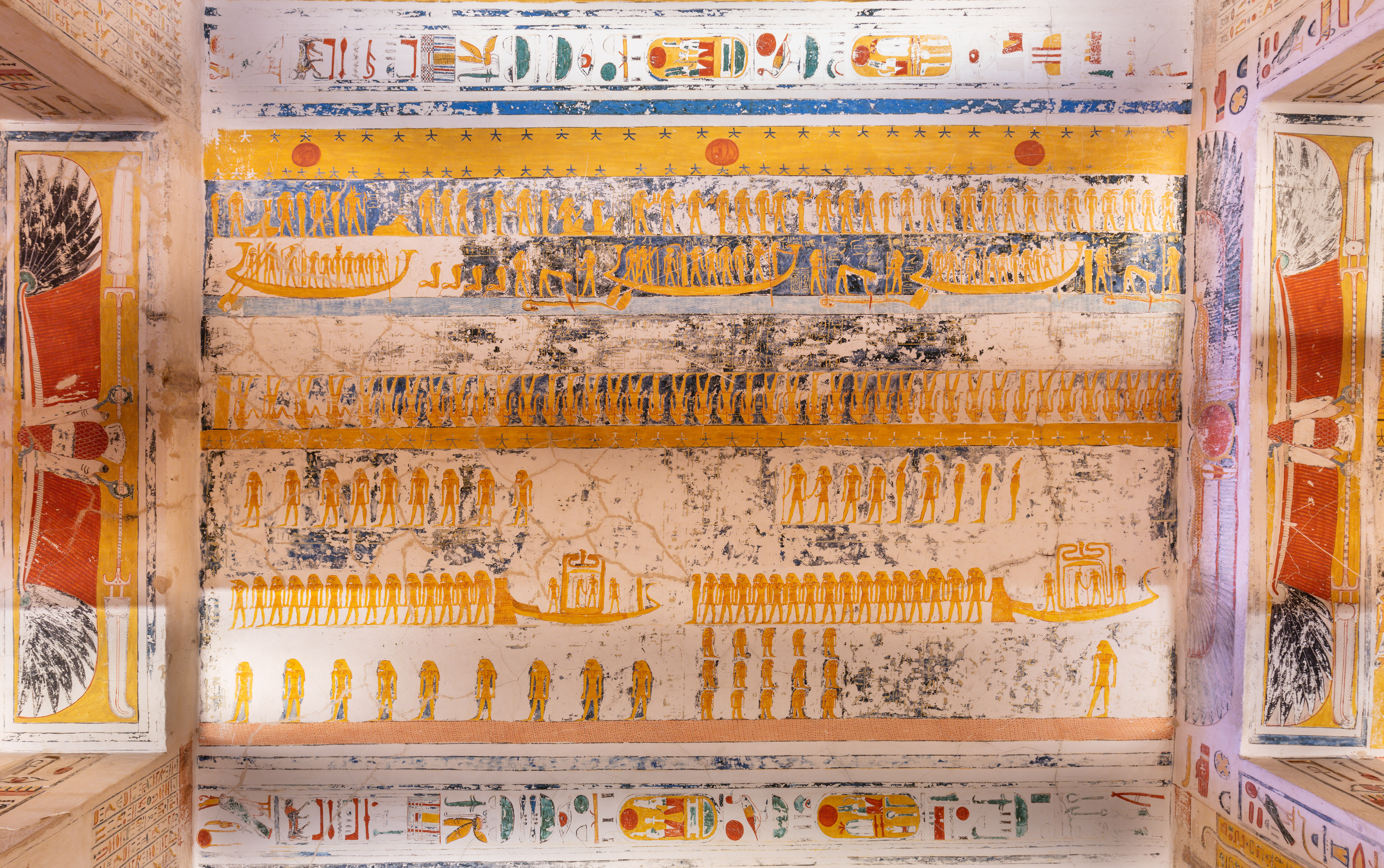
Luxor Práctico: Tu Información de Referencia
Cuándo Planificar Tu Viaje
* **Mejor en General (Octubre-Abril):** Piensa en temperaturas celestiales y agradables (20-30°C), realmente cómodas para hacer turismo. Sin embargo, esta es la temporada alta de turismo, así que espera más gente. * **Verano Caliente (Mayo-Septiembre):** Espera un clima muy caluroso (35-45°C y más!), lo que significa menos turistas y a menudo precios más bajos. El intenso calor puede hacer que la exploración al aire libre sea agotadora, pero los monumentos abren temprano (6 AM), permitiendo visitas más frescas por la mañana. * **Temporadas Intermedias (Marzo-Abril, Octubre-Noviembre):** ¡Son fantásticas! Clima ideal, multitudes moderadas y generalmente muy buena relación calidad-precio.¿Cuánto Tiempo Deberías Quedarte?
* **Mínimo:** 2 días/1 noche – un día para la Ribera Este, otro para la Ribera Oeste. * **Recomendado:** 3 días/2 noches – esto te permite explorar a fondo sin sentirte apresurado. * **Completo:** 4-5 días – perfecto para visitar todos los sitios principales, además de esas fascinantes tumbas y templos menos conocidos.Cómo Llegar a Luxor
* **Por Aire:** El Aeropuerto Internacional de Luxor (LXR) maneja vuelos nacionales diarios desde El Cairo (un rápido salto de 1 hora), Sharm el-Sheikh y Asuán. También encontrarás vuelos chárter internacionales desde Europa que operan estacionalmente. * **Por Tren:** Los cómodos trenes nocturnos desde El Cairo (10-11 horas) son una experiencia clásica, especialmente con coches cama. Los trenes diurnos de primera clase también son una opción. * **Por Crucero por el Nilo:** Muchos visitantes llegan a través de cruceros por el Nilo de varios días, navegando entre Luxor y Asuán, haciendo encantadoras paradas en templos a lo largo del camino. * **Por Carretera:** Los traslados privados desde lugares como Hurghada (alrededor de 4 horas) son posibles, pero menos comunes para viajes solo a Luxor.Cómo Moverse en Luxor
* **Banco Este:** Puedes caminar felizmente hacia el Templo de Luxor y las áreas circundantes inmediatas. Para el Templo de Karnak y los museos, los taxis o Uber son tus amigos. * **Banco Oeste:** Los taxis son absolutamente esenciales aquí, ya que los sitios están bastante dispersos. Negocia una tarifa por todo el día (espera entre 300-500 EGP, dependiendo de cuántos sitios quieras ver) o simplemente contrátalos para viajes individuales. Hay alquileres de bicicletas disponibles, pero ten cuidado: el calor y las distancias pueden hacer que sea una opción desafiante. * **Cruce del Nilo:** Un ferry público (costo muy mínimo) o lanchas motoras fácilmente encontradas te llevarán a través del Nilo entre los Bancos Este y Oeste.Dónde Desempaquetar tus Maletas
**Banco Este:** Este lado cuenta con más hoteles, restaurantes y un poco más de vida nocturna. Es increíblemente conveniente para el Templo de Luxor y Karnak. Encontrarás opciones desde encantadores albergues económicos hasta lujosos hoteles de 5 estrellas. Definitivamente busca hoteles con vista al Nilo: las vistas del atardecer son absolutamente gloriosas. **Banco Oeste:** Este lado es mucho más tranquilo y, por supuesto, mucho más cercano al Valle de los Reyes. Encontrarás hoteles y casas de huéspedes más pequeños, a menudo más íntimos, que te brindan una vibra de pueblo más auténtica. También hay un número creciente de opciones de calidad aquí. * **Económico:** $10-30/noche (para albergues, hoteles básicos pero limpios) * **Gama media:** $40-100/noche (hoteles cómodos, buena relación calidad-precio) * **Lujo:** $150-400+/noche (para esas propiedades sublimes de 5 estrellas con vista al Nilo)
Interactuando con Luxor: Mis Consejos Personales
Antes de Llegar
Hazte un favor y lee un poco sobre la historia del Nuevo Reino y los principales faraones (Hatshepsut, Akhenatón, Tutankamón, Ramsés II). Saber quién construyó qué, y cuándo, realmente aumenta tu apreciación. Además, aprender lo básico sobre la religión egipcia antigua y sus creencias sobre la vida después de la muerte explicará *tanto* sobre por qué esas tumbas eran tan increíblemente elaboradas. Confía en mí en esto, realmente mejora la experiencia.Durante Tu Visita
Mi recomendación número uno: contrata guías conocedores en los principales sitios. Ellos dan vida a esos relieves y jeroglíficos con historias y explicaciones cautivadoras que simplemente no puedes obtener de una guía. Lleva binoculares para observar esos detalles intrincados en lo alto de las paredes. Y por favor, tómate un momento para simplemente sentarte en uno de los templos, absorbiendo la atmósfera, en lugar de apresurarte de una oportunidad fotográfica a la siguiente. Si puedes, visita algunos sitios dos veces: las variaciones de luz en diferentes momentos del día revelan detalles completamente nuevos. Mientras paseas, deja que estas preguntas hiervan en tu mente: * ¿Cómo demonios lograron los antiguos egipcios tallar y transportar estas colosales piedras sin ninguna tecnología moderna? * ¿Qué tipo de creencia profunda impulsó una inversión tan enorme en la preparación para la vida después de la muerte? * Y honestamente, ¿cómo crearon pigmentos que permanecen tan increíblemente vibrantes, incluso después de 3,000 años? Luxor no es solo un lugar para ver; es un lugar para *sentir* y maravillarse. Disfruta cada momento de ello.¿Listo para convertir esta guía en realidad?
Nuestros expertos locales pueden crear un itinerario personalizado basado en estas recomendaciones. ¡Solo envíanos un mensaje rápido!
Personaliza a través de WhatsApp