

La Historia Detrás de la Ópera de El Cairo
La Elegancia de la Ópera Khedivial
El romance de Egipto con la ópera en realidad comenzó en 1869. El mismo Jedive Ismail ordenó la construcción de la Ópera Khedivial. ¿Por qué? ¡Bueno, para celebrar la gran inauguración del Canal de Suez, por supuesto! Arquitectos italianos, con su increíble estilo, la construyeron en solo seis meses, una hazaña inaudita. Se convirtió orgullosamente en la primera ópera en África y el Medio Oriente. Sus interiores ornamentados, decoraciones lujosas y esas actuaciones al estilo europeo rápidamente la convirtieron en *el* lugar para estar, un verdadero centro de la vibrante vida cultural de El Cairo. Y aquí hay un dato interesante: el Jedive Ismail incluso comisionó al compositor italiano Giuseppe Verdi para crear una ópera específicamente sobre el antiguo Egipto. Aunque 'Aida' no estaba del todo lista para la gran inauguración, se estrenó allí en 1871 y rápidamente se convirtió en una de las óperas más icónicas del mundo. Bastante impresionante, ¿verdad?El Desgarrador Incendio de 1971
Después de más de un siglo de magníficas actuaciones, la tragedia golpeó con fuerza en octubre de 1971. La Ópera Khedivial fue completamente destruida por un incendio. La pérdida fue inmensa: trajes, decorados, instrumentos invaluables, todo desaparecido. Dejó un profundo y doloroso vacío en la escena cultural de Egipto. Durante casi dos décadas, El Cairo se quedó sin un recinto de ópera adecuado. Las compañías de teatro hicieron lo mejor que pudieron, trasladándose a teatros más pequeños, pero la ausencia de ese gran escenario nacional se sintió profundamente. Es una triste nota histórica que el sitio de la antigua ópera eventualmente se convirtió en un simple estacionamiento, conocido de manera bastante conmovedora como 'Opera Garage', un constante y doloroso recordatorio de lo que una vez estuvo allí.El Increíble Regalo de Japón: Un Nuevo Comienzo
El vacío cultural simplemente persistía, ¿sabes? Hasta que Japón intervino con una oferta increíble: financiarían una nueva casa de ópera como regalo para Egipto. La construcción comenzó en 1985 en la Isla Gezira, justo en el centro de El Cairo. Fue una hermosa colaboración, diseñada por el Ministerio de Cultura de Egipto y la Agencia de Cooperación Internacional de Japón (JICA), fusionando la arquitectura islámica tradicional con principios de diseño moderno. Después de casi tres años de construcción, la Casa de Ópera de El Cairo fue inaugurada oficialmente el 10 de octubre de 1988. No era solo un edificio; realmente marcó un nuevo capítulo en la historia artística de Egipto. Recuperó la tradición operística de Egipto y, lo más importante, solidificó una fuerte asociación cultural entre Egipto y Japón.
Arquitectura que Cuenta una Historia
¿Quieres explorar Cairo Opera House: Una joya cultural en el corazón de Egipto?
Permítenos diseñar el itinerario privado perfecto para ti. Desde expertos guías locales hasta cruceros de lujo, creamos viajes a medida que te muestran el Egipto real.
Tours en El CairoPaquetes de Viaje a EgiptoCruceros por el Nilo
Una Fusión de Culturas: Diseño Islámico y Moderno
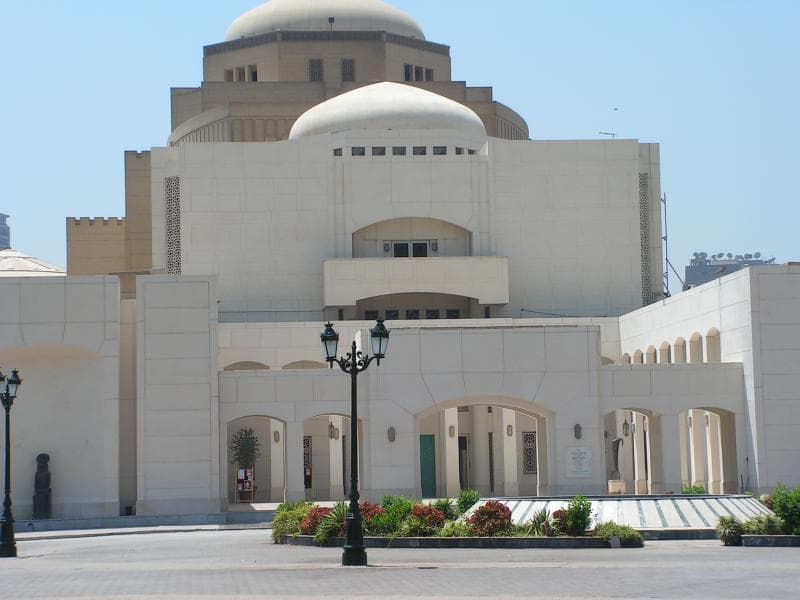
La Casa de Ópera de El Cairo realmente te atrae con su elegante fachada de piedra amarilla. Las cúpulas y arcos graciosos están directamente inspirados en el diseño islámico tradicional, dándole esa sensación clásica y atemporal. Pero al entrar, verás una mezcla de influencias egipcias y japonesas en la decoración. La paleta de colores de rosa y fucsia, combinada con un sutil motivo de crisantemo sobre el teatro principal, refleja bellamente la fusión de estas dos culturas. Piénsalo: los crisantemos simbolizan lealtad y longevidad en Japón, mientras que estos colores resuenan con la realeza en Egipto. El diseño no solo es bonito; también es inteligente. Cosas como revestimientos de pared de azulejos en lugar de tela son en realidad adaptaciones prácticas para el clima desértico de Egipto, ayudando a prevenir daños por arena. Bastante ingenioso, ¿verdad?Una Asociación Forjada en la Cultura: JICA y Egipto
Esta maravilla arquitectónica no habría sido posible sin la estrecha cooperación entre el Ministerio de Cultura de Egipto y JICA. Y no se detuvo ahí. A lo largo de los años, Japón ha continuado apoyando la Casa de Ópera de El Cairo con subvenciones para renovaciones y mejoras de equipos, asegurándose de que este lugar se mantenga absolutamente de última generación. Pasea y notarás una fusión internacional de materiales: mármol italiano, madera sueca, candelabros de cristal checo, todo mezclado con elementos egipcios de origen local. Es un testimonio de las conexiones culturales globales de Egipto, un lugar donde el mundo se une en el arte.Isla Gezira: Un Escenario Simbólico
Su ubicación en la Isla Gezira, justo en el centro de El Cairo, es bastante simbólica. Se sitúa prominentemente a lo largo del Nilo, y cuando cae la noche, su iluminación luminosa lo hace visible desde toda la ciudad, actuando como un faro de cultura. Además, es súper accesible, a solo una corta distancia de la Plaza Tahrir y del animado distrito de Zamalek, lo que facilita que tanto locales como visitantes lo disfruten.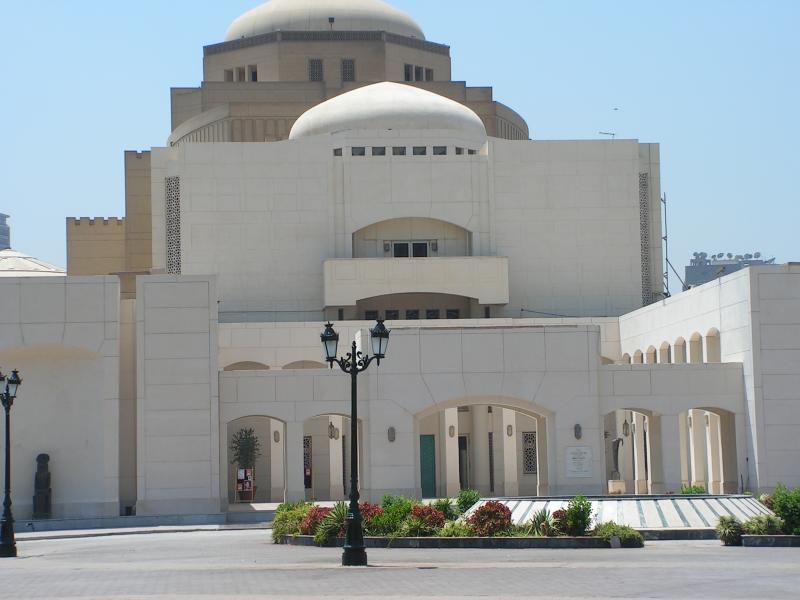
Velo por ti mismo
Viajes que visitan los lugares en este artículo.


¿Quieres una ruta o longitud diferente? La construiremos a tu alrededor.
Explorando el Complejo de la Ópera: Una Gran Variedad de Espacios
¿Quieres explorar Cairo Opera House: Una joya cultural en el corazón de Egipto?
Permítenos diseñar el itinerario privado perfecto para ti. Desde expertos guías locales hasta cruceros de lujo, creamos viajes a medida que te muestran el Egipto real.
Tours en El CairoPaquetes de Viaje a EgiptoCruceros por el Nilo
Sala Principal y Sala Pequeña: Grandeza e Intimidad
La Sala Principal es claramente la joya de la corona del complejo, un espacio impresionante que alberga hasta 1,200 invitados. Es el teatro más avanzado de Egipto, con un enorme escenario, un foso para la orquesta y asientos en varios niveles, perfectamente diseñado para esas grandes presentaciones de ópera, ballet y orquesta. Luego está la Sala Pequeña, que ofrece una experiencia mucho más íntima. Tiene capacidad para aproximadamente 360 invitados y se utiliza principalmente para conciertos de cámara, conferencias y eventos culturales más pequeños. Lo interesante es que su disposición de asientos es adaptable, lo que significa que el espacio puede incluso funcionar como un salón de recepciones cuando es necesario.Teatro al Aire Libre y Teatro El Gomhouria: Bajo las Estrellas y Encanto Clásico
Imagina asistir a un espectáculo en el Teatro al Aire Libre. Es verdaderamente mágico, ofreciendo una atmósfera única para presentaciones al aire libre, todo bajo el cielo estrellado de El Cairo, con espacio para alrededor de 600 personas. El Teatro El Gomhouria, ubicado cerca del Palacio Real de Abdeen, es otra opción fantástica, proporcionando un gran escenario para presentaciones de tamaño mediano y permaneciendo como uno de los lugares culturales más queridos de El Cairo.Más Allá de El Cairo: Instituto de Música Árabe y Teatro de Ópera de Alejandría
El Instituto de Música Árabe juega un papel crucial en la preservación de la música árabe tradicional. Cuenta con un teatro modernizado, un fascinante museo y una colección de instrumentos raros. Y no olvidemos el Teatro de Ópera de Alejandría; construido originalmente en 1918, fue bellamente restaurado en 2004 y aún alberga presentaciones de las compañías de la Ópera de El Cairo, manteniendo esos lazos artísticos fuertes.Un Toque de Historia Antigua: El Teatro Romano en Alejandría
Entre los diversos lugares afiliados a la Ópera, encontrarás el antiguo Teatro Romano en Alejandría: ¡es en realidad el *único* anfiteatro romano de Egipto! Datando del siglo IV d.C., este sitio proporciona un escenario absolutamente espectacular para presentaciones al aire libre. ¡Hablemos de mezclar historia antigua con arte moderno!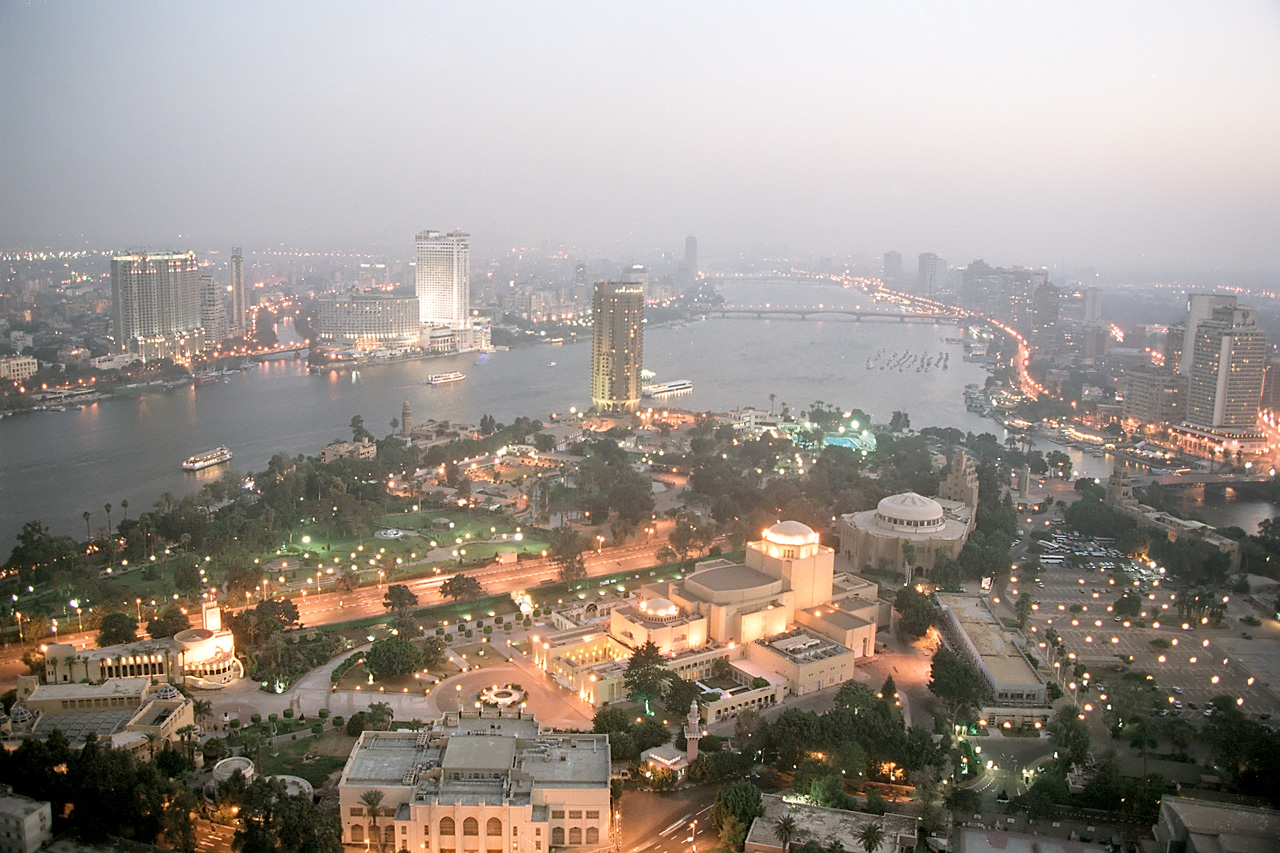
Compañías Residentes y un Mundo de Arte
Orquesta Sinfónica de El Cairo y Compañía de Ópera: El Latido de la Performance
La Orquesta Sinfónica de El Cairo es, sin duda, uno de los principales conjuntos musicales de Oriente Medio, interpretando tanto obras clásicas como contemporáneas con una pasión increíble. Y la Compañía de Ópera de El Cairo, fundada en la década de 1960, realmente muestra los mejores talentos operísticos de Egipto en producciones que van desde 'La Traviata' de Verdi hasta la siempre popular 'Carmen'. Ellos dan vida a estas historias con tal dedicación.Ballet y Teatro de Danza Moderna: Gracia e Innovación
Si amas la danza, estás de suerte. La Compañía de Ballet de la Ópera de El Cairo interpreta tanto ballets clásicos como inspirados en Egipto, siempre con tal gracia y precisión. Mientras tanto, la Compañía de Teatro de Danza Moderna Egipcia, establecida en 1993, se centra en empujar los límites creativos con actuaciones innovadoras que incluso han realizado giras a nivel mundial. Ellos están constantemente reinventando y explorando.Fomentando el Talento: Coro Infantil y Música Árabe
La Casa de la Ópera de El Cairo no solo se trata de artistas consagrados; también se trata de nutrir a la próxima generación. Su Coro Infantil y el Centro de Desarrollo de Talentos son ejemplos fantásticos de esto, brindando a los jóvenes artistas un escenario. Y para aquellos que aman los sonidos tradicionales, el Conjunto Nacional de Música Árabe y el Conjunto Abdel Halim Nouira están dedicados a preservar la edad de oro de la música árabe, asegurando que el rico patrimonio musical de Egipto continúe prosperando para nuevas generaciones.Un Faro de Cultura, Reconocido Globalmente
Escenarios Globales, Ritmos Locales: Festivales y Actuaciones
Conocida por albergar importantes eventos culturales como el Festival de Música Árabe y el Festival Internacional de Música y Canto de la Ciudadela, la Casa de la Ópera de El Cairo se convierte verdaderamente en un centro de intercambio cultural global. Estos festivales atraen a increíbles artistas regionales e internacionales, convirtiendo a El Cairo en un vibrante punto de encuentro para los amantes del arte.Invirtiendo en el Futuro: Educación y Programas para Jóvenes
A través de sus competencias juveniles, centros de talento especializados y talleres públicos, la Casa de la Ópera fomenta activamente nuevas generaciones de artistas y, tan importante como eso, nuevos públicos. Estos programas son vitales para mantener las ricas tradiciones artísticas de Egipto no solo vivas, sino en constante evolución y prosperidad.Generando Olas: Momentos Internacionales Destacados
La Casa de la Ópera ha acogido algunas actuaciones verdaderamente emblemáticas. Estoy hablando del primer espectáculo de Kabuki de Japón en el mundo árabe e incluso conciertos de la prestigiosa Orquesta Filarmónica Real de Londres. Estos momentos realmente consolidan su reputación como un puente crucial entre Egipto y la comunidad artística global, mostrando al mundo que El Cairo es una fuerza a tener en cuenta en las artes.¿Listo para convertir esta guía en realidad?
Nuestros expertos locales pueden crear un itinerario personalizado basado en estas recomendaciones. ¡Solo envíanos un mensaje rápido!
Personaliza a través de WhatsApp