
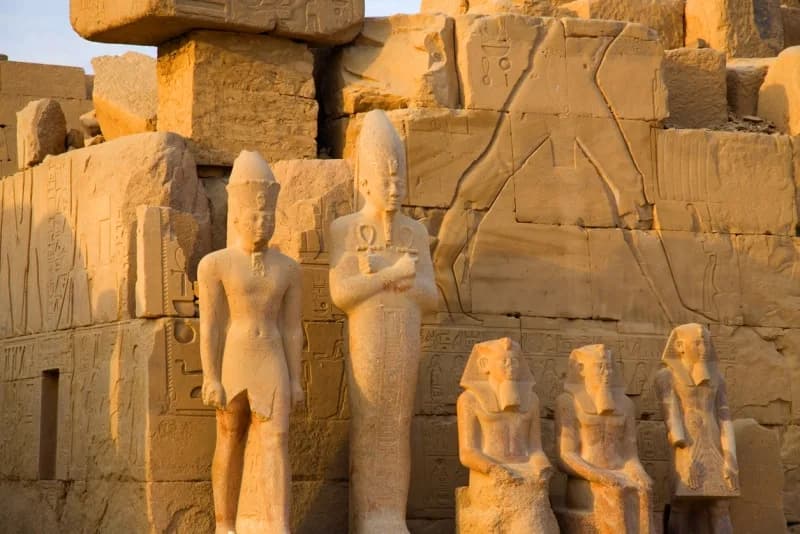

La orilla este de Luxor alberga la ciudad viva y sus grandes templos (Karnak y el Templo de Luxor); la orilla oeste contiene la antigua necrópolis (Valle de los Reyes, Templo de Hatshepsut, Valle de las Reinas y los Colosos de Memnón). El plan más eficiente es hacer la orilla oeste primero, comenzando al amanecer cuando las tumbas del desierto están más frescas y menos concurridas, luego cruzar el Nilo hacia la orilla este para una tarde en Karnak y una visita al atardecer al Templo de Luxor.
Con dos días puedes dividirlo: un día completo en la orilla oeste (opcionalmente con un globo aerostático al amanecer) y un día relajado en la orilla este. Las dos orillas se encuentran directamente frente a frente a través del río, a aproximadamente 15-20 minutos en coche por el Puente de Luxor o un corto trayecto en ferry.
Orilla Este vs Orilla Oeste: qué hay en cada lado
La antigua Tebas fue deliberadamente dividida por el Nilo. El este, donde sale el sol, era la tierra de los vivos: templos para la adoración y la bulliciosa ciudad. El oeste, donde se pone el sol, era la tierra de los muertos: tumbas y templos mortuorios tallados en los acantilados. Esa lógica aún da forma a cómo visitas hoy en día.
- Orilla Este (la ciudad): Templo de Karnak (el complejo religioso más grande del mundo antiguo, con la impresionante Sala Hipóstila), Templo de Luxor (impresionante cuando está iluminado por la noche), la Avenida de las Esfinges que conecta ambos, los Museos de Luxor y de Momificación, el souk, y la mayoría de los hoteles y restaurantes.
- Orilla Oeste (la necrópolis): el Valle de los Reyes (tumbas reales incluyendo la de Tutankamón y Ramsés VI), el Valle de las Reinas (la tumba pintada de Nefertari es la joya), el dramático Templo de Hatshepsut en Deir el-Bahari, los colosos de Memnón, las Tumbas de los Nobles, Medinet Habu, y los sitios de lanzamiento de globos aerostáticos al amanecer.
Qué orilla hacer primero (y por qué)
Haz la orilla oeste primero. Las tumbas no tienen sombra, el Valle de los Reyes se encuentra en una trampa solar de piedra caliza desnuda, y a media mañana hace un calor brutal y está lleno de grupos de cruceros. Llegar cerca de la apertura (típicamente alrededor de las 6am) significa aire más fresco, luz más suave en las terrazas de Hatshepsut, y tumbas más tranquilas donde realmente puedes estudiar las paredes pintadas.
Reserva la orilla este para la tarde y la noche: Karnak maneja mejor las multitudes del mediodía debido a su escala y sombra parcial, y el Templo de Luxor es más mágico después del atardecer, cuando las luces de inundación dan vida a las columnatas. Muchos de nuestros tours de Luxor guiados están secuenciados exactamente de esta manera.
Cómo dividir uno o dos días
Un día (eficiente pero intenso)
- Amanecer-mediodía, West Bank: Valle de los Reyes (3 tumbas suelen estar incluidas en el ticket estándar; Tutankamón y Nefertari necesitan tickets separados), Templo de Hatshepsut, los Colosos de Memnón. Agrega el Valle de las Reinas si el tiempo lo permite.
- Almuerzo: cruza el río, come cerca de la corniche, escapa del peor calor (1-4pm).
- Tarde-noche, East Bank: Karnak en la fresca tarde, luego Templo de Luxor al anochecer y después de oscurecer.
Dos días (el plan relajado y recomendado)
- Día 1 - West Bank: paseo en globo opcional al amanecer, luego una mañana tranquila de tumba en tumba. Agrega las Tumbas de los Nobles o Medinet Habu, que la mayoría de los viajeros de un día omiten.
- Día 2 - East Bank: Karnak por la mañana, museos o el souk al mediodía, Templo de Luxor al atardecer.
Dos días es el punto ideal, y es el ritmo que la mayoría de los paquetes turísticos de Egipto utilizan cuando Luxor es un punto destacado en lugar de una escala. Si llegas por río, un crucero por el Nilo típicamente atraca en el East Bank y realiza excursiones guiadas a ambos lados, así que tu planificación está resuelta.
¿Quieres explorar Luxor Ribera Este vs Ribera Oeste: Cómo Planificar Tus Días?
Permítenos diseñar el itinerario privado perfecto para ti. Desde expertos guías locales hasta cruceros de lujo, creamos viajes a medida que te muestran el Egipto real.
Personalizar por WhatsAppTours en LuxorPaquetes de Viaje a EgiptoCruceros por el Nilo
Cruzando el Nilo: ferris, puentes y taxis
Las dos orillas están conectadas de tres maneras. El ferry público desde cerca del Templo de Luxor hasta el desembarcadero de West Bank es barato, frecuente y utilizado por los locales; es una divertida travesía de 10-15 minutos pero te deja a un viaje en taxi de los sitios.
Un coche privado o taxi a través del Puente de Luxor (a unos pocos kilómetros al sur de la ciudad) es la opción práctica para cubrir los sitios dispersos de West Bank, que están a varios kilómetros de distancia y no son caminables con el calor. En un día guiado, un vehículo privado espera entre paradas para que nunca tengas que hacer cola o regatear. Los viajeros independientes generalmente organizan una tarifa de taxi de medio día para el recorrido por West Bank.
Temporización para el calor, multitudes y el globo
Luxor es caluroso durante gran parte del año y realmente castigador de mayo a septiembre, cuando las temperaturas del mediodía superan regularmente los 40°C. La regla de oro en ambas orillas es ir temprano o ir tarde, y reservar el mediodía para descansos en interiores o a la sombra. Lleva más agua de la que crees que necesitas, usa un sombrero y protector solar, y trae cambio pequeño para los permisos de fotos en las tumbas.
- Globo aerostático: los vuelos despegan al amanecer sobre la Ribera Occidental para una vista inolvidable de los templos y el Nilo. Reserva el día anterior; los vuelos dependen del clima y se agotan.
- Espectáculo de sonido y luz: Karnak presenta un espectáculo nocturno en la Ribera Oriental, una alternativa en clima fresco al turismo diurno.
- Entradas: la entrada estándar del Valle de los Reyes cubre un número determinado de tumbas; las tumbas estrella (Tutankamón, Seti I, Nefertari) son adicionales. Un guía no puede entrar en la mayoría de las tumbas, por lo que reservar un egiptólogo licenciado que te informe fuera de cada una es la manera de entender realmente lo que estás viendo.
Por qué un plan guiado ayuda en Luxor
Luxor recompensa el contexto más que casi cualquier lugar en Egipto. Las paredes no son decoración; son textos religiosos codificados, y un buen guía convierte una caminata calurosa junto a pintura desvanecida en la historia del viaje de un faraón hacia la otra vida. Travel Joy Egypt opera en Luxor con guías egiptólogos licenciados y vehículos privados, secuenciando el día para evitar el calor y las multitudes de cruceros.
Si tus fechas o intereses son inusuales, un tour a medida por Egipto te permite dedicar más tiempo a la necrópolis, los templos, o una combinación de globo y crucero. También puedes explorar opciones de un día autoconstruidas y elegir exactamente los sitios que te interesan a través de nuestros tours de un día por Egipto.
Sin importar cómo lo organices, el principio se mantiene: oeste al amanecer para los muertos, este al atardecer para los vivos. Planea en torno a eso, y Luxor se convierte en una de las paradas más gratificantes en cualquier itinerario por Egipto.
¿Listo para convertir esta guía en realidad?
Nuestros expertos locales pueden crear un itinerario personalizado basado en estas recomendaciones. ¡Solo envíanos un mensaje rápido!
Personaliza a través de WhatsApp