

Rua Al-Muizz: Passeios, Ingressos e Guia do Visitante
Sobre a Rua Al-Muizz
Descubra a Rua Al-Muizz: A Tapeçaria Atemporal de História e Vida do Cairo
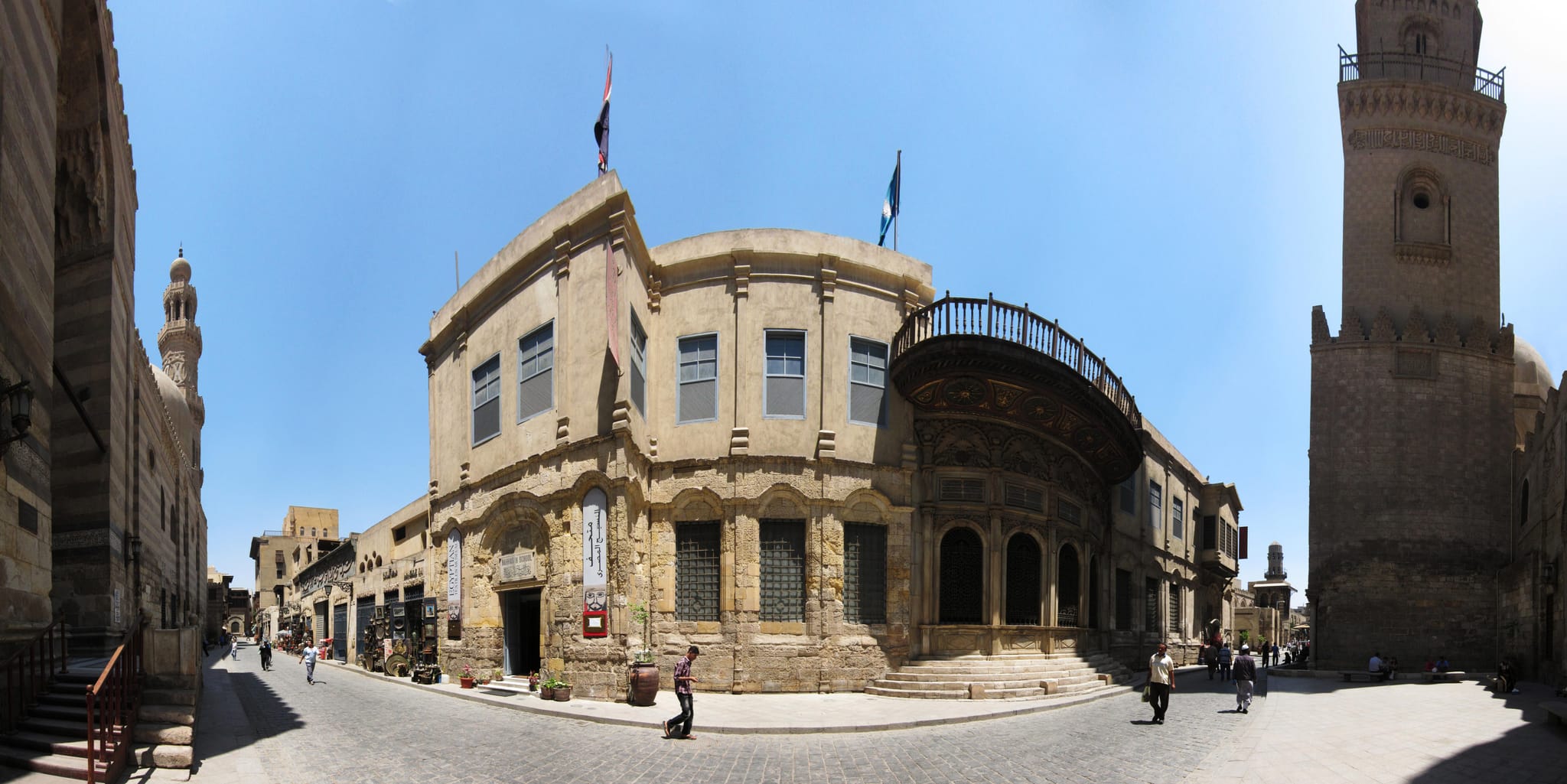
Entre em um museu vivo ao longo da Rua Al-Muizz, o vibrante coração do Cairo islâmico e um Patrimônio Mundial da UNESCO. Esta via histórica oferece uma janela clara para um milênio de herança egípcia.
Com aproximadamente um quilômetro de extensão, a rua pedonal possui a maior densidade de maravilhas arquitetônicas islâmicas medievais do planeta. Ao caminhar, você passará por mesquitas, madrasas (academias religiosas), hospitais, palácios e sabil-kuttabs (fontes públicas com escolas corânicas situadas acima).
Cada marco conta uma história, desde o intricado trabalho em pedra do Complexo do Sultão Qalawun até o minarete imponente da Mesquita do Sultão Barquq. Cada passo convida a um olhar mais profundo sobre o rico passado do Cairo.
Vida de Rua e Artesanato
A rua vibra com atividade. Oficinas de artesãos ainda praticam ofícios antigos, com ourives batendo padrões rítmicos no metal.
Vendedores de especiarias empilham misturas aromáticas em cores vívidas, e comerciantes chamam os transeuntes. A vida cotidiana se desenrola contra um fundo de pedra esculpida e ruas sombreadas.
Olhe para cima e veja delicadas mashrabiya (telas de madeira ornamentadas) em casas históricas. Entre em um caravanserai (khan) para imaginar o comércio que uma vez fervilhava dentro de suas paredes. Al-Muizz não é apenas arquitetura preservada; é o Cairo vivo.

O que Torna a Rua Al-Muizz Especial
Al-Muizz mistura história profunda com a vida cotidiana. Não é um relicário estático, mas um espaço habitado onde passado e presente se encontram.
Seu status de Patrimônio Mundial da UNESCO destaca sua coleção inigualável de arquitetura islâmica medieval e design urbano. A escala caminhável convida a olhares atentos para fachadas, pátios e becos laterais.
A rua está ligada ao Califado Fatímida. Nomeada em homenagem a Al-Mu'izz li-Din Allah, o quarto Califa Fatímida que fundou o Cairo em 969 d.C., serviu como a principal artéria da cidade e rota cerimonial. Durante séculos, viu grandiosas procissões e eventos que moldaram a vida política, econômica e religiosa do Cairo medieval.
Um Milênio de Esplendor Arquitetônico
Nascida na Era Fatímida (969-1171 d.C.), a rua era ladeada por palácios e salões administrativos. Na Era Ayyubida (1171-1250 d.C.), Saladino e seus sucessores fortificaram o Cairo e embelezaram ainda mais a rota.
Grande parte de sua grandiosidade perdura. Estilos que vão do islâmico primitivo ao Mameluco e Otomano coexistem, revelando a evolução da arte e arquitetura islâmicas em um trecho caminhável.

O que Ver na Rua Al-Muizz
Sua caminhada revelará monumentos importantes e detalhes íntimos. Os destaques incluem:
- Complexo Sultan Qalawun: Uma obra-prima deslumbrante da arquitetura mameluca, este complexo inclui uma mesquita, madrasa e mausoléu, renomado por suas intrincadas decorações de estuque e mármore.
- Mesquita do Sultão Barquq: Outra impressionante estrutura mameluca, com uma entrada grandiosa e um minarete imponente que domina o horizonte.
- Bazar Khan el-Khalili: Embora tecnicamente adjacente, este famoso souk é uma extensão essencial da sua experiência na Al-Muizz, oferecendo tudo, desde especiarias e joias até souvenirs e artesanato tradicional.
- Bayt Al-Suhaymi: Uma casa da era otomana lindamente preservada, exibindo a arquitetura doméstica tradicional egípcia, completa com pátios e mashrabiya.
- Sabil-Kuttab de Abd al-Rahman Katkhuda: Um exemplo proeminente de um sabil-kuttab, essas fontes públicas com escolas corânicas acima eram estruturas cívicas vitais no Cairo medieval.
- Mesquita e Universidade Al-Azhar: Uma das universidades em funcionamento contínuo mais antigas do mundo e um centro crucial de aprendizado islâmico, sua importância histórica é imensa.
- Mesquita Al-Hakim: Uma grande mesquita da era fatímida, notável por sua entrada monumental e arquitetura robusta.
Além dos locais principais, pause para os pequenos momentos: artesãos trabalhando, o aroma das especiarias e a energia do mercado. A vida cotidiana anima um palco histórico singular.

Como Visitar a Rua Al-Muizz
Como Chegar
A Rua Al-Muizz está no coração do Cairo islâmico e é fácil de alcançar. Táxis e aplicativos de carona são opções simples, ou pegue o metrô até a estação Bab El-Shaariya, perto da extremidade norte.
Como a rua é pedonal, explore a pé e planeje um ritmo relaxado.
Ingressos e Entrada
A entrada na Rua Al-Muizz é gratuita. Edifícios importantes como o Complexo Sultan Qalawun, a Mesquita do Sultão Barquq e o Bayt Al-Suhaymi cobram taxas de entrada modestas, então leve notas pequenas em libras egípcias.
Alguns locais podem oferecer ingressos combinados. Pergunte no primeiro local importante que você visitar.
Tempo Necessário
Reserve pelo menos meio dia, e um dia inteiro se puder. Uma caminhada rápida leva de duas a três horas.
Para visitar vários monumentos, explorar lojas e demorar para fotos, reserve mais tempo. Diminua o ritmo e aproveite os detalhes.
Planeje pausas para chá egípcio ou uma refeição simples em um local. Descansos curtos tornam a experiência mais rica.
Melhor Época para Visitar & Dicas
Melhor Época para Visitar
Os meses mais confortáveis são de outubro a abril. As temperaturas são adequadas para longas caminhadas e exploração ao ar livre.
Evite o calor intenso do verão (junho a agosto). Os dias de semana são geralmente mais tranquilos do que os finais de semana (sexta e sábado no Egito).
Dicas Úteis para Sua Visita
- Vista-se Modestamente: Ao visitar mesquitas e locais religiosos, tanto homens quanto mulheres devem se vestir modestamente, cobrindo ombros e joelhos. As mulheres também devem levar um lenço para cobrir o cabelo ao entrar nas mesquitas.
- Calçados Confortáveis: Você fará muitas caminhadas em superfícies irregulares, então calçados confortáveis são essenciais.
- Negociação: Se você planeja fazer compras no Khan el-Khalili ou em outras barracas de mercado, a negociação é esperada e parte da experiência.
- Mantenha-se Hidratado: Leve água, especialmente em dias mais quentes.
- Esteja Atento ao Seu Entorno: Embora geralmente seguro, esteja atento aos seus pertences em áreas lotadas.
- Abrace a Experiência: A Rua Al-Muizz é uma sobrecarga sensorial da melhor maneira possível. Esteja aberto a interagir com os locais, experimentar comidas típicas e realmente se imergir neste cenário histórico único.
Significado Histórico
Um Milênio de Esplendor
A Rua Al-Muizz, oficialmente nomeada em honra de Al-Mu'izz li-Din Allah, o quarto Califa Fatímida que estabeleceu o Cairo em 969 d.C., começou como a principal artéria da capital fatímida.
Por séculos, serviu como a rota cerimonial para califas e sultões, testemunhando grandes procissões e eventos cruciais. Sua localização a tornou o centro da vida política, econômica e religiosa no Cairo medieval.
- Era Fatímida (969-1171 d.C.): A rua ancorou a nova cidade, ladeada por palácios reais e estruturas administrativas.
- Era Ayyubida (1171-1250 d.C.): Saladino e seus sucessores fortificaram o Cairo e continuaram a embelezar a rua, embora muita da arquitetura fatímida original tenha sido posteriormente substituída.
- Era Mameluca (1250-1517 d.C.): Este período viu o maior florescimento arquitetônico, transformando Al-Muizz na 'rua das mesquitas e madraças'. Complexos como o Complexo do Sultão Qalawun e a Mesquita-Madraça do Sultão Barquq mostram a maestria mameluca.
- Erás Otomana e Khedival: Novos edifícios surgiram e a rua manteve sua importância, mesmo enquanto algumas áreas declinavam antes de grandes esforços de preservação no final do século 20.
Passeios Visitando a Rua Al-Muizz
Experiências privadas guiadas por egiptólogos com ingressos e transfers organizados para você.
Este tour cultural de 13 dias cobre Cairo, Alexandria, Luxor e Aswan, combinando passeios baseados em hotel no norte com um cruzeiro de uma semana pelo Nilo…
Este tour de luxo de 15 dias é um dos itinerários mais longos da Travel Joy Egypt, cobrindo Cairo, Alexandria, um cruzeiro pelo Nilo através de Aswan, Abu…
Este tour em grupo de 10 dias vai de Cairo a Luxor por voo doméstico e termina com vários dias na costa do Mar Vermelho em Hurghada, misturando locais antigos…
Este tour de 11 dias constrói um itinerário profundo em torno do Cairo, Alexandria, Luxor e Aswan, adicionando os templos sagrados de Dendera e Abydos ao…
Este tour de 11 dias utiliza voos domésticos e um cruzeiro no Nilo para ligar Cairo, Hurghada, Luxor e Aswan em um circuito contínuo pelo Egito. Um cruzeiro de…
Este tour de 12 dias combina uma imersão profunda em Cairo e nos templos do Alto Egito com dias de mar Vermelho e deserto em Hurghada. Um espetáculo de Som e…
Rua Al-Muizz — Perguntas Frequentes
Tudo o que você precisa saber antes de visitar a Rua Al-Muizz.
1O que é a Rua Al-Muizz?
2Quais são as atrações imperdíveis na Rua Al-Muizz?
3A Rua Al-Muizz é segura para visitar?
4Como devo me vestir ao visitar a Rua Al-Muizz?
5Posso comprar souvenirs na Rua Al-Muizz?
Principais atrações em Cairo e Gizé
tours do Egito por destino
Navegue pelos passeios no Egito por categoria
- 1Pacotes de Tour pelo Egito
- 2Excursões de um dia no Egito
- 3Cruzeiros no Nilo
- 4Tours Sob Medida
- 5Pacotes de Lua de Mel
- 6Pacotes Familiares
- 7Pacotes de Luxo
- 8Pacotes Privados
- 9Pacotes para Pequenos Grupos
- 10Pacotes Tudo Incluído
- 11Excursões de Última Hora no Egito
- 12Cruzeiros Dahabiya
- 13Guia de Viagem do Egito
- 14Pacotes de Tour pelo Egito dos EUA
- 15Pacotes de Tour pelo Egito e Jordânia