
Pilar de Pompeu: Passeios, Ingressos e Guia do Visitante
Sobre Pilar de Pompeu
Desvendando a Grandeza do Pilar de Pompeu: o Colosso Romano de Alexandria
Uma colossal coluna romana emerge de remanescentes antigos, imersa em contos da queda de Pompeu e do esplendor passado de Alexandria. O Pilar de Pompeu, uma magnífica estrutura de granito, ergue-se como um sentinela solitário em meio aos escassos restos do antigo Serapeu de Alexandria. Longe de ser um memorial a Pompeu, o Grande, este impressionante edifício é, na verdade, uma dedicação ao Imperador Diocleciano, exibindo o poder e a engenhosidade romanos no Egito.
Ao se aproximar, a magnitude da coluna se torna evidente. Feita de um único bloco de granito de Aswan, ela se eleva quase 27 metros (88 pés) no céu, seu capitel coríntio uma característica marcante contra o panorama alexandrino. Ao redor do pilar estão as fundações escavadas e fragmentos arquitetônicos dispersos do Serapeu, uma vez o templo mais significativo de Alexandria dedicado ao deus sincrético Serápis.
Embora apenas uma fração deste grande complexo persista, o local fornece um elo tangível com o patrimônio helenístico e romano da cidade. Os visitantes podem vagar entre essas pedras antigas, imaginando a atividade agitada que uma vez preencheu este recinto sagrado.
O que torna o Pilar de Pompeu especial?
Além de sua impressionante estatura, o Pilar de Pompeu oferece um vislumbre fascinante das camadas de história que definem Alexandria. Apesar de seu nome enganoso, que provavelmente se originou do folclore medieval em vez de um fato histórico, a coluna é um poderoso testemunho da engenharia romana e da importância da cidade durante o Império Romano.
Ela se ergue como uma dedicação ao Imperador Diocleciano, erguida em 297 d.C. para comemorar sua repressão a uma revolta em Alexandria e seu subsequente ato benevolente de fornecer grãos à cidade durante uma fome. Isso a torna não apenas um monumento, mas um símbolo de gratidão imperial e um marco de um evento histórico significativo.
A coluna em si é uma maravilha da construção antiga. Esculpida de um único e maciço bloco de granito vermelho de Aswan, seu eixo liso se eleva dramaticamente, coroado por um capitel coríntio ricamente detalhado. Sua escala impressionante e o esforço necessário para transportar e erguer uma pedra tão enorme falam volumes sobre as capacidades dos construtores romanos.
O sítio arqueológico circundante, embora fragmentado, permite que os visitantes se conectem com a grandeza do Serapeu, uma vez o coração espiritual da antiga Alexandria, dedicado à divindade greco-egípcia Serápis.
O que Ver na Coluna de Pompeu
Sua visita à Coluna de Pompeu é uma viagem no tempo, oferecendo mais do que apenas a coluna icônica:
- A Coluna Colossal: Naturalmente, o ponto focal é a magnífica coluna em si. Reserve um tempo para caminhar ao redor de sua base, apreciando seu imenso tamanho e a habilidade de seu capitel coríntio. Imagine a monumental tarefa de sua construção e colocação.
- Restos do Serapeu: Explore as fundações e fragmentos arquitetônicos espalhados que cercam a coluna. Esses restos escassos são tudo o que sobrou do outrora grandioso Serapeu, um complexo de templos que rivalizava até mesmo com a Biblioteca de Alexandria em importância. Procure por cisternas, paredes e outros elementos estruturais que insinuam a antiga glória do complexo.
- Galerias Subterrâneas: Além da própria coluna, você descobrirá os restos de galerias subterrâneas. Esses passagens e câmaras subterrâneas provavelmente eram usadas para rituais, armazenamento ou talvez até como parte da biblioteca do templo. Embora nem todas sejam acessíveis, sua presença adiciona um ar de mistério e profundidade ao local.
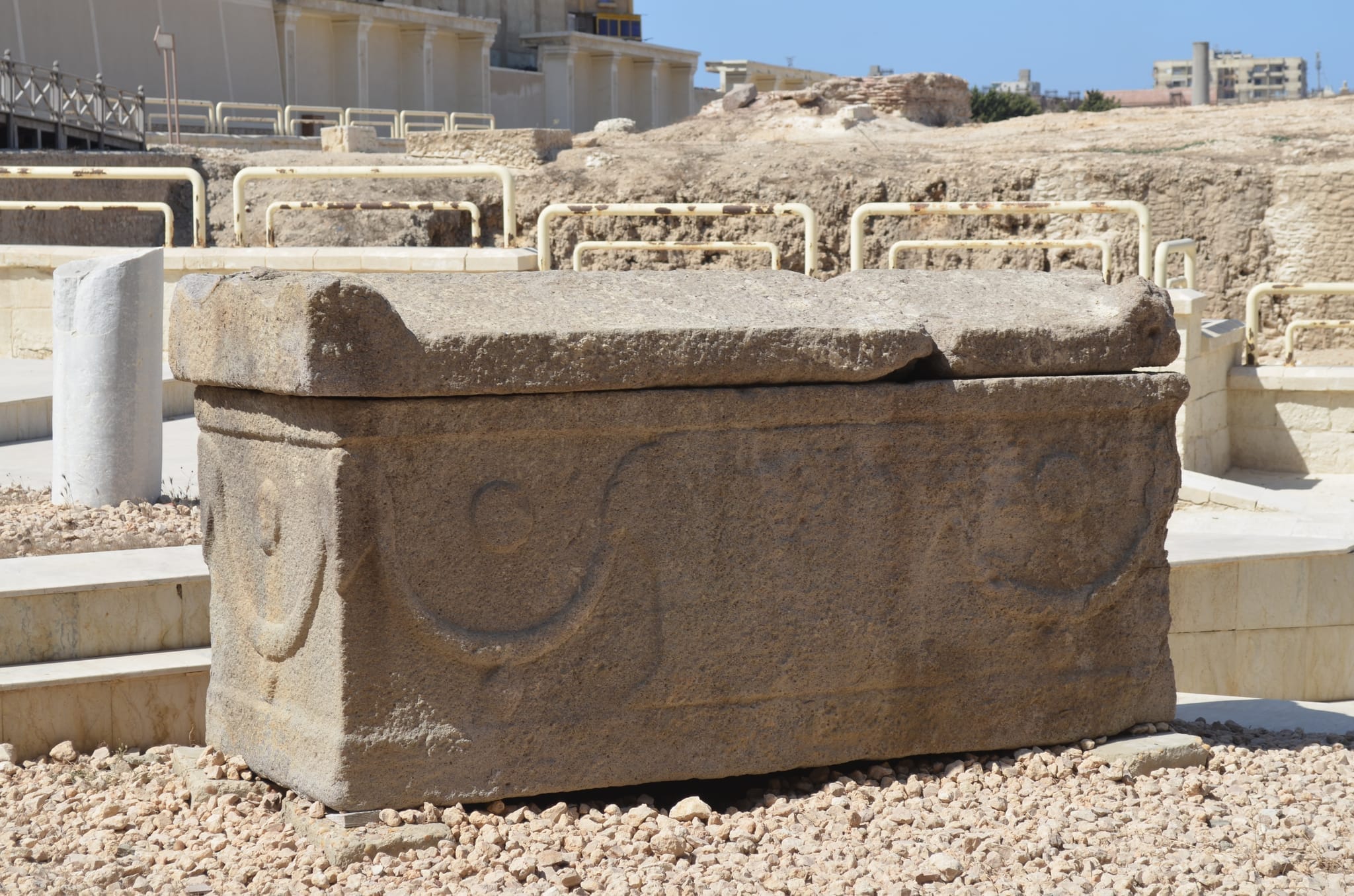
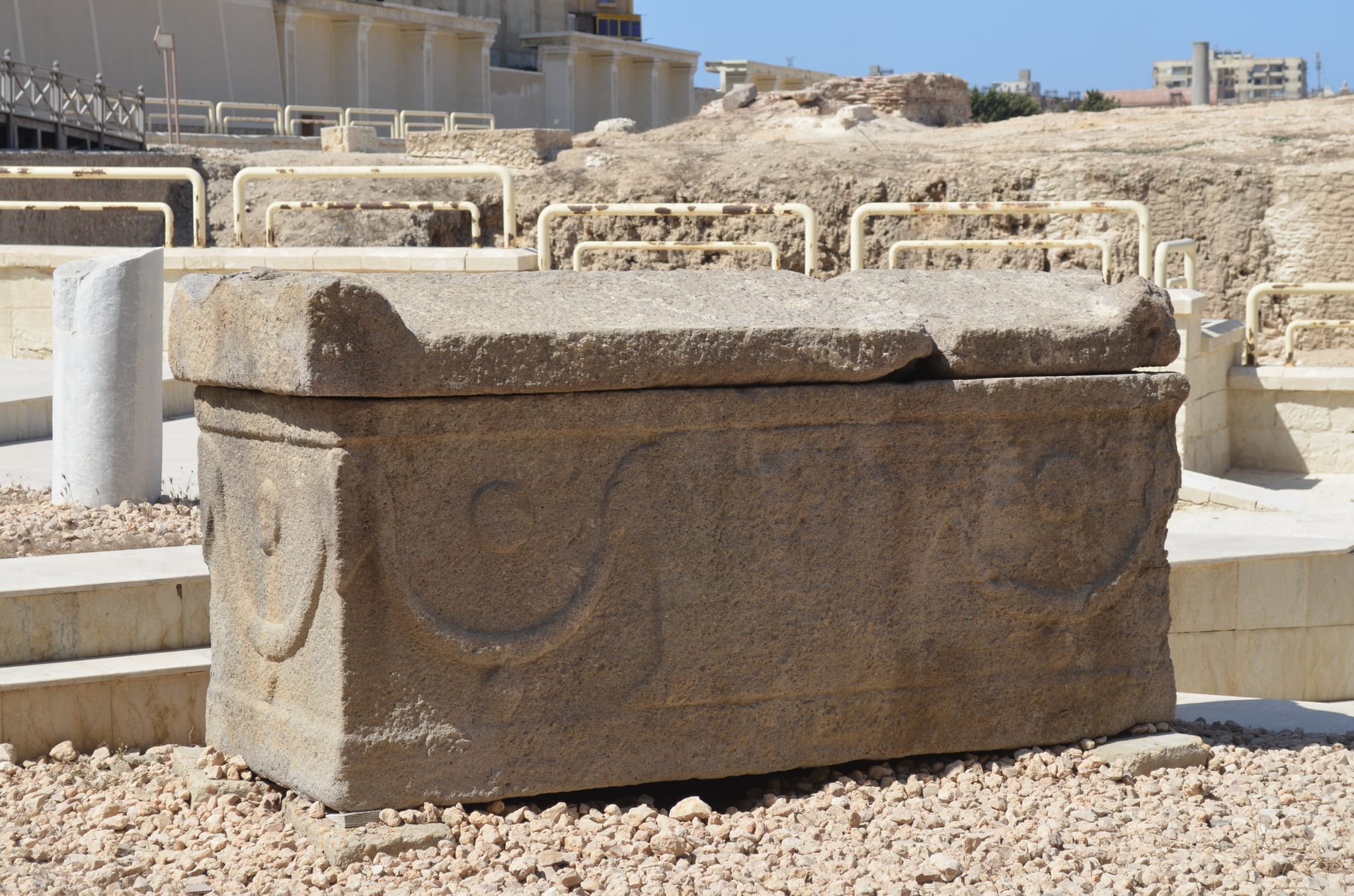
- Esfinges e Estátuas: Fique atento a vários artefatos menores, incluindo esfinges e fragmentos de estátuas, desenterrados durante escavações. Essas peças fornecem mais insights sobre as tradições religiosas e artísticas do período.
- Vistas Panorâmicas: Da posição elevada do local, você pode frequentemente desfrutar de vistas panorâmicas da moderna Alexandria, oferecendo um contraste marcante entre as paisagens urbanas antigas e contemporâneas.
Como Visitar a Coluna de Pompeu
Como Chegar
A Coluna de Pompeu está convenientemente localizada no distrito de Karmouz em Alexandria, tornando-a facilmente acessível a partir da maioria das partes da cidade. Táxis são a opção mais direta, e aplicativos de transporte também estão amplamente disponíveis. Muitos passeios organizados pela cidade de Alexandria incluem uma parada na Coluna de Pompeu, oferecendo uma maneira sem complicações de visitar junto com outras atrações principais.
Ingressos e Entrada
Os ingressos podem ser adquiridos diretamente na entrada do local. O custo é geralmente acessível, e pode haver preços separados para cidadãos egípcios, residentes árabes e visitantes estrangeiros. É sempre aconselhável ter algumas Libras Egípcias à mão para taxas de entrada e quaisquer pequenas compras.
Tempo Necessário
Reserve aproximadamente 1 a 1,5 horas para uma visita confortável. Isso permite tempo suficiente para admirar a coluna, explorar as ruínas do Serapeu ao redor e tirar fotografias sem se sentir apressado. Se você estiver particularmente interessado em arqueologia ou fotografia, pode estender sua estadia um pouco.
Melhor Época para Visitar & Dicas
Horários Ideais de Visita
A melhor época para visitar a Coluna de Pompeu, como muitos sites históricos ao ar livre no Egito, é durante os meses mais frescos de outubro a abril. As manhãs, logo após a abertura, e as tardes são ideais para evitar o calor do meio-dia e multidões maiores. A luz mais suave desses horários também é excelente para fotografia.
Dicas Práticas
- Calçados Confortáveis: O local envolve caminhar em terreno irregular, incluindo áreas escavadas e pedras antigas, então sapatos confortáveis são essenciais.
- Proteção Solar: Alexandria pode ser ensolarada, mesmo no inverno. Traga um chapéu, óculos de sol e protetor solar, especialmente se visitar durante os horários de pico do sol.
- Água: Mantenha-se hidratado, especialmente durante os meses mais quentes. Pode haver vendedores nas proximidades, mas é sempre bom levar sua própria garrafa de água.
- Guia: Considere contratar um guia local na entrada ou participar de um tour guiado para obter insights mais profundos sobre a história e a importância do local. As narrativas deles podem realmente dar vida às ruínas.
- Respeite o Local: Como um antigo sítio arqueológico, os visitantes são incentivados a respeitar as ruínas, abstendo-se de escalar estruturas ou remover artefatos.
Significado Histórico
Um Nome Enganoso de Grande Escala
Apesar de sua designação duradoura, o Pilar de Pompeu não tem associação direta com o general romano Gnaeus Pompeius Magnus. A denominação provavelmente se originou na Idade Média, produto do folclore popular e de uma má interpretação do contexto histórico.
Na verdade, a coluna foi erguida em 297 d.C. em homenagem ao imperador romano Diocleciano, comemorando seu triunfo sobre uma revolta em Alexandria e sua generosidade subsequente em distribuir grãos para a população da cidade durante um período de fome.
O Serapeu: Uma Maravilha Perdida
A coluna originalmente serviu como a característica central do magnífico Serapeu, um complexo de templos dedicado a Serápis, uma divindade greco-egípcia sintetizada por Ptolomeu I Sotere. O Serapeu foi um dos maiores e mais renomados templos do mundo antigo, abrigando uma biblioteca significativa que rivalizava, e talvez até complementasse, a Grande Biblioteca de Alexandria.
O complexo do templo foi amplamente destruído em 391 d.C. sob o decreto do imperador Teodósio I, durante a supressão do paganismo. O que resta hoje, incluindo o próprio pilar, oferece um vislumbre comovente da grandeza que foi perdida.
Passeios Visitando Pilar de Pompeu
Experiências privadas guiadas por egiptólogos com ingressos e transfers organizados para você.

Este passeio de dia inteiro vai de Cairo a Alexandria para cobrir cinco dos marcos arqueológicos da cidade em um único circuito guiado: o Teatro Romano, as…

Esta excursão diária de 12 horas saindo do Cairo leva os viajantes a uma viagem educacional pela história na cidade costeira mediterrânea de Alexandria. Os…

Este tour cultural de 13 dias cobre Cairo, Alexandria, Luxor e Aswan, combinando passeios baseados em hotel no norte com um cruzeiro de uma semana pelo Nilo…

Este tour de 14 dias abrange Cairo, uma estadia no Mar Vermelho em Hurghada e um cruzeiro pelo Nilo através de Luxor e Aswan, combinando monumentos antigos com…

Este pacote de 2 dias apresenta aos viajantes as duas maiores cidades do Egito, passando o primeiro dia no complexo das pirâmides de Gizé e nos museus do Cairo…

Este tour de 3 dias e 2 noites divide seu tempo entre os sítios antigos do Cairo e uma viagem de um dia a Alexandria, cobrindo as pirâmides de Gizé, Saqqara,…
Pilar de Pompeu — Perguntas Frequentes
Tudo o que você precisa saber antes de visitar Pilar de Pompeu.
1A Coluna de Pompeu está realmente relacionada a Pompeu, o Grande?
2O que mais posso ver no site além do pilar?
3Qual é o significado do Serapeu?
4Qual é a altura do Pilar de Pompeu?
5O site é acessível para cadeirantes?
Principais atrações em Alexandria
tours do Egito por destino
Navegue pelos passeios no Egito por categoria
- 1Pacotes de Tour pelo Egito
- 2Excursões de um dia no Egito
- 3Cruzeiros no Nilo
- 4Tours Sob Medida
- 5Pacotes de Lua de Mel
- 6Pacotes Familiares
- 7Pacotes de Luxo
- 8Pacotes Privados
- 9Pacotes para Pequenos Grupos
- 10Pacotes Tudo Incluído
- 11Excursões de Última Hora no Egito
- 12Cruzeiros Dahabiya
- 13Guia de Viagem do Egito
- 14Pacotes de Tour pelo Egito dos EUA
- 15Pacotes de Tour pelo Egito e Jordânia