
The Great Sphinx of Giza: Tours, Tickets & Guide
The world's most famous monument, the lion-bodied, human-headed Great Sphinx guards the Giza pyramids. Visit it with a private licensed Egyptologist who brings its riddles to life.
What to See at the Great Sphinx
The Colossal Lion-Bodied Guardian
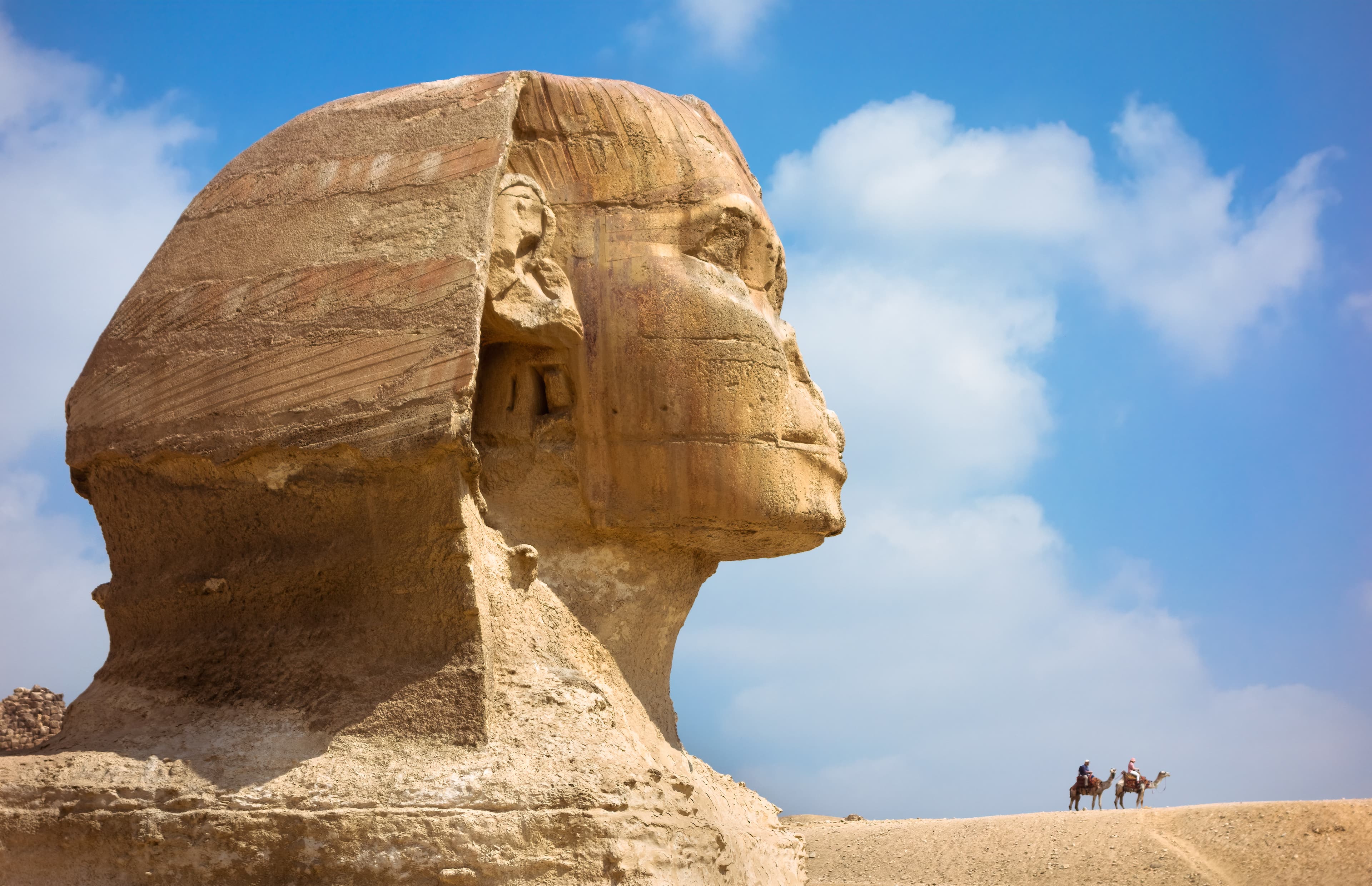
Carved from a single ridge of natural limestone, the Sphinx stretches roughly 73 metres long and stands about 20 metres tall, making it one of the largest monolithic statues on Earth and the symbolic guardian of the Giza necropolis.
The Face of Pharaoh Khafre
Most Egyptologists believe the human face wears the royal nemes headcloth and portrays Pharaoh Khafre, builder of the second pyramid, which rises directly behind the Sphinx. Your guide explains the alignment linking statue, causeway and pyramid.
The Dream Stela of Thutmose IV
Set between the great paws stands a pink granite slab recording how Prince Thutmose IV dreamed the Sphinx promised him the throne if he cleared the sand burying it. Clearing it, he later became pharaoh around 1400 BC.
The Missing Nose Mystery
The Sphinx famously lost its nose centuries ago. Despite the popular Napoleon myth, sketches predate his arrival, and the damage is generally attributed to deliberate defacement and long natural erosion. Your guide separates legend from evidence on site.
The Valley Temple and Sphinx Enclosure
Beside the Sphinx sits Khafre's Valley Temple, built from massive limestone and granite blocks where royal mummification rituals took place. Walking the enclosure reveals the weathered bedrock and the scale of the ancient quarrying.
Pyramids and Desert Panorama
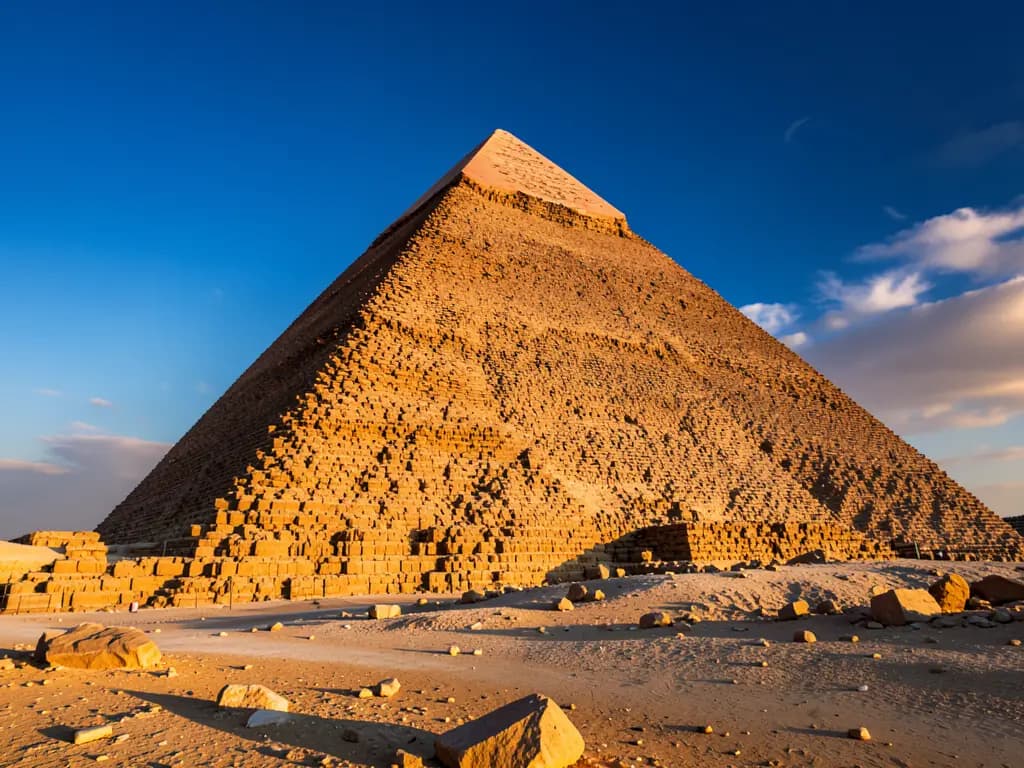
From the Sphinx terrace you frame the classic view of the monument with the Pyramid of Khafre and Great Pyramid of Khufu behind it. A short drive to the panorama point captures all three pyramids in a single sweep.
Plan Your Visit
Tickets and Entry
The Sphinx sits inside the main Giza Plateau archaeological zone, so the general plateau entry ticket covers viewing it; there is no separate Sphinx-only line. Entering the pyramids' interiors needs extra tickets. Your guide arranges everything in advance.
Opening Hours and Best Timing
The plateau generally opens around 8am daily, closing in the late afternoon and a little earlier in winter. Arrive at opening to beat the heat, crowds and tour-bus rush, with softer light ideal for photographing the Sphinx.
How Long to Spend
Allow around 30 to 45 minutes for the Sphinx, enclosure and Valley Temple, and about three to four hours for the whole plateau including the pyramids and panorama point. Pair it with the Grand Egyptian Museum nearby for a full day.
Why Book a Private Guided Tour
A licensed Egyptologist turns weathered stone into a clear story, handles tickets and transport, and finds the best photo angles while avoiding touts. Travel Joy offers private, flexible Giza tours with 24/7 WhatsApp support and TripAdvisor 5.0 reviews.
Private Giza Pyramids & Sphinx Tours
Hand-picked private experiences with licensed Egyptologist guides, tickets handled, and private transfers.
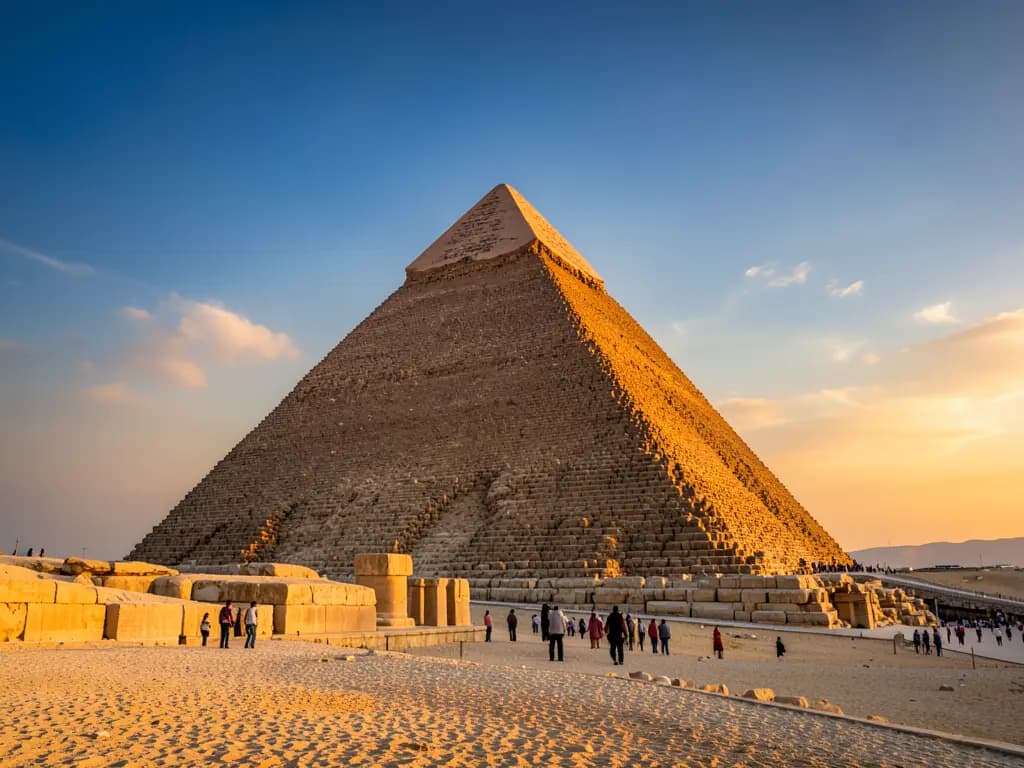
A Grande Pirâmide de Gizé, um ponto focal deste tour privado de dois dias a partir de Port Said, tem impressionantes 455 pés de altura mesmo hoje. Seu guia…
A imensidão da Grande Pirâmide, mesmo à distância, realmente tira o fôlego. Nossa viagem de um dia privada de Sokhna leva você diretamente a essa maravilha…
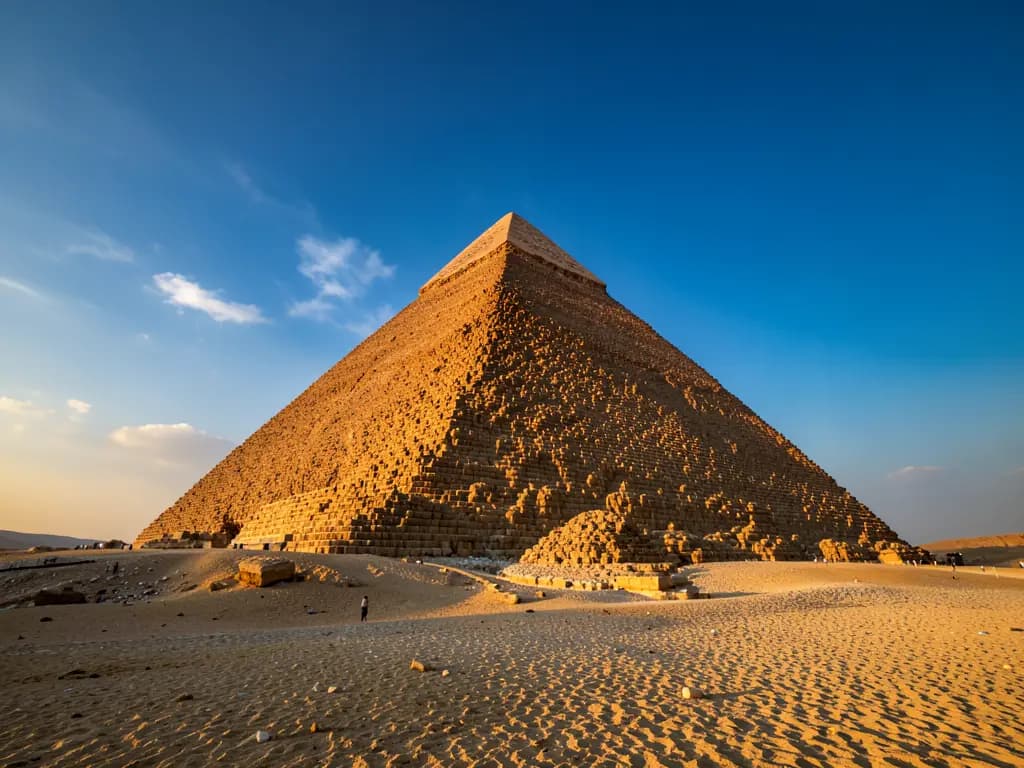
De Alexandria, passaremos um dia traçando a evolução arquitetônica das tumbas monumentais do antigo Egito. Esta viagem começa na Necrópole de Gizé, onde você…
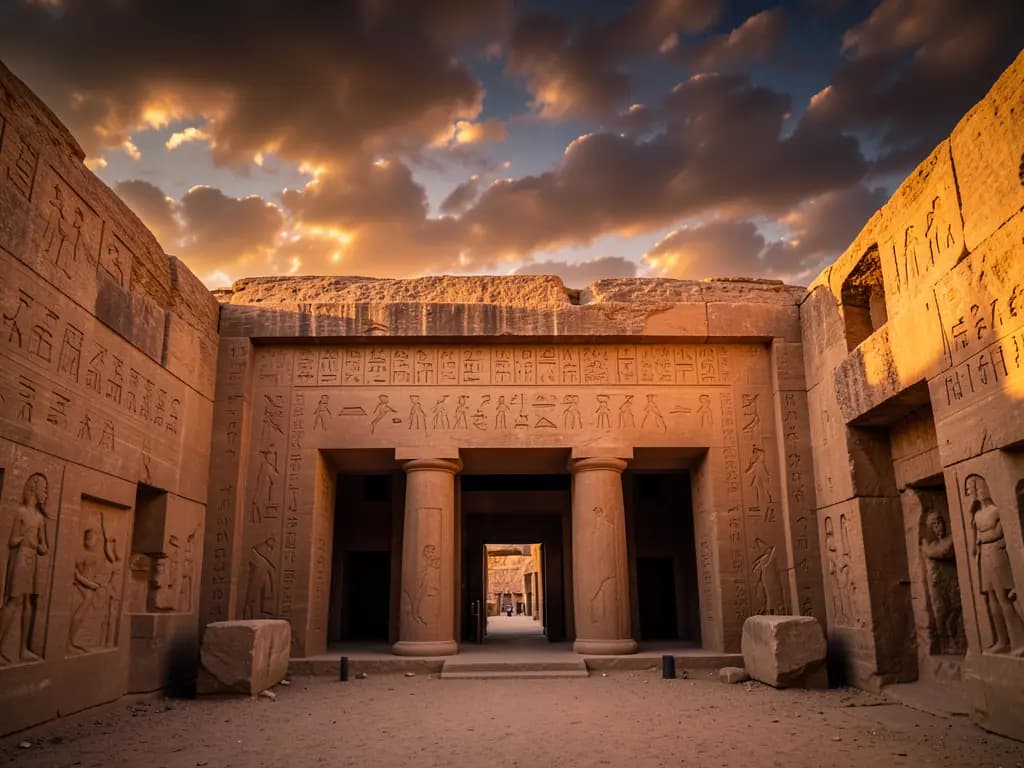
Do Porto de Alexandria, seguiremos diretamente em direção a Saqqara, uma paisagem crítica para entender as práticas funerárias do antigo Egito. Lá, seu guia…
Do movimentado e moderno porto de Port Said, nós o levaremos a um mundo que levou milhares de anos para ser criado. Esta viagem de um dia expressa é…
Para aqueles que buscam uma imersão genuína além dos caminhos turísticos habituais, este Super Safari do Porto de Safaga oferece uma profunda exploração do…
Great Sphinx FAQ
Can you go inside or touch the Great Sphinx?+
No. Visitors view the Great Sphinx from designated viewing terraces and the enclosure walkway, but the monument itself is fenced off to protect it, so you cannot climb on it or touch it. The terrace near the paws gives an excellent close-up view and the best photographs of the face, Dream Stela and the pyramids rising behind it.
Who built the Great Sphinx and how old is it?+
Most Egyptologists attribute the Great Sphinx to Pharaoh Khafre of the Fourth Dynasty, dating it to around 2500 BC, which makes it roughly 4,500 years old. Its face is widely believed to represent Khafre himself, whose pyramid stands directly behind it. A minority of researchers propose older dates, but the Khafre attribution remains the mainstream scholarly view.
What happened to the Great Sphinx's nose?+
The nose has been missing for centuries, and contrary to popular legend it was not shot off by Napoleon's troops, since drawings made before his 1798 campaign already show it gone. Historical accounts and sketches point to deliberate defacement in the medieval period, combined with long-term wind and sand erosion. Your guide explains the evidence on site versus the myths.
Do you need a separate ticket for the Sphinx?+
No separate Sphinx ticket is required. The Great Sphinx lies within the main Giza Plateau archaeological site, so the general plateau admission ticket includes viewing the Sphinx, its enclosure and Khafre's Valley Temple. Additional tickets are only needed to enter the interiors of the pyramids. On a Travel Joy private tour your guide buys all tickets for you in advance.
How do I combine the Sphinx with the Pyramids and the Grand Egyptian Museum?+
The Sphinx, the three pyramids and the panorama point are all on the same Giza Plateau, easily seen together in a half day. The Grand Egyptian Museum sits just a couple of kilometres away, a short drive from the plateau. A private full-day tour comfortably combines the Sphinx, pyramids and museum, with lunch in between, all in one itinerary.
When is the best time to visit the Great Sphinx?+
Visit early, right at opening around 8am, to enjoy cooler temperatures, thinner crowds and soft morning light that flatters the Sphinx and pyramids for photos. Late afternoon before closing is a good alternative. October to April brings the most comfortable weather; in summer the early start is essential to avoid the midday desert heat.