
Menkaureova pyramida: Prohlídky, Vstupenky a Průvodce pro návštěvníky
O Menkaureově pyramidě
Menkaureova pyramida: Trvalá pocta dávnému vládci
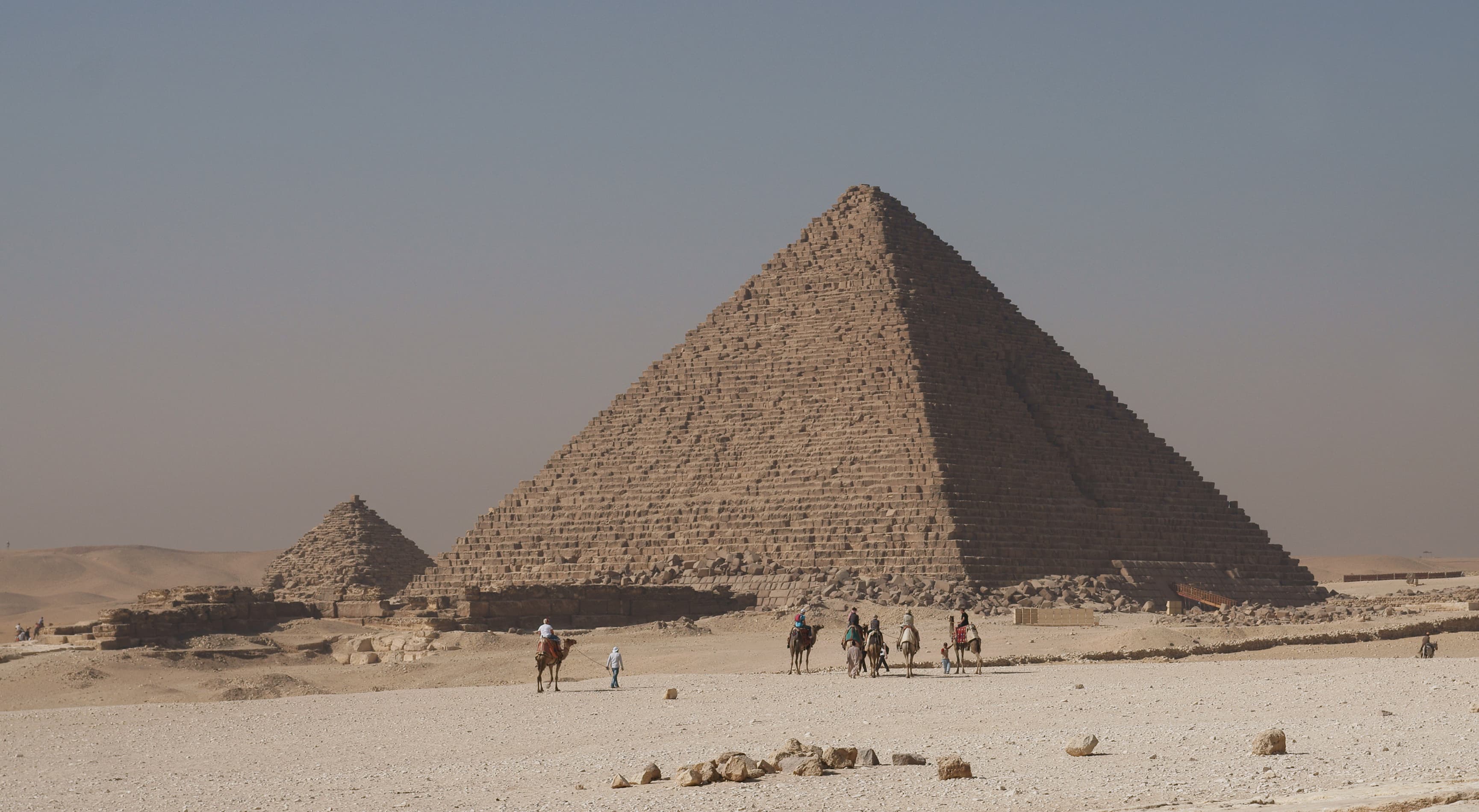
Odhalte nejmenší, ale hluboce významnou pyramidu mezi slavnou triádou v Gíze, Menkaureovu pyramidu. Tato pozoruhodná stavba slouží jako nadčasová pocta faraonovi Menkaureovi, který se vyznačuje jedinečnou žulovou základnou. I když je Menkaureovo monumentální místo odpočinku často zastíněno svými kolosálními sousedy, Velkou Chufuovou pyramidou a Chafrovou pyramidou, poskytuje zřetelnou a stejně poutavou cestu do dávné historie.
Jeho skromnější rozměry jsou v rozporu s jeho hlubokým historickým významem a sofistikovaným inženýrstvím spojeným s jeho konstrukcí. Když se přiblížíte, okamžitě si všimnete nápadného vizuálního rozdílu v jeho vnějším vzhledu. Na rozdíl od hladkého, hotového vápence ostatních pyramid je spodních šestnáct vrstev Menkaureovy pyramidy ozdobeno nádhernou červenou asuánskou žulou.
Přestože velká část této žuly nebyla nikdy vyleštěna nebo zcela dokončena, jak bylo zamýšleno, pouhé úsilí a ambice potřebné k přepravě a integraci tak masivních bloků jsou skutečně ohromující. Představte si, jak starověcí dělníci a stavitelé lomu pečlivě tvarují a přemisťují tyto obrovské kameny na stovky kilometrů – důkaz moci faraona a vyspělých schopností Egypta staré říše.
Čím je Menkaureova pyramida výjimečná?
Pyramida Menkaure, postavená ve 26. století jako místo posledního odpočinku Menkaureho syna Khafrhary, funguje jako místo posledního odpočinku Khafrhary. a vnuk Chufu. Jeho stavba znamenala mírnou odchylku od obrovského rozsahu jeho předchůdců, možná odrážející posun ve zdrojích nebo královských prioritách, přesto zůstává působivým úspěchem období Staré říše.
Jeho nejcharakterističtějším znakem je použití červené asuánské žuly pro spodní vrstvy, což je materiál výrazně tvrdší a náročnější na práci než místní vápenec používaný pro horní části. Tento výběr materiálu vypovídá o ambicích a zdrojích, které má Menkaure k dispozici, i když velkolepá vize plně žulové pyramidy nebyla nikdy zcela realizována. Pyramida původně dosahovala výšky přibližně 65 metrů (213 stop), čímž byla podstatně menší než Chufuových 146 metrů.
Přes jeho velikost, přesnost jeho konstrukce a zahrnutí tak exotických a obtížně zpracovatelných materiálů zdůrazňují pokračující závazek k monumentální architektuře a víru ve velkolepý posmrtný život faraona.
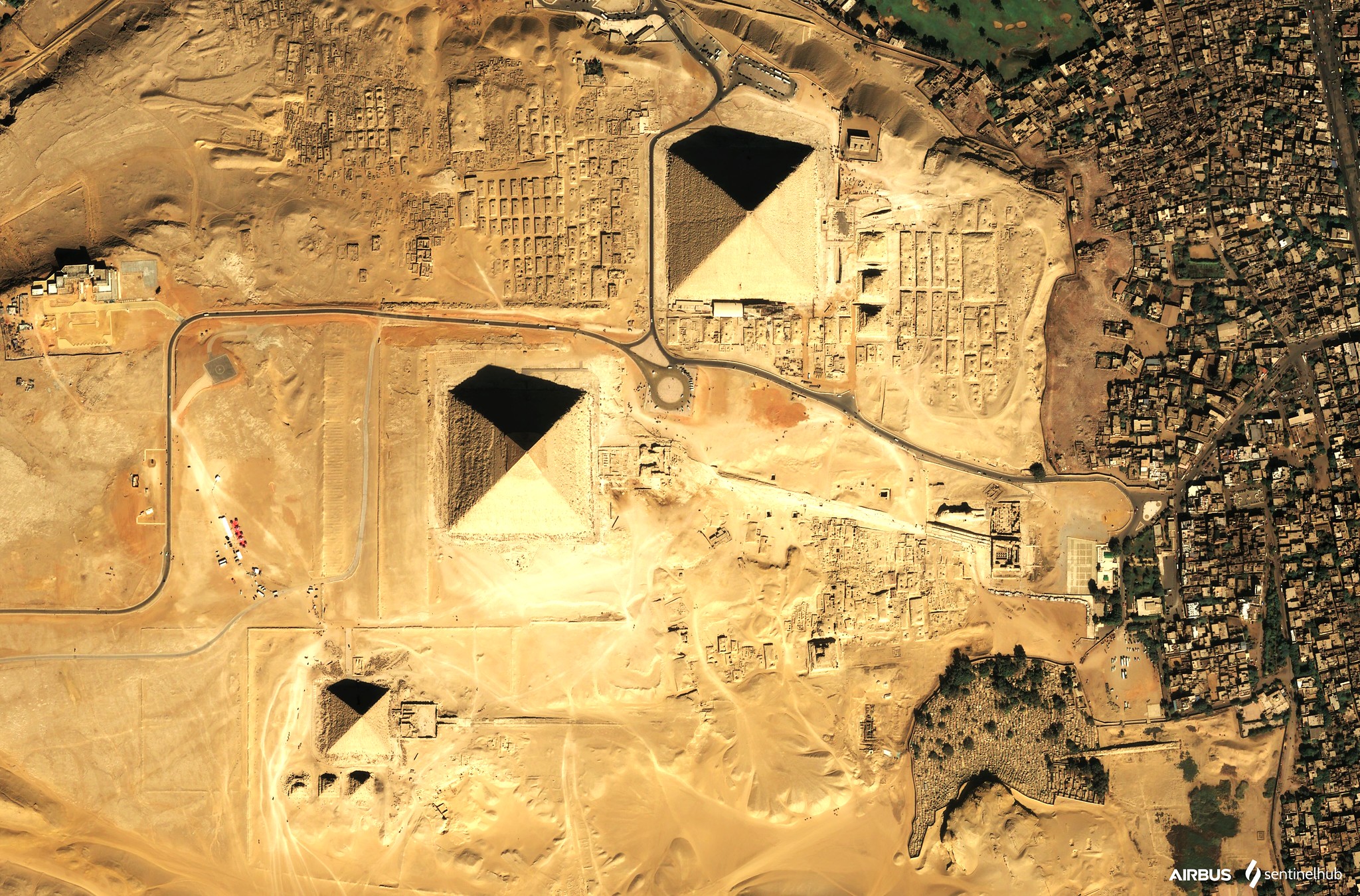
Kromě samotné pyramidy komplex zahrnuje tři menší královniny pyramidy, které poskytují další pohled na strukturu královské rodiny a pohřební praktiky té doby. Tyto satelitní pyramidy, i když méně velké, nabízejí pohled do života žen spojených s Menkaurem, pravděpodobně jeho královnami nebo jinými královskými družkami. Začlenění těchto menších staveb vedle hlavní pyramidy ilustruje složité plánování a odhodlání zajistit faraónovu věčnou pohodu v doprovodu jeho nejbližších.
Zatímco exteriér Menkaureovy pyramidy nabízí přesvědčivé vizuální vyprávění, návštěva uvnitř poskytuje intimnější spojení s jejím starobylým účelem. Vnitřní chodby, i když méně rozsáhlé než u Velké pyramidy, vedou do podzemních komnat, ve kterých se nacházel faraonův sarkofág. Tato cesta do srdce pyramidy umožňuje návštěvníkům ocenit pečlivé inženýrství a vážnost těchto pohřebních prostor.
Budete procházet úzkými chodbami a stoupat nebo sestupovat přes různé úrovně a zažít chladný a suchý vzduch, který tyto stavby uchoval po tisíciletí.
Základna pyramidy s nedokončenými žulovými bloky poskytuje jedinečnou příležitost pozorovat starověké stavební techniky z první ruky. Můžete vidět nahrubo otesané povrchy, kde lešticí práce přestaly, a nabízí hmatatelné spojení s dělníky, kteří zde dřeli před tisíci lety. Kolem pyramidy také najdete pozůstatky zádušního chrámu, který je základní součástí pyramidového komplexu, kde se prováděly rituály za zesnulého faraona.
Ačkoli jsou tyto základy a roztroušené bloky z velké části v troskách, naznačují kdysi velkolepé stavby, které podporovaly faraonův věčný kult.
Královniny pyramidy
K hlavní pyramidě přiléhají tři menší pyramidy, často označované jako královniny pyramidy. Ty byly pravděpodobně určeny pro Menkaureovy hlavní manželky nebo jiné královské ženy. Zkoumání těchto menších, ale stejně významných struktur poskytuje širší pochopení královských pohřebních praktik během Staré říše. Zatímco jejich interiéry jsou obecně méně přístupné nebo zachovalé než hlavní pyramida, jejich přítomnost dotváří obraz královské nekropole, určené pro celou posvátnou domácnost.
Jak navštívit Menkaureovu pyramidu
Snadno se tam dostat
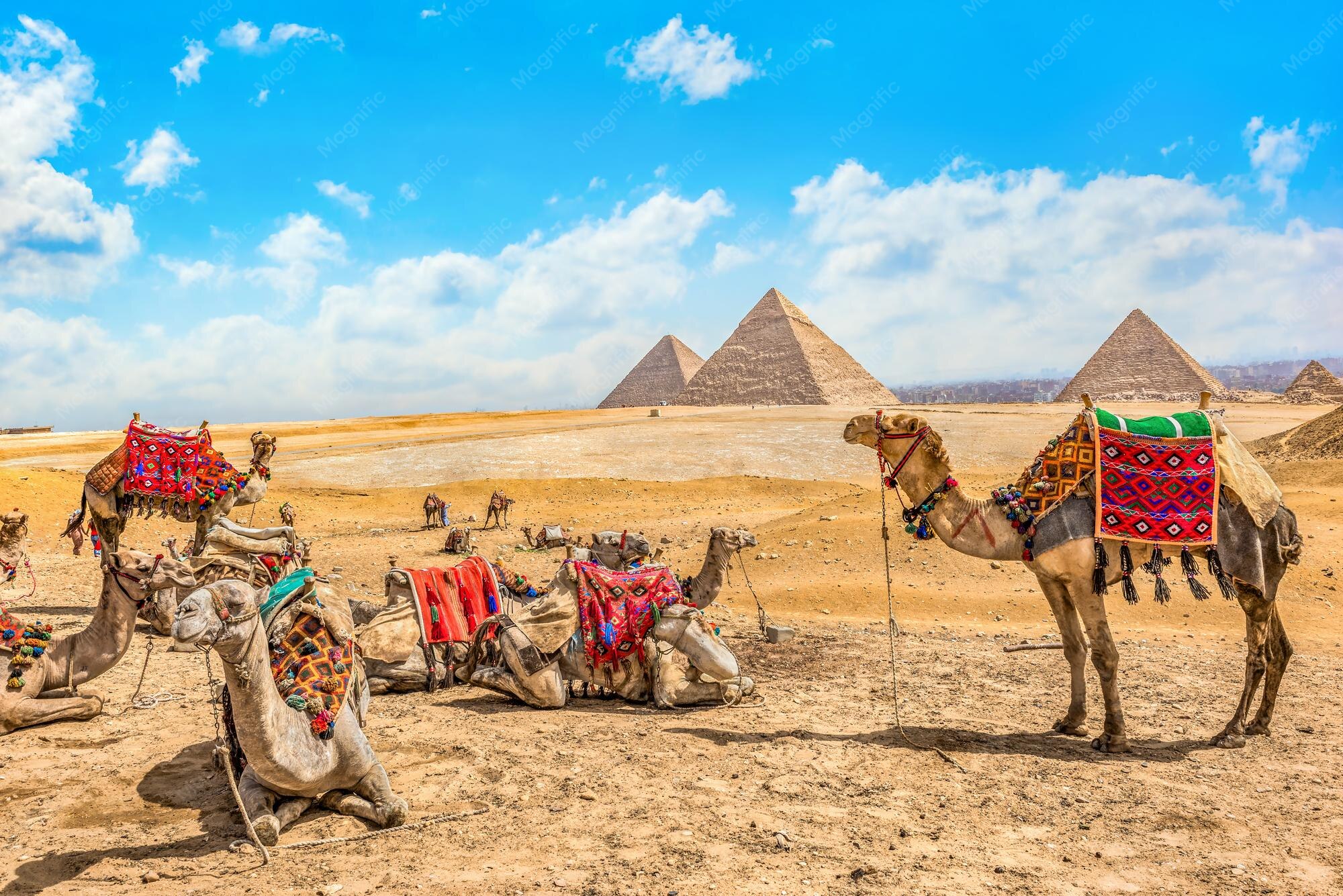
Pyramida v Gizaure se nachází na náhorní plošině Cairo. Většina návštěvníků zajišťuje dopravu pomocí taxi, aplikací pro sdílení jízd nebo prostřednictvím organizovaných zájezdů. Mnoho hotelů v Káhiře a Gíze nabízí kyvadlovou dopravu nebo může pomoci s rezervací soukromých řidičů. Jakmile budete u vchodu na plošinu v Gíze, můžete se projít, najmout si velblouda nebo koně nebo využít vnitřní kyvadlovou dopravu, abyste se dostali k pyramidovému komplexu.
Vstupenky a vstup
Vstup na plošinu v Gíze vyžaduje obecnou vstupenku, která umožňuje přístup na hlavní místo. Pro vstup do nitra Menkaureovy pyramidy je nutná další samostatná vstupenka. Tyto vstupenky lze zakoupit v pokladnách poblíž hlavního vchodu na plošinu v Gíze. Doporučujeme kupovat vstupenky brzy během dne, zejména během hlavní sezóny, abyste se vyhnuli dlouhým frontám.
Potřebný čas
Abyste mohli plně docenit Menkaureovu pyramidu a její okolní komplex, včetně královniných pyramid a pozůstatků zádušního chrámu, vyhraďte si alespoň 1 až 1,5 hodiny. To poskytuje čas na prozkoumání exteriéru, rozjímání o žulové základně a vstup do pyramidy, pokud si to přejete. Pokud plánujete navštívit další pyramidy a Sfingu na náhorní plošině, doporučuje se půldenní nebo celodenní návštěva celé nekropole v Gíze.
 Time to download & Visitest Tip nejlepší doba k návštěvě plošiny v Gíze, včetně Menkaureovy pyramidy, je během chladnějších měsíců říjen až duben. Počasí v těchto měsících je obecně mírné a příjemné, takže venkovní průzkum je pohodlnější. Snažte se dorazit brzy ráno, krátce po otevření, abyste se vyhnuli největším davům lidí a polednímu vedru, a to i v chladnějších obdobích. To také nabízí lepší příležitosti pro fotografování s měkčím světlem.
- Noste pohodlnou obuv: Budete hodně chodit po nerovném terénu.
- Vezměte si s sebou vodu: Zůstaňte hydratovaní, zvláště pokud jste na návštěvě v teplejších měsících.
- Ochrana před sluncem: Klobouk, sluneční brýle a opalovací krém jsou nezbytností.
- Opalovací krém je nezbytný. web: Dodržujte všechna pravidla a předpisy, včetně těch, které se týkají fotografování uvnitř pyramid.
- Zvažte průvodce: Znalý egyptolog může vaši návštěvu obohatit o historický kontext a fascinující pohledy do Menkaureova života a stavby pyramidy.
- Dejte si pozor na touty: Buďte zdvořilí, ale pevní, pokud vás osloví průvodci nebo neoficiální>
- .
Historický význam
Kronika vyrytá do žuly a vápence
Menkaureova pyramida, postavená ve 26. století př. n. l., fungovala jako místo posledního odpočinku faraona Menkaureho, syna Khafreho a vnuka Chufua. Její stavba znamenala mírnou odchylku od obrovského měřítka jejích předchůdců, což možná odráželo posun ve zdrojích nebo královských prioritách, přesto zůstává působivým úspěchem období Staré říše.
- Konstrukce a materiály: Pyramida původně dosahovala výšky přibližně 65 metrů (213 stop), čímž byla podstatně menší než Chufuových 146 metrů. Jeho nejcharakterističtějším znakem je použití červené asuánské žuly pro spodní chodby, což je materiál výrazně tvrdší a náročnější na práci než místní vápenec používaný pro horní části a plášť ostatních pyramid v Gíze.
- Nedokončené prvky: Důkazy naznačují, že pyramida nebyla zcela dokončena podle svého původního návrhu. Mnoho ze žulových bloků na spodních chodech zůstalo svlečeno, což naznačuje, že dokončovací práce, včetně leštění, byly buď opuštěny, nebo urychleny, možná kvůli Menkaureově smrti.
- Objevování a průzkum: Pyramida byla v průběhu historie předmětem studia různých archeologů a dobrodruhů. V 19. století odkryl plukovník Howard Vyse v pyramidě zbytky Menkaureovy dřevěné rakve a čedičový sarkofág. Sarkofág se tragicky ztratil na moři u pobřeží Španělska během přepravy do Britského muzea.
- Podružné pyramidy: Jižně od Menkaureovy primární pyramidy jsou tři menší pyramidy, o nichž se věří, že jsou hrobkami jeho královen nebo jiných členů královské rodiny, což poskytuje další pohled na pohřební zvyky té
Prohlídky navštěvující Menkaureovu pyramidu
Soukromé zážitky s egyptology, včetně vstupenek a transferů zařízených za vás.
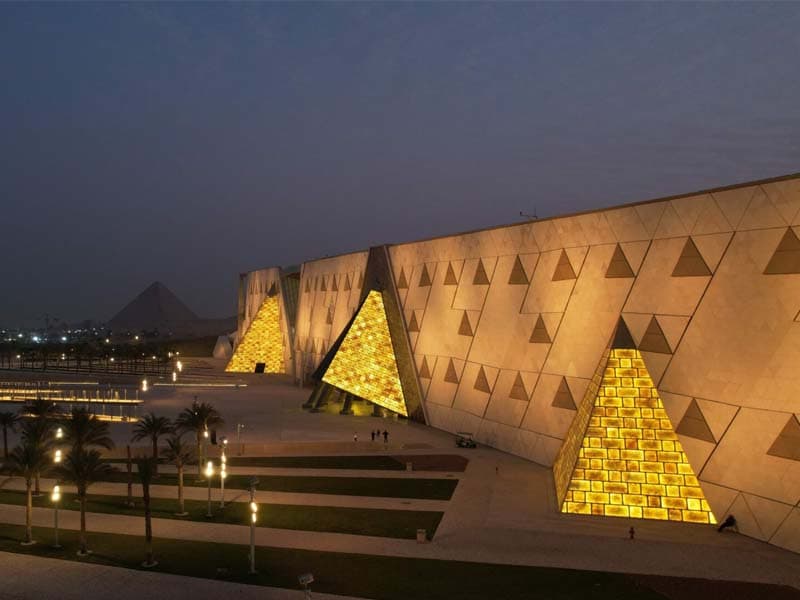
Obrovská velikost sochy Ramsese II uvnitř Velkého egyptského muzea je něco, co cítíte v kostech, tichý preludium k umění, které je uvnitř. Váš průvodce začíná…

Tato celodenní výletní plavba bere cestující z přístavu Sokhna do Káhiry, aby viděli pyramidy v Gíze, Velkou sfingu a Velké egyptské muzeum, s možnou zastávkou…

Tato celodenní výletní plavba bere pasažéry z přístavu Port Said do Káhiry, aby viděli pyramidy v Gíze, Velkou sfingu a Velké egyptské muzeum, s zastávkou,…
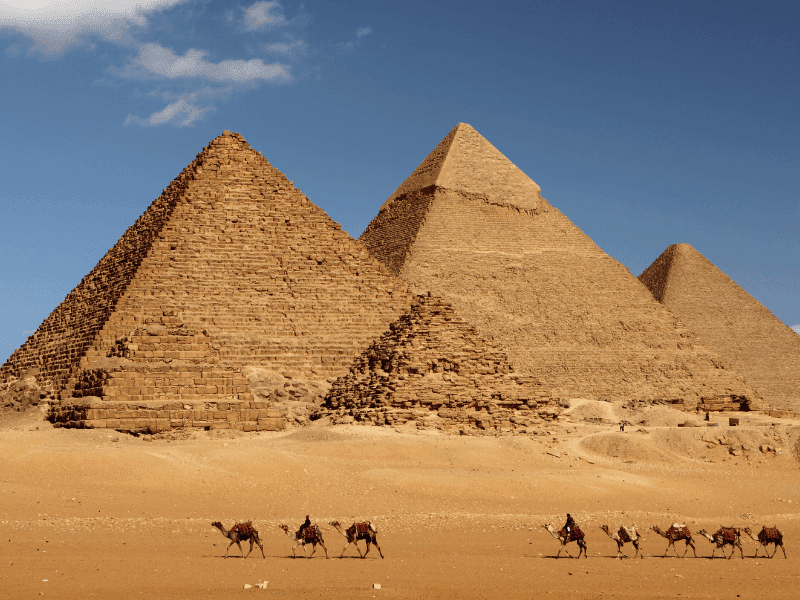
Tato celodenní prohlídka pokrývá Gízskou plošinu, komplex Stupňovité pyramidy v Sakkáře a ruiny starověkého Memphisu, sledující vývoj stavby pyramid napříč…
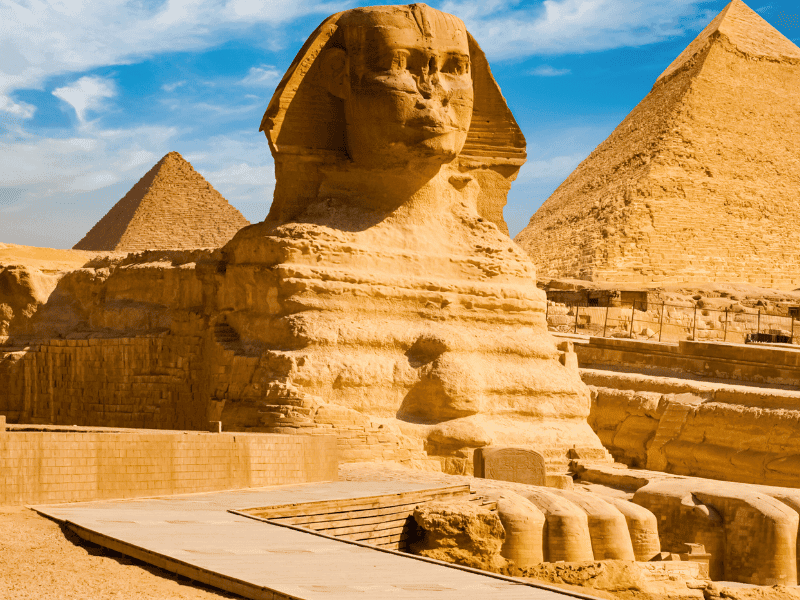
Tato celodenní výletní plavba z Port Saidu kombinuje návštěvu pyramidového komplexu v Gíze s obědovou plavbou po Nilu, což dává cestujícím na lodi jak…
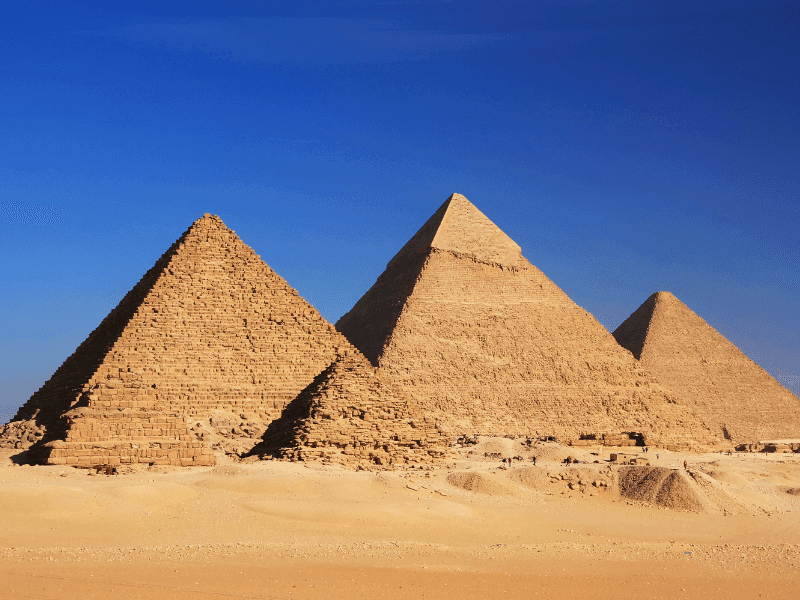
Tato celodenní výletní plavba z přístavu Sokhna spojuje pyramidy v Gíze s off-road jízdou po poušti a jízdou na velbloudovi poblíž Sakkary, což kombinuje…
Menkaureova pyramida — Často kladené otázky
Vše, co potřebujete vědět před návštěvou Menkaureovy pyramidy.
1Co je jedinečné na pyramidě Menkaure?
2Mohu jít dovnitř pyramidy Menkaure?
3Kdo byl faraon Menkaure?
4Je pyramida Menkaure menší než ostatní pyramidy v Gíze?
5Co se stalo se sarkofágem Menkaurea?
6Existují kolem Menkaureovy pyramidy další struktury?
Nejlepší atrakce v Káhira & Gíza
Egyptské zájezdy podle destinace
Prozkoumat egyptské zájezdy podle kategorie
- 1Egyptské turistické balíčky
- 2Egyptské denní výlety
- 3Námořní plavby po Nilu
- 4Cestování na míru
- 5Svatební cesty balíčky
- 6Rodinné balíčky
- 7Luxusní balíčky
- 8Soukromé balíčky
- 9Balíčky pro malé skupiny
- 10Balíčky s all-inclusive službami
- 11Last-Minute Egypt Tours
- 12Dahabiya plavby
- 13Egyptský průvodce po cestování
- 14Egyptské turistické balíčky z USA
- 15Egypt & Jordan Tour Packages