
Citadela Salah El Din: Prohlídky, Vstupenky a Průvodce pro Návštěvníky
O Citadele Salah El Din
Salah El Din Citadela: Nadčasový strážce nad Káhirou
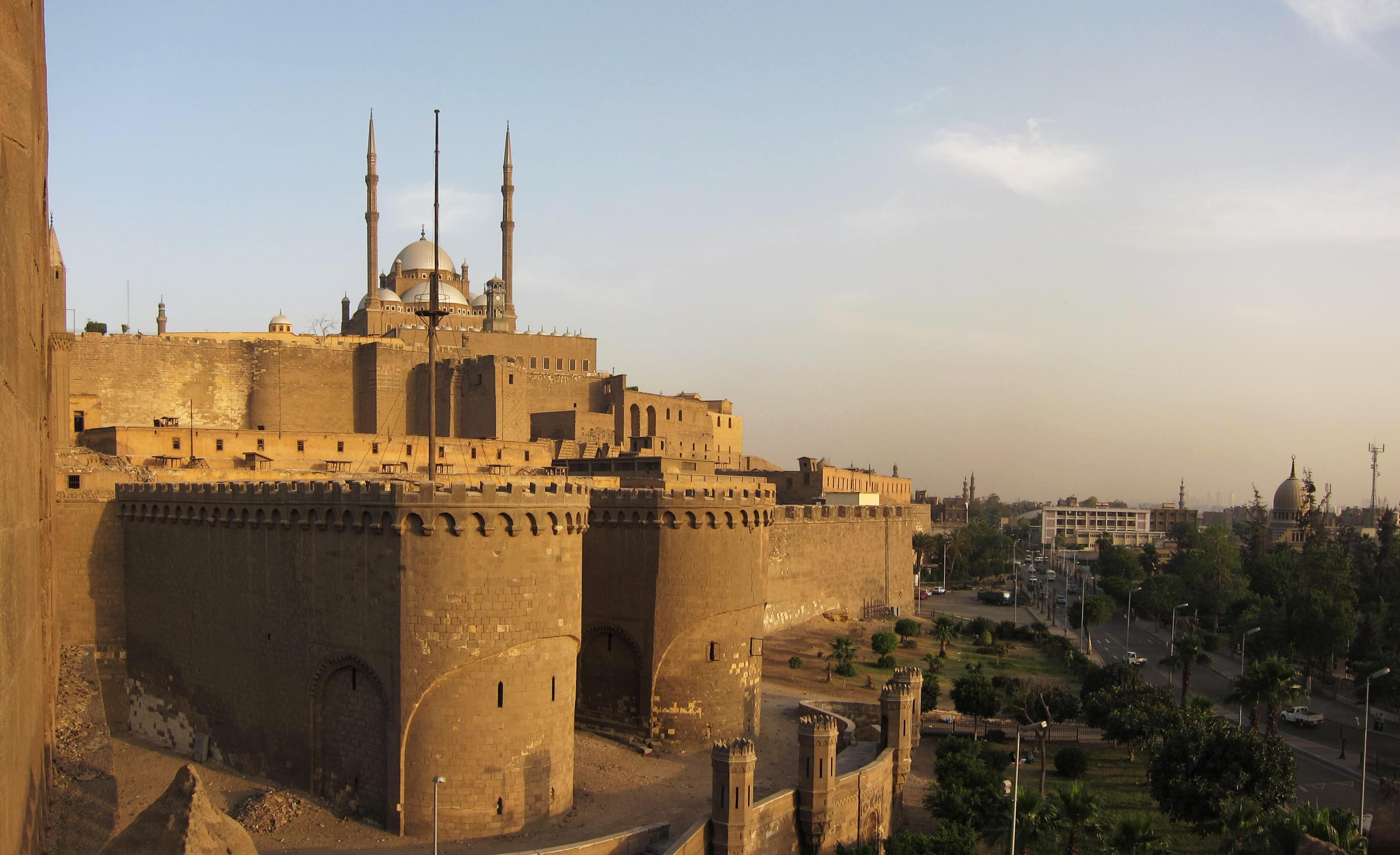
Dominující káhirské panorama jako strážce zmrzlý v čase, Salah El Din Citadela stojí jako nádherný středověký bastion, nabízející dechberoucí panoramatické výhledy na rozlehlou metropoli. Více než jen historická památka, tato impozantní stavba, uznaná jako místo světového dědictví UNESCO, představuje pohlcující cestu skrze století egyptské moci, vojenské síly a architektonického vývoje.
Jak se blížíte k Citadele, její strategické umístění, pečlivě vybrané Salah El Dinem (Saladin) ve 12. století k ochraně Káhiry před křížovými výpravami, se okamžitě ukazuje. Samotná velikost opevnění, charakterizovaná vysokými hradbami a robustními bránami, výmluvně komunikuje její trvalý obranný účel.
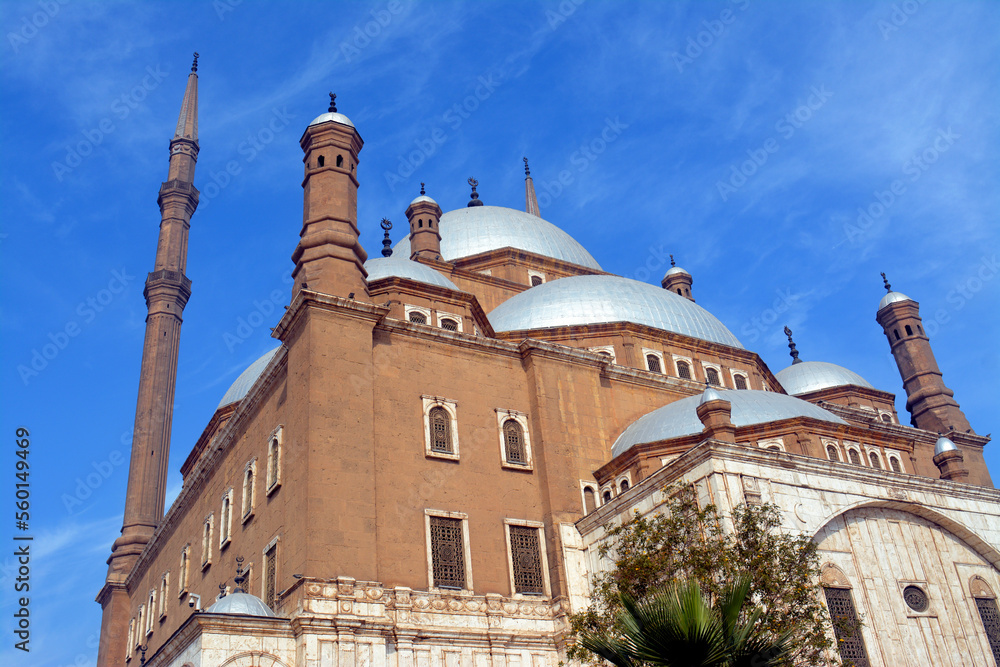
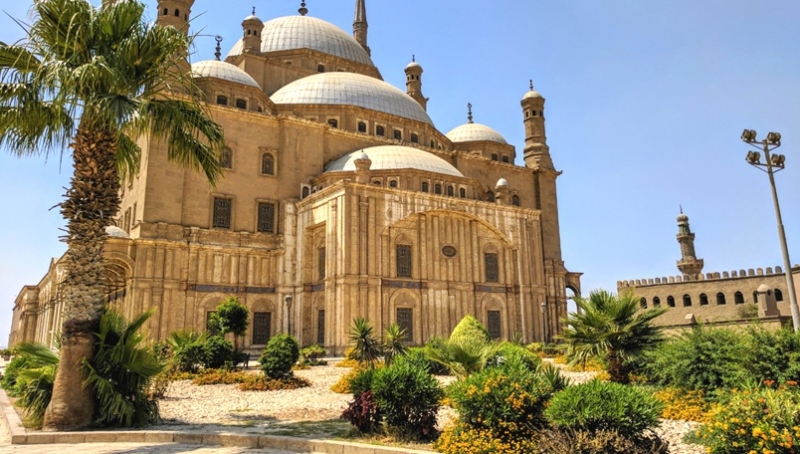
Uvnitř jejích vznešených zdí je nesporným středobodem ohromující mešita Muhammad Ali, často nazývaná Alabastrová mešita, která zve návštěvníky k prozkoumání jejího velkolepého interiéru a bohaté historie.
Co dělá Salah El Din Citadelu výjimečnou?
Salah El Din Citadela je svědectvím o vynalézavosti a moci po sobě jdoucích egyptských vládců. Její samotný základ byl položen legendárním ayyubidským sultánem Salah El Dinem (Saladin) v roce 1176 n.l., především jako impozantní obrana proti křížákům. Komplex rostl na významu a síle pod jeho nástupci, zejména sultánem Mamluků Al-Kamilem, který dokončil mnoho jeho impozantních věží a zdí.
Po téměř 700 let, od ayyubidského období přes Mamluky a Osmany, Citadela fungovala jako samotné srdce egyptské vlády a vojenské síly, sídlo moci, které bylo svědkem nesčetných klíčových okamžiků v historii národa.
Architektonická velkolepost a strategická genialita
Nad rámec její historické významnosti je Citadela zázrakem architektonických stylů, ukazující příspěvky různých epoch.
Zatímco Salah El Din zahájil robustní obranné struktury, následní sultáni Mamluků, včetně Al-Nasira Muhammada, rozšířili a posílili komplex, přidávající mešity a paláce, které odrážejí estetické cítění jejich doby. 19. století přineslo významný osmanský vliv, zejména s výstavbou mešity Muhammad Ali, která dramaticky přetvořila panorama Citadely svým charakteristickým osmanským barokním stylem.
Její strategická poloha na Mokattam Hills nejenže poskytovala bezkonkurenční obranné výhody, ale také dnes návštěvníkům nabízí bezkonkurenční výhledy, což z ní činí sen fotografa.
Co vidět uvnitř citadely
Vaše prozkoumávání citadely Salah El Din odhalí bohatství historických a architektonických pokladů:
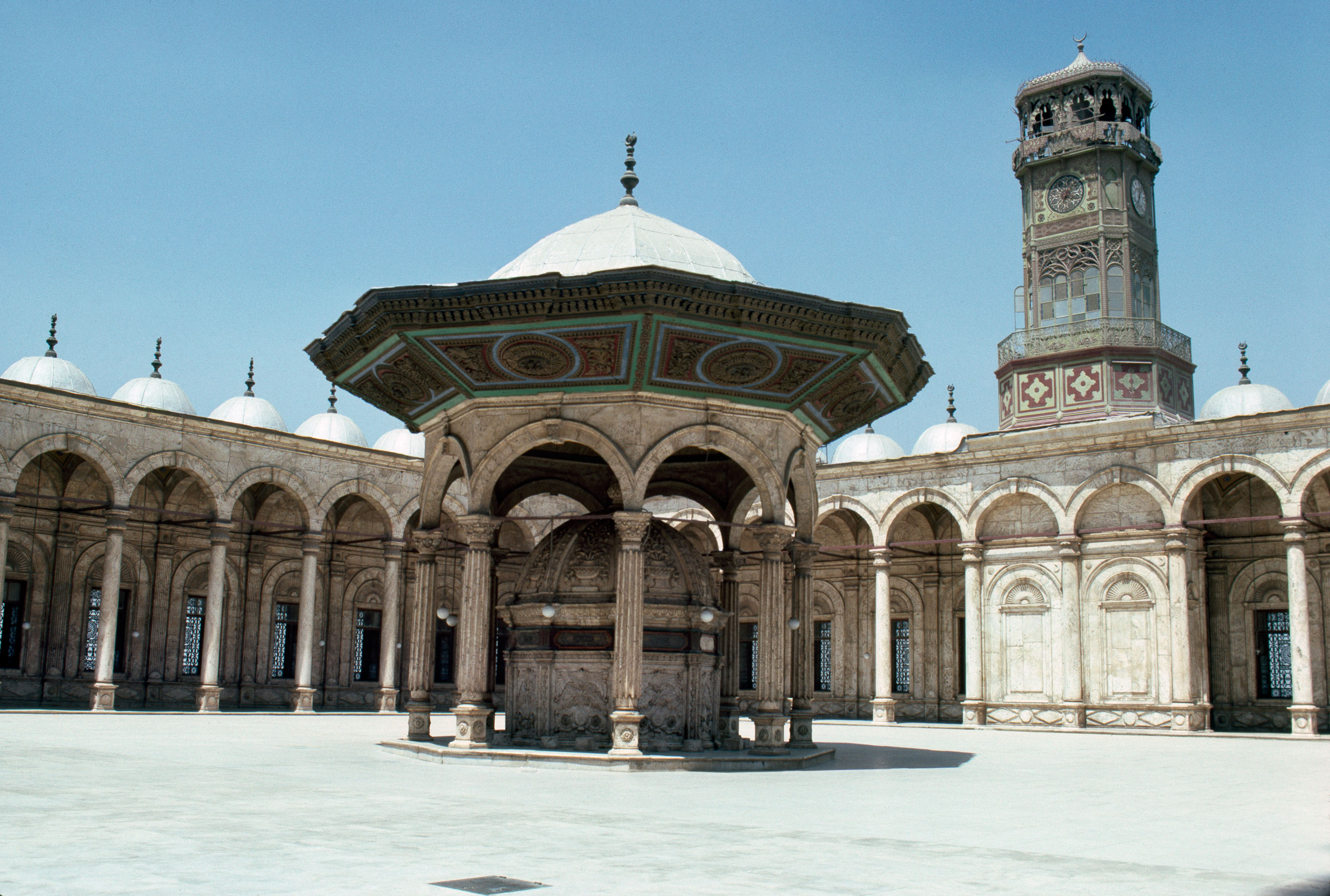
- Mešita Muhammad Ali (Alabastrová mešita): Toto je nepopiratelný vrchol. Její architektonický styl inspirovaný Osmanskou říší, s vysokými minarety a rozsáhlou centrální kupolí, představuje ohromující podívanou. Vstupte dovnitř a obdivujte složitou uměleckou práci, od nádherného alabastrového obložení, které jí dává její přezdívku, po velké lustry, jemná vitrážová okna a rozsáhlou modlitebnu. Rozsáhlý dvůr mešity také poskytuje úžasné příležitosti k fotografování.
- Palác Gawhara (Palác klenotů): Postavený Muhammad Ali Pašou, tento palác sloužil jako jeho rezidence a oficiální přijímací hala. Ačkoli některé části jsou v rekonstrukci, návštěvníci mohou často prozkoumávat jeho opulentní interiéry a obdivovat bohaté dekorace, které hovoří o luxusu 19. století.
- Mešita Al-Nasir Muhammad: Datovaná do doby Mamluků, tato mešita nabízí výrazný kontrast k mešitě Muhammad Ali v osmanském stylu. Její jednodušší, přesto elegantní design ukazuje architektonické trendy 14. století, s charakteristickými zeleno-bílými pruhovanými oblouky a krásným mihrabem (modlitební nikou).
- Vojenské muzeum: Umístěné v bývalém paláci harému, toto muzeum sleduje vojenskou historii Egypta od starověku po současnost, vystavující zbraně, uniformy a artefakty.
- Muzeum policie: Nacházející se poblíž hlavní brány, toto menší muzeum představuje historii egyptské policie.
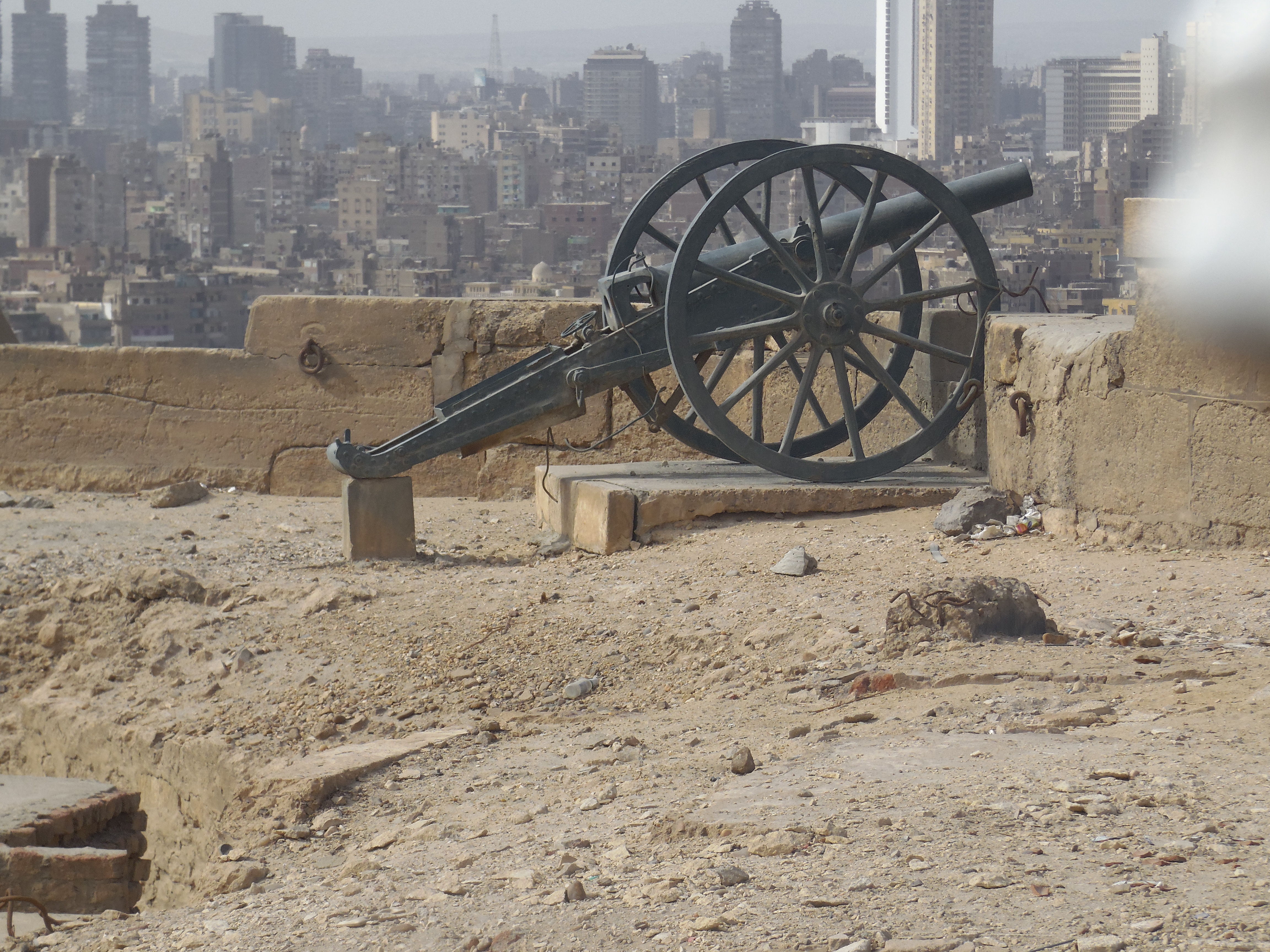
- Panoramatické výhledy: Z různých vyhlídkových míst uvnitř citadely, zejména poblíž mešity Muhammad Ali, můžete obdivovat dechberoucí panoramatické výhledy na Káhiru, táhnoucí se od pyramid v Gíze v dáli po rušné město pod vámi. To samo o sobě stojí za návštěvu!
Jak navštívit citadelu Salah El Din
Doprava:
Citadela Salah El Din je snadno dostupná odkudkoli v Káhiře. Taxislužby a služby sdílení jízd (jako Uber nebo Careem) jsou nejpohodlnější možnosti. Uveďte svému řidiči "Citadela Salah El Din" nebo "Mešita Mohameda Aliho". Veřejné autobusy také obsluhují tuto oblast, ale jejich orientace může být pro návštěvníky poprvé náročná.
Vstupenky:
Po příjezdu si zakoupíte vstupenku na hlavní bráně. Vstupenka obvykle zahrnuje přístup do celého komplexu Citadely, včetně mešity Muhammada Alího, mešity Al-Nasir Muhammada a různých muzeí. Mohou být účtovány další malé poplatky za fotografování v určitých oblastech, takže se zeptejte, pokud si nejste jisti. Mějte vstupenku po ruce, protože může být kontrolována na různých místech.
Potřebný čas:
Abychom plně ocenili Citadelu a její různé atrakce, vyhraďte si alespoň 2,5 až 4 hodiny. To poskytuje dostatek času na prozkoumání mešity Muhammada Alího, procházku po nádvořích, návštěvu dalších mešit a muzeí a vychutnání si nádherných výhledů. Pokud máte zvláštní zájem o vojenskou historii nebo chcete déle obdivovat výhledy, můžete svou návštěvu prodloužit.
Nejlepší čas na návštěvu a tipy
Nejlepší čas:
Ideální čas na návštěvu Citadely Salah El Din je během chladnějších měsíců října až dubna. Počasí je příjemné, což usnadňuje delší prozkoumávání. Ráno je obvykle méně přeplněné a nabízí měkčí světlo pro fotografování. Návštěva brzy během dne vám také umožní vychutnat si výhledy předtím, než se nad městem usadí případná mlha.
Tipy pro vaši návštěvu:
- Oblékněte se vhodně: Při návštěvě mešit by se muži i ženy měli oblékat skromně. Ženy by měly zakrýt ramena a kolena a šátek na hlavu je vyžadován pro vstup do modliteben mešit (tyto jsou často k dispozici k pronájmu nebo zapůjčení na vstupu, pokud žádný nemáte).
- Pohodlná obuv: Budete hodně chodit po nerovných površích a šplhat po schodech, takže pohodlné boty jsou nutností.
- Pijte dostatek vody: Zvlášť během teplejších měsíců si vezměte láhev s vodou. Obvykle jsou uvnitř komplexu prodejci, kde si můžete zakoupit nápoje.
- Ochrana před sluncem: Klobouk, sluneční brýle a opalovací krém jsou doporučovány, protože většina vaší návštěvy bude venku.
- Vyjednávání: Pokud si zakoupíte suvenýry od prodejců uvnitř nebo poblíž Citadely, pamatujte, že vyjednávání je zvykem.
- Respektující fotografování: Ačkoli je fotografování obecně povoleno, buďte ohleduplní a respektujte, zejména uvnitř míst uctívání. Před fotografováním jednotlivců se zeptejte na povolení.
Citadela Salah El Din nabízí fascinující kombinaci historie, architektury a dechberoucích panoramat, což z ní činí nezapomenutelnou destinaci pro každého návštěvníka Káhiry.
Historický význam
Bašta vykovaná v čase
Stavbu citadely Salah El Din zahájil legendární ajjúbovský sultán Salah El Din (Saladin) v roce 1176 n. l., především na obranu Káhiry proti křižákům. Jeho vývoj pokračoval za jeho nástupců, zejména mamlúckého sultána Al-Kamila, který dokončil mnoho z jeho impozantních věží a zdí. Téměř 700 let, od ajjúbovského období přes mamlúky a Osmany, fungovala citadela jako sídlo egyptské vlády a vojenské síly.
Od středověké pevnosti po osmanskou nádheru
- 12. století: Zahajuje se stavba, pokládání základů pro Salah El Dinfen. komplex.
- Mamlúcká éra: Následní mamlúckí sultáni, včetně Al-Nasira Muhammada, rozšířili a posílili Citadelu, přidali mešity a paláce.
- 19. století: Muhammad Ali Pasha, architekt moderního Egypta, provedl rozsáhlý projekt rekonstrukce. Rozebral mnoho mamlúckých staveb, aby postavil svou velkolepou mešitu a paláce, a přeměnil tak Citadelu do současné podoby ovlivněné Osmanskou říší.
- Moderní éra: Citadela se změnila z vládního centra na prominentní historickou a turistickou destinaci, která chrání staletí egyptského dědictví.
Prohlídky navštěvující Citadelu Salah El Din
Soukromé zážitky s egyptology, včetně vstupenek a transferů zařízených za vás.
Tato 10denní malá skupinová cesta po Egyptě začíná v Káhiře a pokračuje plavbou po Nilu mezi Aswanem a Luxorem až k pobytu u Rudého moře v Hurghadě, kombinuje…
Tato 10denní organizovaná cesta, kterou po celou dobu vede průvodce Travel Joy Egypt Jessica, kombinuje místa v Káhiře a údolí Nilu v Egyptě s rozšířením do…
Tato 13denní kulturní cesta pokrývá Káhiru, Alexandrii, Luxor a Asuán, kombinuje hotelové prohlídky na severu s týdenní plavbou po Nilu skrze chrámy a hrobky…
Tento 14denní luxusní zájezd kombinuje Káhiru v Egyptě, údolí Nilu a pobřeží Rudého moře s rozšířením v Jordánsku v Ammánu, mísí starověké památky, plavbu po…
Tento 15denní luxusní zájezd je jedním z nejdelších itinerářů Travel Joy Egypt, pokrývající Káhiru, Alexandrii, plavbu po Nilu přes Asuán, Abu Simbel, Kom…
Tato 3denní, 2noční prohlídka rozděluje svůj čas mezi starověké památky Káhiry a výlet do Alexandrie, zahrnující pyramidy v Gíze, Sakkáru, Memfis, římské…
Citadela Salah El Din — Často kladené otázky
Vše, co potřebujete vědět před návštěvou Citadely Salah El Din.
1Jaký je hlavní vrchol Citadely Salah El Din?
2Existují v komplexu Citadely další atrakce kromě mešity Muhammada Aliho?
3Je Citadela Salah El Din přístupná pro návštěvníky s pohybovými obtížemi?
4Kolik času bych měl vyhradit na návštěvu Citadely Salah El Din?
5Jaký je význam Salah El Din ve vztahu k Citadele?
Nejlepší atrakce v Káhira & Gíza
Egyptské zájezdy podle destinace
Prozkoumat egyptské zájezdy podle kategorie
- 1Egyptské turistické balíčky
- 2Egyptské denní výlety
- 3Námořní plavby po Nilu
- 4Cestování na míru
- 5Svatební cesty balíčky
- 6Rodinné balíčky
- 7Luxusní balíčky
- 8Soukromé balíčky
- 9Balíčky pro malé skupiny
- 10Balíčky s all-inclusive službami
- 11Last-Minute Egypt Tours
- 12Dahabiya plavby
- 13Egyptský průvodce po cestování
- 14Egyptské turistické balíčky z USA
- 15Egypt & Jordan Tour Packages