
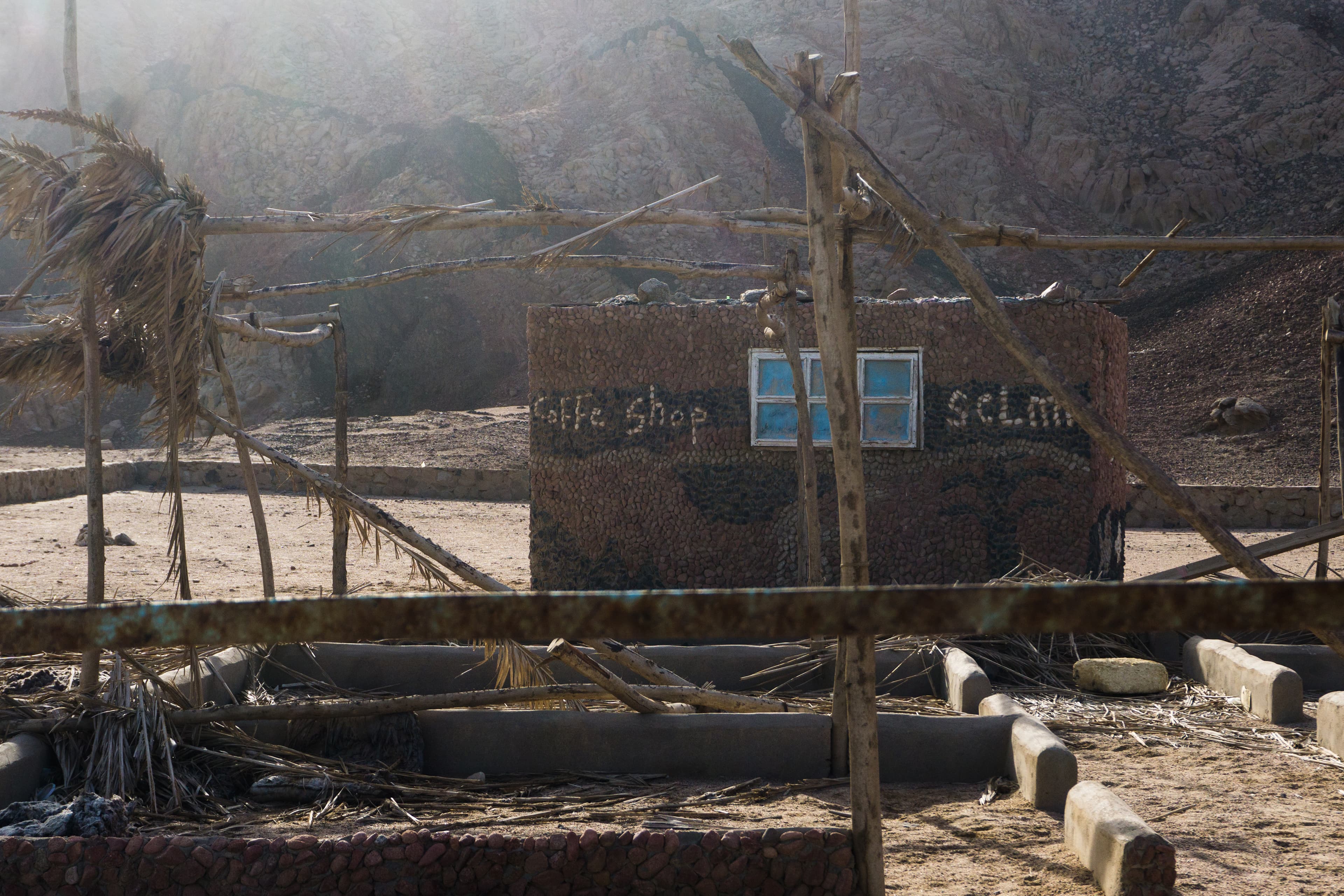
Protektorat Ras Abu Galum: Touren, Tickets & Besucherführer
Über das Protektorat Ras Abu Galum
Entdecken Sie das Protektorat Ras Abu Galum: ein Juwel des Roten Meeres
Das Protektorat Ras Abu Galum liegt am faszinierenden Golf von Aqaba und ist ein unvergleichlicher Zufluchtsort, ein Beweis für die raue, ungezähmte Schönheit der Küste des Roten Meeres in Ägypten. Dieses ausgewiesene Schutzgebiet liegt nördlich der pulsierenden Stadt Dahab und bietet ein atemberaubendes Panorama, bei dem beeindruckende Granitberge dramatisch in das azurblaue Wasser stürzen.
Es ist ein Ort, an dem die karge Wüstenlandschaft die lebendige Meereswelt in einem spektakulären Schauspiel umarmt und ein einzigartiges Ökosystem fördert, das sowohl über als auch unter den Wellen gedeiht. Besucher von Ras Abu Galum sind sofort von seiner unberührten Pracht fasziniert und tauchen in ein Reich ein, in dem die Kunst der Natur voll zur Geltung kommt.
Das Gelände wird von majestätischen Gipfeln dominiert, die über Jahrtausende durch die unerbittlichen Kräfte von Wind und Wasser geformt wurden und eine dramatische und imposante Kulisse für das lebhafte Meeresleben darunter bilden. Dieses Schutzgebiet ist weltweit für seine außergewöhnlichen Schnorchel- und Tauchmöglichkeiten bekannt und lockt Abenteurer und Naturliebhaber gleichermaßen in seine kristallklaren Tiefen.
Unter der Oberfläche werden Taucher und Schnorchler blühende Korallenformationen entdecken, in denen es von einer erstaunlichen Vielfalt an farbenfrohen Fischen, anmutigen Meeresschildkröten und einer Vielzahl anderer faszinierender Wasserlebewesen wimmelt.
Die berühmte Blaue Lagune, eine flache, geschützte Bucht innerhalb des Schutzgebiets, ist besonders wegen ihres ruhigen, schillernden Wassers und der außergewöhnlich lebendigen Korallengärten beliebt und bietet eine unvergessliche Begegnung mit der Unterwasserwelt.
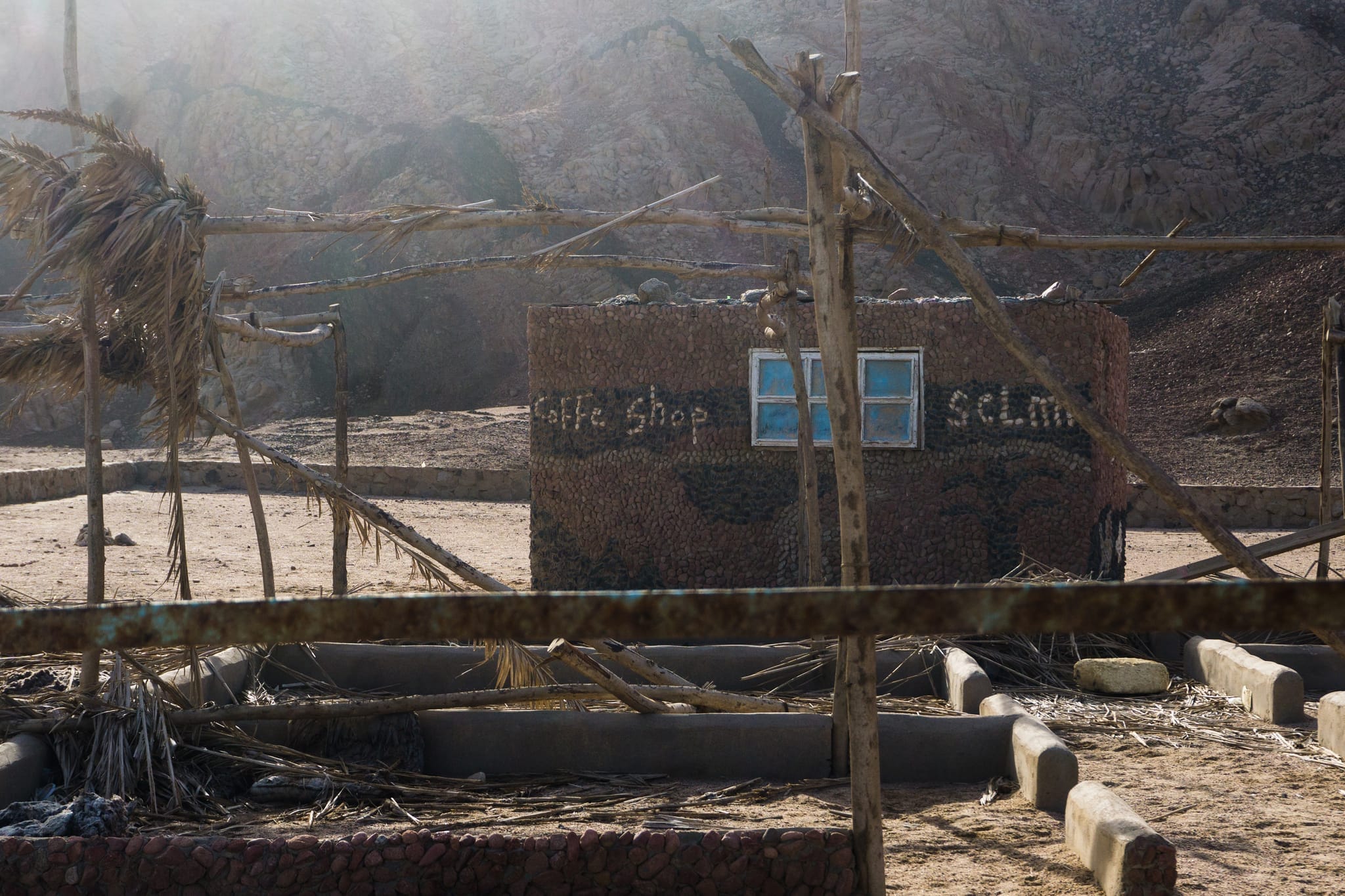
Was das Schutzgebiet Ras Abu Galum ausmacht Das Besondere?
Der Reiz von Ras Abu Galum liegt in seiner unberührten und harmonischen Mischung aus Wüsten- und Meeresökosystemen. Im Gegensatz zu vielen entwickelten Küstengebieten bietet dieses Schutzgebiet ein authentisches, unberührtes Erlebnis, eine wahre Flucht in die Natur.
Die Ausweisung als Schutzgebiet durch die ägyptische Regierung im Jahr 1992 war ein entscheidender Moment für den Schutz seiner einzigartigen Artenvielfalt, insbesondere der unberührten Korallenriffe und Wüstenökosysteme, die zuvor unreguliertem Tourismus und unregulierter Entwicklung ausgesetzt waren. Die tiefe Verbundenheit der lokalen Beduinenstämme, die dieses Gebiet seit Jahrhunderten bewohnen, ist ein wesentlicher Bestandteil seines besonderen Charakters.
Ihre traditionellen Erkenntnisse und ihre nachhaltige Lebensweise waren entscheidend für die Aufrechterhaltung des ökologischen Gleichgewichts und boten den Besuchern einen Einblick in ein harmonisches Zusammenleben mit der Natur.
Ein einzigartiges Ökosystem, in dem Wüste auf Meer trifft
Das dramatische Zusammentreffen hoch aufragender, schroffer Berge und des kristallklaren Roten Meeres schafft eine wirklich einzigartige Umgebung. Dieses geografische Wunder beherbergt eine vielfältige Flora und Fauna, die sowohl an die trockenen Wüstenbedingungen als auch an die reiche Meeresumwelt angepasst ist. Über der Erde können Besucher Wüstenfüchse, verschiedene Vogelarten und einzigartige Wüstenpflanzen beobachten.
Unter der Oberfläche sind die Korallenriffe ein Kaleidoskop des Lebens mit einer unglaublichen Vielfalt an Arten, die jedes Schnorchel- oder Taucherlebnis unvergesslich machen.
Die Ruhe der Blauen Lagune
Die Blaue Lagune ist wohl eines der Wahrzeichen von Ras Abu Galum. Diese geschützte Bucht mit ihrem unglaublich ruhigen und klaren Wasser ist perfekt für alle, die ein ruhiges Schwimm- oder Schnorchelerlebnis suchen. Die lebhaften Korallenformationen sind selbst für unerfahrene Schnorchler leicht zugänglich und ermöglichen einen hautnahen Blick auf die schillernde Unterwasserwelt, ohne sich in tiefere Gewässer vorwagen zu müssen.
Seine ruhige Atmosphäre macht es zu einem idealen Ort zum Entspannen und zum Genießen der natürlichen Schönheit.
Was es zu sehen und zu tun gibt
- Schnorcheln und Tauchen: Erkunden Sie die lebhaften Korallenriffe voller vielfältiger Meereslebewesen. Ausrüstung kann oft in örtlichen Beduinencamps gemietet werden.
- Blaue Lagune: Schwimmen, schnorcheln oder entspannen Sie einfach im unglaublich ruhigen, türkisfarbenen Wasser dieser berühmten Bucht.
- Wüstentrekking und Wandern: Entdecken Sie die dramatischen Granitberge und einzigartigen Wüstenlandschaften zu Fuß. Geführte Wanderungen können durch örtliche Beduinengemeinschaften arrangiert werden.
- Kamelsafaris: Erleben Sie die Wüste auf traditionelle Weise, indem Sie die Dünen und Küstenpfade auf einem Kamel durchqueren.
- Eintauchen in die Beduinenkultur: Nehmen Sie Kontakt zu den örtlichen Beduinengemeinschaften auf, erfahren Sie mehr über ihre Traditionen und genießen Sie die authentische Gastfreundschaft und Küche der Beduinen. Viele Camps bieten Übernachtungen an.
- Sternenbeobachtung: Weit entfernt von den Lichtern der Stadt bietet Ras Abu Galum spektakuläre Möglichkeiten zur Sternenbeobachtung mit klarer Sicht auf die Milchstraße.
So besuchen Sie das Schutzgebiet Ras Abu Galum
Anreise
Das Haupttor nach Ras Abu Galum ist die Stadt Dahab. Von Dahab aus arrangieren Besucher normalerweise den Transport mit Allradfahrzeugen oder per Kamel. Viele örtliche Reiseveranstalter in Dahab bieten organisierte Reisen in das Protektorat an, die oft Transport, Führer und manchmal sogar Übernachtungen in Beduinenlagern beinhalten. Die Reise selbst ist Teil des Abenteuers und bietet atemberaubende Ausblicke auf die Küstenwüstenlandschaft.
Tickets und Eintritt
Da es sich um ein Schutzgebiet handelt, ist für das Protektorat Ras Abu Galum eine Eintrittsgebühr zu entrichten. Diese Gebühr trägt zu den Erhaltungsbemühungen und der Instandhaltung des Gebiets bei. Es wird normalerweise beim Eintritt bezahlt oder ist in organisierten Reisepaketen enthalten. Stellen Sie sicher, dass Sie für diesen Betrag und alle Einkäufe bei lokalen Beduinen über die Landeswährung (EGP) verfügen.
Erforderliche Zeit
Während ein Tagesausflug einen guten Eindruck von Ras Abu Galum vermitteln kann, ist eine Übernachtung sehr zu empfehlen, um seine Schönheit und Ruhe wirklich zu genießen. Dies ermöglicht eine umfassendere Erkundung, die Möglichkeit, den Sonnenuntergang und Sonnenaufgang über den Bergen und dem Meer zu genießen und ein unvergessliches Sternenbeobachtungserlebnis zu erleben. Viele Beduinenlager bieten rustikale, aber komfortable Unterkünfte.
Beste Reisezeit und Tipps
Beste Reisezeit
Die kühleren Monate von Oktober bis April sind ideal für einen Besuch in Ras Abu Galum. In dieser Zeit sind die Temperaturen gemäßigter, sodass Outdoor-Aktivitäten wie Wandern und Kamelreiten deutlich angenehmer sind. Die Wassertemperatur bleibt das ganze Jahr über angenehm zum Schwimmen und Schnorcheln, aber die Sommermonate (Mai bis September) können besonders in der Wüste sehr heiß sein.
Wichtige Tipps für Besucher
- Respektieren Sie die lokale Kultur: In der Gegend leben Beduinengemeinschaften. Kleiden Sie sich angemessen, insbesondere im Umgang mit Einheimischen, und achten Sie auf deren Bräuche und Traditionen.
- Bleiben Sie ausreichend mit Flüssigkeit versorgt: Die Wüstensonne kann intensiv sein. Nehmen Sie ausreichend Wasser mit, auch in den kühleren Monaten.
- Sonnenschutz: Bringen Sie Sonnencreme, einen Hut und eine Sonnenbrille mit, um sich vor der starken Sonne zu schützen.
- Hinterlassen Sie keine Spuren: Da es sich um einen geschützten Bereich handelt, ist es wichtig, die Auswirkungen auf die Umwelt so gering wie möglich zu halten. Nehmen Sie Ihren gesamten Müll mit und vermeiden Sie es, Wildtiere oder Naturformationen zu stören.
- Bargeld ist König: Während einige größere Reiseveranstalter möglicherweise Karten akzeptieren, ist für die meisten Transaktionen im Protektorat, insbesondere mit einheimischen Beduinen, Bargeld (EGP) erforderlich.
- Reiseversicherung: Immer eine gute Idee auf Reisen, insbesondere bei Aktivitäten wie Tauchen und Trekking.
- Informieren Sie jemanden: Wenn Sie eine unabhängige Wanderung planen, informieren Sie jemanden Ihrer Route und der voraussichtlichen Rückkehrzeit.
Historische Bedeutung
Das Erbe von Ras Abu Galum
Ras Abu Galums Bedeutung als geschützte Region geht auf das Jahr 1992 zurück, als es von der ägyptischen Regierung offiziell zum Protektorat erklärt wurde. Diese Erklärung war von entscheidender Bedeutung für den Erhalt seiner einzigartigen Artenvielfalt, insbesondere seiner unberührten Korallenriffe und Wüstenökosysteme, die einem zunehmenden Druck durch unregulierten Tourismus und Entwicklung ausgesetzt waren.
Die lokalen Beduinenstämme, die dieses Gebiet seit Jahrhunderten bewohnen, spielten eine entscheidende Rolle bei der Erhaltung, indem sie lange Zeit nachhaltig lebten und das empfindliche Gleichgewicht der Natur respektierten.
Die Geschichte der Region ist eng mit diesen indigenen Gemeinschaften verbunden. Ihre traditionellen Einblicke in das Land, seine Ressourcen und seine Tierwelt haben maßgeblich zur Wahrung der ökologischen Integrität von Ras Abu Galum beigetragen. In den Wadis sind noch immer Spuren alter Handelsrouten und Nomadenbewegungen zu finden, die auf eine lange und reiche Vergangenheit hinweisen.
Vor seiner formellen Unterschutzstellung waren die atemberaubende Naturschönheit und das außergewöhnliche Meeresleben von Ras Abu Galum vor allem abenteuerlustigen Reisenden und einheimischen Fischern bekannt. Durch die Einrichtung als Protektorat wurde sichergestellt, dass dieser Naturschatz für künftige Generationen geschützt wird und Besucher seine raue Schönheit und sein kulturelles Erbe verantwortungsvoll erleben können.
Touren zum Besuch des Protektorats Ras Abu Galum
Private, von Ägyptologen geführte Erlebnisse mit Tickets und Transfers, die für Sie organisiert werden.
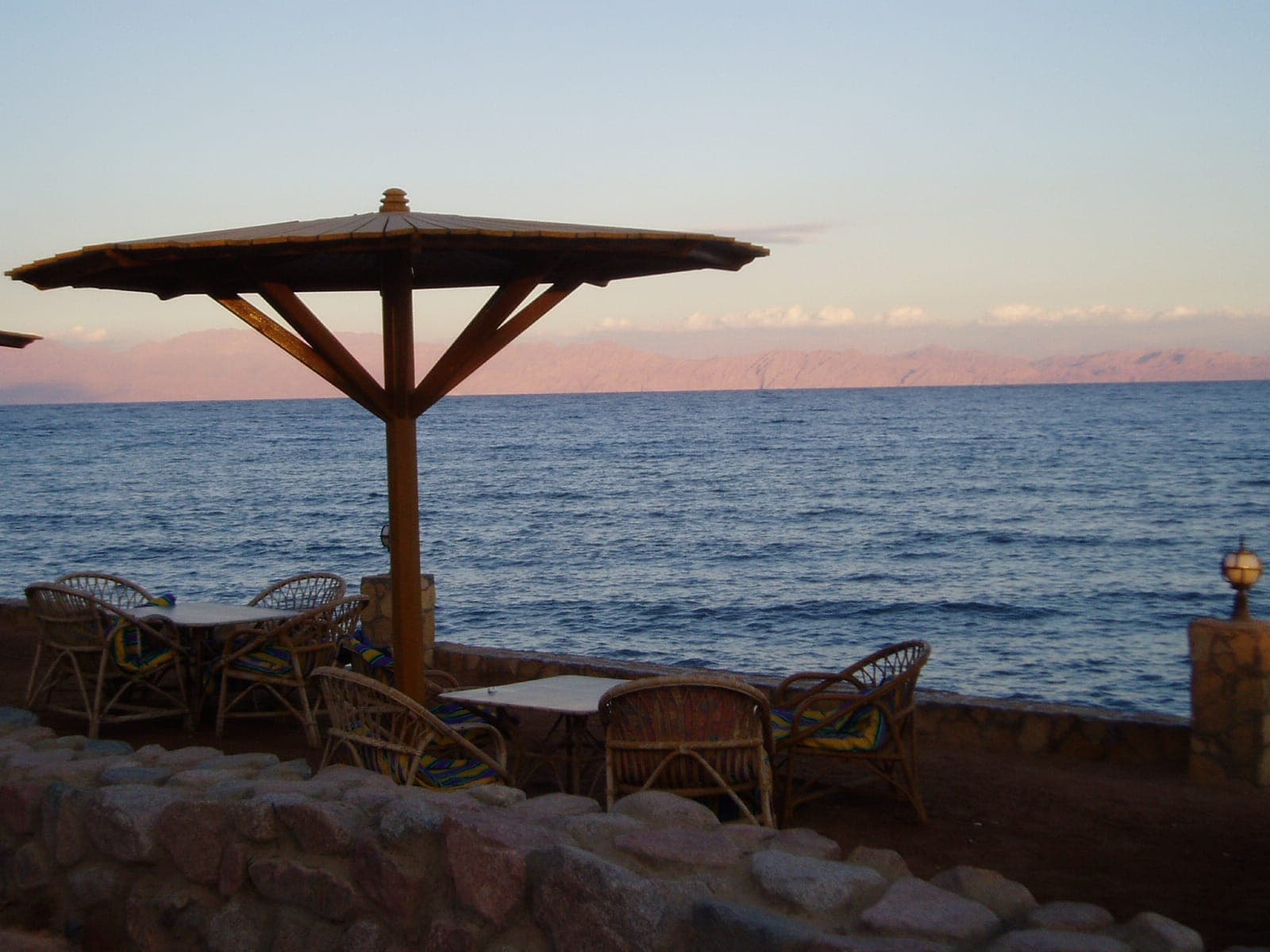
Begeben Sie sich ab Dahab auf eine exklusive Privatreise und kombinieren Sie die beeindruckende Erhabenheit der Wüstenberge des Sinai mit der lebendigen…
Protektorat Ras Abu Galum — Häufig gestellte Fragen
Alles, was Sie wissen müssen, bevor Sie das Protektorat Ras Abu Galum besuchen.
1Wie komme ich zum Ras Abu Galum Schutzgebiet?
2Welche Art von Unterkünften gibt es in Ras Abu Galum?
3Wird Schnorcheln oder Tauchen bei Ras Abu Galum empfohlen?
4Welche Aktivitäten kann ich neben Schnorcheln und Tauchen unternehmen?
5Gibt es im Protektorat Einrichtungen oder Dienstleistungen?
Top-Attraktionen in Rotes Meer
Ägypten Touren nach Zielort
Durchsuchen Sie Ägypten-Touren nach Kategorie
- 1Ägypten Reisepakete
- 2Ägypten Tagesausflüge
- 3Nilkreuzfahrten
- 4Maßgeschneiderte Touren
- 5Honeymoon-Pakete
- 6Familienpakete
- 7Luxuspakete
- 8Private Pakete
- 9Kleingruppen-Pakete
- 10All-Inclusive-Pakete
- 11Last-Minute Ägypten Touren
- 12Dahabiya-Kreuzfahrten
- 13Ägypten Reiseführer
- 14Ägypten Reiseangebote aus den USA
- 15Ägypten & Jordanien Reisepakete