
Abu Ramada Riff: Touren, Tickets & Besucherleitfaden
Über das Abu Ramada Riff
Entdecken Sie die Unterwasserwunder des Abu Ramada Riffs
Das Abu Ramada Riff liegt im klaren, blauen Herzen des Roten Meeres in Ägypten. Mehr als nur ein Tauchplatz, ist es eine gefeierte Unterwasserschau.
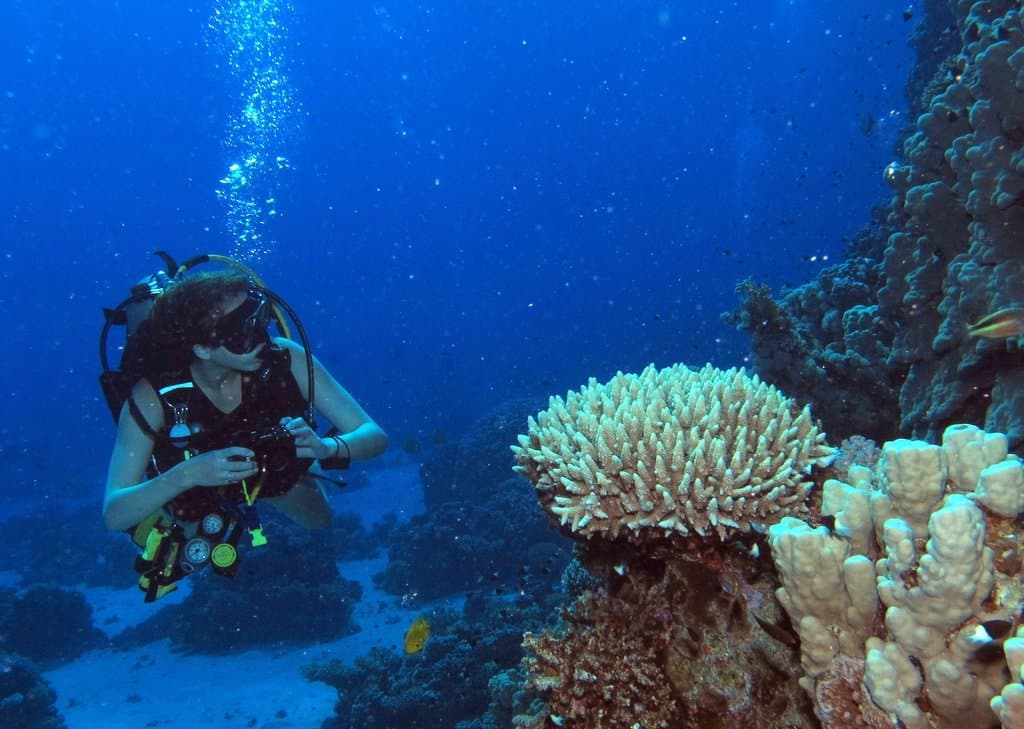
Tauchen Sie vorbei an dramatischen Klippen in cerulean Tiefen und ein lebendiges Gewebe aus Meeresleben. Dieses expansive System, bekannt als 'Das Aquarium' wegen seiner Biodiversität, bietet einen unvergesslichen Blick auf die Ökologie des Roten Meeres.
Gleiten Sie über aufwendige Korallenformationen, die reich an harten und weichen Korallen in lebendigen Farben sind. Schulen von Anthias schimmern, während Schmetterlingsfische zwischen den Ästen huschen und Kaiserfische ihre Territorien durchkreuzen.
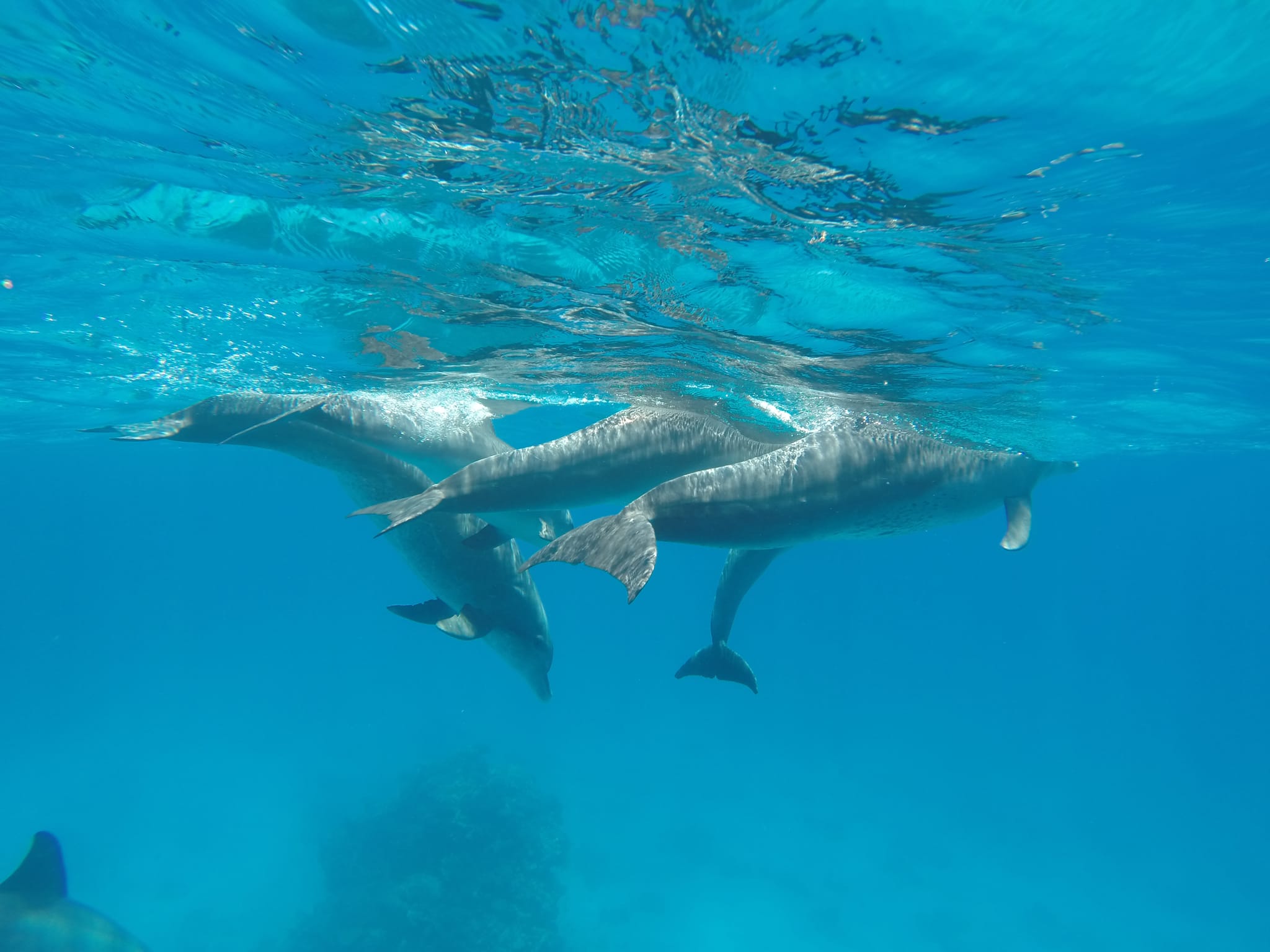
Achten Sie auf ansässige grüne Meeresschildkröten, die ruhen oder grasen. Adlerrochen und blaugepunktete Rochen erscheinen entlang sandiger Stellen und sonnenbeschienener Riffkanten und verleihen jeder Tauchfahrt anmutige Bewegung.
Was macht das Abu Ramada Riff besonders?
Eine Symphonie der Biodiversität: 'Das Aquarium'
Der Spitzname passt dank einer außergewöhnlichen Dichte an Leben. Flache Plateaus und tiefe Abbrüche schaffen vielfältige Mikrohabitate. Die Mischung zieht alles an, von winzigen, getarnten Nacktschnecken bis hin zu gelegentlichen größeren pelagischen Besuchern.
Beeindruckende Korallengärten und dramatische Topografie
Die Architektur des Riffs fesselt ebenso wie seine Kreaturen. Fächer- und Gehirnkorallen gedeihen im unberührten Wasser und bilden Labyrinthe, Überhänge und Durchgänge. Steile Wände fallen in blaues Wasser ab und bieten Chancen, offene Ozeanspezies zu entdecken.
Zugänglichkeit für alle Fähigkeitsstufen
Abu Ramada eignet sich für ein breites Spektrum an Fähigkeiten. Erfahrene Taucher genießen tiefere Abschnitte und lebhaftere Strömungen, während die Flachwasserbereiche ideal für Anfänger und Schnorchler sind. Dieses Gleichgewicht macht es zu einem Favoriten für gemischte Gruppenboote.
Was man am Abu Ramada Riff sehen kann
- Grüne Meeresschildkröten: Sanft und oft unbeeindruckt, zu sehen beim Grasen auf Seegras oder Ruhen auf sandigen Kanten für großartige Fotomomente.
- Adlerrochen und blaugepunktete Rochen: Durchsuchen Sie sandige Bereiche und Riffkanten. Adlerrochen gleiten mit breiten, flügelartigen Flossen, während blaugepunktete Rochen sich eingraben können und nur ihre lebhaften Punkte zeigen.
- Lebendige Korallenformationen: Überqueren Sie Felder von harten und weichen Korallen, von komplizierten Gehirnkorallen bis hin zu zarten Fächern, mit bunten Anemonen, die Clownfische beherbergen.
- Schulen von Riff-Fischen: Erwarten Sie ständige Bewegung von Anthias, Schmetterlingsfischen, Engel-Fischen, Papageienfischen und Damselfischen.
- Potenzielle pelagische Sichtungen: In tieferen Zonen und Strömungen können Sie Barrakudas oder sogar Riffhaie begegnen.
Wie man das Abu Ramada Riff besucht
So kommen Sie dorthin
Tägliche Boote von Hurghada erreichen Abu Ramada in etwa 45 Minuten bis zu einer Stunde, abhängig von den Seebedingungen und dem Schiff. Viele Tauchzentren kombinieren es mit nahegelegenen Riffen für einen ganzen Tag auf dem Wasser.
Tickets und Touren
Es gibt kein separates Ticket für das Riff. Buchen Sie einen Ganztagesausflug zum Tauchen oder Schnorcheln bei einem seriösen Reiseveranstalter oder Tauchzentrum. Die Pakete umfassen typischerweise:
- Bootstransport zu und vom Riff
- Zwei oder drei geführte Tauchgänge oder Schnorchelsitzungen
- Mittagessen und Erfrischungen an Bord
- Leih-Ausrüstung (Neoprenanzüge, Masken, Flossen, BCDs, Regler) falls benötigt
- Erfahrene Tauchlehrer oder Schnorchelguides
Die Preise variieren je nach Anbieter, Inklusivleistungen und ob Sie tauchen oder schnorcheln. Reservieren Sie im Voraus, insbesondere in der Hochsaison.
Benötigte Zeit
Planen Sie einen Ganztagesausflug. Boote fahren normalerweise morgens (zwischen 8:00 und 9:00 Uhr) ab und kehren am späten Nachmittag (zwischen 16:00 und 17:00 Uhr) zurück. Dieser Zeitplan ermöglicht Reisezeit, zwei oder drei Sitzungen und Zeit zum Entspannen an Bord.
Beste Reisezeit & Tipps
Beste Reisezeit
Das Tauchen ist das ganze Jahr über ausgezeichnet. Die angenehmsten Bedingungen sind in der Regel von März bis Mai und September bis November, mit warmem Wasser (24-28°C / 75-82°F) und oft 30 m (100 ft) oder mehr Sichtweite.
Der Sommer bringt Hitze auf dem Deck, aber großartige Unterwasserbedingungen. Der Winter (Dezember-Februar) ist kühler bei etwa 21-23°C (70-73°F), daher sollten Sie einen dickeren Neoprenanzug in Betracht ziehen.
Wichtige Tipps für Ihren Besuch
- Buchen Sie bei einem seriösen Zentrum: Wählen Sie zertifizierte Anbieter (z.B. PADI, SSI) mit guten Sicherheitsaufzeichnungen.
- Sonnenschutz: Verwenden Sie Sonnencreme mit hohem Lichtschutzfaktor, die riff-sicher ist, sowie einen Hut und Sonnenbrille.
- Hydration: Trinken Sie regelmäßig Wasser über den Tag verteilt.
- Respektieren Sie das Meeresleben: Berühren oder stören Sie keine Lebewesen oder Korallen; halten Sie einen sicheren Abstand.
- Bringen Sie eine Kamera mit: Eine Unterwasserkamera hilft, die Farben und Begegnungen festzuhalten.
- Befolgen Sie die Anweisungen Ihres Guides: Hören Sie auf die Einweisungen, um sicher zu bleiben und das Beste aus jedem Standort herauszuholen.
Historische Bedeutung
Die tiefgründige Geschichte des Abu Ramada Riffs
Das Abu Ramada Riff hat keine von Menschen geschaffene Vergangenheit, doch seine Geschichte ist in Felsen, Wasser und Zeit geschrieben. Über unzählige Jahrtausende bauten Korallenpolypen Schicht um Schicht, um die heutigen Wände und Gärten zu formen.
Erosion, Strömungen und lebende Organismen formten dann das, was Taucher heute erkunden.
- Geologische Formation: Das Rote Meer ist ein geologisch junges Ozean, das durch die Trennung der afrikanischen und arabischen Platten entstanden ist. Als sich die Bedingungen stabilisierten, erlaubte warmes, klares, sonnenbeschienenes Wasser, dass Riffe wie Abu Ramada gedeihen konnten.
- Ökologische Evolution: Das Riff entwickelte sich zu einem komplexen Netzwerk des Lebens. Arten passten sich an Nischen über flache Plateaus und tiefere Ränder an, wobei jede eine Rolle in der Widerstandsfähigkeit und Vitalität des Riffs spielte.
- Moderne Entdeckung und Wertschätzung: Mit dem Boom des Freizeittauchens im späten 20. Jahrhundert erlangte Abu Ramada Anerkennung für seine Schönheit und Biodiversität. Es zog Besucher aus aller Welt an und half, das marine Leben des Roten Meeres ins Rampenlicht zu rücken, was die Notwendigkeit einer fortlaufenden Erhaltung unterstrich.
Abu Ramada Riff — Häufig gestellte Fragen
Alles, was Sie wissen müssen, bevor Sie das Abu Ramada Riff besuchen.
1Welche Meereslebewesen kann ich am Abu Ramada Reef erwarten zu sehen?
2Ist das Abu Ramada Riff für Anfänger-Taucher geeignet?
3Wie komme ich zum Abu Ramada Reef?
4Wie ist die Sichtbarkeit am Abu Ramada Reef?
5Gibt es spezifische Vorschriften oder Naturschutzmaßnahmen für das Abu Ramada Reef?
Top-Attraktionen in Rotes Meer
Ägypten Touren nach Zielort
Durchsuchen Sie Ägypten-Touren nach Kategorie
- 1Ägypten Reisepakete
- 2Ägypten Tagesausflüge
- 3Nilkreuzfahrten
- 4Maßgeschneiderte Touren
- 5Honeymoon-Pakete
- 6Familienpakete
- 7Luxuspakete
- 8Private Pakete
- 9Kleingruppen-Pakete
- 10All-Inclusive-Pakete
- 11Last-Minute Ägypten Touren
- 12Dahabiya-Kreuzfahrten
- 13Ägypten Reiseführer
- 14Ägypten Reiseangebote aus den USA
- 15Ägypten & Jordanien Reisepakete