
Aswan Botanischer Garten: Tours, Tickets & Visitor Guide
About Aswan Botanischer Garten
Entdecken Sie die Ruhe: Eine Reise zum Botanischen Garten von Assuan
Entfliehen Sie der Wüstwärme und entdecken Sie ein lebhaft grünes Refugium im Botanischen Garten von Assuan, einem Juwel im Herzen des Nils. Finden Sie unvergleichliche Ruhe auf Kitchener's Island, wo eine außergewöhnliche Sammlung exotischer Pflanzen auf ruhige Flussblicke trifft.
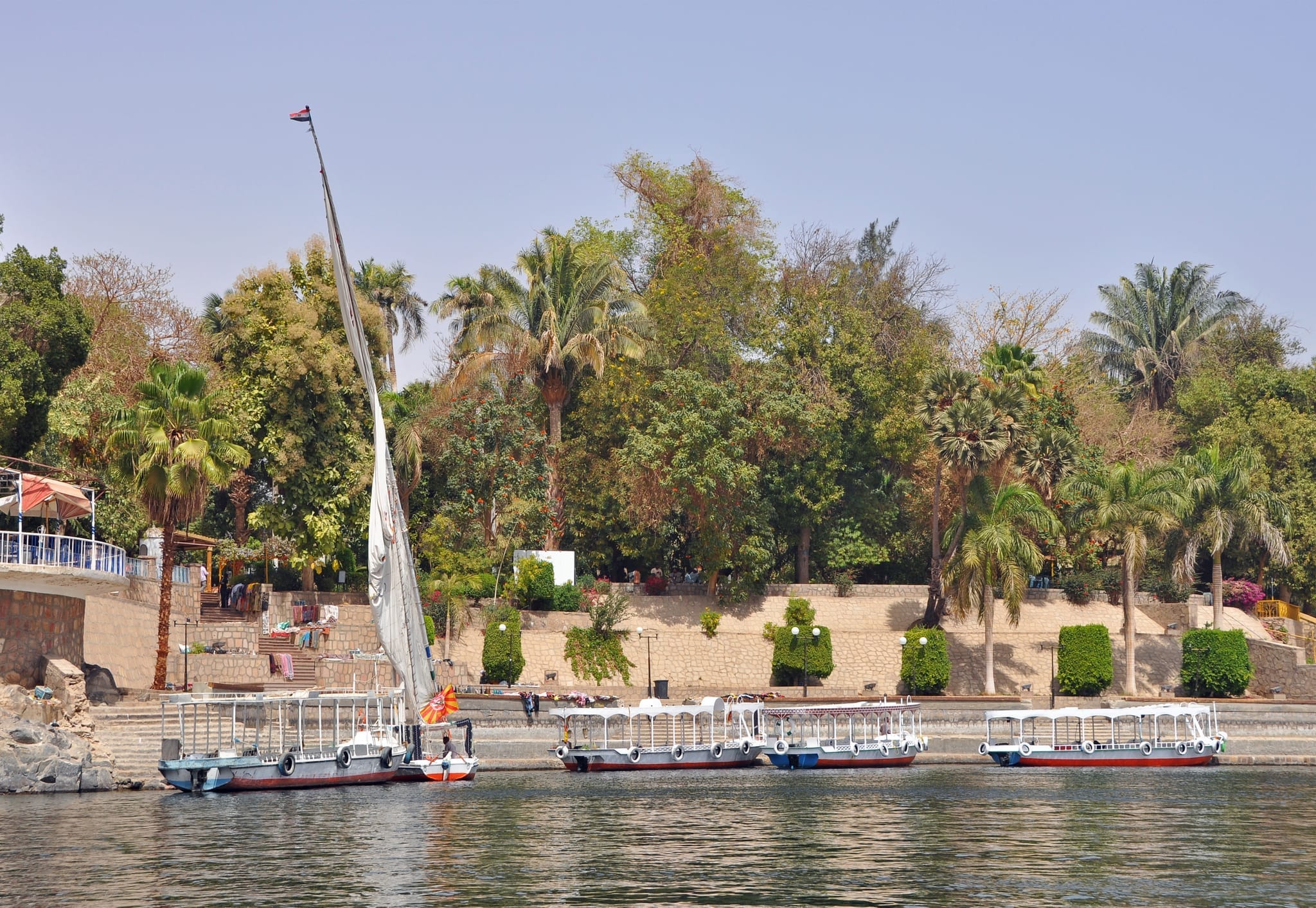
Die Reise ist Teil des Reizes, da der Garten nur mit einer Felucca oder einem Motorboot erreichbar ist. Eine sanfte Kreuzfahrt über den schimmernden Nil setzt einen friedlichen Ton, bevor Sie überhaupt an Land gehen.
Bei Ihrer Ankunft begrüßt Sie eine Symphonie aus Grün, ein auffälliger Kontrast zu den goldenen Sanden und den antiken Monumenten in der Nähe.
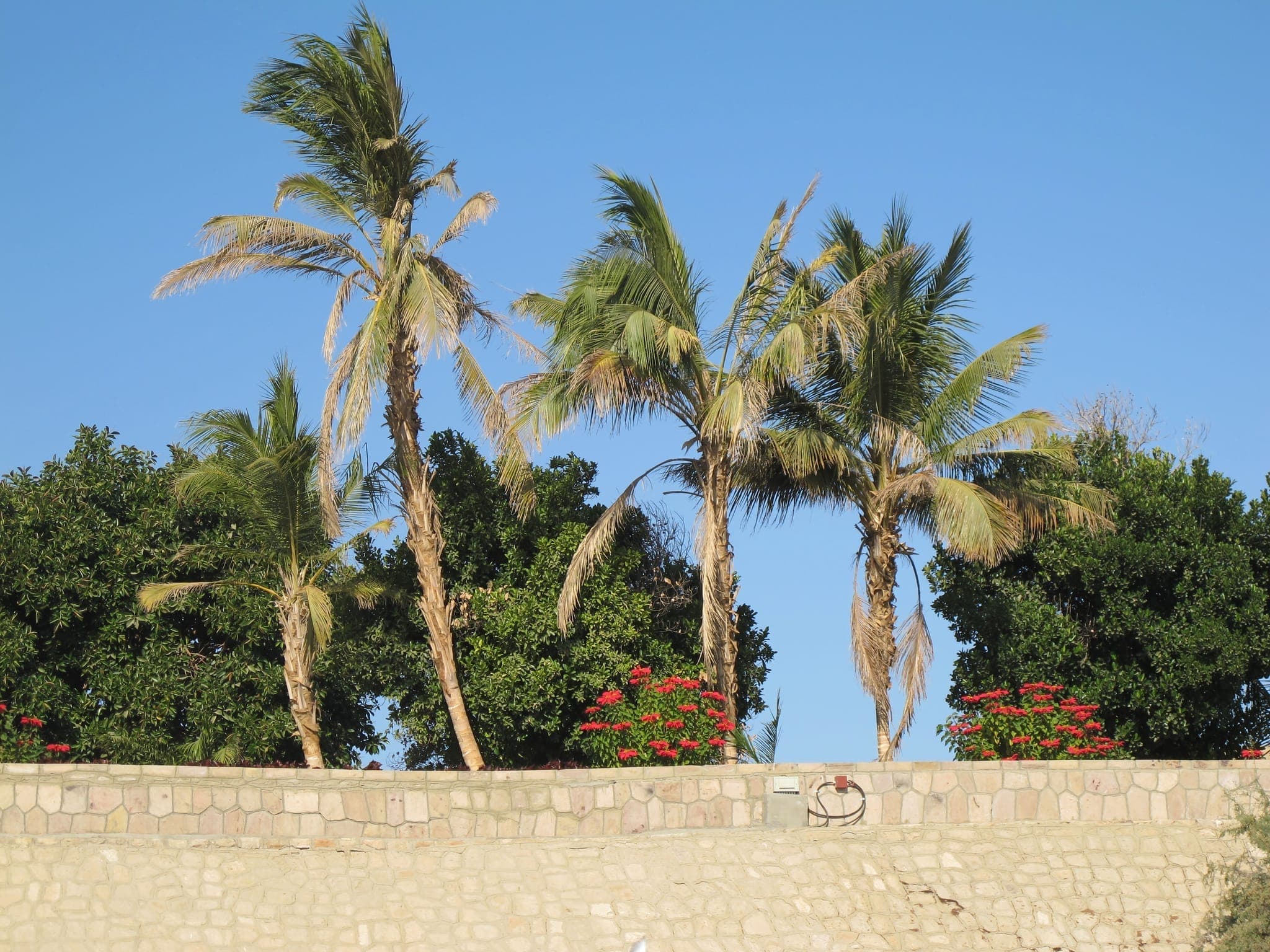
Dieser sorgfältig gepflegte Garten ist mehr als ein schöner Park; er ist ein lebendiges Archiv, eine botanische Bibliothek von Flora, die aus der ganzen Welt gesammelt wurde. Schlendern Sie entlang schattiger Wege, die von hohen Palmen gesäumt sind, deren Wedel sanft im Wind rascheln.
Entdecken Sie seltene tropische und subtropische Pflanzen, viele deutlich beschriftet, um das Verständnis und die Wertschätzung zu fördern. Suchen Sie die lebhaften Farben der Bougainvillea, den zarten Duft der Frangipani und die skulpturalen Formen von Kakteen und Sukkulenten.
Die Luft ist oft duftend von blühenden Blumen, was ein immersives, verjüngendes Erlebnis schafft. Über die botanischen Wunder hinaus ist der Garten ein hervorragender Ort für Entspannung, stille Kontemplation und Fotografie. Setzen Sie sich auf eine Bank unter einem schützenden Baldachin und nehmen Sie die friedliche Atmosphäre auf, während Feluccas vorbeigleiten und entfernte Dünen den Nil rahmen.

Was macht den Botanischen Garten von Assuan besonders?
Der Garten vereint natürliche Schönheit, historische Bedeutung und Ruhe. Sein Mittelpunkt ist eine außergewöhnliche Pflanzensammlung, die seit über einem Jahrhundert mit Sorgfalt und Leidenschaft kultiviert wird.
Die Insellage sorgt für eine exklusive, ruhige Atmosphäre, wodurch die Reise ein integraler Bestandteil des Erlebnisses wird. Als grüne Lunge für Assuan bietet er ein kühleres, erfrischendes Mikroklima, das ideal für Spaziergänge, Picknicks und ruhige Zeiten ist. Seine Ursprünge als privates botanisches Unterfangen verleihen ihm Charme und spiegeln die Vision wider, die eine karge Insel in ein grünes Paradies verwandelte.
Ein Zufluchtsort für Pflanzenliebhaber und Naturliebhaber
Für Botanikfans ist der Garten ein Schatz. Sein klarer Aufbau lädt zu einer einfachen Erkundung ein, und beschriftete Arten fügen einen Bildungswert über ein breites Spektrum hinzu, von hohen Bäumen bis zu zarten Bodendeckern.
Auch Gelegenheitsbesucher fühlen sich von seinem Reiz angezogen. Die Schönheit und Ruhe bieten eine erholsame Auszeit vom Sightseeing, eine Gelegenheit, langsamer zu werden, tief durchzuatmen und die komplexen Wunder des Pflanzenreichs zu bewundern.

Was man sehen und tun kann
Ihr Besuch im Botanischen Garten von Assuan dreht sich um gemütliche Erkundung und sinnliches Vergnügen. Sobald Sie das Boot verlassen, werden Sie den dramatischen Wandel der Atmosphäre bemerken.
- Durch die Wege schlendern: Gut gepflegte Wege laden zu einem unhurried Spaziergang ein. Erkunden Sie jede Ecke, um versteckte Nischen und weite Aussichtspunkte zu finden.
- Exotische Flora entdecken: Suchen Sie nach hoch aufragenden Palmenarten, alten Platane, lebhaften Hibiskus und Bougainvillea sowie einer auffälligen Auswahl an Kakteen und Sukkulenten, die an trockene Klimazonen angepasst sind. Viele Pflanzen sind mit botanischen und gebräuchlichen Namen beschriftet, um das Lernen zu erleichtern.
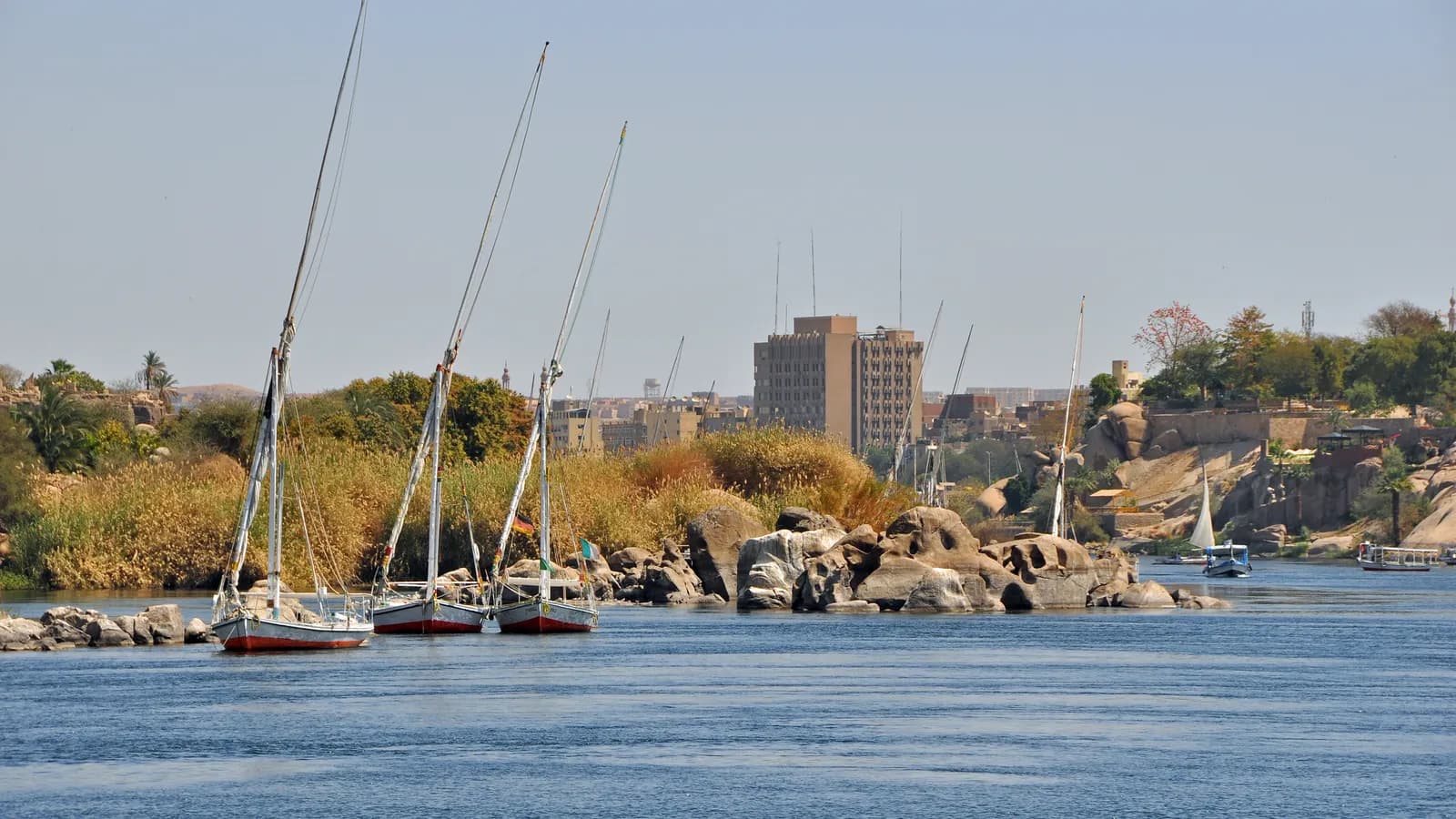
- Nile-Blicke genießen: Die Wege öffnen sich zu Ausblicken auf den Nil, umrahmt von üppigem Laub. Diese Stellen sind perfekt für Fotos von Felukken, die über das Wasser gegen die Wüstenlandschaft und entfernte Tempel fahren.
- Entspannen und abschalten: Nehmen Sie Platz auf einer schattigen Bank unter einem prächtigen Baum. Lesen Sie, genießen Sie einen kleinen Snack oder hören Sie einfach dem Vogelgesang und dem sanften Rascheln der Blätter zu.
- Fotomöglichkeiten: Halten Sie Nahaufnahmen zarter Blüten oder weite Aufnahmen grüner Landschaften fest, die mit goldener Wüste und dem funkelnden Nil kontrastieren.
So besuchen Sie den Botanischen Garten von Assuan
Ein Besuch im Botanischen Garten von Assuan beginnt bereits, bevor Sie einen Fuß auf die Insel setzen.
So gelangen Sie dorthin
Der Garten befindet sich auf Kitchener's Island und ist nur mit dem Boot erreichbar. Wählen Sie eine dieser charmanten Optionen:
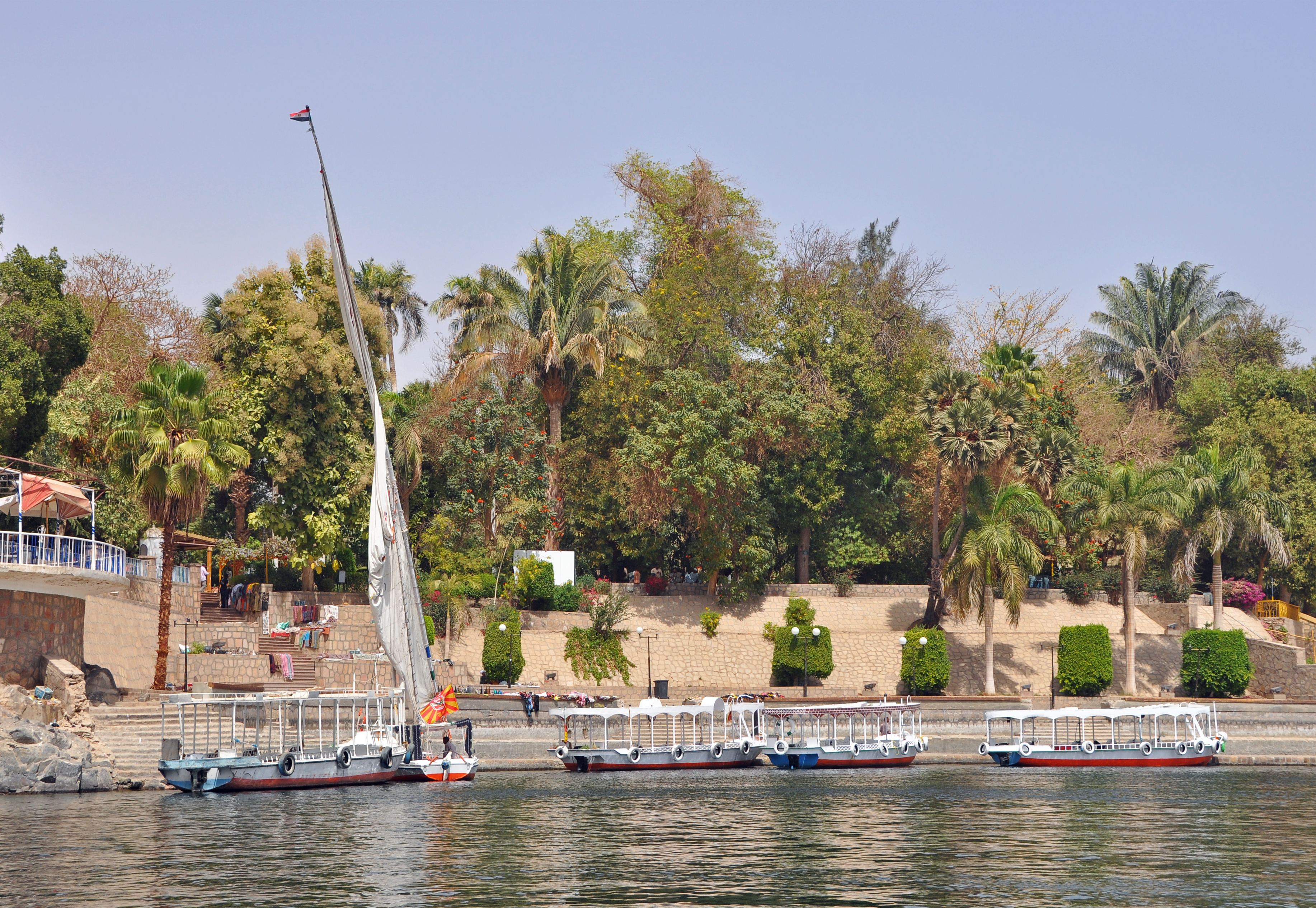
- Felucca: Der traditionellste und romantischste Weg, um anzukommen. Mieten Sie eine Felucca von der Corniche in Assuan, in der Nähe des Old Cataract Hotels. Die gemütliche Fahrt bietet Nilbrisen und klassische Landschaften. Verhandeln Sie den Preis im Voraus; normalerweise sind Hin- und Rücktransport sowie Wartezeit während Ihrer Erkundung enthalten.
- Motorboot: Eine schnellere Option, wenn Sie wenig Zeit haben. Boote sind entlang der Corniche leicht verfügbar. Die Preise sind normalerweise etwas höher als bei einer Felucca, aber Sie gewinnen an Geschwindigkeit und direktem Zugang.
Tickets und Eintritt
Bei Ihrer Ankunft zahlen Sie eine kleine Eintrittsgebühr, um in den Garten zu gelangen; dies ist separat von Ihrem Bootstarif. Ticketstände befinden sich am Eingang, und Sie werden möglicherweise während Ihres Besuchs gebeten, Ihr Ticket vorzuzeigen.
Benötigte Zeit
Planen Sie etwa 1,5 bis 2,5 Stunden ein. Das umfasst die Bootsfahrt, einen entspannten Spaziergang, Zeit für Ausblicke und Fotos sowie eine kurze Erfrischungspause. Begeisterte Botaniker und Fotografen möchten möglicherweise länger bleiben.

Beste Zeit für einen Besuch & Tipps
Nutzen Sie diese Hinweise, um das Beste aus Ihrem Besuch herauszuholen:
- Beste Tageszeit: Früher Morgen oder später Nachmittag. Erwarten Sie sanfteres Licht für Fotos, kühlere Temperaturen und weniger Menschen. Mittags kann es sehr heiß sein, besonders im Sommer.
- Beste Jahreszeit: Die Wintermonate in Assuan (Oktober bis April) bringen mildes, angenehmes Wetter. Der Garten ist das ganze Jahr über grün, mit vielen blühenden Pflanzen im Frühling (März-April).
- Was mitzubringen:
- Bequeme Wanderschuhe: Die Wege variieren von gepflastert bis unbefestigt.
- Sonnenschutz: Ein Hut, Sonnenbrille und Sonnencreme mit hohem Lichtschutzfaktor sind unerlässlich.
- Wasser: Bleiben Sie hydratisiert; während Verkäufer anwesend sein können, ist es am besten, Ihr eigenes Wasser mitzubringen.
- Kamera: Der Garten bietet viele Fotomöglichkeiten.
- Insektenschutzmittel: Nützlich in der Dämmerung, wenn Mücken in der Nähe des Wassers aktiv sein können.
- Benimmregeln: Bleiben Sie auf den Wegen, pflücken Sie keine Blumen oder stören Sie Pflanzen und entsorgen Sie Abfälle in den Mülleimern.
Historical Significance
Vom Militärposten zum botanischen Paradies
Die Insel, die jetzt den Botanischen Garten von Assuan beherbergt, war ursprünglich als Geziret an-Nabatat, oder 'Insel der Pflanzen', bekannt. Ihre Transformation begann im späten 19. Jahrhundert, als sie Lord Horatio Kitchener von Khartum, dem britischen Sirdar (Oberbefehlshaber) der ägyptischen Armee, übergeben wurde.
Kitchener, ein begeisterter Botaniker, erkannte das Potenzial der Insel und kultivierte eine vielfältige Sammlung. Er importierte exotische Arten aus Indien, Malaysia und verschiedenen Teilen Afrikas und verwandelte eine karge Insel in einen üppigen Versuchsgarten.
Nach seiner Amtszeit erwarb die ägyptische Regierung die Insel und gründete offiziell einen öffentlichen botanischen Garten. Seitdem hat er weiterhin geblüht, seine Sammlung erweitert und seinen Status als eines der bedeutendsten botanischen Reservate Ägyptens aufrechterhalten, eine Geschichte, die kolonialen Einfluss mit einem anhaltenden Engagement für die Gartenbaukunst verbindet.
Tours Visiting Aswan Botanischer Garten
Private, Egyptologist-guided experiences with tickets and transfers handled for you.
Wusstest du, dass der Obelisk von Hatschepsut, der jetzt stolz im Karnak-Tempel steht, ursprünglich für einen Platz am Nil in Assuan bestimmt war? Heute kannst…
Aswan Botanischer Garten — Frequently Asked Questions
Everything you need to know before visiting Aswan Botanischer Garten.