
Elephantine-Insel: Tours, Tickets & Visitor Guide
About Elephantine-Insel
Die Entdeckung der Elephantine-Insel: Eine Reise durch die Zeit in Assuan
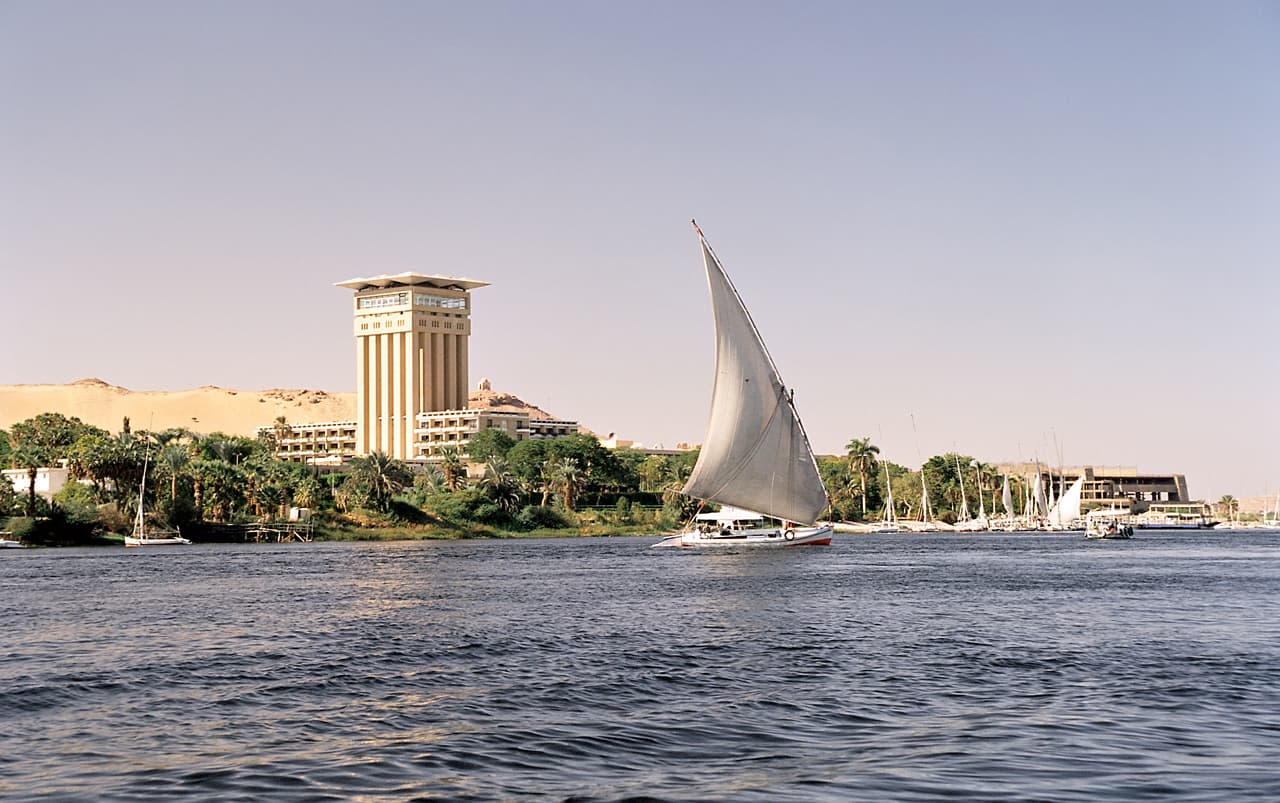
Reisen Sie zurück in der Zeit auf der Elephantine-Insel, einem Zufluchtsort im Nil bei Assuan. Die Insel vereint uralte Wunder, lebendiges nubisches Erbe und weitläufige Ausblicke auf das Flussufer.
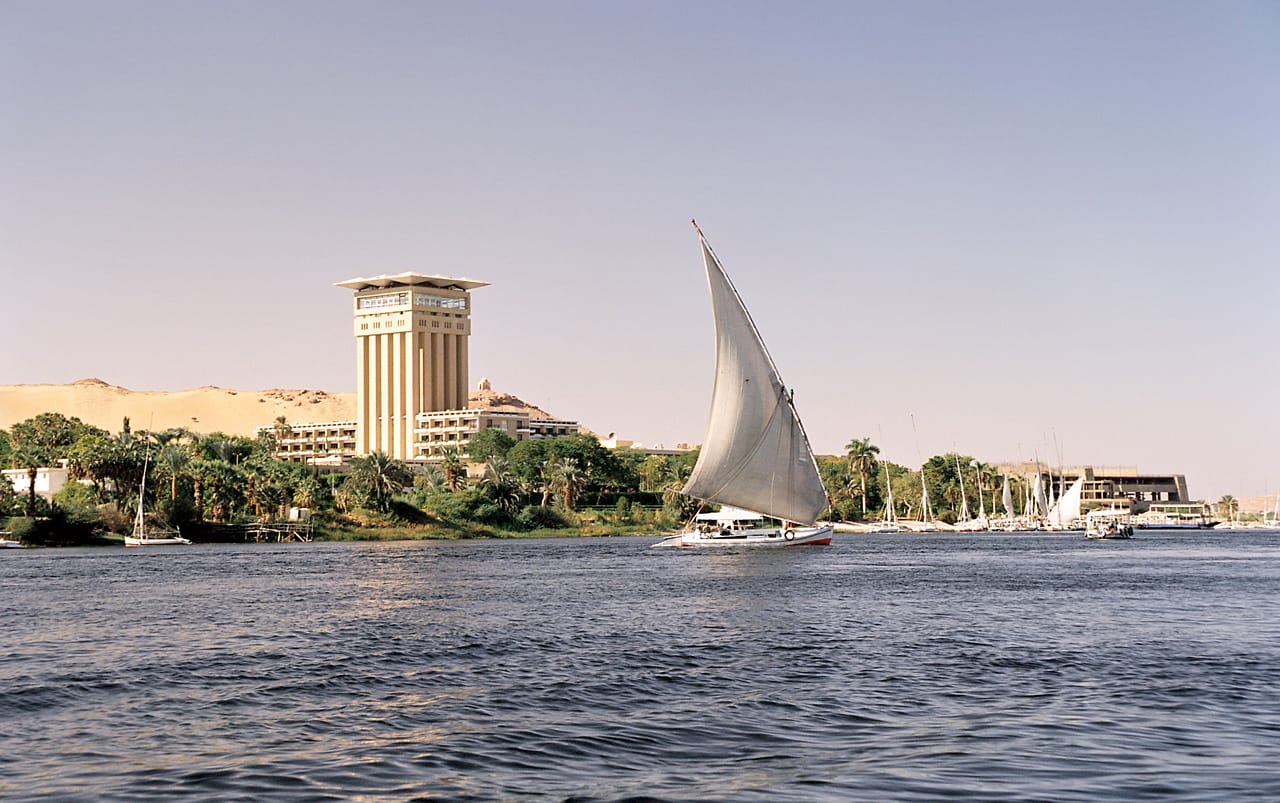
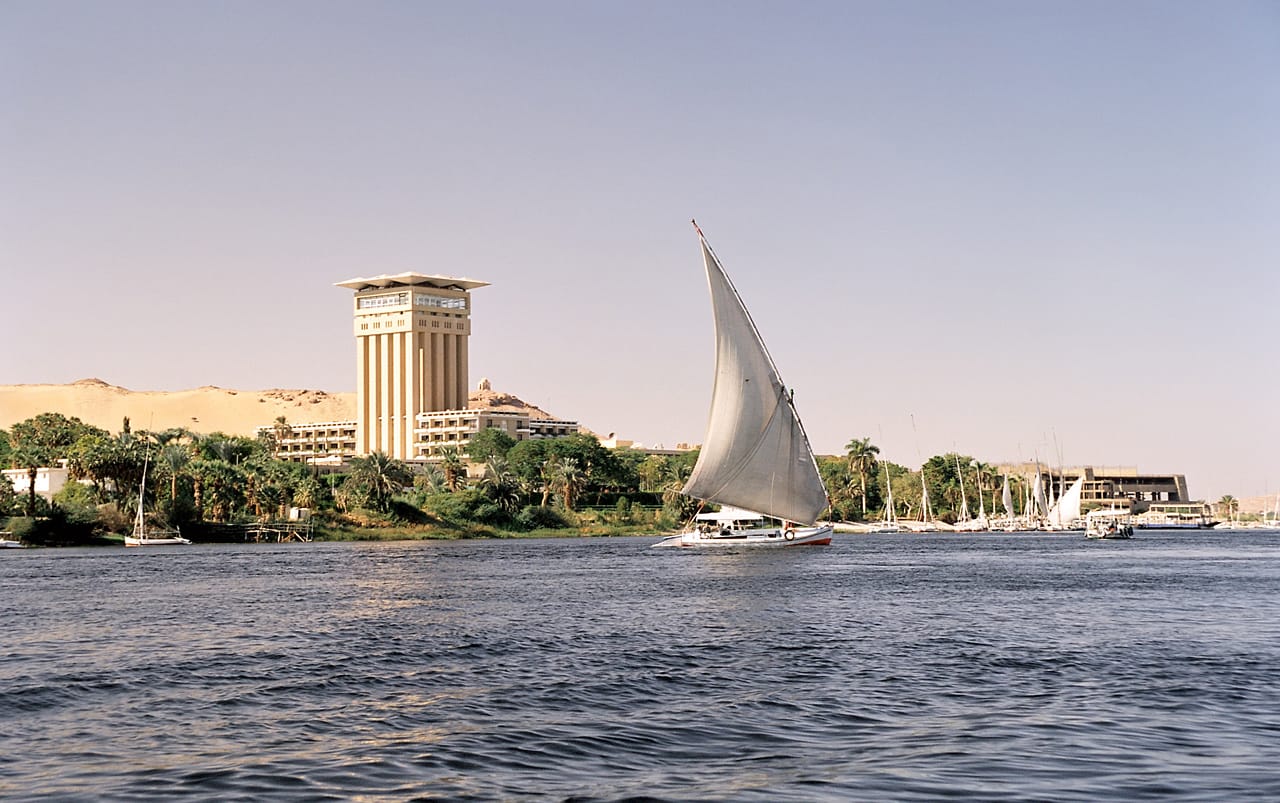
Steigen Sie von Ihrer Felucca oder Ihrem Motorboot und spüren Sie den Reiz der Insel. Erkunden Sie die Überreste des antiken Yebu, eines der längsten kontinuierlich bewohnten Orte Ägyptens.
Schlendern Sie zum Tempel des Khnum, des ramshörnigen Schöpfergottes, und sehen Sie den bemerkenswert erhaltenen Nilometer. Dieses antike Messgerät verfolgte die jährlichen Überschwemmungen des Nils, die für die Landwirtschaft von entscheidender Bedeutung waren.
Besuchen Sie das Assuan-Museum, das sich in der ehemaligen Residenz von Sir William Willcocks befindet, dem Ingenieur hinter dem ersten Assuan-Staudamm. Seine Sammlungen von der Insel und Nubien beleuchten Jahrtausende von Geschichte.
Über die Archäologie hinaus beherbergt Elephantine die nubischen Siedlungen Siou und Koti. Erwarten Sie lebhaft bemalte Häuser, warme Gastfreundschaft und die sanften Rhythmen des lokalen Lebens.
Die Elephantine-Insel ist mehr als nur eine historische Stätte; sie ist ein lebendiger Wandteppich, der aus alten Steinen, lebendiger Kultur und dem zeitlosen Fluss des Nils gewebt ist.
Was macht die Elephantine-Insel besonders?
Als antikes Yebu war die Insel ein strategischer Außenposten und Kultzentrum, das Khnum gewidmet war. Ihre Geschichte spannt Jahrtausende, was sie zu einem der längsten kontinuierlich bewohnten Orte Ägyptens macht.
Der Name könnte von ihrer Form, die einem Elefantenstoßzahn ähnelt, oder vom Elfenbeinhandel stammen. Als Ägyptens südliches Tor kontrollierte sie wichtige Routen nach Nubien und darüber hinaus.
Khnum, der ramshörnige Schöpfergott, der mit der Überschwemmung des Nils verbunden ist, dominierte hier die Anbetung. Tempel ehrten ihn, seine Gemahlin Satis und ihre Tochter Anuket und bildeten die 'Elephantine-Triad'.
Heute teilen sich bunte nubische Dörfer die Insel mit monumentalen Ruinen. Üppige Gärten, felsige Vorsprünge und Nil-Panoramen rahmen die Skyline von Assuan ein.

Erkundung der Elephantine-Insel: Was man sehen sollte
Antike Wunder: Tempel, Nilometer und Ruinen
- Tempel von Khnum: Erkunden Sie die Überreste des Haupttempels, der dem ramshörnigen Schöpfergott gewidmet ist. Obwohl vieles in Ruinen liegt, sind das Ausmaß und die Bedeutung klar.
- Das Nilometer: Sehen Sie dieses erhaltene Gerät, das zur Messung der jährlichen Überschwemmungen des Nils verwendet wurde, entscheidend für Landwirtschaft und Besteuerung. Es gibt tatsächlich zwei Nilometer auf der Insel, wobei das ältere auf die römische Zeit zurückgeht.
- Ruinen von Yebu: Wandern Sie über die geschichtete archäologische Stätte und beobachten Sie Überreste aus pharaonischer bis römischer Zeit.
Das Aswan-Museum
Untergebracht im ehemaligen Wohnsitz von Sir William Willcocks, dem Ingenieur, der für den ersten Assuan-Staudamm verantwortlich war, ist das Aswan-Museum ein Schatz an Artefakten.
Entdecken Sie Objekte, die auf Elephantine und in ganz Nubien ausgegraben wurden, von prähistorischen Werkzeugen bis hin zu griechisch-römischen Skulpturen und nubischer Keramik.

Nubische Dörfer: Siou und Koti
Betreten Sie die charmanten nubischen Dörfer Siou und Koti, wo das Leben in einem ruhigen Tempo zwischen lebhaft bemalten, gemusterten Häusern verläuft.
Treffen Sie freundliche Einheimische, trinken Sie Minztee und stöbern Sie in kleinen Geschäften, die Handarbeiten, Gewürze und Souvenirs anbieten.

So besuchen Sie die Elephantine-Insel
Anreise: Erreichen Sie die Insel mit der kurzen Fähre, Felucca oder dem Motorboot von der Corniche in Assuan. Die öffentliche Fähre, die häufig in der Nähe des Aswan-Museums auf dem Festland abfährt, ist die wirtschaftlichste Option. Private Motorboote oder Feluccas können für eine personalisierte, malerische Fahrt rund um die Insel gemietet werden.
Tickets: In der Regel gibt es eine Eintrittsgebühr für die archäologische Stätte und das Aswan-Museum. Kaufen Sie Tickets am Eingang des archäologischen Parks.
Benötigte Zeit: Planen Sie mindestens 3-4 Stunden ein, um die Ruinen zu sehen, das Museum zu besuchen und durch ein Dorf zu schlendern. Für ein intensiveres Erlebnis mit einer Mahlzeit oder längerer Zeit im Dorf planen Sie einen halben Tag oder mehr ein.
Beste Reisezeit & Tipps
Beste Reisezeit: Die kühleren Monate von Oktober bis April sind ideal zum Wandern und Erkunden. Im Sommer (Mai bis September) kann es extrem heiß werden; besuchen Sie früh am Morgen oder spät am Nachmittag.
Tipps für Besucher:
- Tragen Sie bequeme Schuhe: Erwarten Sie unebenes Gelände im archäologischen Bereich.
- Bleiben Sie hydratisiert: Tragen Sie viel Wasser mit, besonders in den wärmeren Monaten.
- Sonnenschutz: Ein Hut, Sonnenbrille und Sonnencreme sind unerlässlich.
- Respektieren Sie die lokale Kultur: Kleiden Sie sich bescheiden und fragen Sie um Erlaubnis, bevor Sie Menschen fotografieren.
- Feilschen: Verhandeln Sie höflich, wenn Sie Souvenirs in den Dörfern kaufen.
- Bargeld: Bringen Sie kleine ägyptische Pfundscheine für Fähren, kleine Einkäufe und Trinkgelder mit; einige Orte akzeptieren möglicherweise keine Karten.
Historical Significance
Das alte Yebu: Ein strategischer Außenposten
Die Elephantine-Insel, bekannt als Yebu bei den alten Ägyptern, war eine Grenzstadt und ein Zentrum der Anbetung. Ihr Name könnte eine Form in Form von Elefantenstoßzähnen oder ihre Rolle im Elfenbeinhandel widerspiegeln.
Seit Jahrtausenden bewachte sie Ägyptens südliches Tor und kontrollierte Handelsrouten mit Nubien und darüber hinaus.
Kultzentrum des Khnum
Die Insel konzentrierte sich auf die Anbetung von Khnum, dem ramshörnigen Schöpfergott, von dem man glaubte, dass er die Quelle der jährlichen Überschwemmung des Nils kontrollierte. Beweise für seinen Kult stammen aus der frühen Dynastischen Periode.
Tempel und Schreine ehrten Khnum, seine Gefährtin Satis und ihre Tochter Anuket und bildeten die 'Elephantine Triade'.
Eine lebendige Chronik
Durch die pharaonischen, römischen und islamischen Perioden blieb Elephantine eine wichtige Siedlung. Ihre Nilometer, einige aus römischer Zeit, zeigen, wie entscheidend die Hochwassermessung für Ägypten war.
Heute koexistieren antike Ruinen mit lebendigen nubischen Gemeinschaften und bewahren eine kontinuierliche Geschichte des Lebens am Nil.
Tours Visiting Elephantine-Insel
Private, Egyptologist-guided experiences with tickets and transfers handled for you.

Begeben Sie sich auf eine unvergleichliche Reise durch das Herz des alten Ägypten, konzipiert für den anspruchsvollen Reisenden. Diese sorgfältig…
Begeben Sie sich auf eine unvergleichliche Reise durch das Herz des alten Ägypten, sorgfältig zusammengestellt für den anspruchsvollen Reisenden. Diese „Luxury…
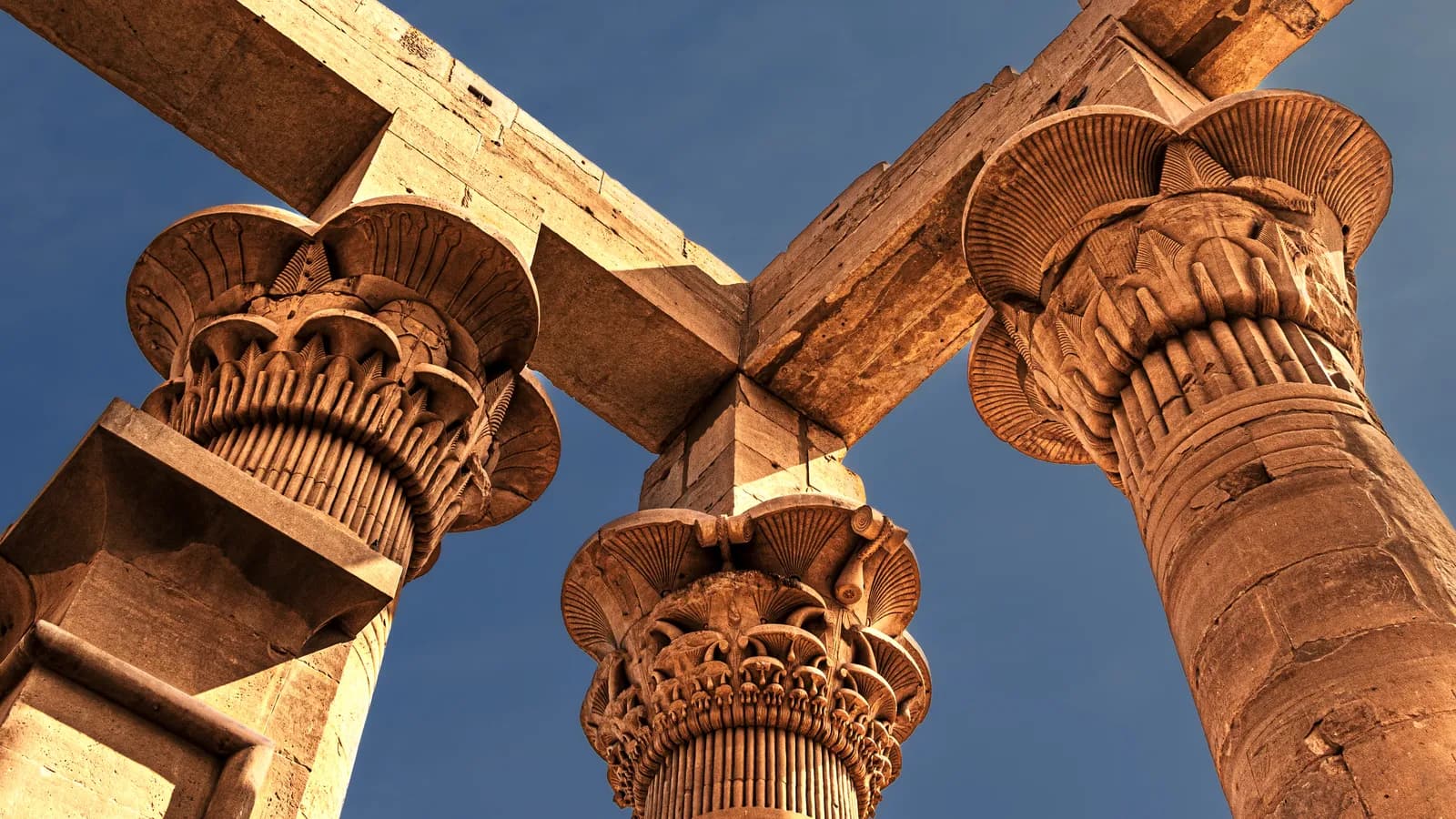
Die letzten Sonnenstrahlen, ein feuriges Orange, küssen den Kom Ombo Tempel, während unsere Felucca von Aswan gleitet. Diese 'Felucca unter den Sternen'…

Wusstest du, dass der Obelisk von Hatschepsut, der jetzt stolz im Karnak-Tempel steht, ursprünglich für einen Platz am Nil in Assuan bestimmt war? Heute kannst…
Elephantine-Insel — Frequently Asked Questions
Everything you need to know before visiting Elephantine-Insel.