
Pyramiden von Gizeh: Tours, Tickets & Visitor Guide
About Pyramiden von Gizeh
Die Pyramiden von Gizeh: Ein ewiges Wunder
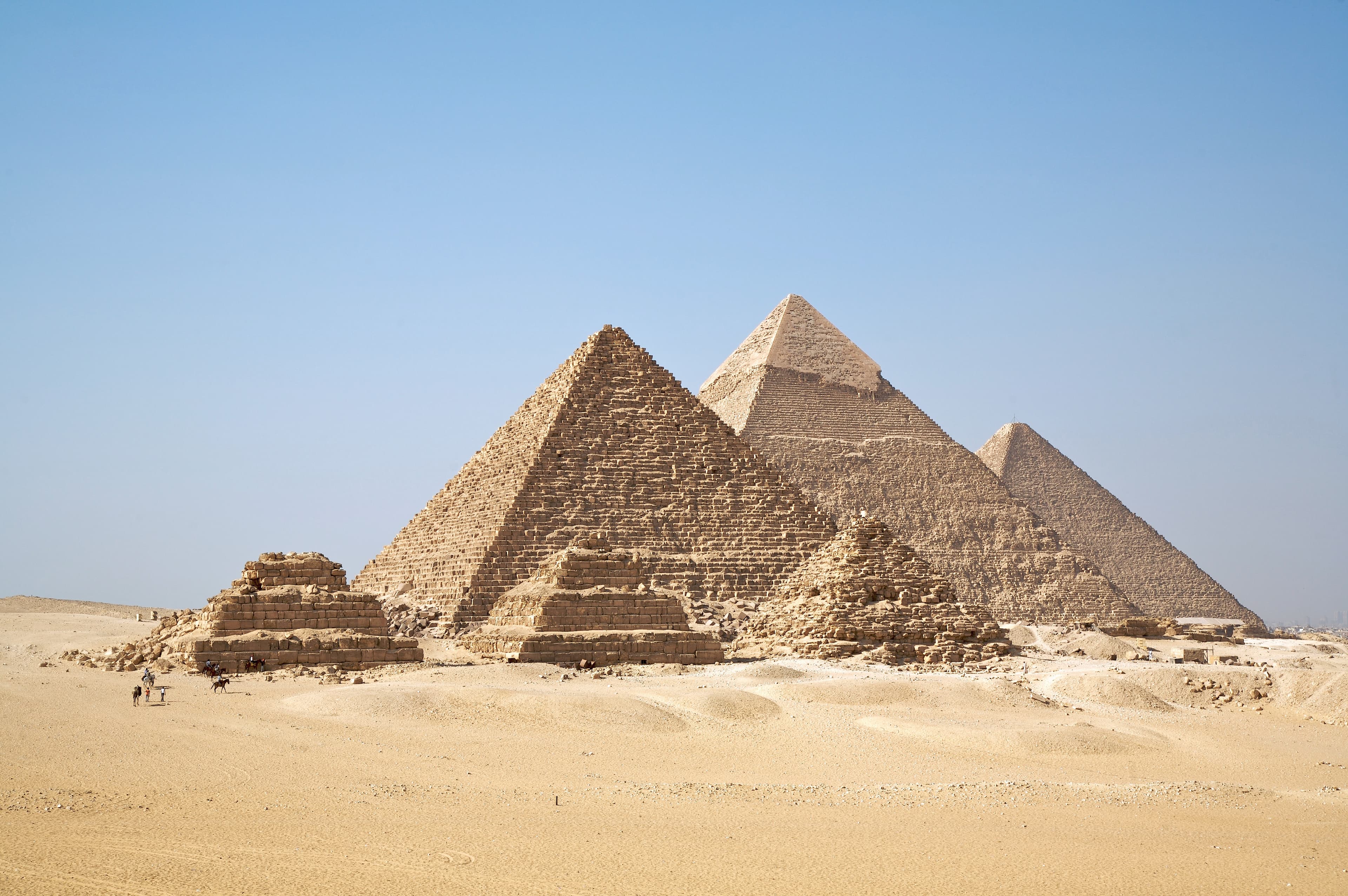
Erleben Sie das einzige bleibende Wunder der Antike, wo die Große Cheops-Pyramide den Wüstenhorizont beherrscht. Das Gizeh-Plateau ist ein außergewöhnliches Zeugnis des Einfallsreichtums und Ehrgeizes des alten Ägypten und bietet eine fesselnde Reise in eine Zivilisation, die für ihre Beherrschung monumentaler Architektur bekannt ist.
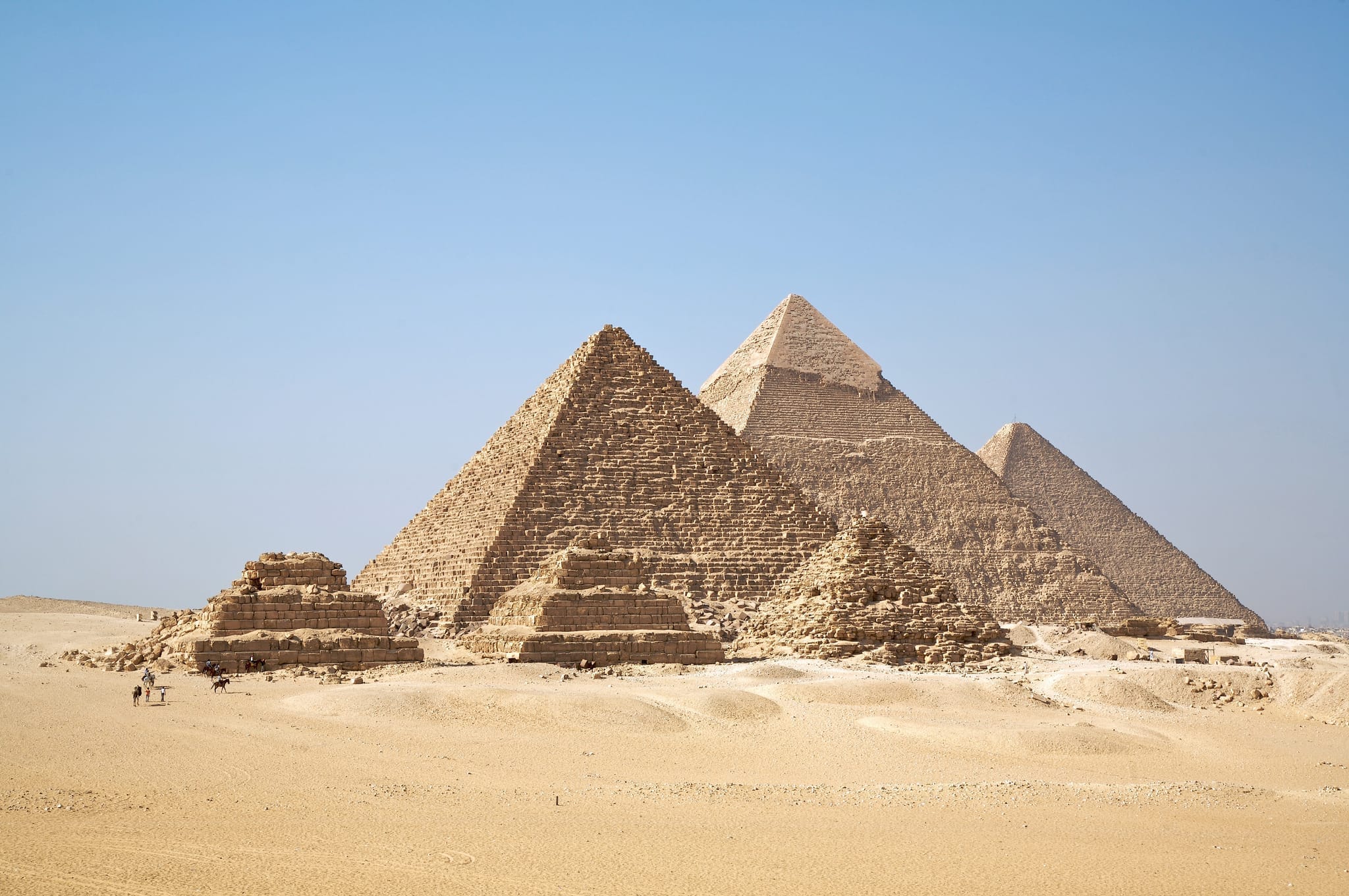
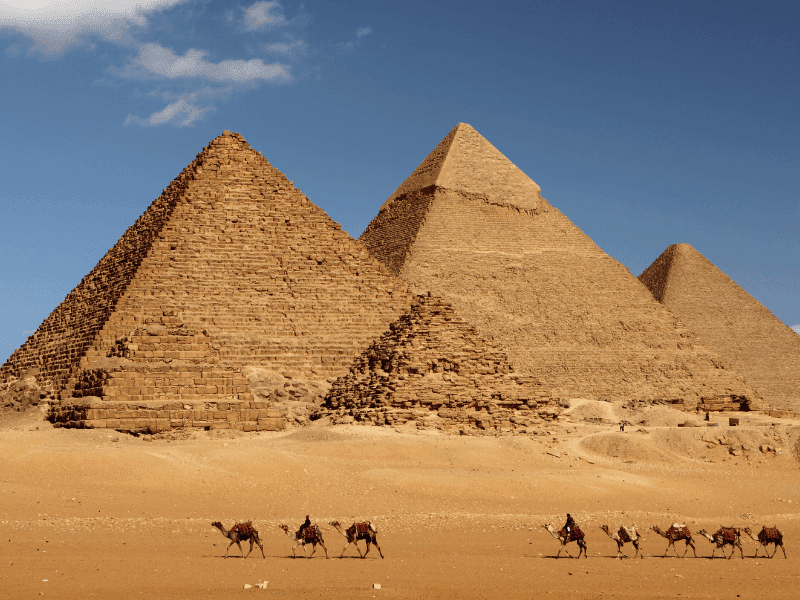
Hier finden Sie sich unter der gewaltigen Präsenz von Riesen wieder: der Großen Cheops-Pyramide (Cheops), der Chephren-Pyramide (Chephren) und der Mykerinos-Pyramide.
Abgesehen von ihrer schieren Größe sind es die komplizierten Details, die wirklich fesseln. Beobachten Sie die präzise geschnittenen Kalksteinblöcke, von denen einige mehrere Tonnen wiegen und die mit erstaunlicher Genauigkeit zusammengesetzt werden. Spazieren Sie entlang der Basis dieser kolossalen Bauwerke und tauchen Sie ein in die jahrtausendealte Geschichte.
Die ikonische Große Sphinx, Wächterin des Plateaus, blickt mit ihrem rätselhaften Lächeln nach Osten, ein menschlicher Kopf auf dem Körper eines Löwen, der aus einem einzigen Hügel aus natürlichem Fels gemeißelt ist. Sie werden zahlreiche Möglichkeiten für atemberaubende Fotos haben und das Zusammenspiel von Licht und Schatten dieser antiken Pracht festhalten.
Die Stätte umfasst mehr als nur die Pyramiden; Es handelt sich um einen Komplex aus Tempeln, Dammwegen und kleineren Gräbern, die ein umfassendes Bild von Leben und Tod im alten Ägypten zeichnen.
Was macht die Pyramiden von Gizeh so besonders?
Die Pyramiden von Gizeh sind nicht nur antike Bauwerke; Sie sind ein tiefgründiges Zeugnis menschlichen Strebens und spirituellen Glaubens. Diese Denkmäler wurden während der vierten Dynastie des alten Ägypten errichtet, einer Zeit bedeutenden Wohlstands und zentralisierter Macht, geschätzt zwischen 2580 und 2560 v. Chr., und stellen den Höhepunkt der antiken Ingenieurskunst dar.
Das schiere Ausmaß und die Präzision ihrer Konstruktion, bei der Millionen von Steinblöcken verwendet wurden, von denen einige viele Tonnen wiegen, und die ohne moderne Maschinen auskamen, verblüffen immer noch Ingenieure und Historiker gleichermaßen. Die Große Cheops-Pyramide zum Beispiel galt einst über 3.800 Jahre lang als das höchste von Menschenhand geschaffene Bauwerk der Welt – ein beispielloser Rekord.
Über ihr architektonisches Wunder hinaus dienten die Pyramiden als kunstvolle Gräber für Pharaonen, die ihre Reise ins Jenseits schützen und ihr ewiges Erbe sichern sollten. Dieser spirituelle Zweck verleiht dem gesamten Plateau eine Aura der Ehrfurcht und des Geheimnisses und lädt Besucher ein, über die Überzeugungen und Praktiken einer Zivilisation nachzudenken, die monumentale Kunst und Architektur meisterte, um der Sterblichkeit zu trotzen.
Was es bei den Pyramiden von Gizeh zu sehen gibt
Die Große Pyramide von Cheops
Die größte und älteste der drei Pyramiden, die Cheops-Pyramide, ist ein wirklich beeindruckender Anblick. Die aus schätzungsweise 2,3 Millionen Steinblöcken erbaute Anlage hätte aufgrund ihrer ursprünglichen, heute weitgehend fehlenden Verkleidungssteine in der Wüstensonne strahlend weiß erstrahlen lassen.
Während die meisten Besucher es von außen bewundern, kann sich eine begrenzte Anzahl von Besuchern hineinwagen, um die engen Gänge und Kammern zu erkunden, wie die Große Galerie und die Königskammer, die einen seltenen Einblick in das Herz dieses antiken Wunders bieten.
Die Pyramide von Khafre
Die Chephren-Pyramide ist etwas kleiner als die Cheops-Pyramide, wirkt jedoch aufgrund ihrer erhöhten Lage auf dem Plateau höher. Sie weist in der Nähe ihrer Spitze immer noch einen Teil ihrer ursprünglichen polierten Kalksteinverkleidung auf, was einen verlockenden Hinweis darauf gibt, wie alle Pyramiden einst aussahen. Der zugehörige Totentempel und der Damm sind ebenfalls von Bedeutung und bieten weitere Einblicke in die Bestattungspraktiken dieser Zeit.
Die Pyramide des Mykerinos
Die kleinste der drei Hauptpyramiden, die Mykerinos-Pyramide, ist nicht weniger beeindruckend. Obwohl es im Laufe der Jahrtausende erhebliche Schäden erlitten hat, zeugen seine unteren Granitschichten noch immer von seiner ursprünglichen Pracht und der akribischen Handwerkskunst, die bei seinem Bau zum Einsatz kam.
Die Große Sphinx von Gizeh
Die Sphinx ist eine Ikone Ägyptens und eine kolossale Kalksteinstatue mit dem Körper eines Löwen und dem Kopf eines Menschen, die vermutlich den Pharao Khafre darstellt. Mit Blick nach Osten ist es ein wachsamer Wächter des Gizeh-Plateaus. Sein rätselhaftes Lächeln und seine verwitterten Gesichtszüge faszinieren Besucher seit Tausenden von Jahren. Seine schiere Größe und das Geheimnis, das seinen Zweck und seine Konstruktion umgibt, machen es zu einem Muss.
Solarbootmuseum
Dieses Museum befindet sich in der Nähe der Großen Pyramide und beherbergt das rekonstruierte Grabboot des Pharaos Khufu, ein prächtiges Schiff aus Zedernholz, das zerlegt in einer Grube neben der Pyramide entdeckt wurde. Es bietet einen faszinierenden Einblick in den alten ägyptischen Schiffbau und seinen Glauben an die Reise des Pharaos ins Jenseits.
So besuchen Sie die Pyramiden von Gizeh
Anreise
Die Pyramiden von Gizeh liegen am Stadtrand von Kairo, etwa 15–20 Kilometer südwestlich des Stadtzentrums. Taxis, Mitfahr-Apps (Uber/Careem) und organisierte Touren sind die gängigsten Möglichkeiten, den Standort zu erreichen. Öffentliche Busse sind ebenfalls eine Option, obwohl sie für Erstbesucher möglicherweise weniger bequem sind.
Tickets und Eintritt
Tickets werden an den Eingangstoren gekauft. Es gibt verschiedene Ticketoptionen, darunter den allgemeinen Eintritt zum Plateau und separate Eintrittskarten für die Große Pyramide, die Chephren-Pyramide und das Solarbootmuseum. Es empfiehlt sich, die aktuellen Preise und die Verfügbarkeit zu prüfen, insbesondere für den Zugang zum Pyramideninneren, da der Eintritt oft täglich begrenzt ist.
Benötigte Zeit
Planen Sie mindestens 3–4 Stunden ein, um das Gizeh-Plateau gründlich zu erkunden. So haben Sie Zeit, um den Fuß der Pyramiden herumzulaufen, die Sphinx zu besichtigen und möglicherweise eine der Pyramiden oder das Solarbootmuseum zu betreten. Wenn Sie vorhaben, auf einem Kamel oder Pferd zu reiten, rechnen Sie zusätzliche Zeit ein.
Beste Reisezeit und Tipps
Die beste Zeit für einen Besuch der Pyramiden von Gizeh sind die kühleren Monate von Oktober bis April, um der intensiven Sommerhitze zu entgehen. Der frühe Morgen ist ideal für weniger Menschenmassen und angenehmere Temperaturen. An Wochentagen ist im Allgemeinen weniger los als am Wochenende.
- Kleiderordnung: Obwohl es keine strenge Kleiderordnung gibt, wird aus Gründen des Komforts und des kulturellen Respekts dezente Kleidung empfohlen.
- Sonnenschutz: Das Plateau liegt frei. Bringen Sie einen Hut, eine Sonnenbrille und Sonnencreme mit.
- Bequeme Schuhe: Sie werden viel auf unebenem Gelände laufen.
- Bleiben Sie ausreichend Flüssigkeit: Nehmen Sie viel Wasser mit, besonders in den wärmeren Monaten.
- Verhandlungen: Wenn Sie sich für Kamel- oder Pferdeausritte entscheiden, verhandeln Sie den Preis vorher.
- Führer: Erwägen Sie die Beauftragung eines lizenzierten Ägyptologenführers, um tiefere Einblicke in die Geschichte und Bedeutung der Stätte zu erhalten.
- Fotografieren: Kameras sind generell erlaubt, achten Sie jedoch auf bestimmte Einschränkungen, insbesondere innerhalb der Pyramiden.
Historical Significance
Ein in Stein gemeißeltes Vermächtnis: Die Geschichte von Gizeh
Die Pyramiden von Gizeh wurden während der vierten Dynastie des alten Ägypten errichtet, einer Zeit bedeutenden Wohlstands und zentralisierter Macht, geschätzt zwischen 2580 und 2560 v. Chr. Die Große Cheops-Pyramide, die größte der drei Pyramiden, stellte das erste und ehrgeizigste Unterfangen dar und diente als letzte Ruhestätte für Pharao Cheops. Seit über 3.800 Jahren galt sie als das höchste von Menschenhand geschaffene Bauwerk der Welt.
- Khufu-Pyramide: Die aus schätzungsweise 2,3 Millionen Steinblöcken erbaute Cheops-Pyramide hätte aufgrund ihrer ursprünglichen, heute weitgehend fehlenden Verkleidungssteine in der Wüstensonne strahlend weiß erstrahlen lassen.
- Khufu-Pyramide: Etwas kleiner, wirkt aber aufgrund ihrer erhöhten Lage immer noch höher In der Nähe seines Gipfels ist ein Teil seiner ursprünglichen polierten Kalksteinverkleidung erhalten geblieben. Diese Pyramide wird bekanntlich mit der Großen Sphinx in Verbindung gebracht, von der man annimmt, dass sie das Ebenbild des Pharaos Khafre verkörpert.
- Menkaure-Pyramide: Die kleinste der drei Hauptpyramiden war teilweise mit rotem Granit verkleidet und strahlte eine besondere Ästhetik aus.
Bei diesen monumentalen Bauwerken handelte es sich nicht nur um Gräber, sondern um kunstvolle Komplexe, die den erfolgreichen Übergang des Pharaos ins Jenseits und zur ewigen Herrschaft sicherstellen sollten. Sie stellen den Höhepunkt der Ingenieurskunst, Astronomie und architektonischen Meisterleistung des Alten Reiches dar und spiegeln eine Gesellschaft wider, die der göttlichen Natur ihrer Herrscher zutiefst verpflichtet ist.
Tours Visiting Pyramiden von Gizeh
Private, Egyptologist-guided experiences with tickets and transfers handled for you.
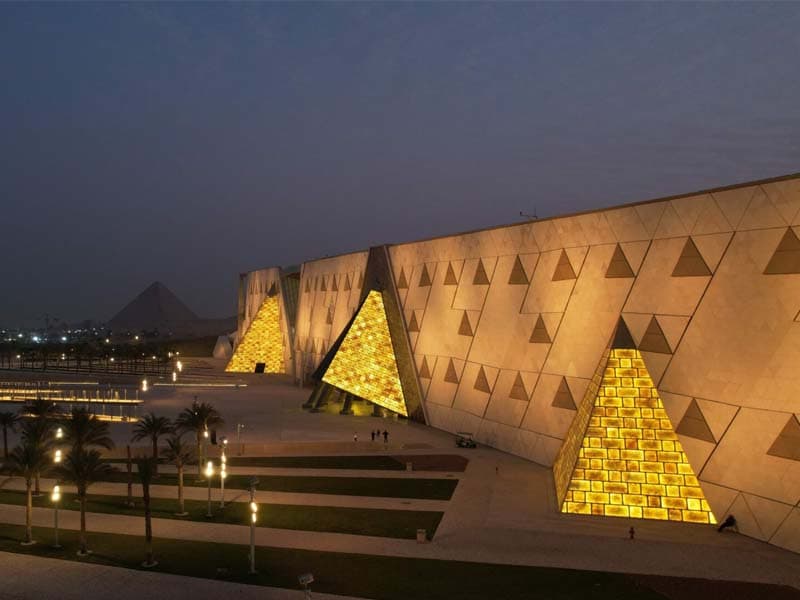
Ihre unvergessliche Zeitreise mit der Tour durch das Große Ägyptische Museum! Dieses hochmoderne Museum befindet sich in der Nähe der berühmten Pyramiden von…
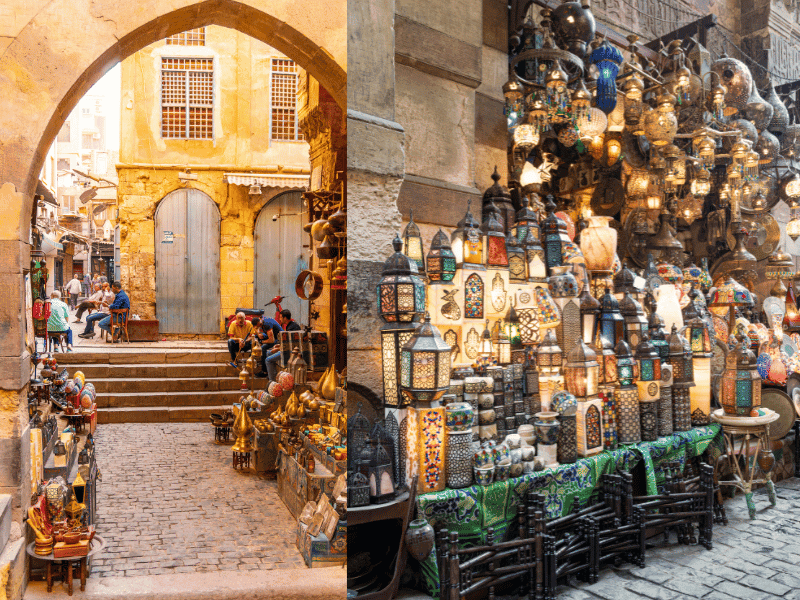
Diese fesselnde 12-stündige Tour durch Kairo verspricht eine bereichernde Reise durch die antiken Wunder und modernen Freuden der Stadt. Gäste werden…

Tauchen Sie bei dieser 8-stündigen Gruppen-Sightseeing-Tour in die reiche Kultur und jahrhundertealte Geschichte Kairos ein. Erfahrene Reiseführer führen Sie…

Diese aufregende Tagestour von Travel Joy Egypt führt Sie von Port Said nach Kairo, um die antiken Wunder der Pyramiden von Gizeh und der Sphinx zu erkunden…

Dieser ganztägige Ausflug von Travel Joy Egypt führt Sie von Ihrem Schiff in Port Said aus zu den berühmten Pyramiden und der Sphinx von Gizeh sowie der noch…
Diese unvergessliche 8-stündige Tour bietet eine unvergessliche Reise durch die antike Geschichte an einigen der bedeutendsten Reiseziele Ägyptens. Die Gäste…
Pyramiden von Gizeh — Frequently Asked Questions
Everything you need to know before visiting Pyramiden von Gizeh.