
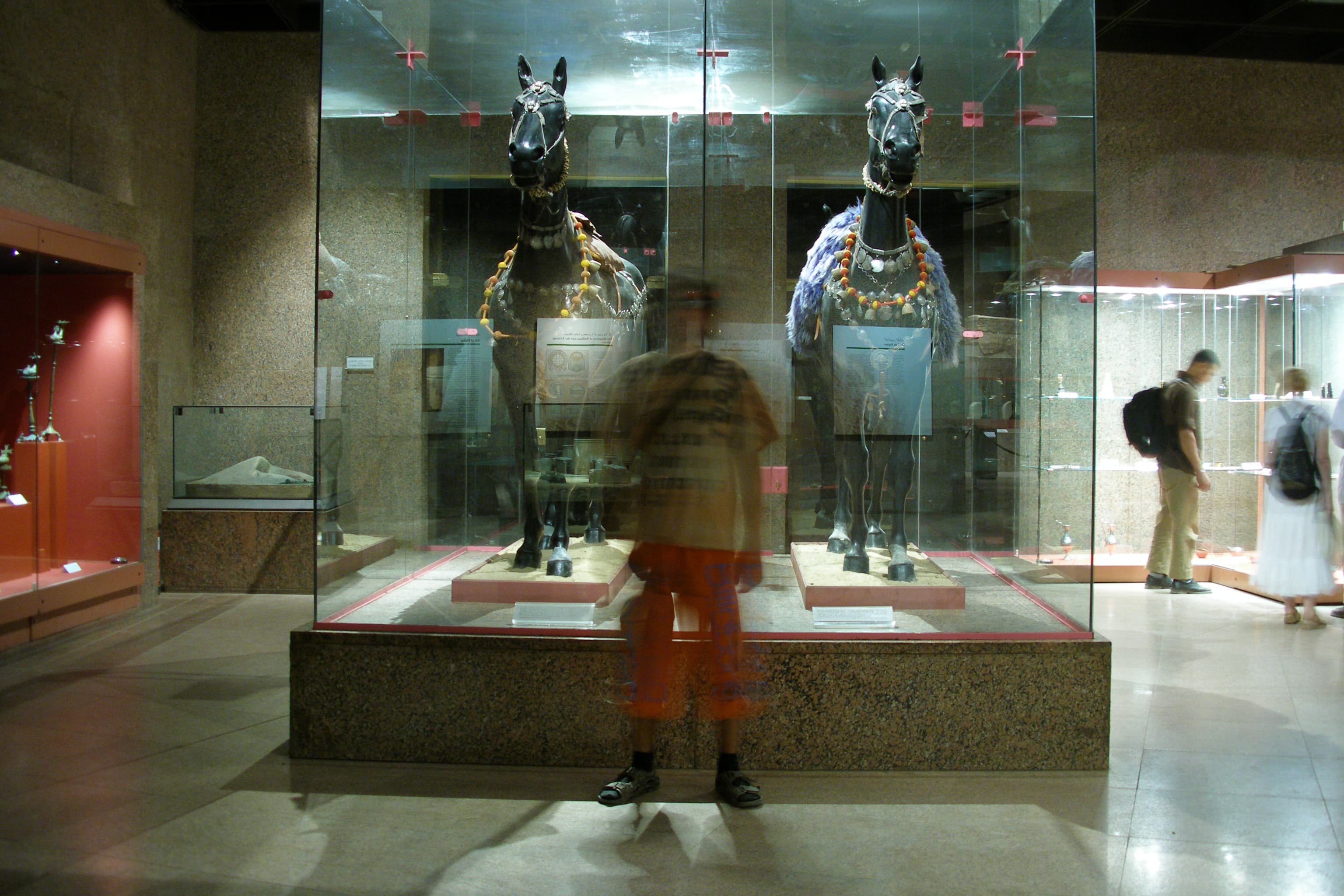

Aswan's Nubian Museum isn't just another stop on your Egyptian itinerary; it's a profound experience, a deep dive into a culture that's both ancient and incredibly resilient. Opened in 1997, this place is special for so many reasons, housing over 3,000 artifacts that tell the story of Nubia from way back in prehistoric times right up to today. It even won the Aga Khan Award for Architecture, which is a pretty big deal, for how beautifully and sensitively it blends with traditional Nubian design. More than just preserving endangered heritage, it tells the human story behind the UNESCO monument rescue efforts and helps you truly grasp Nubian culture, the challenges of displacement, and their unwavering spirit.
The Nubian People: Africa's Enduring Civilization
Geographic and Historical Context
Imagine a stretch of the Nile River, reaching from Aswan down into Sudan. This is Nubia, a region ancient Egyptians called Ta-Seti, meaning 'Land of the Bow' – a nod to the legendary skill of Nubian archers. This land holds some of Africa's oldest civilizations, with evidence of settled communities, complex societies, and unique cultures dating back over 10,000 years. Think about that for a moment: 10,000 years! Nubia’s relationship with Egypt was never simple. Sometimes they were powerful, independent kingdoms, sometimes under Egyptian rule, and often, they were crucial trading partners. There was even a time, during the 25th Dynasty (around 747-656 BC), when Nubian kings, the Kushites, conquered and ruled Egypt itself! This isn't just some footnote in history; it shows Nubia as a powerful civilization that profoundly influenced ancient Egypt, all while maintaining its own distinct identity.Distinct Cultural Identity
Despite centuries of interaction, Nubian culture stands proudly distinct from Egyptian culture. And honestly, that's what makes it so fascinating. Here’s a peek into what makes it unique:- 'Language': Nubian languages (like Nobiin and Kenzi-Dongolawi) are completely different from Arabic or ancient Egyptian—they're part of the Nilo-Saharan family. While Arabic is more common now, these ancient languages are still spoken, especially by elders.
- 'Architecture': You'll recognize traditional Nubian houses by their distinctive domed roofs, vibrant colors, and decorative patterns. They're designed for the desert, with thick walls for insulation and small windows to keep out the heat, plus courtyards for natural ventilation. Smart, right?
- 'Social Structure': Nubian society has always valued extended families, village cooperation, respect for elders, and strong community bonds. These values still shape their identity today.
- 'Artistic Traditions': From pottery and basketry to jewelry, textiles, music, and art, Nubian creations have unique styles and motifs. You'll see a sophisticated aesthetic sensibility that definitely sets them apart from Egyptian traditions.
- 'Religious Practices': While most modern Nubians are Muslim (with some Christian minorities), their faith often beautifully incorporates pre-Islamic traditions, creating a really unique blend of beliefs.
The Displacement Crisis
This is where the story gets really poignant. The construction of the Aswan High Dam between 1960 and 1970 and the creation of Lake Nasser meant that ancestral Nubian homelands were flooded. Around 90,000 to 120,000 Nubians had to move. The Egyptian government relocated them to new villages near Kom Ombo, about 50 kilometers north of Aswan. Sudanese Nubians moved to other areas. It was one of the 20th century's true cultural tragedies. Hundreds of Nubian villages disappeared under Lake Nasser, along with generations of farmlands, archaeological sites, and the very landscapes that defined Nubian cultural identity. Even with new housing and amenities, many Nubians grieved an irreplaceable loss – not just homes and land, but their connection to ancestors, sacred sites, and the riverine environment that was so central to their lives. This museum doesn't shy away from this truth; it documents the displacement, honoring those lost communities while robustly celebrating Nubian resilience and the continuity of their culture, even in the face of such devastating change.
Museum Architecture and Design
Want to explore Nubian Museum Aswan: A Journey Through Time and Resilience?
Let us design the perfect private itinerary for you. From expert local guides to seamless luxury cruises, we craft custom trips that show you the real Egypt.
Customize via WhatsAppAward-Winning Building
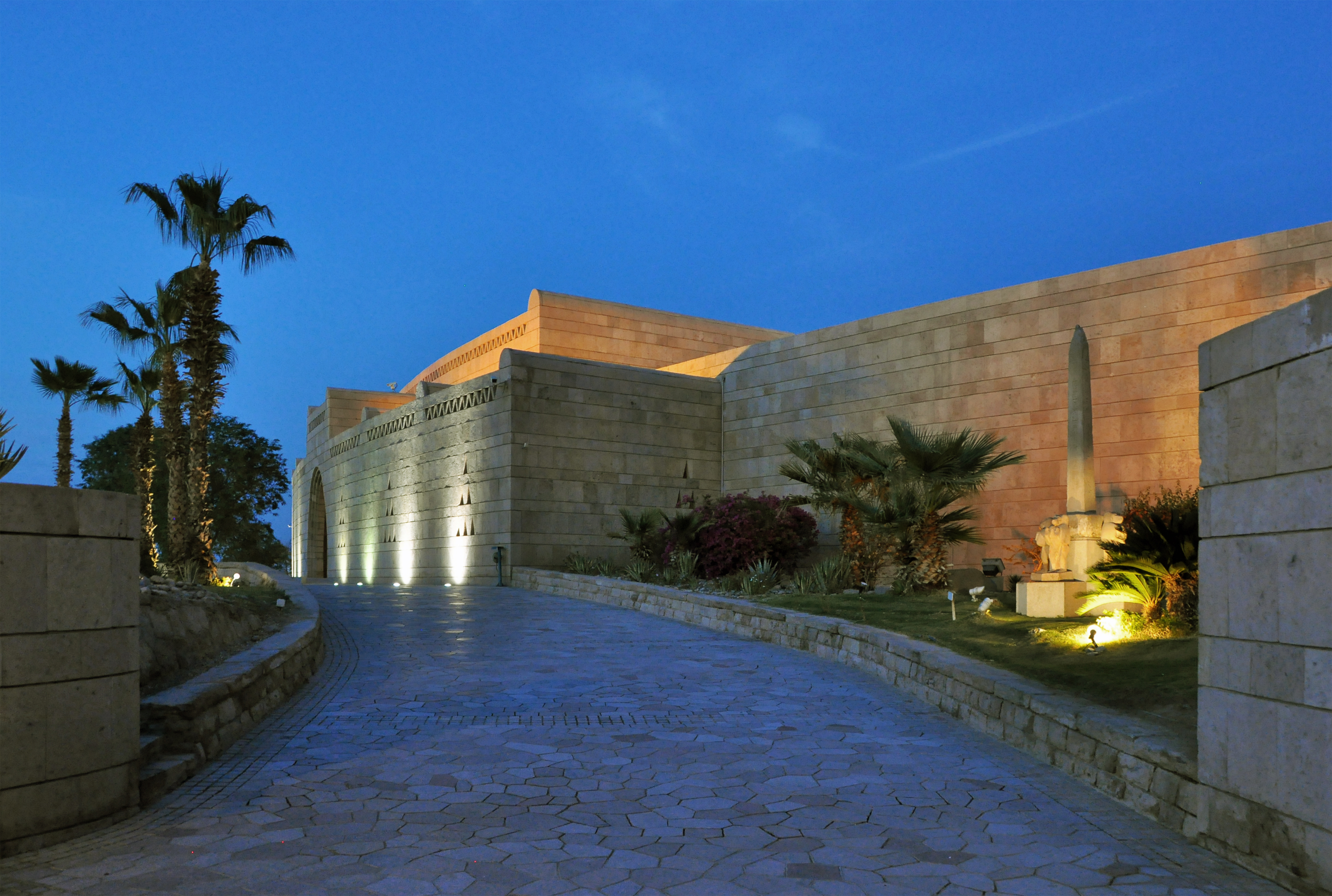
Mahmoud El-Hakim, the Egyptian architect behind the Nubian Museum, really nailed it. He designed a space that honors Nubian heritage while embracing modern museum standards. The building justly earned the Aga Khan Award for Architecture, which is given to exceptional architecture serving Islamic societies. It's a testament to its beauty, cultural sensitivity, functionality, and positive community impact. They’ve woven traditional Nubian elements into every corner: natural stone (local granite and sandstone) that harks back to traditional building materials, those iconic domed roofs, and a smart integration with the landscape. The building follows the natural topography with terraced construction, and outdoor spaces like gardens and courtyards seamlessly connect the inside and out. Plus, water features cool the air, symbolizing the Nile’s lifeblood role in Nubian life. The building is also cleverly oriented to let in maximum natural light while minimizing heat gain – crucial in Aswan, where summer temperatures can soar past 45°C (113°F). They've combined traditional Nubian cooling techniques – think thick walls, small windows, cross-ventilation, and shaded courtyards – with modern climate control to keep things comfortable inside.Outdoor Spaces
Step outside and you'll find the museum's extensive gardens, bursting with indigenous plants and palm trees, recreating the Nubian environment. There are even outdoor exhibits featuring large sculptures, architectural pieces, and a recreated Nubian house showing traditional building methods and daily life. These gardens are such peaceful spots for a break, a little reflection, and a chance to truly appreciate Nubian aesthetics in a natural setting.
Museum Collection and Exhibitions
Permanent Exhibition Galleries
The museum’s permanent exhibitions are spread across multiple galleries, guiding you through Nubian history in a clear, chronological way. It’s like walking through time itself:- 'Prehistoric Nubia': Here, you'll see pottery, tools, weapons, and burial objects from cultures that existed thousands of years before dynastic Egypt. Rock art reproductions give you a glimpse into ancient artistic traditions.
- 'Pharaonic Period': This section features objects from when Nubia was influenced by Egyptian rule. Think statues, stelae, reliefs, and pottery. It really explores the complex give-and-take between the two cultures.
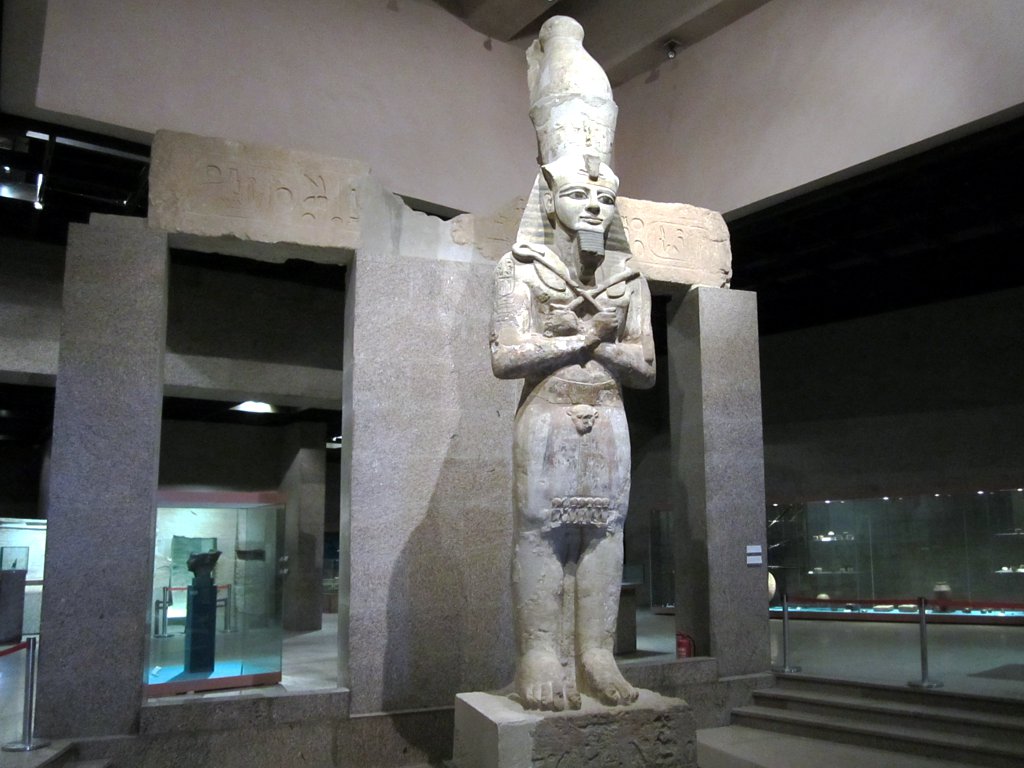
- 'The Kingdom of Kush': This is where Nubia truly shined. See artifacts from its most powerful era, when Kushite pharaohs ruled Egypt. Royal sculptures, jewelry, weapons – it all speaks to Kushite power and sophisticated culture.
- 'Christian Nubia': Discover frescoes, manuscripts, and other objects from when Nubia adopted Christianity (6th-15th centuries AD), creating a unique brand of Nubian Christian culture.
- 'Islamic Period': This gallery showcases items like manuscripts, pottery, and textiles from after the Islamic conversion, reflecting cultural continuity and adaptation.
- 'Traditional Nubian Life': This is a poignant section. Ethnographic displays recreate traditional Nubian houses with all their furnishings, tools, and crafts, showing daily life before the dam. It really drives home what was lost.
- 'UNESCO Rescue Campaign': Absolutely essential to understand the story. This documentation covers the international effort to save Nubian monuments from flooding, with photos, engineering plans, and explanations of how temples were moved. It’s a powerful story of global cooperation.
Want to explore Nubian Museum Aswan: A Journey Through Time and Resilience?
Let us design the perfect private itinerary for you. From expert local guides to seamless luxury cruises, we craft custom trips that show you the real Egypt.
Customize via WhatsAppNotable Artifacts
Among the vast collection, some pieces truly stand out:- 'Statue of Ramesses II': An impressive sculpture that clearly shows Egyptian artistic influence in Nubia.
- 'Royal Kushite Statues': Sculptures of those powerful Kushite pharaohs who once ruled Egypt, blending Egyptian and Nubian artistic styles.
- 'Christian Frescoes': These beautifully painted religious scenes from Nubian churches really highlight a distinct artistic tradition.
- 'Pottery Collection': An extensive array of ceramics from various periods, showcasing incredible craftsmanship and artistic development.
- 'Jewelry and Personal Ornaments': Gold, silver, and semi-precious stone jewelry that reveals Nubian aesthetic preferences.
- 'Traditional Crafts': Baskets, textiles, and leather goods that continue ancient traditions.
- 'Architectural Elements': Bits and pieces from ancient structures, like column capitals and decorated bricks, offering clues to past grandeur.
Temporary Exhibitions
Keep an eye out for their rotating temporary exhibitions. They often delve into specific aspects of Nubian culture, new archaeological finds, contemporary Nubian artists, or particular historical themes. It’s a great reason to visit again!
Visiting the Nubian Museum
Practical Information
So, you’re ready to visit? Here’s what you need to know:- 'Location': You'll find the museum on the Corniche in southern Aswan, only about 2 kilometers from the city center, right near the Basma Hotel. You really can't miss it.
- 'Getting There': It's super accessible. A quick 10-15 minute taxi ride from downtown, or if you're up for it, a 30-40 minute walk. Many Aswan city tours include this as a key stop.
- 'Opening Hours':
- Winter (November-April): 9:00 AM to 5:00 PM daily
- Summer (May-October): 9:00 AM to 9:00 PM daily
- 'Entry Fees': For international tourists, it's roughly 140 EGP (but prices can shift). Egyptian citizens and residents get a much lower rate, and international students with a valid ID can snag a discount.
- 'Duration': Plan for at least 1.5-2 hours to really take it all in. If you're particularly passionate about Nubian culture or archaeology, you could easily spend 2-3 hours or more.
- 'Photography': Generally allowed, though there might be a small fee for cameras. Always double-check current policies, and remember that flash photography might be prohibited in some galleries to protect the artifacts.
- 'Facilities': The museum has a gift shop selling lovely Nubian crafts, books, and souvenirs. There's also a cafeteria for refreshments, clean restrooms, and, thankfully, air-conditioned galleries to escape Aswan's heat.
What to See
If you're visiting for the first time, make sure these are on your list:- 'The UNESCO Rescue Campaign gallery': Seriously, don't skip this. It's crucial for understanding the impact of the Aswan High Dam and the monumental efforts to save these treasures.
- 'Traditional Nubian Life displays': The recreated house interiors and ethnographic collections are fantastic for seeing what daily life was like before the displacement.
- 'Christian Nubia frescoes': Simply beautiful artwork that shows a sophisticated artistic tradition.
- 'The Kingdom of Kush gallery': See the statues and objects from Nubia's most powerful era – truly impressive.
- 'Outdoor gardens and reconstructed Nubian house': These are lovely, peaceful spots that blend architecture, landscape, and cultural interpretation perfectly.
Combining with Other Attractions
The Nubian Museum fits perfectly with other Aswan highlights:- 'Philae Temple': Only about 20 minutes away, this stunning island temple is a prime example of a monument saved by the UNESCO campaign.
- 'Abu Simbel': If you're doing a day trip, visiting the museum afterward provides incredible context for understanding Abu Simbel's relocation.
- 'Elephantine Island': Just 15 minutes away, you can see living Nubian culture in the island villages, which really brings the museum's historical and ethnographic displays to life.
- 'Aswan High Dam': (20 minutes) The very dam that necessitated the Nubian displacement and monument rescue. A full-circle experience.
Educational Value
This museum isn't just for looking at old things; it serves some really important educational purposes:- 'Historical Perspective': It powerfully shows Nubian civilization as a sophisticated culture, not just a sideline to Egyptian history.
- 'Cultural Preservation': It documents traditional Nubian life, language, crafts, and customs that are constantly at risk from modernization.
- 'Heritage Awareness': It educates visitors about the importance of cultural heritage preservation, UNESCO's role, and our shared responsibility to protect our past.
- 'Contemporary Relevance': It bridges ancient history with living Nubian communities who continue their cultural traditions today.
- 'Interdisciplinary Learning': It beautifully weaves together archaeology, anthropology, art history, architecture, and social history into a comprehensive and engaging narrative.
Ready to turn this guide into reality?
Our local experts can create a custom itinerary based on these recommendations. Just send us a quick message!
Customize via WhatsApp