
About Arrecife Abu Ramada
Descubre las Maravillas Submarinas del Arrecife Abu Ramada
El Arrecife Abu Ramada se encuentra en el claro y azul corazón del Mar Rojo de Egipto. Más que un sitio de buceo, es una vitrina submarina celebrada.
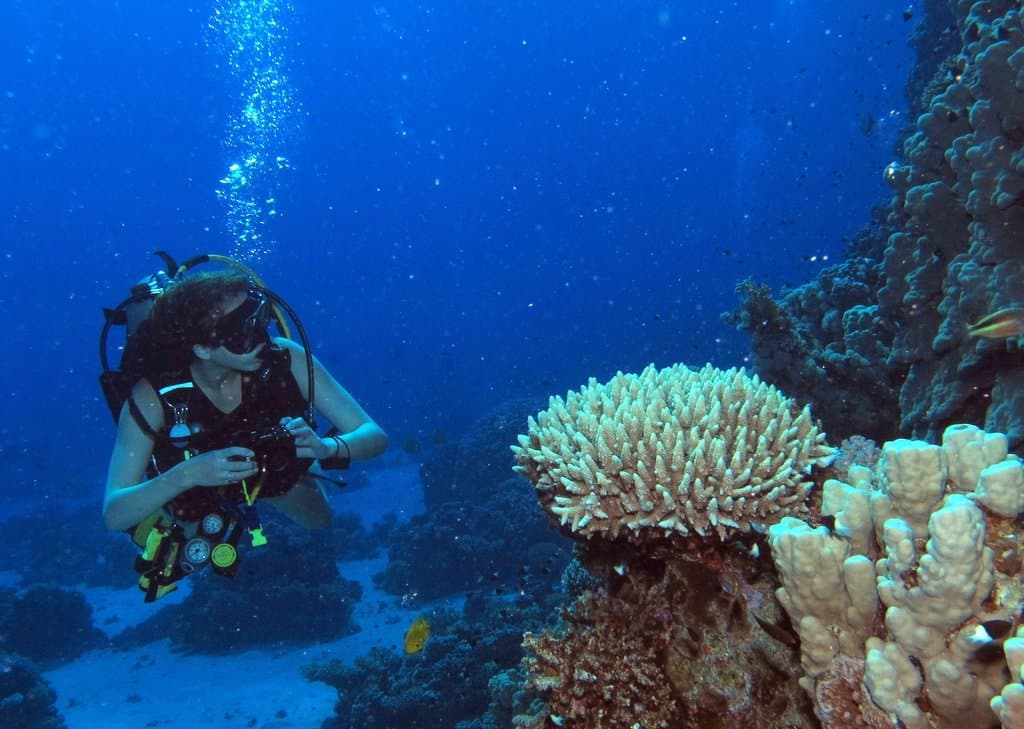
Desciende por acantilados dramáticos hacia profundidades cerúleas y un tapiz viviente de vida marina. Este sistema expansivo, conocido como 'El Acuario' por su biodiversidad, ofrece una mirada memorable a la ecología del Mar Rojo.
Deslízate sobre formaciones de coral elaboradas, ricas en corales duros y blandos de colores vivos. Bancos de anthias brillan mientras los peces mariposa se deslizan entre las ramas, y los peces ángel emperador patrullan sus territorios.
Observa a las tortugas marinas verdes residentes descansando o pastando. Las rayas águila y las rayas de puntos azules aparecen a lo largo de parches arenosos y bordes de arrecifes iluminados por el sol, añadiendo un movimiento elegante a cada inmersión.
¿Qué Hace Especial al Arrecife Abu Ramada?
Una Sinfonía de Biodiversidad: 'El Acuario'
El apodo encaja gracias a una densidad excepcional de vida. Mesetas poco profundas y caídas profundas crean microhábitats variados. La mezcla atrae desde pequeños nudibranquios camuflados hasta ocasionales visitantes pelágicos más grandes.
Jardines de Coral Impresionantes y Topografía Dramática
La arquitectura del arrecife cautiva tanto como sus criaturas. Los corales abanico y cerebro prosperan en aguas prístinas, formando laberintos, voladizos y pasadizos. Las paredes empinadas caen en aguas azules y ofrecen oportunidades para avistar especies de mar abierto.
Accesibilidad para Todos los Niveles de Habilidad
Abu Ramada se adapta a una amplia gama de habilidades. Los buceadores experimentados disfrutan de secciones más profundas y corrientes más animadas, mientras que las aguas poco profundas son ideales para principiantes y esnorquelistas. Este equilibrio lo convierte en un favorito para barcos de grupos mixtos.
Qué Ver en el Arrecife Abu Ramada
- Tortugas Marinas Verdes: Gentiles y a menudo sin prisa, se las ve pastando en pastos marinos o descansando en repisas arenosas para momentos fotográficos excepcionales.
- Rayas Águila y Rayas de Puntos Azules: Escanea áreas arenosas y bordes de arrecifes. Las rayas águila se deslizan con aletas anchas como alas, mientras que las rayas de puntos azules pueden enterrarse, mostrando solo sus vívidos puntos.
- Formaciones de Coral Vibrantes: Cruza campos de corales duros y blandos, desde intrincados corales cerebro hasta delicados abanicos, con anémonas coloridas que albergan peces payaso.
- Bancos de Peces de Arrecife: Espera un movimiento constante de anthias, peces mariposa, peces ángel, peces loro y peces damisela.
- Avistamientos Pelágicos Potenciales: En zonas más profundas y corrientes, puedes encontrar barracudas o incluso tiburones de arrecife.
Cómo Visitar el Arrecife Abu Ramada
Cómo Llegar
Barcos diarios desde Hurghada llegan a Abu Ramada en aproximadamente 45 minutos a una hora, dependiendo de las condiciones del mar y la embarcación. Muchos centros de buceo lo combinan con arrecifes cercanos para un día completo en el agua.
Entradas y Tours
No hay un boleto separado para el arrecife. Reserva un viaje de buceo o snorkel de día completo con un operador turístico o centro de buceo de buena reputación. Los paquetes generalmente incluyen:
- Transporte en barco hacia y desde el arrecife
- Dos o tres inmersiones guiadas o sesiones de snorkel
- Almuerzo y refrescos a bordo
- Equipo de alquiler (trajes de neopreno, máscaras, aletas, BCDs, reguladores) si es necesario
- Instructores de buceo o guías de snorkel experimentados
Los precios varían según el operador, las inclusiones y si buceas o haces snorkel. Reserva con anticipación, especialmente en temporada alta.
Tiempo Necesario
Planifica una excursión de día completo. Los barcos generalmente salen por la mañana (alrededor de las 8:00 AM-9:00 AM) y regresan a última hora de la tarde (alrededor de las 4:00 PM-5:00 PM). Este horario permite tiempo de viaje, dos o tres sesiones, y tiempo para relajarse a bordo.
Mejor Época para Visitar y Consejos
Mejor Época para Visitar
El buceo es excelente durante todo el año. Las condiciones más cómodas son generalmente de marzo a mayo y de septiembre a noviembre, con agua cálida (24-28°C / 75-82°F) y a menudo 30 m (100 ft) o más de visibilidad.
El verano trae calor en la cubierta pero excelentes condiciones bajo el agua. El invierno (diciembre-febrero) es más fresco, alrededor de 21-23°C (70-73°F), por lo que considera un traje de neopreno más grueso.
Consejos Esenciales para tu Visita
- Reserva con un centro de buena reputación: Elige operadores certificados (por ejemplo, PADI, SSI) con sólidos registros de seguridad.
- Protección solar: Usa protector solar de alto SPF y seguro para arrecifes, además de un sombrero y gafas de sol.
- Hidratación: Bebe agua regularmente durante todo el día.
- Respeta la vida marina: No toques ni molestes a las criaturas o corales; mantén una distancia segura.
- Lleva una cámara: Una cámara submarina ayuda a capturar los colores y encuentros.
- Sigue a tu guía: Escucha las instrucciones para mantenerte seguro y aprovechar al máximo cada sitio.
Historical Significance
La Profunda Historia del Arrecife Abu Ramada
El Arrecife Abu Ramada no tiene un pasado construido por el hombre, sin embargo, su historia está escrita en roca, agua y tiempo. A lo largo de incontables milenios, los pólipos de coral construyeron capa tras capa para formar los muros y jardines de hoy.
La erosión, las corrientes y los organismos vivos luego dieron forma a lo que los buceadores ahora exploran.
- Formación Geológica: El Mar Rojo es un océano geológicamente joven creado por la separación de las placas africana y arábiga. A medida que las condiciones se estabilizaron, el agua cálida, clara y soleada permitió que florecieran arrecifes como Abu Ramada.
- Evolución Ecológica: El arrecife maduró en una compleja red de vida. Las especies se adaptaron a nichos a lo largo de mesetas poco profundas y bordes más profundos, cada una desempeñando un papel en la resiliencia y vitalidad del arrecife.
- Descubrimiento y Apreciación Moderna: Con el auge del buceo recreativo a finales del siglo XX, Abu Ramada ganó reconocimiento por su belleza y biodiversidad. Atrajo visitantes de todo el mundo y ayudó a destacar la vida marina del Mar Rojo, subrayando la necesidad de una preservación continua.
Arrecife Abu Ramada — Frequently Asked Questions
Everything you need to know before visiting Arrecife Abu Ramada.