
La columna de Pompeyo: Tours, Tickets & Visitor Guide
About La columna de Pompeyo
Revelando la grandeza del pilar de Pompeyo: el coloso romano de Alejandría
Una colosal columna romana emerge de restos antiguos, llena de historias sobre la desaparición de Pompeyo y el pasado esplendor de Alejandría. El Pilar de Pompeyo, una magnífica estructura de granito, se alza como un centinela solitario en medio de los escasos restos del antiguo Serapeum de Alejandría. Lejos de ser un monumento a Pompeyo el Grande, este impresionante edificio es, de hecho, una dedicatoria al emperador Diocleciano, que muestra el poder y el ingenio romanos en Egipto.
Al acercarse, la magnitud de la columna se hace evidente. Construido a partir de una sola pieza de granito de Asuán, se eleva casi 27 metros (88 pies) hacia el cielo, y su capitel corintio destaca contra el panorama alejandrino. Alrededor del pilar se encuentran los cimientos excavados y los fragmentos arquitectónicos dispersos del Serapeum, que alguna vez fue el templo más importante de Alejandría dedicado al dios sincrético Serapis.
Si bien sólo una fracción de este gran complejo perdura, el sitio proporciona un vínculo tangible con el patrimonio helenístico y romano de la ciudad. Los visitantes pueden pasear entre estas piedras antiguas, imaginando la bulliciosa actividad que alguna vez llenó este recinto sagrado.
¿Qué hace que la columna de Pompeyo sea especial?
Más allá de su impresionante estatura, el Pilar de Pompeyo ofrece una visión fascinante de las capas de la historia que definen Alejandría. A pesar de su nombre engañoso, que probablemente se originó en el folclore medieval más que en un hecho histórico, la columna es un poderoso testimonio de la ingeniería romana y de la importancia de la ciudad durante el Imperio Romano. Se erige como una dedicatoria al emperador Diocleciano, erigida en el año 297 d.
C. para conmemorar su represión de una revuelta en Alejandría y su posterior acto benévolo de proporcionar grano a la ciudad durante una hambruna. Esto lo convierte no solo en un monumento, sino en un símbolo de gratitud imperial y un marcador de un acontecimiento histórico significativo.
La columna en sí es una maravilla de construcción antigua. Tallado en una sola y enorme pieza de granito rojo de Asuán, su eje liso se eleva dramáticamente, rematado por un intrincado capitel corintio. Su enorme escala y el esfuerzo requerido para transportar y erigir una piedra tan enorme dicen mucho sobre las capacidades de los constructores romanos.
El sitio arqueológico circundante, aunque fragmentado, permite a los visitantes conectarse con la grandeza del Serapeum, que alguna vez fue el corazón espiritual de la antigua Alejandría, dedicado a la deidad greco-egipcia Serapis.
Qué ver en la columna de Pompeyo
Su visita a la Columna de Pompeyo es un viaje en el tiempo, que ofrece algo más que la icónica columna:
- La Columna Colosal: Naturalmente, el punto focal es el magnífico pilar en sí. Tómate el tiempo para caminar por su base, apreciando su inmenso tamaño y la artesanía de su capital corintia. Imagínese la monumental tarea de su construcción y colocación.
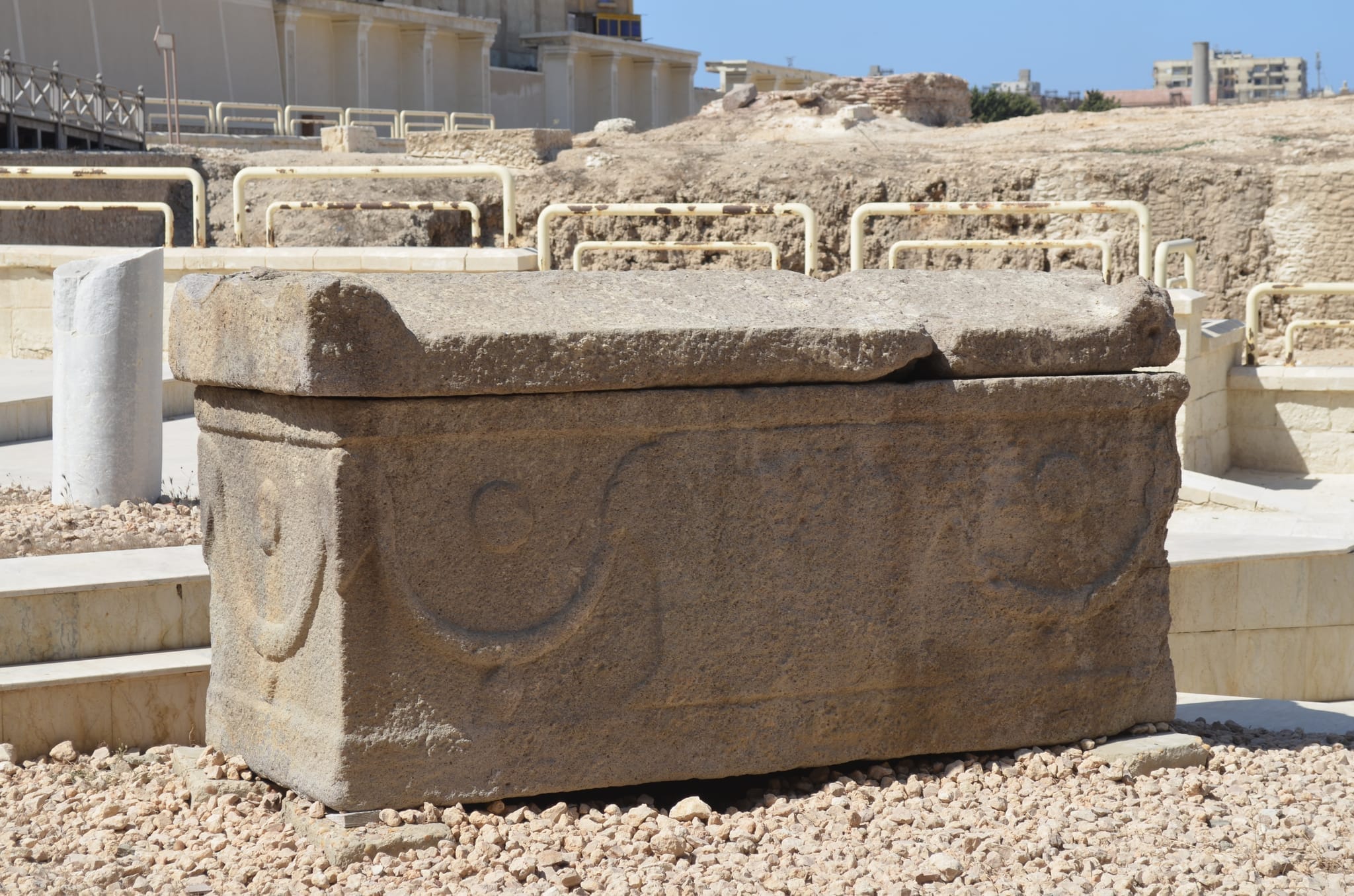
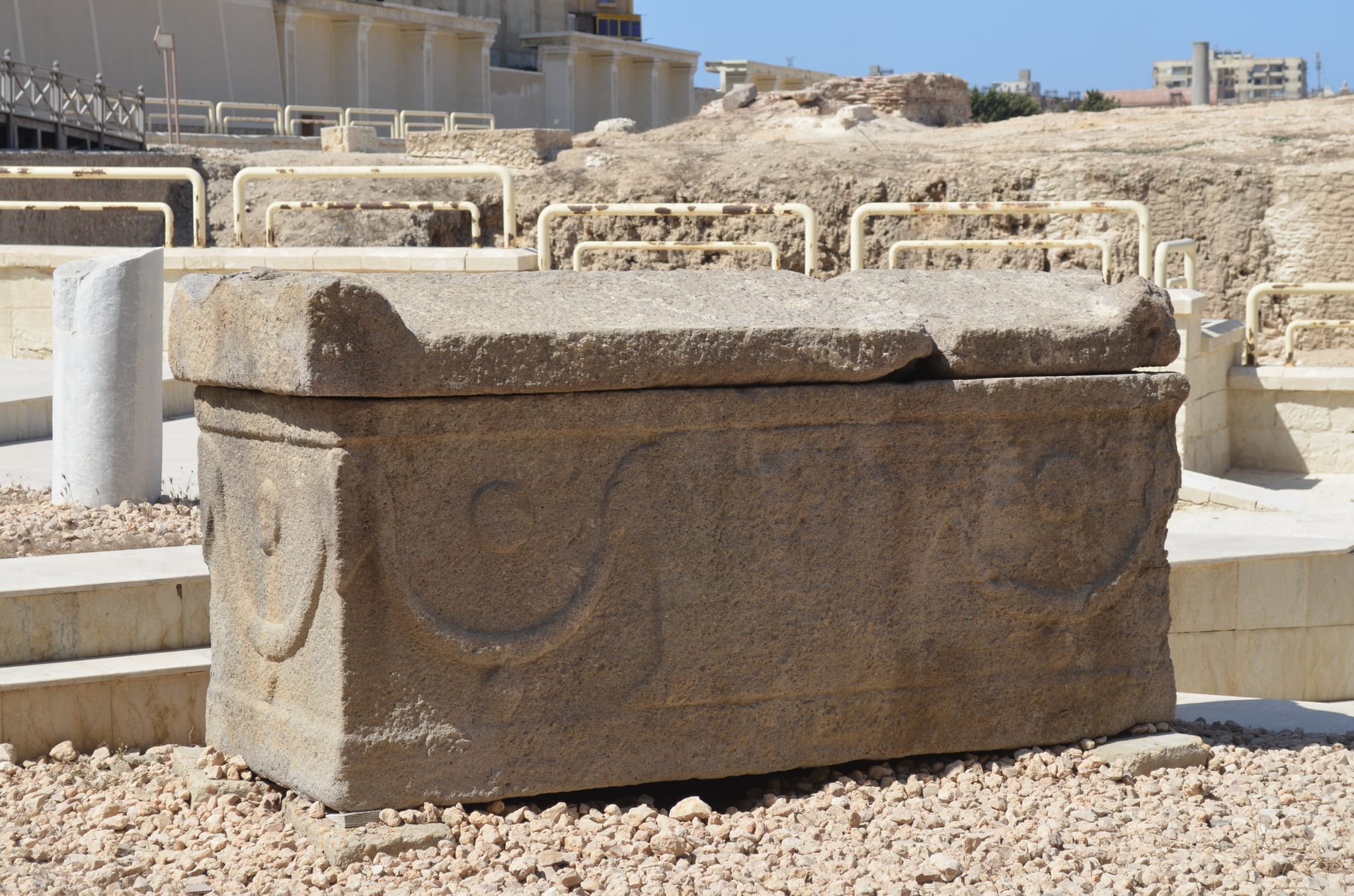
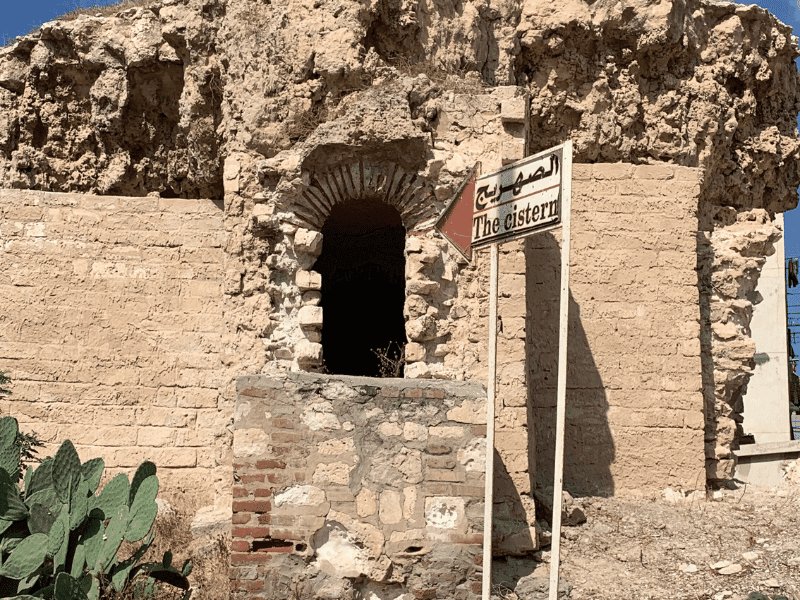
- Restos del Serapeum: explora los cimientos y los fragmentos arquitectónicos dispersos que rodean el pilar. Estos escasos restos son todo lo que queda del otrora grandioso Serapeum, un complejo de templos que rivalizaba incluso en importancia con la Biblioteca de Alejandría. Busque cisternas, paredes y otros elementos estructurales que demuestren la antigua gloria del complejo.
- Galerías subterráneas: Más allá del pilar, descubrirás los restos de galerías subterráneas. Estos pasajes y cámaras subterráneos probablemente se usaron para rituales, almacenamiento o tal vez incluso como parte de la biblioteca del templo. Si bien no todos son accesibles, su presencia añade un aire de misterio y profundidad al sitio.
- Esfinges y estatuas: Esté atento a varios artefactos más pequeños, incluidas esfinges y fragmentos de estatuas, desenterrados durante las excavaciones. Estas piezas proporcionan una visión más profunda de las tradiciones religiosas y artísticas de la época.
- Vistas panorámicas: Desde la posición elevada del sitio, a menudo se pueden disfrutar vistas panorámicas de la Alejandría moderna, que ofrece un sorprendente contraste entre los paisajes urbanos antiguos y contemporáneos.
Cómo visitar la columna de Pompeyo
Cómo llegar
El Pilar de Pompeyo está convenientemente ubicado en el distrito Karmouz de Alejandría, por lo que es fácilmente accesible desde la mayor parte de la ciudad. Los taxis son la opción más sencilla y las aplicaciones de transporte compartido también están ampliamente disponibles. Muchos recorridos organizados por la ciudad de Alejandría incluyen una parada en el Pilar de Pompeyo, lo que ofrece una forma sencilla de visitar otras atracciones importantes.
Entradas y entradas
Las entradas se pueden comprar directamente en la entrada del sitio. El costo es generalmente asequible y puede haber precios separados para ciudadanos egipcios, residentes árabes y visitantes extranjeros. Siempre es recomendable tener algunas libras egipcias a mano para las entradas y cualquier pequeña compra.
Tiempo necesario
Asignar aproximadamente 1 a 1,5 horas para una visita cómoda. Esto permitirá tiempo suficiente para admirar la columna, explorar las ruinas del Serapeum circundantes y tomar fotografías sin prisas. Si estás particularmente interesado en la arqueología o la fotografía, puedes extender un poco tu estadía.
Mejor época para visitar y consejos
Horarios de visita ideales
La mejor época para visitar el Pilar de Pompeyo, como muchos sitios históricos al aire libre en Egipto, es durante los meses más fríos, de octubre a abril. Las mañanas, poco después de la apertura, y las últimas horas de la tarde son ideales para evitar el calor del mediodía y las grandes aglomeraciones. La luz más suave de estos tiempos también es excelente para la fotografía.
Consejos prácticos
- Calzado cómodo: El sitio implica caminar sobre terreno irregular, incluidas áreas excavadas y piedras antiguas, por lo que es imprescindible llevar calzado cómodo.
- Protección solar: Alejandría puede hacer sol, incluso en invierno. Traiga sombrero, gafas de sol y protector solar, especialmente si visita durante las horas pico de sol.
- Agua: Manténgase hidratado, especialmente durante los meses más cálidos. Puede que haya vendedores cerca, pero siempre es bueno llevar tu propia botella de agua.
- Guía: considere contratar un guía local en la entrada o unirse a una visita guiada para obtener una visión más profunda de la historia y la importancia del sitio. Sus narrativas realmente pueden dar vida a las ruinas.
- Respete el sitio: Como se trata de un antiguo sitio arqueológico, se anima a los visitantes a ser respetuosos con las ruinas y abstenerse de trepar a estructuras o retirar artefactos.
Historical Significance
Un nombre engañoso de gran escala
A pesar de su designación perdurable, el pilar de Pompeyo no guarda ninguna asociación directa con el general romano Cneo Pompeyo Magno. La denominación probablemente se originó en la Edad Media, producto del folclore popular y una mala interpretación del contexto histórico.
En realidad, la columna fue erigida en el año 297 d.C. en honor al emperador romano Diocleciano, para conmemorar su triunfo sobre una revuelta en Alejandría y su posterior generosidad al distribuir grano a la población de la ciudad durante un período de hambruna.
El Serapeum: una maravilla perdida
La columna sirvió originalmente como elemento central del magnífico Serapeum, un complejo de templos dedicado a Serapis, un Deidad greco-egipcia sintetizada por Ptolomeo I Sóter. El Serapeum era uno de los templos más grandes y famosos del mundo antiguo y albergaba una importante biblioteca que rivalizaba, y quizás incluso complementaba, la Gran Biblioteca de Alejandría.
El complejo del templo fue destruido en gran parte en el año 391 d.C. bajo el decreto del emperador Teodosio I, durante la supresión del paganismo. Lo que queda hoy, incluido el propio pilar, ofrece una visión conmovedora de la grandeza que se perdió.
Tours Visiting La columna de Pompeyo
Private, Egyptologist-guided experiences with tickets and transfers handled for you.

Recorra los grandes sitios históricos de Alejandría en esta excursión de un día desde El Cairo. Visite el emblemático Teatro Romano, admire las maravillas…

Este recorrido diario de 12 horas desde El Cairo lleva a los viajeros en un viaje educativo a través de la historia en la ciudad costera mediterránea de…
Este recorrido cultural de 13 días por Egipto lleva a los viajeros a través de El Cairo, Alejandría, Luxor y Asuán. Se visitarán algunos de los sitios más…

Este magnífico recorrido de 14 días ofrece una aventura inolvidable por Egipto con algunos de los sitios antiguos más emblemáticos. Los huéspedes explorarán…

Este recorrido de dos días ofrece a los turistas una increíble oportunidad de descubrir la belleza y la historia de las dos ciudades más grandes de Egipto: El…

Este recorrido de 3 días le permite experimentar la rica historia y los sitios emblemáticos del antiguo Egipto a través de visitas a algunos de los lugares más…
La columna de Pompeyo — Frequently Asked Questions
Everything you need to know before visiting La columna de Pompeyo.