
About Blue Hole
Descubra a Mística do Blue Hole: O Lendário Abismo Subaquático do Egito
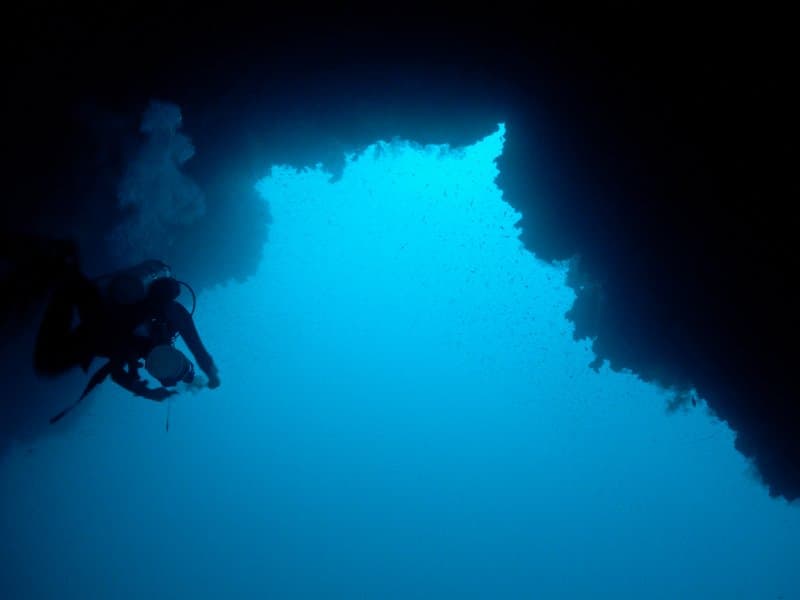
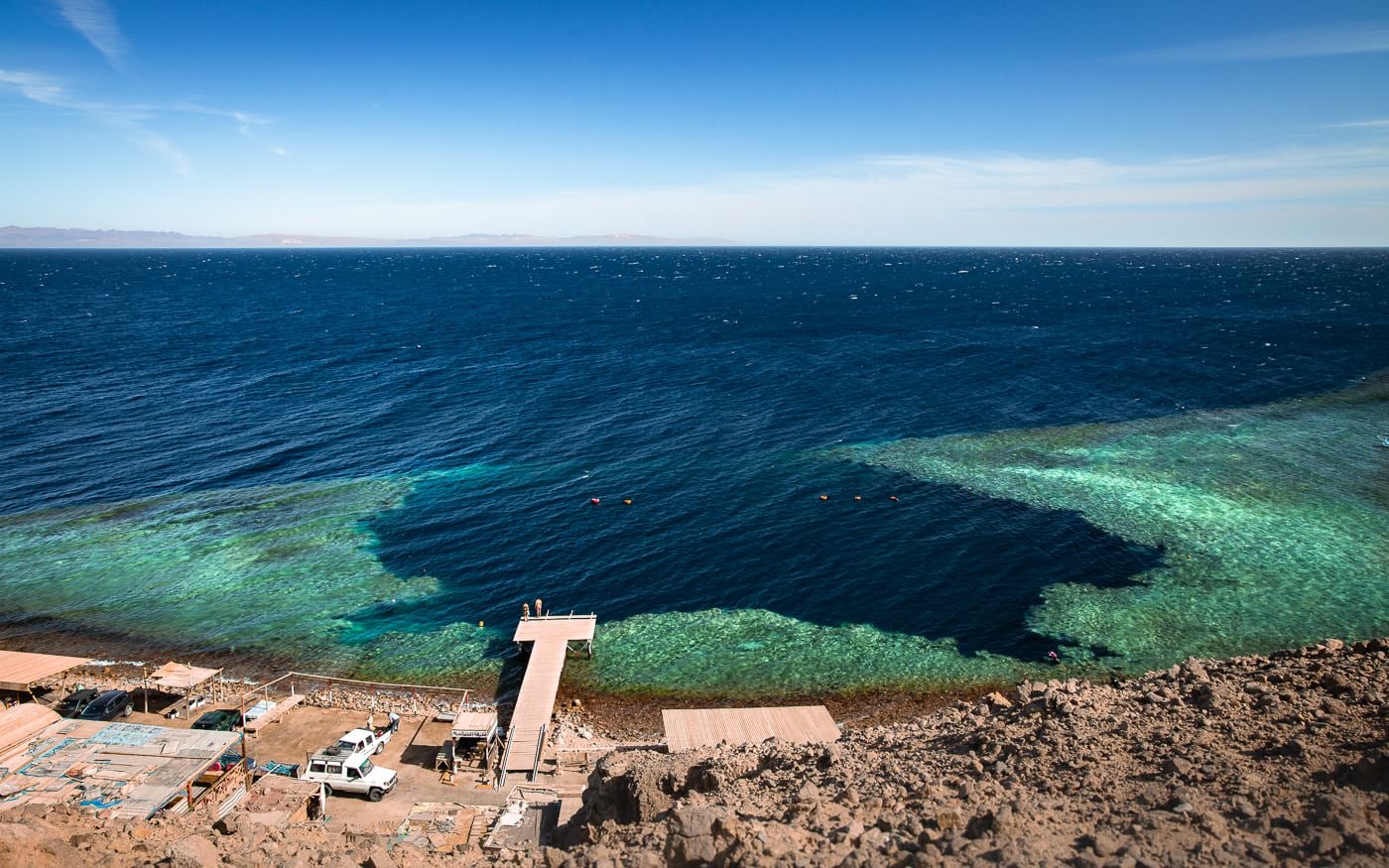
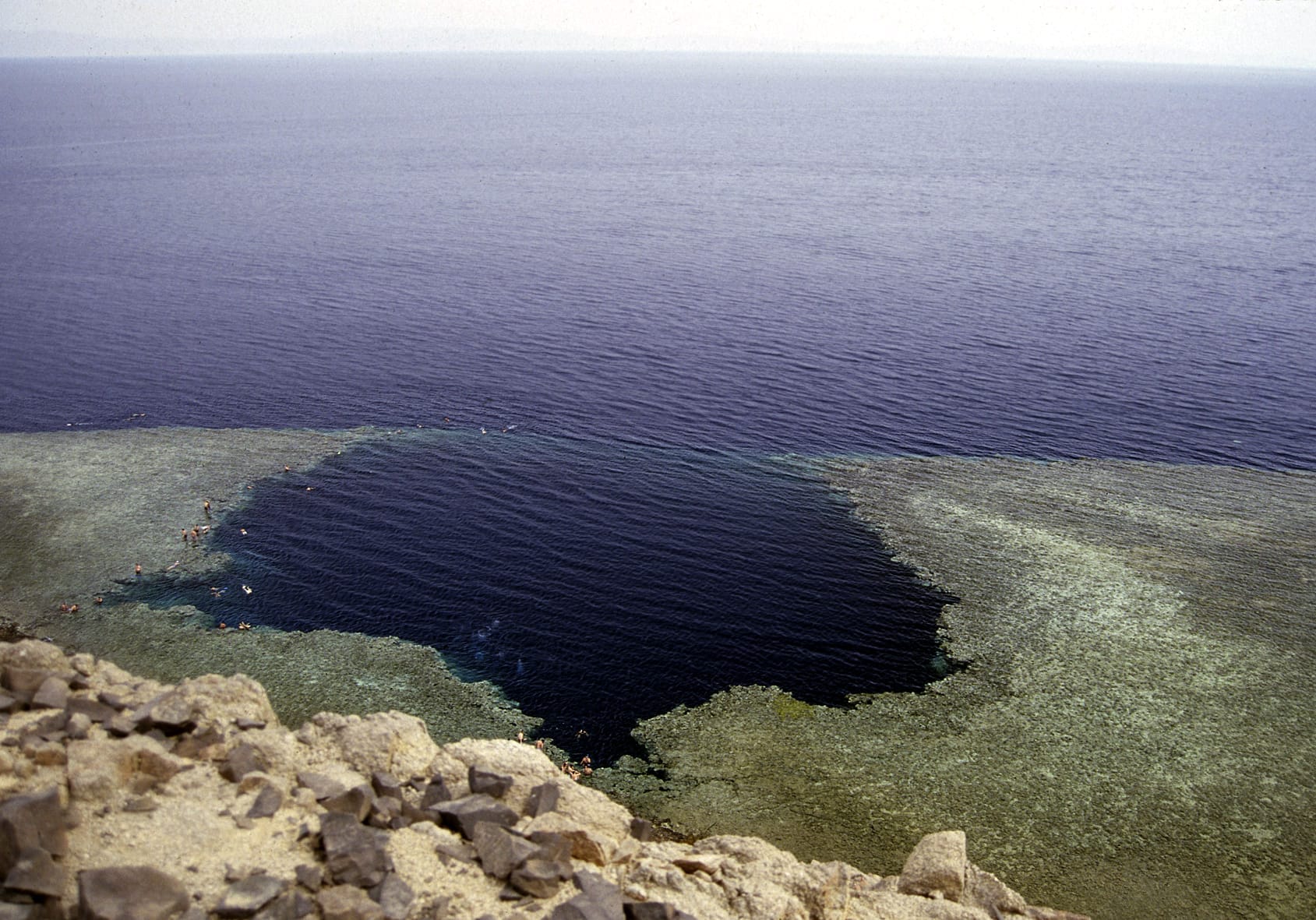
Logo ao norte de Dahab, o Blue Hole é um famoso local de mergulho com águas claras e azuis e um notável passagem subaquática. Este afundamento submerso desce cerca de 100 metros (330 pés) no Mar Vermelho.
Suas paredes verticais e íngremes abrigam corais moles, delicados fãs gorgônios e incontáveis peixes de recife. Procure por peixes-papagaio, peixes-anjo reais e curiosos wrasses contra um fundo dramático e de outro mundo.
A maioria dos mergulhos começa de uma prateleira de recife rasa que leva ao coração do abismo. O local abrange passeios calmos pelo recife até sérios desafios técnicos, tornando-se um ícone do Mar Vermelho.
O que Torna o Blue Hole um Local de Mergulho Reconhecido Mundialmente?
Seu tamanho e queda vertical fazem o Blue Hole se destacar, mas o recife vivo é a verdadeira estrela. A estrutura mais a vida marinha cria uma cena colorida e em constante movimento.
Destaques da Vida Marinha
- Corais moles vibrantes e fãs gorgônios ondulantes ao longo das paredes
- Peixes de recife abundantes, incluindo peixes-papagaio, peixes-anjo e várias espécies de wrasse
O Arco: Um Desafio para os Elites
A característica assinatura do local é "O Arco", um túnel de 26 metros (85 pés) que liga o Blue Hole ao mar aberto. Ele está localizado a uma profundidade de aproximadamente 52-56 metros (170-184 pés).
Navegar pelo Arco requer treinamento especializado, experiência e equipamento. Para mergulhadores técnicos qualificados, a transição do afundamento fechado para o vasto azul além é uma conquista rara e gratificante.
Maravilhas Rasas para Todos
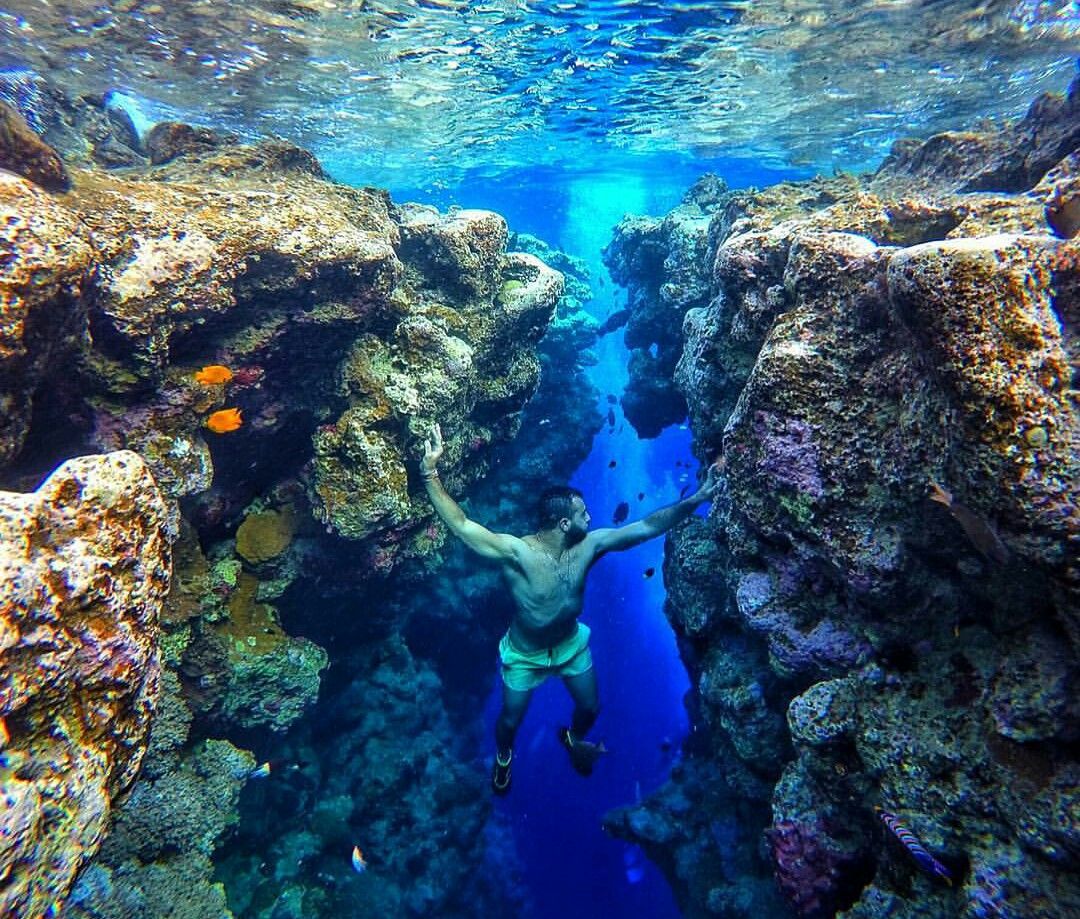
Mergulhadores recreativos podem desfrutar das zonas mais rasas sem entrar em profundidades técnicas. Flutue ao longo da parede do recife para estudar formações de corais intrincadas e a vida agitada do recife na famosa visibilidade do Mar Vermelho.
Os snorkelers também encontram muito para ver na crista do recife, onde peixes coloridos se reúnem logo abaixo da superfície. Este acesso em diferentes níveis de habilidade é uma grande parte do apelo do Blue Hole.

Revelando a Grandeza Geológica do Blue Hole
O Blue Hole se formou através de antigos processos kársticos ligados à bacia do Mar Vermelho. Durante a última época glacial, níveis mais baixos do mar permitiram que água doce rica em ácido carbônico percolasse através de calcário poroso e dissolvesse uma rede de cavernas.
Com o tempo, alguns tetos de cavernas desabaram, criando o poço vertical visto hoje. "O Arco" é uma ponte sobrevivente desse mesmo processo, um lembrete impressionante da lenta mudança geológica.
Embora sua geologia abranja milênios, sua fama como local de mergulho é recente. Na segunda metade do século 20, sua estrutura distinta e o desafio do Arco atraíram a atenção global da comunidade de mergulho.
Planejando Sua Visita ao Blue Hole
Como Chegar
O Blue Hole está localizado a cerca de 15 quilômetros (9 milhas) ao norte de Dahab, uma cidade descontraída conhecida por sua vibe boêmia e ótimos mergulhos. A maioria dos visitantes organiza um táxi ou vai com centros de mergulho locais, desfrutando de uma bela viagem costeira onde o deserto do Sinai encontra o Mar Vermelho.
Entrada e Logística
- Taxa de Entrada: Uma pequena taxa de entrada para a área protegida é normalmente cobrada por locais beduínos que gerenciam o local. Os fundos ajudam a manter as instalações.
- Centros de Mergulho: Visite um centro de mergulho respeitável em Dahab para equipamentos, guias experientes e protocolos de segurança rigorosos.
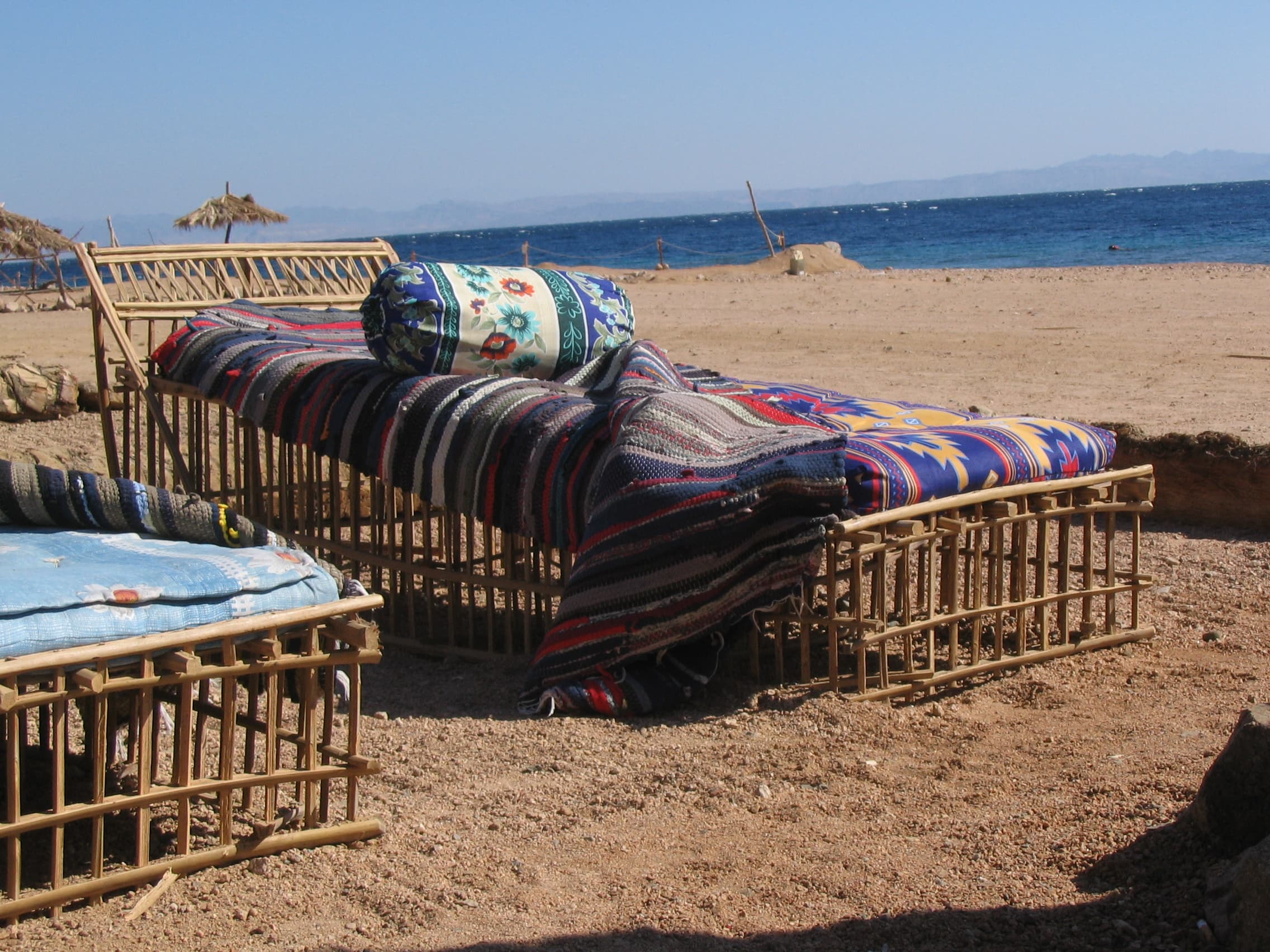
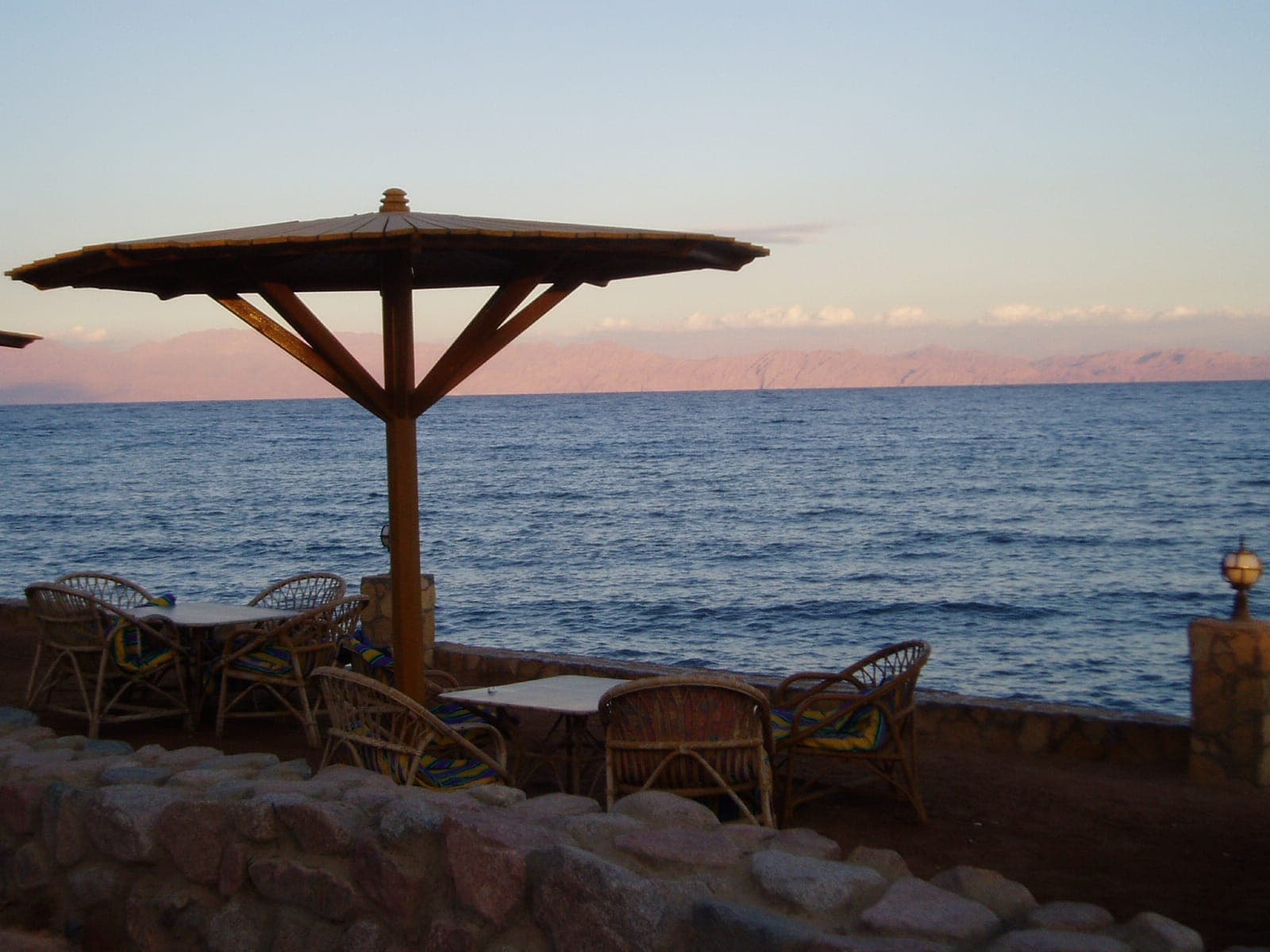
- Instalações: Espere assentos sombreados, pequenos cafés beduínos com refrescos e aluguel de equipamentos no local.
Tempo Necessário
Planeje um passeio de dia inteiro. Inclua o deslocamento de Dahab, tempo de preparação, uma a duas sessões de mergulho ou snorkel, e uma pausa para apreciar a paisagem costeira.
Melhor Época para Visitar & Dicas
- Melhor Época: O mergulho é excelente durante todo o ano. As temporadas intermediárias de março a maio e de setembro a novembro oferecem as temperaturas de ar e água mais confortáveis, com visibilidade consistentemente excelente.
- Respeite o Meio Ambiente: Não toque em corais ou vida marinha, e leve todo o lixo embora.
- Segurança em Primeiro Lugar: Tente o Arco apenas com treinamento técnico e experiência apropriados. Mergulhadores recreativos devem permanecer dentro dos limites de certificação e sempre mergulhar com um parceiro e um guia qualificado.
- Hidratação: O sol do deserto é intenso; beba água regularmente.
- Proteção Solar: Traga protetor solar, um chapéu e óculos de sol.
Historical Significance
Evolução Geológica e Interação Humana
O Blue Hole traça suas origens à formação da bacia do Mar Vermelho. É uma caverna karstica, provavelmente moldada durante a última época glacial, quando os níveis do mar mais baixos permitiram que água doce dissolvesse o calcário em cavernas que depois colapsaram para formar o poço vertical.
"O Arco" permanece como uma ponte natural desse mesmo processo, tendo resistido à erosão ao longo de vastas escalas de tempo. Embora a geologia seja antiga, o local ganhou destaque global no mergulho na segunda metade do século 20, graças à sua estrutura distinta e ao desafio do Arco.
Com a fama veio o risco. As profundidades exigentes, especialmente no Arco, levaram a fatalidades entre mergulhadores despreparados ou excessivamente confiantes. Isso gerou uma maior conscientização e diretrizes de segurança mais rigorosas que enfatizam treinamento e experiência.
Tours Visiting Blue Hole
Private, Egyptologist-guided experiences with tickets and transfers handled for you.
Embarque em uma aventura privada inesquecível apresentando o melhor das maravilhas naturais de Dahab. Este passeio exclusivo leva você do vibrante mundo…
Embarque em uma viagem privada inesquecível explorando os icônicos esplendores naturais que cercam Dahab. Este passeio exclusivo foi projetado para…
Embarque em uma viagem privada exclusiva saindo de Dahab, combinando a grandiosidade inspiradora das montanhas do deserto do Sinai com o vibrante mundo…
Blue Hole — Frequently Asked Questions
Everything you need to know before visiting Blue Hole.