
Pirâmide de Quéfren: Tours, Tickets & Visitor Guide
About Pirâmide de Quéfren
Descubra a Majestade Duradoura da Pirâmide de Quéfren
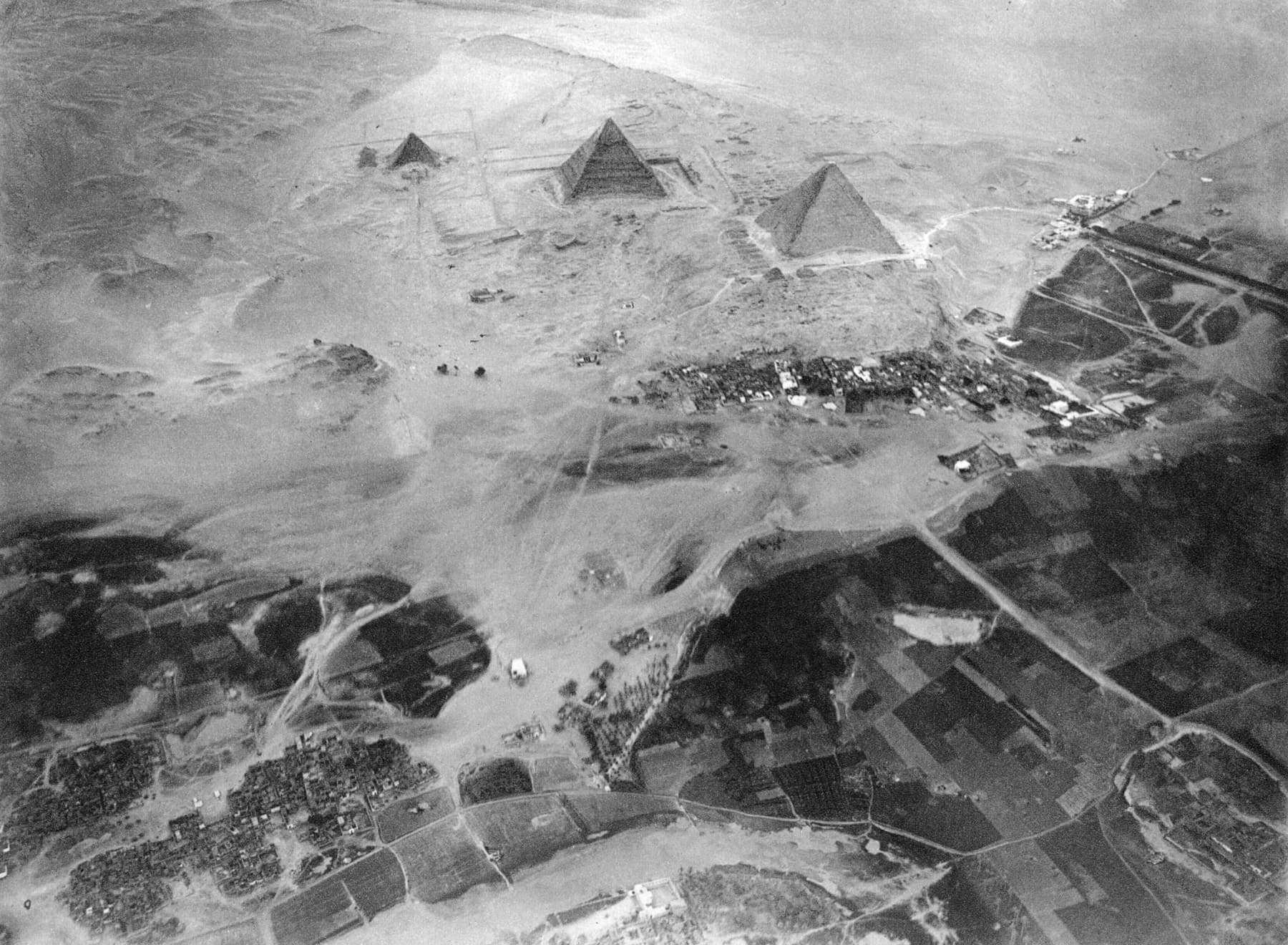
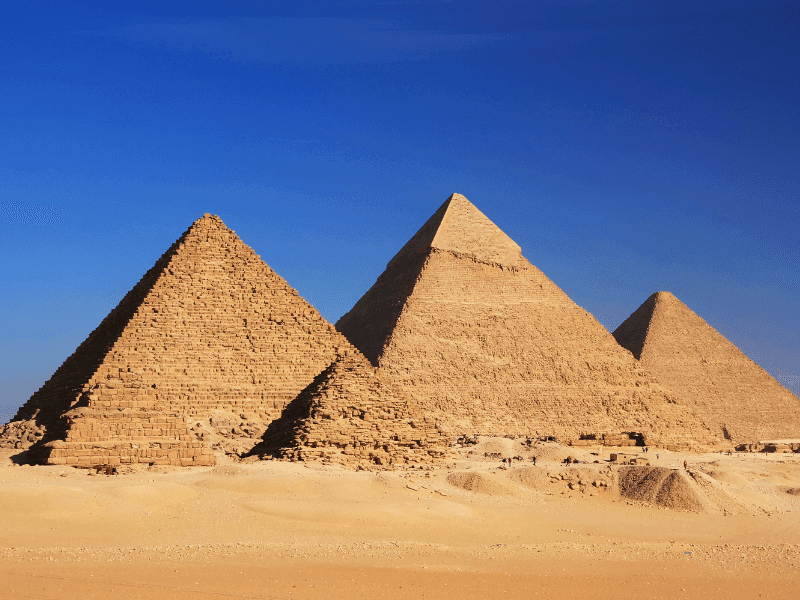
Pise nas antigas areias do Planalto de Gizé e contemple a magnífica Pirâmide de Quéfren, a segunda maior dessas estruturas icônicas. Este túmulo monumental, ainda orgulhosamente adornado com uma parte significativa da sua fachada original de calcário perto do seu ápice, oferece um vislumbre convincente da capacidade arquitetónica avançada e do legado duradouro do Faraó Khafre.
Situada na majestosa proximidade da Grande Pirâmide de Khufu, a Pirâmide de Quéfren (muitas vezes referida como Quéfren) apresenta um espetáculo verdadeiramente deslumbrante, convidando os visitantes a explorar a sua grandeza e os segredos que ela guarda. Sua escala impressionante, combinada com o invólucro de calcário liso notavelmente preservado em seu pico, fornece uma janela incomparável para os sofisticados métodos de construção empregados durante o Império Antigo.
Ao se aproximar, você notará imediatamente uma diferença sutil, mas significativa, em sua construção em comparação com a pirâmide de Khufu. Embora ligeiramente mais curta em altura real, a pirâmide de Quéfren beneficia da sua posição elevada no topo de um afloramento rochoso, muitas vezes criando a ilusão de ser a mais alta das duas.
A tampa restante do invólucro branco brilhante de calcário Tura serve como um lembrete poderoso e tangível do esplendor original que uma vez envolveu todas as pirâmides de Gizé. Imagine toda a estrutura brilhando sob o sol do deserto, um farol de poder e arte antigos! Além de seu exterior inspirador, as câmaras internas da pirâmide, embora menos complexas do que as de sua antecessora, oferecem uma viagem convincente ao coração dos antigos costumes e crenças funerárias egípcias.
O que torna a Pirâmide de Quéfren especial?
A Pirâmide de Quéfren se distingue não apenas por seu tamanho, mas também por várias características únicas que a diferenciam no planalto de Gizé:
- O invólucro duradouro: Ao contrário de seu irmão mais velho, a Pirâmide de Quéfren mantém uma parte substancial de seu invólucro original de calcário Tura altamente polido próximo ao seu cume. Isto oferece uma rara oportunidade de testemunhar em primeira mão o acabamento brilhante que outrora cobria todas as pirâmides, proporcionando uma sensação vívida de seu antigo esplendor.
- Ilusão de Altura: Devido à sua construção em terreno mais elevado, a pirâmide de Quéfren muitas vezes parece mais alta do que a Grande Pirâmide de Khufu, apesar de ser um pouco mais curta na medida real. Este posicionamento inteligente demonstra a engenhosidade dos arquitetos egípcios antigos.
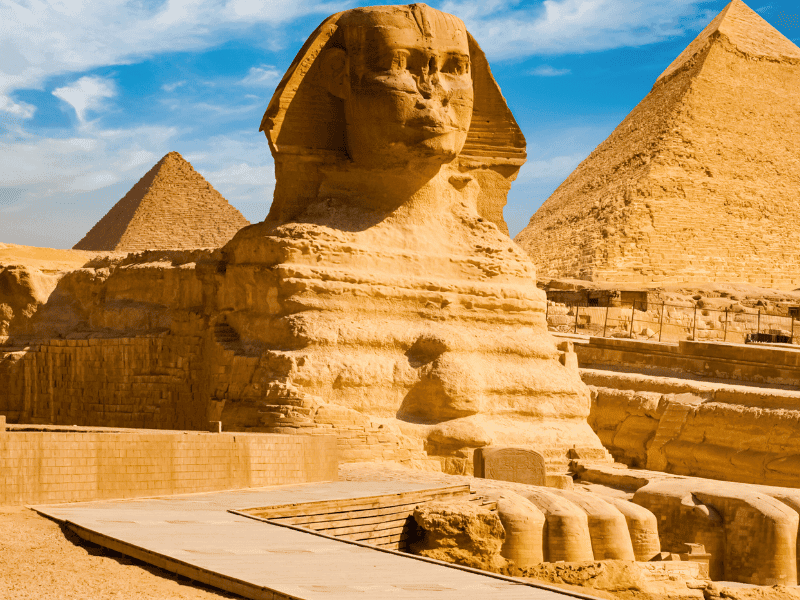
- Proximidade com a Esfinge: A Pirâmide de Quéfren forma o foco central de um complexo funerário abrangente que inclui a icônica Grande Esfinge, que se acredita ser a imagem do próprio Faraó Quéfren. Esta estreita associação aumenta seu significado histórico e simbólico.
- Simetria arquitetônica: embora cada pirâmide tenha características únicas, a pirâmide de Quéfren contribui significativamente para o horizonte harmonioso e monumental da Necrópole de Gizé, apresentando a visão unificada dos construtores da Quarta Dinastia.
O que ver dentro e ao redor da Pirâmide de Quéfren
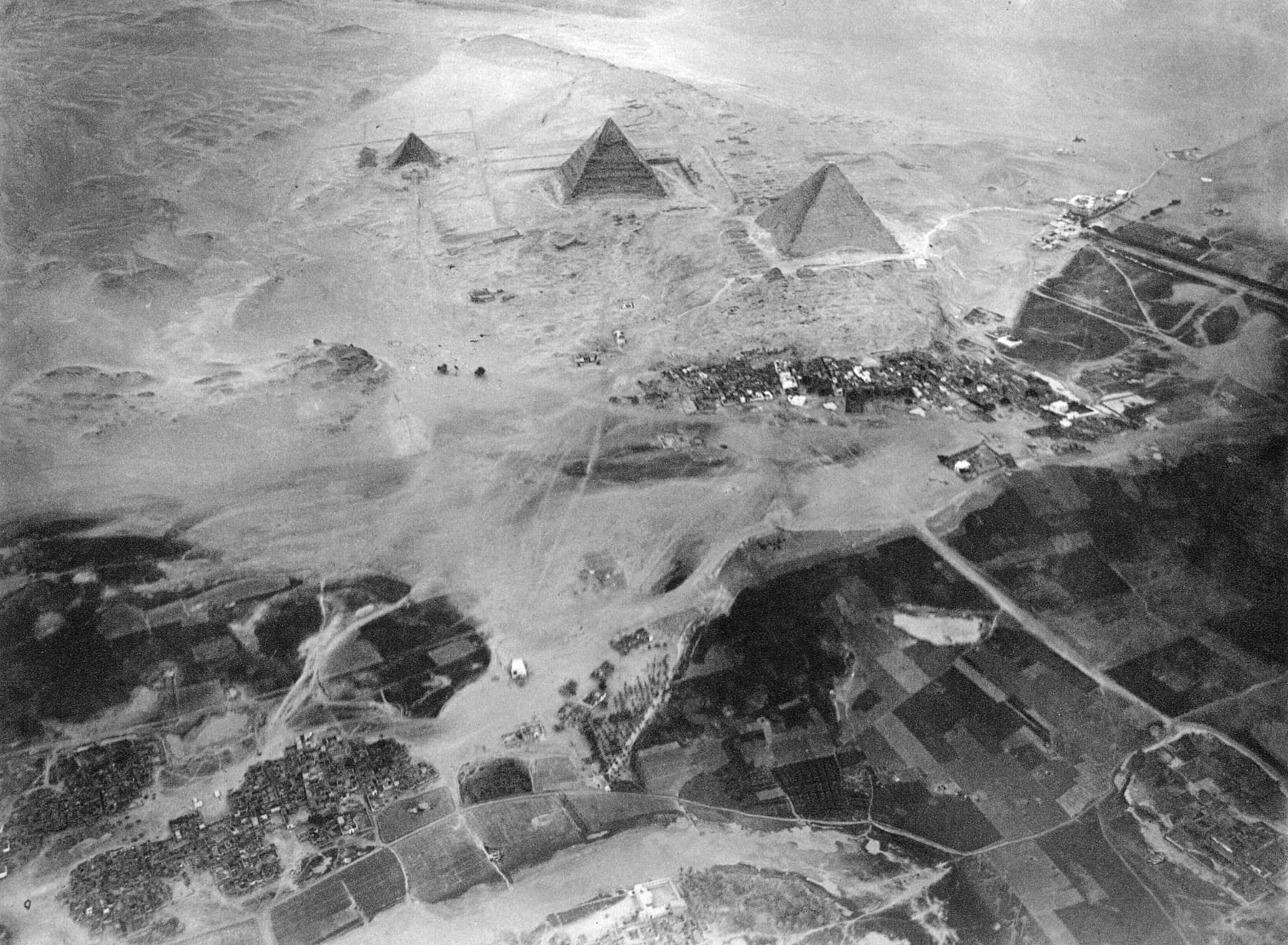
Embora a característica mais marcante da Pirâmide de Quéfren seja seu exterior e o revestimento de calcário preservado, os visitantes também podem explorar elementos de seu interior e complexo circundante:
- O invólucro externo: Passe algum tempo admirando o calcário Tura preservado no ápice da pirâmide. Esta pedra branca, lisa e brilhante oferece uma conexão direta com a aparência dessas estruturas há milhares de anos.
- Câmaras Internas: A pirâmide contém duas entradas principais, uma mais acima e outra no nível do solo. Estes levam a passagens e câmaras internas, incluindo a câmara mortuária que abrigava o sarcófago de Quéfren. Embora menos ornamentados do que alguns túmulos, a qualidade monumental desses espaços é profundamente comovente e fornece informações sobre a arquitetura funerária do Reino Antigo.
- Vale e Templos Mortuários: explore as ruínas do Templo do Vale e do Templo Mortuário associados. O Templo do Vale, conhecido pelos seus enormes blocos de granito, foi onde o corpo do faraó foi preparado para o enterro. O Templo Mortuário, situado diretamente contra a face oriental da pirâmide, foi usado para o culto contínuo do falecido faraó.
- A Grande Esfinge: Diretamente ligada ao complexo de Quéfren, a Grande Esfinge monta guarda. Sua expressão enigmática e tamanho colossal fazem dela uma parte essencial da sua visita, e sua proximidade com a pirâmide destaca seu propósito interligado.
Como visitar a Pirâmide de Quéfren
A Pirâmide de Quéfren está localizada no planalto de Gizé, aproximadamente 15 quilômetros a sudoeste do centro do Cairo. Faz parte do complexo maior da Necrópole de Gizé.
- Como chegar: A maneira mais fácil de chegar ao planalto de Gizé é de táxi ou com uma excursão pré-agendada saindo do Cairo. Aplicativos de compartilhamento de viagens também estão disponíveis. O novo Aeroporto Internacional da Esfinge (SPX) também está convenientemente próximo.
- Ingressos: A entrada no Planalto de Gizé exige um ingresso de entrada geral. É necessário um ingresso adicional separado para entrar no interior da Pirâmide de Quéfren. Esses ingressos podem ser adquiridos nos portões de entrada principal da Necrópole de Gizé.
- Tempo necessário: Reserve pelo menos 2 a 3 horas para explorar a Pirâmide de Quéfren, seus templos circundantes e a Grande Esfinge. Se você planeja entrar na pirâmide, reserve um tempo extra para fazer fila e explorar o interior.
Melhor época para visitar e dicas
Para aproveitar ao máximo sua visita à Pirâmide de Quéfren e ao Planalto de Gizé, considere estas recomendações:
- Melhor época do ano: Os meses mais frios, de outubro a abril, são ideais, oferecendo temperaturas mais confortáveis para explorar ao ar livre. Os verões (maio a setembro) podem ser intensamente quentes, tornando essenciais as visitas no início da manhã ou no final da tarde.
- Melhor horário do dia: Chegue o mais próximo possível do horário de abertura (geralmente 8h) para evitar as maiores multidões e o calor do meio-dia. O final da tarde também oferece uma bela luz para a fotografia.
- O que vestir: Vista roupas confortáveis e respiráveis. Para as mulheres, é aconselhável vestir-se com recato, cobrindo ombros e joelhos, em respeito aos costumes locais. Calçados confortáveis são essenciais, pois você estará em terrenos irregulares.
- Hidratação: Leve bastante água, especialmente durante os meses mais quentes. Existem vendedores, mas os preços dentro do complexo podem ser mais altos.
- Proteção Solar: Chapéu, óculos escuros e protetor solar com FPS alto são altamente recomendados, pois há pouca sombra no planalto.
- Acesso Interior: Esteja ciente de que as passagens dentro da pirâmide podem ser estreitas, baixas e íngremes. Se você tem claustrofobia ou problemas de mobilidade, reconsidere entrar no interior.
- Fotografia: A fotografia geralmente é permitida fora das pirâmides para uso pessoal, mas verifique se há restrições, especialmente no interior. Os tripés podem exigir uma licença especial.
Historical Significance
O Construtor Real e Seu Monumento Duradouro
A Pirâmide de Quéfren foi encomendada ao Faraó Quéfren, o quarto governante da Quarta Dinastia do antigo Egito, aproximadamente por volta de 2570 aC. Ele era filho de Khufu, o mentor da Grande Pirâmide, e sucedeu seu irmão Djedefre no trono. O reinado de Quéfren é celebrado não apenas por sua pirâmide, mas também pela criação da Grande Esfinge, que se acredita personificar sua imagem e vigiar seu complexo funerário.
Maravilha e significado arquitetônico
- A base da pirâmide mede aproximadamente 215,5 metros (707 pés) de cada lado.
- Sua altura inicial era de 143,5 metros (471 pés), tornando-a apenas um pouco mais curta que a de Khufu.
- Uma característica distintiva é a cobertura sobrevivente de pedras lisas e brancas de calcário Tura perto de seu cume, oferecendo uma visão rara de como todas as pirâmides apareceram originalmente.
- A pirâmide é parte integrante de um complexo maior que inclui um templo mortuário, um templo no vale (onde o processo de mumificação provavelmente começou) e uma passagem que conecta os dois.
- A Grande Esfinge, habilmente esculpida em um afloramento natural de calcário, é um componente crucial do complexo de Khafre, servindo como uma entidade protetora e um poderoso emblema da autoridade real.
Tours Visiting Pirâmide de Quéfren
Private, Egyptologist-guided experiences with tickets and transfers handled for you.
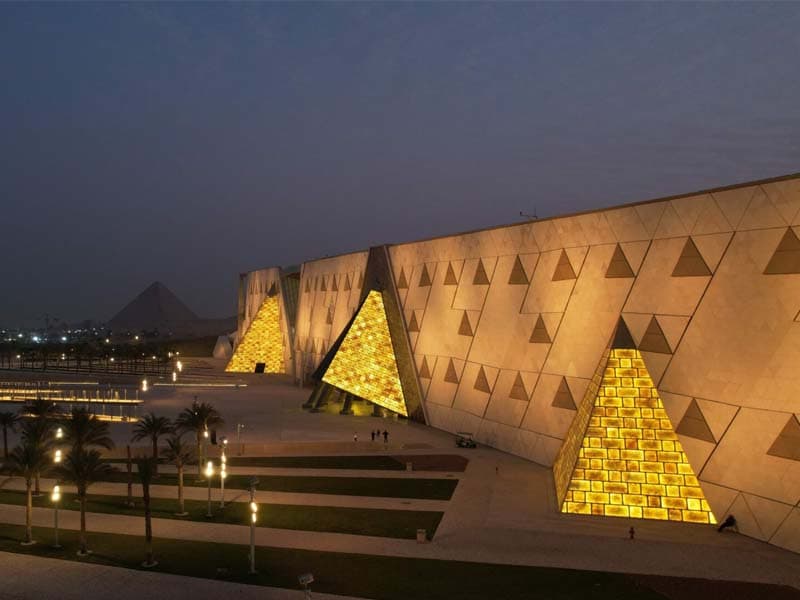
Sua viagem inesquecível no tempo com o tour do Grande Museu Egípcio! Localizado perto das icônicas Pirâmides de Gizé, este museu de última geração abriga mais…

Travel Joy Egypt oferece um passeio de um dia saindo de Port Sokhna para os visitantes descobrirem a história e a cultura egípcia antiga no Cairo através de…

Esta emocionante excursão de um dia da Travel Joy Egypt leva você de Port Said ao Cairo para explorar as maravilhas antigas das Pirâmides de Gizé e da Esfinge,…
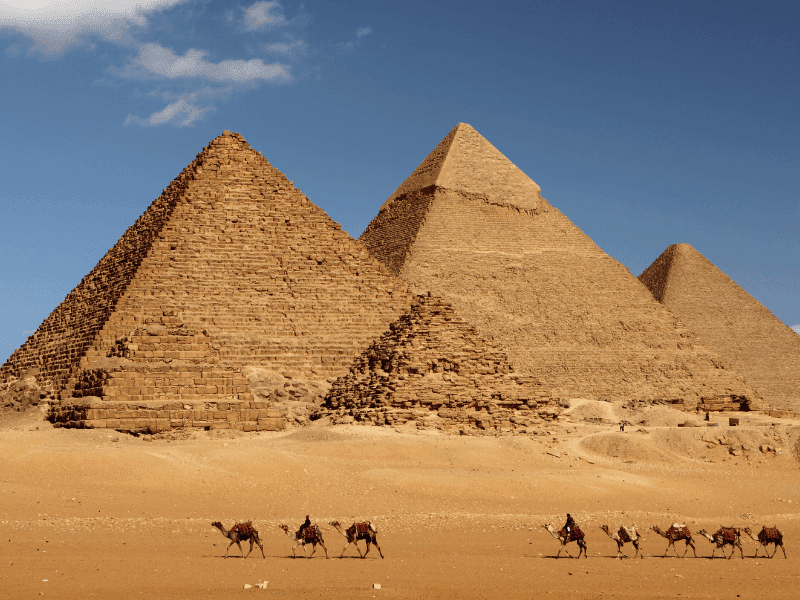
Esta memorável excursão de 8 horas oferece uma viagem inesquecível pela história antiga em alguns dos destinos mais notáveis do Egito. Os hóspedes visitarão…
Travel Joy Egypt oferece um passeio de um dia explorando as icônicas Pirâmides de Gizé e Esfinge antes de um delicioso cruzeiro com almoço ao longo do Nilo com…
Travel Joy Egypt oferece uma viagem envolvente de um dia saindo de Port Sokhna, explorando as icônicas pirâmides de Gizé e a Esfinge antes de se aventurar nos…
Pirâmide de Quéfren — Frequently Asked Questions
Everything you need to know before visiting Pirâmide de Quéfren.