
Monte Sinai: Passeios, Ingressos e Guia do Visitante
Sobre o Monte Sinai
Monte Sinai: Uma Jornada até o Cume da Revelação
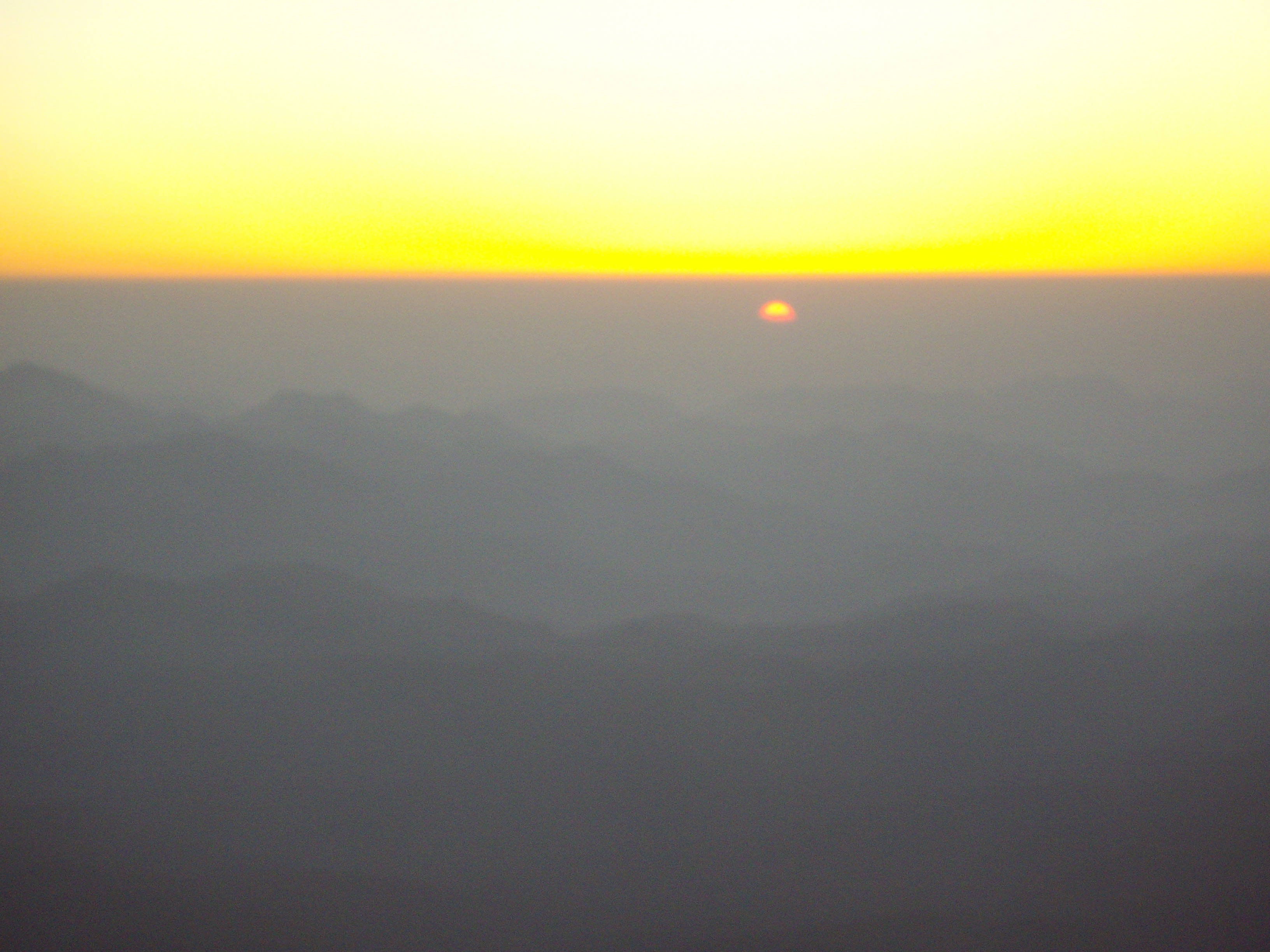
Embarque em uma extraordinária caminhada antes do amanhecer para testemunhar um espetacular nascer do sol do Monte Sinai, um cume reverenciado tradicionalmente reconhecido como o lugar onde Moisés recebeu os Dez Mandamentos. Conhecido localmente como Jebel Musa, este pico icônico transcende uma mera montanha; representa um profundo destino de peregrinação e uma maravilha geológica aninhada no coração acidentado da Península do Sinai.
Com uma elevação de 2.285 metros (7.497 pés), a subida oferece vistas panorâmicas sobre a vasta extensão do deserto, revelando uma vibrante tela de tons ocre e carmesim à medida que o sol emerge no horizonte. Sua expedição geralmente começa nas primeiras horas antes do amanhecer, uma jornada guiada sob um dossel celestial, culminando em um panorama inigualável que promete profunda beleza e contemplação espiritual à medida que a luz do dia inicial ilumina esta terra antiga.
O que Torna o Monte Sinai Especial?
O Monte Sinai possui uma importância incomparável nas tradições abraâmicas, sendo reconhecido principalmente como o local onde, segundo o Antigo Testamento, Moisés recebeu diretamente os Dez Mandamentos de Deus. Este evento fundamental é central para o judaísmo, cristianismo e islamismo, estabelecendo a montanha como um querido local de peregrinação por milênios.
Mas além de sua ressonância espiritual, o Monte Sinai oferece uma mistura única de beleza natural, profundidade histórica e um desafio físico inesquecível. A paisagem austera e dramática do deserto do Sinai, com suas formações rochosas desgastadas e vastos horizontes, fornece um cenário deslumbrante para esta jornada sagrada.
O ar fresco e nítido da subida antes do amanhecer, o silêncio quebrado apenas pelo estalar dos passos e a expectativa coletiva do nascer do sol criam uma atmosfera como nenhuma outra. É um lugar onde história, fé e natureza convergem para oferecer uma experiência verdadeiramente transformadora.
Como Conquistar o Cume: Suas Opções de Subida
Dois caminhos principais levam ao cume do Monte Sinai, cada um oferecendo uma experiência distinta adaptada a diferentes níveis de condicionamento físico e preferência:
- O Caminho do Camelo (Sikket El-Basha): Esta é a rota mais longa e menos árdua, perfeita para aqueles que preferem uma subida mais suave ou a opção de montar parte do caminho em um camelo. Subindo gradualmente, oferece inclinações mais moderadas e uma chance de apreciar a paisagem em um ritmo mais tranquilo. Embora ainda seja uma caminhada significativa, é geralmente considerada acessível a uma gama mais ampla de visitantes.
- Os Degraus do Arrependimento (Sikket Sayidna Musa): Para os mais aventureiros e fisicamente preparados, esta rota direta compreende aproximadamente 3.750 degraus esculpidos na face da rocha por monges ao longo dos séculos. É uma ascensão desafiadora e íngreme, muitas vezes descrita como um teste de resistência e devoção, mas recompensa os escaladores com um caminho mais direto até o pico e uma profunda sensação de realização.
Independentemente da rota escolhida, a experiência culmina na mesma panorâmica de tirar o fôlego no cume, onde uma pequena mesquita e uma capela permanecem como testemunhos da santidade duradoura da montanha. Guias beduínos locais são essenciais para a navegação e fornecem apoio e insights inestimáveis ao longo da sua jornada.
Preparando-se para sua Ascensão: Dicas Essenciais
O que Trazer:
- Camadas Quentes: Mesmo no deserto, as temperaturas no cume antes do amanhecer podem ser surpreendentemente frias. Vista-se em várias camadas que você pode remover à medida que o sol nasce.
- Calçados Resistentes: Botas de caminhada confortáveis e já amaciadas ou sapatos de caminhada robustos são cruciais para navegar pelo terreno rochoso.
- Água e Lanches: Mantenha-se hidratado! Traga água em abundância e lanches energéticos como nozes ou frutas.
- Lanterna de Cabeça ou Lanterna: Essencial para a ascensão antes do amanhecer.
- Mochila Pequena: Para carregar seus itens essenciais.
- Câmera: Você não vai querer perder a oportunidade de capturar o nascer do sol!
- Opcional: Bastão de Caminhada: Pode fornecer suporte extra, especialmente na descida.
Logística:
A maioria das visitas ao Monte Sinai é organizada como parte de um tour que inclui transporte, um guia e, muitas vezes, uma visita ao Mosteiro de Santa Catarina na base da montanha. Sua jornada geralmente começa tarde da noite (por volta da 1h-2h) a partir da sua acomodação em cidades próximas como Dahab ou Sharm El Sheikh, permitindo que você chegue ao cume bem a tempo para o nascer do sol.
Reserve aproximadamente 3-4 horas para a ascensão, dependendo do caminho escolhido e do nível de condicionamento físico, e mais 2-3 horas para a descida.
Melhor Época para Visitar
Os meses mais frescos, de outubro a abril, são geralmente considerados a melhor época para visitar o Monte Sinai. Durante esses meses, as temperaturas diurnas são mais moderadas, tornando a caminhada mais confortável. Os meses de verão (maio a setembro) podem ser intensamente quentes, tornando a subida significativamente mais desafiadora, embora as temperaturas antes do amanhecer ainda sejam frescas no cume. Sempre verifique a previsão do tempo antes da sua viagem e prepare-se adequadamente.
Mosteiro de Santa Catarina: Uma Joia Histórica na Base
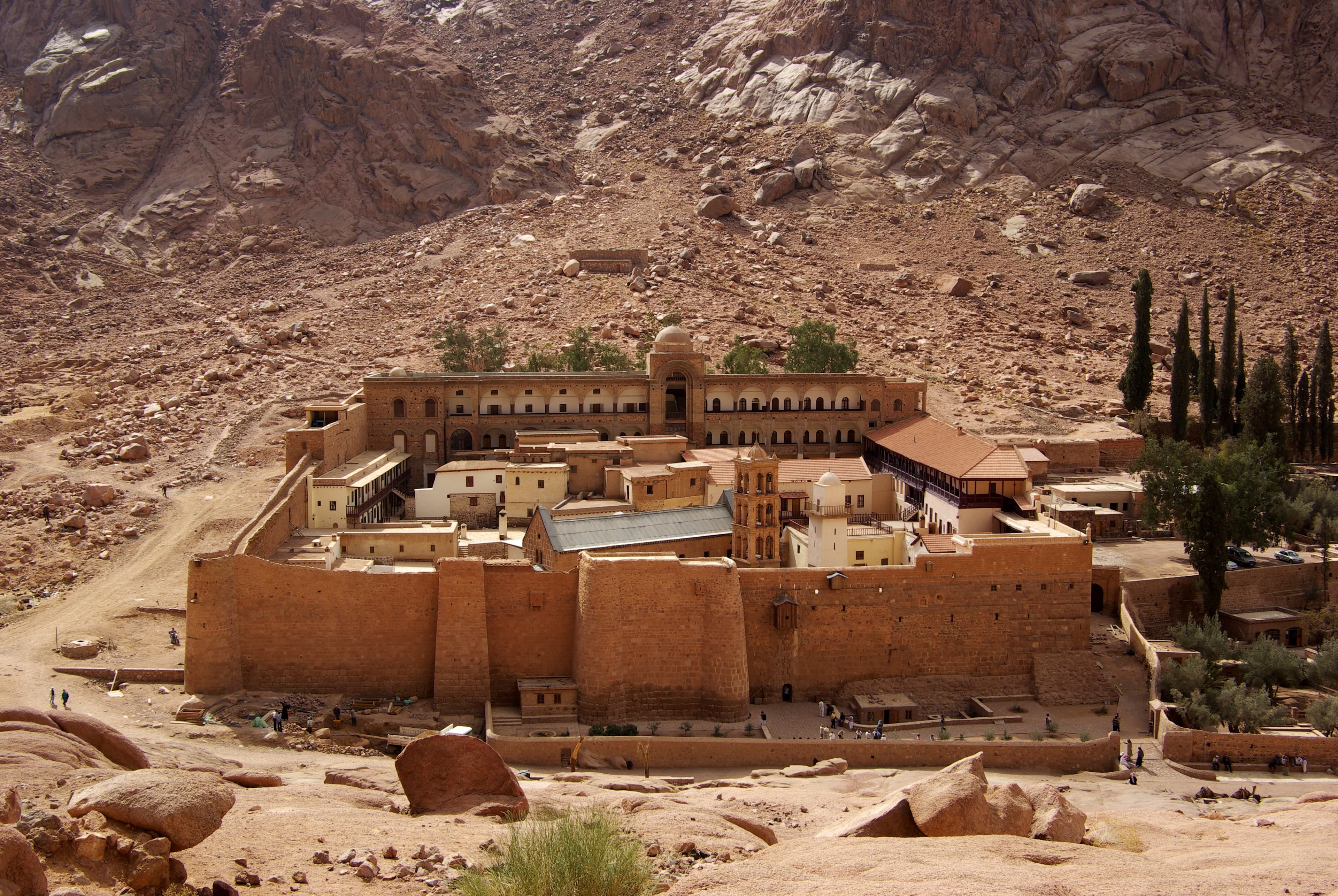
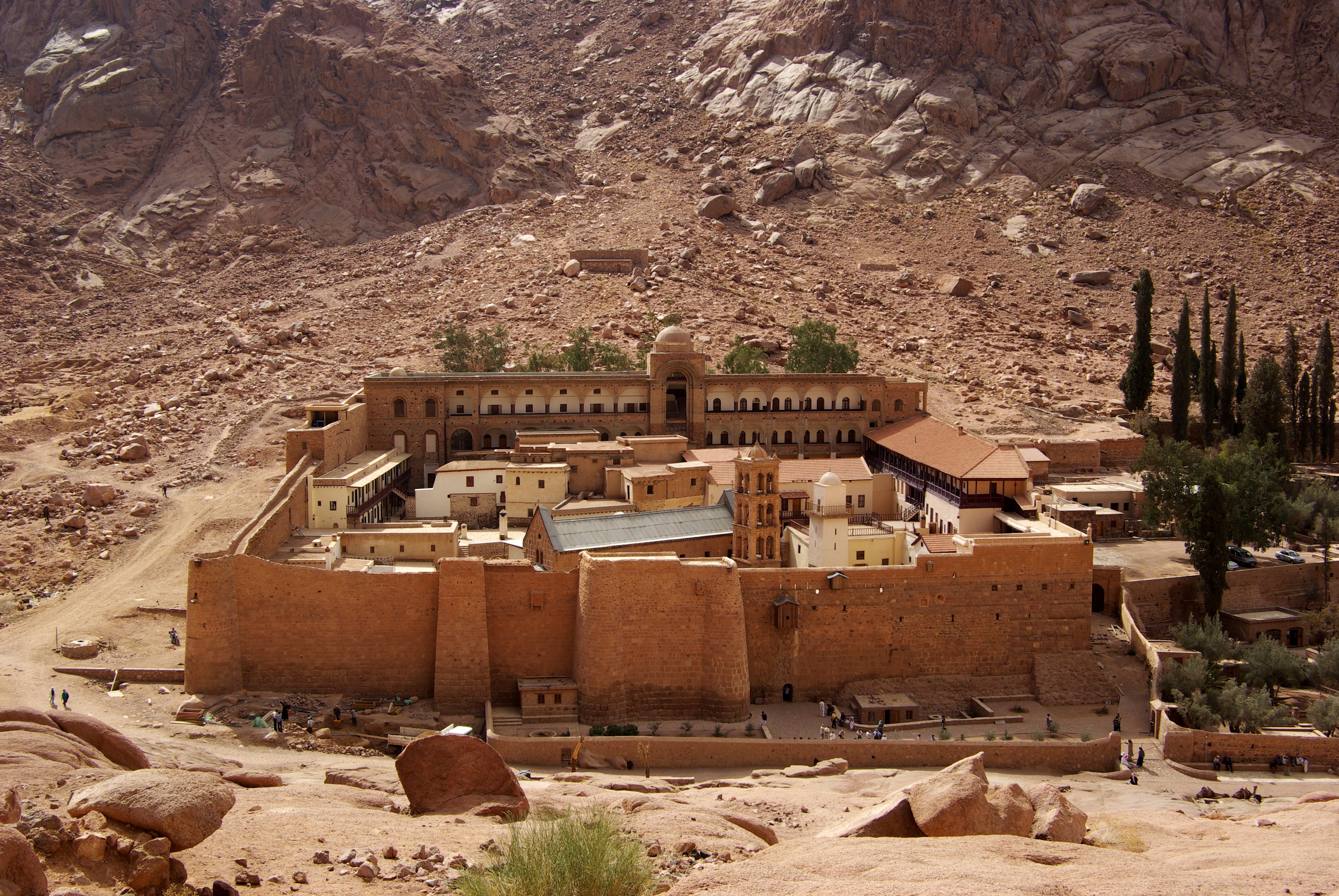
Na base do Monte Sinai encontra-se o Mosteiro de Santa Catarina, um Patrimônio Mundial da UNESCO e um dos mosteiros cristãos em funcionamento contínuo mais antigos do mundo. Fundado no século VI d.C., abriga uma coleção inigualável de manuscritos antigos, ícones e artefatos religiosos. Embora o foco principal de uma excursão ao Monte Sinai seja frequentemente a trilha do amanhecer, muitos passeios incluem uma visita ao mosteiro após descer a montanha.
Isso proporciona um vislumbre fascinante da rica história monástica da região e oferece a chance de explorar um local de imensa importância cultural e religiosa, incluindo a Capela da Sarça Ardente. Visitar o mosteiro geralmente envolve horários separados da trilha da montanha, então confirme os horários de visita se você planeja explorar ambos.
Significado Histórico
Um Cume de Revelação Divina
O Monte Sinai possui uma importância incomparável dentro das fés abraâmicas, sendo reconhecido principalmente como o local onde, de acordo com o Antigo Testamento, Moisés recebeu diretamente os Dez Mandamentos de Deus. Este evento fundamental é central para o judaísmo, cristianismo e islamismo, estabelecendo a montanha como um local de peregrinação querido por milênios.
Ascetismo Cristão Primitivo
- O ambiente isolado e austero da montanha atraiu os primeiros eremitas cristãos a partir do século III d.C., em busca de solidão e iluminação espiritual.
- Esses ascetas pioneiros estabeleceram pequenas comunidades e células individuais, lançando as bases para o subsequente desenvolvimento do monaquismo na região.
Mosteiro de Santa Catarina
- Na base do Monte Sinai encontra-se o Mosteiro de Santa Catarina, um dos mais antigos mosteiros cristãos em funcionamento contínuo no mundo, estabelecido no século VI d.C.
- Construído sob a direção do Imperador Justiniano I, ele se ergue como um santuário fortificado que protege manuscritos religiosos inestimáveis, ícones e obras de arte, incluindo a segunda maior coleção de códices cristãos primitivos do mundo.
- O mosteiro em si é um Patrimônio Mundial da UNESCO, intrinsecamente ligado à história e à santidade do Monte Sinai, servindo como um testemunho vivo de séculos de fé e erudição.
Tours Visitando Monte Sinai
Experiências privadas guiadas por egiptólogos com ingressos e transfers organizados para você.
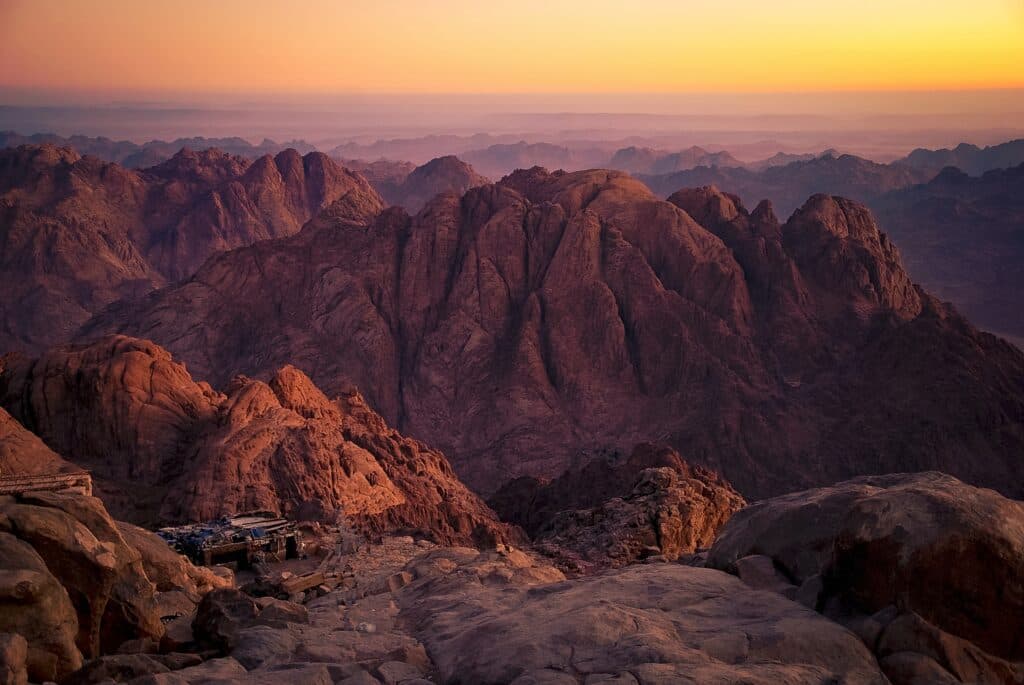
Este tour de trekking que vai da noite até a manhã leva os viajantes de Dahab ou Sharm El Sheikh para as montanhas da Península do Sinai para escalar o Monte…
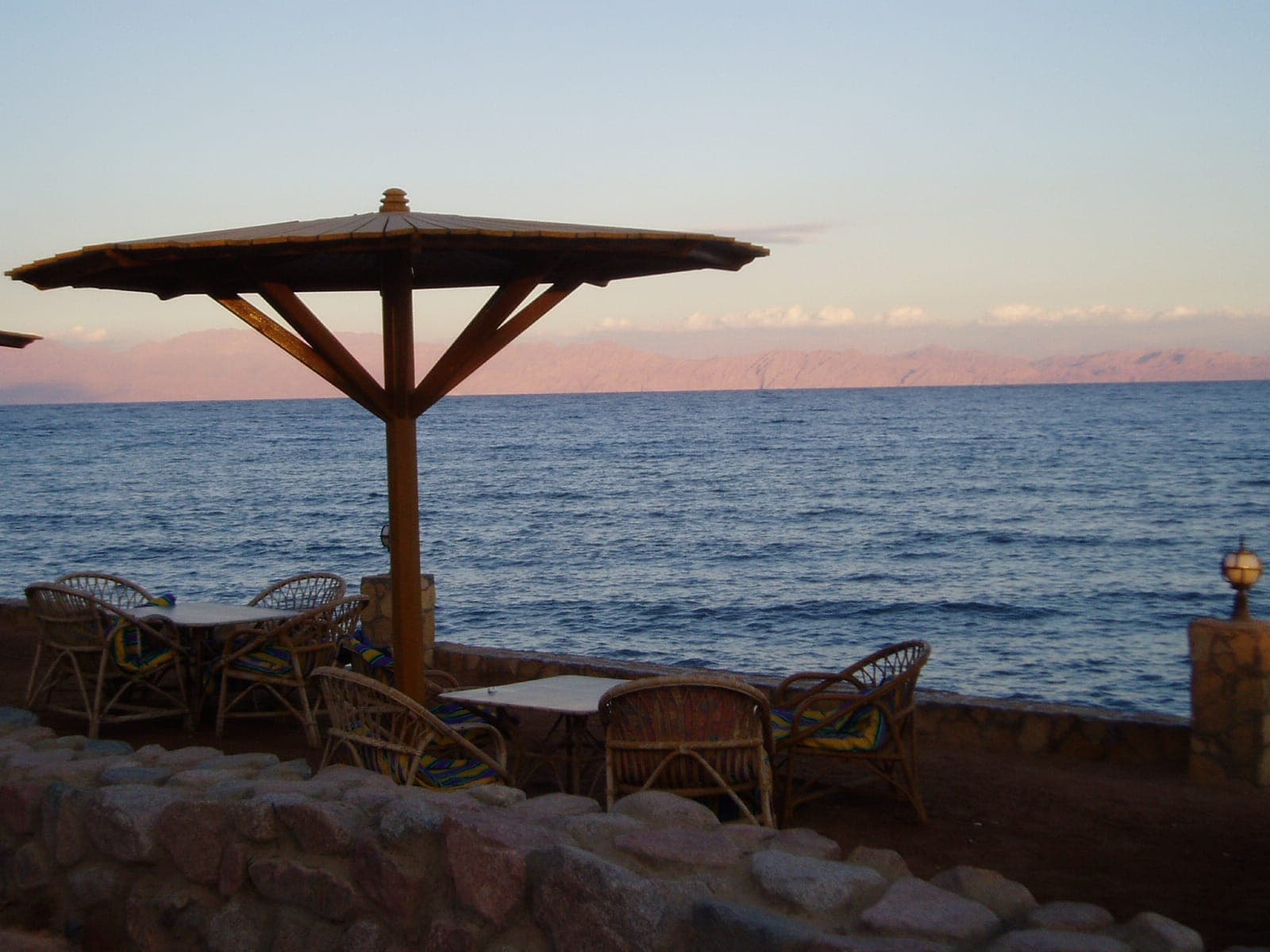
Embarque em uma viagem privada exclusiva saindo de Dahab, combinando a grandiosidade inspiradora das montanhas do deserto do Sinai com o vibrante mundo…
À medida que o sol do deserto se põe, projetando longas sombras sobre o Planalto de Gizé, seu guia egiptólogo especialista começa a desvendar os mistérios da…
Este tour de 12 dias combina os sítios antigos e reais do Cairo com a costa de Alexandria e uma estadia mais longa em Sharm El Sheikh, incluindo uma subida ao…
Este tour de 12 dias vai dos sites faraônicos do Cairo aos templos de Luxor e depois para o leste, até o Monte Sinai e o Mosteiro de Santa Catarina, encerrando…

Esta viagem de dois dias a partir do Cairo é construída em torno de uma ascensão antes do amanhecer ao Monte Sinai e uma visita ao Mosteiro de Santa Catarina,…
Monte Sinai — Perguntas Frequentes
Tudo o que você precisa saber antes de visitar Monte Sinai.
1Qual é a melhor maneira de ascender o Monte Sinai?
2Preciso de equipamento especial para a trilha?
3Posso visitar o Mosteiro de Santa Catarina?
4A trilha é difícil?
5Qual é o significado do Monte Sinai?
Principais atrações em Mar Vermelho
tours do Egito por destino
Navegue pelos passeios no Egito por categoria
- 1Pacotes de Tour pelo Egito
- 2Excursões de um dia no Egito
- 3Cruzeiros no Nilo
- 4Tours Sob Medida
- 5Pacotes de Lua de Mel
- 6Pacotes Familiares
- 7Pacotes de Luxo
- 8Pacotes Privados
- 9Pacotes para Pequenos Grupos
- 10Pacotes Tudo Incluído
- 11Excursões de Última Hora no Egito
- 12Cruzeiros Dahabiya
- 13Guia de Viagem do Egito
- 14Pacotes de Tour pelo Egito dos EUA
- 15Pacotes de Tour pelo Egito e Jordânia