
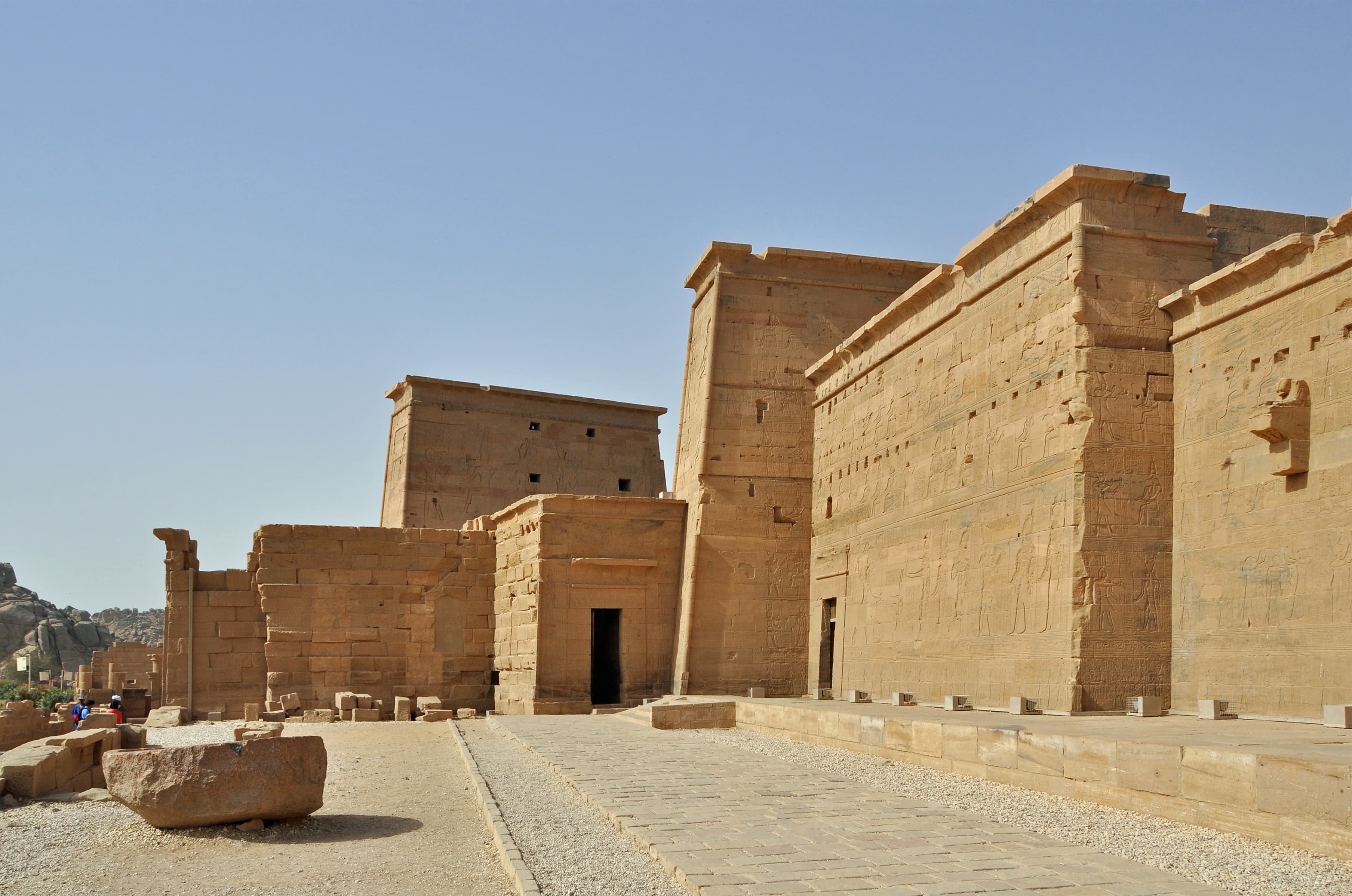
About Philae Temple
Discover Philae Temple: The Pearl of the Nile
Embark on an unforgettable journey to Philae Temple, a captivating island sanctuary dedicated to the revered goddess Isis. Often hailed as the 'Pearl of the Nile,' this architectural marvel stands as a powerful emblem of enduring Nubian culture and an awe-inspiring testament to the ingenuity and profound spiritual commitment of ancient Egypt. Philae Temple, now majestically situated on Agilkia Island, represents a triumph of modern conservation, having undergone an extraordinary relocation. When the rising waters from the Aswan High Dam threatened its existence, this magnificent complex was meticulously disassembled and reconstructed, stone by stone, in a monumental undertaking led by UNESCO. This ensured the survival of one of Egypt’s most exquisite Greco-Roman temples for future generations.
As your motorboat glides across the serene waters of the Nile, the temple’s grand form gradually emerges, its majestic pylons and elegant colonnades silhouetted against the iconic Nile backdrop. Stepping onto the island, you are immediately enveloped by a sense of ancient wonder. The intricate carvings and vibrant reliefs that adorn every surface beckon you to explore, each telling a story of gods, pharaohs, and timeless devotion.
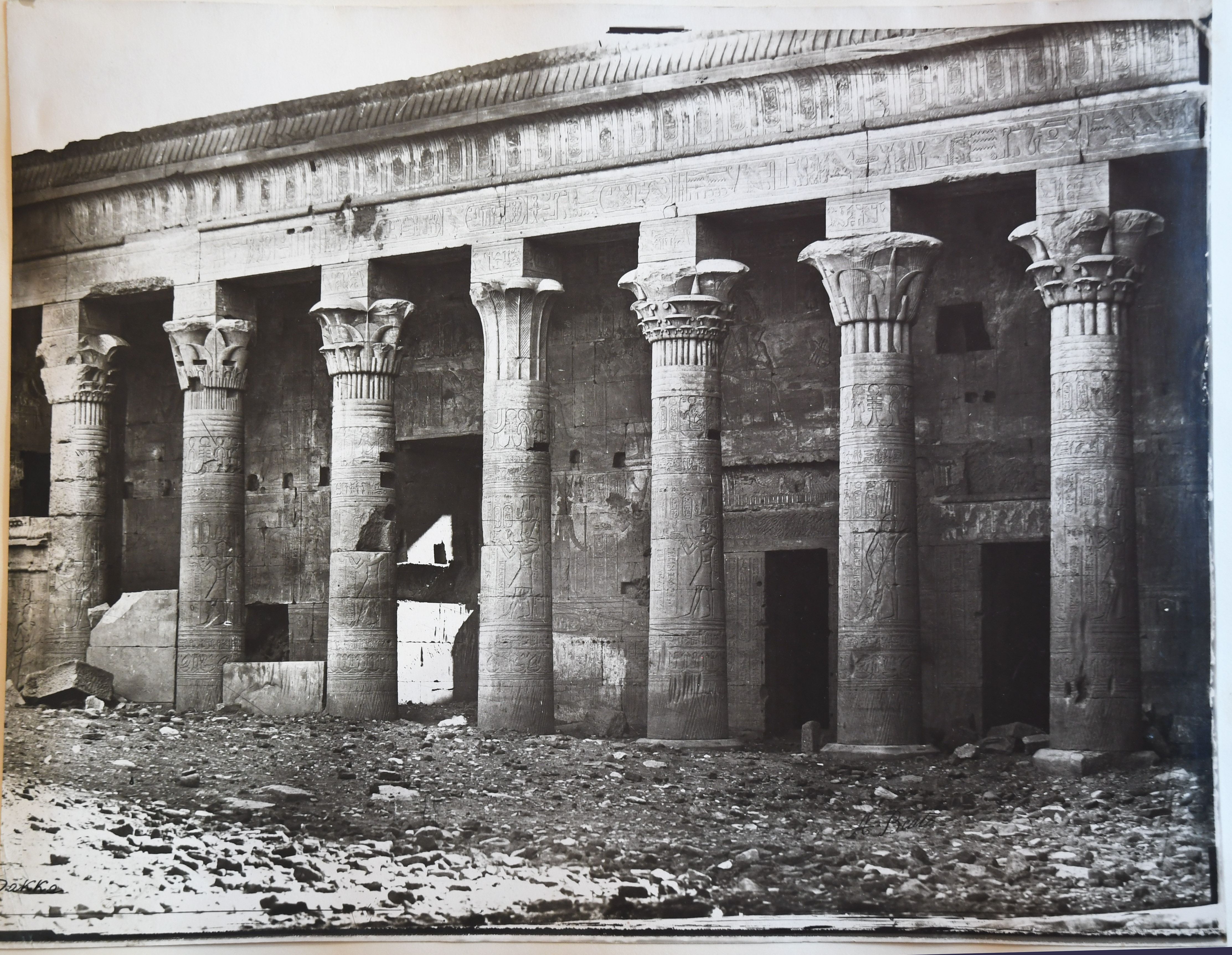
What Makes Philae Temple So Special?
Philae Temple's allure lies not only in its stunning beauty but also in its remarkable history and unique preservation. It is a site where ancient Egyptian spiritual traditions converged with Greco-Roman architectural styles, creating a distinctive aesthetic that captivates every visitor. The temple's relocation project itself is a marvel of human endeavor, a testament to global cooperation in safeguarding cultural heritage. This 'saved' temple carries a profound narrative, symbolizing the resilience of ancient wonders in the face of modern development.
Moreover, Philae was one of the last bastions of ancient Egyptian religion, famously hosting the final known hieroglyphic inscription, carved in 394 CE. This makes it a crucial site for understanding the twilight of pharaonic worship and the transition into later eras. Its dedication to Isis, a goddess whose cult spread far beyond Egypt's borders, further cements its importance as a pilgrimage destination that drew devotees from across the ancient world.
The Grandeur of the Temple of Isis
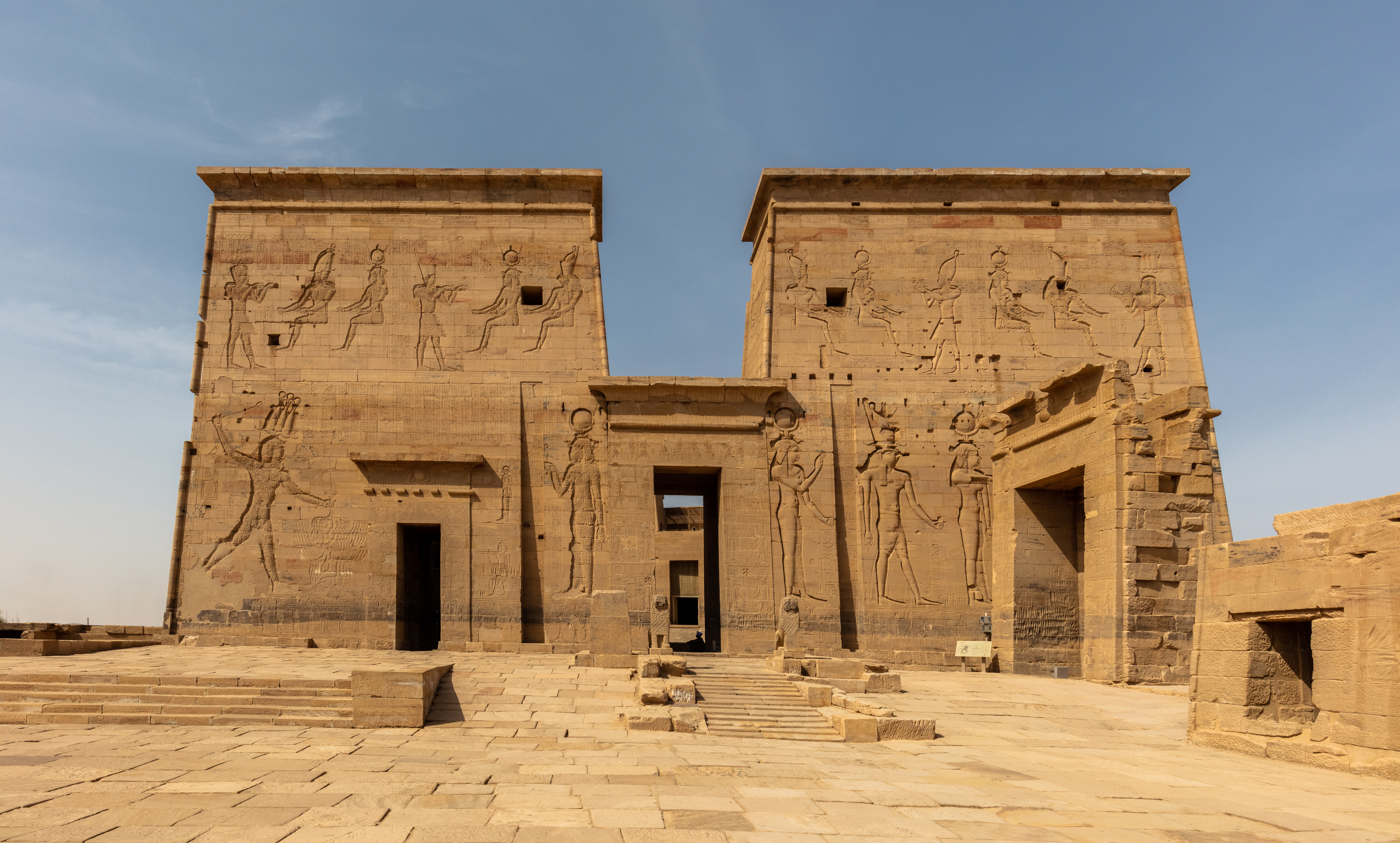
The central Temple of Isis is undoubtedly the masterpiece of the complex. As you approach, you are greeted by an impressive First Pylon, a monumental gateway adorned with vivid portrayals of pharaohs engaged in traditional offering ceremonies to the gods. These scenes are not merely decorative but convey the deep religious and political significance of the ruler's role in maintaining cosmic order.
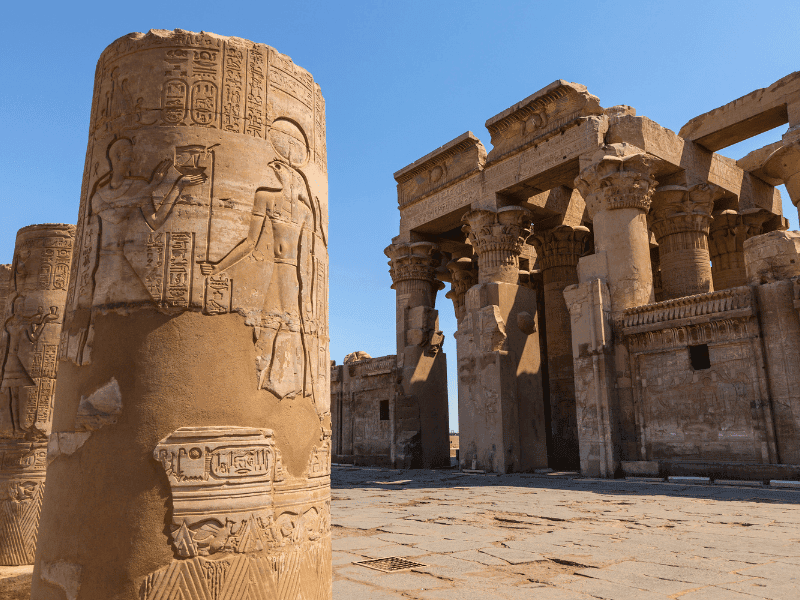
Wander through the expansive colonnaded courtyards, admiring the sheer scale and delicate artistry. Here, towering columns crowned with diverse floral capitals create an awe-inspiring vista, leading your gaze toward the inner sanctuaries. Every pillar, every wall, is a canvas of detailed reliefs, depicting mythological narratives, ritualistic acts, and the divine pantheon. The Hypostyle Hall, with its intricately carved ceiling and columns, offers a glimpse into the sacred spaces where ancient priests performed their solemn duties. Don't miss the small but significant Birth House (Mammisi), which celebrates the divine birth of Horus, and the beautiful Trajan's Kiosk, an unfinished but architecturally striking structure perfect for capturing memorable photographs.
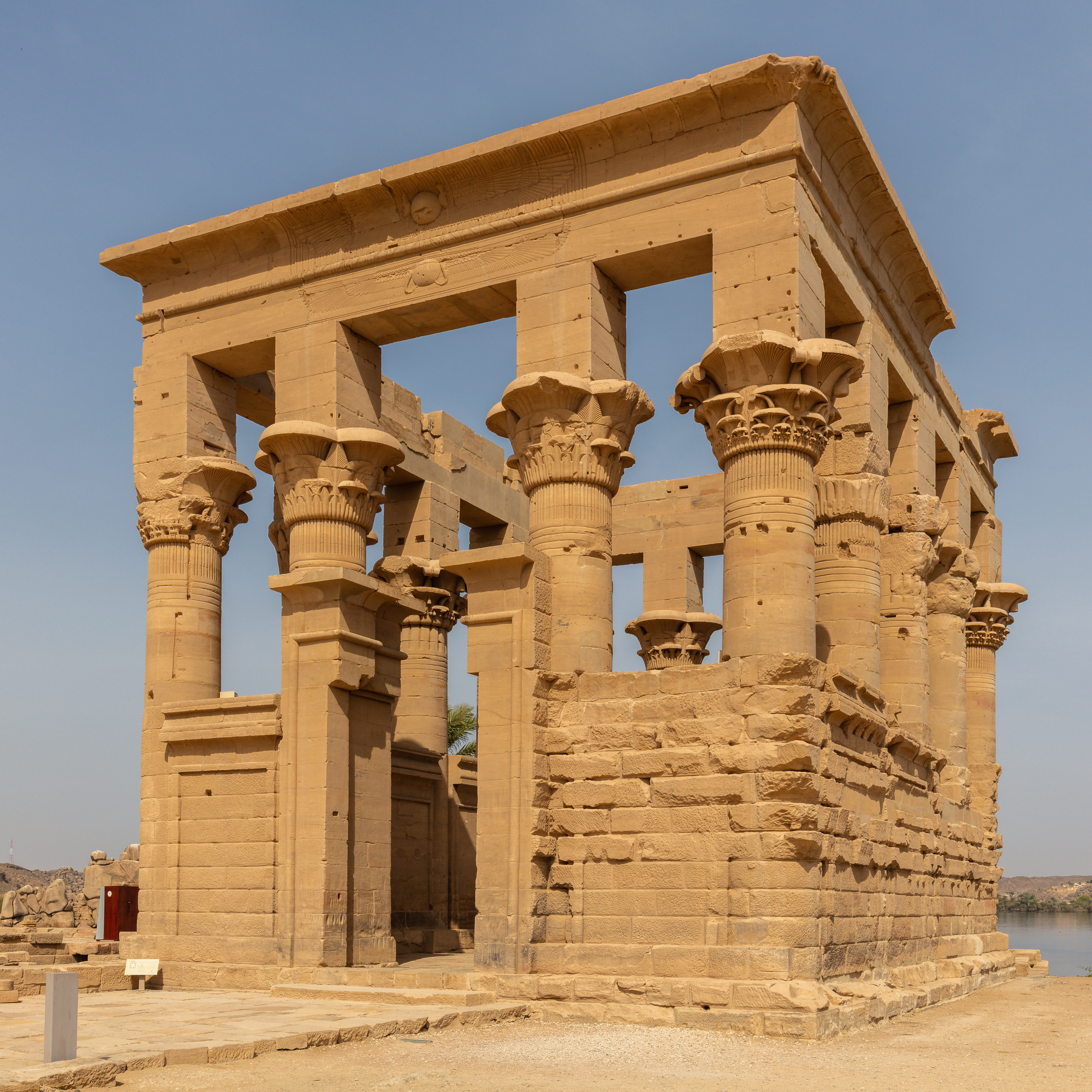
What to See & Experience
- The First Pylon: Marvel at the colossal reliefs depicting Ptolemy XII Neos Dionysos smiting his enemies before Isis and other deities.
- The Main Temple of Isis: Explore its various halls, sanctuaries, and chambers, each revealing layers of intricate carvings and religious symbolism.
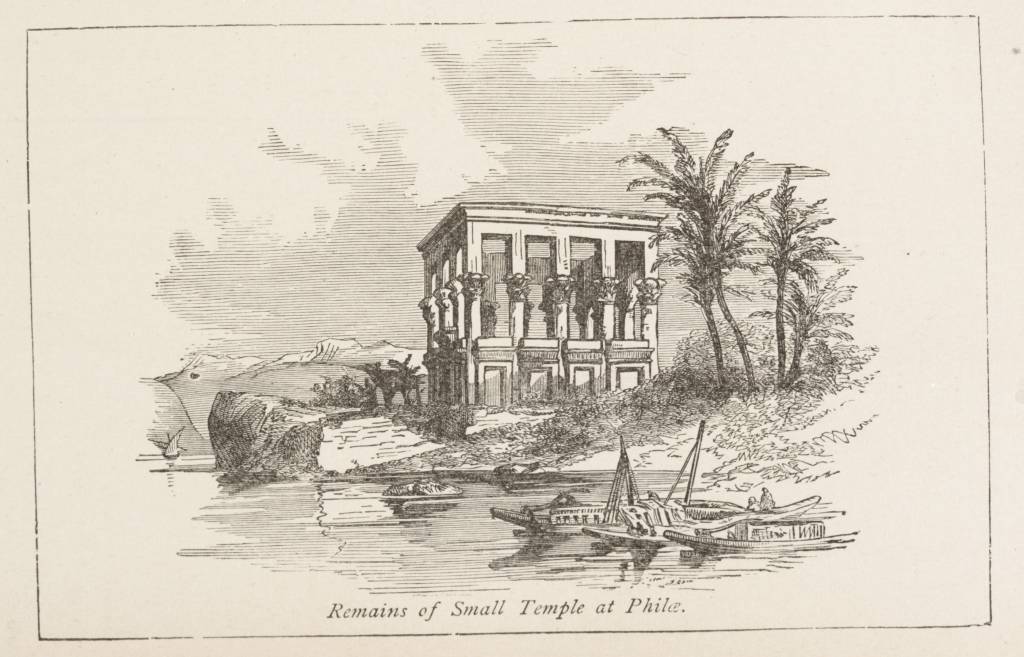
- Trajan's Kiosk: Admire this elegant, colonnaded structure, offering stunning views and a glimpse into Roman-era contributions to the site.
- Hathor Temple: Discover the smaller temple dedicated to the goddess Hathor, recognizable by its distinctive capital resembling Hathor's face.
- The Birth House (Mammisi): Learn about the divine birth of Horus through its detailed reliefs.
- Sound and Light Show: Experience the temple illuminated at night, accompanied by narration that brings its history and myths to life. This evening spectacle offers a dramatically different perspective of the site.
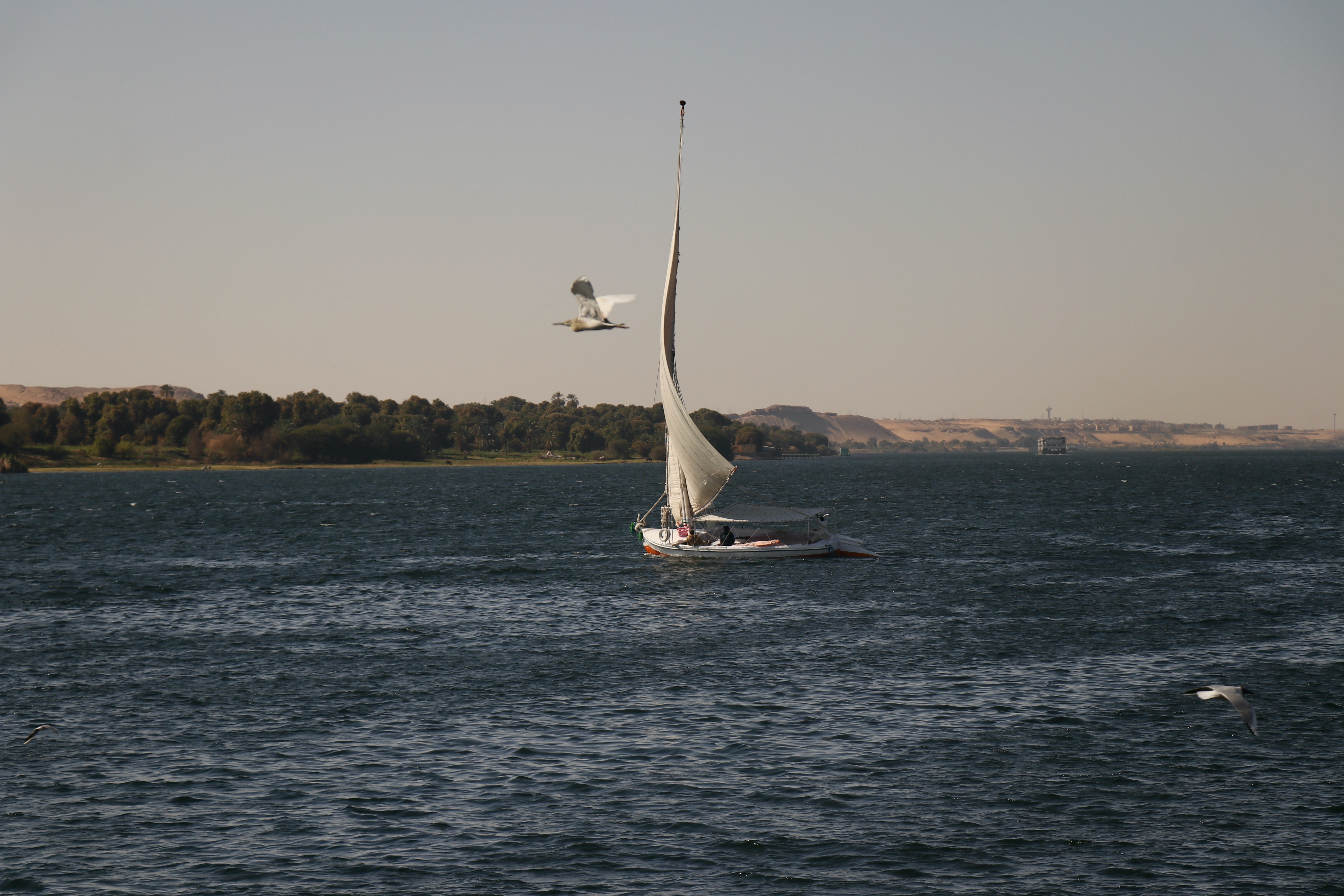
How to Visit Philae Temple
Getting There
Philae Temple is accessible only by boat, adding to its mystique and charm. From Aswan, you will take a taxi or a local minibus to the Philae Temple Marina (often referred to as the 'High Dam Port'). From there, you will hire a small motorboat to cross to Agilkia Island. The short boat ride itself is part of the experience, offering spectacular views of the temple as you approach.
Tickets and Entry
Tickets for Philae Temple can be purchased at the marina before boarding your boat. There is a separate charge for the boat ride, which is usually negotiated directly with the boatman. It's advisable to agree on a return fare before setting off. For the Sound and Light Show, tickets are purchased separately at the marina in the evening.
Time Needed
Allocate at least 2 to 3 hours to fully explore Philae Temple at a leisurely pace. This includes the boat journey, walking around the complex, and absorbing the details of its architecture and reliefs. If you plan to attend the evening Sound and Light Show, allow for an additional 1.5 hours.
Best Time to Visit & Tips
Best Time
The ideal time to visit Philae Temple, and Aswan in general, is during the cooler months, from October to April. The weather is pleasant and comfortable for exploring. Early mornings are best to avoid the heat and larger crowds, offering the most serene experience and beautiful light for photography. Late afternoons are also picturesque, as the sun begins to set over the Nile.
Tips for Your Visit
- Wear Comfortable Shoes: You'll be doing a fair bit of walking on uneven surfaces.
- Sun Protection: A hat, sunglasses, and high-SPF sunscreen are essential, even in cooler months.
- Stay Hydrated: Carry a water bottle, especially during warmer periods.
- Bargain for the Boat: Don't hesitate to negotiate the price of your motorboat to the island.
- Hire a Guide: Consider hiring a local Egyptologist guide at the entrance. Their insights can significantly enrich your understanding and appreciation of the temple's history and symbolism.
- Photography: The temple offers countless photo opportunities. Respect signs regarding photography in specific areas, and be mindful of other visitors.
- Evening Sound and Light Show: Highly recommended for a magical experience, offering a completely different perspective of the temple at night.
Historical Significance
A Tale of Two Islands: From Philae to Agilkia
The narrative of Philae Temple is as dramatic and compelling as its remarkable relocation. Originally located on an island bearing the same name, Philae served as a hallowed site for millennia, particularly revered as a pivotal center for the veneration of the goddess Isis. Construction of the existing temple complex commenced during the Ptolemaic period (approximately 380-362 BCE) and extended into the Roman era, establishing it as one of the final strongholds of ancient Egyptian religious practice.
The Last Stronghold of Ancient Egyptian Faith
Philae was an essential pilgrimage destination, drawing devotees from across the ancient world. It was on this sacred ground that the final known hieroglyphic inscription was carved in 394 CE, followed by the last demotic inscription in 452 CE, marking the conclusion of a vast written tradition. Its eventual closure in 550 CE, mandated by the Byzantine Emperor Justinian, signaled the ultimate suppression of paganism throughout Egypt.
A Monumental Rescue
With the construction of the Aswan High Dam in the 1960s, Philae Temple faced the imminent threat of permanent submersion. In an extraordinary global collaboration spearheaded by UNESCO, the entire complex was meticulously disassembled, block by block, and painstakingly reassembled on the elevated terrain of nearby Agilkia Island between 1972 and 1980. This monumental engineering and conservation achievement successfully preserved one of Egypt’s most precious cultural treasures for future generations to admire.
Tours Visiting Philae Temple
Private, Egyptologist-guided experiences with tickets and transfers handled for you.
This memorable full-day tour explores the main highlights of the historic city of Aswan. Guests will be picked up from their hotel by a private air-co...
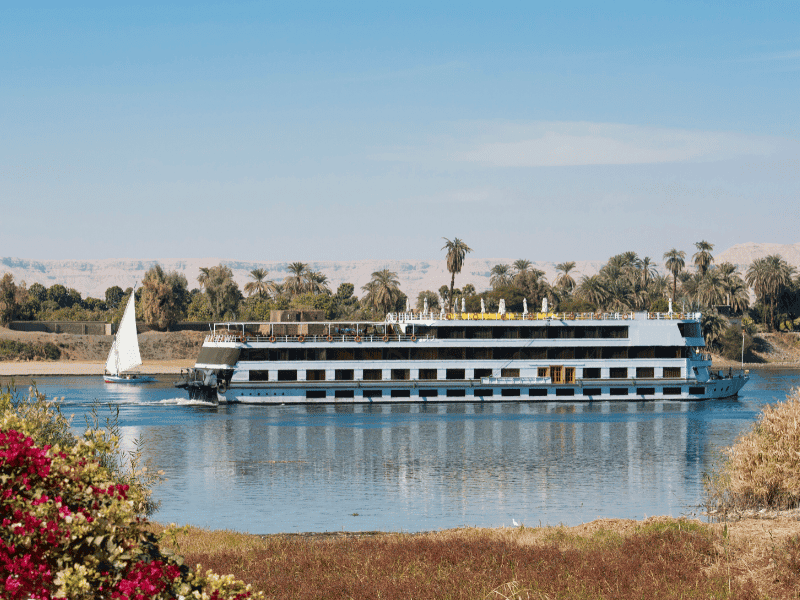
Travel Joy Egypt offers a luxurious 5-star cruise experience on board M/S Nile Dolphin between Luxor and Aswan. Guests can enjoy deluxe cabins, gourme...
This small group tour through Egypt takes travelers on an archaeological adventure to explore the richest sites along the Nile River Valley. From the ...

Travel Joy Egypt offers an exciting 10-day tour covering Egypt and Jordan’s most iconic sites. The tour starts in Cairo with visits to pyramids, Egypt...

Join Jessica on a 10-day adventure through the heart of ancient civilizations. Explore the majestic pyramids of Giza, navigate the Nile River, and mar...

This exceptional 12-day tour offers guests a magical experience across Egypt exploring the golden treasures of ancient civilization. Starting in Cairo...
Philae Temple — Frequently Asked Questions
Everything you need to know before visiting Philae Temple.