
Knihovna Alexandrina: Prohlídky, Vstupenky a Průvodce pro Návštěvníky
O Alexandrijské knihovně
Objevte moderní zázrak: Bibliotheca Alexandrina
Vstupte do současného zázraku, který odráží intelektuální velkolepost starověké knihovny v Alexandrii. Bibliotheca Alexandrina je více než knihovna; je to živé kulturní centrum s působivou architekturou, vzácnými sbírkami a širokými výhledy na Středozemní moře. Je svědectvím o trvalém lidském úsilí o poznání a stojí jako maják učení znovuzrozeného na břehu Alexandrie.
Co dělá Bibliotheca Alexandrina výjimečnou?
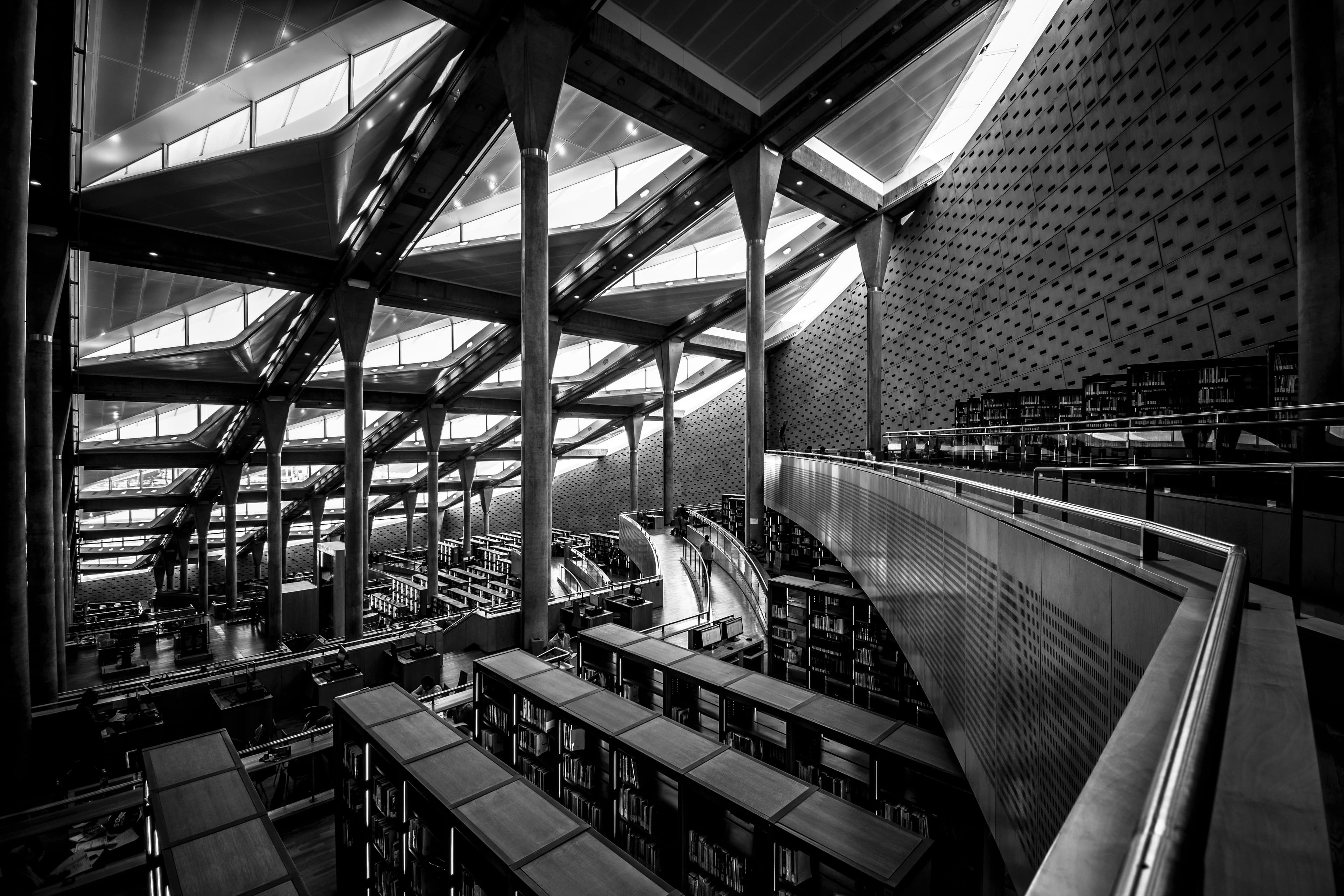
Navržena norskou architektonickou firmou Snøhetta, obrovský exteriér Bibliotheca Alexandrina okamžitě upoutává představivost. Tvarovaná jako obrovský, nakloněný sluneční disk, její žulové zdi zobrazují znaky z 120 různých písem, vizuální symbol globálního poznání a kulturní výměny.
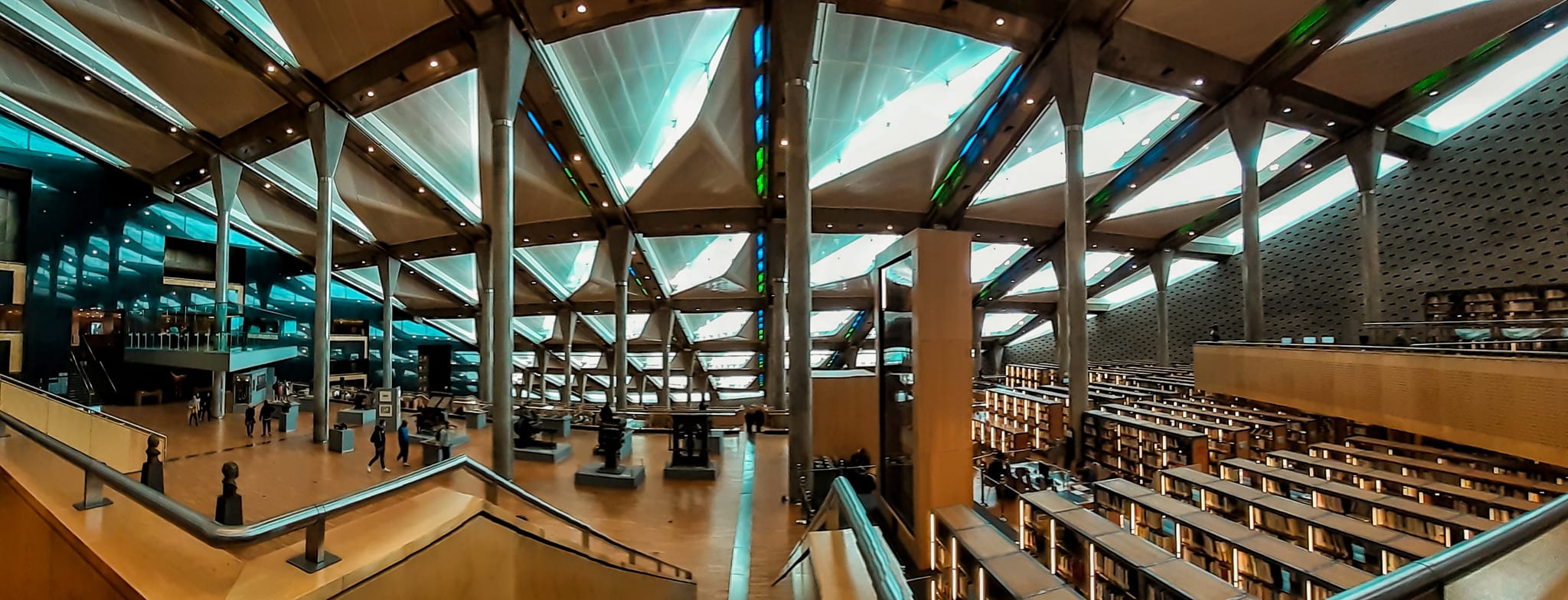
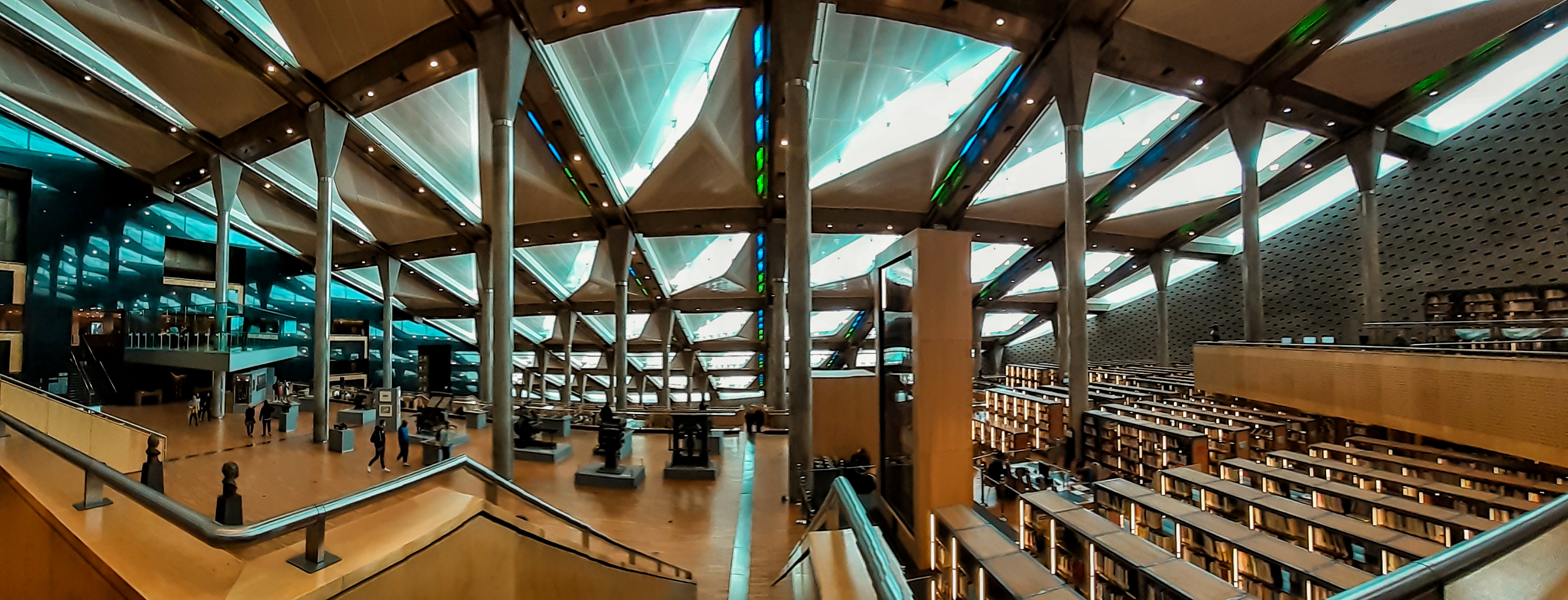
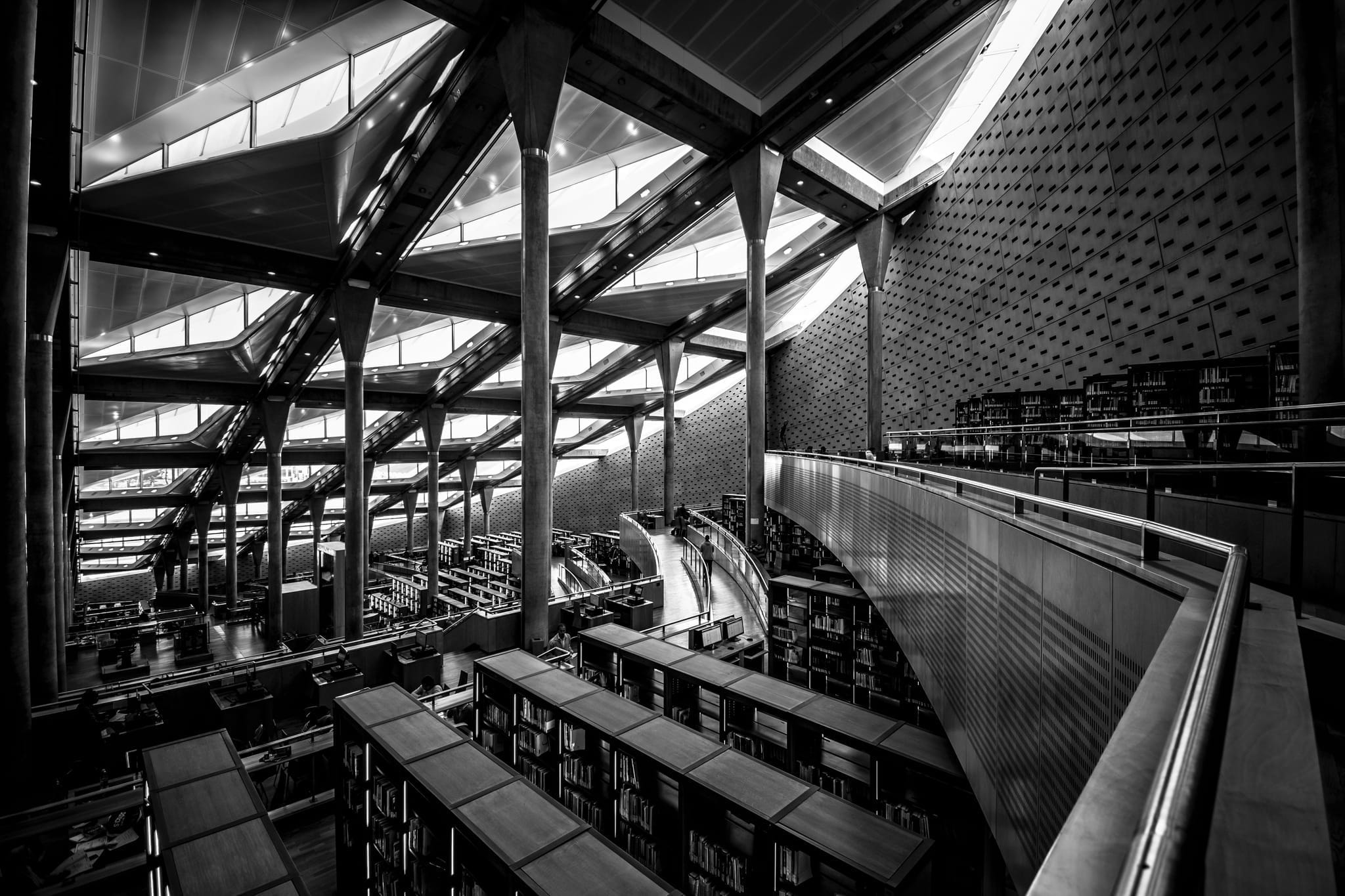
Uvnitř se hlavní čtecí prostor rozprostírá přes sedm úrovní. Navržena tak, aby pojmula miliony svazků, její měřítko a prosvětlené uspořádání vytvářejí inspirativní prostor pro soustředěné studium a tichou reflexi.
Odkaz znovuzrozen: Moderní obnova
Původní knihovna v Alexandrii, založená ve 3. století př. n. l., byla předním centrem vzdělání. Obsahovala obrovské sbírky svitků a vítala učence z celého starověkého světa.
Ačkoli její úpadek a zničení zůstávají předmětem debat, její legenda přetrvala. Desítky let vize a mezinárodní podpory vedly k moderní Bibliotheca Alexandrina, odvážné obnově, která ctí minulost a zároveň hledí do budoucnosti.
Co vidět a dělat
Kromě současné literatury knihovna hostí specializované prostory pro různé publikum. Knihovna Taha Husseina slouží čtenářům se zrakovým postižením a vyhrazené sekce pro děti a mladé dospělé podporují celoživotní lásku ke knihám.
Mezi hlavními atrakcemi jsou různé muzea a stálé výstavy:
- Muzeum starožitností: Artefakty z faraonského, římského a koptského období.
- Muzeum rukopisů: Starověké texty, vzácné knihy a důležité historické dokumenty.
- Muzeum Sadat: Život a odkaz bývalého egyptského prezidenta Anwara Sadata.
- Muzeum historie vědy: Příspěvky Egypta k vědě v průběhu věků.
- Stálé výstavy: Rotující expozice umění, fotografie a kulturních témat.
- Planetárium: Pohlcující cesta vesmírem pro všechny věkové kategorie.
Z horních úrovní si užijte panoramatické výhledy na Středozemní moře a alexandrijskou Corniche.

Jak navštívit Bibliotheca Alexandrina
Doprava
Bibliotheca Alexandrina se nachází na Corniche, malebné promenádě v Alexandrii. Snadno se sem dostanete:
- Taxi: Nejjednodušší možnost od dveří ke dveřím, široce dostupná.
- Městský autobus: Několik linek zastavuje poblíž, i když trasy mohou být pro návštěvníky poprvé složité.
- Pěšky: Pokud bydlíte poblíž, procházka po Corniche nabízí skvělé výhledy.
Vstupenky a vstup
Vstup do hlavních čtecích prostor je obecně zdarma pro návštěvníky, kteří si chtějí prohlédnout nebo studovat. Na muzea, výstavy a planetárium jsou vyžadovány samostatné vstupenky. Zkontrolujte oficiální webové stránky Bibliotheca Alexandrina pro aktuální ceny a otevírací hodiny, protože se mohou měnit.
Potřebný čas
Abychom ocenili architekturu, hlavní čtecí prostory a několik muzeí, naplánujte si alespoň 3–4 hodiny. Pokud chcete prozkoumat více výstav nebo se zúčastnit představení v planetáriu, vyhraďte si půl dne nebo více.
Nejlepší čas na návštěvu a tipy
Nejlepší čas na návštěvu
Bibliotheca Alexandrina je odměňující po celý rok. Abyste se vyhnuli vrcholnému horku a větším davům, navštivte ji na jaře (březen–květen) nebo na podzim (září–listopad), kdy je počasí příjemné pro prozkoumávání Alexandrie.
Tipy pro návštěvníky
- Oblékejte se s respektem: Skromné oblečení je v egyptských kulturních institucích oceněno.
- Fotografování: Povolené v určených oblastech; blesk může být v muzeích omezen. Zkontrolujte značky nebo se zeptejte personálu.
- Organizované prohlídky: Připojte se k prohlídce pro hlubší pohled na historii, design a sbírky místa.
- Kavárny a obchody: Na místě se nacházejí kavárny a obchod se suvenýry, které nabízejí pohodlné přestávky a suvenýry.
- Zkontrolujte program: Knihovna pořádá kulturní akce, přednášky a workshopy. Podívejte se na oficiální webové stránky pro aktuální seznamy.
Historický význam
Odkaz znovuzrozený
Založená ve 3. století př. n. l., původní Knihovna v Alexandrii byla jedním z velkých intelektuálních center starověkého světa. Shromáždila obrovské sbírky svitků a přitahovala učence z mnoha civilizací.
Její úpadek a zničení zůstávají předmětem debat, přesto její odkaz inspiroval generace. Legenda o univerzální knihovně žila dál, formovala vize sdílení znalostí napříč kulturami.
Moderní obnova
V 70. letech 20. století, Alexandrijská univerzita, s podporou UNESCO, pokročila v myšlence obnovy knihovny. Následovala mezinárodní architektonická soutěž, která přilákala globální přihlášky.
Odvážný, symbolický design Snøhetty vyhrál. Stavba začala v roce 1992 a po letech pečlivého plánování a výstavby byla Knihovna Alexandrina otevřena 16. října 2002. Projekt odrážel širokou mezinárodní podporu a dary, obnovující ducha zkoumání a mezikulturního dialogu pro moderní éru.
Prohlídky navštěvující Bibliotheca Alexandrina
Soukromé zážitky s egyptology, včetně vstupenek a transferů zařízených za vás.

Tato celodenní prohlídka cestuje z Káhiry do Alexandrie, aby pokryla pět archeologických památek města v jednom řízeném okruhu: Římské divadlo, katakomby Kom…

Tento 12hodinový denní výlet z Káhiry vezme cestovatele na vzdělávací cestu historií ve středomořském pobřežním městě Alexandrii. Hosté prozkoumají některá z…

Tato 13denní kulturní cesta pokrývá Káhiru, Alexandrii, Luxor a Asuán, kombinuje hotelové prohlídky na severu s týdenní plavbou po Nilu skrze chrámy a hrobky…

Tento dvoudenní balíček seznamuje cestovatele s dvěma největšími městy Egypta, přičemž první den stráví v komplexu pyramid v Gíze a muzeích v Káhiře a druhý…
Tato 3denní, 2noční prohlídka rozděluje svůj čas mezi starověké památky Káhiry a výlet do Alexandrie, zahrnující pyramidy v Gíze, Sakkáru, Memfis, římské…

Tato 8denní cesta zahrnuje Káhiru, Luxor, Asuán a Alexandrii, přičemž se mezi destinacemi přesouvá vnitrostátním letem a soukromým vozidlem, aby si prohlédla…
Knihovna Alexandrijská — Často kladené otázky
Vše, co potřebujete vědět před návštěvou Bibliotheca Alexandrina.
1Co je to Knihovna Alexandrijská?
2Co mohu vidět a dělat v Bibliotheca Alexandrina?
3Je Bibliotheca Alexandrina vhodná pro děti?
4Jak dlouho bych měl vyhradit na návštěvu?
5Je fotografování dovolené uvnitř?
Nejlepší atrakce v Alexandrie
Egyptské zájezdy podle destinace
Prozkoumat egyptské zájezdy podle kategorie
- 1Egyptské turistické balíčky
- 2Egyptské denní výlety
- 3Námořní plavby po Nilu
- 4Cestování na míru
- 5Svatební cesty balíčky
- 6Rodinné balíčky
- 7Luxusní balíčky
- 8Soukromé balíčky
- 9Balíčky pro malé skupiny
- 10Balíčky s all-inclusive službami
- 11Last-Minute Egypt Tours
- 12Dahabiya plavby
- 13Egyptský průvodce po cestování
- 14Egyptské turistické balíčky z USA
- 15Egypt & Jordan Tour Packages